Photo credit: willeybros/GunBroker
There’s a difference between useful recoil and pointless recoil. Some rifles hit hard because they’re doing real work—big animals, tough angles, long range, heavy bullets. Then there are rifles that beat you up for no real gain because they’re too light for the cartridge, poorly set up, or chambered in something that doesn’t match the job.
These are rifles that deliver shoulder punishment that’s out of proportion to what most hunters actually get back from them.
Tikka T3x Lite in .300 Win Mag

The T3x Lite is a great platform, but in .300 Win Mag it can feel like a hammer. It’s light, it’s fast, and recoil comes back sharp. Most deer hunters buying this setup don’t actually need .300 Win Mag power, and they definitely don’t need it in a featherweight rifle.
The problem is what recoil does to practice. Guys shoot a few rounds, decide it “kicks,” and stop training. Then the rifle’s theoretical performance never shows up because the shooter is flinching and avoiding range time.
Savage 110 Ultralite in .300 Win Mag

Ultralights are awesome—until you chamber them in a cartridge that belongs in a heavier rifle. The 110 Ultralite is built to carry, and in .300 Win Mag it often feels like it was built to punish. You’ll feel it in your shoulder, your cheek, and your follow-through.
If you’re truly hunting mountains and truly need magnum performance, maybe it makes sense. Most buyers are not doing that. They’re buying recoil they don’t need, and the rifle disappoints because they never shoot it enough to use its potential.
Christensen Arms Ridgeline in .300 Win Mag

Carbon and light rifles sound perfect, and the Ridgeline has plenty of fans. But when you pair a light rifle with a heavy-hitting magnum, recoil becomes sharp and unpleasant fast. A lot of owners love the carry weight and hate the range day.
When a rifle feels like a chore to shoot, you don’t test loads, you don’t verify at distance, and you don’t practice field positions. That’s how “high-performance” turns into “I shoot it once a year.”
Weatherby Mark V Backcountry 2.0 in .300 Weatherby Magnum
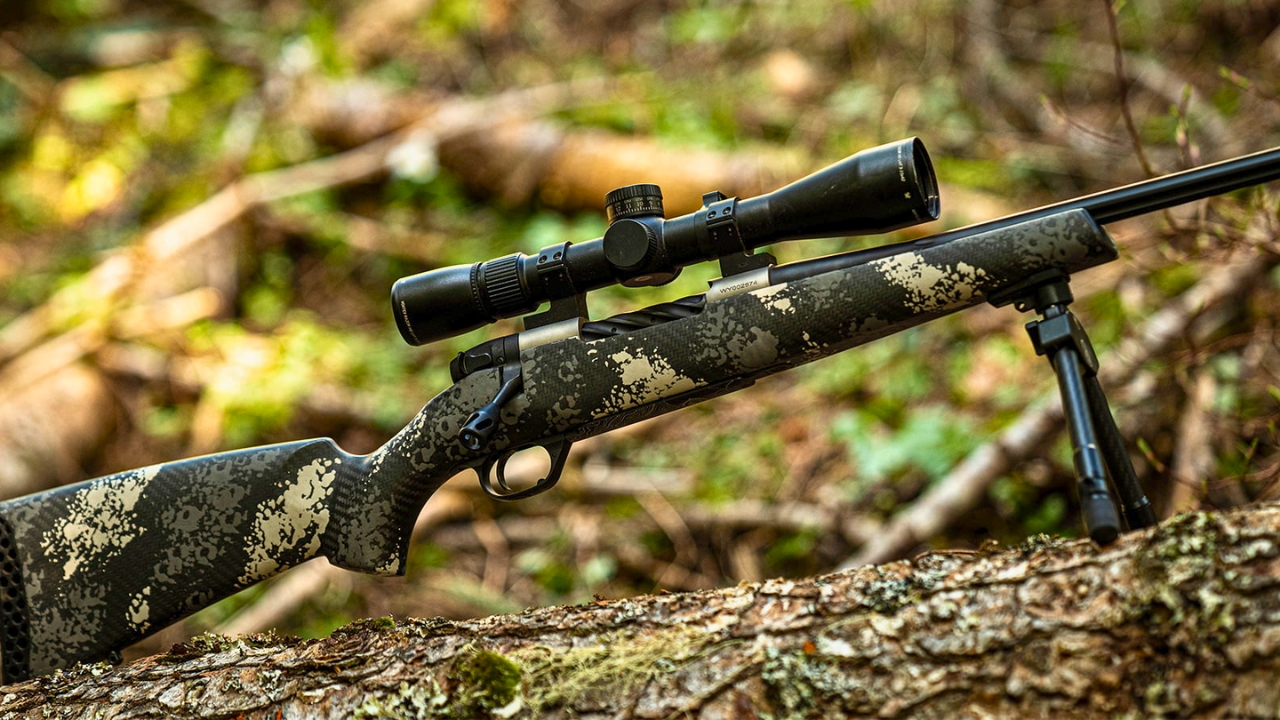
The .300 Weatherby is no joke, and in a lightweight backcountry rifle it can be downright rude. Yes, it offers performance, but the average hunter isn’t taking shots that require Weatherby speed. They’re taking normal shots where a .30-06 or .308 would do the same job.
The recoil cost is real, and the performance gain often isn’t. If the rifle makes you dread practice, the cartridge’s paper advantages don’t matter much in the field.
Ruger American Go Wild in .300 Win Mag
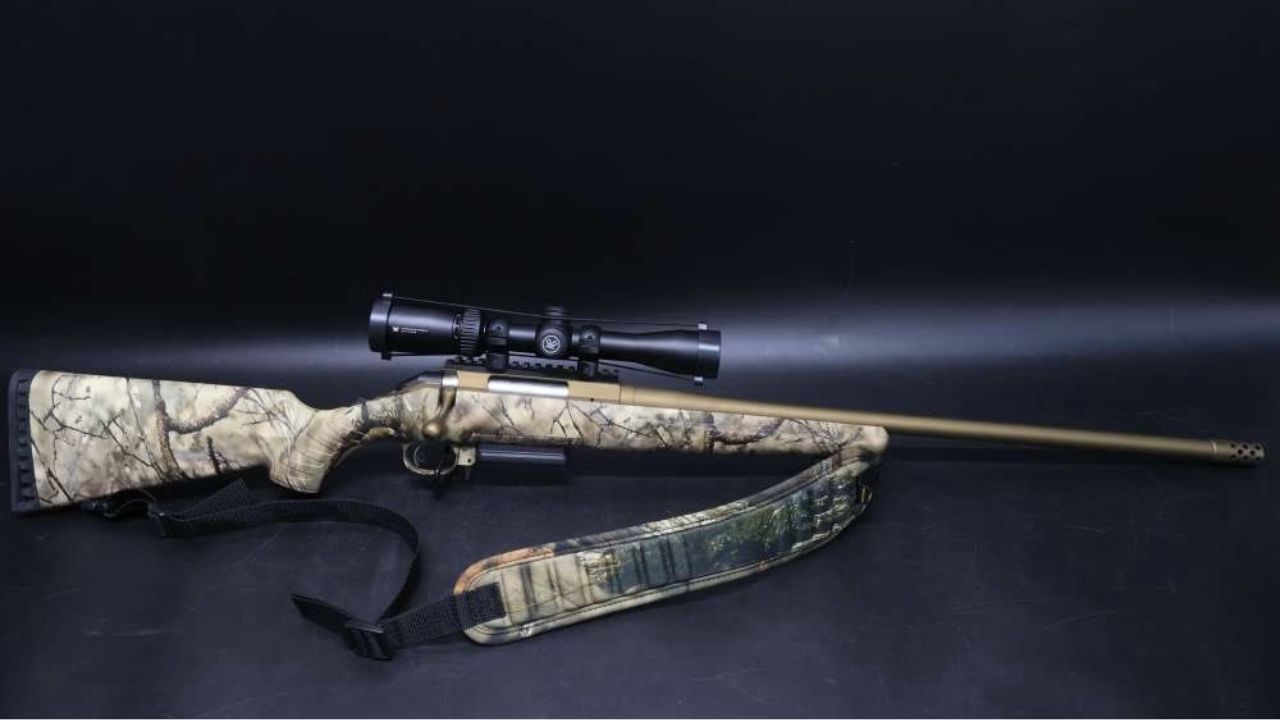
The Ruger American is a budget workhorse, and in magnum chambers it can still kill animals just fine. The issue is the platform plus a lightweight feel can make recoil harsh, especially with a basic recoil pad and a rifle that doesn’t have the heft to soak it up.
A lot of hunters buy this setup thinking they’re getting “magnum power on a budget.” What they really get is a rifle they don’t like shooting. And a rifle you don’t like shooting is a rifle you don’t get good with.
Winchester XPR in .300 Win Mag
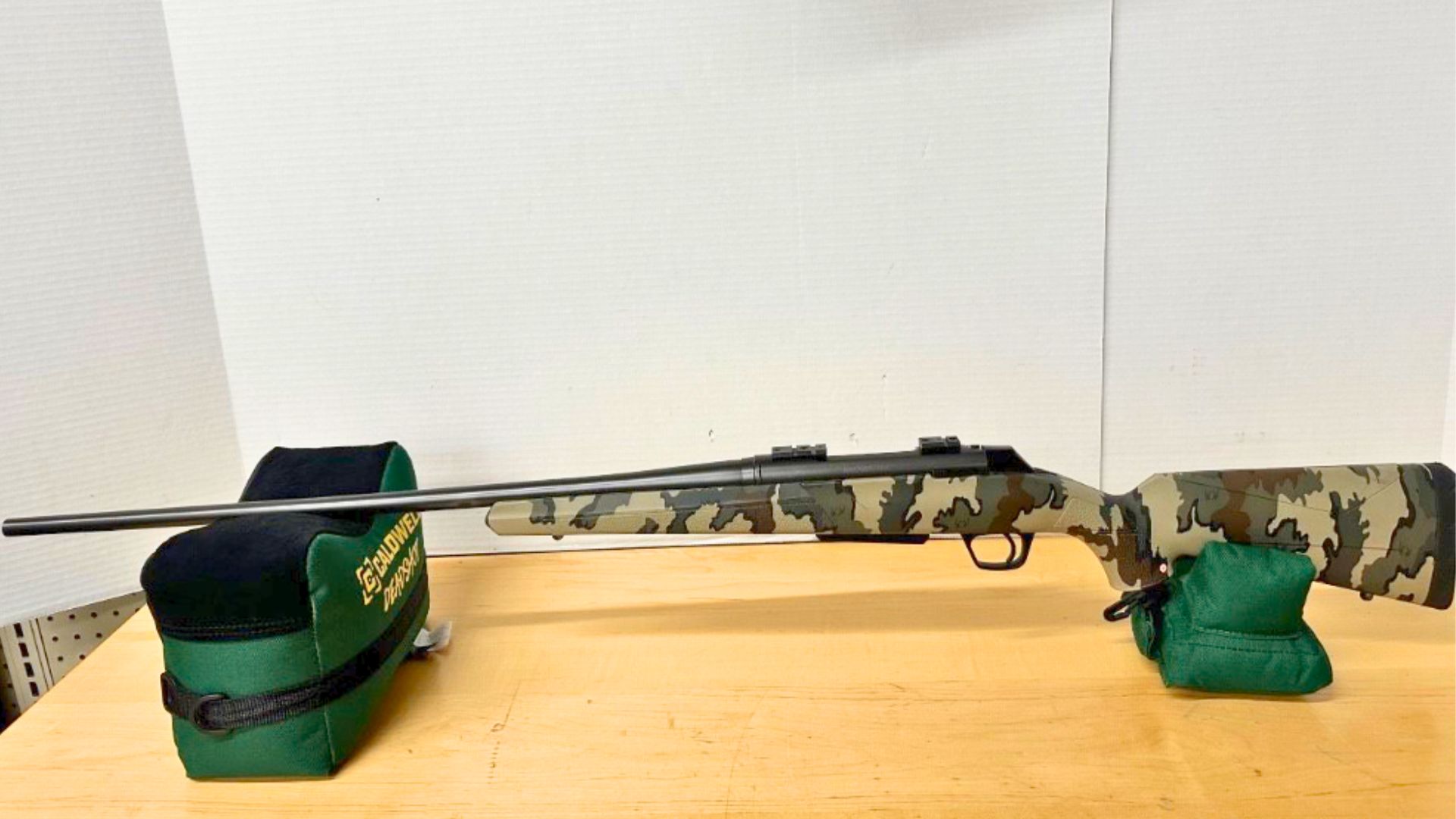
XPRs can shoot, but the lightweight hunting configurations in .300 Win Mag often deliver more recoil than most owners want to live with. The rifle isn’t the villain—physics is. A light rifle launching a magnum load is going to bark and bite.
It’s especially rough for new hunters who bought “more power” as a confidence booster. Recoil doesn’t boost confidence. It usually kills it, and the shooter ends up flinching and second-guessing.
Browning X-Bolt Mountain Pro in .300 WSM
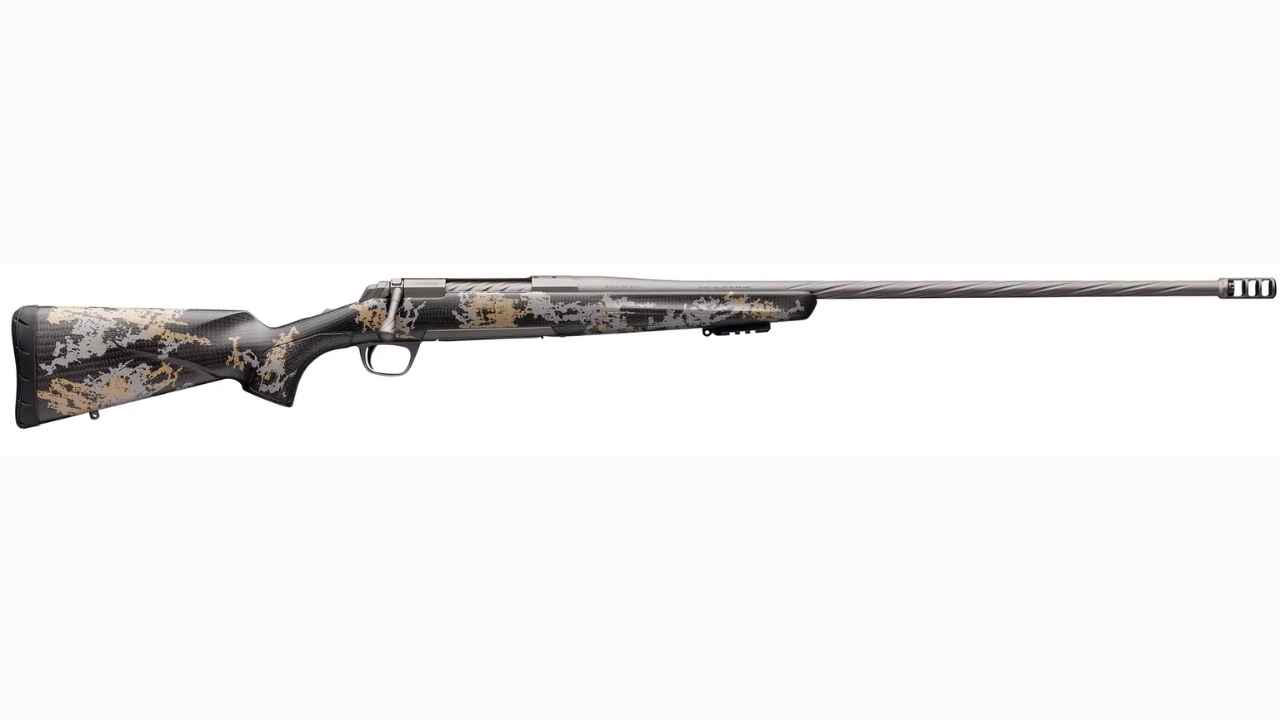
The Mountain Pro is built to carry. In .300 WSM, it can be sharp. The WSM is a legitimate cartridge, but it doesn’t magically remove recoil. In a lightweight rifle, it still hits hard, and many owners realize they don’t need that level of punch for their normal hunting.
The disappointment comes when they realize the rifle’s performance is limited by how much they actually shoot it. A heavy recoiler that you avoid is not a performance setup—it’s a liability.
Kimber Mountain Ascent in .300 WSM

The Mountain Ascent is famous for being light, and that’s the whole point. But light plus .300 WSM can make range time brutal. It’s a rifle built for serious mountain hunts, and serious mountain hunters usually accept recoil as the price.
Most buyers aren’t living that life. They’re hunting from blinds, stands, and trucks, where carrying a few extra pounds wouldn’t hurt anything. In that context, the recoil feels pointless—because it is.
Winchester Model 70 Featherweight in .300 WSM

The Featherweight is a classic, and it’s great in sensible cartridges. In .300 WSM, it can be a shoulder thumper that doesn’t deliver a payoff most hunters will ever use. The rifle carries nice. It just doesn’t shoot nice for many people.
A lot of guys buy it because it’s “the rifle I always wanted,” then discover they don’t enjoy shooting it enough to truly master it. That’s disappointment long before any failure.
Ruger Hawkeye Alaskan in .375 Ruger

The .375 Ruger is serious business, and the Hawkeye Alaskan is built for nasty country. The issue is how often people buy it for the idea of “bear protection” and then never actually train with it because it hits like a truck.
If you truly need a .375, recoil is part of the deal. But if the rifle’s recoil prevents you from practicing fast, accurate shots, it’s not doing what you bought it for. Big-bore confidence requires big-bore training.
CZ 550 in .375 H&H

The .375 H&H is legendary, but most hunters don’t need it, and many don’t shoot it well. The CZ 550 can be a solid rifle, yet the recoil still makes it a rifle people admire more than they practice with—especially once they realize their local hunting doesn’t demand it.
A rifle that’s “cool to own” but discourages practice is a common story with big bores. The performance is real, but it’s often wasted on the exact people who buy it.
Ruger No.1 Tropical in .458 Win Mag
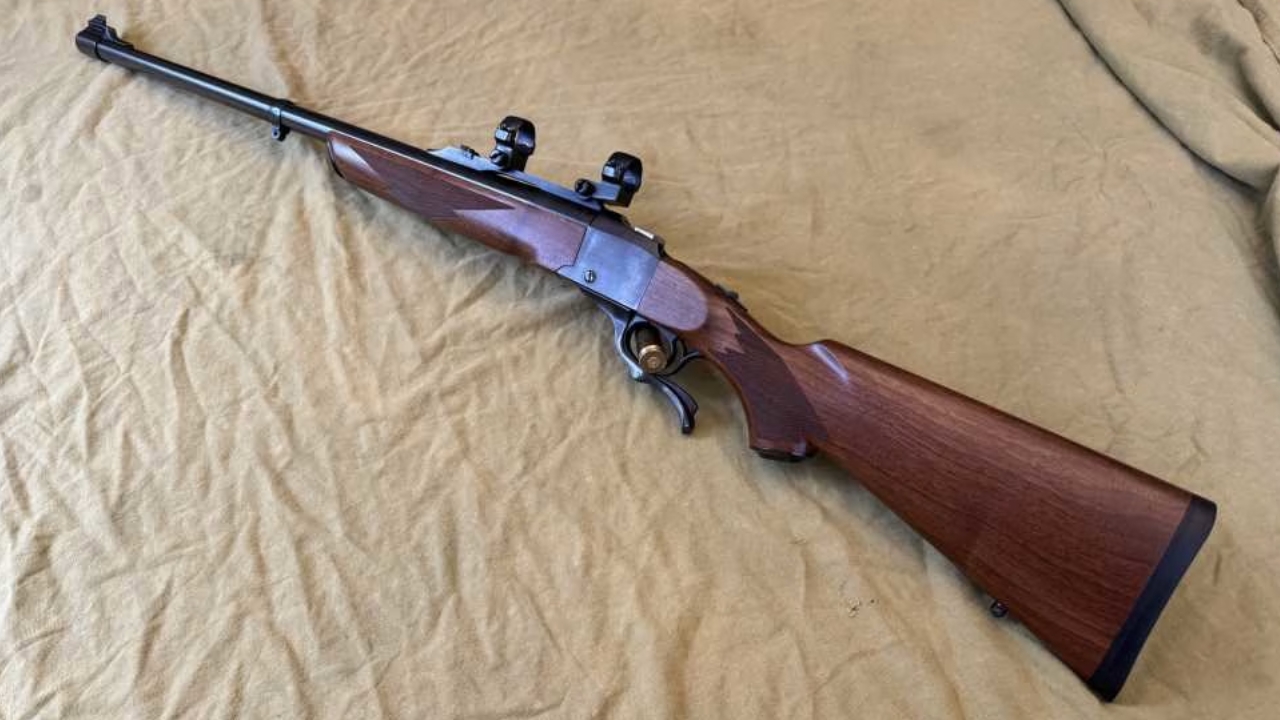
Single-shots are neat and the No.1 is a classic. In .458 Win Mag, it’s a recoil lesson. The performance is meant for dangerous game, and that’s not what most buyers are using it for. They’re buying it because it’s impressive.
If you’re not hunting something that truly demands .458 power, you’re paying in recoil for bragging rights. And recoil you don’t need is the fastest way to build bad habits.
Marlin 1895 Guide Gun in .45-70 (light setups)

A Guide Gun in .45-70 is an awesome tool, but in a lighter configuration with hot loads, recoil gets sharp fast. The cartridge can do a lot, and modern loads can turn it into a thumper. Many people buy it for deer and hogs and then realize they bought more recoil than they wanted.
With standard-pressure loads, it’s manageable and useful. With heavy loads, the rifle can beat shooters up enough that they stop practicing. That’s where performance starts losing to recoil.
Henry H010 in .45-70

Same story: Henry makes a solid lever gun, but .45-70 with modern “hard” loads in a relatively handy rifle can be punishing. The rifle will perform. The question is whether the shooter will, after a few boxes of ammo.
For many hunters, a lighter-recoiling cartridge would produce better real-world results because they’d actually shoot it well. That’s the point—recoil can erase performance if it kills training.
Remington 700 Mountain Rifle in 7mm Rem Mag

The 7mm Rem Mag is a great cartridge, but in a light Mountain Rifle it can feel harsher than it needs to. Most hunters buying that combo are chasing “flat shooting” and “reach,” but they’re still taking normal shots inside normal distances.
A heavier rifle in the same cartridge can be fine. The light rifle version often pushes recoil beyond what most shooters can comfortably practice with, and that’s where the setup starts disappointing.
Like The Avid Outdoorsman’s content? Be sure to follow us.
Here’s more from us: