Photo credit: WildSnap/Shutterstock.com
Some cartridges do what they were built to do—just not for the way most people actually hunt and shoot. These are the rounds that sound impressive, kick like a mule, and light up the range… but don’t give the average shooter a real-world payoff that matches the punishment. Most of the time, the problem isn’t the cartridge itself. It’s the fact that guys buy them for normal hunting, normal distances, and normal-sized game, then wonder why they don’t shoot as well as they thought.
.300 Remington Ultra Magnum (.300 RUM)

The .300 RUM is a classic “more than you need” cartridge for most hunters. It’s loud, it’s hard on shoulders, and it makes range days short for a lot of people—especially in lighter rifles. On paper you get big velocity and energy, but in real hunting distances, you’re not seeing a magical difference compared to more reasonable .30-cal options.
The real cost is training. A round that beats you up tends to create flinches and bad habits, and it discourages practice. If you don’t shoot it often, you don’t shoot it well, and all that “performance” stays on the box instead of showing up on an animal.
.30-378 Weatherby Magnum

This one is a straight-up cannon. It’s built for speed and long range, and it absolutely delivers that—if you’re the rare shooter who needs it and can run it. Most owners aren’t. They’re shooting it at deer distances because they bought the legend, not the mission.
You pay with recoil, blast, and often barrel wear. When a cartridge is so aggressive that most people don’t want to practice with it, it becomes a bragging-rights caliber. That’s fine for collecting and fun shooting, but it’s not a practical “do everything” hunting choice.
.338 Lapua Magnum

The .338 Lapua makes sense in its lane: serious long-range work with heavy bullets and real wind performance. For the average guy hunting deer and elk inside normal distances, it’s usually just extra recoil and extra expense with little benefit.
It’s also a cartridge that exposes bad fundamentals fast. If you’re not truly committed to training, you end up with a rifle you shoot a couple times a year and talk about a lot. That’s not performance—it’s noise and recoil with a side of wallet pain.
.338 Remington Ultra Magnum (.338 RUM)
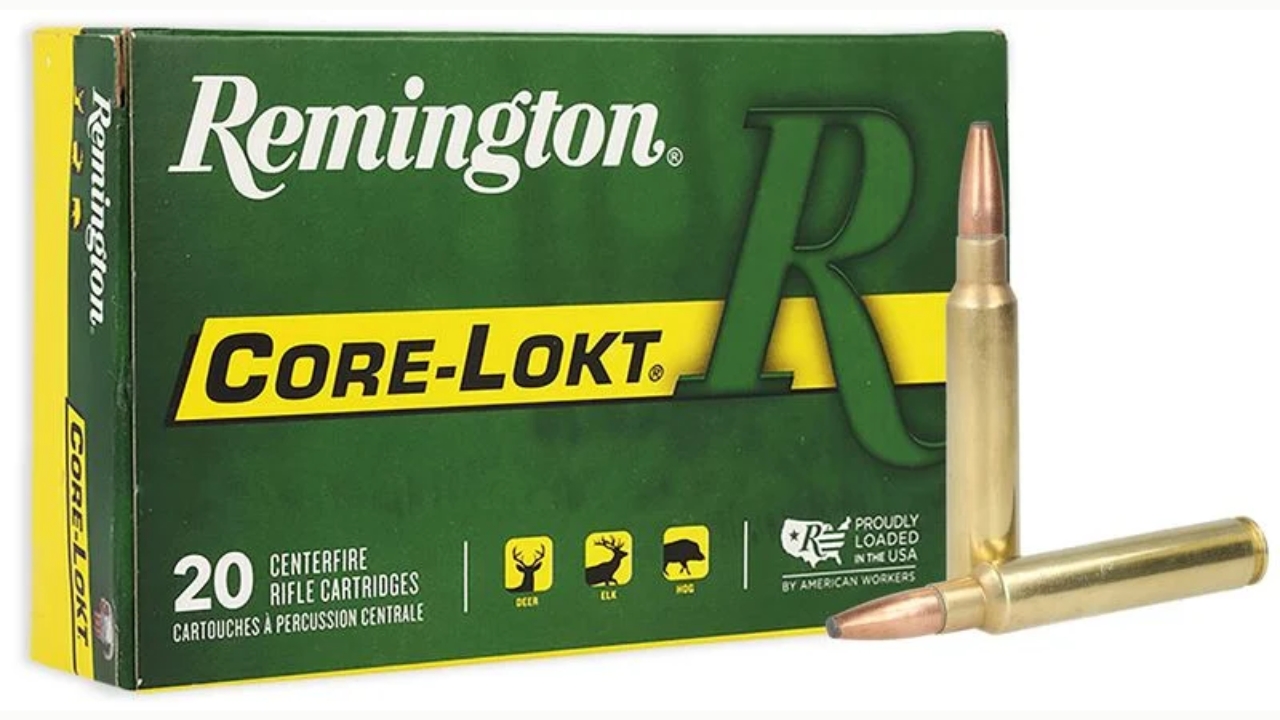
If you want a cartridge that hits hard and announces itself to the whole county, the .338 RUM will do it. The question is what you’re actually gaining for most hunting. Plenty of elk have been taken cleanly with cartridges that don’t punish you every time you pull the trigger.
This is one of those rounds that sounds like a solution to a problem most people don’t have. If you’re not shooting truly large game in harsh situations where you need that level of power, you’re just buying recoil that makes you shoot worse.
.340 Weatherby Magnum
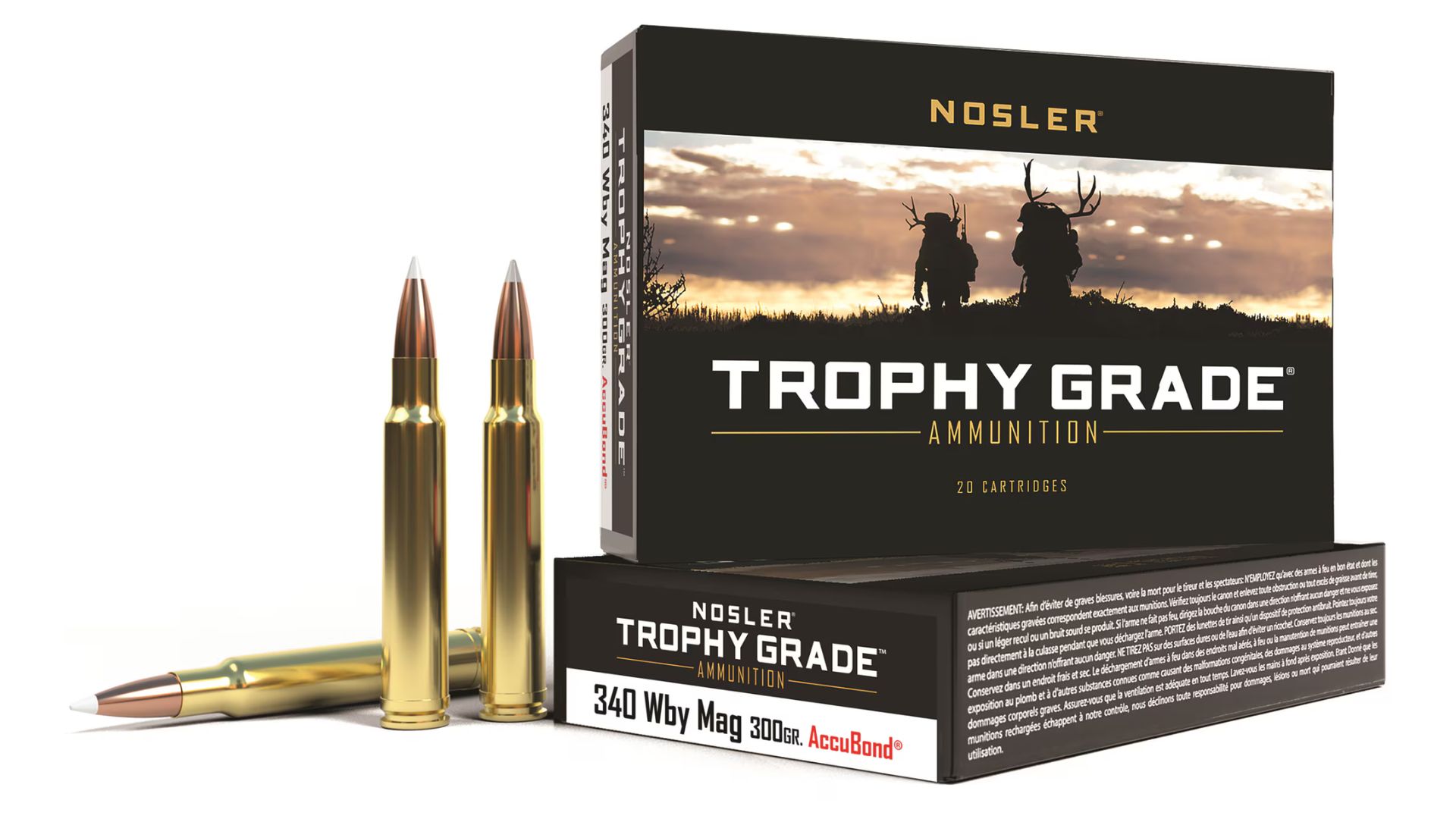
The .340 Weatherby is a serious elk and moose round, no doubt. But it’s also one of those cartridges people buy because it’s cool, then they realize it’s overkill for how they hunt. The recoil and blast can be stout, and the cost of shooting it keeps a lot of guys from practicing.
If you’re the kind of hunter who shoots once to confirm zero and then hunts, you’re stacking odds against yourself. A big caliber doesn’t fix poor shot placement. It often makes poor shot placement more likely because you don’t train enough.
.375 H&H Magnum (for typical North American hunting)
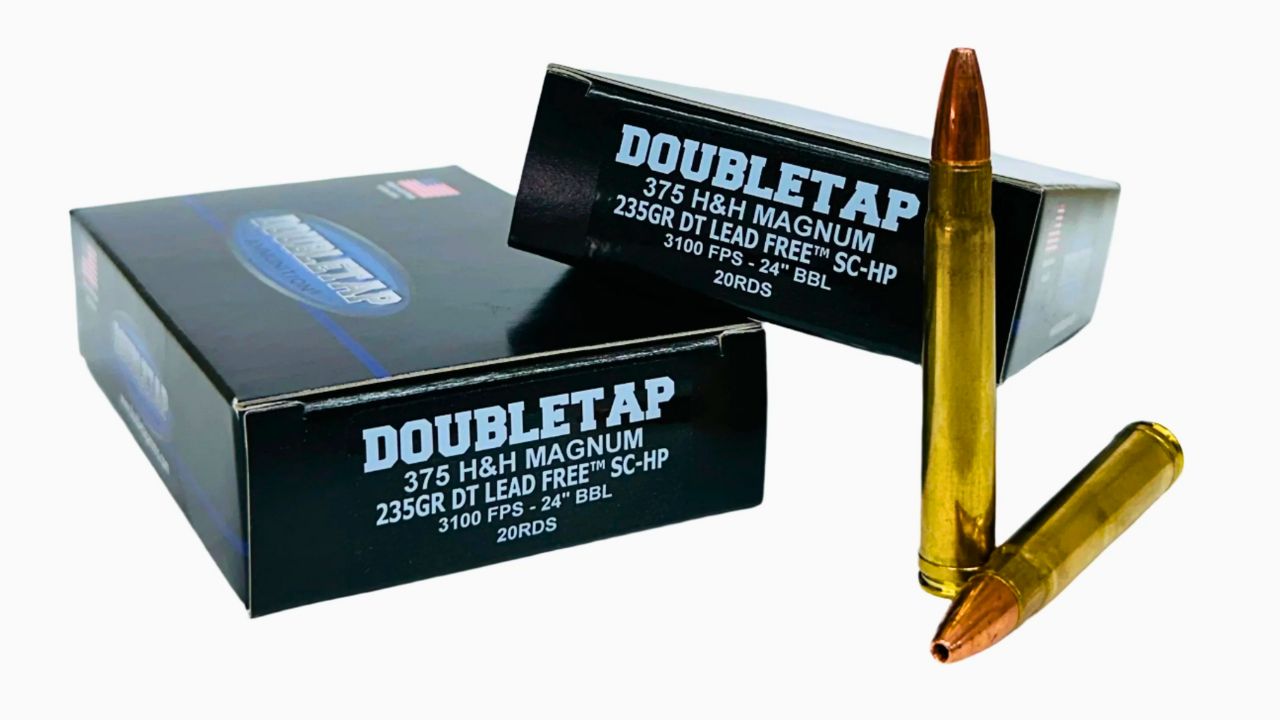
The .375 H&H is legendary, and it earns that reputation on big, dangerous game. But for everyday North American hunting, it’s often just a loud, heavy-recoiling way to do a job that doesn’t require it. Most deer and elk hunters don’t need that much cartridge.
When you step up to a .375, you also step into a different level of recoil management. If you’re not practicing from field positions and building real confidence, you’re holding a lot of rifle and a lot of recoil for a benefit you’ll rarely use.
.375 Ruger
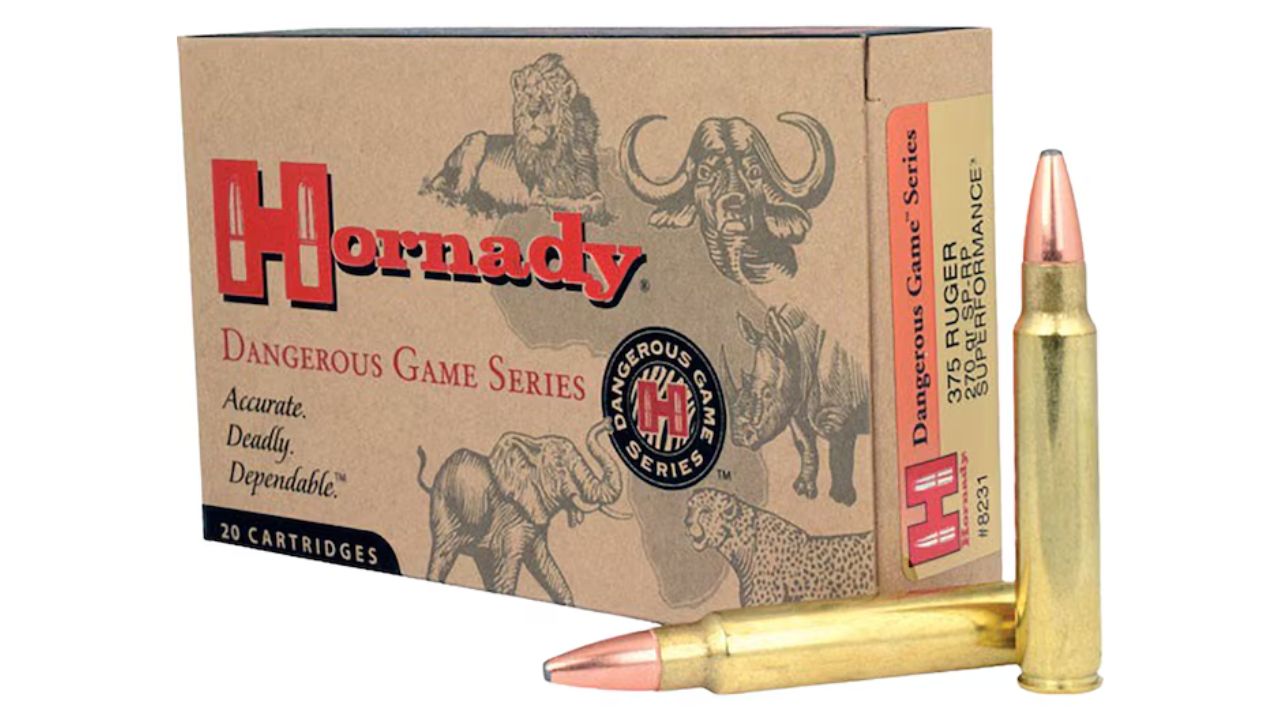
The .375 Ruger is a powerhouse built for tough work. In the lower 48, most hunters simply aren’t doing the kind of hunting that demands it. So the cartridge ends up being a “because I can” choice, and that’s where it becomes noise and recoil without real payoff.
It’s also common to see these cartridges in relatively handy rifles, which can make recoil even sharper. If a cartridge makes you dread range time, it’s not helping you become a better hunter—no matter what the ballistics say.
.416 Rigby

The .416 Rigby is an iconic dangerous-game round. In normal hunting conversations, it usually shows up as a flex. It’s loud, it’s heavy, and it kicks hard—exactly what it was designed to do for the right animals.
For most shooters, it’s a specialty tool they’ll never use in a specialty situation. If you’re not hunting Africa or something that bites back, you’re buying recoil and blast for a story. That’s not “better,” it’s just different.
.458 Winchester Magnum
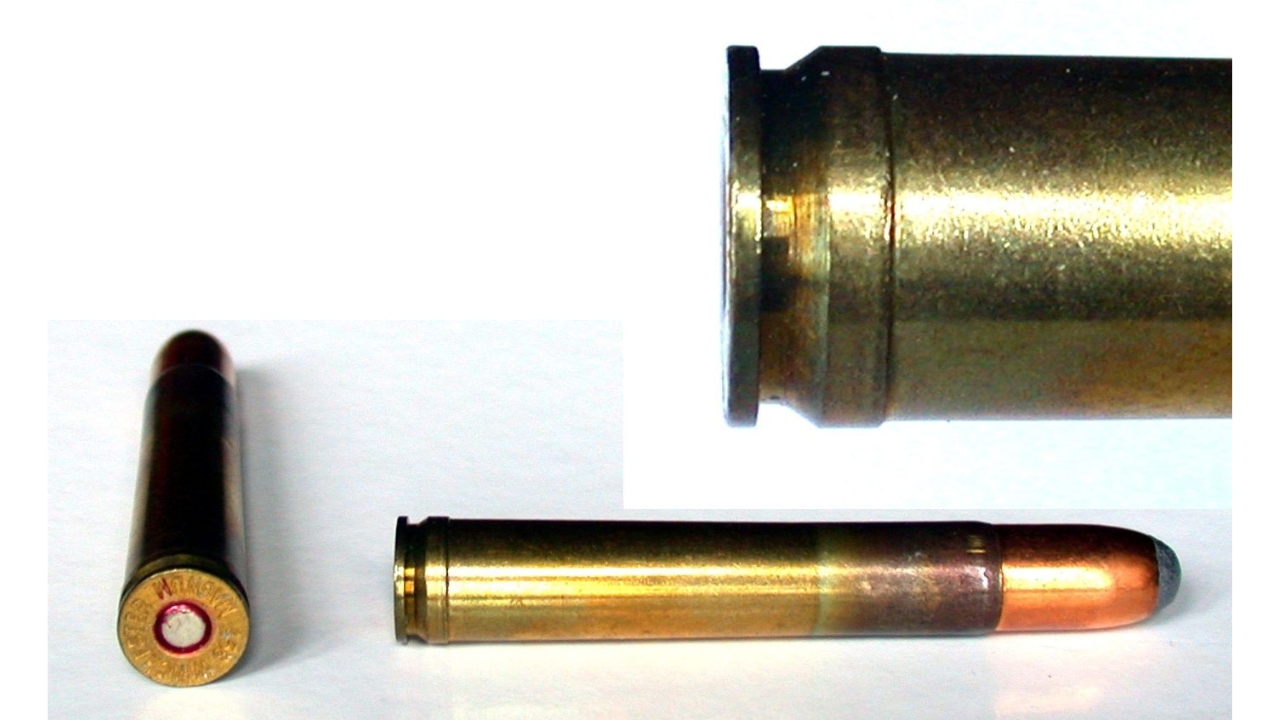
Same idea as the .416—built for a specific world. The .458 Win Mag is a hammer, and it belongs in that dangerous-game lane. Outside of that, it’s mostly a recoil generator that makes practice unpleasant for most people.
The worst part is what it does to shooting habits. Heavy recoil can create anticipation and flinch even in experienced shooters if they don’t train regularly. If the cartridge makes you shoot less and shoot worse, it’s not doing you any favors.
.470 Nitro Express
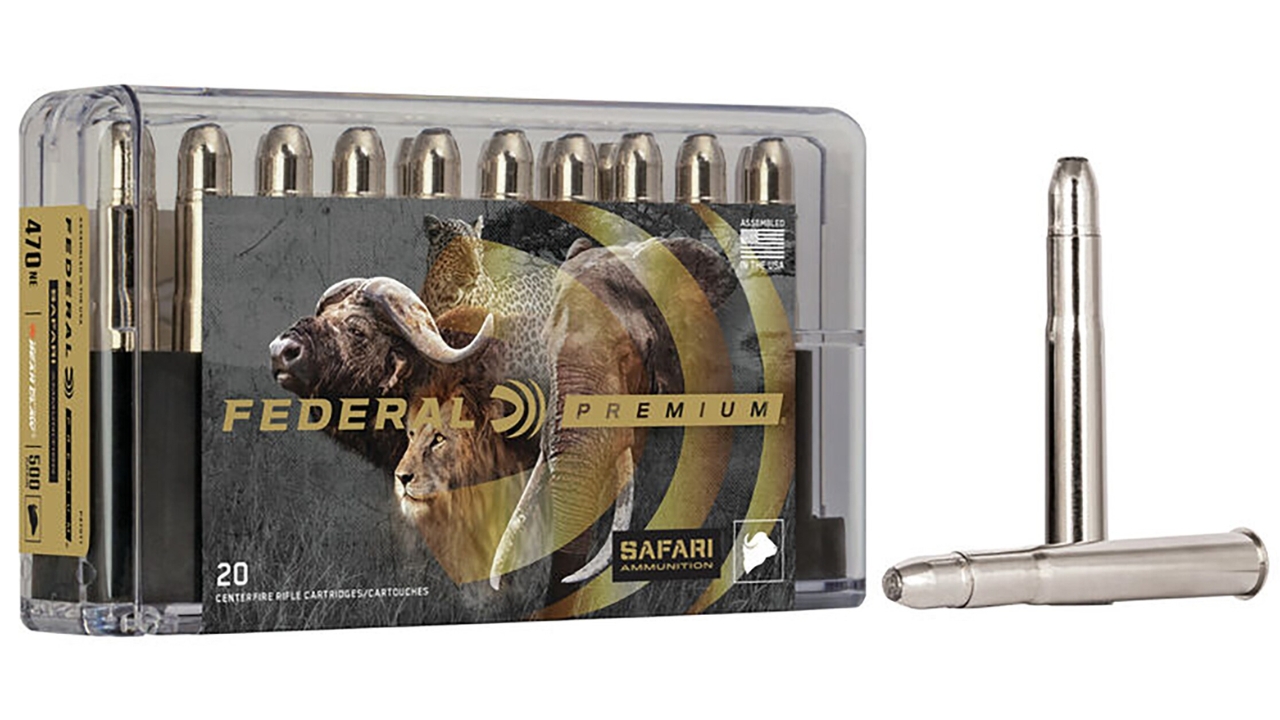
This round exists for a reason, and the reason isn’t whitetails. It’s huge recoil, huge noise, and huge stopping power in a double rifle built for truly serious work.
For most people, it’s a museum piece or a bucket-list experience. It’s not a practical “performance” cartridge for modern hunting in North America. If you own one, awesome—just don’t pretend it’s a smart everyday solution.
.50 BMG

The .50 BMG is an event, not a normal rifle cartridge. It’s loud, it’s heavy, it’s expensive, and it’s rarely used in any way that matches what most shooters say they bought it for.
As a practical choice, it’s almost always “noise and recoil” with little payoff unless you’re truly doing extreme long-range shooting with a serious setup. Most guys end up firing it a few times, posting a picture, and then letting it sit.
.50 Beowulf
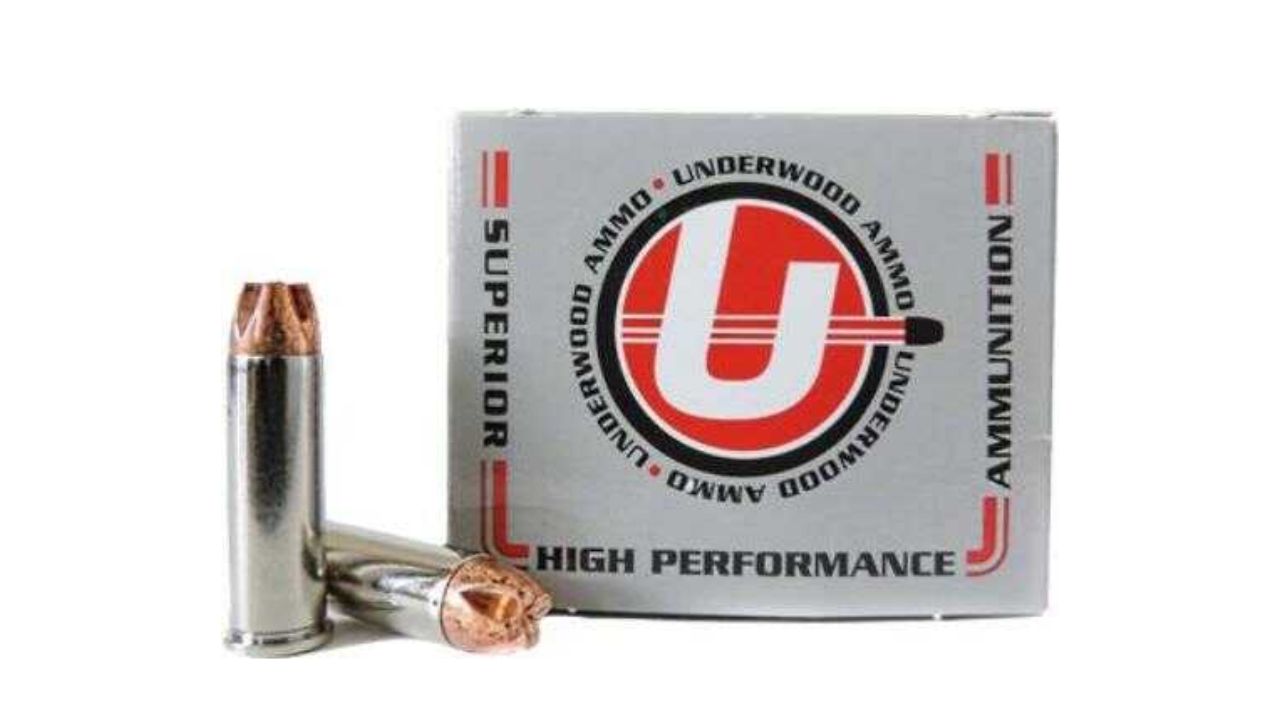
The Beowulf is fun, and it hits hard up close. The issue is that a lot of owners buy it expecting it to be more versatile than it really is. It’s loud, it recoils, and it drops fast at distance. You’re living inside a shorter-range window than many people admit.
If you actually need a thumper for close-range hog work and you’re realistic about distance, it can be a cool tool. If you bought it thinking it’s a do-it-all rifle round, you’ll learn quickly that it’s mostly blast and recoil with limited flexibility.
.450 Bushmaster

The .450 Bushmaster is effective, especially for straight-wall states, but it’s also a round that gets oversold. It’s loud, it recoils, and it’s not flat-shooting. If you’re trying to stretch it or treat it like a long-range hammer, you’re going to be disappointed.
A lot of the “not much else” feeling comes from expectation. Inside its true window, it works. Outside that window, it becomes a holdover-and-hope cartridge that doesn’t reward most shooters.
.458 SOCOM
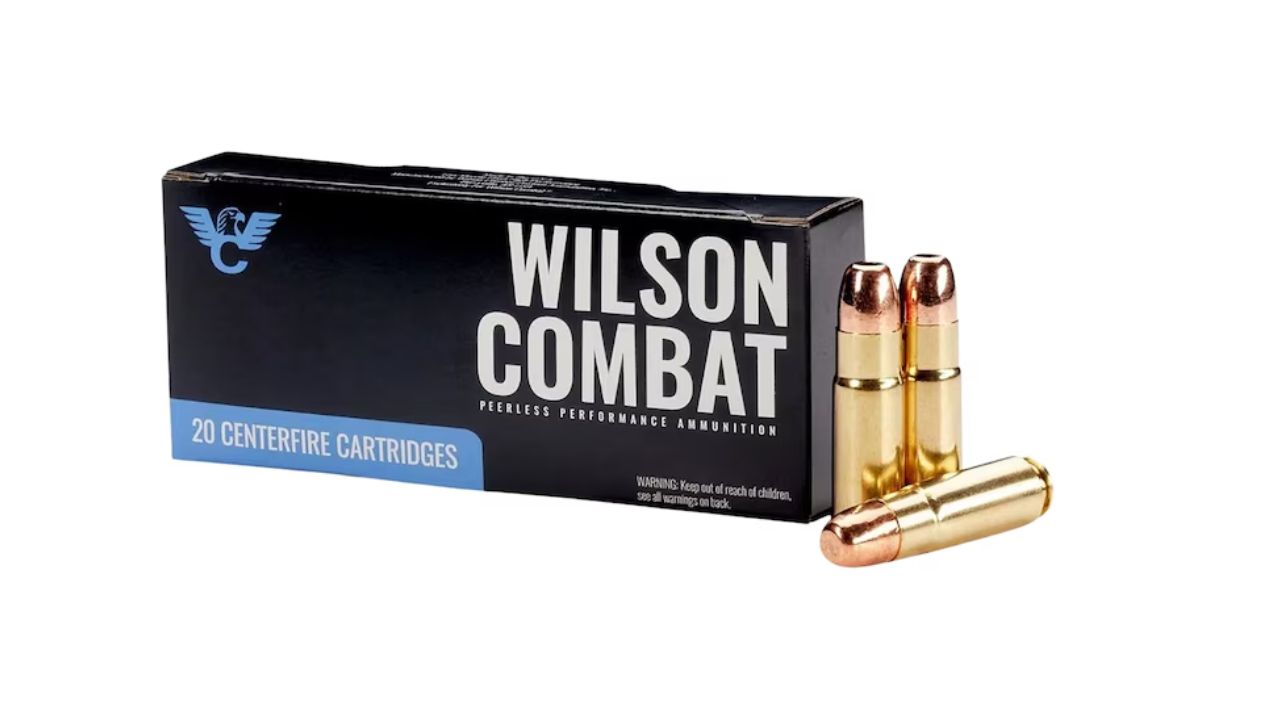
The .458 SOCOM is a specialized AR cartridge that can do real work—up close. The downside is that it brings heavy recoil impulse and expensive ammo, and it’s not built to be a flat, do-everything solution.
For most owners, it ends up being something they shoot occasionally because it’s cool, not something they train with regularly. And when you don’t train, that heavy recoil and big trajectory arc don’t do you any favors.
.500 S&W Magnum

In a revolver, the .500 S&W is a “hold on tight” experience. Even in rifles, it’s still a lot. It absolutely has power, but most people buy it for the spectacle and then realize they don’t enjoy shooting it enough to become proficient.
A cartridge that discourages reps becomes a novelty. If you don’t practice with it, you can’t place shots well under stress, and power doesn’t matter if you can’t deliver it accurately.
Like The Avid Outdoorsman’s content? Subscribe to our newsletter so you never miss an article.
Here’s more from us: