Photo credit: Hunt Fish Shoot/YouTube
A rifle can be chambered in a “reasonable” caliber and still hit you like you grabbed the next size up. Most of the time, it isn’t magic. It’s weight, stock shape, buttpad, barrel length, and how the rifle fits your shoulder. Cut a pound off the rifle and recoil doesn’t drop with it—it jumps. Add a narrow butt, a slick pad, or a stock that drives straight back into your collarbone, and even a mild cartridge starts feeling personal.
You notice it most with mountain rifles, short carbines, and older designs that were never built around recoil comfort. They’re great to carry, handy in brush, and easy to love right up until you touch one off from a bench or shoot a few quick follow-ups. These are rifles that tend to recoil like they’re a caliber bigger than what the barrel stamp says.
Tikka T3x Lite (especially in .308)
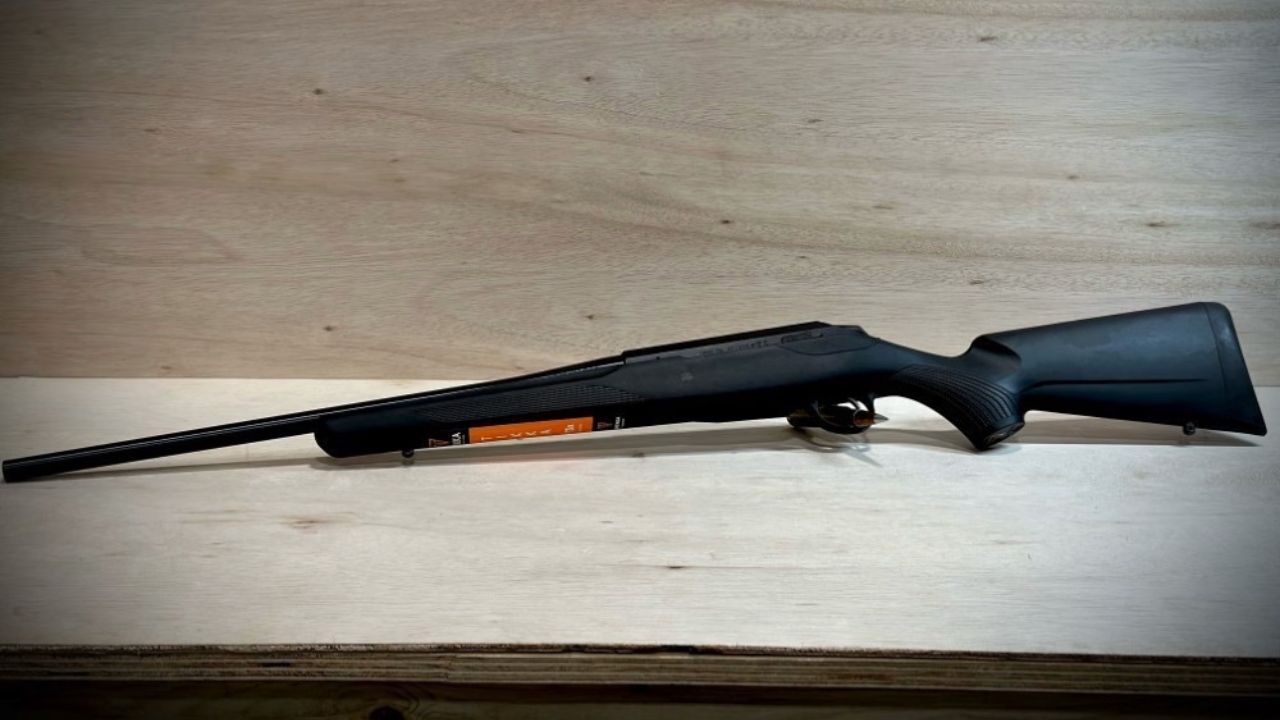
The T3x Lite carries like a dream, and that low weight is exactly why it can feel spicy in .308. The rifle comes back fast, not slow, and it gives you that sharp impulse that makes the cartridge feel closer to a .30-06 than you expected.
The factory pad helps, but the stock is light and the whole package doesn’t have much mass to soak anything up. Off a bench, it’s even more noticeable because you’re locked in and the recoil has nowhere to “roll.” In field positions, it’s manageable, but it still has that quick jab. When you’re sighting in or practicing a lot, this is one of those rifles that teaches you to keep your form tight and your expectations realistic.
Tikka T3x Superlite

The Superlite takes the same basic recipe and turns the recoil up another notch. Shave more weight, keep the same cartridge, and the rifle starts behaving like it’s in a higher bracket. With standard hunting loads, it can feel more abrupt than many heavier rifles in the same caliber.
You feel it in the speed of the hit. It’s not always “painful,” but it’s definitely energetic, and it can mess with your follow-through if you’re not paying attention. The Superlite is a smart choice when you value miles over muzzle time, but it’s not a rifle that invites long bench sessions. It’s the kind of gun that shoots best when you treat it like a hunting tool—zero it, verify it, then save the bulk of your practice for positions that mimic real shots.
Kimber 84M Montana

The 84M Montana is famous for being light and easy to pack. That’s also why it can recoil like it’s chambered a step hotter than it really is, especially in .308-class cartridges. The rifle snaps back with authority, and the lightweight stock doesn’t soften much of the impulse.
Fit matters a lot here. If it fits you well, you can run it clean. If it doesn’t, the recoil feels sharper and more concentrated. The narrow butt and light overall build don’t give you much “spread” on the shoulder, so the push feels focused. It’s a rifle you can shoot extremely well, but you earn it with good technique and smart practice. A Montana makes you appreciate how much comfort comes from weight and stock geometry, not caliber alone.
Remington Model 700 Mountain Rifle

The 700 Mountain Rifle has been bruising shoulders for decades because it’s light, trim, and often chambered in cartridges that don’t need a lightweight platform. Even in .270 or .308, it can recoil with that fast, punchy feel that makes you double-check the headstamp.
A lot of them also came with pads that were fine for one or two shots at a deer, not a full afternoon at the range. The stock shape can drive recoil straight back, and the rifle’s lighter barrel doesn’t add much stability. It’s a classic carry rifle, and it’s killed a lot of game. It’s also one of those rifles that can make you flinch if you try to do too much bench work with it in one sitting. The recoil doesn’t feel “huge,” but it feels quick and insistent.
Winchester Model 70 Featherweight

A Featherweight feels right in your hands, and then you touch it off and remember why heavier rifles exist. In .30-06, it can feel like you’re flirting with magnum territory, and even in .308 it can feel sharper than you’d expect from a classic hunting round.
Part of it is the lighter build and the way the stock carries recoil. The Featherweight balance is great for field carry, but it doesn’t give you the same steady shove you get from a heavier rifle with a wider pad. The recoil comes back lively, and if the rifle doesn’t fit you well, it can climb and smack you harder than it should. It’s still a great hunting rifle, but it rewards a firm shoulder pocket and solid cheek weld. When you get lazy, it reminds you immediately.
Ruger American Ranch (in .308)

The American Ranch looks like a practical, simple rifle, and it is. In .308, though, that short barrel and light weight can make recoil feel like you stepped up a class. The muzzle blast is sharper, and the recoil impulse feels faster because the rifle doesn’t have much mass to slow it down.
The stock and pad are serviceable, but you’re still dealing with a compact rifle meant for easy handling, not maximum comfort. It’s the kind of gun that feels fine for a few rounds, then starts feeling “busy” when you’re confirming zero or shooting groups. From field positions, you can manage it well, but off a bench it will get your attention. The Ranch is a great tool for what it is, but it’s not a rifle that makes .308 feel gentle.
Ruger Gunsite Scout Rifle
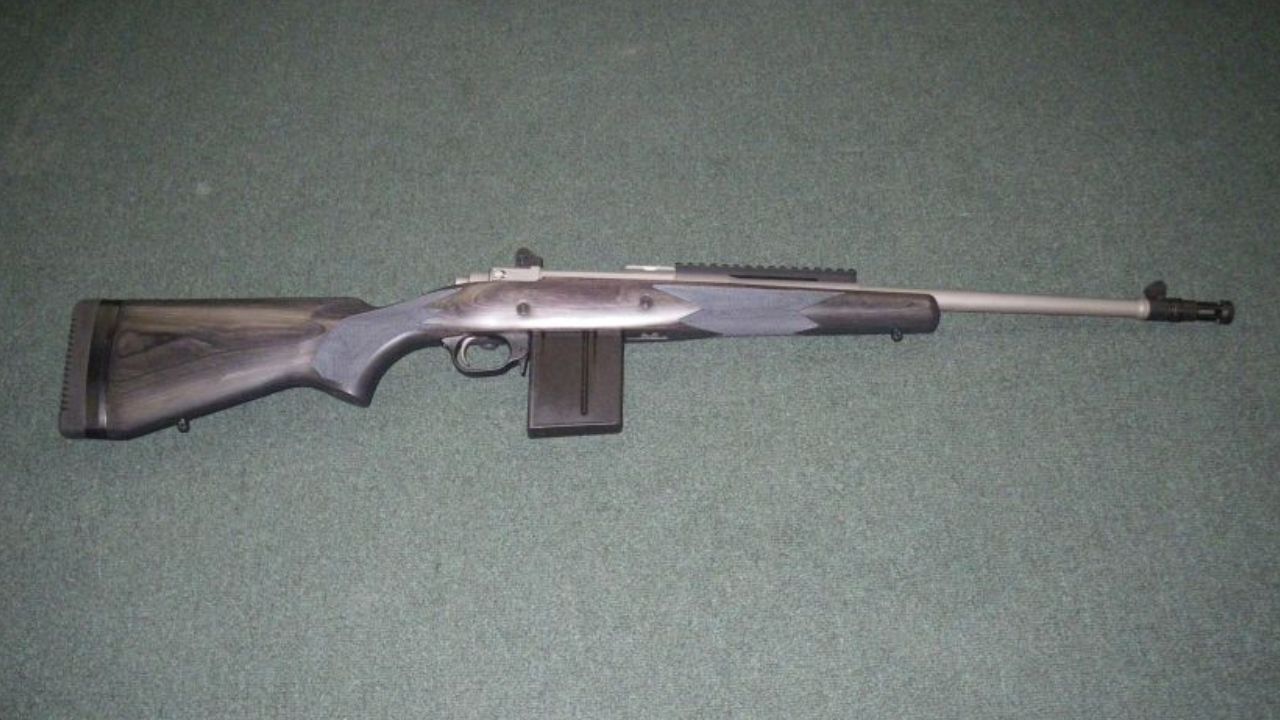
Scout rifles are built for carry and handling, and the Gunsite Scout is true to that. In .308, the short barrel and handy weight can make recoil feel more like a .30-06 in a traditional hunting rifle. It’s not brutal, but it’s brisk, and it tends to come back with a quick punch.
The stock design and recoil pad aren’t the softest combination, and the rifle’s balance can make it feel like it “pops” instead of pushes. Add a light optic and you’ve got a setup that’s convenient to carry but lively on the bench. In practical shooting positions, it works well and stays controllable. But if you’re expecting a calm, slow recoil impulse, the Scout can surprise you. It shoots like a rifle that’s built to be ready, not pampering.
Savage 110 Ultralite

Savage built the 110 Ultralite to be carried hard and shot when it matters. The problem is that low weight makes almost any hunting cartridge feel one size hotter. In .308, .270, or 6.5 Creedmoor, the recoil can feel sharper than what those calibers typically deliver.
The impulse isn’t always heavy, but it’s quick and snappy. That’s what gets people—the speed of the hit and the way the rifle returns. It’s easy to start rushing your follow-through because the rifle feels eager to move. The Ultralite can be very accurate, which makes it tempting to do a lot of bench work. That’s where you notice the recoil character most. It’s a mountain rifle in every sense, including the part where comfort comes second to carry weight.
Mossberg Patriot

The Patriot is often bought as a budget-friendly hunting rifle, and some versions are light enough that recoil feels out of proportion. In .30-06 or .308, it can kick like you expected a magnum to kick, especially if the rifle doesn’t fit your shoulder perfectly.
Stock shape and pad quality matter here. When the butt is narrow and the pad isn’t doing much, recoil gets concentrated into a smaller spot. That’s when a normal hunting load starts feeling sharp. The rifle can shoot fine, but the recoil feel can make it harder to shoot well for long strings. You end up taking more breaks and shooting fewer rounds per session, which hurts practice. It’s not that the Patriot is unusable. It’s that some setups don’t give you the comfort margin that makes a cartridge feel civilized.
Marlin 1895 Guide Gun (in .45-70)

A Guide Gun is short, handy, and built for close work. In .45-70, that compact format can feel like it adds a caliber worth of recoil all by itself. Even standard loads can thump hard, and hotter loads can feel like you’re getting hit with a sandbag.
The straight-ish stock and lever-gun butt shape don’t spread recoil the way a modern bolt gun with a good pad can. The recoil isn’t only backward—it often comes with a bit of upward flip that slaps your cheek if you’re not set up right. The Guide Gun is a serious tool in thick country. It’s also the rifle that reminds you recoil is about rifle design as much as cartridge. If you shoot it a lot, you learn to manage it with technique, not hope.
Marlin 444

The .444 Marlin is a big-bore that can feel downright rowdy in a lever gun. The cartridge already has authority, and the rifles chambered for it tend to be light enough that the recoil feels bigger than the numbers suggest. It’s the kind of recoil that’s more “whack” than “push.”
Stock design plays a major role. Lever guns often have narrow butts and less forgiving geometry, and the .444’s impulse makes that obvious. You can absolutely hunt with it well, but it’s not a rifle you casually shoot a bunch of boxes through without noticing the cost. When you’re sighting in, you’ll feel it. When you’re practicing from a bench, you’ll really feel it. The .444 hits hard on both ends, and the rifle platform doesn’t hide that.
Winchester Model 94 Trapper

A short Model 94 looks mild because it’s “only” a .30-30. Then you shoot one and realize the rifle’s weight and stock shape can make that cartridge feel hotter than it should. The Trapper-length guns are quick to the shoulder, but they can also be quick to punch you back.
The recoil isn’t massive, but it’s sharp. The narrow butt and classic lever-gun geometry can concentrate recoil, and the short barrel often adds a little extra blast that makes the experience feel more violent than it is. In the woods, you barely notice it on game. At the range, it’s a different story, especially when you’re trying to shoot groups and stay relaxed. The Trapper is a handy rifle with honest recoil. It won’t pretend to be soft.
Ruger No.1 (light sporter versions)
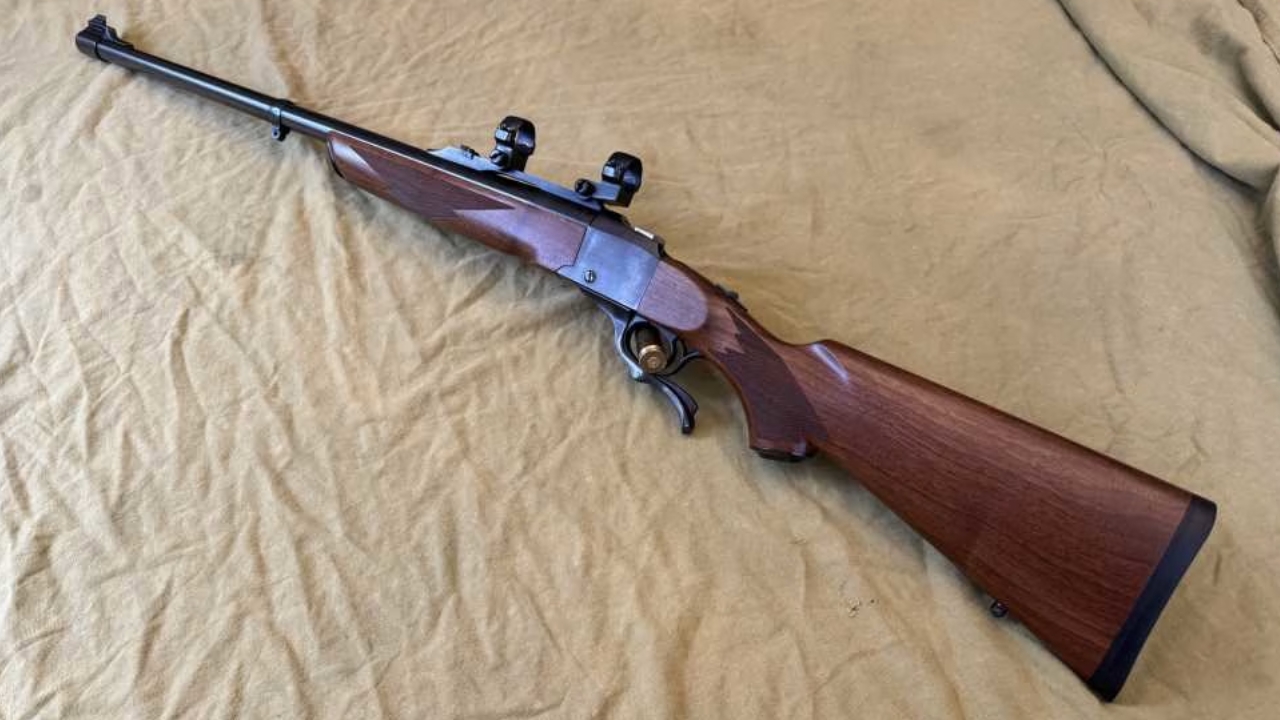
The Ruger No.1 looks calm and traditional, but certain light sporter versions can recoil harder than you expect. With cartridges like .30-06, .270, or anything in the magnum neighborhood, the rifle’s weight and stock geometry can make recoil feel bigger than the cartridge deserves.
The falling-block action gives you a compact rifle, and compact rifles often carry recoil in a more abrupt way. The butt shape and fit matter a lot, and some shooters find the No.1’s recoil comes back with a sharp, clean hit rather than a long shove. It’s not a criticism—it’s a characteristic. The No.1 is a classy hunting rifle that can shoot very well, but it’s not always forgiving. When you pair a lighter No.1 with a stout load, it can feel like you grabbed the next caliber up.
Browning BLR Lightweight

The BLR Lightweight carries great and handles fast, and that lightweight build is why recoil can feel out of proportion. In .308, .30-06, and similar cartridges, the BLR can recoil like it’s in a heavier class because the rifle doesn’t have a lot of mass to settle things down.
The stock design also matters. Lever rifles tend to have a recoil feel that’s different than bolt guns, and the BLR is no exception. The recoil can come back with a quick snap and a little rise, which makes follow-through more work. It’s still a very capable hunting rifle, and it points naturally in the woods. But if you’re expecting a soft-shooting .308 because you’ve only shot .308 in heavier bolt guns, the BLR Lightweight can surprise you. It’s lively in the hand and lively on the shoulder.
Howa 1500 Superlite

The Howa Superlite is another rifle that proves weight is a recoil multiplier. In common hunting cartridges, it can recoil with the attitude of something bigger because the rifle simply doesn’t have enough heft to turn that impulse into a slow push.
The stock and pad do what they can, but the overall package still comes back fast. That fast recoil makes it easier to lose your sight picture and harder to stay honest on the trigger, especially off a bench. In hunting positions, it’s more manageable, but the character stays the same: quick hit, quick rise. The Superlite is a strong choice for covering ground, and it can be very accurate. It’s also a rifle that makes you pay for that carry comfort with shoulder comfort.
Remington Model Seven

The Model Seven looks like a friendly little woods rifle, and it often is—until you chamber it in something like .308 or 7mm-08 and start shooting full-power loads. The rifle’s compact size and lighter weight can make recoil feel bigger than the caliber, especially compared to a full-size 700.
The stock geometry and shorter length can concentrate recoil into a tighter space. That can feel sharp, especially if you’re shooting from a bench or you’re not getting the butt planted consistently. The Model Seven is built for quick handling and easy carry, and it delivers on that. It also delivers recoil in a quick, straight hit that can surprise people who expected “small rifle, mild feel.” With the right setup and good technique, it’s fine. But it’s a rifle that often punches above its caliber in recoil.
Like The Avid Outdoorsman’s content? Be sure to follow us.
Here’s more from us: