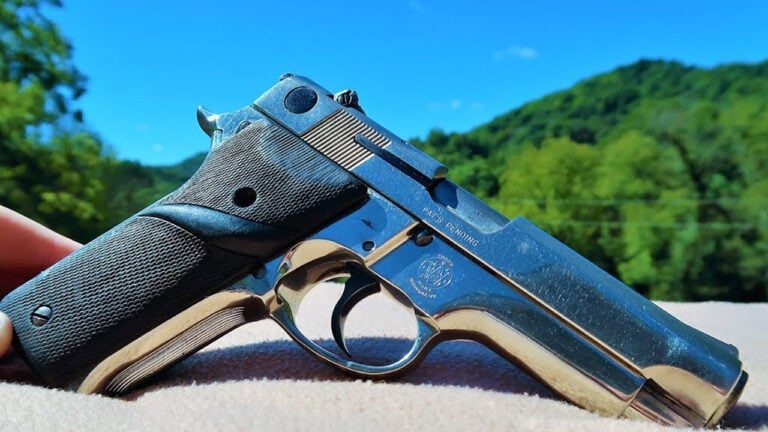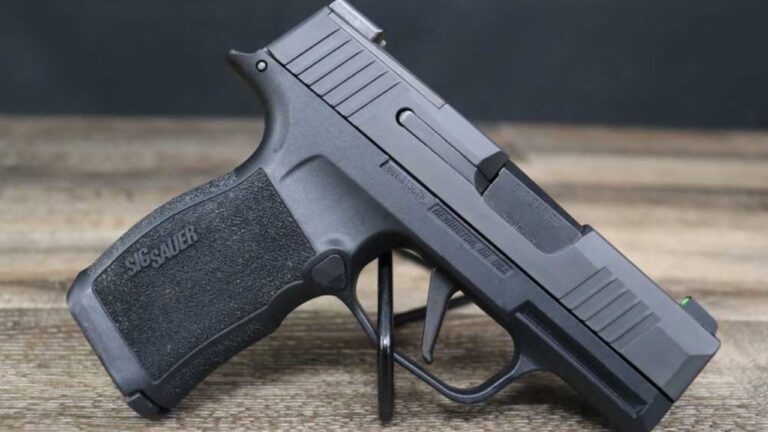
Photo credit: J_C_Hunt/YouTube
Some calibers don’t survive because they’re trendy. They survive because they’re useful, available, and tied to real memories—first deer, first duck limit, first rifle you were trusted to carry alone. When a cartridge keeps showing up in family gun safes and old ammo cans, it’s usually because it worked for the people who came before you, and it still works now.
These are the calibers you hear about at kitchen tables and tailgates. They’re the ones that get recommended with a shrug and a nod, not a sales pitch. They also tend to live in guns that get passed down—lever actions with worn bluing, bolt guns with honest scratches, revolvers with smooth triggers. Here are 15 that have carried stories across generations, plus the classic guns they’re most often tied to.
.22 Long Rifle

A .22 LR is often the first cartridge you really learn, because it lets you focus on shooting instead of recoil. It’s cheap enough to practice, quiet enough to teach without intimidation, and accurate enough to reward good fundamentals. That’s why it’s been handed down for so long—because it builds shooters, not flinches.
The Ruger 10/22 is a common family rifle for a reason. It’s reliable, easy to maintain, and endlessly practical for plinking and small game. If you grew up around guns, there’s a good chance a .22 lived in the house long before any centerfire did. The caliber sticks around because it stays useful in every stage of life.
.30-30 Winchester

The .30-30 has been passed down because it’s the deer woods cartridge that made sense for ordinary hunters. It hits hard enough for whitetails, doesn’t beat you up, and works in rifles that carry like they were built for brush. A lot of families have a story that starts with “Grandpa’s lever gun,” and this is usually the caliber behind it.
The Winchester Model 94 is the classic pairing. It’s fast to shoulder, easy to carry, and it does its best work inside the ranges most woods hunters actually shoot. The .30-30 isn’t about stretching distance. It’s about clean kills in real hunting conditions, and that’s why it keeps showing up in hand-me-down racks.
.270 Winchester

The .270 Winchester gets passed down because it’s one of the most practical “one rifle” hunting rounds ever made. It shoots flat enough for open country, hits hard enough for deer and elk with the right bullets, and doesn’t punish you like the big magnums. Hunters trust it because it stays consistent season after season.
The Winchester Model 70 in .270 is the kind of rifle you see in families for decades. It carries well, holds zero, and feels like a hunting rifle should. A lot of people learned long shots and wind holds on a .270, and they kept it because it kept working. It’s the caliber that proves you don’t need drama to be effective.
.30-06 Springfield
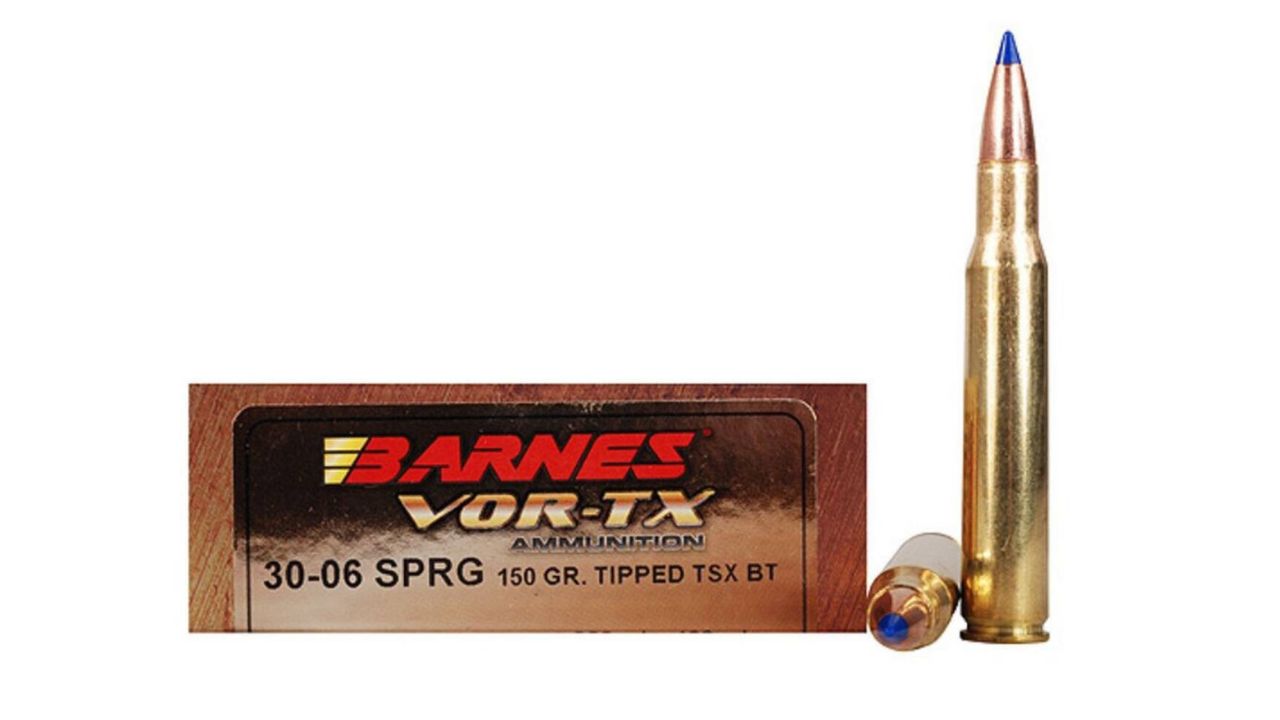
The .30-06 gets passed down because it covers so much ground without being temperamental. You can load it light for deer, heavy for elk, and it’s been doing that job for more than a century. In hunting camps, it’s the cartridge you can count on to show up, both in ammo availability and in performance on game.
The Remington 700 is one of the most common rifles you’ll see it chambered in, especially in family hand-me-downs. A well-cared-for 700 in .30-06 tends to be accurate, easy to mount a scope on, and predictable in the field. When a cartridge and rifle combo keeps filling tags across generations, it earns that “passed down” reputation honestly.
.308 Winchester

The .308 has been passed down because it’s efficient, accurate, and practical. It hits hard enough for most North American big game with the right bullets, it’s easier on recoil than many magnums, and it tends to shoot well in a wide range of rifles. It also benefits from broad ammo availability thanks to its long service history.
The Savage 110 is a classic working rifle you’ll often see chambered in .308. It’s the kind of setup that gets hunted hard, then handed down because it still shoots straight. Families pass down .308s because they’re useful, not because they’re fancy. When a rifle keeps doing the job every fall, you don’t replace it. You hand it to the next guy.
.243 Winchester

The .243 has been passed down because it’s a “learn to hunt” cartridge that still stays relevant after you learn. It’s easy to shoot well, flat enough to simplify holds, and effective on deer-sized game with proper bullets and shot placement. That’s why it shows up in so many first-deer stories.
The Remington 700 ADL in .243 is a common family rifle because it’s approachable and practical. It doesn’t intimidate new shooters, and it teaches good habits instead of punishing mistakes. Many hunters keep theirs even after they buy bigger calibers, because it remains useful for coyotes, does, and careful shots in open fields. That versatility is why it gets handed down instead of sold.
.45-70 Government

The .45-70 gets passed down because it’s tied to a style of hunting that doesn’t go out of fashion: close-to-medium range, heavy bullets, and decisive hits. It’s a cartridge that works in thick timber, on big-bodied animals, and in rifles that carry well. When you inherit one, it usually comes with stories about brush, bears, or a hard-hit buck that didn’t go far.
The Marlin 1895 is one of the most common modern homes for it. It’s a lever gun that’s easy to carry and fast to run, and it handles a wide range of loads. Families pass down .45-70s because they’re still useful, and because they feel like real hunting rifles. The caliber has history, but it also has real-world purpose right now.
.44 Magnum

The .44 Magnum gets passed down because it represents a certain kind of confidence—heavy-bullet power in a handgun that can handle real work. It’s not a beginner round, but it’s a round that experienced shooters keep because it can hunt, defend, and serve as a serious backcountry sidearm when loaded appropriately.
The Smith & Wesson Model 29 is the classic gun people associate with it, and plenty of those revolvers have lived long lives in families. A .44 wheelgun often gets inherited along with a warning: “Respect it.” But it also comes with stories of deer camps, bear country, or the one revolver that always rode in the truck. It gets passed down because it’s still capable, not because it’s a novelty.
.357 Magnum

The .357 Magnum gets passed down because it’s one of the most useful revolver cartridges ever made. With .38 Special, it’s easy to shoot and cheap to practice. With .357, it becomes a serious defensive round and a capable woods cartridge. That flexibility means the revolver stays relevant through different stages of life and different needs.
The Ruger GP100 is a common heirloom because it’s built to last. It’s sturdy, it handles magnum loads well, and it tends to keep running even when it hasn’t been babied. Families pass down .357s because they’re practical. A good .357 revolver is a “forever gun” if it’s cared for, and the ammo options mean the next generation can use it immediately.
.38 Special

The .38 Special gets passed down because it’s been protecting homes and riding in holsters for generations. It’s controllable, effective with the right loads, and easy to shoot well at realistic distances. A lot of people learned double-action triggers on a .38, and that skill sticks with you forever.
The Smith & Wesson Model 10 is the classic family revolver. It’s the kind of gun that sits in a drawer, then gets taken out years later and still works the same way. It doesn’t rely on magazine springs or slide speed. It asks for a steady trigger press and good hits. Families pass down .38s because they’re dependable, and because they still make sense for training and defense today.
.45 ACP

The .45 ACP gets passed down because it’s tied to American history and practical use at the same time. It’s a cartridge with a long record in service and defense, and it still performs well with modern ammo. People keep it because it feels familiar, shoots with a steady push, and rewards good fundamentals.
The Colt Government Model 1911 is the handgun that carries the stories. Plenty of families have an old 1911 that’s been in the safe since someone came home from service or bought one as a serious sidearm decades ago. When it’s maintained properly, the platform can be very reliable. The cartridge and the gun both stick around because they still work, and because they carry history you can hold.
12-gauge

The 12-gauge gets passed down because it’s the most useful “one gun” tool in hunting. Birds, deer with slugs, small game, predators—if you can only own one long gun, this is the one that covers the most ground. It’s also the shotgun that sits by doors, rides in trucks, and gets used when the weather is miserable.
The Remington 870 is a classic family shotgun because it’s durable and straightforward. A pump gun doesn’t care much about ammo variety, and it’s easy to keep running with basic cleaning. You see 870s handed down because they’re still doing the same jobs they did 40 years ago. When a shotgun keeps filling freezers and protecting property, nobody feels the need to replace it.
20-gauge

The 20-gauge gets passed down because it’s friendly to more shooters while still being effective. It’s often the shotgun kids start with, and it’s the one smaller-framed hunters keep using because it carries well and doesn’t beat them up. With the right loads, it’s fully capable on upland birds, waterfowl, and even deer where slugs make sense.
The Mossberg 500 in 20-gauge is a common hand-me-down because it’s a practical pump that can take rough use. The controls are easy, the gun is reliable, and it doesn’t demand special treatment. Families pass down 20-gauges because they get used. The more a gun gets used, the more it becomes part of the family’s hunting story.
.410 bore

The .410 gets passed down because it’s often the “first shotgun” in a family, usually a single-shot that taught safety and patience. It’s not the easiest gauge to hit with, but that’s part of why it sticks in memory. You had to aim, you had to lead, and you had to make the shot count. That kind of lesson tends to stay with you.
The H&R Topper is a classic .410 hand-me-down because it’s simple, durable, and safe to teach with. It’s the gun that lived behind a kitchen door or in a closet, ready for squirrels, pests, or a walk in the woods. People pass down .410s because they represent the beginning of hunting for a lot of families, and because they still have a practical role around a property.
.45 Colt

The .45 Colt gets passed down because it bridges history and usefulness. It’s tied to old revolver culture, but it also works today for woods carry and even hunting in the right setup. It’s a cartridge that can be mild or powerful depending on the load, which makes it adaptable across generations of shooters with different comfort levels.
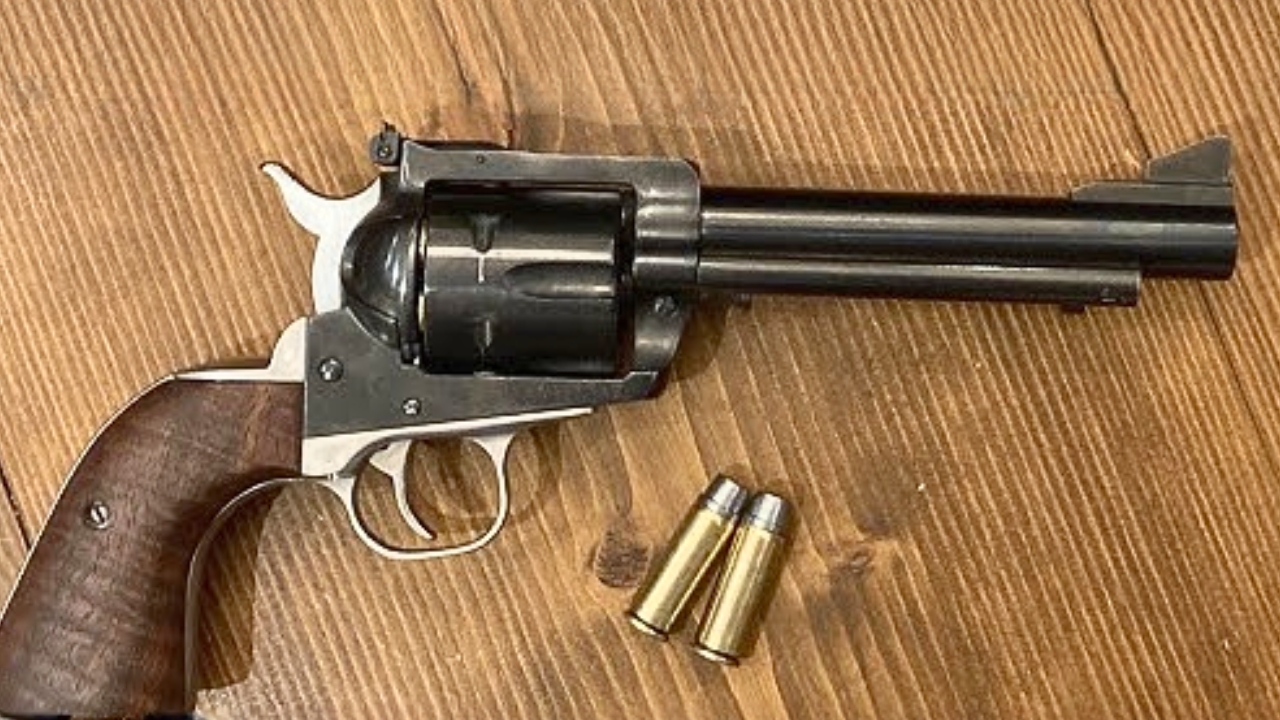
The Ruger Blackhawk is a common heirloom in .45 Colt because it’s built strong and lasts a long time. It’s the kind of revolver you take camping, keep on a farm, or carry when you want a heavy bullet option. Families pass down .45 Colt guns because they’re fun to shoot, practical in the field, and loaded with tradition without being fragile. It’s a caliber with stories, but it still earns its keep.
Like The Avid Outdoorsman’s content? Subscribe to our newsletter so you never miss an article.
Here’s more from us: