Photo credit: WeBuyGunscom/GunBroker
The Remington 700 has been written off plenty of times, usually by people who forget how deep its roots run. New rifles show up every year with better factory triggers, smoother stock designs, threaded barrels, detachable magazines, chassis options, and long-range features that used to require a gunsmith. Still, the 700 keeps hanging around.
That does not mean every Remington 700 ever made is perfect. Some were great. Some were rough. Some eras earned criticism. But the rifle’s basic design, huge aftermarket, and long history in hunting, target shooting, law enforcement, and custom rifle building made it hard to push aside. The 700 never really went away because too many shooters still understand what it can do.
1. The Action Became a Standard
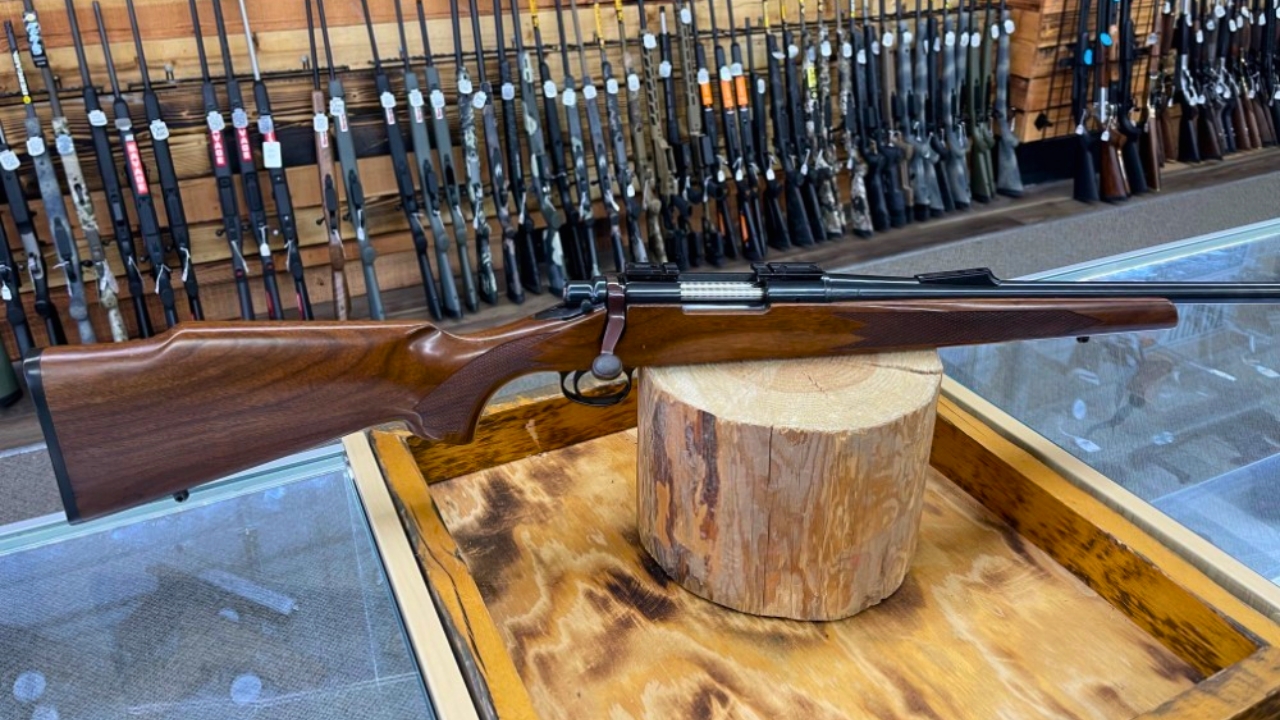
The Remington 700 action became one of the most copied, supported, and understood bolt-action designs in America. That matters. Once gunsmiths, parts makers, stock companies, scope base makers, and shooters all build around a platform, it gains staying power that goes beyond one factory rifle.
A shooter can complain about Remington all day and still end up using a rifle built around a 700-pattern action. That says a lot. The footprint became bigger than the brand itself. Custom rifle builders leaned on it because parts were everywhere, gunsmiths knew how to work on it, and shooters trusted the basic layout.
2. Hunters Already Trusted It

The Remington 700 earned a massive following in deer camps long before long-range YouTube channels and chassis rifles took over the conversation. Hunters carried them in .243, .270, .30-06, 7mm Rem. Mag., .308, and plenty of other chamberings for decades. That kind of field history sticks.
A lot of shooters do not need a rifle to be trendy. They need it to put a bullet where it belongs during deer season. The 700 did that for generations of hunters. When a rifle has filled freezers year after year, people are slow to abandon it just because something newer came along.
3. The Aftermarket Is Still Huge

One reason the 700 never disappeared is that the aftermarket never stopped supporting it. Stocks, triggers, bottom metal, barrels, rails, scope bases, bolts, firing pins, and chassis systems have all been built around the 700. That keeps old rifles useful and gives new builds a familiar starting point.
A rifle with limited aftermarket support can feel stuck. A 700 rarely feels that way. If the stock does not fit, replace it. If the trigger is not right, upgrade it. If the barrel is shot out, rebarrel it. The platform gives shooters room to fix, tune, or completely rebuild the rifle instead of giving up on it.
4. Gunsmiths Know the Platform

A good rifle design gets even better when gunsmiths understand it inside and out. The Remington 700 has been worked on for so long that most competent rifle smiths know the action, its strengths, its quirks, and the common upgrades. That makes it easier for owners to get real work done.
That support matters when someone wants a barrel swap, bedding job, trigger installation, action truing, or a full custom build. There is no mystery around the 700. A gunsmith is not starting from scratch. The design has been handled, measured, tuned, and rebuilt so many times that support is part of the rifle’s appeal.
5. It Was Accurate Enough to Build a Reputation
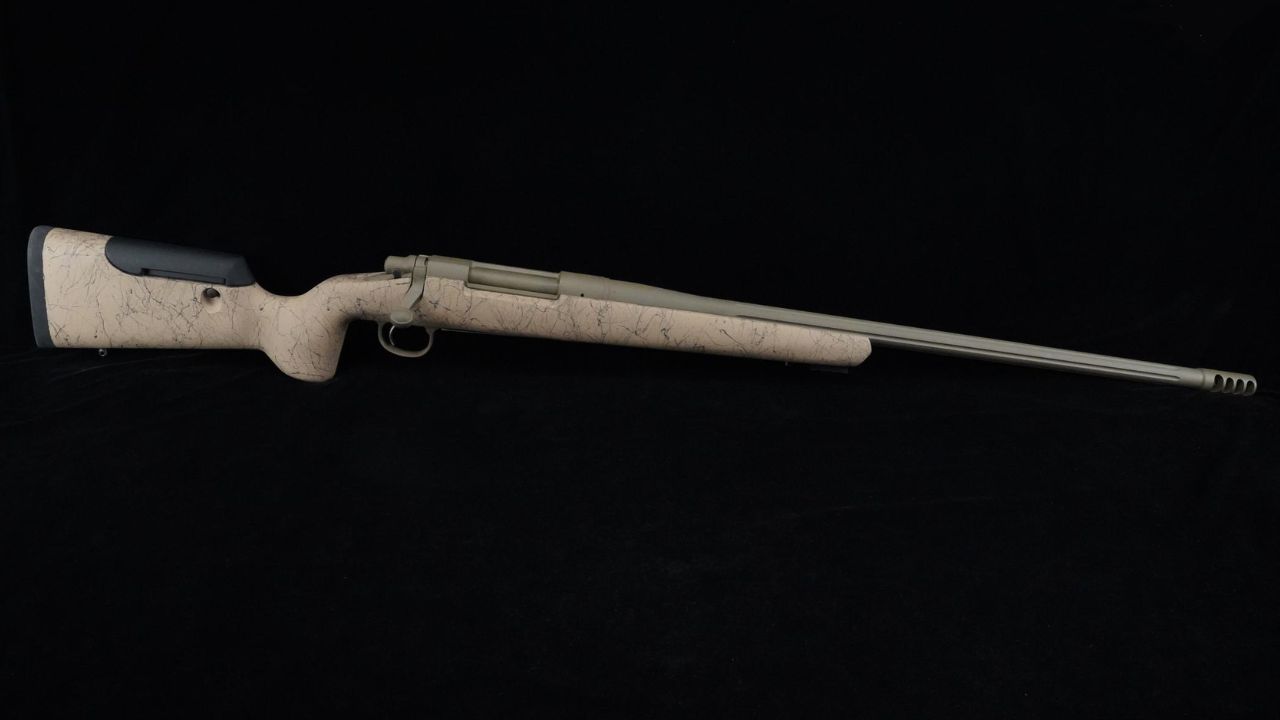
The Remington 700 became known as an accurate rifle, especially for hunters who wanted real field precision without jumping into custom-gun money. Not every factory rifle was a tack driver, but enough of them shot well enough to build trust. A good 700 could easily be more accurate than the person carrying it.
That reputation helped it cross into police, target, and custom rifle circles. Once shooters saw the platform could produce strong accuracy with the right barrel, bedding, ammo, and trigger, the design became more than a deer rifle. It became a starting point for serious precision builds.
6. It Worked Across a Lot of Chamberings

The 700 has been offered in a long list of chamberings over the years, and that helped it stay relevant. A varmint shooter, whitetail hunter, elk hunter, target shooter, or long-range builder could all find a version that fit their lane. The rifle was never tied to one narrow use.
That flexibility gave it a long life. Some rifles are loved because they do one thing especially well. The 700 lasted because it could be adapted to a lot of jobs. Light sporter in .243? Heavy-barreled .308? Magnum hunting rifle? Custom 6.5 build? The action could support all of that.
7. The Design Is Simple and Familiar
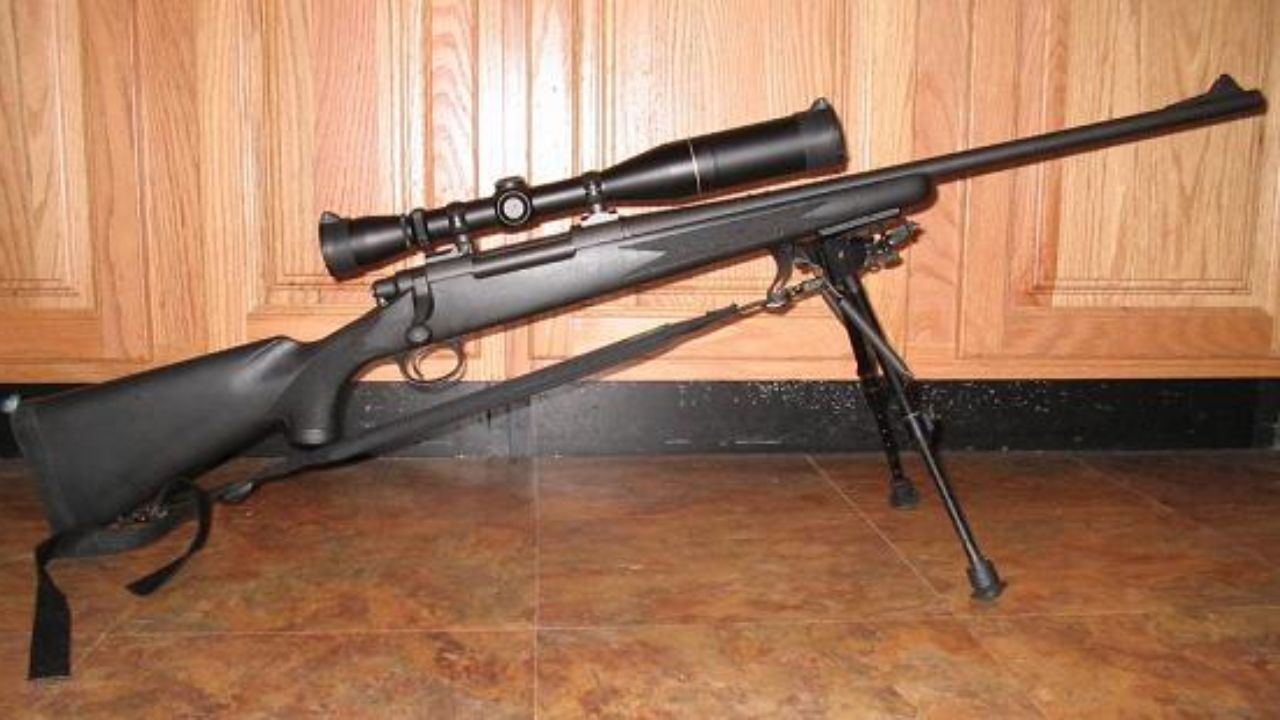
The Remington 700 is not hard to understand. It is a push-feed bolt action with familiar controls, a round receiver, and a layout most rifle shooters can run without much thought. That simplicity helped it spread. Hunters and shooters could pick one up and get to work.
A rifle does not always need unusual features to be useful. Sometimes familiarity is the feature. The 700’s controls, bolt throw, safety placement, and stock options made it approachable. For a lot of people, it felt like what a bolt-action rifle was supposed to feel like.
8. It Became a Custom Rifle Foundation
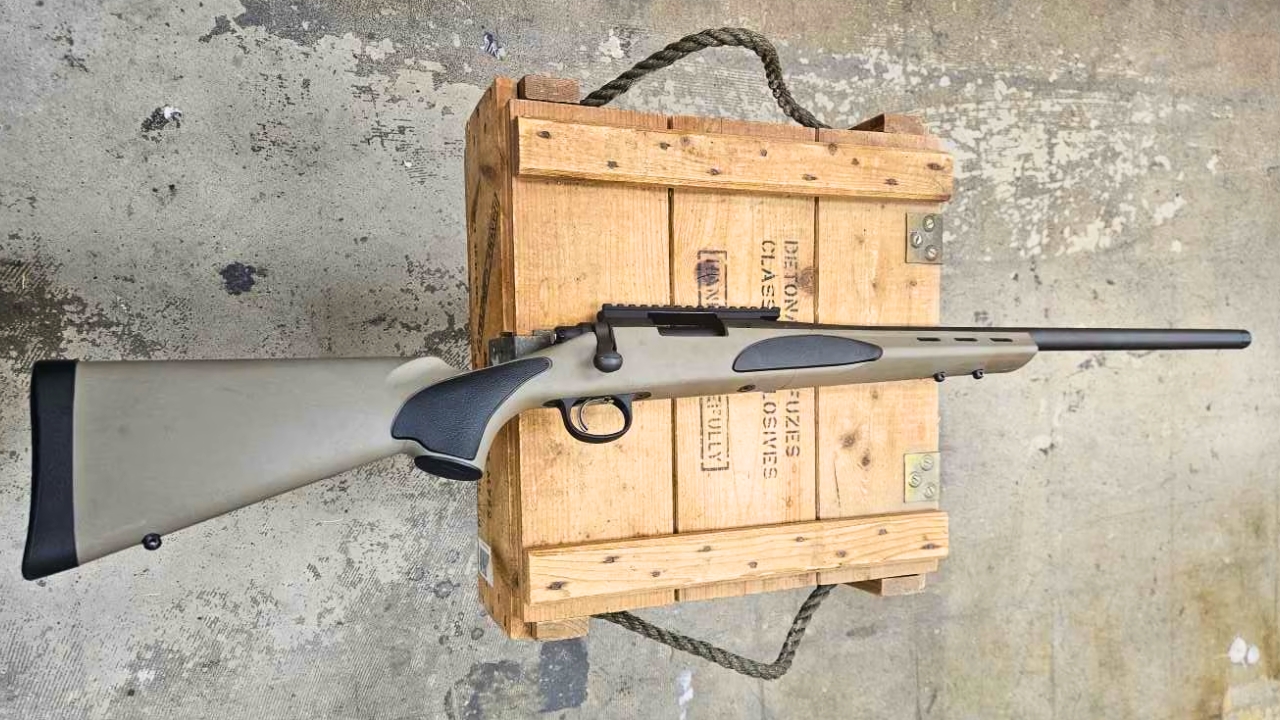
Plenty of rifles are bought, used, and left alone. The Remington 700 became something else: a foundation. Shooters would buy one for the action, then rebuild nearly everything around it. That is a strange compliment, but it matters.
A platform has to be worth building on for that to happen. The 700’s footprint, aftermarket support, and gunsmith familiarity made it one of the default choices for custom bolt guns. Even when people replaced the barrel, stock, trigger, and bottom metal, the 700-pattern action stayed at the center of the project.
9. It Had Real Law Enforcement Credibility
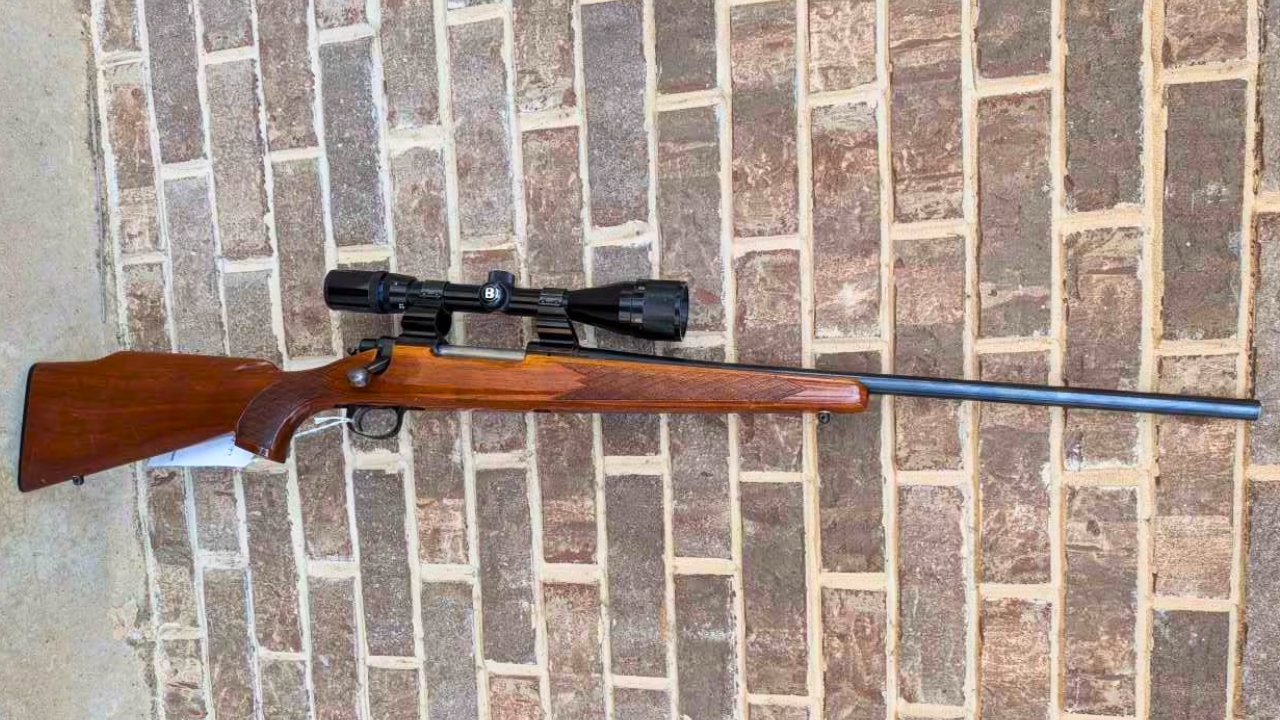
The Remington 700 also gained credibility through law enforcement precision rifle use, especially in .308-based setups. That did not make it automatically better than every other rifle, but it strengthened the rifle’s image as more than a basic hunting gun.
Shooters pay attention when a platform shows up in serious use. Police sniper rifles based on the 700 helped feed the idea that the action could support precision work under real pressure. That reputation carried over into civilian long-range shooting, where many people wanted the same kind of foundation.
10. Used Rifles Kept the Name Alive
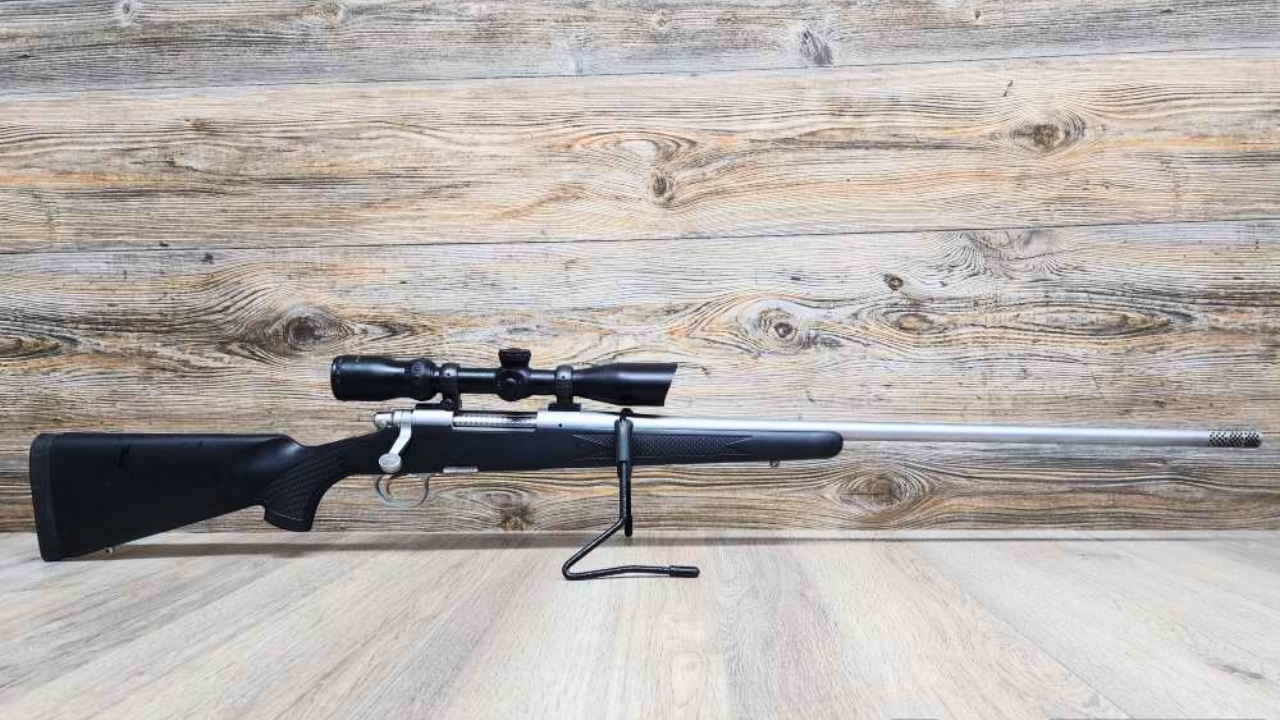
Even when new-production arguments got messy, used Remington 700s kept moving. Gun shops, pawn shops, estate sales, and family safes were full of them. A clean used 700 in a useful chambering has always had an audience.
That used market kept the rifle visible. New shooters would inherit one, find one affordably, or pick up an older model that still had plenty of life left. Once a rifle has that many examples floating around, it does not vanish just because the market shifts. It stays in circulation.
11. It Survived Rough Eras
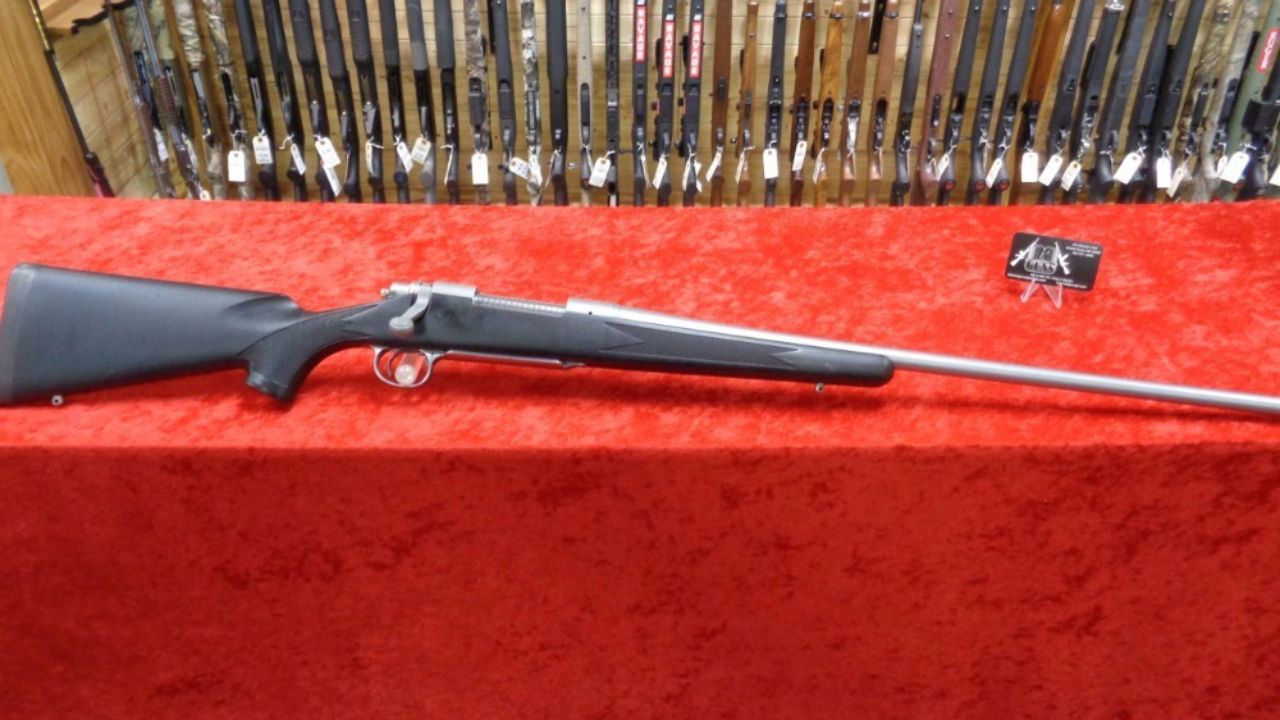
The Remington name went through hard times, and shooters noticed. Quality complaints, corporate trouble, recalls, and brand uncertainty all hurt confidence. Some buyers walked away and found other rifles. That criticism did not come out of nowhere.
But rough eras did not erase the platform’s importance. Older rifles still worked. Custom actions still used the footprint. Aftermarket support stayed strong. The 700 survived because its design had already spread beyond one company’s best or worst years. That kind of momentum is hard to kill.
12. It Still Feels Right to a Lot of Hunters
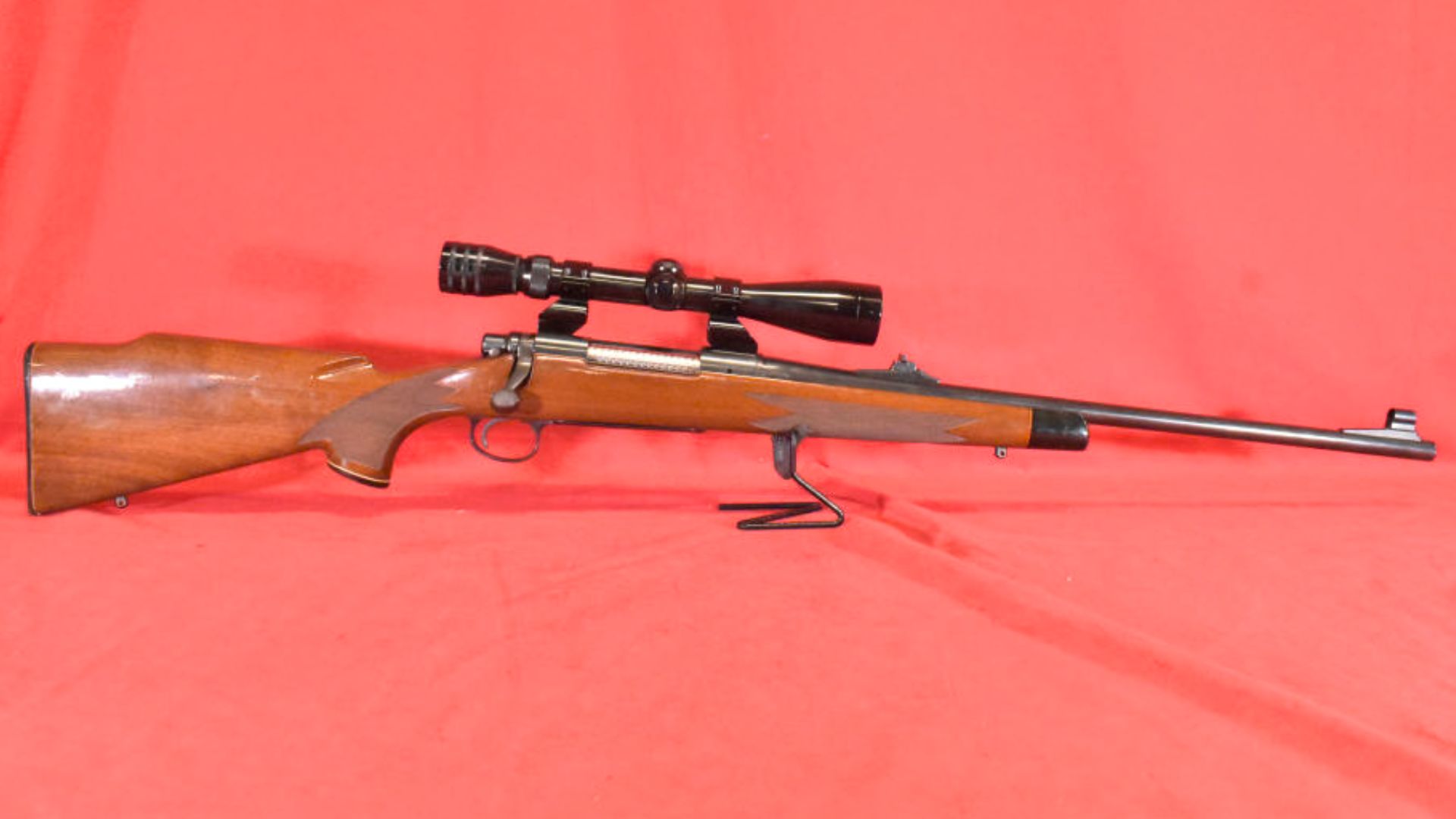
There is something about a traditional bolt-action sporter that still makes sense in the woods. A Remington 700 with a plain stock, decent scope, and familiar chambering feels normal to a lot of hunters. It shoulders cleanly, carries well, and does not ask for extra attention.
Modern rifles may offer more features, but not every hunter wants a rifle that looks like it belongs on a barricade. Some want a simple bolt gun that feels at home in a deer blind or walking a fenceline. The 700 still fits that picture better than a lot of newer designs.
13. It Was Easy to Scope and Set Up
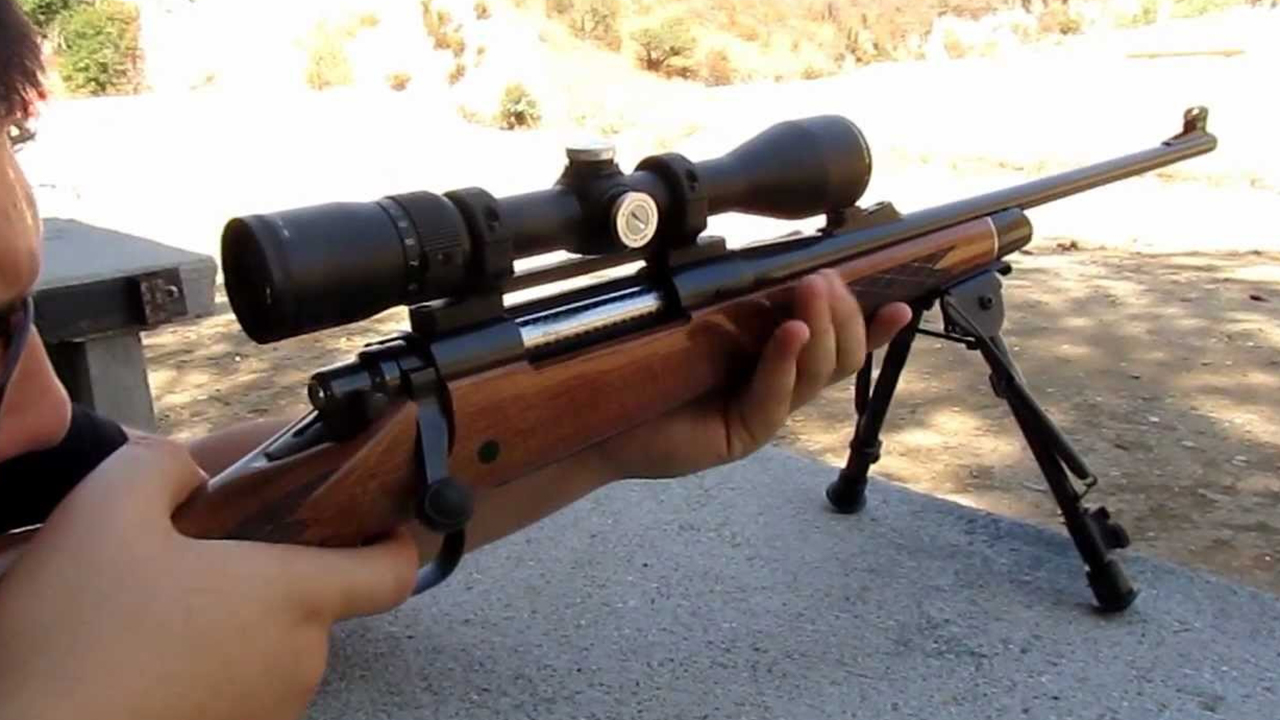
The Remington 700 has always been easy to set up with optics, bases, rings, and hunting scopes. Because the rifle was so common, support for mounts and accessories became almost automatic. That made ownership easier.
A rifle can be accurate and still annoy people if mounting options are limited or weird. The 700 avoided that problem. Shooters could find bases almost anywhere, set up a normal hunting scope, and be ready for the season without making the rifle a project. That kind of practicality helped it stay popular.
14. Newer Rifles Still Get Compared to It

A good sign that a rifle never really left is when every new bolt gun gets measured against it. For decades, the Remington 700 has been one of those reference points. Trigger feel, stock design, action smoothness, accuracy, price, aftermarket support, and scope mounting all get compared to the old standard.
That comparison keeps the rifle relevant, even when the newer gun wins. The 700 became part of the language shooters use to judge bolt actions. Once a platform reaches that level, it does not disappear quietly. It becomes the yardstick.
15. The Platform Still Has Real Use Left

The Remington 700 never really went away because it still works. A good one can still hunt, shoot groups, anchor a custom build, ride in a truck, sit in a deer stand, or teach someone how to run a bolt gun. That is the part people sometimes overcomplicate.
The rifle has flaws, and not every example deserves praise. But the core platform earned its place through decades of use. New rifles may be slicker, cheaper, lighter, or better equipped from the factory, but the 700 still has enough accuracy, support, history, and usefulness to keep shooters coming back.
Like The Avid Outdoorsman’s content? Be sure to follow us.
Here’s more from us: