Photo credit: Howa USA
Some rifles never got their due when they were actually sitting on the rack. They were too plain, too common-looking, too tied to a cartridge people took for granted, or too easy to assume would still be there next month. That is how a lot of good rifles got overlooked. They did not disappear because they were bad. They disappeared because buyers kept talking themselves into waiting.
Then the market changed, production shifted, or demand suddenly caught up with what longtime shooters already knew. By the time more people started paying attention, the easy finds were gone, the clean examples had dried up, and the rifles nobody rushed to buy started getting talked about like missed opportunities. These are the rifles that once felt easy to pass on until they were suddenly nowhere to be found.
Winchester Model 88

The Winchester Model 88 used to sit in that awkward spot between lever-gun nostalgia and bolt-action practicality. For a long time, that made it easier to admire than to actually buy. A lot of hunters looked at it, appreciated the detachable magazine and sleek lines, then kept walking because there was always something cheaper, more familiar, or easier to explain to themselves. Back then, passing on one did not feel like a mistake.
That changed once people started realizing how much the Model 88 had going for it. It carried well, handled fast, and offered a different kind of hunting-rifle experience that never really got replaced. Once cleaner rifles started thinning out, buyers who had shrugged them off suddenly had a much harder time finding one at a sane price. It went from “maybe later” to “why didn’t I grab that one when I had the chance?”
Ruger 77/44
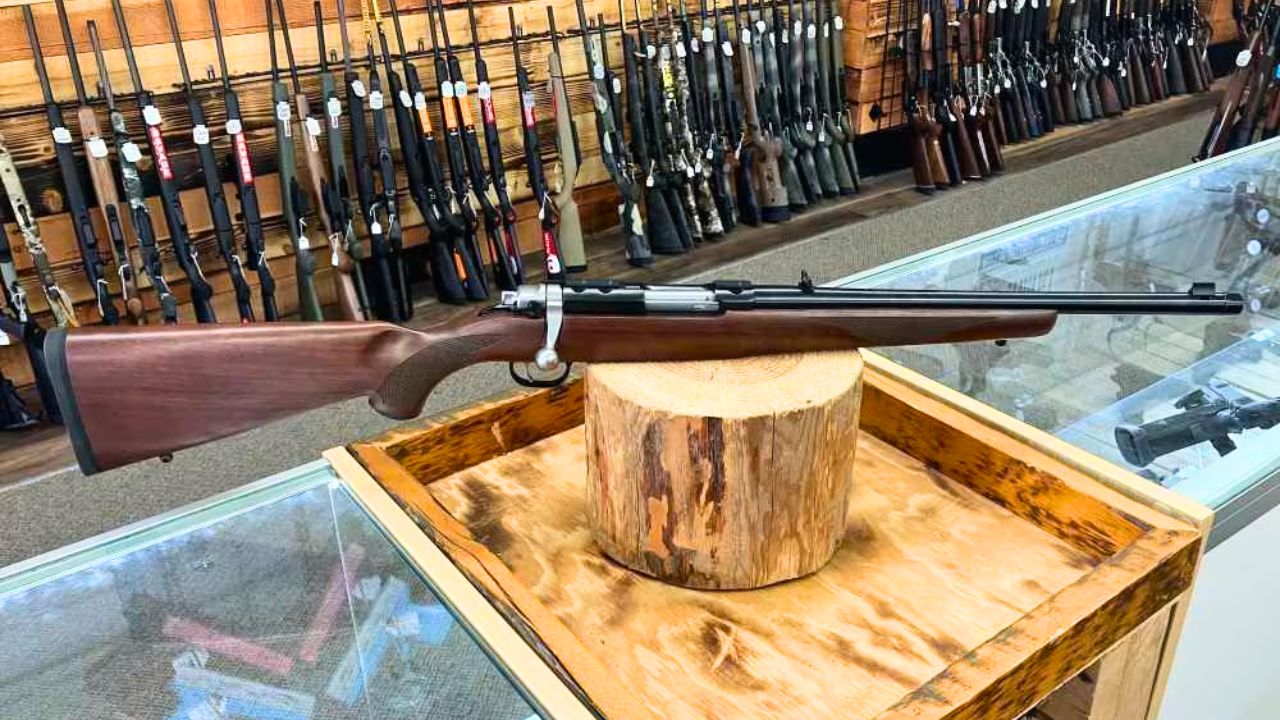
The Ruger 77/44 always had a practical appeal, but for years it felt like one of those rifles people could afford to think about later. A compact bolt gun in .44 Magnum was useful, sure, but it did not exactly scream urgency to buyers who had centerfires, slug guns, or lever actions already covering similar ground. A lot of shooters filed it away as neat, capable, and easy enough to find whenever they finally decided they wanted one.
Then they started looking again and found out that was not true. The 77/44 offered light weight, short-range hunting utility, and the kind of handling people appreciate more with age, especially in thick cover. Once supply dried up and interest picked up, the rifles that had once looked like easy shelf-warmers started getting snapped up fast. Plenty of people passed because they thought they had time. The market made them regret it.
Remington Model Seven

The Model Seven spent years living in the shadow of bigger-name hunting rifles, including its own close relatives. That made it easy to overlook. Plenty of hunters saw it as a trimmed-down option that was nice enough, but not necessarily something to chase. The rack would usually have one, or so it seemed, and that familiarity made people underestimate how many shooters quietly valued a short, handy rifle that felt right in the woods.
Once more hunters started prioritizing compact rifles that still carried full hunting credibility, the Model Seven began looking smarter. It was easier to carry than many standard-length rifles and more useful in the field than its modest reputation suggested. Then the clean ones started getting harder to track down. A rifle people once passed because it seemed ordinary suddenly became one of those rifles buyers kept searching for after the easy opportunities had already disappeared.
Browning BLR Steel Receiver

For a long time, the steel-receiver Browning BLR was one of those rifles people respected without feeling much urgency to own. It had fans, but a lot of buyers still treated it like a specialty piece rather than something they needed to grab when they saw one. Lever actions chambered for modern cartridges had a strong appeal, but plenty of hunters assumed a BLR would always be around somewhere if they decided to circle back later.
That confidence did not age well. The older steel-receiver rifles carried a certain feel that later buyers started appreciating a lot more once examples got thinner on the ground. They offered lever-gun handling with a different cartridge range and a personality all their own. Once more shooters caught on, the days of casually stumbling across a nice one started fading fast. A rifle many people once admired from a distance became one they suddenly had to hunt down.
Savage 99F
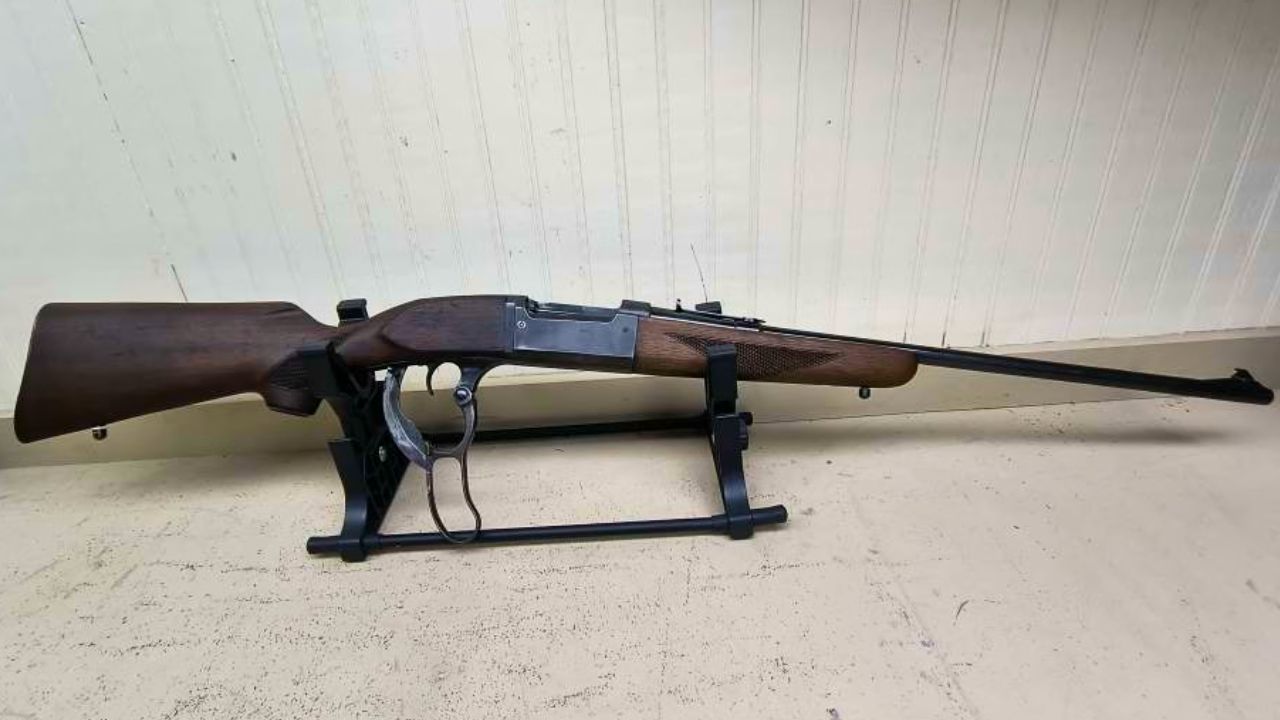
The Savage 99 never truly lacked respect, but the 99F was one of those rifles people still managed to take for granted. It had history, good looks, and real field use behind it, yet it often got passed over by buyers who assumed another nice one would turn up later. That is the trap with older hunting rifles that seem established enough to be permanent. People forget that “common enough” and “easy to replace” are not the same thing.
The 99F kept winning people over because it balanced classic handling with serious hunting usefulness. Once clean rifles started disappearing into collections and longtime owners stopped letting them go, buyers found themselves chasing what used to feel readily available. The regret is easy to understand. A good 99F has the kind of balance and carry feel that stays with you. Plenty of hunters passed on them when they still had options and later realized those options had quietly vanished.
CZ 527 American
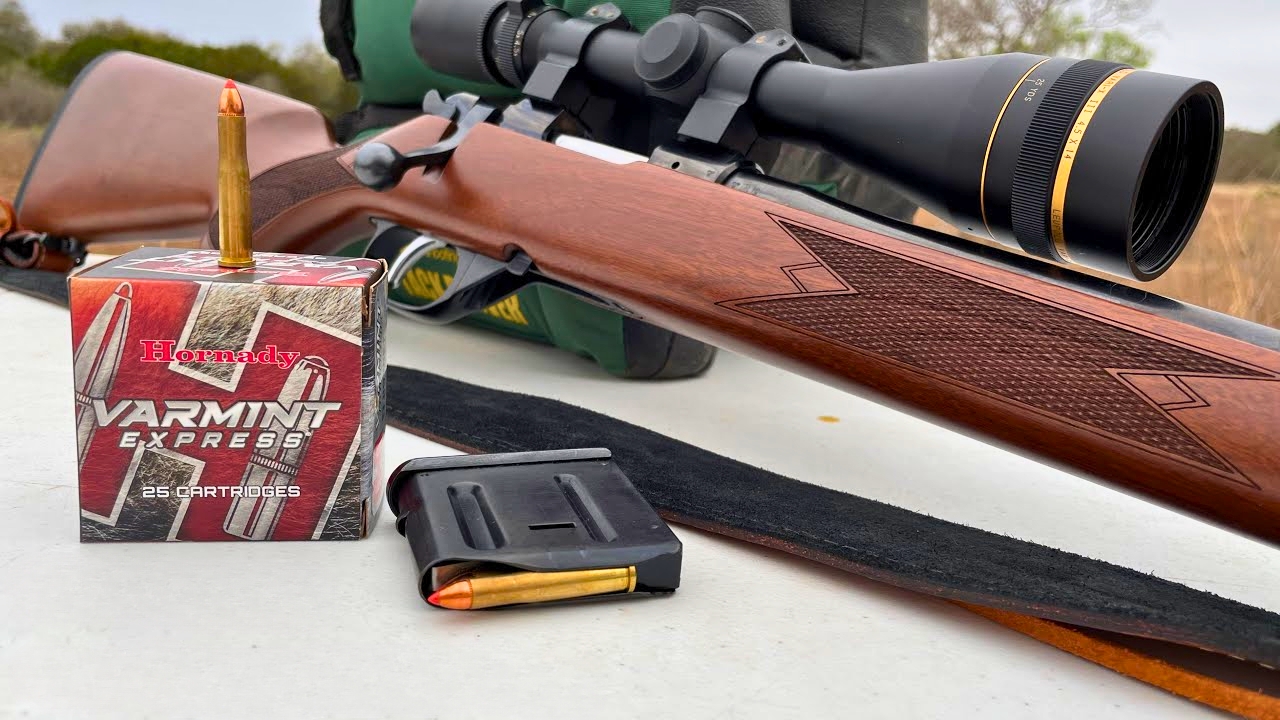
The CZ 527 American was one of those rifles that smart shooters liked, but not always loudly enough to create instant demand while it was still easy to buy. It was compact, well-made, and offered a mini-Mauser charm that made it stand out from more generic bolt guns. Even so, many buyers treated it like something they would get around to eventually. Small-centerfire rifles do not always create urgency until people realize how few good ones are left.
That is exactly what happened here. Once the rifle was no longer easy to source, a lot more shooters suddenly remembered how much they liked the controlled-round-feed action, the trim dimensions, and the general feel of the gun. It was never a loud rifle in the market. It was a quietly right one. Those are often the rifles people regret missing most, because by the time they go looking seriously, the easy supply has already dried up.
Marlin X7
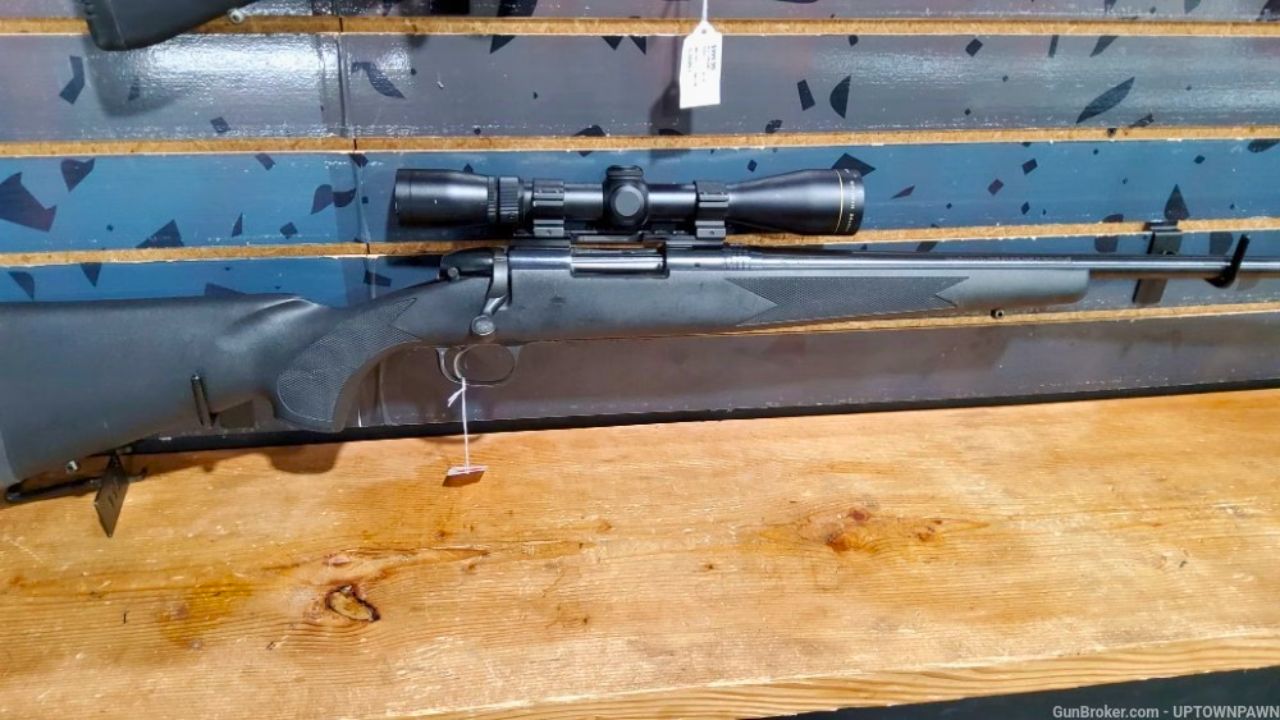
The Marlin X7 was never the kind of rifle people bragged about owning. That was part of the problem. It was affordable, straightforward, and better than a lot of buyers expected, which meant it got labeled as one more budget bolt gun in a market full of them. Many shooters passed simply because they assumed anything in that lane would always be available in some form, whether from Marlin or someone else. The urgency just was not there.
Then time gave the rifle a little more respect. People remembered that the X7 actually shot well, handled honestly, and offered real value without much fanfare. Once Marlin’s direction changed and those rifles stopped being easy to find, the shooters who had shrugged and moved on realized the rifle had quietly become scarce. It is a classic case of a gun people underestimated because it was affordable, only to find out later that replacing one was not nearly as simple as they thought.
Ruger M77 RSI

The Ruger M77 RSI always had a distinct look, but for years that look made it easier to admire than to buy. Full-stock rifles appeal hard to a certain kind of hunter, but they can also be easy to talk yourself out of when more conventional options are sitting nearby. Plenty of buyers liked the Mannlicher-style stock, liked the compact feel, then convinced themselves it was more of a novelty than something they truly needed in the safe.
That changes fast once they stop showing up. The RSI had real charm, quick handling, and the kind of mountain-rifle personality that many shooters appreciate more as they get older and more selective. Once those rifles thinned out, buyers started seeing them less as decorative oddballs and more as rifles with genuine carry appeal. The people who once passed because they thought another would always pop up later found out that later came with fewer rifles and a lot more competition.
Remington 788

The Remington 788 was dismissed for years as the cheaper rifle in the family, and that reputation kept some buyers from taking it seriously when they still had the chance. It was accurate, sure, but a lot of shooters still looked at it as the budget stepchild instead of a rifle worth prioritizing. That made it easy to pass on one at a shop or gun show with the idea that another would always turn up if accuracy ever became more important than prestige.
Eventually, word caught up with the rifle. Shooters who had actually used 788s kept talking about how well they shot, and the market slowly started listening. Once that happened, the old cheap-rifle reputation stopped helping buyers and started hurting them. The supply of nice examples had never been endless, and now everybody seemed to remember at once that these rifles had something real going for them. A rifle people once passed because it lacked status suddenly became hard to touch.
Tikka T3 Lite Stainless

There was a time when the Tikka T3 Lite Stainless felt too modern and too available to inspire much urgency. Buyers knew it was a good rifle, but that was part of the issue. Good, practical bolt guns often get treated like appliances, and people assume they can always grab one later. A lot of hunters respected the smooth action and light weight, then walked away because they figured the same setup would still be easy to find whenever they finally got serious.
Then specific chamberings and configurations started getting harder to pin down, and the easy confidence disappeared. The T3 Lite Stainless kept earning trust with hunters who actually carried their rifles hard, and once more people wanted in on that combination, the rifles were not just sitting around waiting. It became one of those modern bolt guns people once treated as permanently available, only to realize later that the exact version they wanted had become far less easy to track down.
Winchester Model 100

The Winchester Model 100 spent a long time in that gray area where people thought it was interesting without feeling much urgency to buy one. A semi-auto sporting rifle with Winchester styling and mid-century appeal sounds more exciting now than it did to some buyers back when examples still showed up regularly. For a while, it was easy to treat the Model 100 like a nice collectible-adjacent piece you could always revisit after buying more obvious hunting rifles first.
That stopped being true once clean rifles began drying up and more shooters started appreciating what they represented. The Model 100 offered a different flavor of deer-rifle history, and it did not stay easy to find forever. Once the better examples disappeared into long-term ownership, buyers who had casually passed on them started noticing how thin the market had become. It is one of those rifles that did not feel urgent until suddenly it felt like every decent one had already been spoken for.
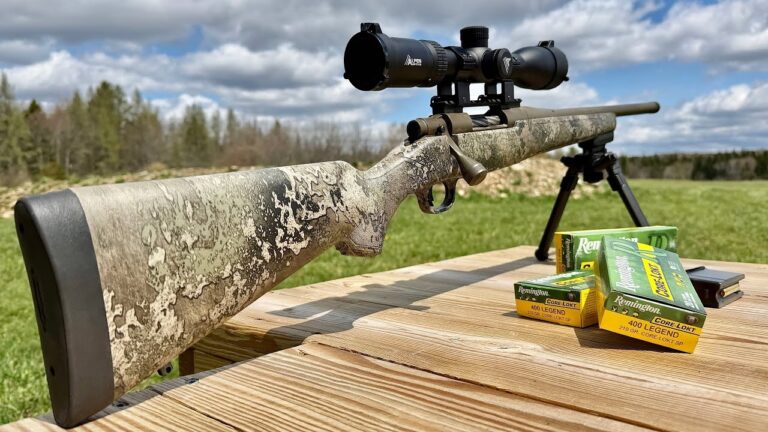
Howa Mini Action Rifle
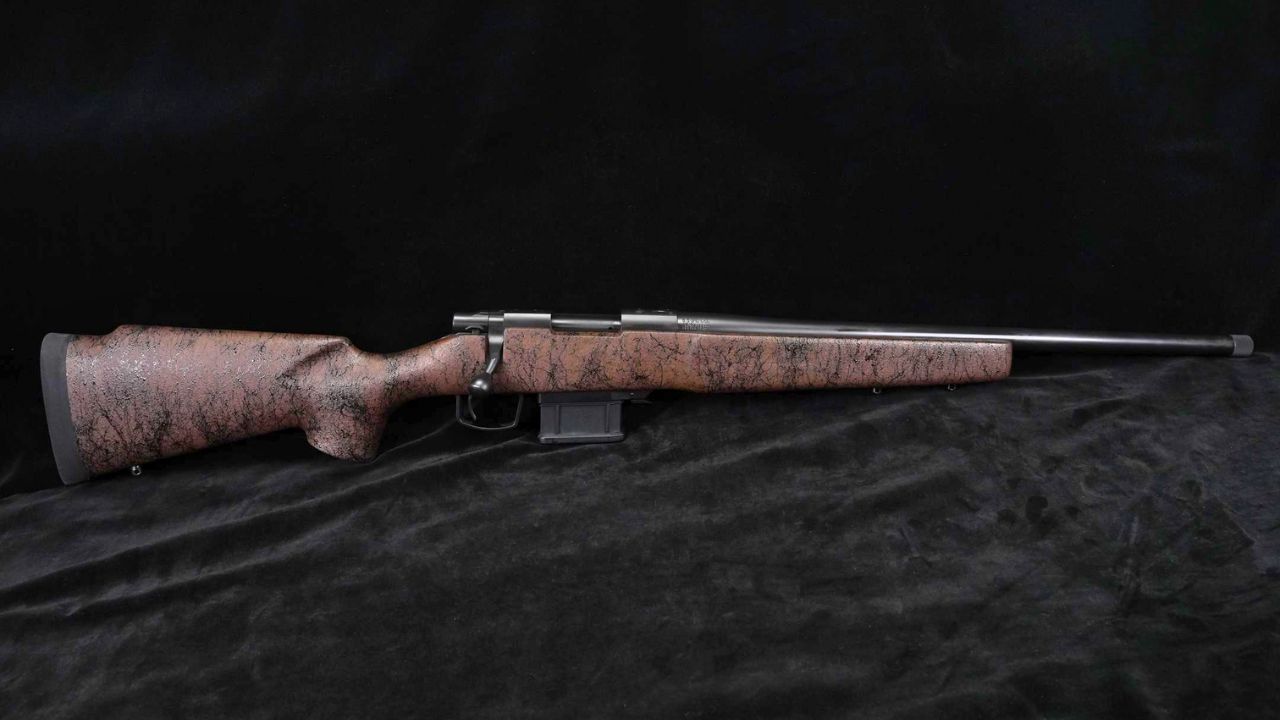
The Howa Mini Action Rifle is a newer example of the same old mistake. A lot of shooters saw it as smart and useful, but not necessarily urgent. It lived in a niche that made sense on paper, especially for smaller cartridges, but niche rifles are easy to postpone when the market is full of general-purpose bolt guns. Plenty of buyers looked at one, appreciated the size, then assumed they could come back whenever they were ready.
That assumption did not always hold up. The Mini Action hit a sweet spot for shooters who wanted something trimmer and better proportioned than a full-size action for cartridges that did not need all that extra rifle around them. Once more buyers caught on, availability got less predictable. That is usually how these things go. A rifle seems specialized enough to ignore until enough people realize it is actually one of the smarter tools for the job, and then the easy supply is gone.
Kimber 84M Classic

The Kimber 84M Classic always had admirers, but not everybody who admired one actually bought one when they had the chance. It was trim, attractive, and clearly built for hunters who cared about feel, yet that same elegance could make it easier to postpone. Buyers would handle one, appreciate how light and lively it felt, then talk themselves into something less expensive or more familiar. Many assumed they would grab an 84M later, once the timing felt better.
Then later showed up and the rifles were no longer sitting around like they once had. Hunters who care about lightweight, well-balanced rifles do not forget them once they have handled one. The 84M Classic had that effect on people, and once availability tightened, the old procrastination started looking foolish. It is the kind of rifle that always made sense to pass on only if you believed another would be waiting. Plenty of buyers learned that was never as safe a bet as it seemed.
Ruger No. 1A Light Sporter

The Ruger No. 1A Light Sporter was easy to appreciate and easy to postpone, which is a dangerous combination. Single-shots have always lived in a market lane where many shooters tell themselves they will own one someday, just not today. The No. 1A had style, balance, and a kind of rifleman appeal that drew admiration, but plenty of buyers still treated it like a luxury they could revisit once more practical purchases were out of the way.
That habit came back to bite them. The No. 1A was never going to be a rack-filler forever, and once more shooters started wanting trim, elegant rifles with a little personality, the supply looked a lot thinner. People who once walked right past one because it seemed like a someday rifle started searching harder than they expected later on. It turned out to be one of those rifles that felt easy to delay only because buyers underestimated how fast the decent ones would disappear.
Browning A-Bolt Micro Hunter
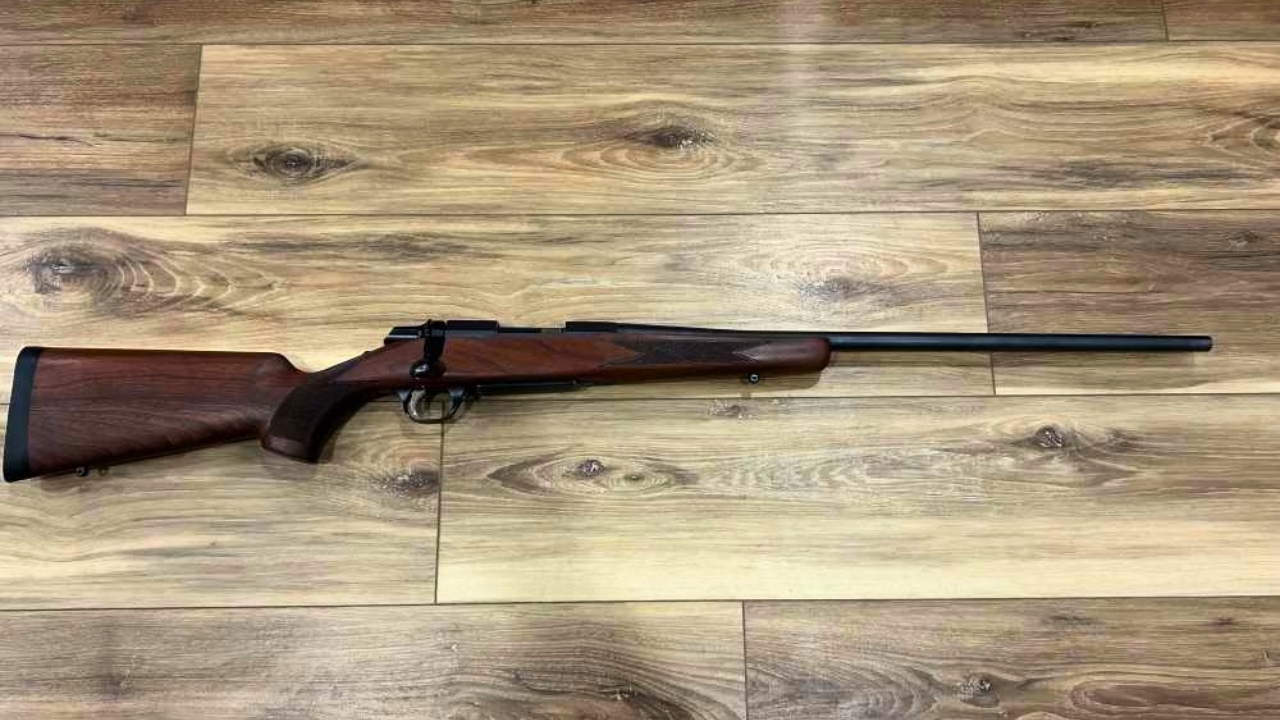
The A-Bolt Micro Hunter fit a role that many hunters did not fully appreciate until it got harder to find. Shorter length of pull, handy dimensions, and honest field usefulness do not always create instant buzz in a market obsessed with bigger claims. For years, the rifle felt like a sensible option for younger shooters, smaller-framed hunters, or anybody who wanted a compact field rifle, but that very practicality made it easy for other buyers to keep walking.
Then more hunters started realizing how much they liked rifles that were easier to carry and faster to mount in real hunting conditions. By then, finding the right Micro Hunter was not always simple. The rifles that had once looked like specialty pieces turned out to fill a role more shooters wanted than the market had first admitted. A lot of buyers passed because they thought compact hunting rifles would always be there in some version. The better examples of this one proved otherwise.
Sako Finnwolf
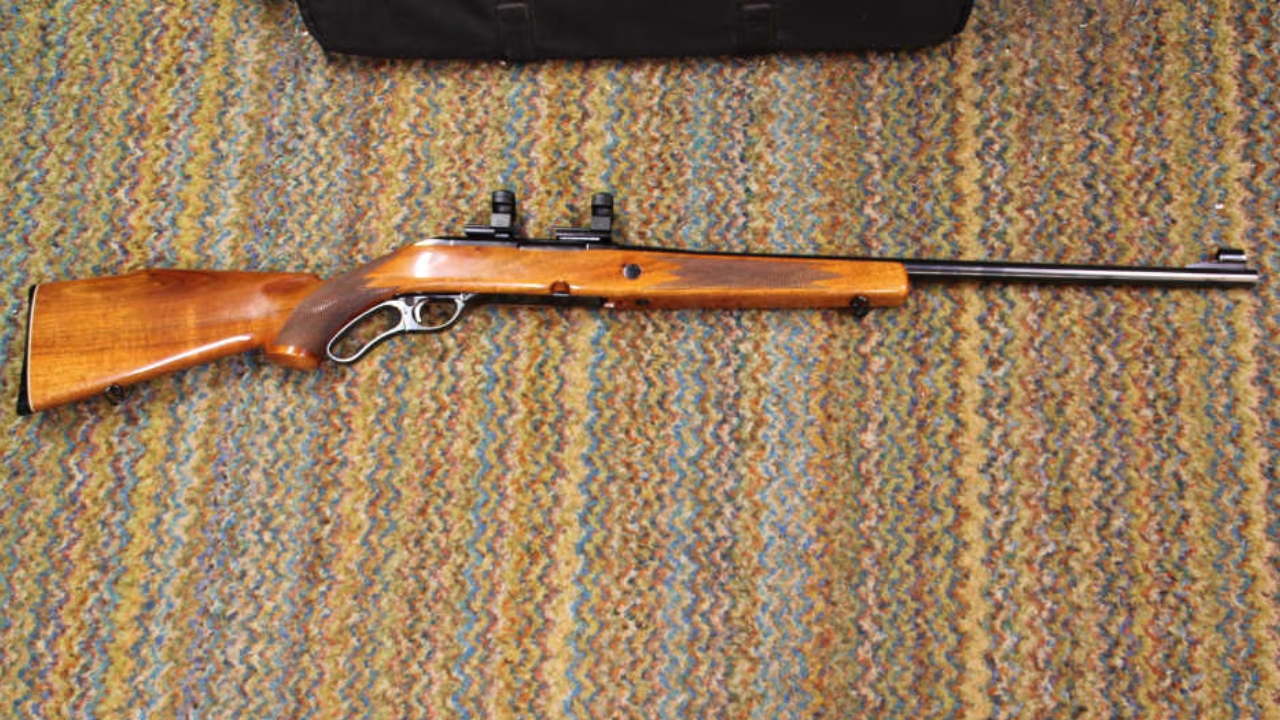
The Sako Finnwolf is one of those rifles that always had enough uniqueness to get noticed, but not always enough broad market urgency to get bought on the spot. Lever-action fans found it interesting, Sako fans respected it, and a lot of other buyers simply assumed it could wait. That is often the fate of rifles that do something a little different. People admire them, talk about them, and then spend their money on something more obvious.
Once the Finnwolf stopped being a casual find, those old delays looked a lot worse. It had quality, rarity, and a distinct identity that became much more attractive once people realized there were not many easy replacements. The people who passed on one years ago probably remember the exact rifle, because it seemed like the kind of thing they could always revisit later. Instead, it became one more example of a rifle that felt easy to leave behind until it was suddenly gone everywhere.
Like The Avid Outdoorsman’s content? Subscribe to our newsletter so you never miss an article.
Here’s more from us: