Photo credit: Vickers Tactical/YouTube
Most pistols are designed and weighted around iron sights. When you bolt a red dot to the slide, you’re changing more than the sighting system. You’re adding height, adding mass, and raising the center of gravity on a tool that lives and dies by how it tracks in recoil and how it presents from the draw.
On some guns, that change is barely noticeable. On others, it’s enough to make a pistol that felt “right” suddenly feel top-heavy, slower to stop, or harder to keep stable during fast strings. None of that means the pistol is bad. It means you changed the leverage, and now your hands notice it.
Glock 19 MOS

A Glock 19 feels neutral with irons because the slide and frame land in a useful middle weight. Add a red dot and you feel the change fast. The gun sits higher during the draw, and the muzzle can feel a little “busy” as the extra mass cycles and settles.
The MOS cut keeps the optic above the slide with a plate, and many shooters pick full-size dots that add more weight than the pistol needs. You still get Glock durability and support, but the balance shifts up and slightly forward, especially with a thicker steel plate. A lighter optic, a low-profile plate, and a grip texture that locks your hand in place bring it back to that pointable feel you liked.
SIG Sauer P365XL

The P365XL carries like a small gun but shoots like a bigger one with irons, and that balance is part of why people like it. Put a dot on it and the “micro” feel comes back in a different way. The slide gets top-heavy, and the gun can feel twitchier when you’re trying to track the dot in recoil.
The XL’s narrow slide doesn’t give you much mass to work with, so optic choice matters more than on a service-size pistol. A taller window can also change how the gun presents, which shows up when you’re drawing from concealment and trying to find the dot quickly. Keep the optic compact, keep the mounting tight, and you’ll get the benefit without turning a smooth little carry gun into a wobbly one.
Smith & Wesson M&P 2.0 Compact OR

With irons, the M&P 2.0 Compact often feels planted because the grip shape and texture let you drive the gun. Add a red dot and the slide starts to feel more “present” in recoil, especially if you choose a heavier optic or a thick plate. The gun still returns, but it can feel slower and more top-driven than you expect.
Smith & Wesson’s optics-ready setup uses plates, and the height of that stack changes how the gun points for some hands. You may notice yourself dipping the muzzle to find the dot, then correcting back up. The fix is mostly setup, not magic: a low plate, a dot that fits the slide, and a grip that keeps your support hand high. When those pieces line up, the Compact keeps its steady, confidence-building feel.
Walther PDP Compact
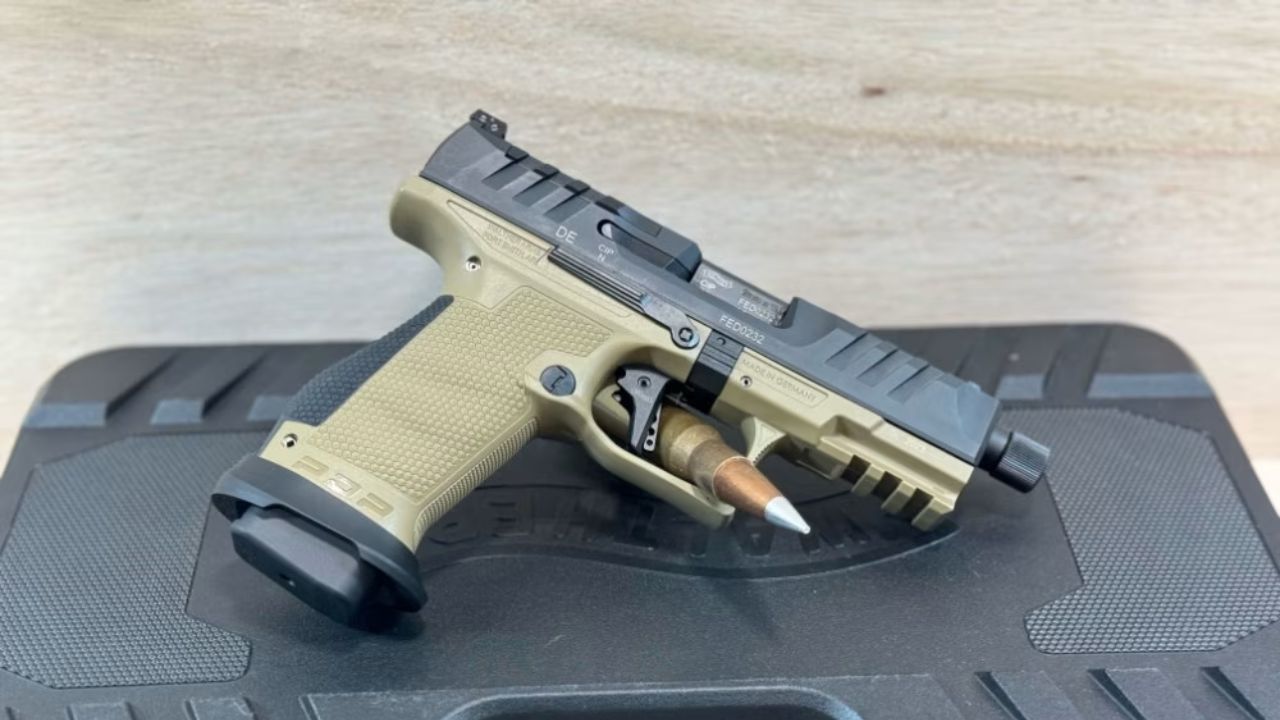
A Walther PDP can feel great with irons because the grip and trigger encourage clean work. Then you bolt on an optic and you notice how much slide the PDP carries. That extra slide mass is part of its character, and with a dot on top, the whole system can feel tall and heavy above your hands.
The PDP’s optic cut is solid, but the gun’s geometry already puts more weight up high than many striker pistols. Add a big enclosed dot and you can feel the muzzle wanting to roll during recoil and during transitions between targets. You’re not losing capability, you’re gaining sighting speed, but the balance changes. A smaller dot, a good mounting interface, and a firm support-hand clamp make the PDP feel more like a flat-shooting tool and less like a top-heavy pendulum.
Springfield Hellcat OSP

The Hellcat feels lively with irons because it’s small, light, and built for carry first. Add a dot and you’ve added height and weight to a gun that already has little mass to damp movement. The pistol can start to feel “tippy” during the draw, and the dot can bounce more than you want during rapid strings.
The OSP system works, but the small grip and short slide mean everything you add changes the feel in a big way. Taller optics can also push your head position around, and that shows up when you’re trying to present the gun consistently from concealment. Keep the optic compact and keep your grip pressure even, and the Hellcat still runs well. You have to accept that a micro pistol will never feel like a duty gun once you start stacking gear on top.
FN 509 Tactical

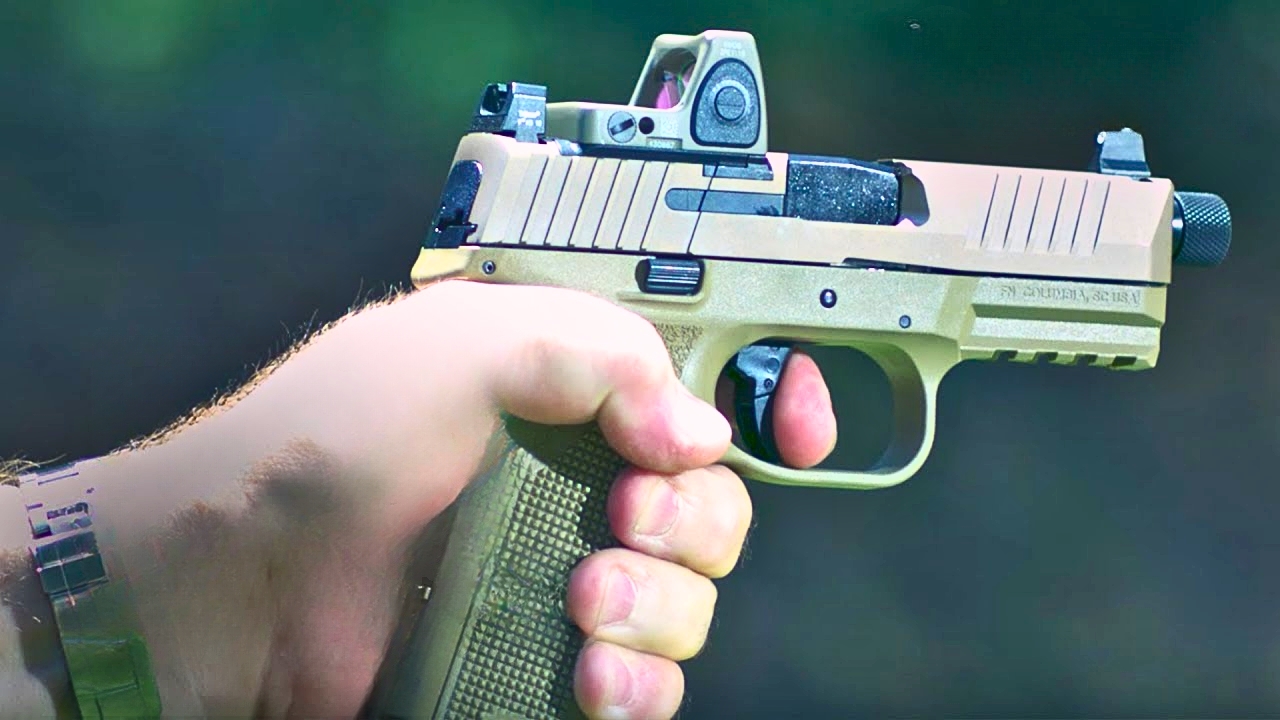
A 509 Tactical with irons feels like a full-size working pistol, and the longer slide helps it track well. Add a dot and the gun can start to feel front-and-top heavy, partly because the Tactical package often includes taller sights and a threaded barrel, with an optic sitting high enough to clear it all. That adds up during long range sessions.
The 509’s height over bore becomes more noticeable with an optic, and you may feel the gun rocking more in recoil than a similar-size pistol with a lower-mounted dot. It still shoots, but the balance shifts away from “point and press” and toward managing the stack. Keep the optic sized to the slide and pay attention to how the gun sits in your hands. A support-hand grip that stays high and forward helps the Tactical feel normal again.
HK VP9 Optics Ready

The VP9 feels ergonomic with irons because the grip panels let you tune the shape to your hands. Add an optic and the gun can feel different, especially if you’re used to a low iron sight picture. The dot changes where your eyes want to go, and the slide can feel more top-loaded.
HK’s optics-ready cuts have improved over time, but most setups still involve a plate, and plates add height. That height changes presentation and can make the gun feel less “melt into your grip” and more “ride above your grip.” On a VP9, the cure is consistency: a dot that matches the slide width, a plate that fits correctly, and a grip setup that keeps trigger reach and support-hand pressure steady. When you get that right, the VP9 goes back to feeling like it was built for you.
CZ P-10 C Optics Ready

The P-10 C is naturally well-balanced with irons because it sits low in the hand and points like a practical service pistol. Put a dot on it and you can lose some of that “low and locked” feel. The optic adds weight on top of a slide that already has some height, and the gun can feel more upright in recoil.
CZ’s optics-ready versions typically use plates, and the extra stack height is what most shooters notice first. Your wrists end up doing more work to keep the dot stable, and you may feel the gun settle slower between shots than it did with irons. None of that means the pistol is inaccurate or unreliable. It means you changed the leverage. A compact optic, a tight mount, and a high support-hand grip keep the P-10 C feeling like the smooth, controllable pistol it is.
Beretta 92X RDO

A Beretta 92 balances well with irons because the weight is spread through the frame and the slide is relatively slim. Add a dot and you change the character of the gun, mostly because the optic and plate sit high above that open-top slide. The pistol can start to feel like it’s carrying a small brick on its roof, even though the recoil impulse stays soft.
The 92X RDO system works, but the mounting height is the tradeoff. You’ll notice it when you present the pistol fast and the dot isn’t where your iron sights used to be. You also feel it during transitions, where the extra top weight makes the gun want to overswing. If you keep the optic compact and focus on a straight, repeatable presentation, the 92X stays very shootable. You’re leaning into the dot’s advantages while respecting the platform’s geometry.
Canik Mete SF

The Mete SF feels good with irons because the grip shape, beavertail, and trigger give you a lot of control for the money. Add an optic and the gun can feel different in a hurry, especially if you choose a larger dot than the slide really needs. The pistol may start to feel top-heavy and slower to stop on target.
Canik’s optics system can be direct-mount depending on the variant, but many setups still end up with extra hardware and taller sight lines. That changes your presentation and can make the gun feel less natural in your hands until you retrain. Keep the dot compact, mount it low, and make sure the grip doesn’t let your hands slide during recoil. When you do that, the Mete SF keeps its quick handling and you still get the faster sighting a dot brings.
Ruger Max-9

The Max-9 carries easily and feels balanced with irons because it’s slim and light, with most of the weight living low in the grip. Add an optic and you often notice the top weight right away. The pistol can feel more “pendulum-like” when you’re moving between targets, and the dot can look busier during recoil than you expect from a mild 9mm.
On small pistols like this, the optic isn’t a small accessory, it’s a meaningful percentage of the gun’s mass. That changes the way the slide cycles and the way the gun settles back into your hands. You can still run it well, but you have to tighten your fundamentals and keep your grip consistent. A compact optic, a clean mounting surface, and a firm support-hand clamp keep the Max-9 feeling like a carry gun instead of a tiny pistol wearing a big hat.
Shadow Systems MR920

The MR920 is built to feel refined in the hand, and with irons it often has that “ready to work” balance that makes a Glock pattern gun feel upgraded. Add a dot and the experience depends on how you mount it. When the optic sits low, the gun keeps its natural pointability. When the stack gets taller, you feel the weight up top and the presentation can start to drift.
Shadow Systems uses an optics mounting system that can sit lower than some plate setups, which helps. Even so, a heavier enclosed optic can make the gun feel nose-up on the draw and slightly slower to settle between shots. The pistol will still run, but your hands notice the change. Keep the optic sized to the slide, keep the mount tight, and you’ll keep the MR920’s fast handling while enjoying the dot’s speed at distance.
Staccato C2

A Staccato C2 feels balanced with irons because the frame weight and trigger quality make the gun easy to drive. Add an optic and you can feel extra mass riding on the slide, especially with larger dots. The gun still shoots flat, but the dot can move in a different pattern, and the pistol can feel top-loaded during transitions.
On a 2011-style pistol, you expect refinement, so small balance changes stand out. A dot can also change how you grip, because you’re tracking a window instead of a front sight. If your support hand relaxes, the gun feels less stable even though the platform is capable. A low mount, a dot that fits the slide, and a grip that keeps pressure consistent through the cycle keep the C2 feeling fast and controllable.
Glock 48 MOS

The Glock 48 feels like a slim, steady pistol with irons because the longer slide and thin grip give you a clean point-and-shoot feel. Add a dot and the pistol can start to feel top-heavy, mostly because the slide is narrow and the MOS setup lifts the optic with a plate. The gun may feel less settled when you’re trying to run it fast.
The 48 lives in that middle ground where many people choose a full-size optic for the window, even though the pistol is thin and light. That mismatch is what your hands notice. The balance shifts upward, and the dot can exaggerate small grip errors that irons may have hidden. A compact optic that matches the slide width and a low-profile plate keep the gun from feeling awkward. With the right setup, you keep the 48’s recoil and gain a clearer aiming reference.
Kimber R7 Mako

The R7 Mako feels good in the hand with irons because the grip is sculpted and the pistol points naturally. Add a dot and the gun can feel taller than you expect, especially if the optic sits higher than the factory iron sight line. That changes your presentation, and the pistol can start to feel like it wants to roll during recoil.
Micro-compacts magnify setup choices, and the Mako is no different. A heavier optic can make the slide feel busier, and a taller dot can change how you lock your wrists. None of that is a knock on the gun’s concept. It’s the reality of adding mass and height to a small platform. If you keep the optic compact and mount it as low as the system allows, the Mako keeps its good handling and the dot becomes an advantage instead of a distraction.
Like The Avid Outdoorsman’s content? Be sure to follow us.
Here’s more from us: