Photo credit: GunsOfTheWorld/YouTube
Experienced shooters usually stop treating guns like impulse buys after a while. They’ve owned enough to know which ones only look good in the shop, which ones start showing weaknesses after real use, and which ones keep earning their place every time they come out of the safe. That changes how they buy, but it changes how they hold onto guns even more. The ones that stay are usually the ones that proved themselves without needing excuses.
These are the firearms experienced shooters rarely let go of once they’ve spent enough real time with them. Some stay because they shoot better than expected. Some stay because they’ve been dependable for years. Some stay because they fill a role so well that replacing them would feel like starting over for no reason. Whatever the reason, these are the guns people sell only once if they know what they’re doing.
Glock 19

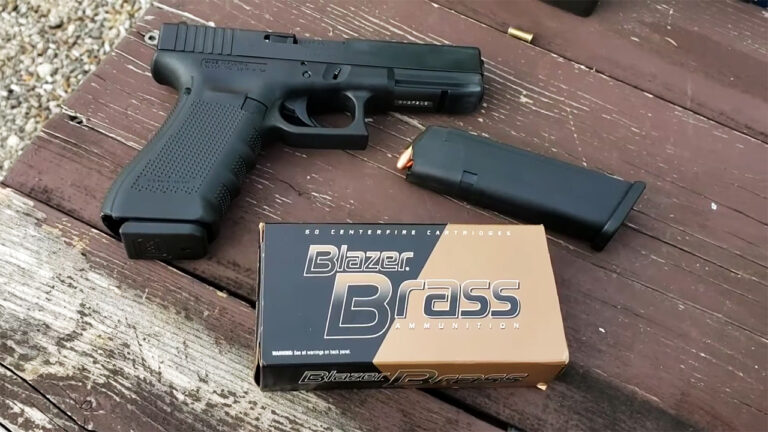
The Glock 19 stays because it keeps solving practical problems without becoming a burden anywhere. It’s compact enough to carry, big enough to shoot properly, and simple enough that nobody has to build a whole maintenance ritual around it. A lot of experienced shooters try to “move on” from the Glock 19 at some point, then quietly admit it still does too much too well to ignore.
That’s why it rarely leaves for long. Even shooters who own nicer pistols, heavier pistols, or more expensive pistols often keep a Glock 19 around because it stays useful. It’s the handgun people reach for when they want something familiar, dependable, and easy to support. Once somebody really learns one, selling it usually feels more regrettable than smart.
Smith & Wesson 686

A good Smith & Wesson 686 is one of those revolvers experienced shooters keep because it still makes perfect sense once the novelty phase is over. It handles .357 Magnum well, has enough weight to stay pleasant on the range, and still feels like a serious revolver instead of a compromise built around concealment or collector hype. That matters more over time than many buyers realize.
A lot of shooters end up keeping a 686 because it fills multiple roles without much drama. It can be a range gun, a woods gun, a home-defense revolver, or simply the wheelgun they trust most. When a firearm keeps being that easy to justify after years of ownership, it tends to stick. Plenty of guns get traded. A strong 686 usually survives the purge.
Ruger GP100

The Ruger GP100 tends to stay because experienced shooters know exactly what it is and appreciate that more with time. It’s strong, dependable, and built like a revolver that expects to be used instead of admired gently. That kind of honesty wins a lot of loyalty. People may buy lighter revolvers or prettier revolvers, but they often keep the GP100 because it feels like the one least likely to let them down.
It also earns its place by being easy to trust with real shooting. A lot of revolvers get babied, worked around, or defended harder than they should be. The GP100 usually doesn’t need that. It just keeps handling rounds and rough treatment without acting delicate. Once a shooter has owned enough guns that create work, he usually keeps the ones that reduce it.
Colt Python

The Colt Python stays in collections for a different reason. With experienced shooters, it’s usually not hype anymore. They’ve already gotten past the bragging-rights phase and know whether they genuinely appreciate what the revolver offers. If they keep one, it’s usually because they like the trigger, the feel, the balance, and the fact that some guns really do carry a kind of presence that never quite gets old.
Shooters who know what they have tend to hold onto Pythons because replacing one later can be painful, and because once a revolver like that settles into the safe, it becomes more than just another handgun. It may not be the revolver they shoot hardest, but it’s often one they’re in no hurry to let go of. Regret follows those sales pretty often.
CZ 75
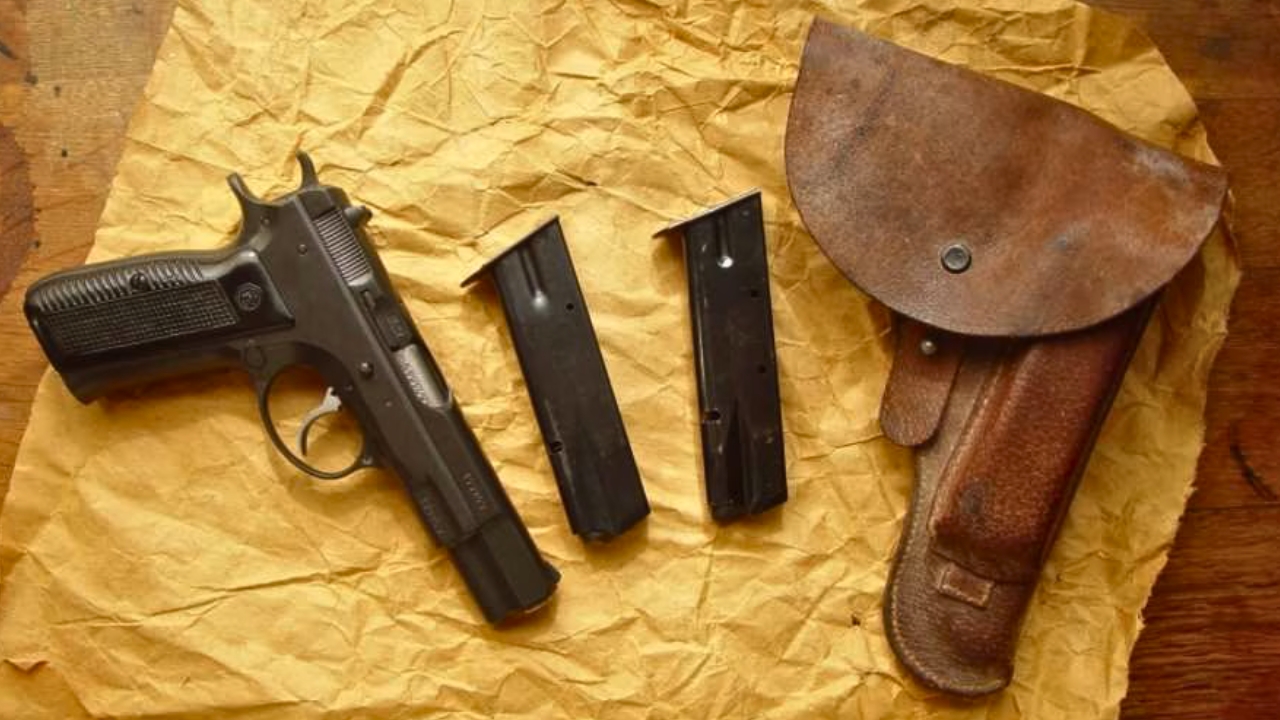
The CZ 75 stays because a lot of experienced shooters end up shooting it better than they expected and trusting it more the longer they own it. It has enough weight to behave well, enough durability to inspire confidence, and enough personality that it never feels like just another generic service pistol. It tends to grow on people instead of fading once the first impression wears off.
That matters. A lot of handguns make a strong first impression and then flatten out. The CZ 75 often does the opposite. The more time people spend with it, the less likely they are to want it gone. Once someone finds that combination of shootability, familiarity, and plain satisfaction, selling it usually feels like a mistake waiting to happen.
SIG Sauer P226

The P226 is one of those pistols experienced shooters rarely move because it keeps acting like a real service handgun should. It shoots well, feels substantial, and has a long track record that helps owners trust it without overthinking things. There’s a reason people who spend a lot of time around pistols still speak well of it. It doesn’t need much defending because it already did the work.
That’s also why it tends to survive collection shakeups. A shooter may add slimmer pistols, lighter pistols, and trendier pistols, but a P226 often stays because it’s such an easy gun to respect. It remains useful, remains enjoyable, and remains one of those handguns people regret underestimating. Guns that earn that kind of trust usually don’t get sold casually.
Beretta 92FS

The Beretta 92FS often stays because experienced shooters know how easy it is to shoot well once you spend real time with it. It’s soft-shooting, reliable, and steadier in the hand than a lot of smaller pistols that seemed smarter at the time of purchase. That becomes more obvious the longer somebody trains. A gun that helps people shoot better tends to earn permanent status.
It also has enough history and enough proven durability that owners don’t feel much pressure to replace it. Some pistols get sold because they never fully click. The 92FS usually does click, especially once the owner gets past the fact that it isn’t tiny. Bigger can still be better, and experienced shooters understand that lesson better than most.
Ruger 10/22

The Ruger 10/22 almost always stays because a dependable .22 rifle keeps being useful no matter how many centerfires a shooter owns. It’s cheap to run, easy to maintain, and versatile enough for plinking, small game, teaching, and plain enjoyable range time. Experienced shooters know those things matter, which is why they rarely treat a good 10/22 like something disposable.
It’s also one of those rifles that keeps getting used. That matters more than people think. Firearms that stay relevant in real life usually survive collection cleanouts better than guns that only looked exciting when they were new. A 10/22 is rarely the most dramatic gun in the safe, but it’s often one of the last ones an experienced shooter would choose to part with.
Remington 870 Wingmaster

A good 870 Wingmaster stays because there are very few shotgun roles where it stops making sense. It’s dependable, familiar, and still feels right in the hands of people who actually use pump guns. A shooter may buy semi-autos, tactical setups, or specialized field guns, but an 870 Wingmaster often remains because it’s too useful and too proven to become unnecessary.
It also has that rare combination of smoothness and toughness that makes people keep it longer than they planned. A lot of experienced shooters can tell you about guns they sold and later replaced. The 870 is one of those guns they often wish they had never moved in the first place. Once you have a good one, the logic for letting it go gets pretty weak.
Benelli M2

The Benelli M2 rarely gets sold because it earns real trust in the field. It’s the kind of shotgun hunters and serious shooters keep when they’ve already learned how annoying unreliable semi-autos can be. When a gun works in bad weather, long seasons, and rough handling, it becomes harder to replace emotionally and practically. That’s exactly where the M2 lives.
It also stays because it keeps its role clearly. Owners know what it’s for, and it keeps doing that job. Upland, waterfowl, turkey, and general field use all stay on the table with a shotgun like this. Once a person has one that runs and fits him well, selling it often feels like trading certainty for no real gain.
Winchester Model 70

The Winchester Model 70 tends to stay because experienced hunters usually want at least one rifle that simply feels right. The Model 70 has that effect on a lot of people. It shoulders well, carries history without feeling uselessly nostalgic, and keeps earning trust where it matters most, in the field. That makes it hard to treat like just another bolt gun.
Hunters who have used one for a while often stop seeing it as interchangeable. It becomes the rifle they know, the one they’ve carried in bad weather, the one tied to real hunts instead of retail excitement. Once a rifle reaches that point, selling it is usually less about logic and more about making a mistake you’ll eventually notice.
Marlin 336

The Marlin 336 stays because practical woods rifles never really stop being practical. Experienced shooters know that not every hunt calls for long-range theatrics or oversized optics. Sometimes a rifle that carries easily, points fast, and does honest work inside normal distances still makes perfect sense. The 336 keeps proving that, which is why people hang onto them.
It also helps that older 336s tend to build sentimental value without becoming dead weight in the safe. They’re not only memory pieces. They’re still useful. A firearm that combines emotional value with real field value usually sticks around. Once somebody has a 336 that shoots well and feels familiar, there usually isn’t much appetite for letting it walk out the door.
Browning Auto-5

The Browning Auto-5 stays because it offers more than nostalgia. It still feels like a serious shotgun, and experienced shooters know the difference between an old gun that merely survives and an old gun that still deserves respect. The Auto-5 earned that respect through field use, not internet praise, and that makes people hold onto them longer than they planned.
It also has character that a lot of newer shotguns simply don’t. That matters once a shooter has owned enough forgettable guns. A good Auto-5 doesn’t feel generic, and it doesn’t feel like something easy to replace with just any current production semi-auto. People keep them because they still work, still matter, and still feel like real shotguns.
Colt 1911 Government Model

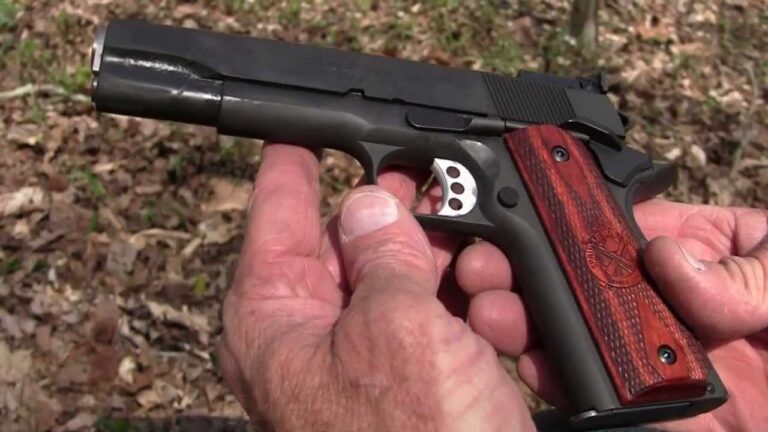
A good full-size Colt 1911 Government Model stays because it still gives experienced shooters something many newer pistols don’t: a trigger and feel that make the whole platform easy to appreciate once it’s set up right. By the time somebody has real time behind handguns, he usually knows whether he’s a 1911 guy or not. If he is, a solid Colt tends to stay put.
That’s especially true when the owner has already worked through the trial-and-error stage and ended up with one he trusts. At that point, selling it rarely looks smart. It may not be the only handgun in the safe, but it becomes one of the few that still feels worth keeping for the long haul. Experienced shooters know better than most how annoying it can be to sell the right 1911.
Tikka T3x Lite

The Tikka T3x Lite stays because it usually does exactly what experienced hunters hoped it would do. It shoots well, carries easily, and makes life simpler instead of more complicated. That kind of rifle tends to survive because it never becomes a problem. There’s no drama to justify getting rid of it. It just keeps working and keeps making sense.
A lot of rifles get sold because the owner thought he wanted something different and then found out later the original rifle had been better than he remembered. The T3x Lite often avoids that whole cycle. People keep them because they trust them, and because there are only so many rifles that combine real accuracy, field practicality, and light carry weight that cleanly.
Smith & Wesson Model 19

The Model 19 stays because it feels like one of those revolvers that got the balance right. It has enough power, enough class, and enough shootability to remain easy to appreciate after the newness wears off. Experienced shooters know not every revolver ages well in the owner’s mind. The good ones do, and the Model 19 is one of those good ones.
It also tends to be the kind of revolver people regret selling. Once it’s gone, owners remember the handling, the feel, and the way it filled a role that a lot of other handguns only partly cover. That’s usually why it remains in collections that have already been thinned out. Some guns survive because they’re useful. Others survive because they’re too satisfying to lose. The Model 19 is both.
Like The Avid Outdoorsman’s content? Subscribe to our newsletter so you never miss an article.
Here’s more from us: