Photo credit: Just dance/Shutterstock.com
Some rifles have reputations built entirely on talk. The catalog specs, marketing blurbs, and online chatter make them sound like half-MOA tack drivers. But the moment you hit the range, reality sets in. These rifles promise tight groups and confidence at distance, but instead, they leave you second-guessing every shot. Some suffer from poor bedding, others from sloppy barrels or inconsistent triggers. Either way, they’re the guns that sound like precision tools but never quite show it on paper—no matter how much you want them to.
Remington 710

The Remington 710 came with the famous Remington name and the promise of factory accuracy. In reality, it was plagued with rough actions, plastic parts, and barrels that couldn’t hold a consistent zero. The bolt felt gritty, the bedding was inconsistent, and groups opened up fast once the barrel warmed.
It’s a rifle that should have worked—the concept was solid—but the execution fell short. Hunters quickly realized that “sub-MOA” wasn’t in this rifle’s vocabulary. Most ended up replaced with something that actually shot straight without fighting the hardware every round.
Mossberg 4×4
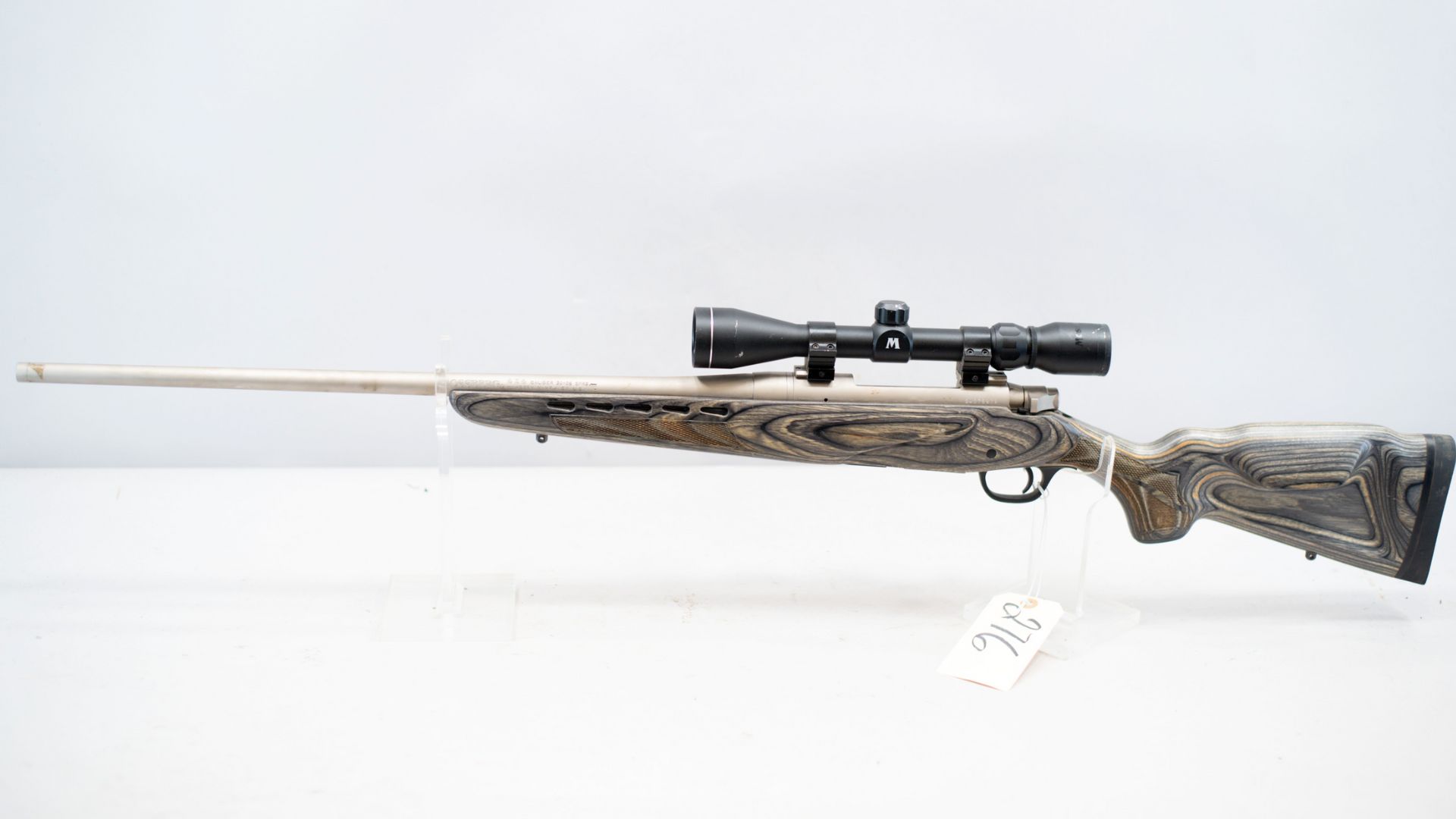
The Mossberg 4×4 entered the market with bold claims about accuracy and durability. It came in all the right calibers and even had a decent trigger. But once you started shooting, those promises faded. The rifle’s flimsy stock and inconsistent bedding made accuracy a gamble, especially after a few shots.
Some rifles grouped okay, others couldn’t stay on target from one session to the next. The 4×4’s reputation sank fast among hunters who expected it to deliver at least consistent “minute of deer.” Instead, they got a rifle that felt like it was always one adjustment away from shooting straight.
Remington 770

Remington called the 770 an affordable precision tool for hunters on a budget. Instead, it became a symbol of disappointment. The plastic bolt sleeve, sloppy machining, and inconsistent barrels made it unpredictable at best. Even with good ammo, groups wandered all over the target.
Plenty of new shooters bought one thinking they’d scored a deal, only to trade it off after a season. The rifle had the Remington name and an accuracy promise that sounded great—but at the bench, it never delivered anything close.
Savage Axis (Early Models)
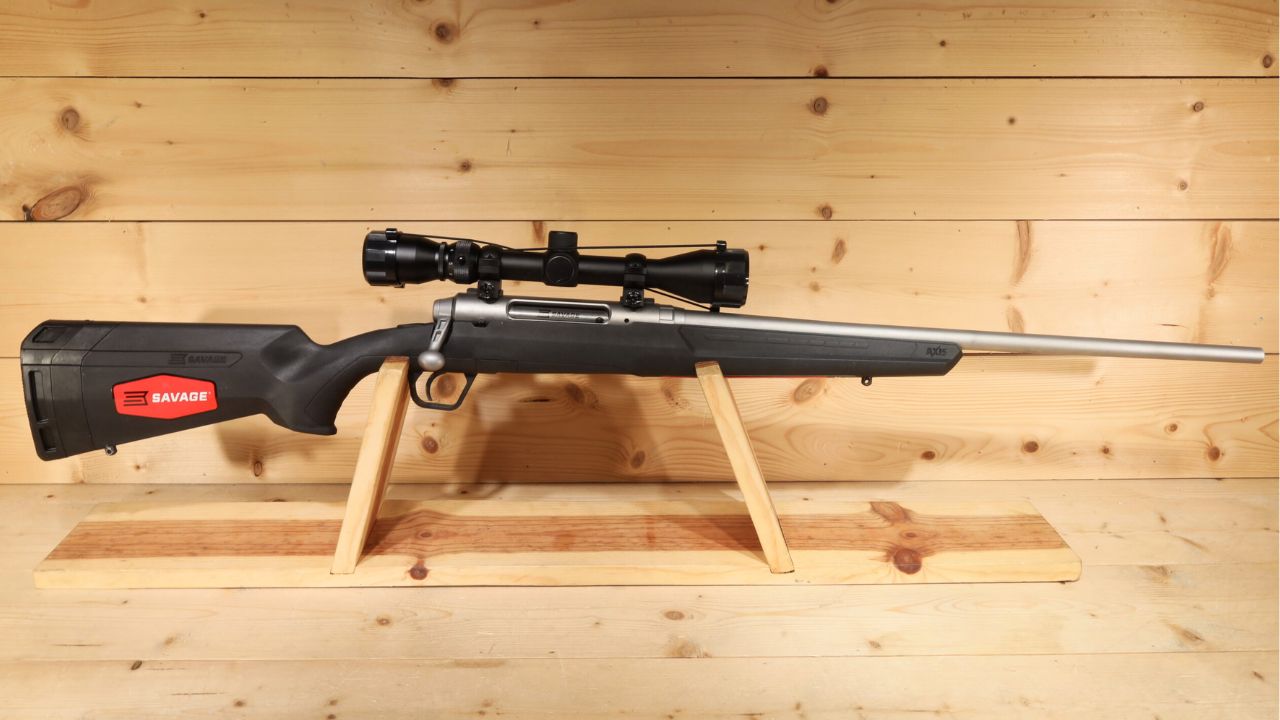
Savage has a well-earned reputation for accuracy, but the first-generation Axis rifles didn’t live up to it. The flexible synthetic stock caused vertical stringing, and the heavy, inconsistent trigger made tight groups hard to achieve. Some rifles shot decently, but most were too sensitive to pressure and heat.
Savage eventually corrected the design with better stocks and triggers, but those early Axis rifles still haunt bargain bins. You could spend hours trying to tune one into shooting tight groups, but most hunters found it easier to move on.
Ruger American Rimfire

The Ruger American Rimfire looks and feels like a rifle that should shoot one-hole groups all day. The design seems sound, and Ruger’s reputation gave buyers confidence. But in practice, accuracy varied wildly. Some rifles grouped nicely, while others scattered shots with bulk ammo or even match-grade rounds.
The inconsistent chambering and barrel quality left many shooters scratching their heads. It’s reliable, sure, but “target-grade” it is not. The rifle’s name makes you expect something more refined, but it often can’t live up to the Ruger heritage it carries.
Remington 742 Woodsmaster

The Remington 742 Woodsmaster always looked like a precision deer rifle, but anyone who’s hunted with one knows the truth. Accuracy was inconsistent at best, especially once the rifle aged. The action wore quickly, and the soft receiver rails often turned the gun into a single-shot over time.
Even when new, it never grouped like a bolt gun. Shooters praised its looks and handling but cursed the wandering zero. If you ever shot one on paper, you probably spent more time cleaning it and less time admiring its accuracy.
Browning BAR Lightweight Stalker
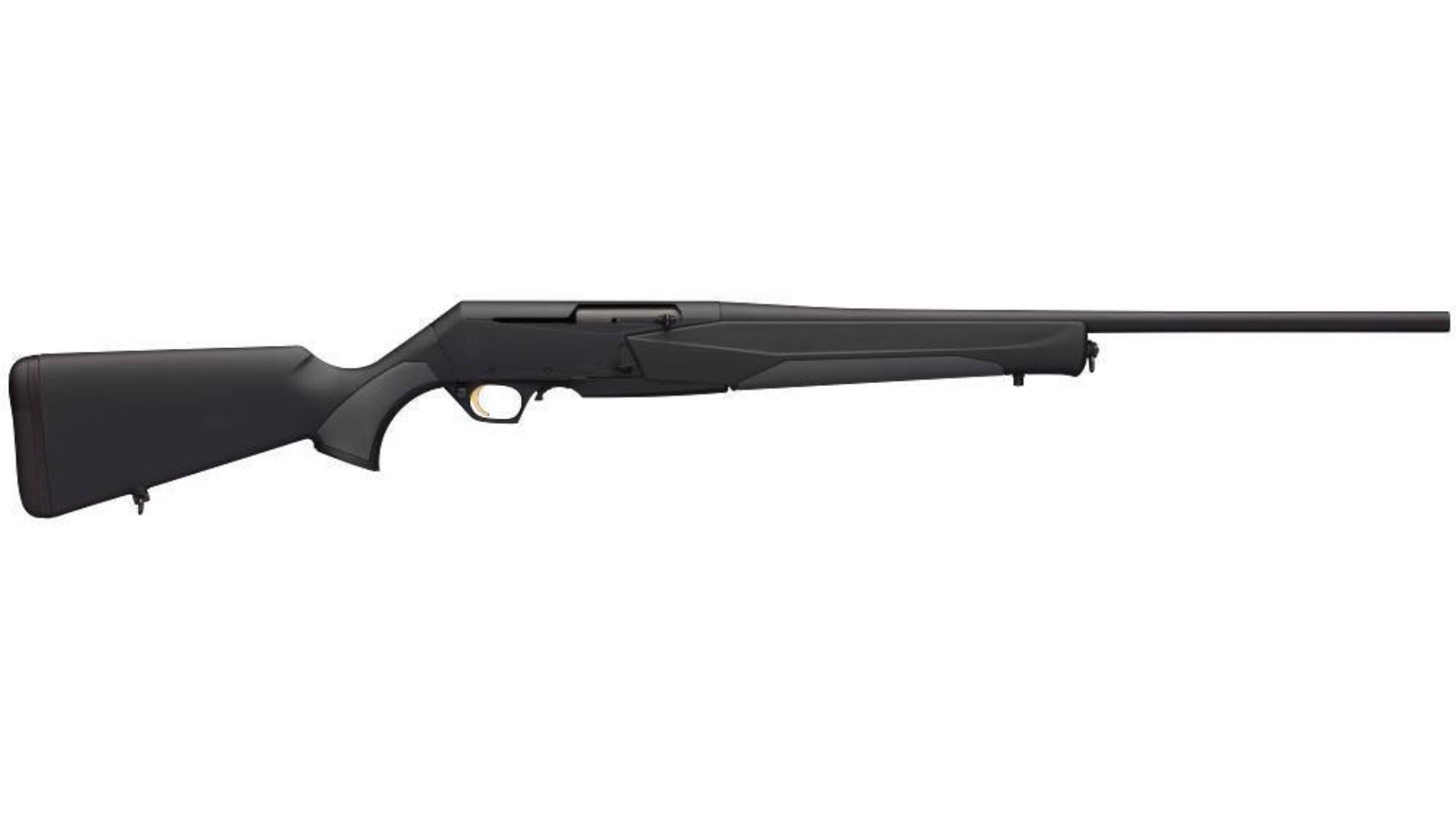
The Browning BAR name carries weight, and the Lightweight Stalker variation was marketed as the perfect blend of precision and portability. On the range, though, it often disappointed. The thin barrel heated fast, and groups opened after only a few shots.
It’s a fine hunting rifle for quick shots, but it doesn’t live up to the “accurate semi-auto” hype. Some rifles performed decently with careful ammo selection, but most couldn’t sustain consistent precision. The name “Stalker” fit—because chasing accuracy with one became a full-time job.
Ruger Mini-14 (Early Series)

The Ruger Mini-14 earned a reputation for reliability, but not for accuracy. Early versions were notorious for throwing shots in every direction once the barrel warmed. Despite Ruger’s claims of tight groups, most shooters were happy to keep five rounds in a pie plate at 100 yards.
The light barrel and loose tolerances didn’t help, and many rifles strung shots dramatically. Ruger fixed a lot of these issues in later models, but those early rifles gave the Mini-14 its “minute of barn door” reputation—one that still lingers decades later.
Mossberg Patriot
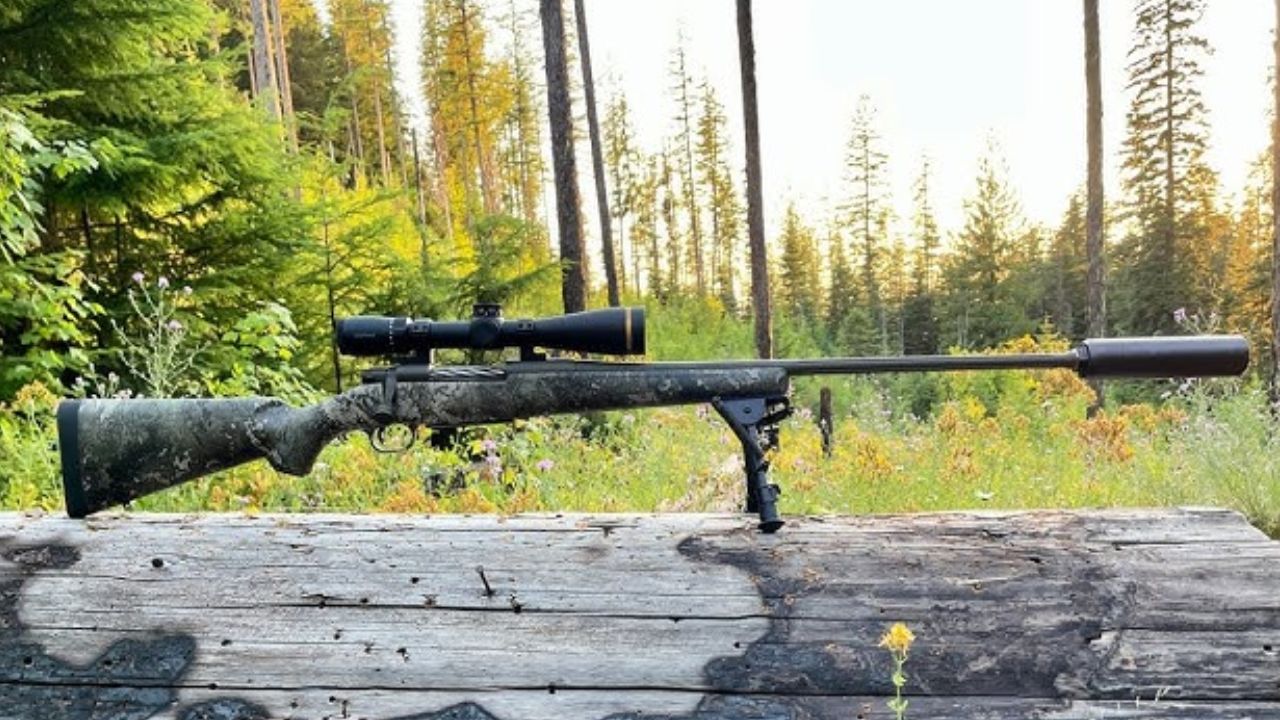
The Mossberg Patriot promised budget accuracy with modern styling, but results were hit-or-miss. The fluted barrel and adjustable trigger sounded great, but the soft stock and uneven bedding made it tough to trust in the field. Some rifles shot half-inch groups; others couldn’t hold three inches at 100 yards.
That inconsistency is what doomed it for many hunters. You might get lucky with a tack-driver, or you might get one that shifts zero after every cleaning. For a rifle that looked the part, too many didn’t perform like it.
Winchester SXR
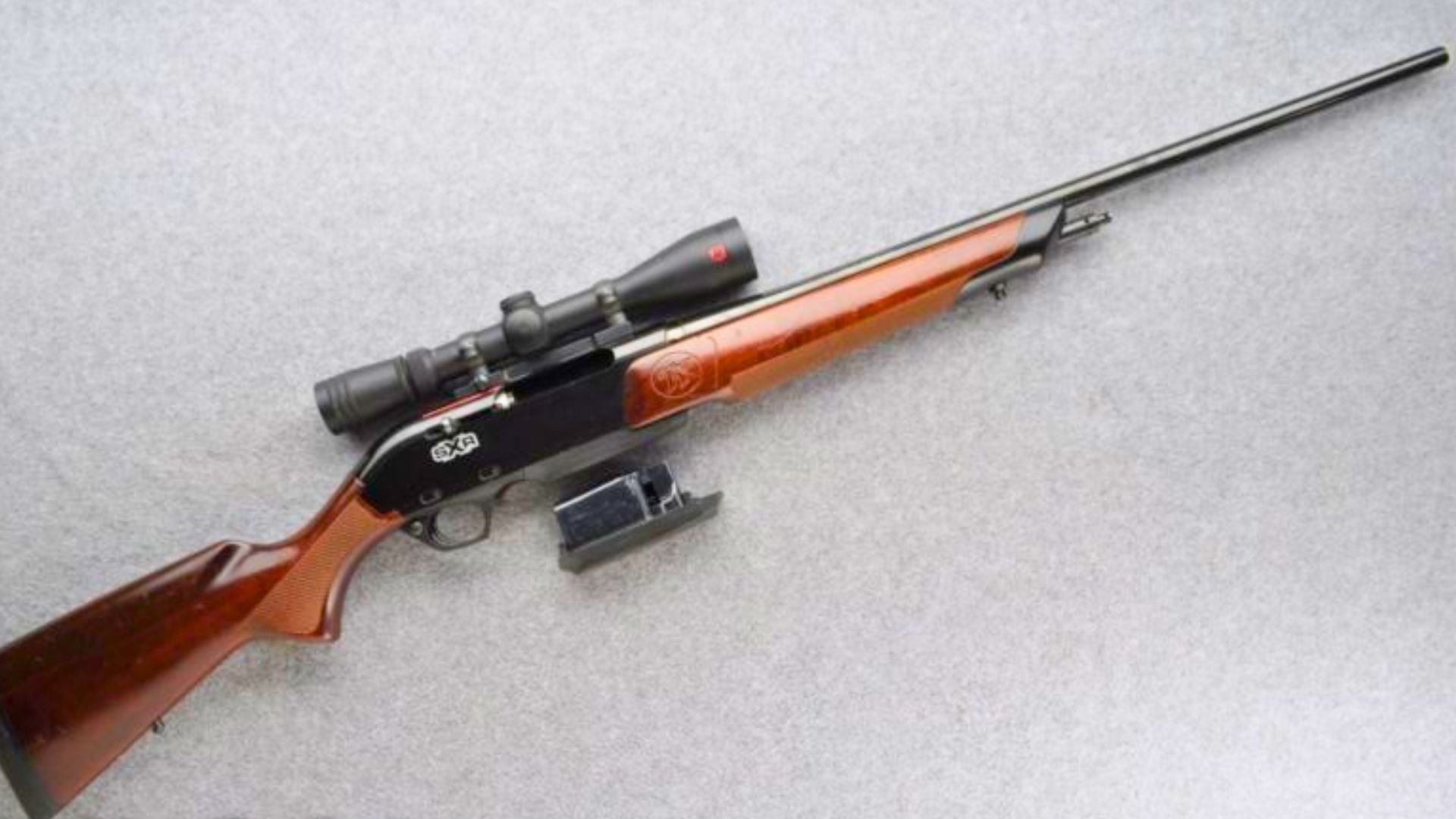
The Winchester SXR had a sleek, European semi-auto design and claims of bolt-action accuracy. Unfortunately, that accuracy rarely showed up on the target. The gas system and barrel harmonics made it unpredictable. Some rifles grouped well, others shot like smoothbores.
It’s reliable and handles recoil nicely, but it never earned serious respect for precision. The SXR is one of those rifles that looks like a match-winner on the rack—and then leaves you chasing groups all day at the bench.
Remington Model 770 Scoped Package
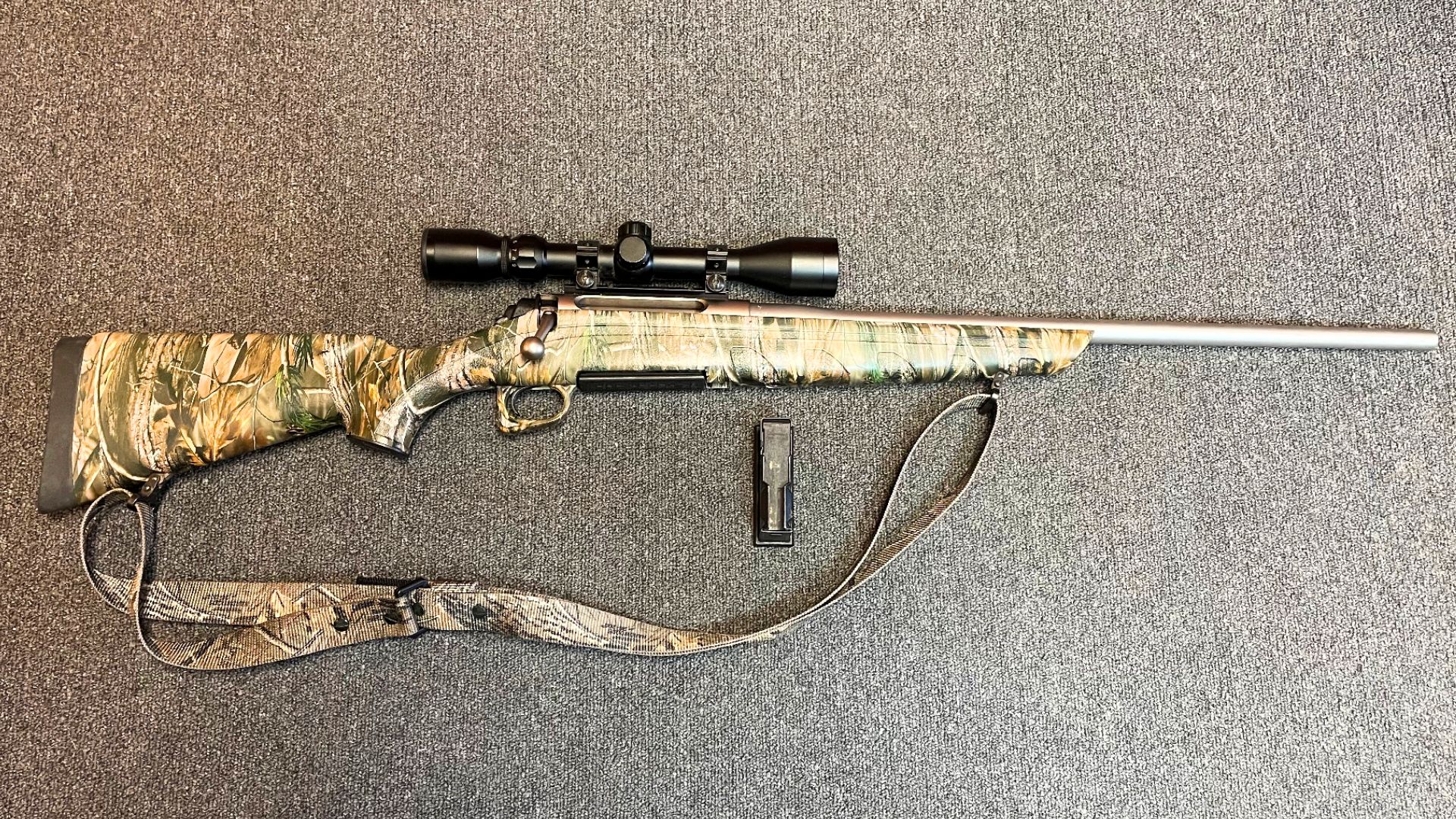
The scoped package version of the Remington 770 sold like crazy, promising “ready-to-hunt accuracy” out of the box. Instead, it delivered frustration. The included scope was cheap, the mounts loosened, and the rifle itself couldn’t hold tight groups to save its life.
Many first-time hunters bought one thinking it would deliver bolt-action precision on a budget. What they got instead was an unreliable combo that left them questioning their own shooting skills. The rifle sounded like a great deal—but no one who’s ever shot one calls it accurate.
Thompson/Center Venture

The T/C Venture came with lofty claims of sub-MOA performance and an affordable price tag. While some rifles achieved that, many fell short—way short. Reports of poor barrel alignment, inconsistent headspacing, and wandering zeros kept it from earning long-term trust.
For every shooter who swore by one, there were two who couldn’t get it to group. The Venture had promise, but it became another example of overpromising and underdelivering. When your rifle claims precision but only proves frustration, shooters remember—and move on.
Like The Avid Outdoorsman’s content? Be sure to follow us.
Here’s more from us:
The worst deer rifles money can buy
Sidearms That Belong in the Safe — Not Your Belt
*This article was developed with AI-powered tools and has been carefully reviewed by our editors.