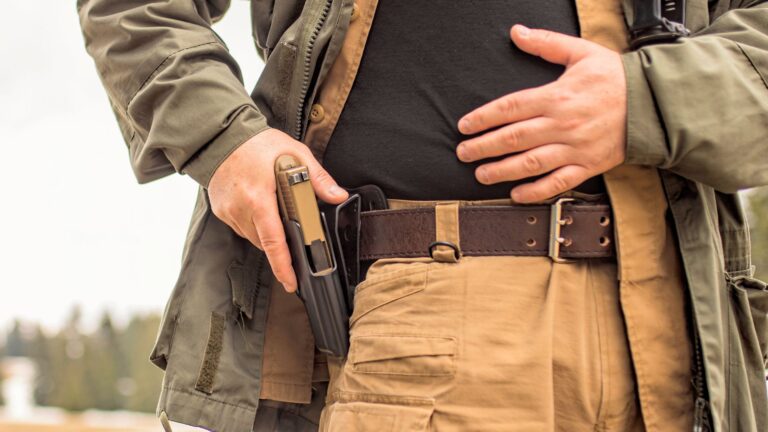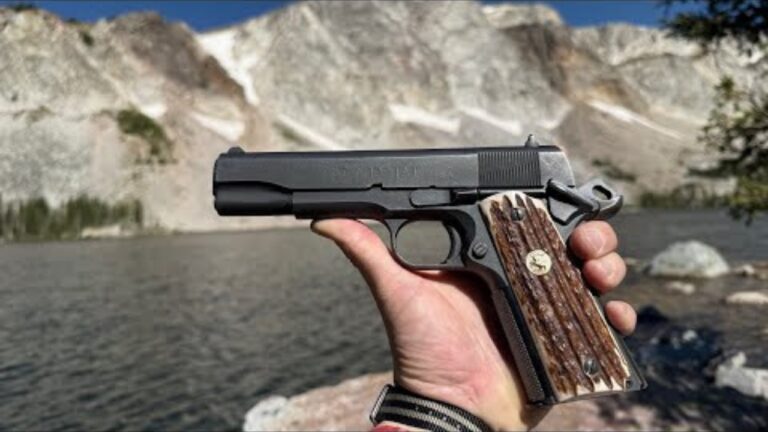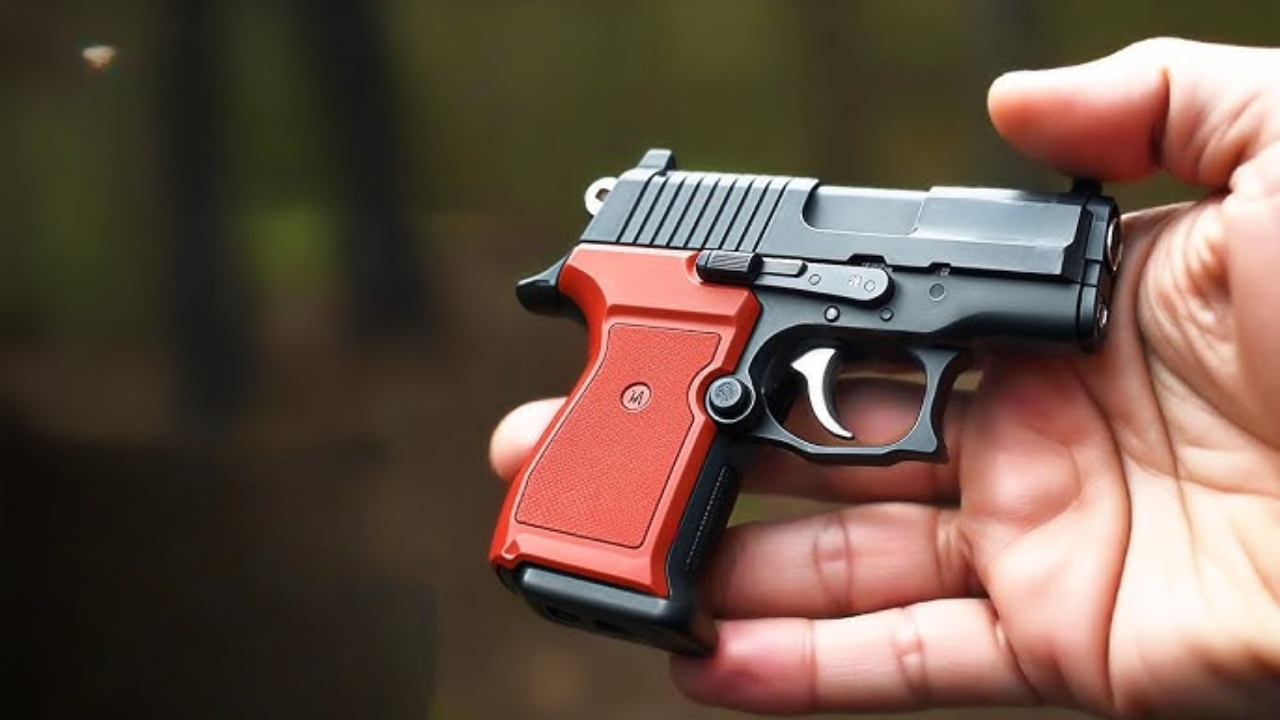
Photo credit: Fred Hart/YouTube
Pocket pistols sound simple until you actually live with one. The idea is easy: small gun, easy carry, always with you. In real life, pocket carry brings its own set of problems that don’t show up in a showroom or in a quick range session. The guns are smaller, the controls are tighter, the recoil feels sharper, the sights are usually basic, and reliability depends more on ammo choice, maintenance, and how you carry it than most people expect. That doesn’t mean pocket pistols are a bad option. It means they’re a serious option that demands more respect than “it’s tiny, so it’s easy.”
If you’re thinking about buying one, or you already carry one and wonder why it feels harder than it should, here are 15 things most shooters learn after the fact.
1) Small guns are harder to shoot well, even for experienced shooters
A pocket pistol doesn’t give you much grip, much sight radius, or much weight to soak up recoil. That combination makes accuracy and speed harder. Most people shoot their compact or full-size pistol better on day one than they shoot a pocket gun after months. It’s not because they’re “bad shots.” It’s because the gun gives you less to work with, and it punishes sloppy grip and trigger control faster.
2) Recoil feels snappier than the caliber suggests
A .380 or small 9mm can feel surprisingly sharp in a light pistol. Physics is physics. The gun doesn’t weigh much, so your hand becomes the recoil system. That’s why some shooters end up carrying a pocket gun but avoiding practice with it. That’s also why pocket guns can create flinches if you don’t stay on top of your fundamentals.
3) Reliability is more sensitive to grip than most people expect
Pocket pistols are often less forgiving of weak grip, especially when you’re talking about tiny semi-autos. If you don’t give the gun a solid platform, you can get failures to feed or eject. People call it “limp-wristing” and roll their eyes, but with small guns it’s a real factor. A gun that runs 100% in a tight two-hand grip may start acting up when you shoot one-handed, from awkward angles, or under stress.
4) Pocket lint is not a joke
Pocket carry puts your gun in the same environment as coins, fabric dust, and whatever else lives in your pockets. That lint ends up around the muzzle, in the slide, and sometimes in places you don’t notice until it matters. A pocket gun needs routine checks. Not obsessive cleaning every day, but a habit of inspecting it and wiping it down so you don’t end up carrying a fuzzy little jam machine.
5) The holster matters more than the gun
Pocket carry without a real pocket holster is asking for trouble. You need the trigger covered. You need the gun oriented consistently. You need the holster to stay in the pocket when you draw. If your holster comes out with the gun, your draw gets sketchy fast. A good pocket holster makes pocket carry work. A bad one makes it dangerous and unreliable.
6) Not all pockets are actually “carry pockets”
Some pants pockets are too shallow. Some are too tight. Some print badly. Some snag the grip. Some let the gun tip sideways. People buy the gun first and then realize their everyday clothes don’t support it. With pocket carry, your wardrobe is part of the system. If you don’t test it in the pants you actually wear, you’re guessing.
7) Draw speed can be slower than belt carry — especially seated
Pocket carry can be fast in the right pants, standing up, with a clean pocket and good practice. But it can also be slow when you’re seated, buckled, or stuck in a tight space. If you spend most of your day in a vehicle, pocket carry can be a pain. That doesn’t mean it’s useless — it means you should be honest about your day-to-day positions and practice from them.
8) Pocket pistols are more likely to get grabbed or bumped without you noticing
A belt holster sits on a firm platform. A pocket gun can shift. If you’re moving around, chasing kids, bending over, climbing, or working, it can move enough that your draw becomes inconsistent. That’s why checking it throughout the day matters. You don’t want to discover it rotated when you need it.
9) “Good enough sights” aren’t always good enough under pressure
A lot of pocket pistols come with tiny sights, and some are basically a suggestion of sights. At close range you can make it work, but under stress you still want a clear reference. People often assume pocket pistols are “point shoot only,” then realize they’re missing fast shots at realistic distances because they never practiced using whatever sights they have.
10) Ammo choice matters more than you expect
Some pocket guns are picky. Some run everything. Some hate a certain hollow point shape. Some prefer a specific pressure level. You don’t get to assume. You have to test your carry ammo in your gun. If you can’t afford to test it, that’s not a moral failing — but it is a practical problem. A pocket pistol is a defensive tool. It has to run.
11) .380 isn’t “weak,” but it has less room for error
A lot of people argue about .380 like it’s either useless or perfect. The truth is it can work, but it’s less forgiving than larger calibers. Shot placement matters more, and you want ammo that penetrates reliably. If you treat .380 like a magic talisman, you’re doing it wrong. If you treat it like a tool that demands good hits, you’ll make better decisions.
12) Pocket carry makes you more likely to actually carry — and that’s the real win
This is the part people skip. A smaller gun is easier to live with, and that means you’re more likely to have it on you when something happens. The “best” gun left at home doesn’t help you. Pocket pistols fill that gap for people who won’t carry anything bigger consistently. That’s practical reality, not internet pride.
13) Reloading is slower and harder
Tiny mags, tiny controls, shorter grip, less to grab — everything about reloads is harder. Most people don’t practice reloads with pocket guns, then act surprised when they fumble. If your pistol only carries 6–10 rounds, the reload matters more, not less. You don’t have to carry three spare mags, but you should be honest that reloads are not as clean as they are on a full-size gun.
14) Maintenance intervals need to be shorter
Pocket guns get carried a lot and shot less. That’s the opposite of how most people treat their other pistols. Carry grime, sweat, and lint add up. Springs are smaller and work harder. If you’re going to rely on a tiny auto, you need a habit of replacing recoil springs on schedule and checking for wear. Small guns don’t have the same margin for neglect.
15) The hardest part is getting honest practice in
This is the biggest surprise. Pocket pistols are carried for emergencies, but they require more practice than bigger guns to shoot well. They’re harder to control, harder to draw cleanly, and harder to run fast. If you’re going to rely on one, you need reps: draw from your actual pocket holster (safely, unloaded practice), one-handed shooting, close-range accuracy, and a few drills that reflect real defensive distances. If you do that, pocket pistols become a legitimate option. If you don’t, they stay a “comfort object” more than a tool.
Like The Avid Outdoorsman’s content? Subscribe to our newsletter so you never miss an article.
Here’s more from us: