Photo credit: Kit Badger/YouTube
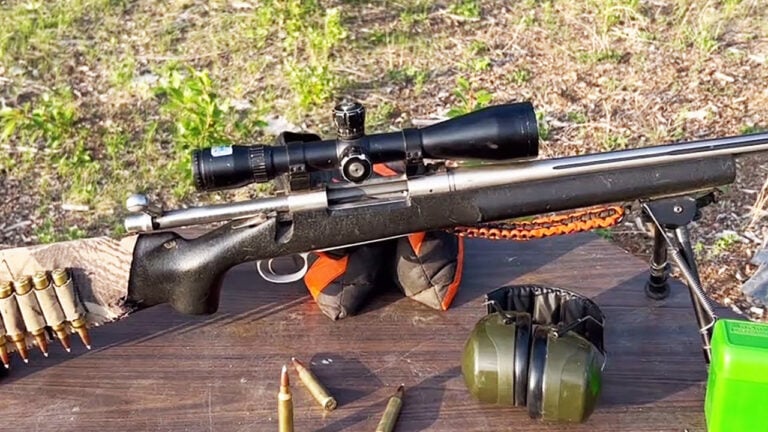
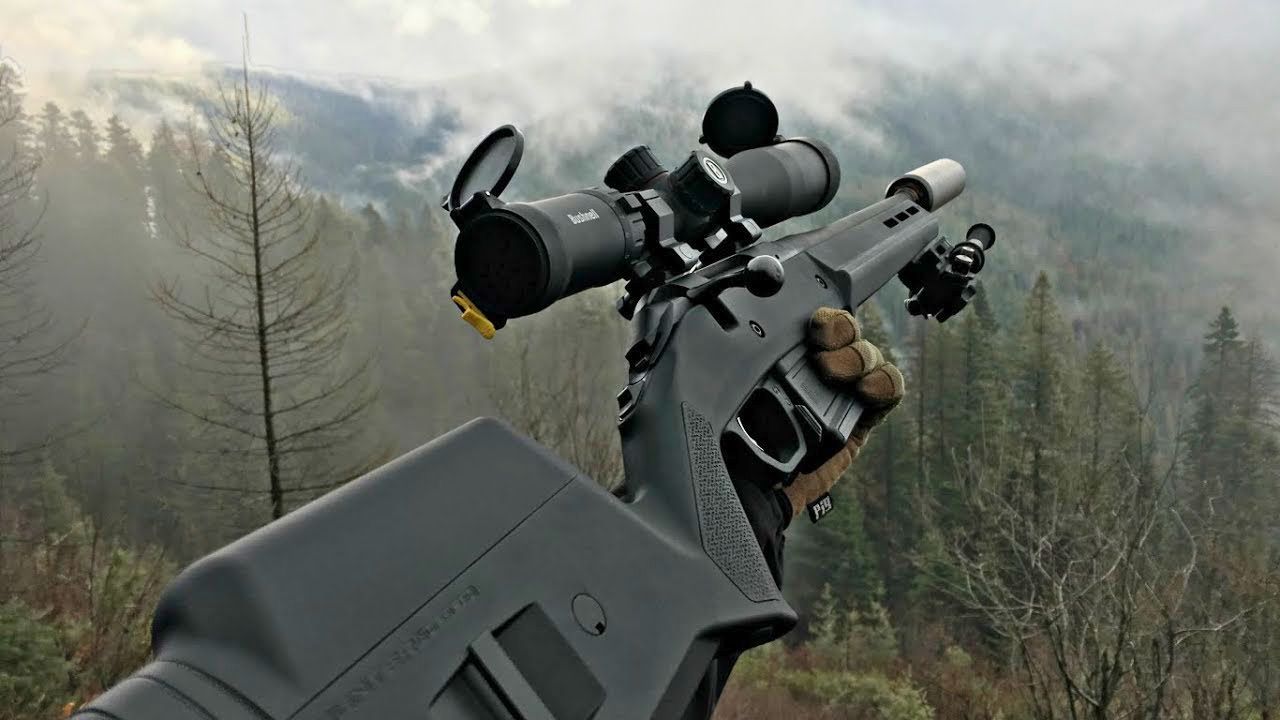
Hunting rifles take a beating over time, and you notice real quick which ones were built to stay consistent and which ones only shine for a handful of rounds. You’ve probably seen a rifle that groups well when it’s cool and clean, then slowly wanders once the barrel heats up or the action settles in strange ways. When a rifle can’t keep its point of impact steady after repeated use, your confidence drops with every shot. It doesn’t matter how steady your rest is—once the groups start drifting, you’re left chasing problems instead of trusting your gear.
You run into this with thin barrels, questionable bedding jobs, and rifles that weren’t designed to handle real-world round counts. Some rifles move so much once they warm that every follow-up shot becomes a coin toss. And if you’re counting on that rifle during a season where one chance matters, that inconsistency turns into a real liability.
Ruger American .308

The early Ruger American rifles in .308 won a lot of people over with their price, but the light contour barrels were notorious for wandering once you pushed past a few consecutive groups. You’d fire a couple clean strings and everything looked promising, but once that barrel heated up, shots tended to start drifting vertically. Some rifles walked an inch or more at 100 yards after a dozen rounds. That’s not great if you practice regularly or shoot in warm weather.
The bedding system was also sensitive, and torquing the action screws slightly off spec often changed how the rifle settled during recoil. When you finally had it zeroed, you sometimes held your breath hoping it wouldn’t shift again after cleaning or long sessions. Many shooters loved the accuracy when cold, but the rifle didn’t always hold it once temperatures climbed.
Remington 770

The Remington 770 gained a reputation for being a budget rifle that couldn’t stay consistent through heavy use. The barrel quality varied widely, and many shooters noticed their groups tightening on the first three shots and then drifting outward as the bore heated up. Some rifles strung shots diagonally, while others shifted several inches once they were warm. That kind of behavior makes reliable zeroing tough.
The injection-molded stock also flexed under sling pressure or bipod tension, which only added to the wandering impact. If you shot from different field positions, the point of impact often shifted with each setup. Combined with a rough bolt throw and inconsistent chamber tolerances, the rifle struggled to hold accuracy over long sessions. Plenty of hunters used one for a season or two, but the unpredictable performance eventually pushed them toward something more stable.
Mossberg Patriot .30-06
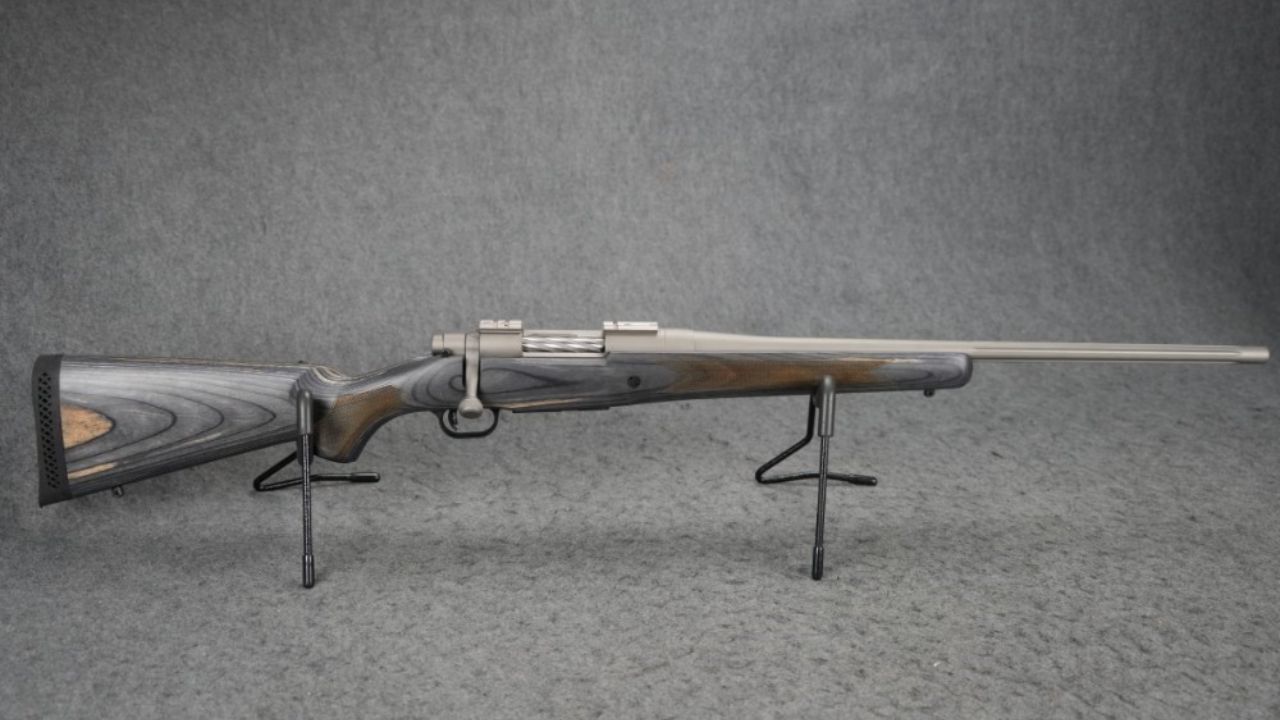
The Mossberg Patriot in .30-06 is light, handy, and easy to carry, but that featherweight profile comes at a cost. The thin barrels on some models heat quickly, and once they warm up, groups often start to stretch into vertical strings. You might get a tight cluster on your first group, then watch the next few climb higher with every shot. That might not matter to someone who fires a handful of rounds a year, but if you train regularly, it shows up fast.
The factory stocks on early runs also had flex issues, and even slight torque from a rest could shift the forend enough to contact the barrel. That tiny change changed how the rifle behaved under recoil, and the wandering impact became even more noticeable. It’s a rifle that performs well for the first cold shots, yet struggles to maintain that precision during longer sessions.
Winchester XPR

Early Winchester XPR rifles in .270 Winchester had accuracy that was good enough for hunting, but not always consistent under extended firing. As the barrel heated up, several shooters reported groups shifting a couple inches, especially across longer strings or warm-day practice sessions. The action itself was solid, but the bedding and stock interface weren’t always perfectly aligned, and the rifle could settle differently after cleaning or transport.
The factory synthetic stocks also had a tendency to flex under sling tension, which pulled the barrel off its ideal position. Once that happened, the rifle rarely returned to its original zero until everything cooled off. If you were working on dialing in loads or stretching out to medium distances, the wandering point of impact made it tough to fine-tune. It was a dependable hunting tool, yet not the best for repeated high-volume use.
Savage Axis .308

The Savage Axis has always been known as an affordable starter rifle, but the original .308 version struggled to stay accurate through longer shooting sessions. The pencil barrels heat up fast, and once they do, the groups start to spread out or walk in a predictable vertical line. Many shooters saw clean three-shot clusters followed by a noticeable drift on shots four, five, and six. That’s fine for a freezer-filling rifle, but frustrating if you’re practicing regularly.
The factory stock didn’t help matters either. Its forend is easy to flex, especially from a bipod or firm rest. As soon as the forend contacted the barrel, the rifle’s harmonics changed. The result was a rifle that could be accurate cold but wasn’t built for consistency during extended sessions. It’s a useful budget gun, but not one known for holding accuracy round after round.
Weatherby Vanguard Synthetic

Some older lightweight Weatherby Vanguard Synthetic rifles were great carry guns, but the thin barrels on certain calibers didn’t stay consistent when heated. The first few groups were often respectable, yet once the barrel warmed, shots started sliding upward or diagonally. The lightweight design made recoil sharper, and that added to the settling issues between the action and the stock.
The bedding block on earlier versions also varied, and slight imperfections could change how the rifle rebounded during recoil. It didn’t take much to shift point of impact. If you were working through several boxes during practice, the rifle rarely held the same zero from start to finish. Plenty of hunters still carried them confidently for cold-bore shots, but they weren’t rifles you used for heavy range work or repeated long-distance attempts.
Browning A-Bolt II
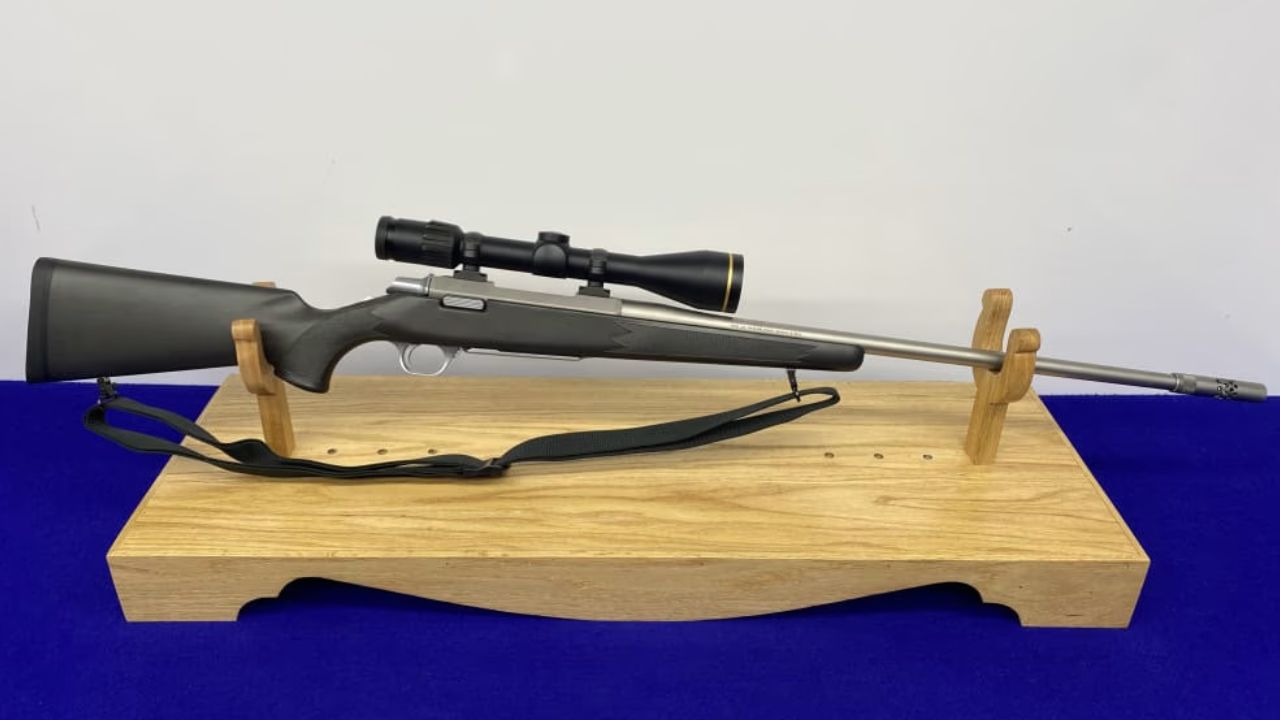
The Browning A-Bolt II is loved by many hunters, but some of the pencil-barrel configurations struggled with consistency during extended shooting. Those thin barrels were designed for weight savings, not heat control. Fire a handful of groups quickly, and you’d watch the point of impact climb as the barrel heated. It wasn’t uncommon for accuracy to fall off once things warmed past the first few rounds.
The bedding on certain synthetic stock models also wasn’t always perfect, and even small variations changed how the rifle behaved under recoil. When the rifle settled differently after cleaning, it occasionally shifted its zero a bit. For someone who only fires cold-bore shots before a hunt, that might never show up. But if you shoot often or need the rifle to stay steady during long sessions, the wandering groups become hard to ignore.
Marlin X7
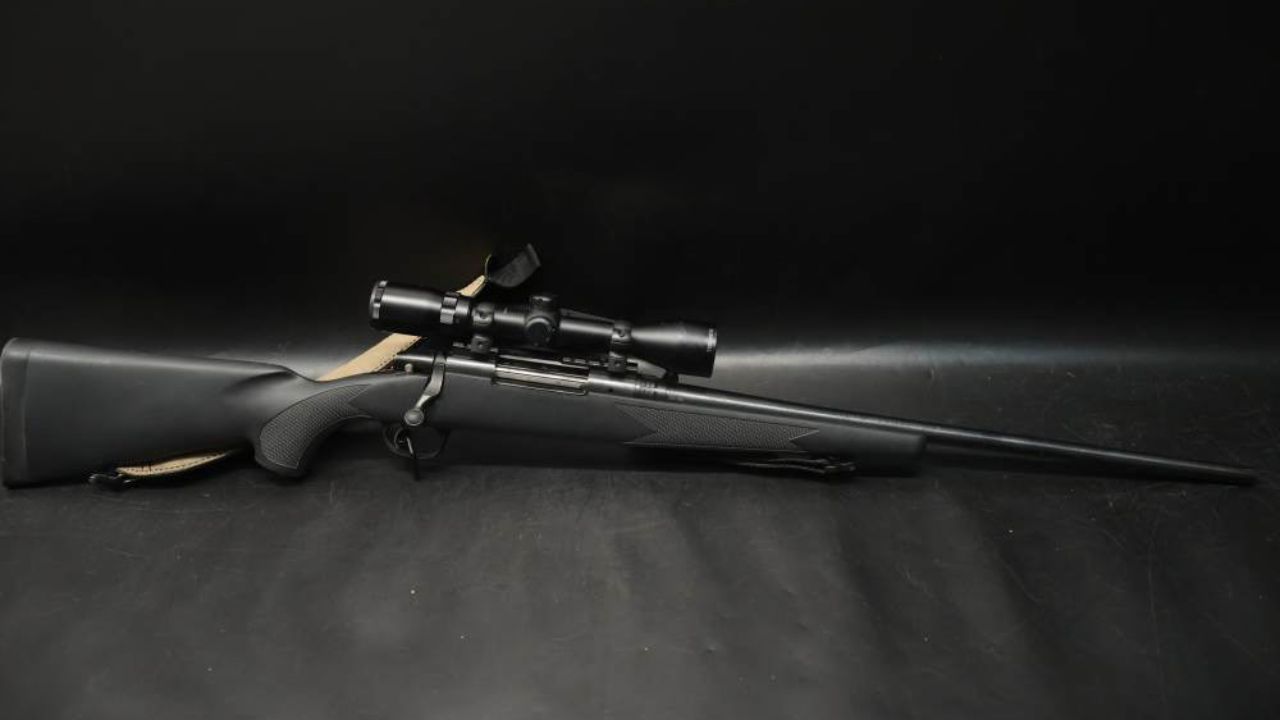
The Marlin X7 earned praise for offering good accuracy for the money, but some rifles developed wandering groups once they accumulated a lot of rounds. The barrels were light enough that heat buildup affected harmonics quickly. After half a dozen shots, many shooters noticed the groups stretching upward or spreading out instead of staying tight.
The synthetic stocks on some versions also had flex issues around the forend. When you loaded the rifle on a rest or tightened a sling, the pressure could shift the barrel slightly off-center. That small change often showed up immediately on target. While the rifle impressed early on—especially with cold-bore consistency—it wasn’t always the most reliable for long practice sessions or higher round counts. It’s a good rifle for the price but not one known for staying steady under repeated use.
Tikka T3 Lite

The Tikka T3 Lite is known for great accuracy, but the magnum versions can struggle to hold it through long strings. The combination of a very lightweight barrel and heavy recoil creates heat fast. Once warm, the barrels on some magnum models start shifting their point of impact slightly, and the groups spread more than the standard calibers. It’s not a flaw so much as a physics issue—light barrels and magnum heat don’t mix well.
The synthetic stocks on these rifles are tough, but even small shifts in grip pressure or rest pressure can affect how the rifle settles under recoil. After enough rounds, those small inconsistencies show up on paper. If you shoot only a few rounds a year, you may never see it. But if you run longer sessions or handload magnum cartridges, the wandering impact becomes easier to spot.
Remington 783

The Remington 783 was introduced to replace the troubled 770, but some early rifles still struggled with accuracy shifting during warm sessions. The barrels on those first runs weren’t as uniform as later production, and once they heated up, the groups often opened up or walked slightly. The rifling itself wasn’t always consistent either, and that added another variable during long practice days.
The stocks on early rifles could also flex under pressure, especially if you used a bipod. As soon as the forend touched the barrel, harmonics changed. For the price, many shooters were satisfied with the rifle’s cold-bore accuracy, yet it wasn’t known for keeping that accuracy once temperatures climbed. Later models improved, but the early guns earned a mixed reputation when it came to holding point of impact.
CVA Cascade

The CVA Cascade is a solid rifle in many calibers, but some of the lightweight formats struggle when you push through longer strings. The light barrels heat up fast, and once they do, the point of impact starts to wander slightly. You get a tight group early on, then a gradual drift as the session goes on. It’s not catastrophic, but it’s noticeable if you shoot often.
The stock is comfortable, though some shooters found that varying rest pressure changed how the rifle behaved. With a thin barrel and sensitive forend, small changes show up downrange. As a hunting tool for cold shots, it’s perfectly capable. But if you expect it to stay laser-consistent through a full afternoon at the range, you’ll run into some drift.
Howa 1500 Lightweight

The Howa 1500 is usually a rock-steady platform, but the lightweight versions give up some consistency under repeated use. Those light barrels warm up quickly, and once they do, accuracy can start to shift. Shooters who practice in longer strings often notice the point of impact creeping slightly upward or outward as the session continues.
The factory synthetic stocks on lightweight models don’t always provide the stiffest forend. If you load the rifle hard onto a rest or put tension on the sling, the stock may flex enough to change barrel harmonics. The cold-bore accuracy is usually excellent, but the rifle isn’t built for long, hot shooting sessions. For hunters, it’s a dependable choice, yet for frequent range days, the wandering groups can be frustrating.
Ruger American Ranch 7.62×39

The Ruger American Ranch in 7.62×39 is fun to shoot, but some earlier rifles struggled to stay consistent through extended strings. The slim barrels heated quickly, and once they warmed up, accuracy often shifted from tight groups to wider clusters. The action bedding also varied from rifle to rifle, and slight differences affected how the gun settled after repeated recoil.
Steel-case ammo made the issue more noticeable, as it tends to foul faster and change how the barrel behaves under heat. With brass ammo and slow pacing, the rifle performs well. But when you shoot fast strings or run several magazines in a row, the wandering point of impact becomes obvious. It’s handy and enjoyable, but not a rifle known for staying steady under prolonged use.
Savage 110 Lightweight Storm
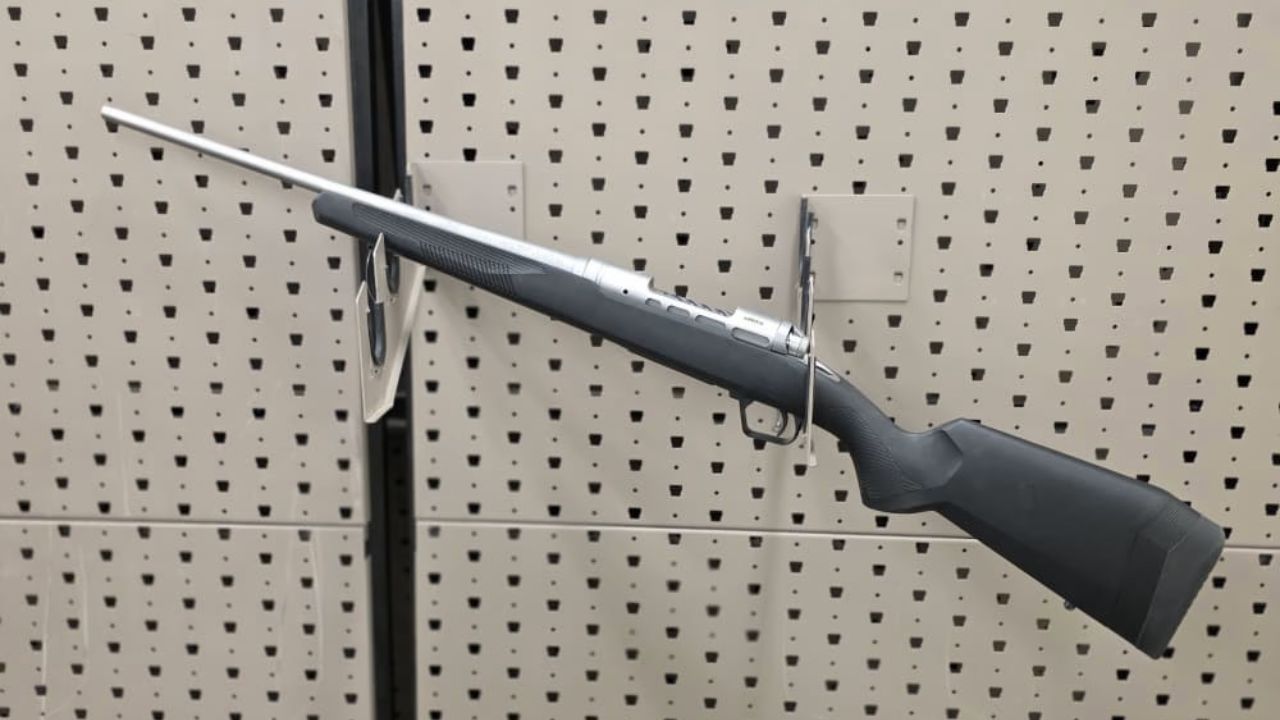
The Savage 110 Lightweight Storm trims weight everywhere, and that includes the barrel. Thin barrels heat quickly, and once they’re warm, accuracy usually starts drifting. Shooters often report solid early groups that slide upward or sideways once the session pushes into several consecutive strings. The AccuFit stock is comfortable, but even small changes in how you shoulder the rifle influence its behavior when the barrel is already hot.
The rifle is built for carrying up steep hills, not for marathon practice days. If you’re a hunter taking one careful shot, it’s a capable choice. But if you expect it to stay perfectly consistent through box after box, you’ll see the groups shift. The more you fire in a row, the more the barrel heat shows itself on target.
Thompson/Center Compass
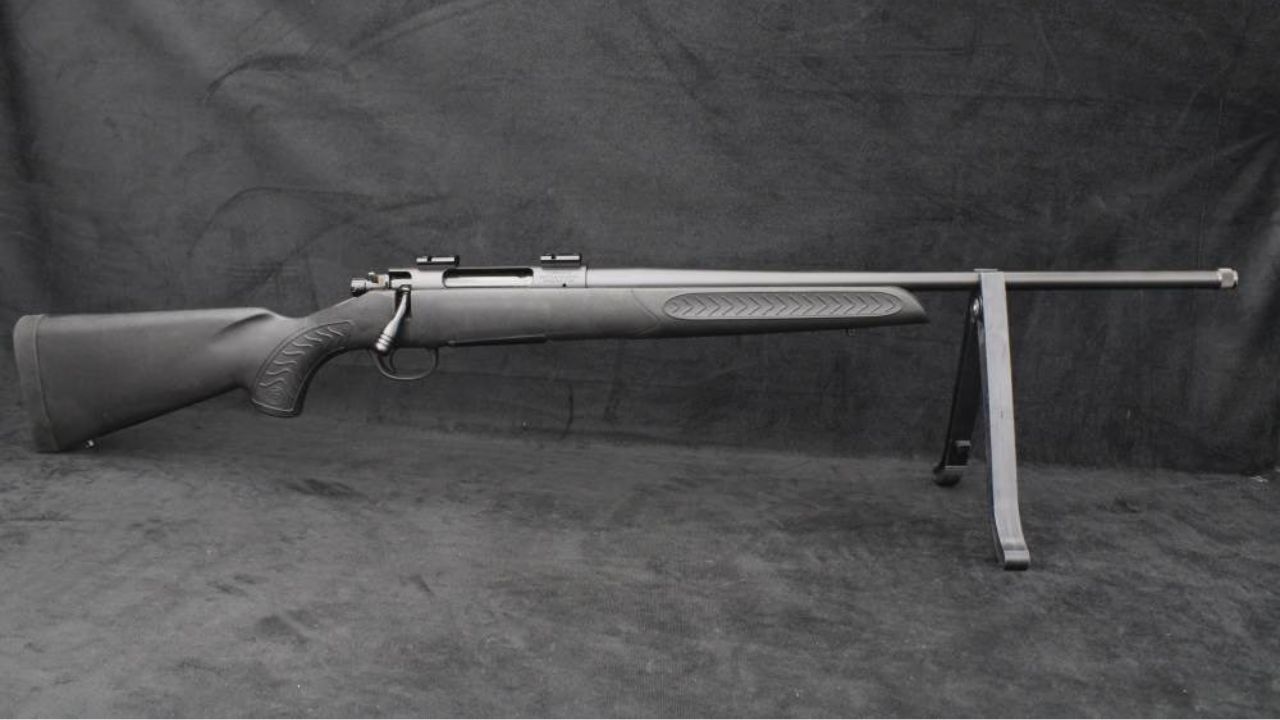
The Thompson/Center Compass offered good value, but the lightweight barrels on many models didn’t hold steady through long shooting sessions. After the first few groups, shooters often noticed the impact moving slightly upward or drifting to one side. It wasn’t uncommon for groups to double in size once the barrel warmed.
The synthetic stocks were another variable. They felt fine in the hand, yet they flexed enough that loading the rifle on a bipod changed the barrel’s position. Once that happened, the wandering groups became more pronounced. For cold-bore performance, the Compass impressed a lot of budget-minded hunters. But as soon as you tried to shoot extended strings, the rifle reminded you where corners were cut to keep the price down.
Like The Avid Outdoorsman’s content? Be sure to follow us.
Here’s more from us:
The worst deer rifles money can buy
Sidearms That Belong in the Safe — Not Your Belt
*This article was developed with AI-powered tools and has been carefully reviewed by our editors.