Photo credit: Dictouray, CC BY-SA 3.0/Wiki Commons
Some rifles and handguns get their reputation from the sheer force they claim to bring downrange. The ads and chatter make them sound like the answer to every big-game hunt or heavy-duty defensive need. But in reality, plenty of these firearms kick harder than they hit where it matters. Power on paper doesn’t always translate to practical performance in the field. Instead, what you end up with is a bruised shoulder, a flinch you didn’t have before, and a gun that’s more punishing than effective. If you’ve ever carried one of these, you already know they tend to promise more than they actually deliver.
Desert Eagle .50 AE

The Desert Eagle in .50 AE is an attention-grabber at the range, but its recoil is something few people are prepared for. The sheer size of the pistol makes it unwieldy, and when that massive round goes off, it sends a jarring shockwave through your arms. While it’s advertised as a powerhouse, it’s not the most practical option for accuracy under pressure.
Hunters and shooters alike find the recoil makes follow-up shots painfully slow. The weight of the gun does tame some of it, but not enough to make it a comfortable shooter. It’s impressive to fire, sure, but the cost is sore hands and missed targets. For most people, the recoil far outweighs the usefulness, leaving the pistol more of a novelty than a real workhorse in the field.
Ruger No. 1 in .45-70

The Ruger No. 1 chambered in .45-70 has a reputation for thumping recoil. It’s a single-shot falling block, which means the stock design and lighter build don’t soak up the punch like heavier repeaters can. Every round feels like it slams straight into your shoulder with nothing to cushion the blow.
While it certainly carries the power for big game, the trade-off is that most shooters develop a flinch after just a few shots. You won’t find yourself practicing long strings with this rifle, which limits how confident you feel in the field. Guides often mention that hunters bring these rifles with excitement, only to quickly learn they’re far more punishing than practical. Unless you love recoil for recoil’s sake, this one can leave you regretting your choice.
Smith & Wesson 329PD
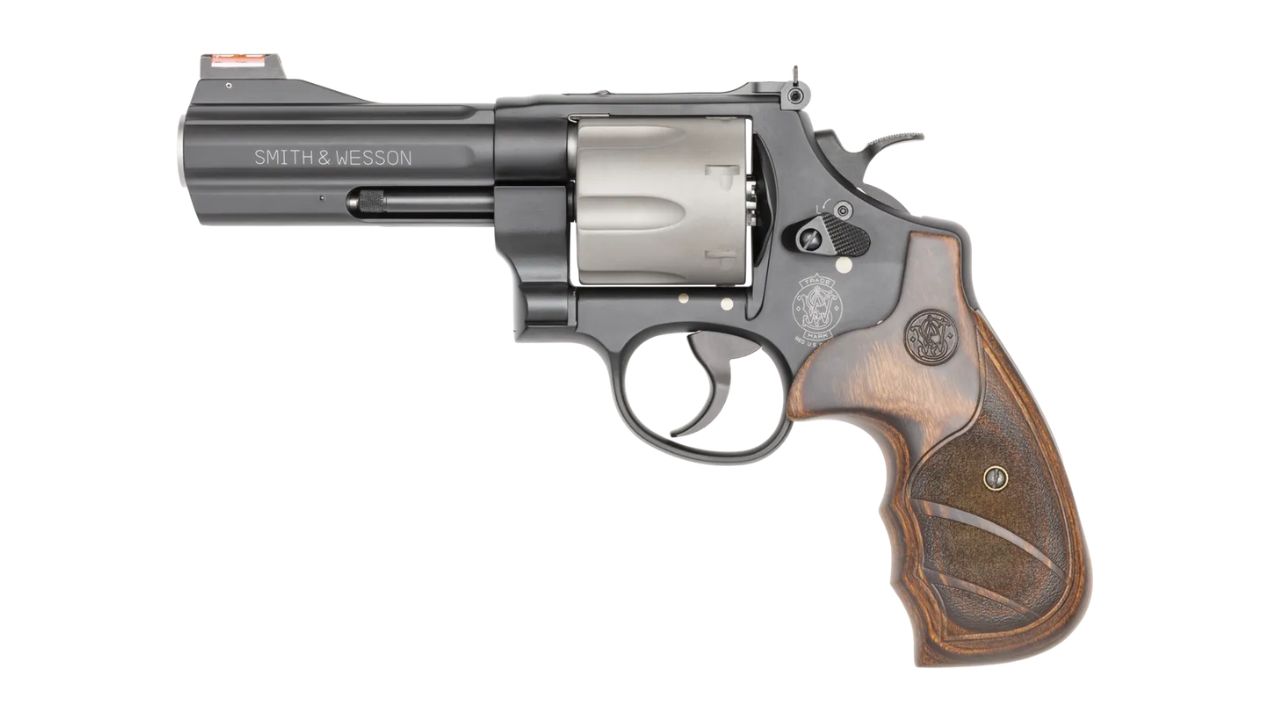
The Smith & Wesson 329PD is a .44 Magnum revolver that’s remarkably light thanks to its scandium frame. The problem is that a featherweight revolver firing magnum loads is a recipe for brutal recoil. Instead of soaking up some of the kick, the gun transfers it all directly to your hand.
It’s marketed as the perfect backcountry revolver, but many who carry it admit they don’t shoot it often because it’s so unpleasant. The recoil can sting enough to make you avoid practicing, which defeats the point of carrying it for real-world protection. Yes, it delivers power, but the price is a revolver that feels more like a punishment than a practical defensive tool.
Weatherby Mark V in .300 Weatherby Magnum

The Weatherby Mark V is legendary for its power, but in .300 Weatherby Magnum, it’s punishing on both ends. The rifle’s design emphasizes downrange performance, yet the recoil impulse is sharp and unrelenting. Even experienced shooters admit it wears them out quickly.
The cartridge does bring heavy-hitting energy, but unless you’re rock-steady with your shooting form, recoil makes accuracy a challenge. Many hunters discover the hard way that all that extra “power” doesn’t help if you can’t shoot consistently. The Mark V is proof that numbers on a ballistic chart don’t always mean better results in the field.
Marlin 1895 Guide Gun

The Marlin 1895 Guide Gun in .45-70 is a favorite for close encounters with bear, but it comes with a cost. Its short barrel and compact design make recoil even sharper than other rifles chambered for the same round. Add heavy bear loads, and you’re holding on for dear life.
While the rifle certainly delivers raw power, the punishment it dishes out often discourages practice. That means hunters are less likely to be fully confident when it matters most. Guides often see clients carry one in with excitement, only to leave with bruises and frustration. It’s a hard-kicking rifle that demands respect but doesn’t always reward it.
Remington 700 Mountain Rifle in .280 Rem

The Remington 700 Mountain Rifle is designed for easy carry, but when chambered in calibers like .280 Rem, its light frame translates recoil directly into your shoulder. The lack of weight makes it easy on long hikes, yet on the shooting bench it feels far less forgiving.
Many hunters report that the rifle’s bite makes them avoid long practice sessions. While it has the ballistics to be an effective hunting rifle, the recoil turns it into something less enjoyable and less practical. Power is there, but the way it’s delivered makes it harder to take advantage of in real hunting conditions.
Mosin-Nagant M44
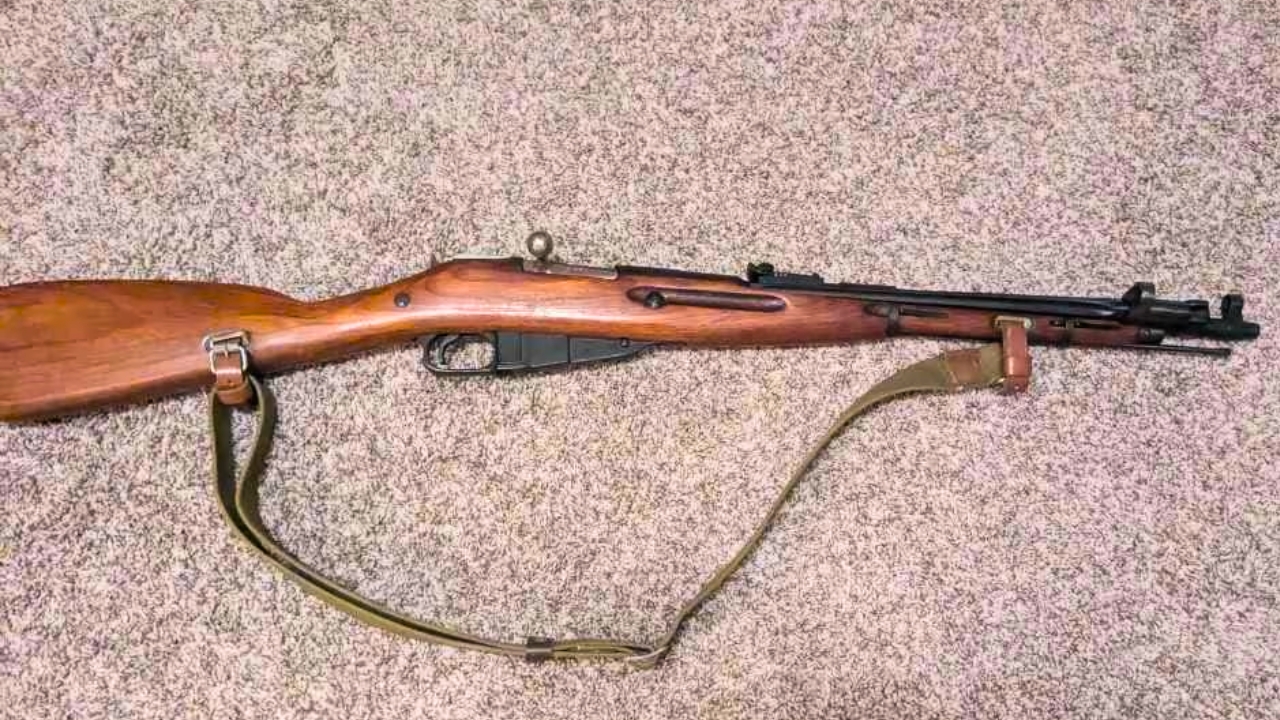
The Mosin-Nagant M44 carbine is one of the hardest-kicking surplus rifles you’ll ever shoot. Its short barrel makes muzzle blast intense, and the recoil is sharp and punishing. Instead of delivering smooth performance, it leaves most shooters wincing after just a handful of rounds.
Sure, the 7.62x54R cartridge carries power, but the carbine design makes it feel harsher than necessary. Many owners describe the gun as fun for a few shots, then too uncomfortable for extended use. That kind of recoil doesn’t encourage practice, which means accuracy suffers. For all its reputation, the M44 often delivers more abuse to the shooter than to the target.
Winchester Model 70 Featherweight in .300 Win Mag
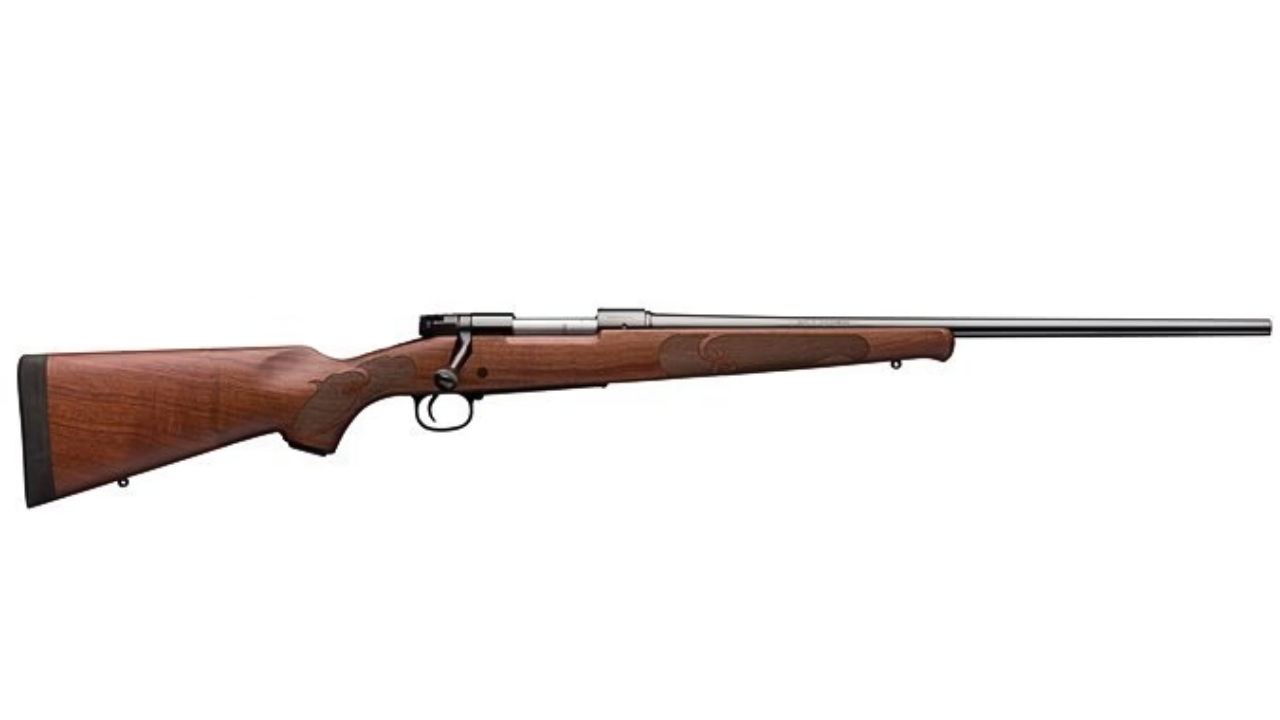
The Winchester Model 70 Featherweight chambered in .300 Win Mag sounds like the perfect blend of portability and power, but the reality is tough. A light rifle paired with a magnum cartridge guarantees heavy recoil. The rifle kicks harder than most expect, and it doesn’t encourage repeat shooting.
It’s accurate and well-made, but many shooters admit the recoil keeps them from getting the most out of it. In the field, that translates into missed shots and poor follow-ups. The rifle promises serious power, but the price is recoil that overshadows its practical performance.
Browning BLR in .358 Winchester
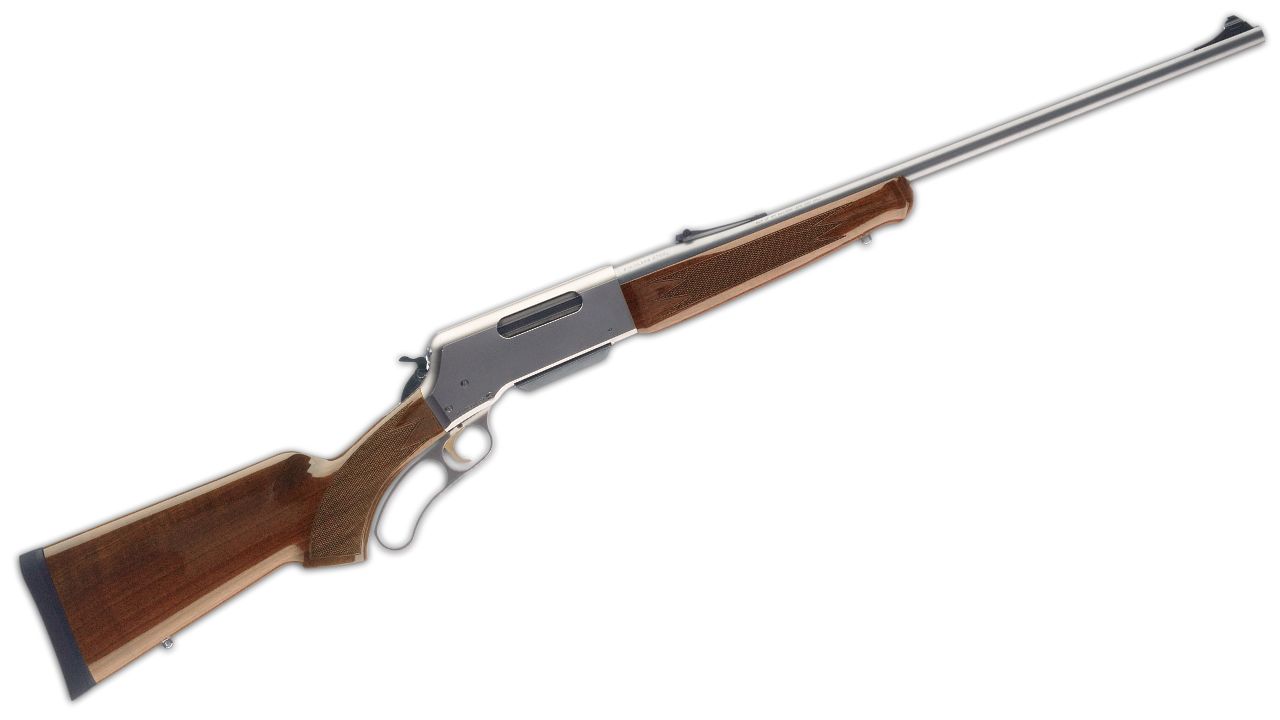
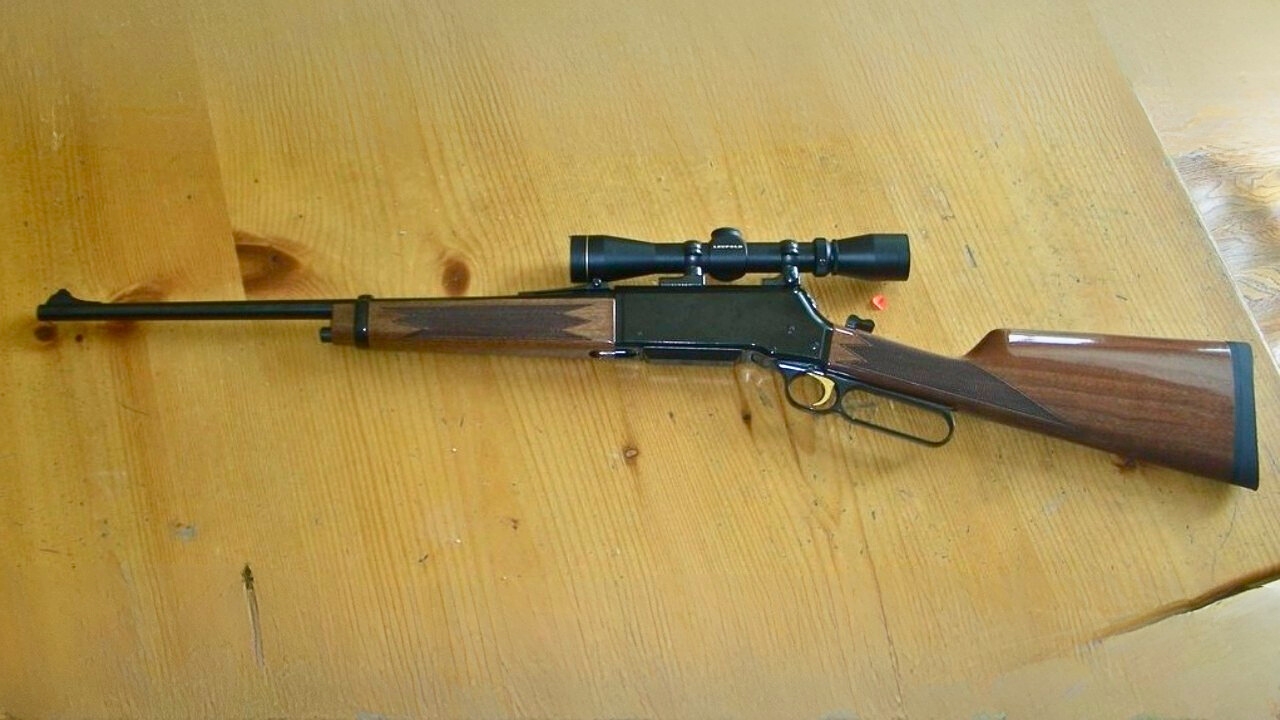
The Browning BLR lever-action in .358 Winchester looks like a balanced woods rifle, but it kicks harder than you’d think. The lever-action stock design doesn’t soak up recoil the way some bolt actions do, leaving your shoulder to take the punishment directly.
Many hunters appreciate the BLR’s handling, but the recoil often outweighs its benefits. It does carry the power to take big game, but you won’t want to practice much with it. And that lack of practice usually shows in the field. The BLR in .358 is one of those rifles that promises energy but mainly delivers discomfort.
Savage 99 in .300 Savage

The Savage 99 is a classic rifle, but when chambered in .300 Savage, it surprises many shooters with its recoil. The lever-action layout sends more of the cartridge’s energy straight into the shooter instead of absorbing it through design. Over time, that makes it an uncomfortable rifle to spend much time behind.
While the cartridge itself has respectable ballistics, the way the 99 handles it leaves shooters feeling beat up. It’s powerful on paper, but in the woods, the recoil can overshadow the performance. Plenty of owners end up shooting less than they planned simply because of how it feels.
Tikka T3 Lite in .300 Win Mag

The Tikka T3 Lite is accurate and popular, but when paired with .300 Win Mag, its lightweight build becomes a drawback. Less weight means more felt recoil, and in this case, it’s downright punishing. Hunters find it hard to manage over long practice sessions.
The rifle definitely carries power, but the recoil quickly makes it feel like more of a burden than an asset. If you’re looking for something you can practice with regularly, this setup isn’t ideal. The T3 Lite in .300 Win Mag promises performance, but too often it delivers sore shoulders and missed shots instead.
Springfield Trapdoor in .45-70
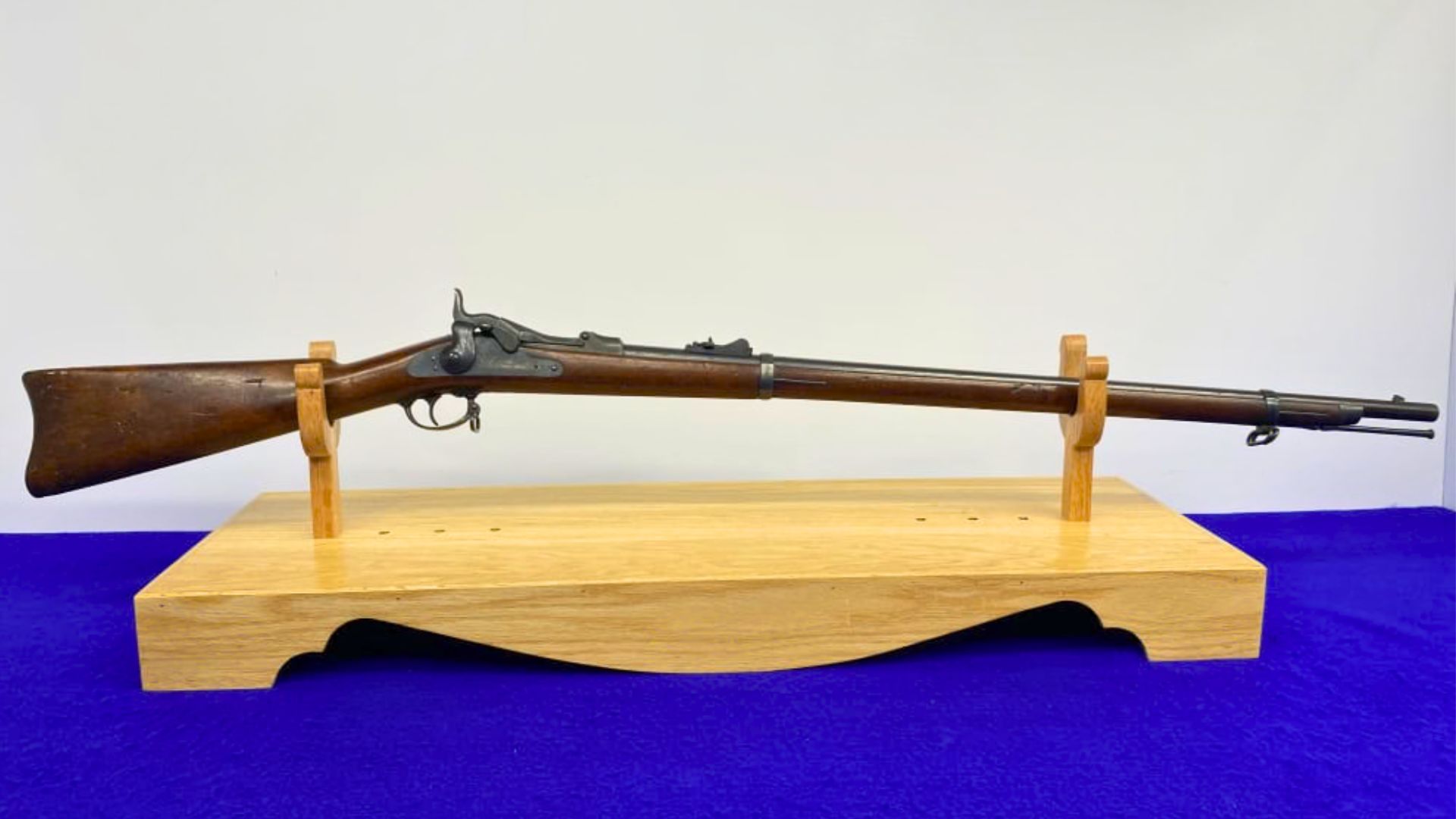
The Springfield Trapdoor is a piece of history, but firing heavy .45-70 loads through it is no joke. Its old design and lighter stock don’t distribute recoil as well as modern rifles, which makes every shot feel punishing. It’s powerful, but at the expense of comfort and control.
Hunters and shooters who try it often find that a few rounds are all they can take. It may carry nostalgia and power, but when you’re flinching before pulling the trigger, that power doesn’t do you much good. The Trapdoor in .45-70 is one of those rifles that punishes more than it rewards.
*This article was developed with AI-powered tools and has been carefully reviewed by our editors.