Photo credit: Bergara USA
When your barrel heats up, some rifles start throwing shots all over the place. Heat causes steel to expand, changing harmonics and shifting your point of impact. A lot of rifles do fine for the first few shots, but accuracy can fall apart when you put pressure on them.
If you hunt in warm weather or shoot long strings at the range, knowing which rifles struggle once heat sets in can save you time, ammo, and frustration in the field.
Marlin X7

The Marlin X7 can deliver great cold-bore accuracy, but once you fire several rounds quickly, things start to change. Its lightweight barrel doesn’t dissipate heat well, and you’ll notice shots walking after three or four rounds.
For deer hunting where you’re likely firing one well-placed shot, it’s dependable. But if you’re testing loads or spending long hours at the bench, it struggles to keep groups tight. Allowing for cooldown periods is key to keeping this rifle shooting straight.
Thompson/Center Venture
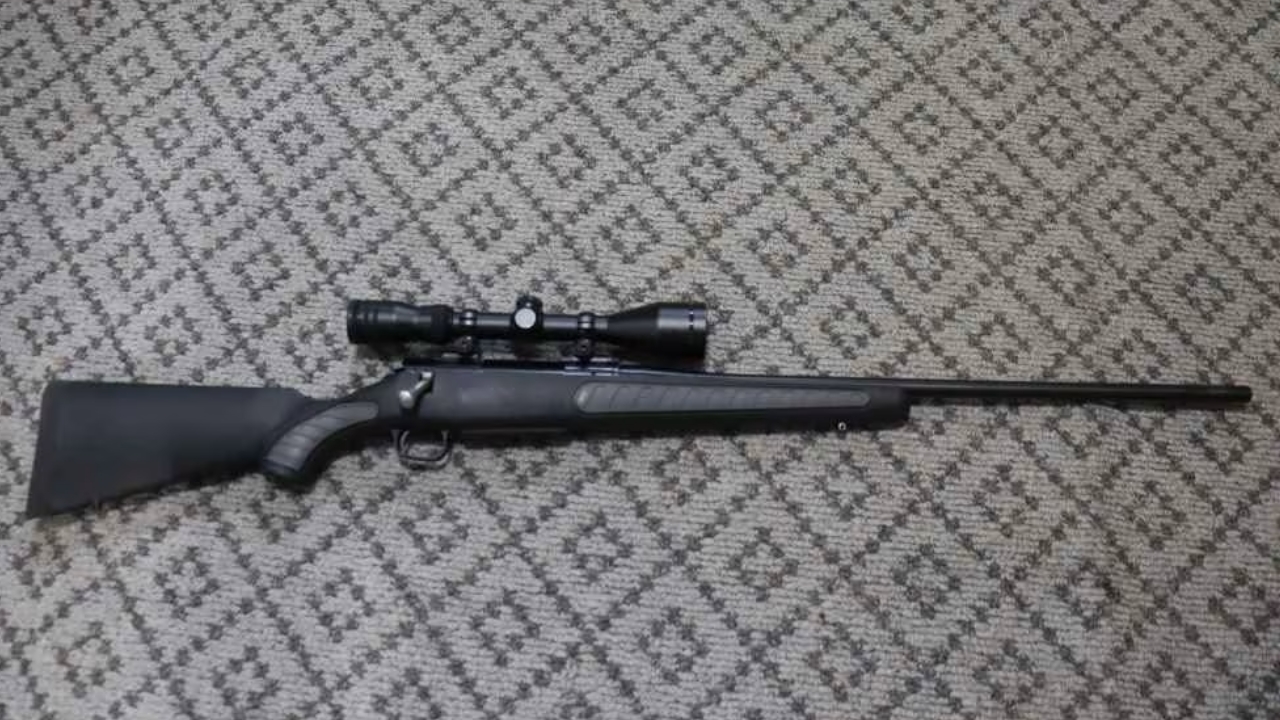
The T/C Venture has smooth handling and solid accuracy out of the box, but its factory barrel isn’t designed for extended heat. Push more than five consecutive rounds, and you’ll see groups shift noticeably.
For hunters, this isn’t a dealbreaker since most scenarios call for one or two shots. However, if you use the Venture for predator hunting or range work where faster follow-ups matter, managing barrel temps becomes critical to maintaining consistency.
Howa 1500 Lightweight

The Howa 1500 Lightweight is built for portability, and that’s exactly why heat becomes a problem. Its slender barrel sheds ounces but builds heat rapidly, causing shot dispersion after a short string.
In cooler temperatures and slower-paced hunts, you won’t notice much. But under summer sun or during range testing, it becomes obvious quickly. If you like the Howa platform but want better thermal control, the heavy-barrel variants perform far better for sustained accuracy.
Remington 783
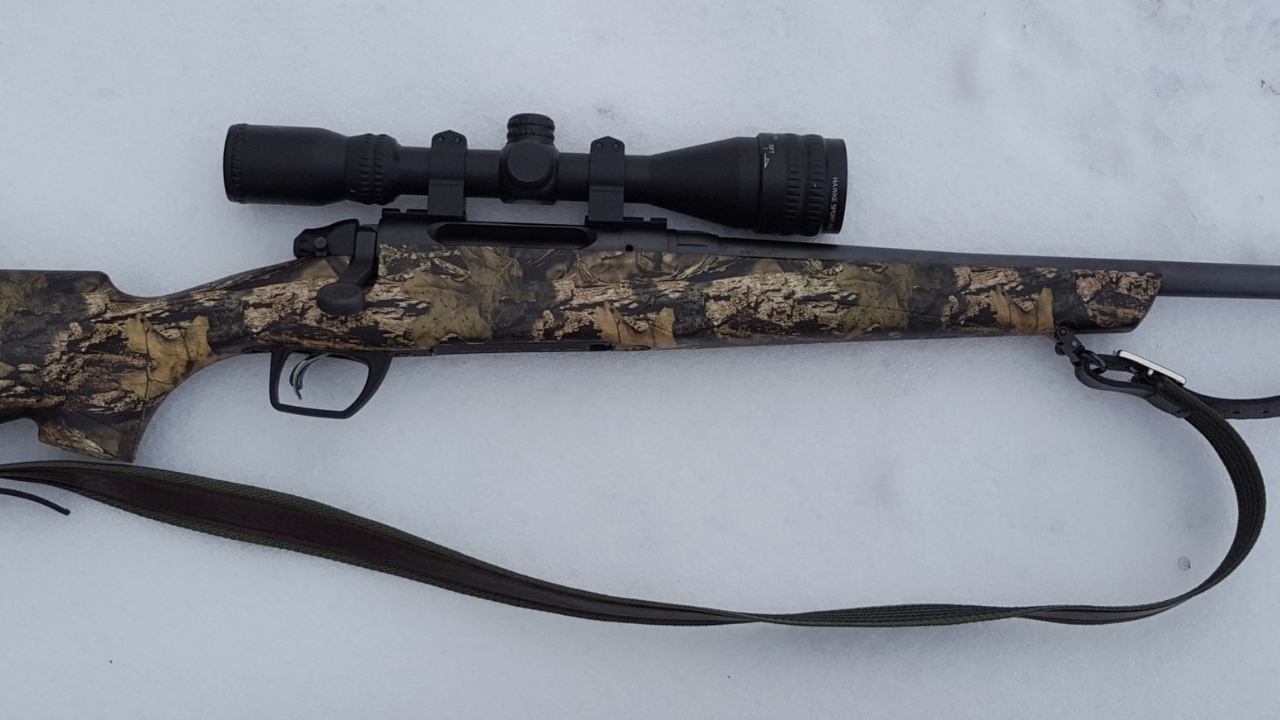
The Remington 783 has earned praise for affordability, but heat management isn’t its strong suit. With its thin-profile barrel, groups tighten up cold but start wandering once the barrel warms past a handful of shots.
Hunters who rarely shoot more than once won’t run into issues, but if you’re chasing varmints or testing loads, this rifle’s tendency to walk shots makes life harder. Controlled pacing and lightweight loads can help minimize the effect, but the design has its limits.
Savage Axis II

The Savage Axis II is a popular entry-level rifle with solid cold-barrel performance, but extended strings reveal its weaknesses. The lightweight barrel quickly absorbs heat, and accuracy drops after just a few fast shots.
For a single, deliberate hunting shot, it’s more than capable. But if you’re the type who practices at the range for hours or prefers back-to-back shot opportunities, you’ll run into inconsistency. Pairing it with slower-firing habits or considering an Axis Precision model can make a difference.
CZ 557 Sporter

The CZ 557 Sporter handles beautifully and shoots tight groups when cold, but the slim barrel profile leads to thermal expansion issues fast. After three or four shots, walking becomes noticeable on paper.
It’s a great rifle for hunters taking one clean shot at distance, but extended shooting sessions demand patience. If you’re planning range days, allowing proper cooldown cycles or switching to a heavier-barreled CZ option will give you a lot more consistency overall.
Ruger Hawkeye Hunter

The Ruger Hawkeye Hunter is built for reliability in the field, but its standard-profile barrel isn’t the best at managing heat. During sight-in sessions or prolonged shooting, accuracy tends to open up after several consecutive rounds.
If you pace your shots, it’s a fantastic hunting companion. But if you expect to take repeated follow-ups or do long-range work, barrel walking will creep in. A Hawkeye Long-Range Target with a thicker contour barrel handles sustained fire much more effectively.
Browning A-Bolt III
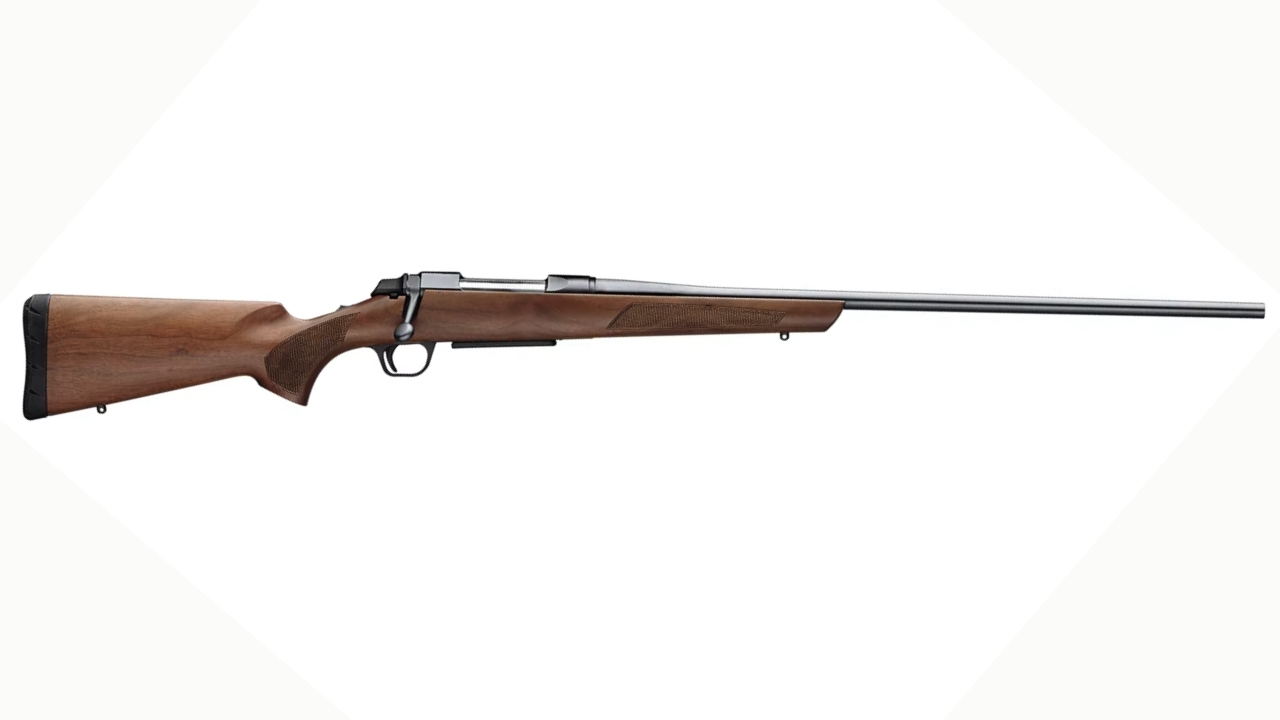
The Browning A-Bolt III is known for its crisp trigger and comfortable ergonomics, but its factory barrel is thin and prone to walking shots once it heats. Groups start tight but spread fast during multi-shot strings.
Hunters using it for one or two carefully placed shots won’t see problems. But at the bench, heat exposure adds inconsistency. It’s best suited for slower hunting applications, while Browning’s X-Bolt Target models offer more stability for higher round counts.
Franchi Momentum Elite
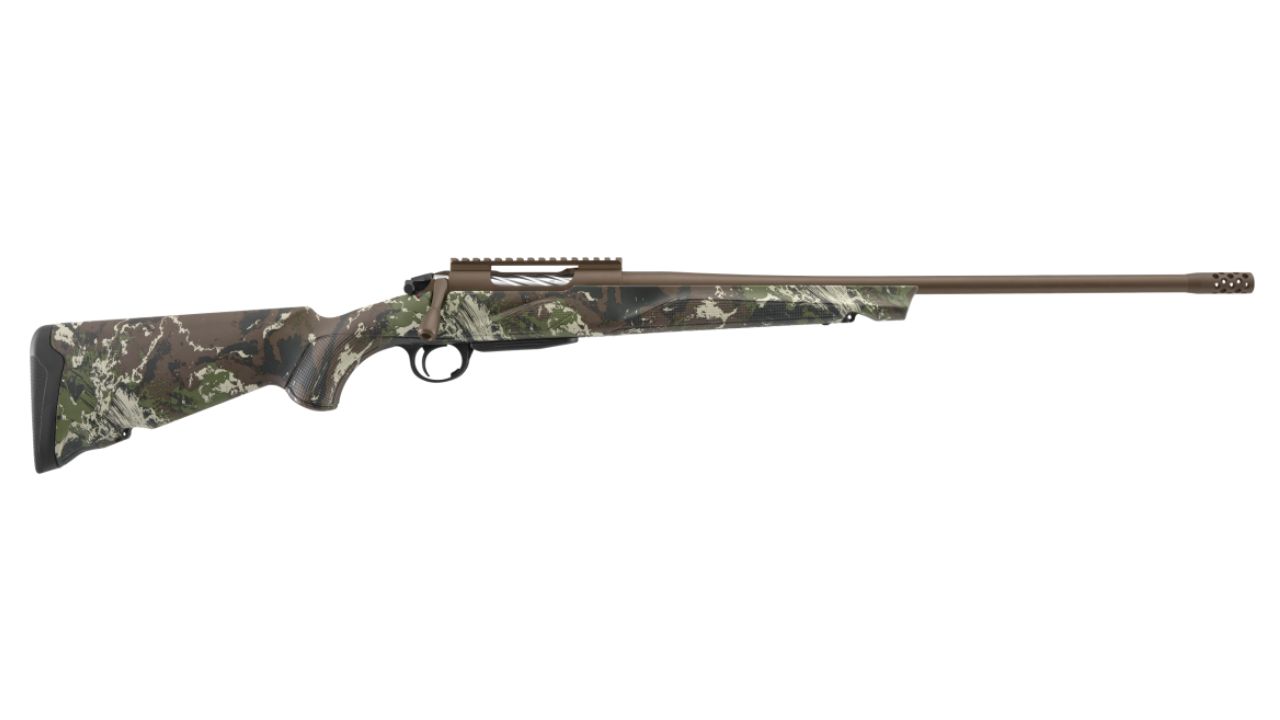
The Franchi Momentum Elite gets good reviews for comfort and handling, but its sporter barrel warms up quickly during repeated fire. Accuracy holds for the first few shots, then degradation sets in fast.
For traditional hunting setups, it’s perfectly capable of getting the job done. But if you’re running drills, practicing at distance, or calling coyotes where multiple shots might be needed, this rifle isn’t the best choice without giving the barrel time to cool between strings.
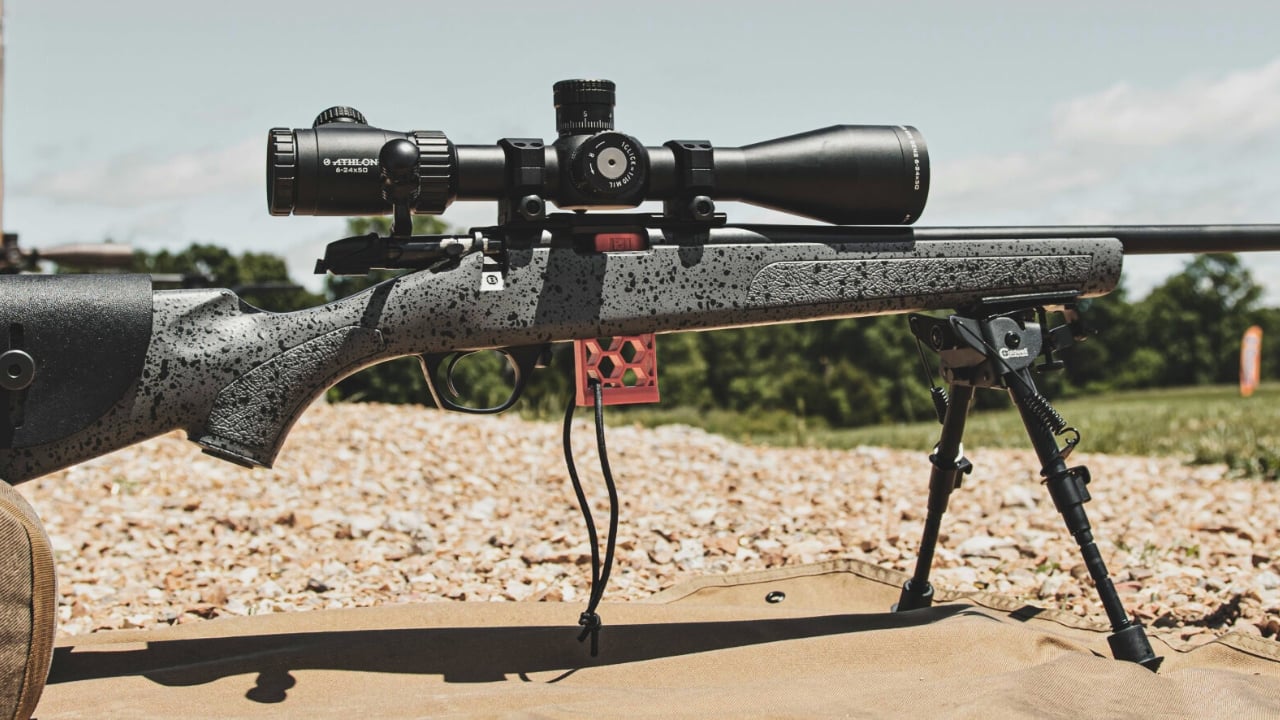
Bergara BXR Steel
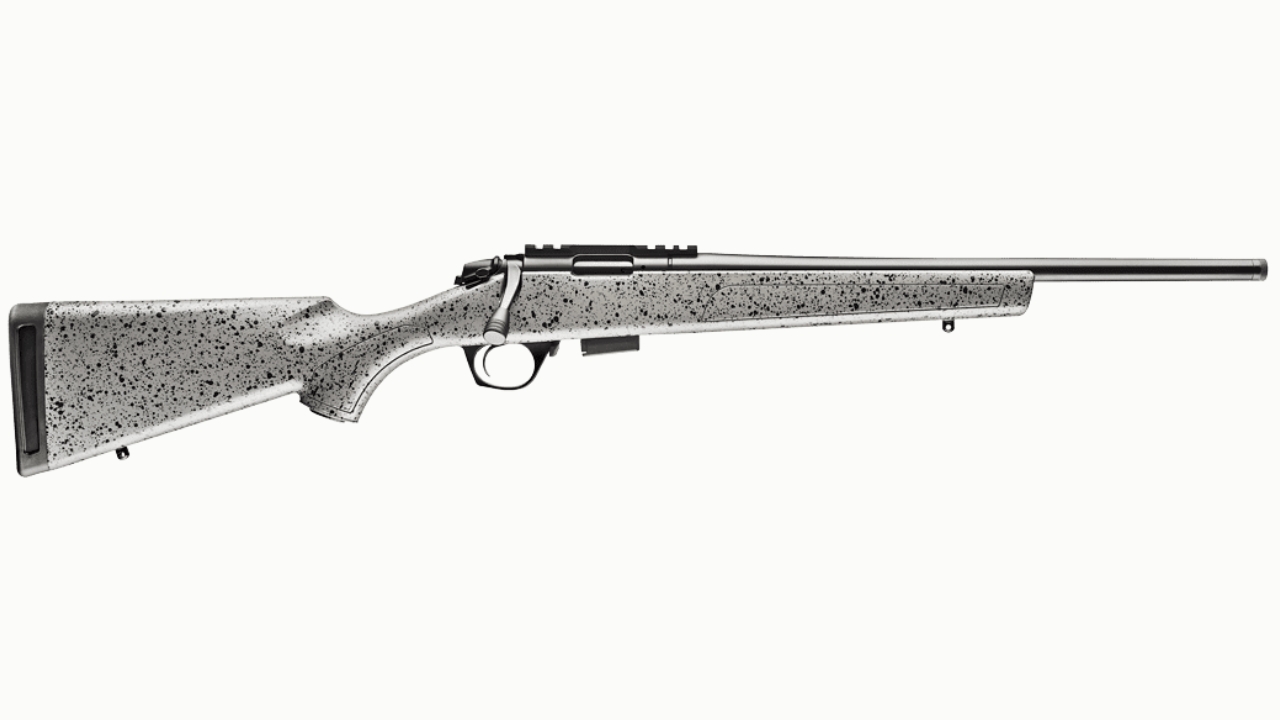
The Bergara BXR Steel is designed as a lightweight hunting rifle, and while it delivers solid cold-bore precision, heat exposes its limitations. After a series of five or six rapid shots, point-of-impact shifts become noticeable.
This won’t matter much in single-shot hunting scenarios, but for anyone putting significant rounds downrange, managing barrel temps is key. The BXR Carbon variant does slightly better with heat control, but shooters needing sustained accuracy should consider Bergara’s heavier-barreled HMR or Ridge models instead.
*This article was developed with AI-powered tools and has been carefully reviewed by our editors.