Photo credit: Carolina EDC reviews/YouTube
There is a certain kind of revolver owner who loves the story more than the shooting. The gun comes out for pictures, counter talk, and the occasional careful showing-off session, but not much else. It is not always because the revolver is bad. Sometimes it is because it is heavy, expensive to feed, rough on the hand, awkward to carry, or just too nice for the owner to treat like a regular range gun.
That is where pride starts doing more work than trigger time. A lot of these wheelguns carry serious history, big reputations, or eye-catching style, so people enjoy owning them more than they enjoy running them hard. They get admired, discussed, and defended plenty. They just do not always get holster wear, burnt powder, and honest range miles to match the attitude around them.
Colt Python
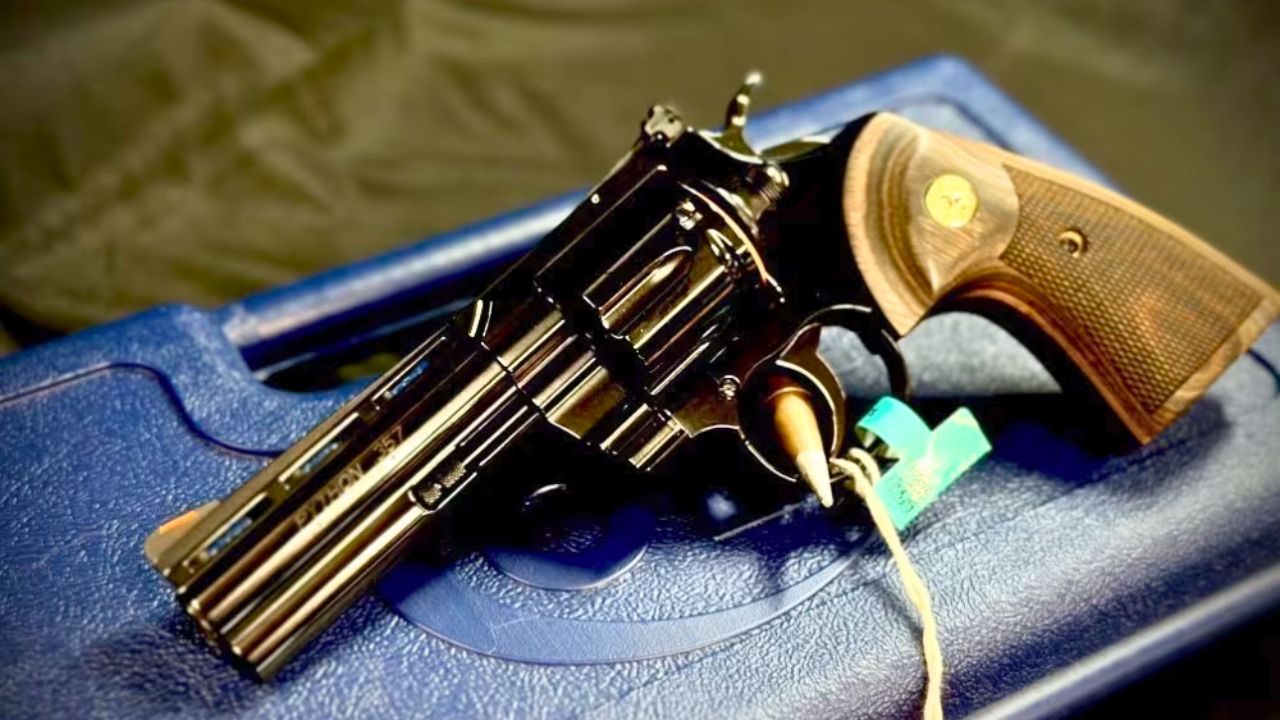
The Colt Python is one of the easiest revolvers in the world to act proud about. It has the name, the finish, the reputation, and the kind of mystique that makes owners talk about it like they joined a private club. A lot of people buy one because it feels like owning a piece of revolver royalty. Then it spends most of its life getting wiped down, admired in good light, and brought out for conversation more than shooting.
Part of that comes down to cost and expectations. Owners do not always want to beat on a revolver that feels expensive before the first cylinder is even loaded. Some are also a little scared to find out that the real shooting experience might not fully match the legend in their head. So the Python stays clean, stays pretty, and stays talked about more than it gets run.
Smith & Wesson Model 29

The Model 29 has been coasting on big-magnum mythology for a long time, and that mythology still sells revolvers to people who like the idea of hand-cannon ownership more than hand-cannon recoil. Plenty of buyers love saying they own a .44 Magnum. It sounds serious, looks serious, and carries the kind of swagger that makes people feel like they bought something larger than life. That alone does a lot of the work.
Then range day arrives, and reality starts punching back. Full-power .44 Magnum loads are not the kind of thing most casual owners feel excited to run box after box. The gun is fun in short doses, but short doses are exactly the point. A lot of Model 29s live a proud life with very low round counts because the bragging rights are easier to enjoy than the recoil bill.
Ruger Super Redhawk Alaskan

The Super Redhawk Alaskan is the sort of revolver people buy because they want to own something that looks like it can stop a charging nightmare. It has a serious presence, and owners love that. The short barrel, oversized frame, and heavy-caliber chamberings make it feel like the revolver version of overprepared confidence. That image carries a lot of weight with buyers who want something formidable, even if their real-world use is pretty limited.
The trouble is that these are not exactly easygoing range companions. They are bulky, loud, and usually chambered in rounds that make casual shooting feel more like a chore than a hobby. A lot of owners keep one because it looks tough and feels reassuring to have around, but they do not spend much time actually mastering it. It is a proud ownership piece that often leads a pretty quiet life.
Colt Anaconda

The Colt Anaconda has the same sort of ownership glow that surrounds a lot of big Colts. It looks important, feels expensive, and gives the owner a fast route to revolver credibility without saying much. People love the idea of owning a large-frame Colt with serious power behind it. It scratches that collector-shooter itch in one purchase, at least in theory. In practice, many owners treat it more like a trophy than a working handgun.
That comes from a mix of cost, recoil, and image. The revolver is too nice for some people to use casually, and too stout for others to shoot enough to get truly good with it. So it ends up in that familiar category of admired possessions that do more sitting than firing. The owner is proud to have it, proud to mention it, and usually not in any hurry to wear it out.
Smith & Wesson Performance Center 627
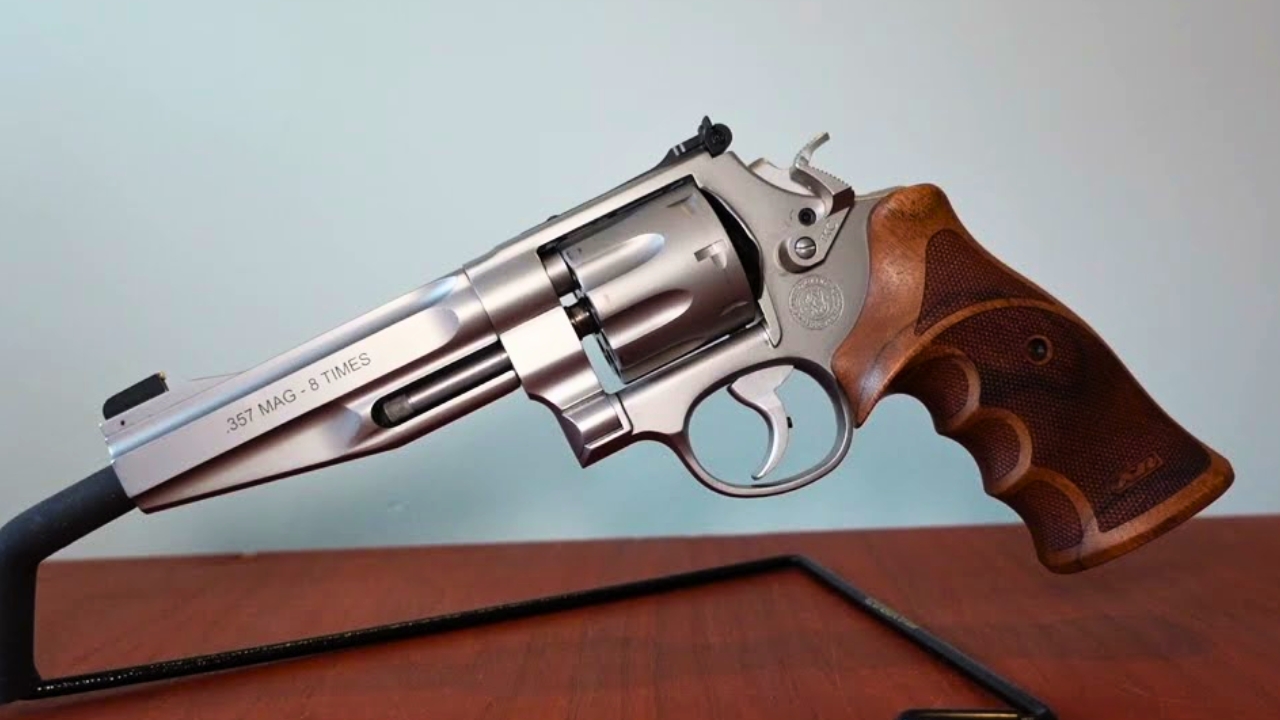
The Performance Center 627 is the kind of revolver that makes people feel like they own something refined and serious. Between the Performance Center stamp, the eight-shot cylinder, and the polished competition-ready look, it carries a certain prestige right out of the box. A lot of owners talk about it like a high-level tool, and to be fair, it can be one. But owning a revolver that looks ready for real work is not the same as actually putting in the work.
Many 627s live a gentler life than their image suggests. Some owners buy them because they appreciate the craftsmanship and the name, not because they plan to shoot them hard in matches or train heavily with moon clips. That leaves a lot of these guns sitting in cases looking fast, capable, and expensive while simpler revolvers get more honest range use than the flashy one.
Korth NXR
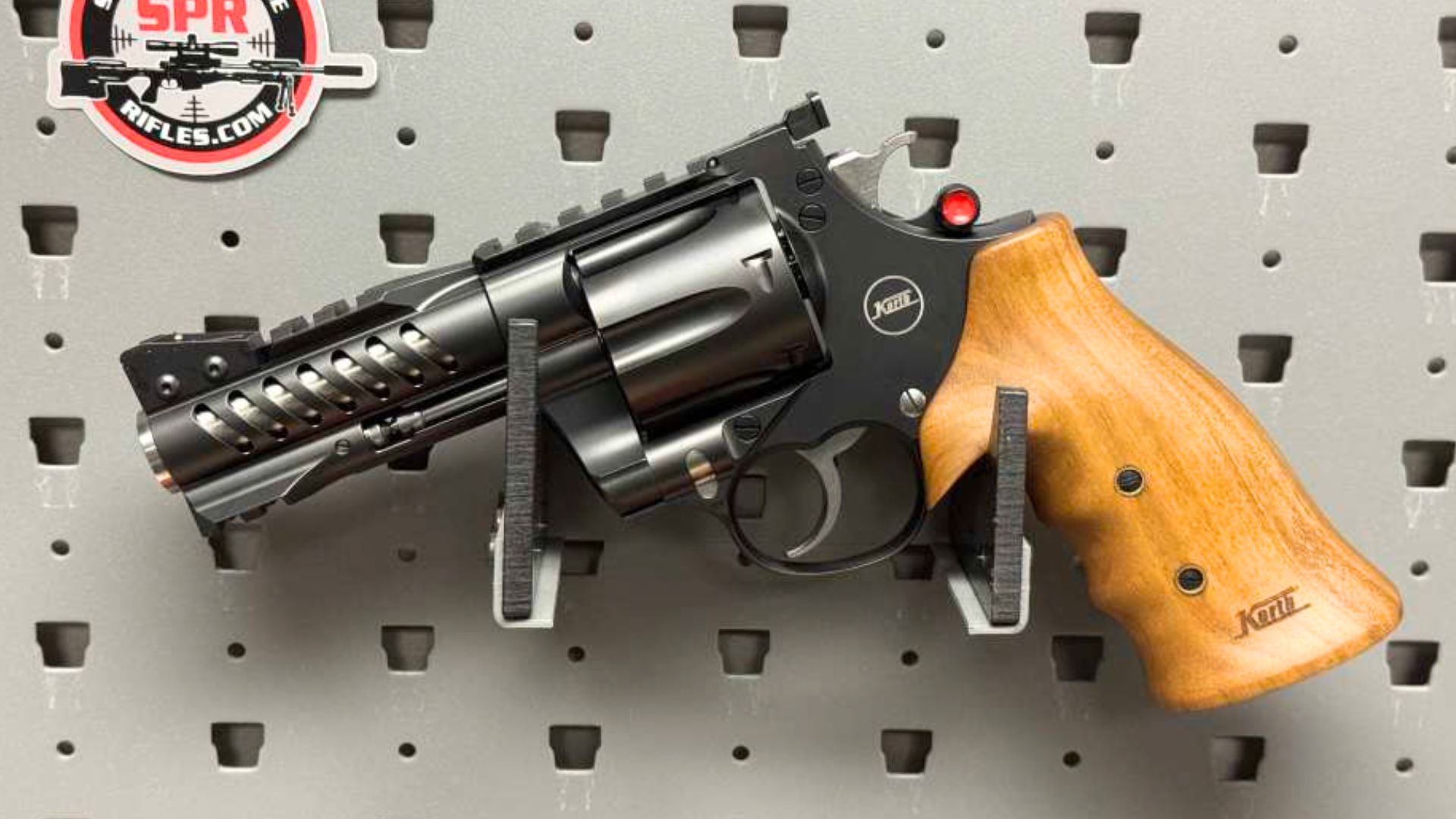
A Korth NXR is almost built for this conversation. It is one of those revolvers that people buy partly because they want the room to go quiet a little when they mention what it is. The fit and finish are real, the price is real, and the prestige is very real. This is a wheelgun for people who want something rarefied and luxurious in a category already full of personality. Pride comes standard with the paperwork.
What does not always come standard is heavy use. The price alone makes many owners hesitant to run it the way they would run a plain Smith or Ruger. It becomes a revolver that gets appreciated with great care and very little abuse. Nobody wants to be the guy who turns a high-dollar masterpiece into a beat-up working gun, so a lot of them stay clean and underfired.
Ruger Vaquero

The Vaquero has a whole lifestyle wrapped around it. Owners love the western feel, the traditional lines, and the sense that they own something with more character than yet another polymer pistol. It is easy to be proud of a revolver that looks like it belongs in a saddle holster and feels tied to an older shooting culture. Even people who do not shoot cowboy action get drawn in by the image and the romance.
That romance does not always turn into range mileage. A lot of Vaqueros get bought by people who love the look and the feel but do not really spend much time shooting single-action revolvers. Loading gate, hammer cocking, fixed sights, and slower handling all make them more niche in regular use. Owners still love having them. They just do not always love shooting them enough to put serious wear on them.
Smith & Wesson Model 500

The Model 500 is famous for the same reason it often gets shot so little. It is massive, excessive, and impossible to ignore. People buy one because it represents a kind of revolver extremism that few other handguns can match. The owner gets to say they have a .500 Smith & Wesson, and that statement carries more weight than most actual range sessions ever will. It is part firearm and part declaration.
Then the practical side shows up. The recoil is punishing, the gun is huge, and ammunition is expensive enough to make casual use feel silly in a hurry. Most owners do not really want a steady diet of what the revolver offers. They want the experience of having it available, maybe firing a few impressive rounds now and then, and then putting it away with the same smile they bought it for.
Manurhin MR73

The MR73 has one of those reputations that instantly raises its status with serious gun people. It is not flashy in the same way a giant magnum is flashy, but it carries elite prestige, mechanical mystique, and a reputation for absurd quality. People who own one tend to know exactly what it is, and they enjoy that. It feels like owning a revolver for connoisseurs rather than casual buyers, which naturally creates a lot of pride.
That same status can make owners careful to the point of inactivity. A revolver with that kind of aura often gets preserved more than it gets used. Some buyers also realize after purchase that they love the story, the craftsmanship, and the reputation more than they love the idea of putting thousands of rounds through it. The MR73 often ends up respected deeply and fired sparingly.
Colt Single Action Army

The Colt Single Action Army is one of the all-time kings of proud ownership. A lot of people want one because it means something beyond normal shooting. It is history, Americana, craftsmanship, and status all wrapped into one six-shooter. Owning one feels like owning a symbol. That alone guarantees a certain kind of pride, especially from buyers who always wanted “the real thing” instead of a modern copy or cheaper alternative.
The catch is that real use tends to be limited for a lot of owners. Between the price, the traditional handling, and the collector appeal, many Single Action Armys get babied from day one. People do not mind paying for one, but they often mind scratching one, wearing one, or running one the way they would a less storied revolver. That leaves plenty of them living mostly as admired possessions.
Smith & Wesson Model 19 Carry Comp

The Model 19 Carry Comp is exactly the kind of revolver people talk themselves into by imagining a stylish, practical, modernized wheelgun life. It looks sharp, sounds smart, and carries enough heritage through the K-frame lineage to feel classy without seeming outdated. Owners like the idea that they bought a revolver with old-school roots and current-day upgrades. It is easy to feel proud of something that checks both boxes so neatly.
But a lot of these still end up spending more time being appreciated than being seriously run. Revolver carry takes commitment, revolver reloads take work, and maintaining real proficiency takes more effort than many buyers expected. The Carry Comp often becomes a gun people admire for bridging generations, while their actual training time keeps drifting back toward easier semiautos that demand less patience.
Ruger GP100 Wiley Clapp

The GP100 Wiley Clapp has the kind of special-edition appeal that makes people feel like they bought the revolver version of good taste. It is not just a GP100. It is the GP100 with a little extra identity, a little extra credibility, and a little extra story attached to it. That gives owners a reason to feel selective and informed. They did not just buy a working revolver. They bought the version that says they know what matters.
Even so, special runs have a habit of becoming safe residents instead of hard-used sidearms. Owners like the balance and the sight setup, but they also like keeping it nice. Once a revolver feels even mildly collectible or harder to replace, people start getting conservative with range use. The Wiley Clapp models are admired for being shootable, yet plenty of them end up being admired more than shot.
Chiappa Rhino 60DS
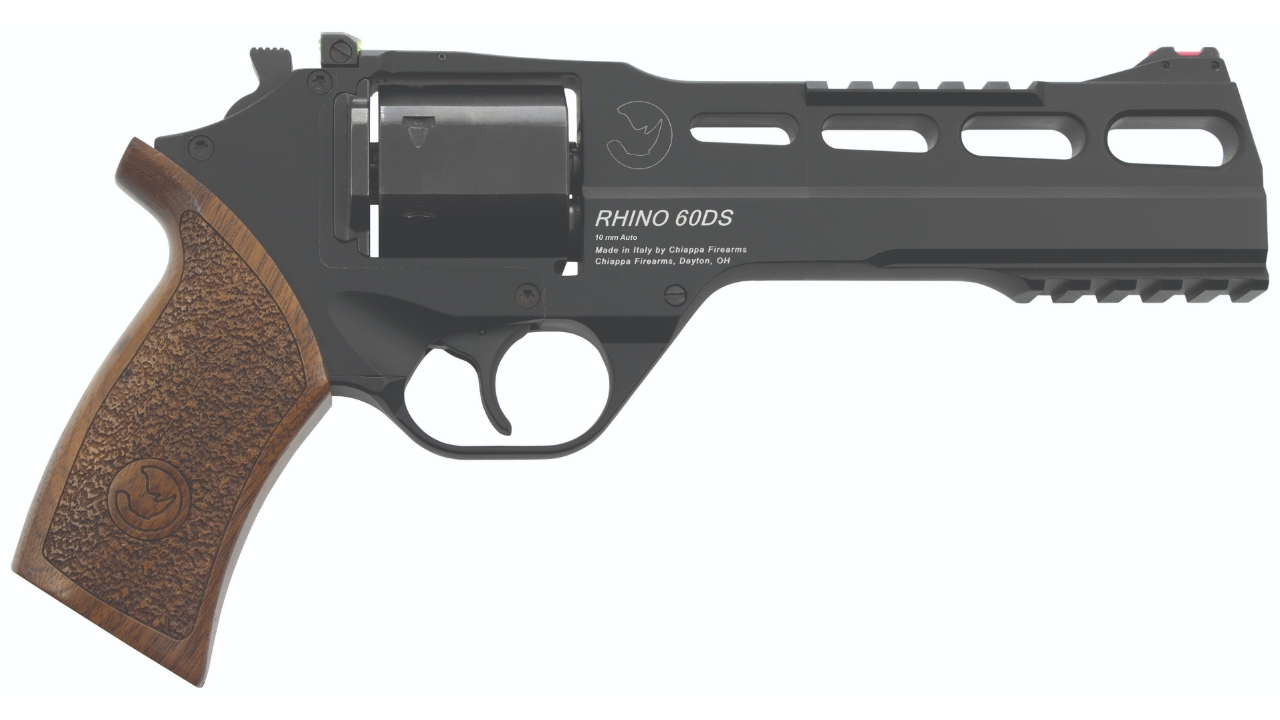
The Rhino 60DS is one of the most obvious examples of a revolver people buy with a huge dose of excitement and identity attached. It looks different from almost everything else on the shelf, and that difference does a lot of selling. Owners like how futuristic it feels, how unusual it looks, and how quickly it starts conversations. You do not buy a Rhino because you want to disappear into the crowd of normal revolver owners.
That novelty can also outpace long-term use. Once the first rush of owning something weird and recognizable settles down, some buyers find themselves shooting it less than expected. It is still interesting, still cool, and still very much a conversation piece, but conversation pieces often live easier lives than plain working guns. The Rhino gets shown off with enthusiasm and run with much less consistency.
Freedom Arms Model 83

The Freedom Arms Model 83 is a revolver people buy when they want top-shelf single-action power and precision with a side of serious pride. These are not casual purchases. Owners know what they are buying, and they like that most other shooters will immediately understand the gun is in a different class. It carries the sort of premium reputation that makes people protective before the first box of ammo is even opened.
That protectiveness tends to shape how much use the gun actually sees. Between the price, the heavy calibers, and the almost custom-grade aura around it, many owners treat the Model 83 like something to preserve. They may shoot it enough to confirm what it is, but not enough to turn it into a truly hard-used revolver. It gets respected heavily, praised often, and spared a lot of wear.
Smith & Wesson Model 327 TRR8
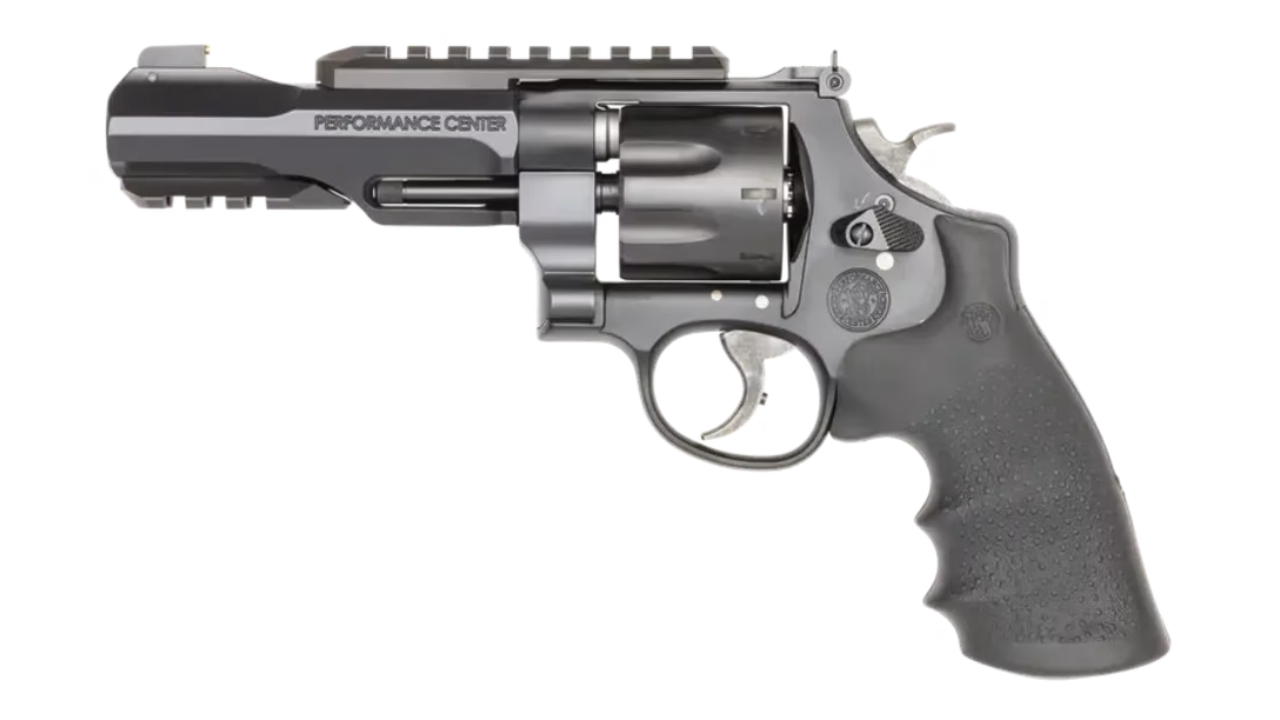
The Model 327 TRR8 has a bold, tactical-revolver image that attracts exactly the kind of buyer who enjoys owning something a little dramatic. Rails, scandium frame, N-frame size, and eight-shot capacity give it a look that suggests speed, authority, and specialized purpose. Owners like that it feels different from both old-school wheelguns and ordinary semiautos. It looks like the revolver for someone who wants to stand out on purpose.
That image is a big part of the appeal, and sometimes the biggest part. A lot of TRR8 owners enjoy the concept more than the upkeep of real revolver proficiency. It is a niche tool with a very loud personality, which makes it perfect for proud ownership and occasional range trips. Plenty of them live as admired oddballs that get talked up far more often than they get run hard.
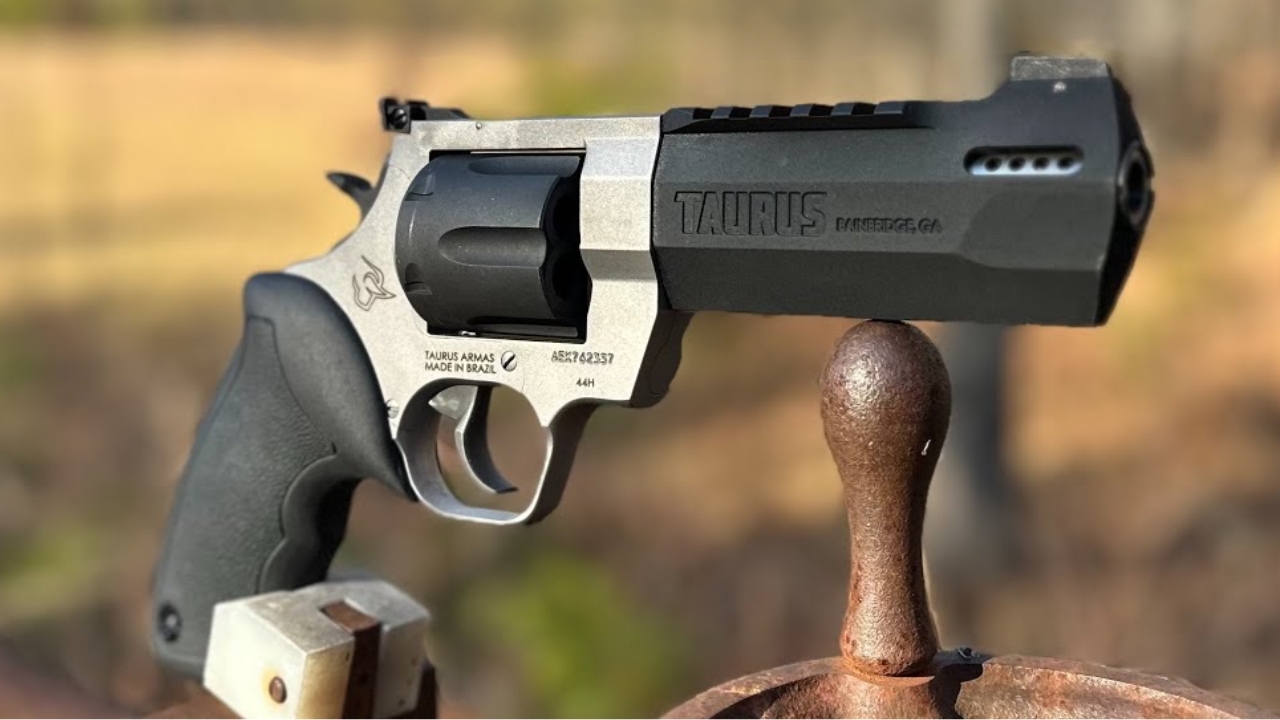
Taurus Raging Hunter

The Taurus Raging Hunter gets bought by people who want a revolver that looks ready for something huge. Between the porting, the scope rail, the bulk, and the aggressive styling, it does not exactly hide what kind of impression it wants to make. Owners like that. It feels like a hunting revolver with a lot of attitude, and that attitude helps it earn a kind of instant pride that a plainer wheelgun never could.
But big hunting revolvers are easy to admire and harder to use regularly. They are large, loud, and not the kind of thing most people casually burn ammo through after work. For many owners, the appeal is having one, talking about one, and maybe taking it out for occasional serious use rather than frequent practice. It ends up being a revolver that gets displayed in a lifestyle long before it gets worn out on the range.
Like The Avid Outdoorsman’s content? Subscribe to our newsletter so you never miss an article.
Here’s more from us: