Photo credit: Savage Arms
Every hunter has been there — staring at a box of ammo, thinking they’ve picked the right caliber, only to realize it wasn’t up to the job once they hit the field. On paper, some cartridges promise accuracy, speed, or power, but real hunting conditions expose their limits fast.
Whether it’s lackluster penetration, poor range, or inconsistent energy delivery, the wrong caliber can turn a clean shot into a frustrating recovery. Before you load up for your next hunt, it pays to know which rounds leave hunters second-guessing their choice.
.22 WMR

The .22 Winchester Magnum Rimfire offers slightly more punch than the .22 LR, but many hunters regret relying on it for anything beyond small game. While it’s fine for squirrels, rabbits, and the occasional varmint, its limited energy and shallow penetration quickly become a problem on coyotes or foxes.
Once shots stretch beyond 100 yards, consistency drops fast. Hunters often discover too late that this cartridge lacks the stopping power needed when targets get tougher or conditions get unpredictable.
.17 WSM

The .17 Winchester Super Magnum promises high velocity, but in practice, its light bullets are highly vulnerable to wind drift and energy loss. Hunters expecting reliable kills past 125 yards often find themselves disappointed.
While it works for prairie dogs and ground squirrels, it struggles when coyotes or larger varmints enter the picture. Even perfectly placed shots sometimes fail to produce clean takedowns. Many regret packing it into the field when a sturdier, better-balanced caliber would’ve offered more dependable results.
5.7x28mm

The 5.7x28mm has gained attention for its low recoil and high magazine capacity, but it’s not built for versatility in the field. Its lightweight projectiles lack the penetration needed for anything beyond small varmints at closer distances.
Hunters who bring it expecting range flexibility often leave frustrated when shots past 100 yards require luck more than skill. Even on smaller predators, performance can feel underwhelming. For controlled environments, it works, but for unpredictable hunting scenarios, many wish they’d picked something heavier.
.30-30 Winchester

The .30-30 is a classic deer cartridge, but plenty of hunters regret choosing it when conditions demand more range. In dense woods, it performs well, but step into open fields and bullet drop becomes a challenge past 200 yards.
Its modest velocity also limits energy transfer on larger-bodied game. While it’s effective under specific conditions, many hunters find themselves wishing they had a cartridge with better reach and stopping power when terrain or shot opportunities change unexpectedly.
6mm Creedmoor

The 6mm Creedmoor has earned a place in precision circles, but when hunting, many discover its limits quickly. Its lighter bullets often struggle with deep penetration, especially on medium-sized game beyond 250 yards.
While it’s accurate and mild on recoil, hunters chasing deer, hogs, or coyotes sometimes walk away frustrated when recovery rates drop. In windy conditions, it loses energy faster than expected. It’s great for controlled shots, but unpredictable hunting environments often demand something with more impact.
.350 Legend

The .350 Legend markets itself as an efficient straight-wall cartridge, but hunters often regret packing it when versatility is needed. It’s designed for short-range hunting, and energy loss becomes significant beyond 200 yards.
While it’s legal in many restricted states, its performance leaves some hunters wishing for more stopping power when shots stretch farther than expected. On whitetails inside its comfort zone, it’s capable — but beyond that, many find themselves wishing they’d brought a round with better flexibility.
.32 Winchester Special

The .32 Winchester Special has history behind it, but that doesn’t mean it’s the best modern hunting option. Its ballistics lag behind today’s more efficient cartridges, and its trajectory makes precision shooting past 150 yards difficult.
For whitetail in thick woods, it works, but on open terrain or tougher game, it leaves much to be desired. Many hunters regret packing it expecting versatility, only to find themselves limited in range and performance when the conditions call for a broader toolset.
.44 Magnum

The .44 Magnum performs well in handguns, but many hunters are caught off guard when using it in rifles. While it can handle close-range deer or hogs, its steep bullet drop beyond 100 yards quickly becomes a frustration.
Energy retention also falls off faster than many expect, leaving little margin for error on anything larger than small-bodied game. Hunters often bring it thinking it’ll cover more ground than it realistically can, only to walk away wishing they’d carried something flatter-shooting.
.280 Remington
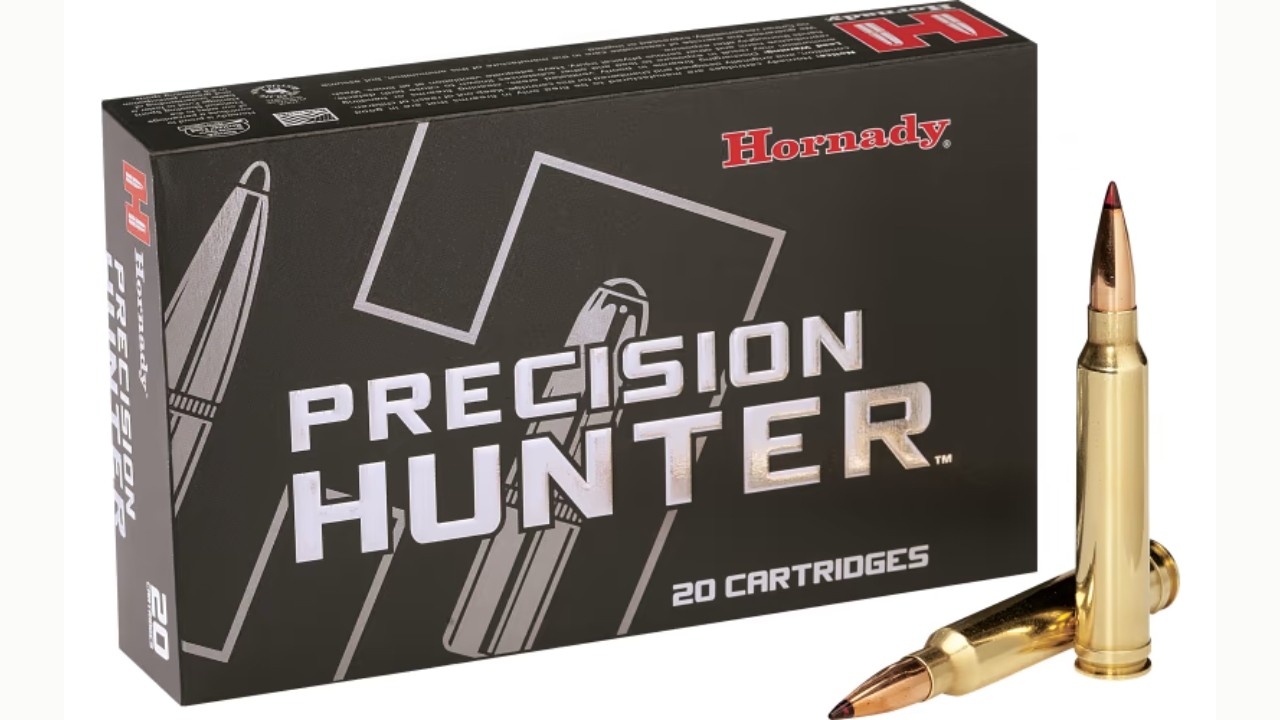
The .280 Remington is capable, but many hunters regret packing it due to limited ammo availability and less-than-stellar performance on heavy-bodied animals. In theory, it bridges the gap between lighter calibers and the .30-06, but in practice, it often feels like a compromise.
Hunters chasing elk or moose frequently find themselves underpowered at longer ranges. Without perfect shot placement, it struggles to deliver clean takedowns. It’s accurate, but for unpredictable hunts, many wish they’d gone with something with a bit more authority.
7mm-08 Remington
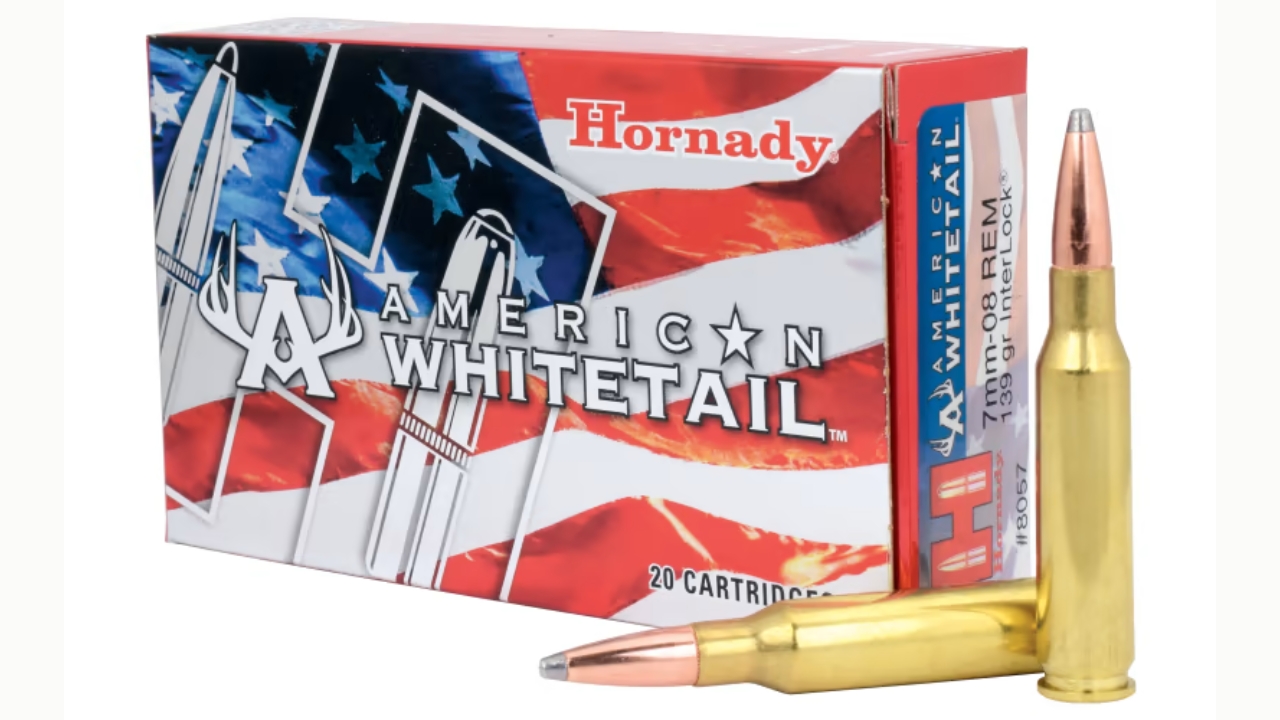
The 7mm-08 Remington is popular for its manageable recoil, but hunters who expect it to handle varied conditions sometimes walk away disappointed. While it’s fine for whitetails inside 250 yards, it lacks the reach and energy for larger or tougher game.
Its trajectory and bullet weight options can limit flexibility when distances stretch or when shooting angles aren’t ideal. Hunters who carry it expecting it to do it all often discover they’ve packed a rifle that performs best only under perfect circumstances.
*This article was developed with AI-powered tools and has been carefully reviewed by our editors.