Photo credit: Stock video footage/Shutterstock.com
Cold-weather hunting brings its own set of challenges, and your rifle needs to handle freezing temps, snow, and icy winds without missing a beat. Some rifles perform flawlessly no matter the conditions, but others struggle when lubrication thickens, tolerances tighten, and condensation turns to ice. If you’re heading into subzero hunts or backcountry terrain, reliability is non-negotiable. Here are rifles that are known to have cycling issues when temperatures drop, and why they tend to leave hunters frustrated when it matters most.
Remington 742 Woodsmaster

The Remington 742 has earned a reputation for jamming, and cold weather only makes its issues worse.
This semi-auto’s tight chamber tolerances don’t play well with dirt, ice, or frozen lubricants. When temperatures drop, even minor debris buildup can lead to failures to feed or eject. Many hunters who’ve tried pushing the 742 into subzero hunts eventually switched to bolt-actions after experiencing repeated cycling problems in the field.
Browning BAR Safari

The Browning BAR Safari is a respected semi-auto hunting rifle, but extreme cold can expose its weaknesses.
Its gas system is sensitive to changes in pressure when lubricants thicken in freezing temperatures. Inconsistent cycling and sluggish bolt returns are common when hunters don’t switch to low-viscosity oils designed for winter hunts. While the BAR performs beautifully in mild weather, it requires extra preparation to stay reliable when temperatures drop below freezing.
Ruger Mini-14

The Ruger Mini-14 is known for its rugged design, but frigid conditions can make its cycling inconsistent.
Snow and ice tend to collect inside the action, and when mixed with heavy lubricants, the bolt can start dragging instead of locking smoothly. Hunters who rely on the Mini-14 in subzero hunts often have to strip their rifles and run them nearly dry to keep them functioning. In extreme cold, it’s a rifle that demands extra attention.
Winchester Model 100

The Winchester Model 100 is another semi-auto rifle that shows its limitations when exposed to freezing temps.
Its gas-operated system struggles when carbon fouling mixes with cold-weather condensation. As temperatures drop, cycling reliability decreases, especially if the rifle isn’t meticulously cleaned and lightly lubricated. Many hunters who run the Model 100 in northern climates eventually find themselves fighting jams after prolonged use in the cold.
Savage Model 99C

While the Savage 99 is a classic lever-action, the detachable magazine version, the 99C, can give you trouble in frigid weather.
Its internal mechanisms are more complex than traditional lever guns, and when ice or frost sets in, the action can stiffen significantly. In extreme cases, the rifle may fail to chamber properly. Hunters heading into freezing backcountry hunts often stick with fixed-magazine 99 variants or simpler lever rifles that handle cold conditions better.
Remington 7400

The Remington 7400, designed as an upgrade over the 742, solved some problems but still struggles when the mercury drops.
Cold-weather hunts highlight weaknesses in its gas system and bolt design, especially when thicker lubricants slow down cycling. Hunters often experience failures to extract spent casings or incomplete bolt lockup in freezing temperatures. While it performs fine at moderate temps, the 7400 can leave you frustrated when you need reliable follow-up shots in subzero hunts.
Benelli R1

The Benelli R1 is a soft-shooting semi-auto, but when you push it into subzero hunting conditions, it can become temperamental.
Its piston-driven system is generally reliable, but extreme cold affects its recoil springs and can slow the cycling process, especially with heavier loads. Running the rifle with winter-appropriate oils and keeping the action spotless helps, but even then, you may encounter sluggish bolt travel in harsh northern climates.
Marlin Model 62 Levermatic
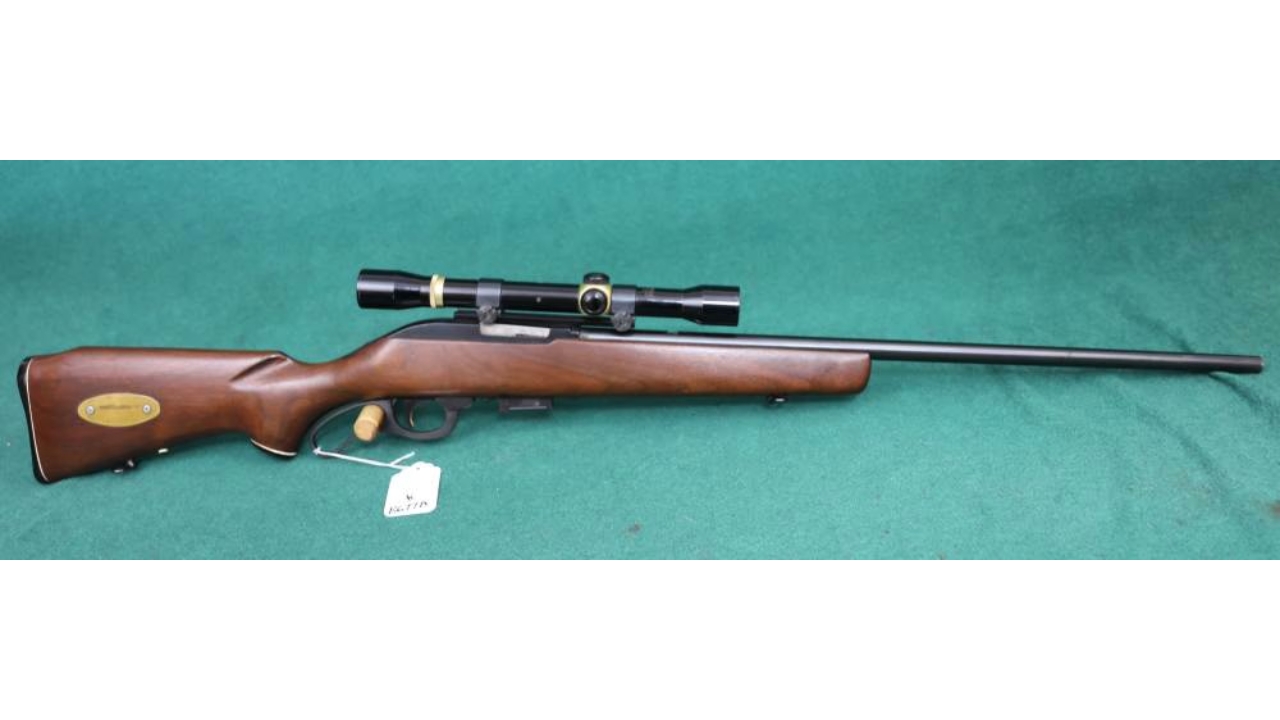
The Marlin Model 62 uses a unique cam-operated lever system that doesn’t always handle freezing conditions gracefully.
Moisture in the action can freeze quickly, locking up the lever and preventing smooth chambering. The rifle’s intricate mechanism makes it more vulnerable than traditional lever designs when ice sets in. While beloved for its accuracy, the Model 62 can be an unreliable choice for cold backcountry hunts where temperature extremes are common.
Browning BAR Mark II

The Browning BAR Mark II is an improvement over older models but still faces cycling issues in bitter cold.
Hunters report sluggish bolt travel and failures to eject when using heavier lubricants or leaving residue in the gas system. Browning recommends lighter oils for freezing temps, but even with proper prep, rapid follow-up shots can be difficult when temperatures stay well below freezing. In milder conditions, however, the BAR remains a dependable performer.
Remington Model 597
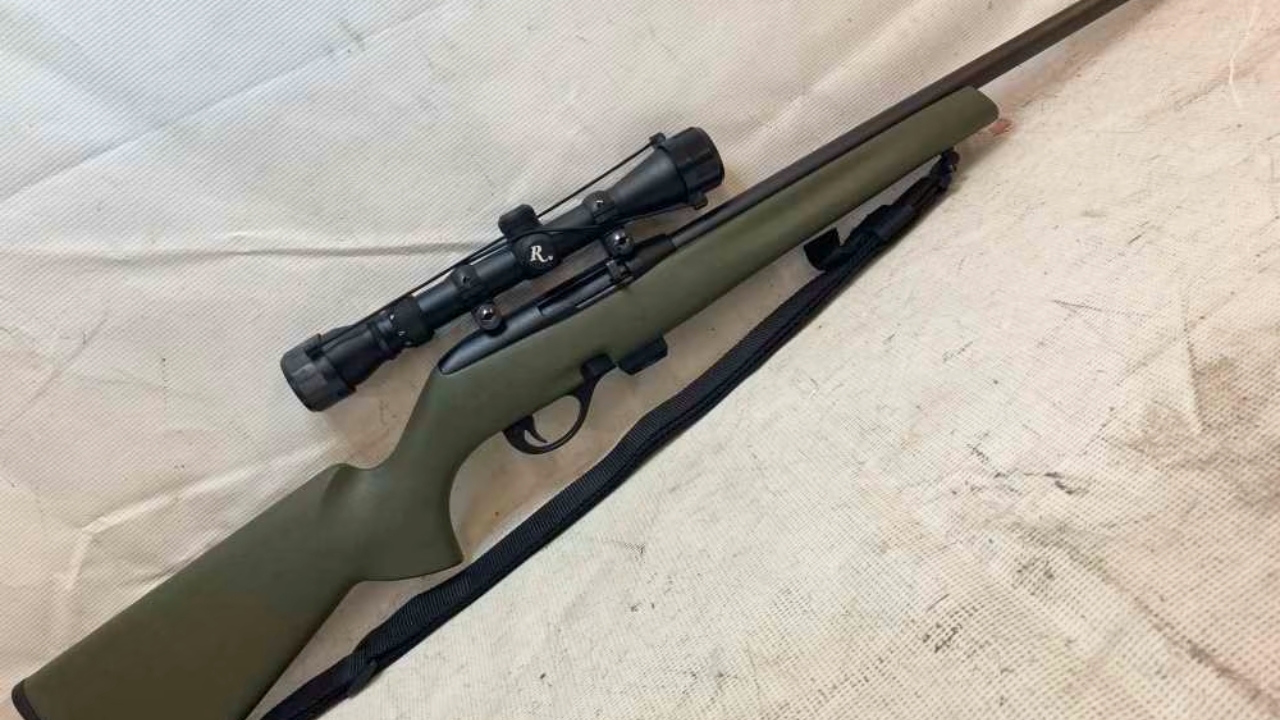
The Remington 597 rimfire is a solid plinker in warm weather, but reliability takes a hit when temperatures plunge.
Its blowback-operated action is sensitive to frozen lubricants and carbon fouling, causing frequent failures to feed or eject in the cold. Small rimfire rounds also lose significant velocity in freezing temps, which compounds cycling inconsistencies. For cold-weather hunts, bolt-action .22s tend to outperform semi-autos like the 597 in overall dependability.
*This article was developed with AI-powered tools and has been carefully reviewed by our editors.