Photo credit: sootch00/YouTube
When people dunk on revolvers, they usually compare a good semi-auto to a revolver that’s been neglected or fed bad ammo. That’s not the real comparison most new shooters face. A lot of folks are deciding between a proven wheelgun and a bargain semi-auto that feels fine in the hand but starts acting up when the ammo is cheap, the grip gets sloppy, or the gun hasn’t been cleaned in a while.
A solid old-school revolver gives you something a discount auto often can’t: consistent function with minimal drama. No magazines to troubleshoot, no feed angle problems, no limp-wrist surprises, and no “it runs great with this one load” nonsense. If you buy right and keep it in spec, a classic revolver can be the smarter tool—especially when you care more about it going bang every time than looking cool on the counter.
Smith & Wesson Model 10

The Model 10 is the definition of a working revolver. It spent decades riding in holsters because it did the job with boring consistency. A good one points naturally, the sights are usable, and the double-action pull teaches you what a real trigger press feels like.
Compared to a bargain semi-auto, the Model 10 shines when conditions aren’t ideal. It doesn’t care if your grip is less than perfect, and it won’t choke because a magazine spring is weak or a feed lip is out of spec. With standard .38 Special loads, recoil stays manageable and you can run it well with practice. If you want a defensive revolver that’s been proving itself since before polymer was a thing, this is a smart place to start.
Smith & Wesson Model 15

The Model 15 takes the same proven bones as the Model 10 and leans more into shootability. The adjustable sights make it easier to dial in with the ammo you can actually find, and the balance tends to feel “right” for a lot of hands.
A cheap semi-auto often shows its flaws when you try to shoot accurately at speed. The Model 15 usually does the opposite: it rewards steady fundamentals and gives you predictable hits. You also get the revolver advantage of reliable ignition and no dependence on slide velocity to complete the cycle. If you’re the type who wants a revolver that can pull double duty—range practice and real-world carry—the Model 15 is still a smarter buy than many low-end autos.
Smith & Wesson Model 19

The Model 19 is a classic because it offers real capability in a carry-friendly package. As a K-frame .357, it gives you flexibility: soft-shooting .38s for practice, and heavier loads when you want more authority. It carries well and points fast.
Where it beats a bargain semi-auto is in how it handles inconsistency. Cheap pistols can be picky about recoil impulse and bullet shape, especially when tolerances are sloppy. The Model 19 doesn’t need any of that to function. You load the cylinder, close it, and the gun does its part. Keep your expectations realistic—full-house .357 can be a lot in a lighter revolver—but as a practical “shoot .38, carry .357” option, the Model 19 remains a smarter choice than many budget autos.
Smith & Wesson Model 36

The Model 36 is the small revolver that taught generations what real concealed carry looks like. It’s compact, it hides easily, and it’s dependable when you keep it clean and fed decent ammo. There’s a reason the little Chiefs Special has been carried for so long.
A cheap semi-auto can feel tempting in the same size class, but that’s where low-end pistols often struggle the most. Tiny autos can be ammo sensitive, magazine sensitive, and grip sensitive all at once. The Model 36 doesn’t care about limp-wristing and doesn’t need slide speed to run. You also get the ability to fire from awkward positions without the gun going out of battery. If your priority is a small defensive gun that works the same way every time, the Model 36 still makes a strong case.
Smith & Wesson Model 642

The 642 is one of the most carried revolvers of the modern era, and it’s still rooted in old-school logic. It’s light, snag-resistant, and built around doing one job: being there when you need it. With .38 Special +P, it can be a serious tool, even if it’s not a range toy.
Cheap semi-autos in this size tend to punish you with stoppages when your grip isn’t locked in or the ammo is inconsistent. The 642 doesn’t play that game. You can load it, pocket it, and leave it alone without worrying about a magazine getting bumped out of place. Recoil is sharp because the gun is light, so you have to practice with intention. If you want a deep-carry option that trades capacity for consistency, the 642 still beats a lot of bargain autos.
Smith & Wesson Model 64

The Model 64 is basically the Model 10’s stainless workhorse cousin, and that matters in the real world. Stainless resists sweat, humidity, and neglect better than blued steel, which makes it a great “truck gun” revolver or a carry piece for rough weather.
A low-priced semi-auto often uses cheaper finishes and softer small parts, and those flaws show up fast when moisture and daily carry enter the picture. The Model 64 tends to keep going. You still need to maintain it, but it’s more forgiving of imperfect storage and hard use. With standard-pressure .38s, it’s easy to shoot well, and the weight helps you control recoil. If you want a practical revolver that can live a hard life and still function, the Model 64 is smarter than a lot of budget autos.
Smith & Wesson Model 66

The Model 66 takes the classic K-frame .357 idea and adds stainless durability. It’s a revolver that carries well, shoots well, and holds up better to daily exposure than many older blued guns. For a lot of people, it’s the sweet spot of size and capability.
Cheap semi-autos can run fine on their best day, then start acting strange when they get dirty, dry, or under-lubed. The Model 66 doesn’t depend on a clean feed path or a magazine that’s in perfect shape. You can run .38s for practice and step up when you want more punch. Like any K-frame .357, it’s wise to be thoughtful about constant use of the hottest loads, but that doesn’t change the core point: as a real-world carry revolver, the 66 is still a smarter buy than many low-end pistols.
Smith & Wesson Model 686

The 686 is what you buy when you want a revolver that feels steady and shoots like it’s on rails. The L-frame gives you more weight and durability than the K-frames, and that extra mass soaks up recoil in a way most compact pistols can’t match.
A bargain semi-auto often feels “fine” until you start shooting fast, then you notice the gun shifting, the trigger getting inconsistent, and the malfunctions creeping in. The 686 doesn’t need perfect magazines or ideal recoil impulse. It needs you to press the trigger and manage the gun. With .38s, it’s comfortable enough for long practice sessions, and with .357 it brings serious power—at the cost of more blast and recoil. If you want a revolver that’s forgiving to shoot and hard to wear out, the 686 makes a strong argument.
Smith & Wesson Model 27

The Model 27 is old-school .357 done the way it was meant to be done: big, smooth, and built to last. It’s not a small carry revolver, but it’s a serious shooter’s gun that feels planted and stable when you run it hard.
Cheap semi-autos can be inconsistent in places that matter—extractor tension, magazine geometry, recoil spring rate, or even the quality of small pins and springs. The Model 27 skips that whole dependency chain. If the cylinder locks up tight and the timing is right, it will keep doing its job for decades. The weight also makes full-power .357 far more manageable than it is in lighter guns. If you want a revolver that can outlast you and still feel smooth, the Model 27 is smarter than buying a low-end pistol and hoping it holds together.
Smith & Wesson Model 29

The Model 29 isn’t for everyone, but it earns its reputation. In .44 Magnum, it offers real power, and in .44 Special it becomes a surprisingly shootable big-bore with a smoother recoil feel than many people expect. It’s a classic that still has a practical side.
A cheap semi-auto in a “powerful” caliber often comes with tradeoffs: harsh recoil, finicky feeding, and accelerated wear. The Model 29 avoids the feeding drama entirely and gives you flexibility in load choice without depending on slide velocity. That doesn’t mean it’s light or easy to conceal, but that’s not the point here. The point is reliability and capability. If you want a revolver that can do heavy work and still run with calm consistency, the Model 29 can be a smarter tool than a bargain auto pretending to be a powerhouse.
Smith & Wesson Model 625

The Model 625 in .45 ACP is one of the smartest “revolver guy” answers to modern ammo availability. It runs a common cartridge, it hits with authority, and it’s easy to control in a full-size revolver. With moon clips, reloads can be fast and consistent.
Cheap semi-autos in .45 are often where you see corners cut—magazines, extractors, and feed ramps that don’t play nice with different bullet profiles. The 625 doesn’t care about any of that. If the ammo fits the chambers, it fires. The recoil impulse in .45 ACP is more of a push than a snap, and that helps you shoot well under pressure. If you like the idea of big-bore performance with the steady reliability of a wheelgun, the 625 makes more sense than many discount .45 pistols.
Ruger Security-Six

The Security-Six is a blue-collar classic that earned a reputation for durability. It’s not fancy, but it’s strong, practical, and often a better value than people realize. Many of them have lived hard lives and still lock up tight.
That’s where the comparison to a cheap semi-auto gets real. Low-end pistols can be a gamble on metallurgy and quality control, and you may not find out what you bought until you’re deep into a range session. A well-maintained Security-Six tends to be predictable. It runs .38 for practice and .357 when you want more, and the frame can handle a steady diet better than some lighter classics. If you want an old-school revolver that was built for real use and keeps its head down, the Security-Six is smarter than a lot of bargain autos.
Ruger GP100

The GP100 is one of the easiest revolvers to recommend when durability is the priority. It’s built to take real use, and it tends to stay in time and in spec for a long time. The weight helps recoil control, and the grip shape makes it easy to hold onto during faster strings.
Cheap semi-autos often feel like they were designed to look good in the case, not to run for years with mixed ammo and uneven maintenance. The GP100 feels like a working tool. It doesn’t care about magazine springs or feed ramp polishing, and it doesn’t rely on perfect grip technique to cycle. You still have to do your part with trigger control, but the gun will keep showing up. If you want a revolver that can handle rough treatment and still be dependable, the GP100 is a smarter buy than many budget pistols.
Ruger SP101
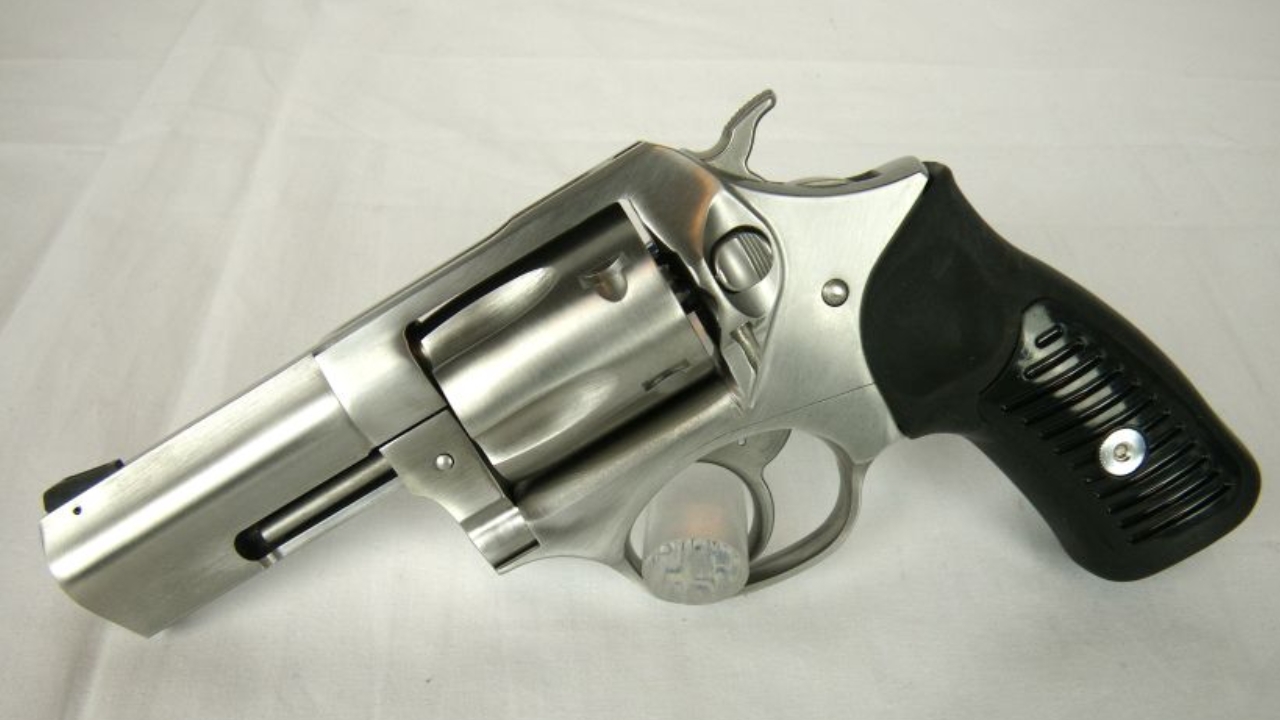
The SP101 is small enough to carry without much fuss, but it’s built stronger than a lot of small revolvers. That matters because lightweight pocket guns can be miserable to shoot, and misery leads to less practice. The SP101 gives you a compact revolver that stays controllable if you choose sane loads.
In the “cheap semi-auto” world, this is the size where problems multiply—short slides, short recoil systems, tiny magazines, and tight tolerances that turn into stoppages. The SP101 avoids that whole category of failure. You can fire from awkward positions, you can keep it loaded for long stretches, and you won’t be wondering whether the next round will nose-dive in the magazine. It’s not a high-capacity option, but as a carry gun that prioritizes consistent function, the SP101 remains a smarter choice than many bargain micros.
Colt Detective Special

The Detective Special is a classic for a reason: it gives you a carry-sized revolver with a practical capacity and a reputation for smooth triggers when it’s in good shape. It carries well, points fast, and feels like it was designed by people who understood concealment before “micro-compact” became a marketing term.
A cheap semi-auto in the same concealment role often asks you to accept compromises you shouldn’t accept—spotty reliability, fragile magazines, and controls that feel mushy or inconsistent. The Detective Special doesn’t depend on a feed cycle, and it won’t choke because you didn’t grip it hard enough. You still need to verify timing and lockup on any older Colt, because condition matters, but a clean one is still a smart carry revolver. When you want dependable function in a compact package, it can outclass a bargain auto fast.
Colt Official Police

The Official Police is one of those revolvers that reminds you why wheelguns dominated duty holsters for so long. It’s a full-size service revolver with steady handling, good sight radius, and the kind of balance that makes you shoot better than you expected. It’s not trendy, but it’s effective.
Cheap semi-autos often get purchased for one reason: price. Then you start spending time and ammo trying to make them run like something they’re not. The Official Police skips that spiral. With .38 Special loads, recoil stays comfortable and you can put in serious practice without getting beat up. It also gives you the revolver advantages when things go sideways—no magazine failures, no feeding issues, and reliable ignition with a wide range of ammo quality. If you want an old-school revolver that still makes practical sense as a defensive shooter and range gun, the Official Police belongs here.
Like The Avid Outdoorsman’s content? Subscribe to our newsletter so you never miss an article.
Here’s more from us: