Photo credit: WHO_TEE_WHO/YouTube
A rifle that “packs a punch” doesn’t have to beat you up. Most recoil misery comes from bad rifle fit, light rifles in big cartridges, and shooters trying to force a magnum into jobs that don’t require one. If you want real authority on deer, hogs, elk, and black bear without developing a flinch, you’re usually better off with cartridges that are efficient, predictable, and easy to shoot well from field positions.
You’re also better off choosing rifles that carry a little weight in the right places, wear a proper recoil pad, and don’t punish you with a comb that slaps your cheek. When you get those pieces right, you can run a “serious” hunting rifle, stay confident behind the trigger, and still practice enough to make your first shot count.
.308 Winchester in a practical hunting rifle

The .308 is the definition of “enough gun” for most North American hunting, and it does it without the violent shove you get from bigger cases. With a sane bullet choice, you get good penetration, good wound channels, and a cartridge that isn’t picky about barrel length or temperature.
What makes it easy on you is the recoil impulse—more of a firm push than a snap—especially in an 8-pound rifle with a decent pad. You can shoot it from sticks, kneeling, or off a pack without feeling like the rifle is trying to leave your shoulder. That means you practice more, and your hits get cleaner when the moment shows up.
7mm-08 Remington for “real hunting” without drama

The 7mm-08 is one of the best answers to the recoil-versus-performance problem. It kills well above its “mild” reputation because it drives efficient 7mm bullets at useful speeds without needing a big powder charge. You get flat-enough trajectory for normal hunting ranges and dependable penetration.
You feel the difference the first time you shoot it next to a .270 or a .30-06 in similar rifles. It’s calmer, it stays on target better, and it’s easier to call your shot. In the woods or out of a blind, that matters. If you want a cartridge you can shoot all afternoon and still hunt with confidence, this one belongs on your shortlist.
6.5 Creedmoor when you value control over ego

The 6.5 Creedmoor earns its place because it’s easy to shoot well, not because it’s trendy. With good bullets, it penetrates deeper than people expect, and it holds together well on deer-sized game while still giving you enough reach for open country.
Where it shines for you is follow-through. The recoil is light enough that you can spot impacts through the scope more often, and that’s a big deal when you’re hunting alone and need fast feedback. Put it in a rifle that fits, and you can shoot it from awkward positions without your body bracing for punishment. That calm feel helps you stay honest with your trigger press.
.260 Remington for the shooter who already knows what matters

The .260 Remington has been doing the “low recoil, high efficiency” thing for a long time. It pushes the same bullet class as the Creedmoor with very similar real-world results, and it’s fully capable for deer and pronghorn, plus it can handle elk with the right bullet and discipline.
What you get is a cartridge that behaves. It doesn’t slam you, it doesn’t demand a heavy rifle to be pleasant, and it doesn’t make you dread practice. That matters more than people want to admit. You shoot better when you’re relaxed, and you’re more likely to spend the time confirming your dope and your field positions. The .260 rewards that approach.
.243 Winchester with grown-up bullets and realistic expectations

The .243 gets written off as a “kid’s rifle” cartridge, but with modern bullets it can be a very effective deer round while staying exceptionally mild. It’s easy to shoot well, it’s easy to spot hits, and it lets you practice without developing bad habits.
The key is being honest about what you’re asking it to do. It’s not a shoulder-busting elk hammer, and it doesn’t need to be. For whitetails, mule deer, and predators, it can be clean and decisive when you pick a bullet built for penetration and place it where it belongs. The low recoil is a real advantage when you’re shooting from sticks or offhand, not a weakness.
.30-30 Winchester in a lever gun that fits you

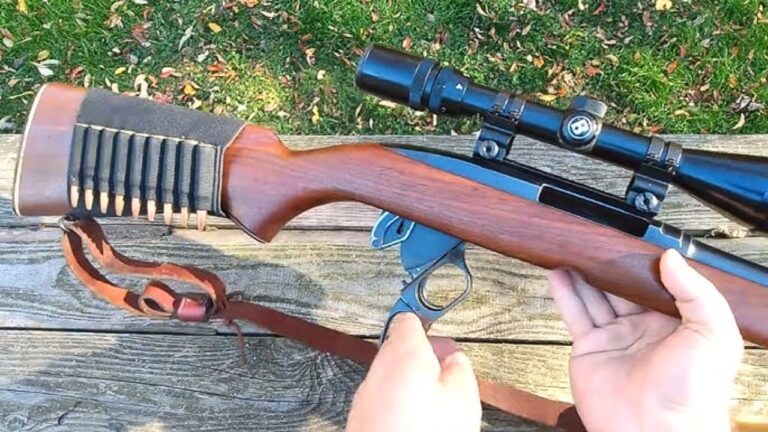
A .30-30 in a good lever gun hits harder than people remember, and it does it without punishing recoil. Inside normal woods distances, it’s still one of the most effective “carry a lot, shoot once” deer setups you can run. You get fast handling, quick follow-up shots, and a cartridge that’s been dropping whitetails for generations.
The recoil is more of a gentle shove, especially with a rifle that has the right stock shape and a decent pad. You’re also less likely to over-scope it and ruin the balance. Keep it practical—a low-power optic or a peep—and you’ll be surprised how confidently you can shoot it from field positions. It’s a working combo, not a fashion statement.
.350 Legend for straight-wall punch without shoulder abuse
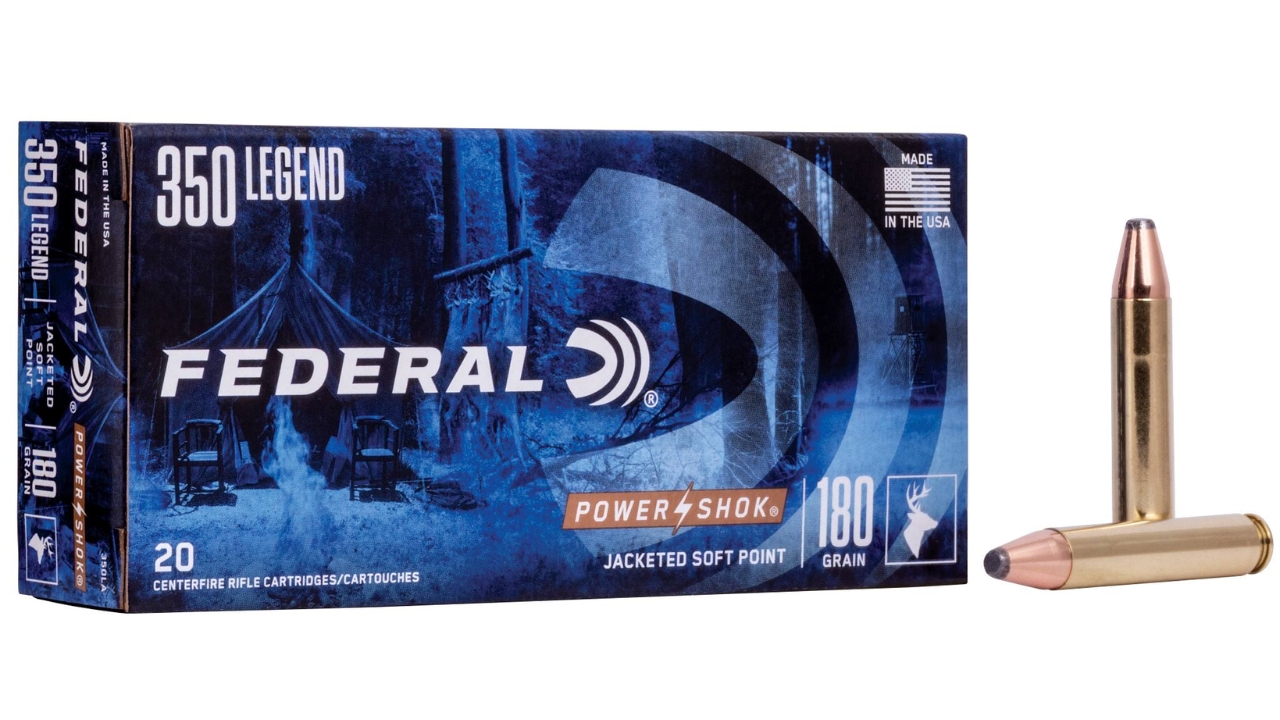
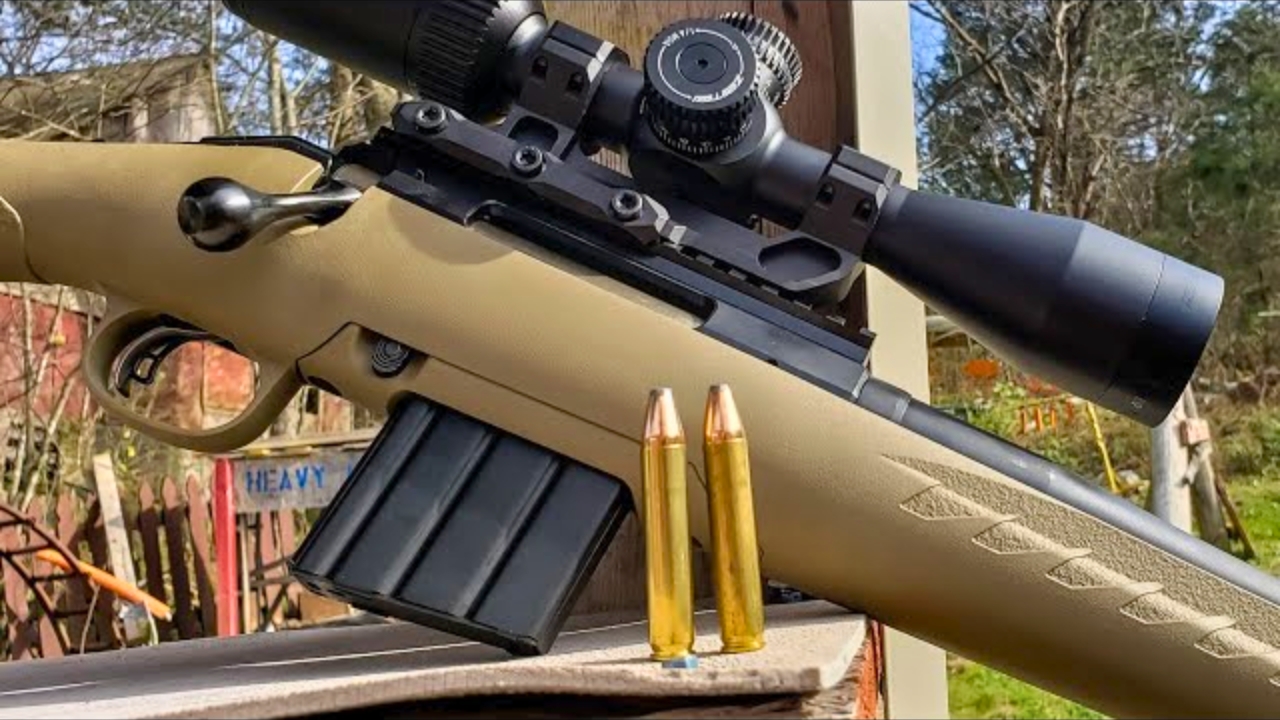
The .350 Legend was built for hunters who need straight-wall legality but still want real performance. On deer, it hits with more authority than its recoil suggests, and it tends to be easy to shoot well out of compact rifles that carry nicely in thick cover or from a blind.
What you feel is a push, not a slap. In rifles with good recoil pads, it’s remarkably comfortable for the power level. It also doesn’t punish you for taking extra practice shots, which is where a lot of straight-wall cartridges fall short. If you hunt in states with straight-wall rules, this is one of the most practical ways to get solid terminal performance without hating your life at the range.
.35 Remington for woods hunting that stays pleasant

The .35 Remington has a loyal following for a reason: it hits hard up close, penetrates well, and doesn’t kick like you’d expect for a .35-caliber hunting round. In classic lever guns, it’s a straight-up woods hammer that stays controllable when you’re shooting quickly.
It also tends to kill in a way that makes tracking less of a guessing game. You get a bigger hole, a heavier bullet, and good momentum without needing magnum velocity. Recoil stays manageable because the cartridge is efficient and the rifles chambered for it usually have enough weight and stock geometry to behave. If you hunt timber, swamps, or creek bottoms, it’s still a smart choice.
.257 Roberts for deer hunters who hate recoil
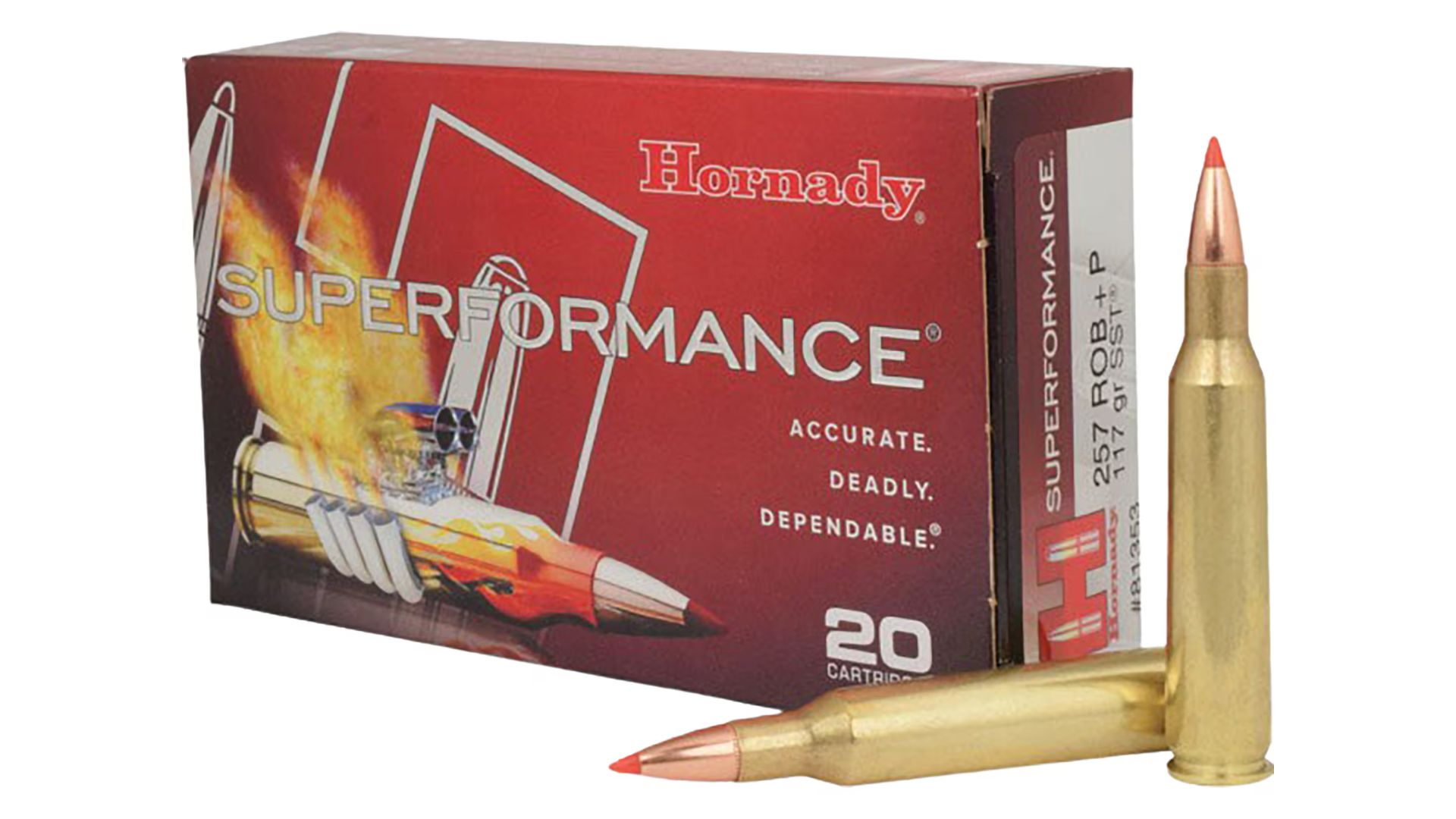
The .257 Roberts is one of those cartridges that quietly does everything you need on deer and antelope while staying incredibly easy on the shoulder. It shoots flat enough for open country, and it tends to deliver clean results without the bark and shove of the bigger “do-it-all” rounds.
What makes it work is balance. You’re not chasing top speed; you’re pushing a good hunting bullet at a pace that behaves in real animals. That usually means better shot placement because you’re not bracing for recoil, and better follow-through because the rifle stays settled. If you want a cartridge you can shoot well from any position and still trust when a buck steps out, this one is hard to beat.
6.5×55 Swedish for calm recoil and serious penetration

The 6.5×55 has been taking game for well over a century, and it’s still relevant because it does the job without the punishment. It drives long, high-sectional-density bullets that penetrate well, and it tends to be accurate in rifles that aren’t finicky.
For you, the best part is how it shoots. The recoil is mild enough that you can run it like a practice rifle, not a “once a year” rifle. That leads to better confidence in the field, especially on longer shots where you need a clean trigger press and stable position. With the right bullet, it’s a legitimate big-game round that doesn’t feel like one on your shoulder.
7×57 Mauser for old-school efficiency that still works

The 7×57 is another cartridge that keeps proving a point: you don’t need brute force to get clean kills. With good bullets, it penetrates extremely well, and it hits harder than its recoil suggests. It’s been used successfully on everything from deer to larger game because it’s efficient and predictable.
You also get a recoil impulse that stays friendly in rifles that aren’t overly heavy. That means you can carry it all day and still be happy to shoot it at the end of the hunt. The 7×57 doesn’t demand fancy gear or heroic loads. It rewards good marksmanship, and it lets you practice enough to actually have that marksmanship when it counts.
.300 Savage for .30-cal punch without magnum attitude
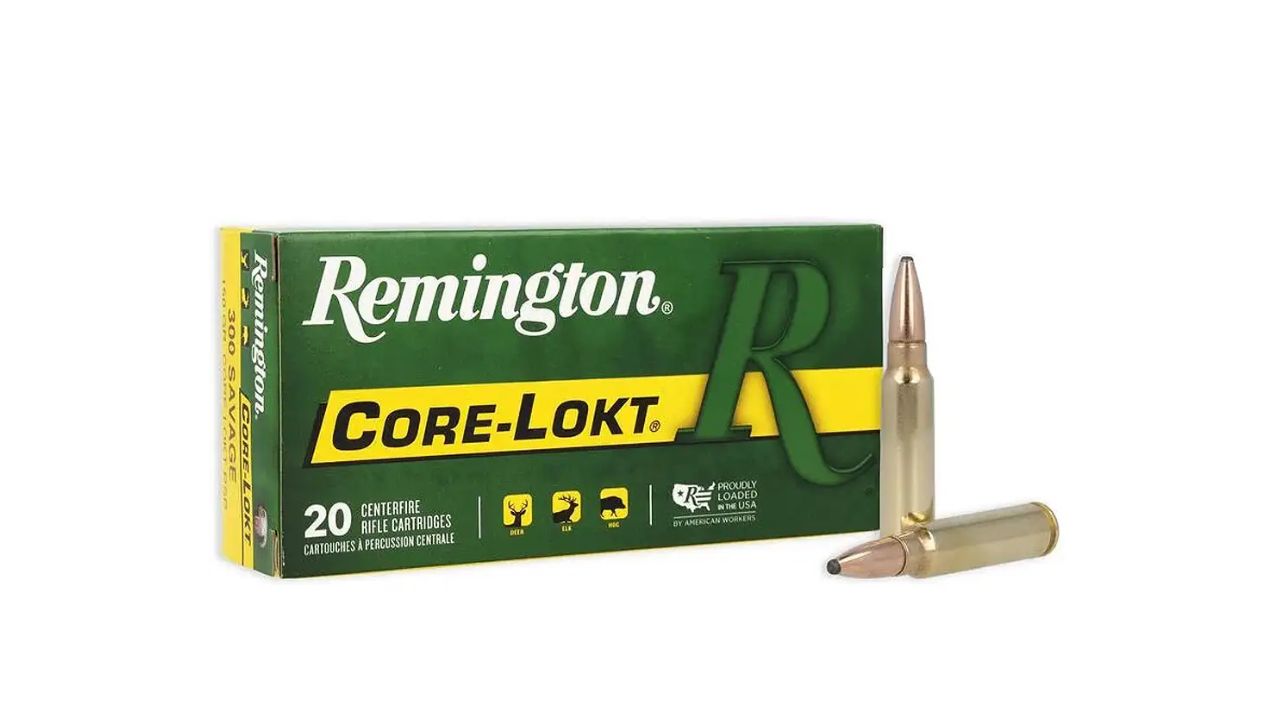
The .300 Savage is a classic example of smart performance. It delivers .30-caliber hunting authority in a package that’s generally softer shooting than you’d expect, especially in well-balanced rifles. It’s an honest deer cartridge that also has the muscle for bigger-bodied animals when you choose the right bullet.
What you feel is manageable recoil paired with a satisfying “thump” on target. That’s the whole point of this category. You don’t need the blast and shoulder hit of a big magnum to get effective terminal performance inside sensible hunting distances. If you like classic rifles and you want a cartridge that still earns its keep, the .300 Savage is a legit option.
.270 Winchester for reach and authority without excessive recoil

The .270 has been a go-to for generations because it gives you reach, accuracy, and real terminal performance without crossing into punishing recoil. In a properly set-up rifle, it’s very shootable, and it stays flatter than many “mild” rounds, which buys you forgiveness on distance estimation.
Recoil is there, but it’s not the kind that makes you dread the next shot. With a good pad and a stock that fits your length of pull, you can run it confidently from sticks or prone without losing control. It also performs well on deer and is fully capable on elk with the right bullet and good shot placement. That’s a lot of capability for a cartridge most people can actually practice with.
.280 Remington for the hunter who wants more without going magnum

The .280 Remington sits in a sweet spot: it gives you a step up in bullet weight and performance over the mid-bores without the sharp recoil and blast that often come with magnums. It’s a great option when you want a bit more authority for elk-sized animals but still want to enjoy range time.
In real rifles, it tends to be surprisingly comfortable, especially compared to the popular magnum alternatives people buy and then barely shoot. The .280 also gives you flexibility in bullet choice, and it carries well in standard-length actions. If your goal is “serious hunting” with a rifle you’ll actually practice with, this is a smart way to get there.
6.8 Western for modern performance with manageable recoil

The 6.8 Western was built to push heavier, high-BC bullets efficiently, and when it’s done right, it offers strong downrange performance without the recoil jump you feel from many .30-cal magnums. You get a cartridge designed for real hunting distances, not just velocity bragging rights.
It still isn’t a featherweight-friendly option, but in a well-built rifle with sane weight and a good pad, it stays shootable. The benefit is that you can run a heavier bullet with good wind performance and penetration while keeping recoil in a zone that doesn’t wreck your fundamentals. If you want modern capability but you don’t want to pay for it with a flinch, this is one to look at.
12-gauge slug gun for big impact with surprisingly doable recoil

A slug gun absolutely packs a punch, and the recoil can be stout—but it doesn’t have to be miserable if you set it up correctly. A gas-operated semi-auto, a good recoil pad, and sensible slug selection can turn a “brutal” setup into something you can shoot well. Inside typical slug distances, the terminal effect is undeniable.
The reason it belongs here is practical power for real hunting situations—thick cover, short lanes, and quick shots. When you’re not trying to stretch it past its lane, a slug gun delivers authority with simple aiming and fast follow-ups. If your hunting environment is close and messy, this is one of the most effective “hit hard” tools you can carry without needing magnum recoil.
Like The Avid Outdoorsman’s content? Subscribe to our newsletter so you never miss an article.
Here’s more from us: