Photo credit: Savage Arms
When it comes to hunting, picking the right caliber is critical if you want clean, ethical kills. The wrong cartridge can lead to shallow penetration, poor energy transfer, and long, frustrating tracking jobs. While shot placement always matters, some rounds simply lack the performance needed for larger game. Hunters relying on these calibers often find themselves recovering fewer animals than they’d like. If you want to minimize wounding and maximize clean drops, here are the rifle rounds to think twice about.
.22 Long Rifle

The .22 LR is fun, affordable, and perfect for small-game hunting, but it’s entirely unsuited for deer or bigger animals.
Its low energy and poor penetration make it unreliable for quick, humane kills on anything larger than varmints. While expert marksmen may pull off precise headshots on small critters, attempting chest shots on bigger targets usually results in wounded animals. This is a caliber that works great within its limits but fails beyond them.
.17 HMR

The .17 HMR offers flat trajectories and pinpoint accuracy, but its lightweight, fast-fragmenting bullets make it unsuitable for medium-sized game.
When used outside its intended role on varmints, its projectiles break apart before reaching vital organs, leading to shallow wounds. While it shines for prairie dogs, squirrels, and small predators, pushing it on deer-sized animals is a recipe for poor results and unrecovered game.
.204 Ruger

The .204 Ruger’s speed and accuracy make it popular for long-range varmint hunting, but its tiny bullets limit its effectiveness on bigger animals.
Its projectiles expand rapidly, dumping energy early and failing to penetrate deeply enough to reach vital organs on larger game. While deadly on coyotes, it struggles when hunters try to use it on whitetails or hogs. It’s best kept in its intended role where its strengths really shine.
.22 WMR

The .22 Winchester Magnum Rimfire packs more punch than the .22 LR, but it’s still underpowered for anything larger than varmints and small predators.
When hunters attempt to use it on deer or hogs, penetration issues often result in injured, unrecovered animals. While the .22 WMR is fantastic for raccoons, rabbits, and foxes, it simply doesn’t have the energy required to make ethical shots on bigger targets. Sticking to better-matched calibers leads to cleaner kills.
.22 Hornet

The .22 Hornet has been around for nearly a century and serves as a capable varmint and predator cartridge, but it falls short on larger game.
Its lightweight bullets lack the velocity and energy to consistently penetrate vital areas on deer-sized animals. While some hunters use it in close-range ambushes, many report tracking jobs rather than quick recoveries. It performs best when kept in its comfort zone instead of being stretched beyond its ballistic limits.
.5.7x28mm

The 5.7x28mm is known for low recoil and high velocity but was designed for personal defense, not hunting medium or big game.
Its lightweight, small-diameter bullets struggle to produce sufficient energy or expansion to deliver quick, ethical kills on larger animals. While effective for varmints and close-range predator control, it’s inconsistent on heavier targets. Using purpose-built hunting cartridges ensures more reliable terminal performance.
.300 Blackout Subsonic

Subsonic .300 Blackout loads are extremely quiet and effective when suppressed, but their reduced velocity severely limits expansion and penetration.
On medium-sized game, subsonics often fail to transfer enough energy for clean drops, leading to long tracking jobs. Supersonic .300 BLK loads designed for hunting perform far better, but if you stick with subsonics, you’ll need specialized bullets intended for controlled expansion to ensure ethical kills.
.30 Carbine

The .30 Carbine, designed for the M1 Carbine, is historically significant but ballistically limited for hunting anything larger than varmints or small hogs.
Its modest velocity and limited bullet selection make it inconsistent on deer-sized game, especially beyond 100 yards. Many hunters report wounded animals when trying to stretch this round beyond its capabilities. It performs better when used at short ranges on appropriately sized targets.
5.45x39mm

The 5.45x39mm cartridge used in AK-74 rifles fires lightweight, fast-moving bullets, but military FMJs often tumble and fragment early.
This behavior leads to shallow wounds on medium game, making it unreliable unless paired with hunting-specific projectiles. While it works well on varmints and small predators, its terminal performance on deer and hogs is inconsistent. If you want clean kills, switching to expanding bullets or a more powerful cartridge is the smarter choice.
7.62x39mm With FMJ Loads

The 7.62x39mm can be lethal on medium-sized game with proper hunting ammunition, but using FMJs often produces disappointing results.
Full-metal-jacket loads punch narrow holes with little expansion, leading to shallow wound channels and poor energy transfer. Hunters using SKS or AK platforms should select soft-point or ballistic-tip bullets to ensure quick, ethical harvests. The cartridge itself can work well—just make sure your ammunition matches the job.
6.5 Grendel

While the 6.5 Grendel is marketed as a hunting-capable AR-15 round, its lightweight bullets and modest velocity can lead to shallow wounds if shot placement isn’t perfect.
At extended distances, energy retention drops quickly, especially with budget FMJ loads. Hunters expecting reliable expansion on hogs or deer sometimes report poor terminal performance unless they choose high-quality hunting projectiles. In the right configuration, it performs well, but it’s not as forgiving as other mid-sized calibers.
.243 Winchester With Light Bullets

The .243 Winchester can be extremely effective on deer-sized animals when paired with the right projectiles, but many hunters choose loads that are too light.
Fast-expanding varmint bullets often break up before reaching vital organs, leading to wounded game. When using this caliber, bullet selection is everything. Heavy-for-caliber soft points or controlled-expansion bullets perform much better, making shot placement far less critical. With the wrong ammo, though, it’s risky on medium game.
.25-06 Remington With Varmint Loads
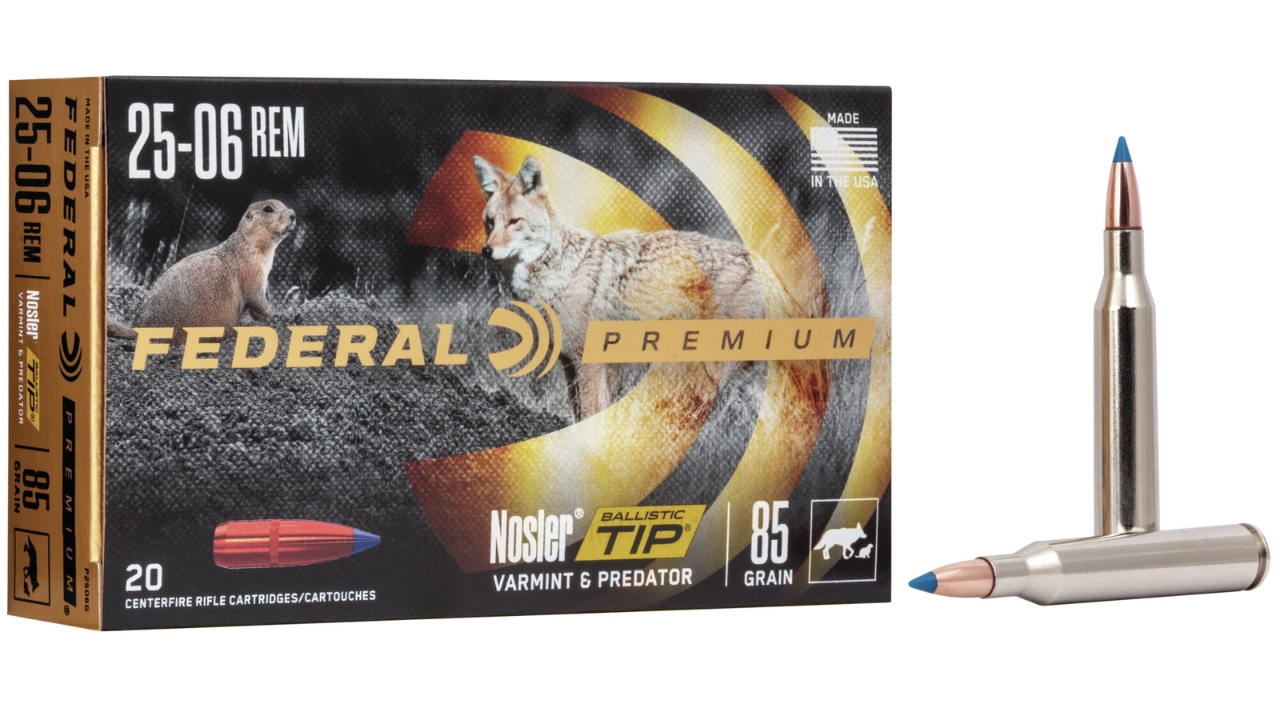
The .25-06 Remington has more than enough power for deer and antelope, but using ultralight varmint bullets often causes failures.
High-velocity, thin-jacketed bullets can fragment on bone or dense tissue, creating shallow wounds and poor penetration. When loaded properly with hunting-specific bullets, it becomes highly effective—but the wrong load choice can make this otherwise capable round perform far below its potential in the field.
.223 Remington on Larger Game

The .223 Remington is one of the most popular cartridges in the country, but its light bullets are marginal for deer and hogs unless premium loads are used.
Many hunters relying on cheap FMJs or thin-jacketed projectiles experience poor penetration and wound channels too small to ensure a quick drop. When paired with high-quality bonded or controlled-expansion bullets, it performs far better, but using generic ammo often leads to blood trails that go cold.
.458 SOCOM Subsonic

Subsonic .458 SOCOM loads are appealing for their quiet shooting, but they severely reduce terminal performance compared to supersonics.
Even though the bullet diameter is massive, subsonic speeds limit energy transfer, making ethical kills difficult on medium and large animals. Supersonic loads transform this caliber into a reliable hunting option, but with slower rounds, shot placement must be perfect, and effective range shrinks dramatically.
.204 Ruger Heavy-Barrel Varmint Loads

The .204 Ruger shines on small predators and prairie dogs, but using certain heavy-barrel varmint loads against bigger game can fail dramatically.
Some ultralight projectiles fragment instantly, dumping all their energy without reaching vitals. Hunters trying to stretch this caliber on coyotes and even small deer often face long tracking jobs. As always, bullet construction and energy levels need to match your target to avoid unnecessary suffering.
6.8 SPC

The 6.8 SPC is marketed as a deer-capable AR cartridge, but its performance depends heavily on bullet design and velocity.
Lighter FMJ or low-expansion projectiles often lack the penetration required for ethical shots on bigger animals. While hunting-specific soft points make it much more effective, using cheap plinking ammo risks wounding game instead of dropping it cleanly. It’s a capable round when matched with the right load, but mistakes here are costly.
.270 Winchester With Wrong Loads

The .270 Winchester has earned its reputation as a classic deer and elk round, but bullet choice can make or break its effectiveness.
Fast-fragmenting varmint-style projectiles designed for thin-skinned animals fail to deliver the deep penetration needed on larger targets. While the caliber itself is excellent, pairing it with the wrong bullet often results in wounded animals. Controlled-expansion or bonded bullets are critical for clean harvests when using this classic cartridge.
6mm ARC

The 6mm ARC is a promising newer cartridge but lacks the forgiving terminal performance of larger calibers when using standard FMJs or varmint loads.
Its slower speeds compared to .243 Winchester and limited bullet weight choices make it sensitive to projectile selection. With well-designed hunting bullets, it can perform impressively on deer-sized game, but without them, hunters risk shallow wounds and poor recoveries. Proper ammunition pairing is essential here.
*This article was developed with AI-powered tools and has been carefully reviewed by our editors.