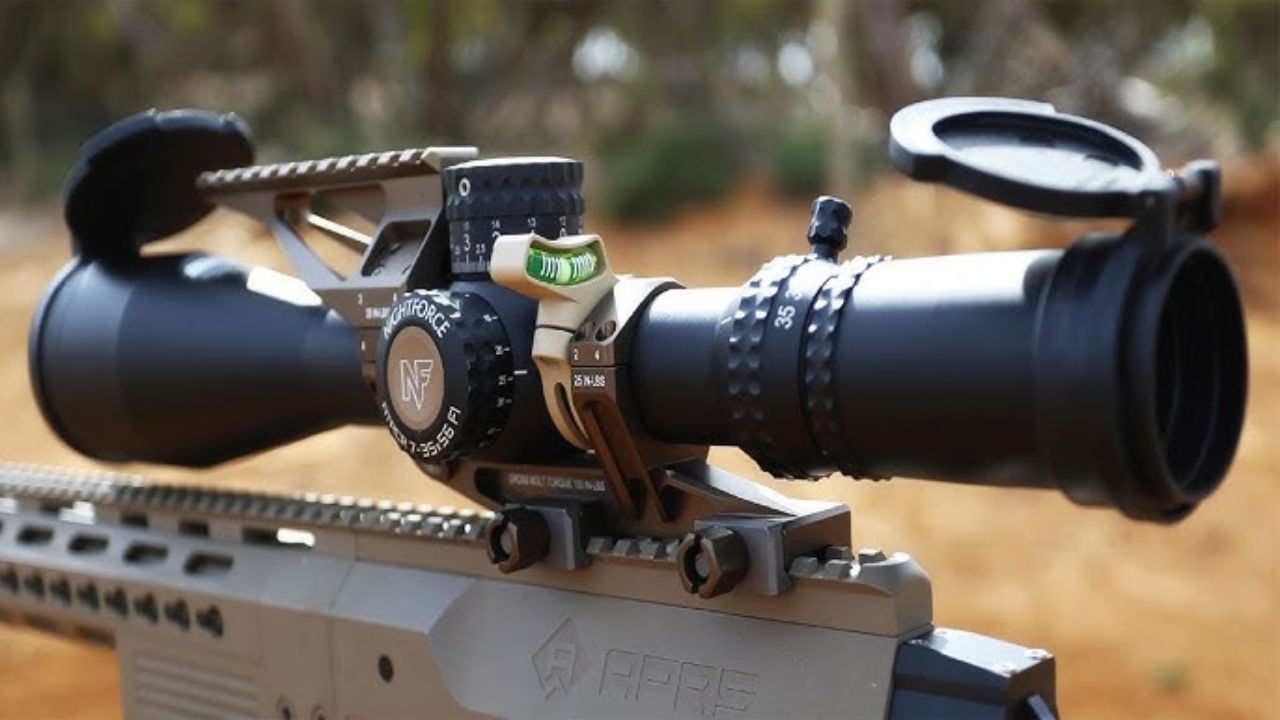
Photo credit: Tech Insider/YouTube
Scopes have come a long way, but the bells and whistles keep piling up—and not all of them are worth paying for. Some features sound impressive on paper but don’t help much in the field. Others are overkill unless you’re in a very specific niche. If you’re trying to get the most out of your money, it’s smart to focus on what actually improves your shot and ignore the rest. Here’s a breakdown of scope features that don’t live up to the hype when you’re behind the rifle.
Illuminated Reticles on a Daylight Scope
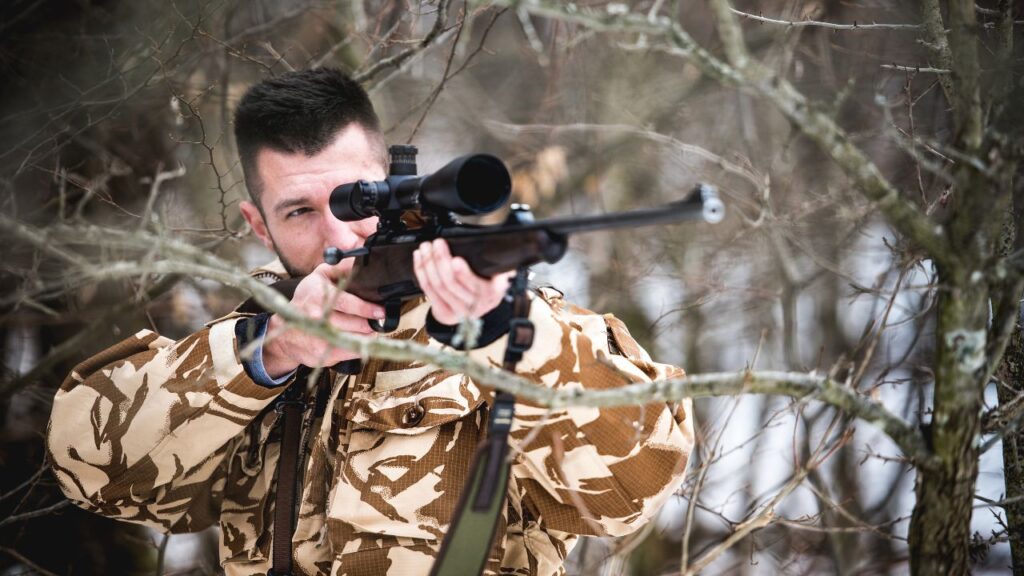
If you’re shooting in broad daylight, that illuminated reticle isn’t doing much. It drains your battery and adds cost, but it won’t help you hit anything better under the sun. In fact, the glow can wash out your view or add glare.
Unless you’re using a scope for low-light hunting or tactical night use, the feature ends up being a gimmick. You’ll spend more and get less, especially when the reticle itself is already etched and visible without the light.
Turrets With More Travel Than You’ll Ever Use
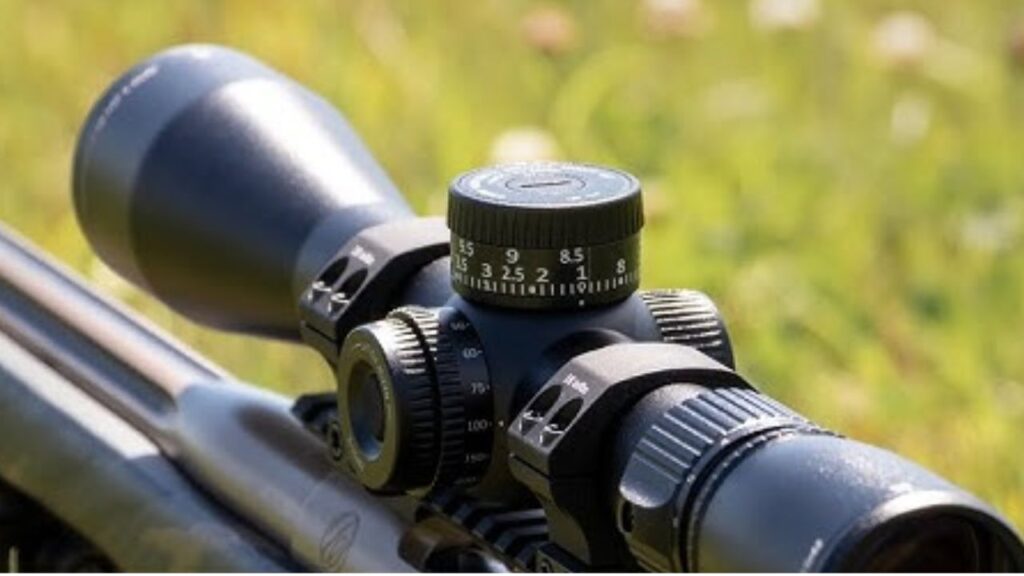
A scope with 100+ MOA of turret travel might sound impressive, but if you’re not shooting extreme distances or using specialty ammo, you’re never going to dial that far. Most hunters and casual shooters won’t even come close.
All that extra travel makes sense for PRS shooters or long-range hobbyists. For the rest of us, it’s more knobs to knock out of zero. Stick with turrets that suit your real-world range. Anything beyond that is adding cost and complexity.
Parallax Adjustment on Low-Power Scopes
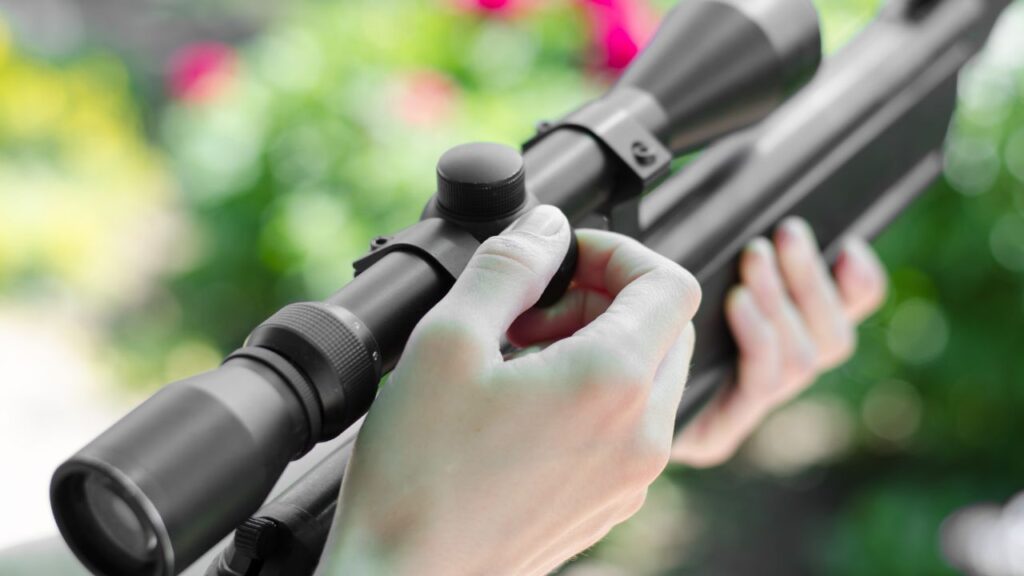
Parallax knobs make sense on high-magnification scopes, but on a 1-4x or even a 3-9x hunting optic? You’re not going to notice a difference. It’s a setting meant for precision at long range, not quick shots on a deer at 100 yards.
Having it there sounds tactical, but you’ll end up fiddling with something that doesn’t matter. Fixed parallax is usually more than enough for most hunting and general use scenarios, and one less thing to mess up accidentally.
Overcomplicated Reticles
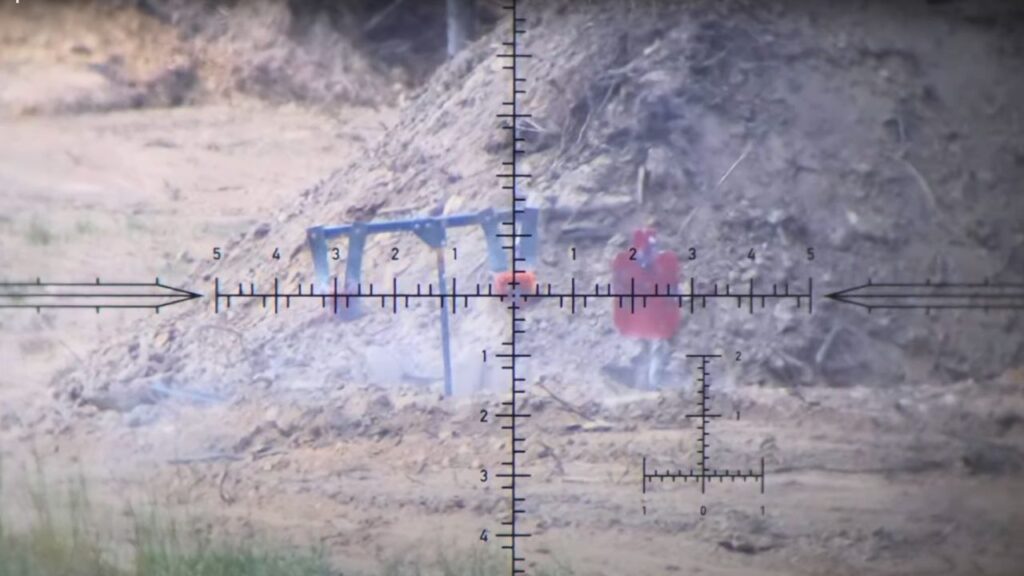
Mil-dots, Christmas tree patterns, and holdover grids can be useful—if you’re trained to use them and shooting long range often. But for most shooters, these reticles do more harm than good by cluttering your field of view.
If your shots are inside 300 yards or you rarely dial or hold, a clean duplex or basic BDC reticle works better. You’ll shoot faster, see more clearly, and won’t waste time figuring out which hash is which.
Overly High Magnification
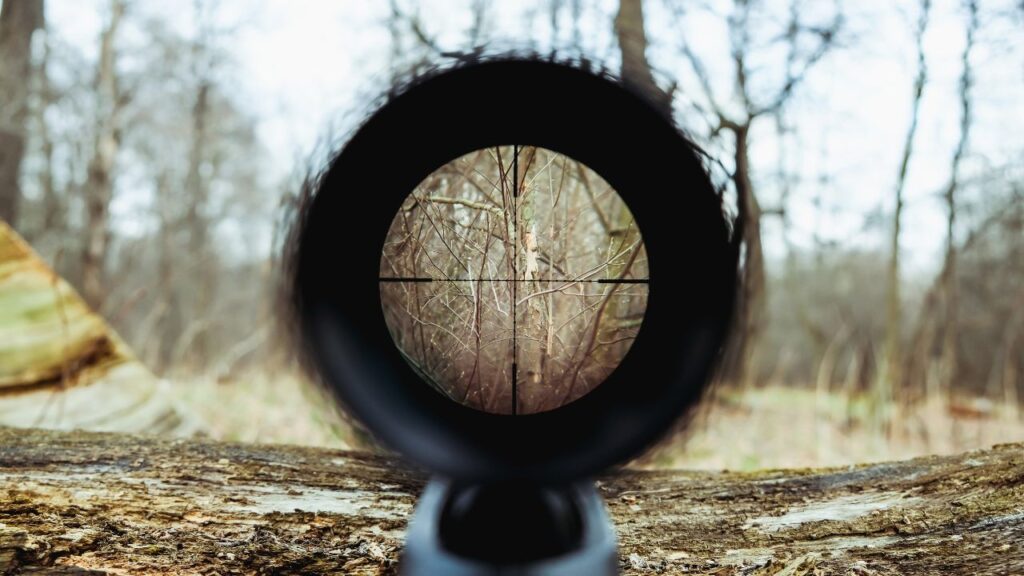
That 25x or 30x zoom might sound powerful, but the reality is, heat mirage and shaky hands will make it unusable in most outdoor settings. You’ll spend more time trying to find your target than taking the shot.
Most shooters rarely go past 12x, even when they have more magnification available. You can hit targets out past 500 yards on 10x without issue. Anything beyond that starts to sacrifice field of view and clarity.
Zero Stop Systems You’ll Never Use
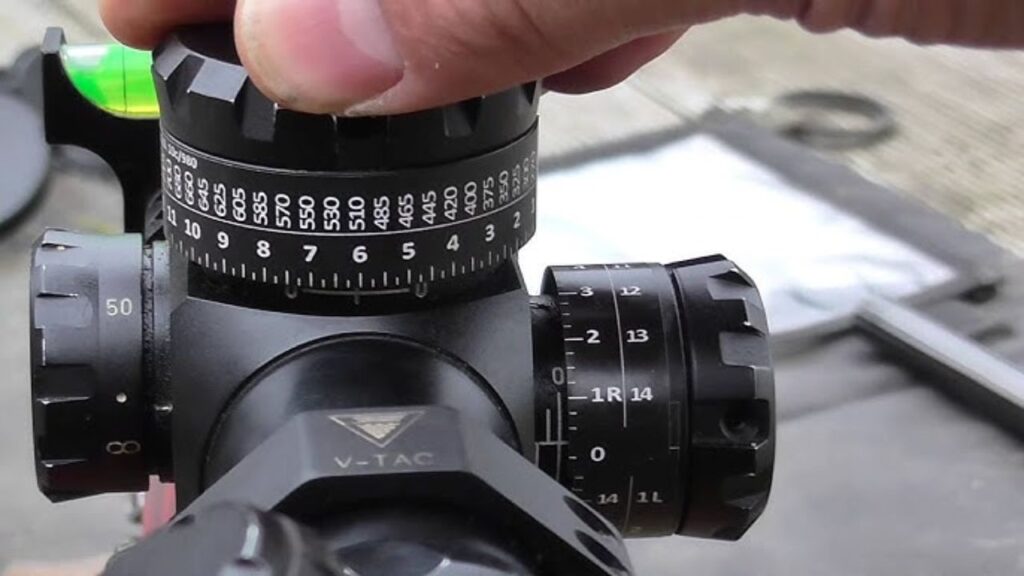
Zero stop turrets are helpful if you’re constantly dialing and need to return to zero fast. But if you’re a set-it-and-forget-it shooter or you rarely adjust your turrets after zeroing, that feature isn’t helping you.
They add to the cost and bulk, and unless you’re in competitions or working in fast-changing conditions, it’s not something you’re going to rely on. For most hunters and range shooters, you’re better off with simple capped turrets.
Throw Levers on LPVOs You Leave on One Setting

A throw lever is meant to help you switch magnification quickly. But if you always leave your LPVO on 1x or 6x and rarely mess with it in between, then that lever’s not doing anything but snagging on your gear.
It’s an add-on that gets hyped up but doesn’t give much in return unless you’re constantly adjusting your zoom during a course of fire. Most folks set it and leave it—and in that case, you don’t need the hardware hanging off your optic.
*This article was developed with AI-powered tools and has been carefully reviewed by our editors.