Photo credit: Arm&Gun/YouTube
Some semi-auto rifles miss the market for reasons that have very little to do with how good they actually are. A strange magazine system, poor timing, limited importation, weak marketing, or the overwhelming popularity of the AR-15 can bury a perfectly capable rifle before it ever has a real chance to build momentum.
That is what makes this category interesting. A lot of these rifles were not failures in the mechanical sense. They were simply overshadowed, misunderstood, or introduced into a market that had already decided what a modern semiautomatic rifle was supposed to look like. Several deserved a much longer production life, and a few now look even better in hindsight than they did when they were sitting new on dealer racks.
Beretta ARX100

The ARX100 was one of the most modular factory rifles of its era. The barrel could be removed quickly, the charging handle could be switched from side to side, ejection could be reversed, and the controls were genuinely ambidextrous. The rifle also stayed relatively light despite having a folding stock and piston-driven operating system.
What hurt it was appearance and timing. The ARX looked strange next to conventional AR-15s, and the promised caliber-conversion ecosystem never developed enough to make the modularity feel fully realized. That overshadowed the fact that the basic rifle was handy, soft shooting, and extremely easy to configure for left- or right-handed use. It deserved more than being remembered as the weird-looking Beretta.
FN FS2000
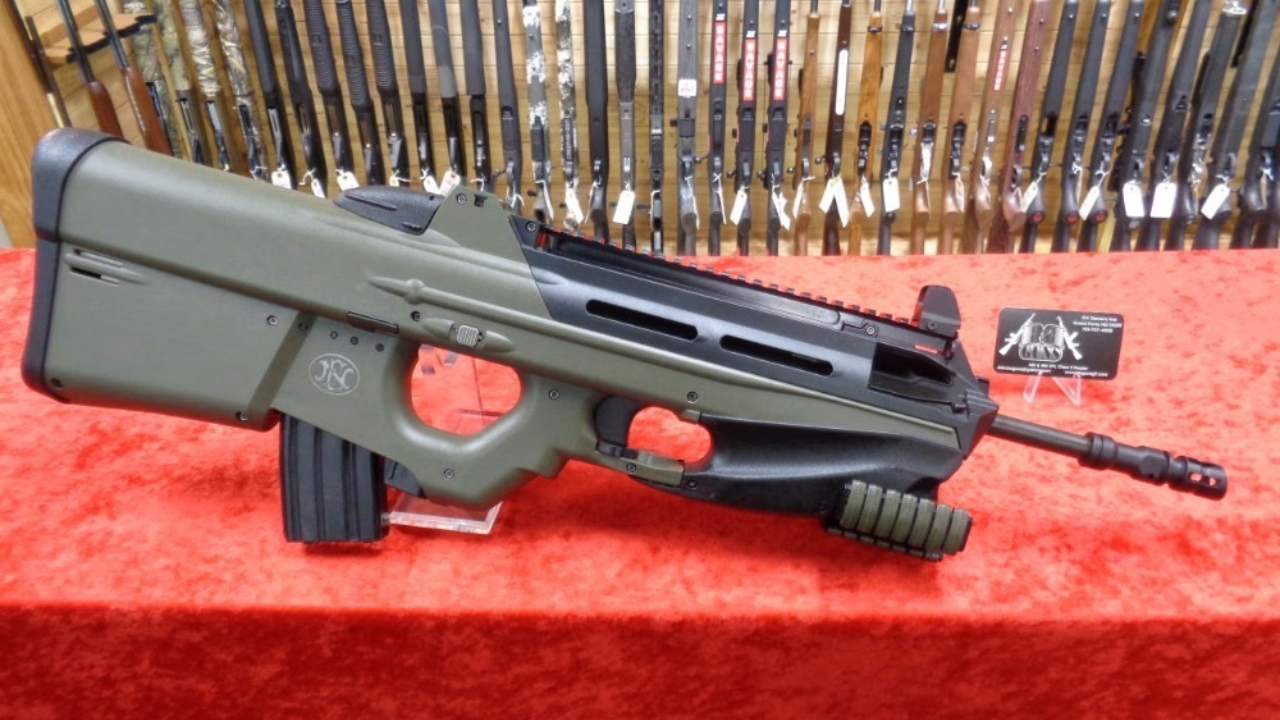
The FS2000 was futuristic before futuristic rifles became fashionable. Its bullpup layout kept the overall length short while retaining a full-length barrel, and the forward-ejection system made it unusually friendly to both right- and left-handed shooters.
The rifle never became mainstream because it was expensive, visually bizarre, and internally unlike anything most American buyers were accustomed to. That made it harder to sell against cheaper ARs that everyone already understood. In hindsight, though, the forward-ejection concept was genuinely clever, and the smooth exterior made the gun surprisingly snag-resistant. It was strange, but there was real engineering behind the strangeness.
SIG Sauer 556 Classic
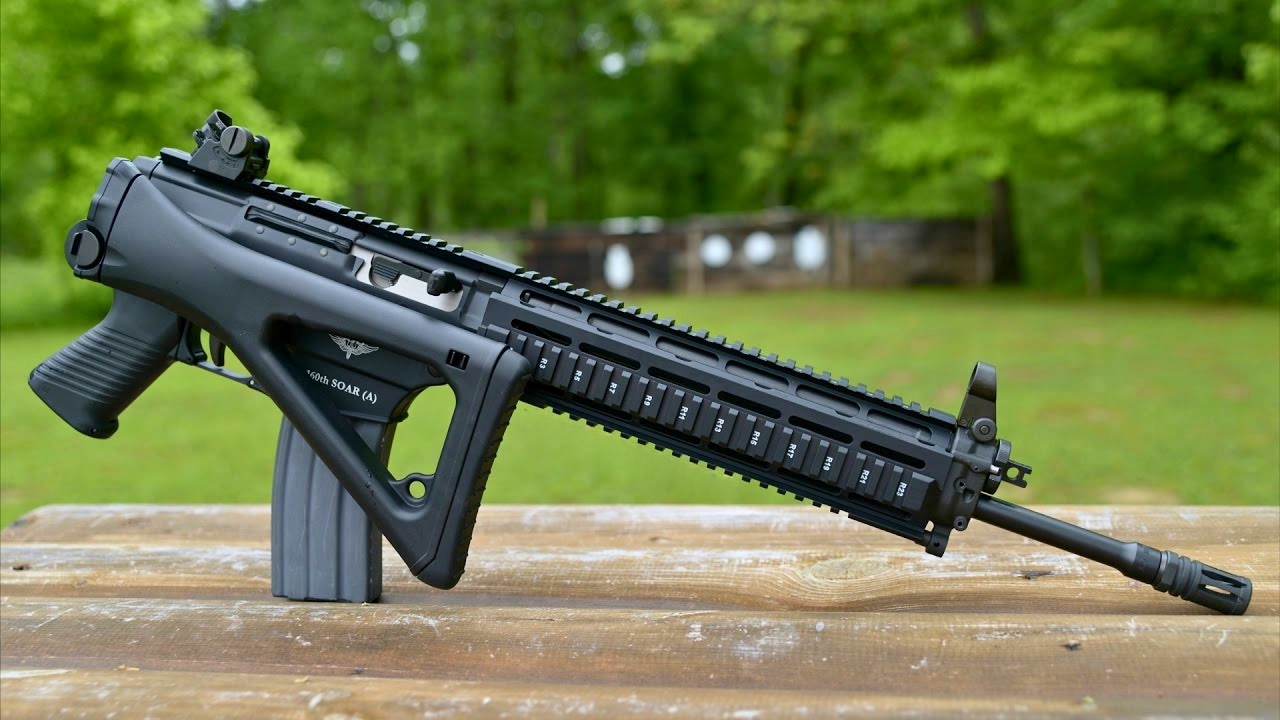
The 556 Classic brought some of the appeal of the Swiss SG 550 family into a rifle American buyers could actually purchase without paying true Swiss-import money. The piston system was robust, the action was smooth, and the folding stock gave the rifle a practical compactness the traditional AR lacked at the time.
The problem was expectation. Shooters wanted a perfect civilian 550 clone, and the 556 was not that. Different furniture, receiver details, and changing configurations frustrated enthusiasts who wanted Swiss authenticity. That criticism overshadowed the fact that the 556 was a very solid rifle on its own terms. It deserved to be judged as a capable piston carbine instead of constantly being punished for not being something else.
Daewoo K2

The K2 is one of the more interesting Cold War-era service rifles to reach the American civilian market. It combines AR-style ergonomics with a long-stroke gas piston and a folding stock, giving it a mix of features that feels surprisingly modern even today.
Its biggest problem was never performance. It was availability. Importation ended, parts support remained limited, and the rifle never had the chance to build the enormous installed base needed for a thriving aftermarket. Owners who have one tend to understand how good the basic design is. It is reliable, balanced, and mechanically straightforward. With better long-term support, the K2 could have developed a far larger following.
Robinson Armament XCR-L

The XCR-L was doing modular, piston-driven, quick-change-barrel rifle things long before that formula became common. The folding stock, adjustable gas system, monolithic upper, and caliber-conversion options made it look like a serious alternative to the AR-15.
What kept it niche was price, limited distribution, and the fact that it came from a much smaller company. Buyers naturally gravitated toward platforms with bigger parts ecosystems and stronger resale value. That is understandable, but it also meant the XCR never got credit proportional to how forward-thinking the design was. It remains one of the more complete non-AR modern rifle systems developed in the United States.
Bushmaster ACR
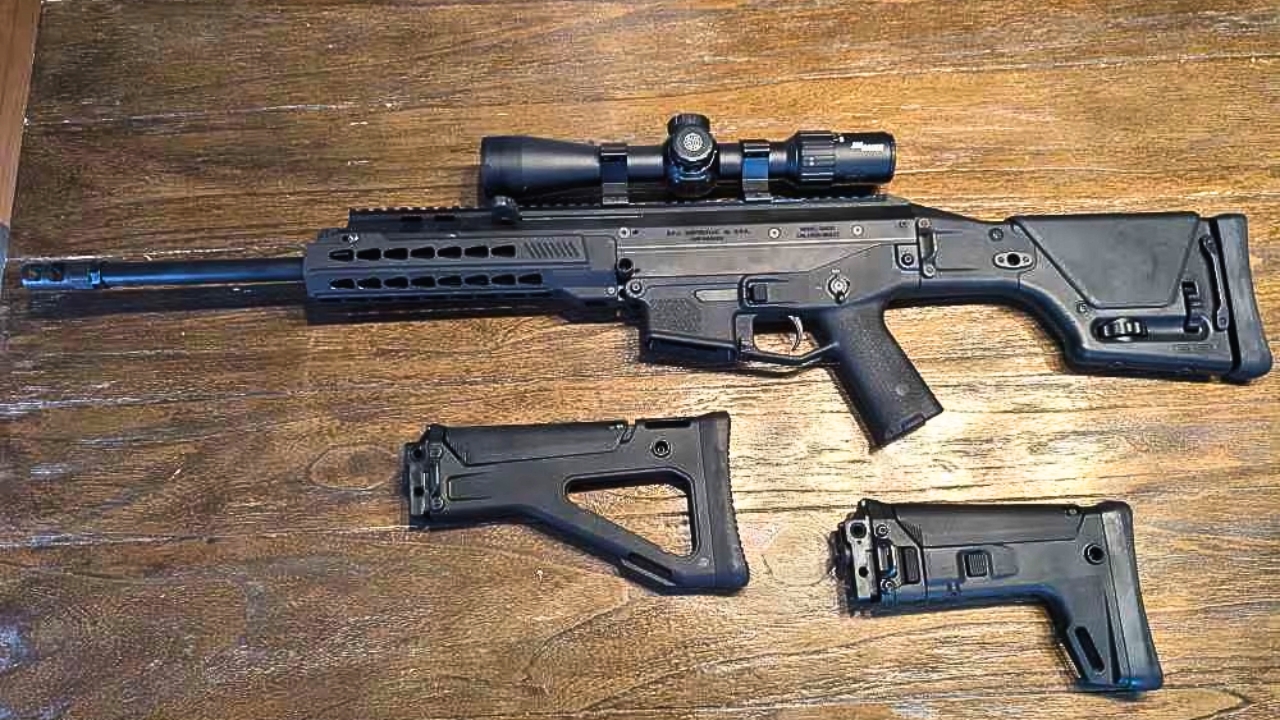
The ACR may be remembered more for unfulfilled expectations than for what it actually did well. The folding stock, quick-change barrel system, monolithic receiver, ambidextrous controls, and piston action all looked like the future when the rifle first appeared.
Then the rifle became heavier and more expensive than buyers expected, while the promised barrel and caliber ecosystem never expanded enough to justify the concept. That killed momentum. The frustrating part is that the core rifle was still very good. It was easy to handle, robust, and highly adaptable in theory. If the platform had launched lighter, cheaper, and with real conversion support, it could have been a major AR rival.
Remington Model 8
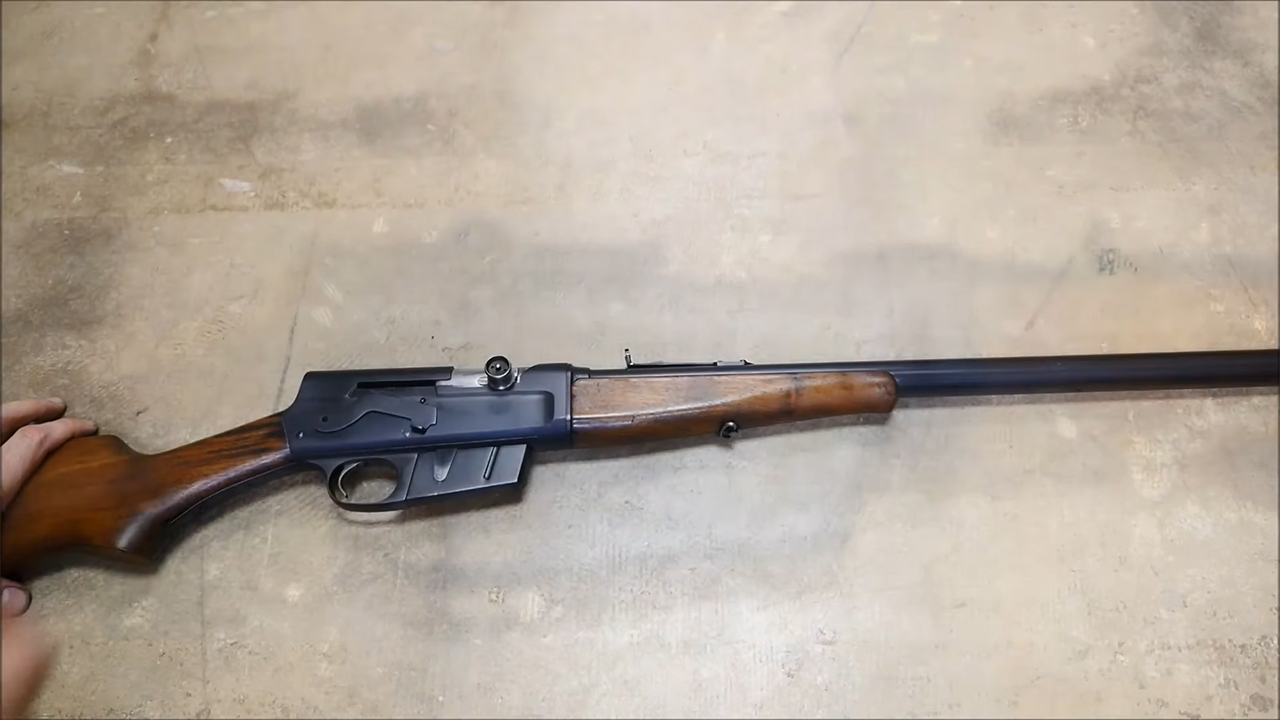
The Model 8 deserves a much bigger place in conversations about early American semiautomatic rifles. John Browning’s long-recoil design gave hunters a self-loading centerfire rifle at a time when that was still a genuinely radical concept.
Its age and appearance make modern shooters overlook how important it was. The rifle was mechanically complex compared with a bolt action, but it offered fast follow-up shots in serious hunting cartridges decades before semiautomatic deer rifles became common. It is easy to think of semi-auto hunting rifles as a postwar development, but the Model 8 proves otherwise. Historically and mechanically, it deserves much more attention.
Remington Model 81 Woodsmaster

The Model 81 refined the earlier Model 8 concept and remained a serious semiautomatic hunting rifle for decades. It was offered in substantial cartridges and built around a long-recoil system that could handle real big-game work.
The rifle eventually disappeared as newer autoloaders became lighter, cheaper, and easier to scope. That is understandable, but it also caused the 81 to fade from everyday conversation more than it deserved. The rifle has real mechanical character, excellent historical significance, and enough practical capability that it was not merely a curiosity. If more shooters had experienced one before the market moved on, the model might be remembered far more fondly.
Winchester Model 1907
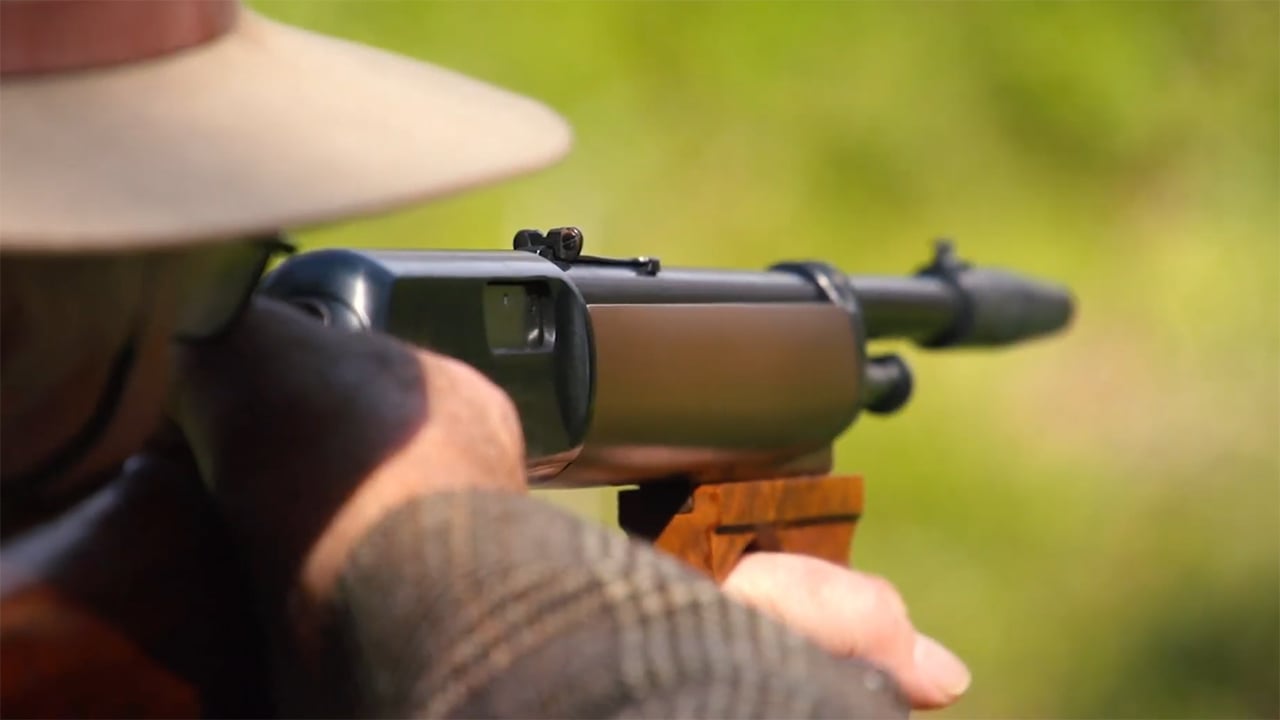
The Model 1907 was another early semiautomatic centerfire rifle that arrived far ahead of the modern carbine boom. Its blowback action and detachable magazine gave shooters a fast-handling rifle chambered for the .351 Winchester Self-Loading cartridge.
The unusual cartridge ultimately became part of the problem. Once ammunition support faded, the rifle’s practicality collapsed with it. But in concept, the Model 1907 was remarkably forward-looking: compact, semiautomatic, box-magazine fed, and built around quick handling. Those are exactly the qualities that made later carbines enormously popular. The design deserved a longer legacy than its obsolete chambering allowed.
Ruger Deerfield Carbine

The Deerfield Carbine gave hunters a compact semiautomatic .44 Magnum rifle with rotary-magazine feeding and an action designed specifically around a useful woods cartridge. It was short, handy, and genuinely well suited to thick-cover deer hunting.
Its production life was relatively short, and the market never fully embraced it. That seems strange now because pistol-caliber and straight-wall hunting rifles have become more popular again. The Deerfield already offered many of the qualities people currently want: manageable recoil, quick follow-up shots, compact size, and enough power for close-range deer. It may simply have arrived at the wrong moment.
Winchester Model 100 Carbine
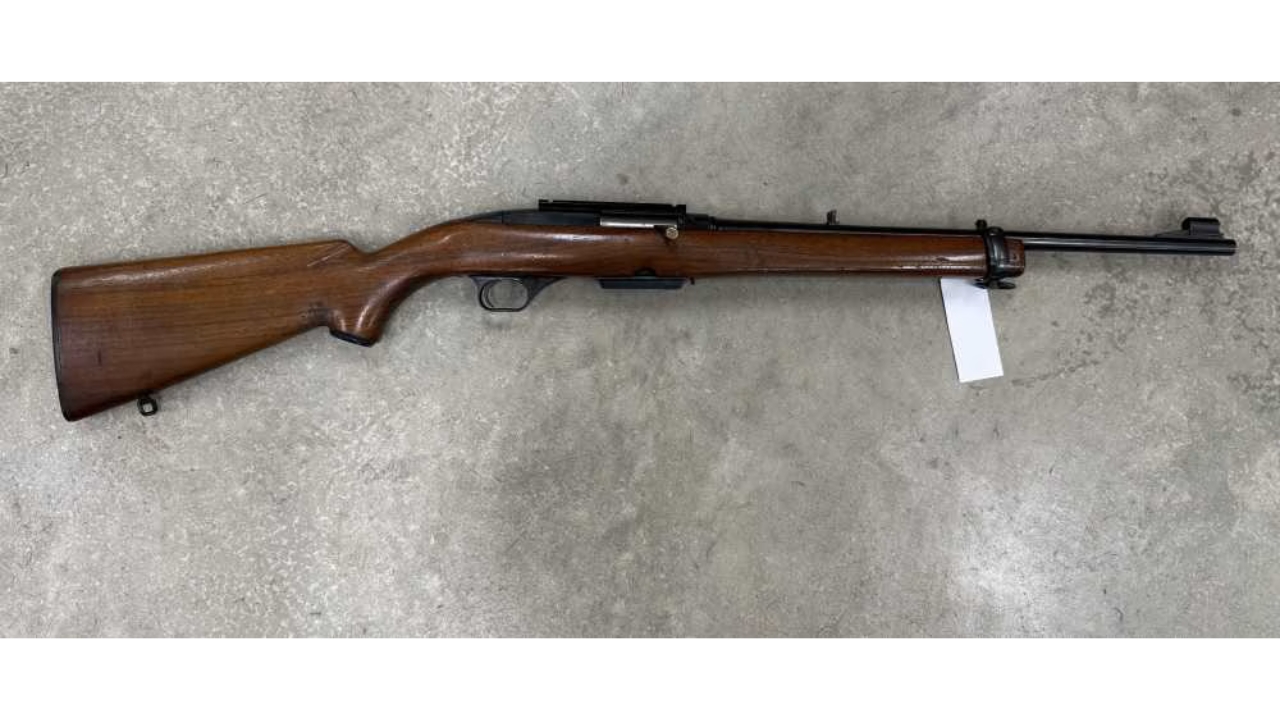
The Model 100 Carbine offered a compact semiautomatic hunting rifle in serious centerfire chamberings while keeping the traditional look hunters expected. It handled quickly and was much more elegant than many later autoloaders.
The model’s recall history and aging parts supply hurt its reputation, but the basic idea was excellent. A slim, traditional semiautomatic deer rifle with a detachable magazine still makes sense today. If the platform had continued evolving with better materials and updated internal components, it could have remained a strong competitor. The carbine version especially deserved a longer life because it was genuinely handy in the woods.
Browning Double Automatic
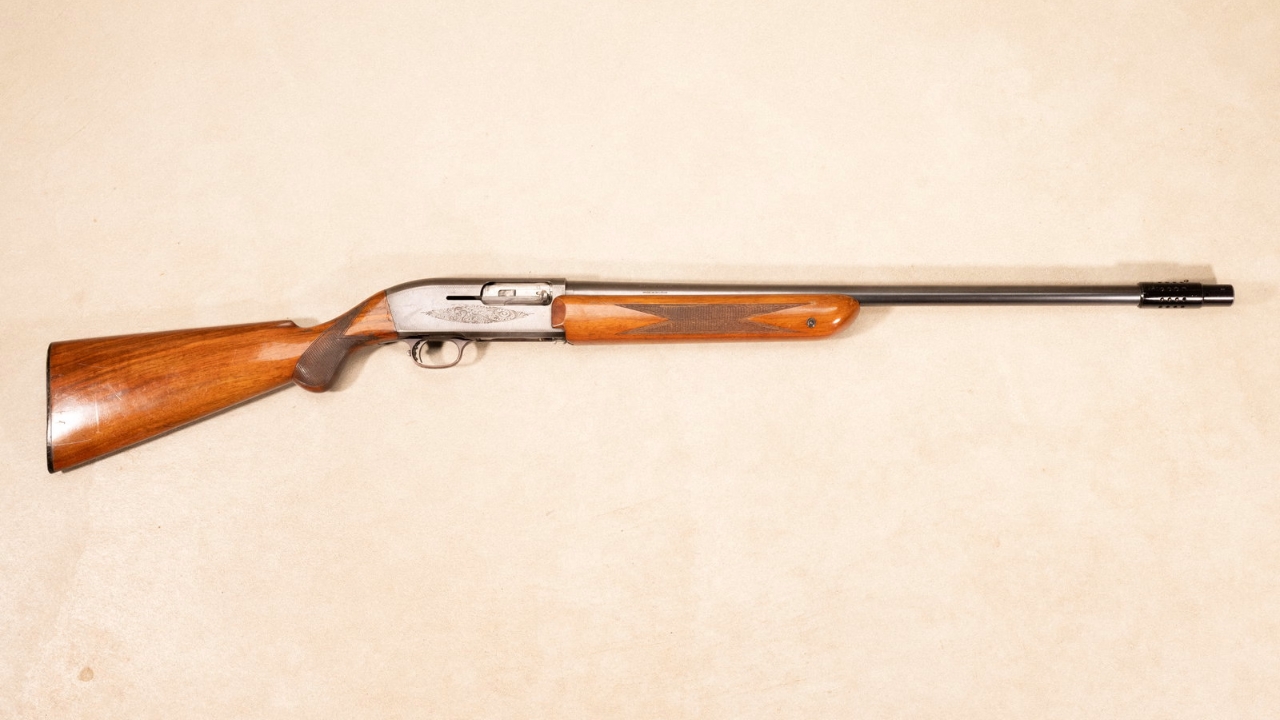
The Double Automatic is technically a shotgun, so it does not belong here. A better fit is the Browning BAR ShortTrac, one of the handiest versions of Browning’s semiautomatic hunting rifle.
The ShortTrac took the proven BAR concept and shortened the action around short-action cartridges, which reduced some of the bulk associated with traditional BARs. It carried better, handled faster, and still gave hunters the soft recoil and quick follow-up shots that made the platform famous. It never generated the same recognition as the larger BAR variants, but for ordinary deer cartridges it may have been the more sensible rifle.
Heckler & Koch SL6
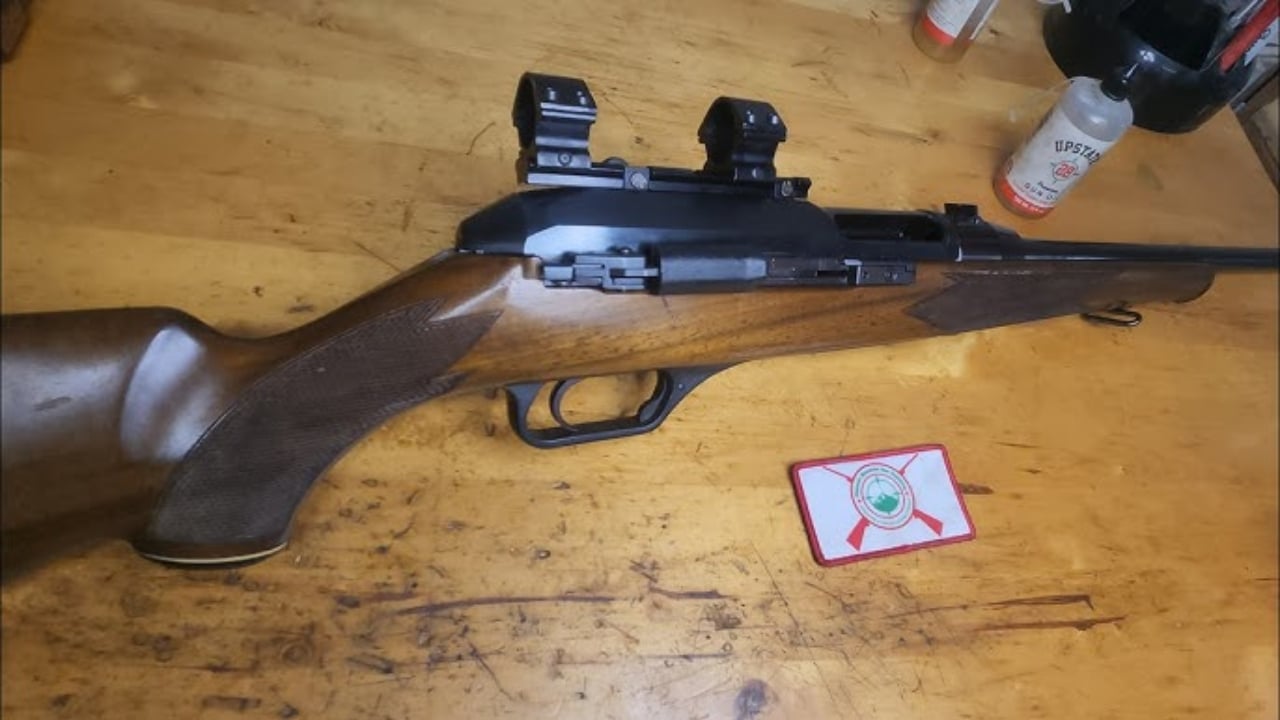
The SL6 is one of the lesser-known civilian HK rifles, chambered in .223 and built around a roller-delayed operating system. It has the sort of machining and mechanical refinement associated with older Heckler & Koch sporting firearms.
Its styling and limited availability kept it from ever becoming mainstream in the United States. It also arrived before the American market became obsessed with modular semiautomatic rifles. That left the SL6 as an expensive oddball rather than a serious competitor. Mechanically, though, it was beautifully made and remarkably smooth. It deserved more recognition than it received.
Heckler & Koch SL7

The SL7 took the same basic concept into .308 Winchester, creating a substantial semiautomatic sporting rifle with roller-delayed operation and traditional furniture. It is heavy, but that weight and action make recoil feel very manageable.
Like the SL6, it never fit neatly into the American market. It was too expensive and unusual to compete with ordinary hunting rifles, while the traditional stock kept it from attracting military-rifle enthusiasts. That awkward positioning hurt it badly. The rifle itself was extremely well built and capable. It simply landed between categories that buyers already understood.
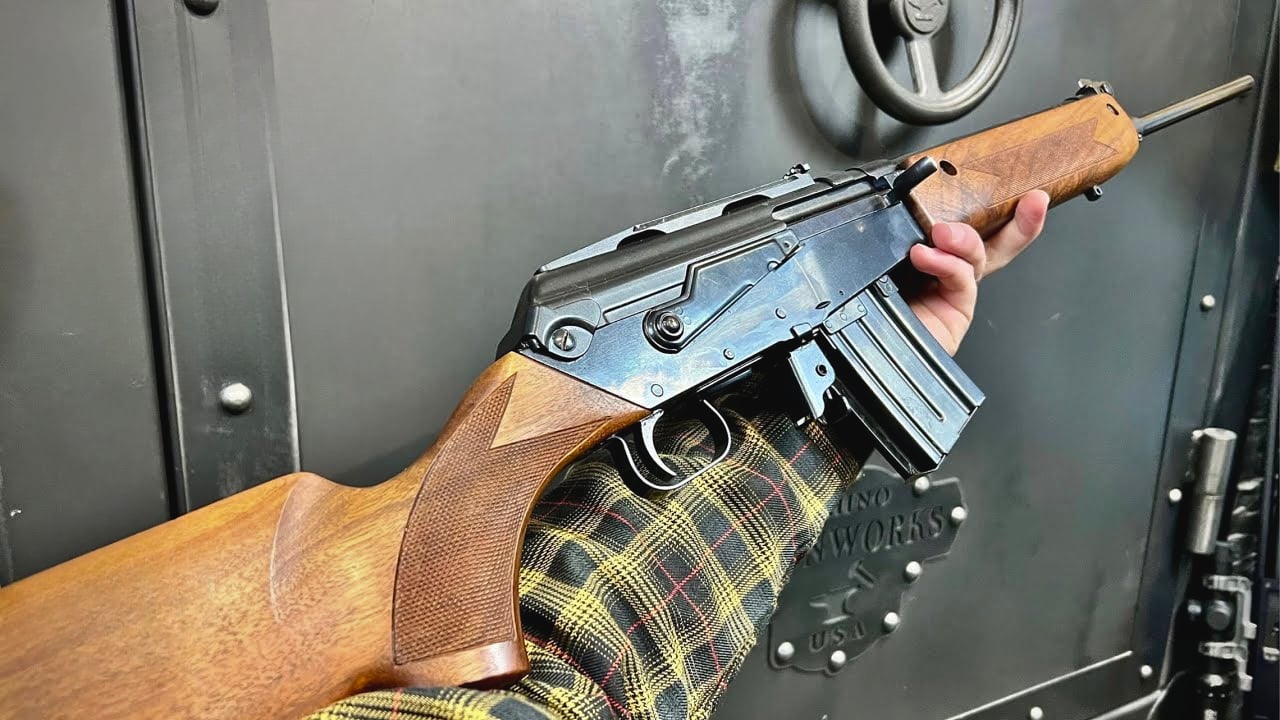
Valmet Hunter
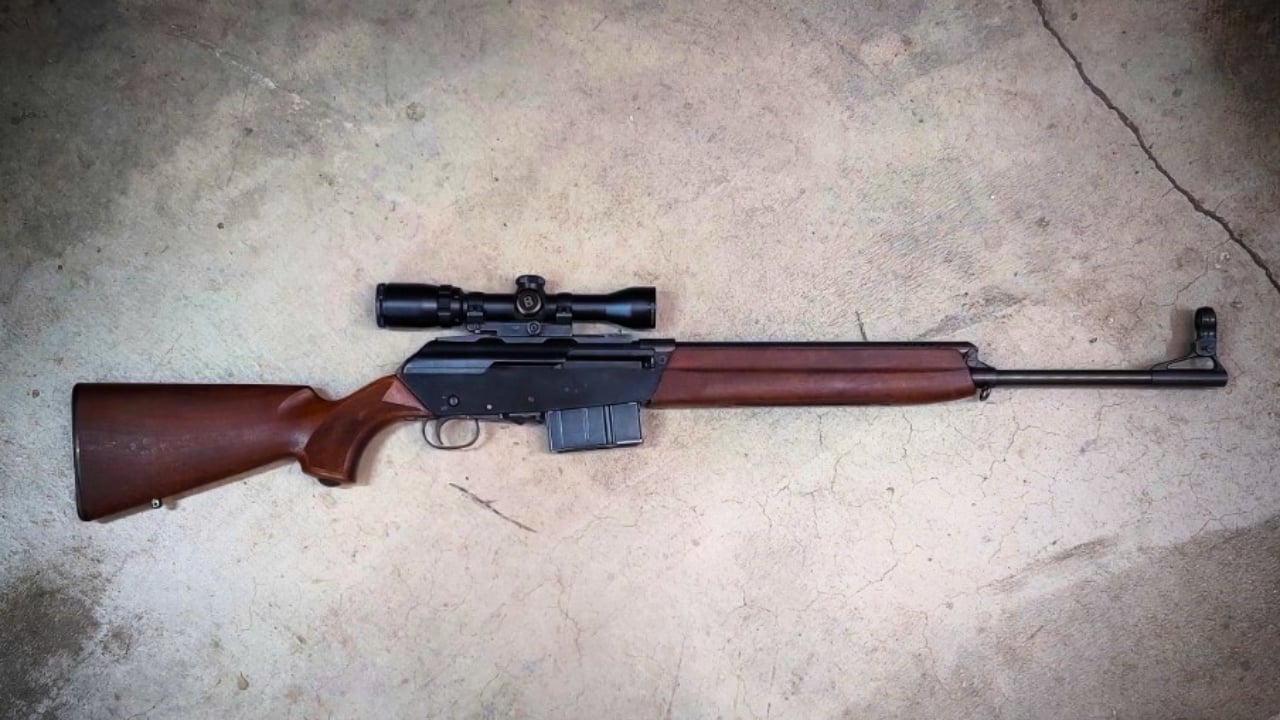
The Valmet Hunter took the proven AK-style action and dressed it in a much more traditional sporting-rifle package. That gave hunters legendary mechanical reliability without the military appearance that defined most Kalashnikov-pattern rifles.
It never became common in the United States, partly because imported Valmets were expensive and limited. That is unfortunate because the Hunter showed how adaptable the AK operating system could be. With better availability and lower pricing, it might have developed a strong following among hunters who wanted a rugged semiautomatic rifle without tactical styling.
Benelli MR1

The MR1 used Benelli’s ARGO gas system in a 5.56 carbine, essentially bringing technology related to the company’s M4 shotgun into a rifle platform. It was reliable, compact, and mechanically different from the flood of AR-15s surrounding it.
That difference was not enough to overcome the rifle’s price and proprietary nature. Buyers could get cheaper ARs with endless magazines, triggers, rails, and replacement parts. The MR1 therefore became a difficult sell despite being a competent rifle. It deserved more attention simply because it offered a genuinely different operating system instead of repackaging the same AR formula again.
FN FNAR

The FNAR was built around the Browning BAR action but pushed the concept toward precision semiautomatic shooting. Heavy barrels, detachable magazines, adjustable stocks, and solid accuracy gave it capabilities far beyond the traditional deer-rifle BAR.
The rifle suffered because it arrived in a market increasingly dominated by AR-10-style platforms. The FNAR was accurate and reliable, but it lacked the modularity and broad parts compatibility buyers expected from a modern .308 semiauto. That overshadowed how well the rifle actually performed. For someone who cared more about shooting than customizing, the FNAR was better than its modest popularity suggested.
Remington R-15
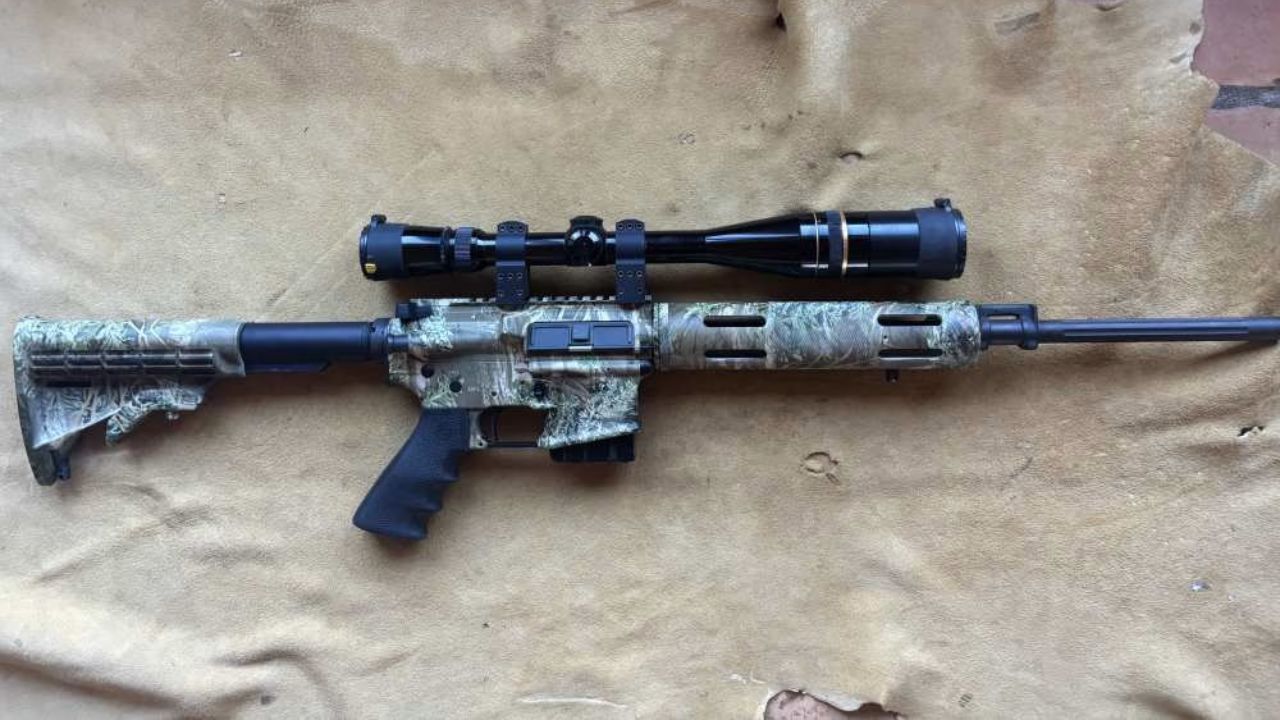
The R-15 was essentially Remington’s attempt to package an AR-style rifle specifically for predator and varmint hunters. Camouflage finishes, hunting-oriented configurations, and chamberings such as .223 and .204 Ruger made the intended audience obvious.
It never fully escaped the perception that it was just another AR with hunting cosmetics. That criticism missed the point. At the time, many hunters still viewed black rifles as something separate from traditional sporting firearms. The R-15 helped bridge that gap. Today, hunting with ARs is completely normal, which makes the R-15 look more influential in hindsight than it seemed during production.
Ruger SR-556

The SR-556 arrived during the first big wave of premium piston ARs. Ruger gave it an adjustable gas system, quad rail, folding backup sights, and a level of factory equipment that made the rifle feel ready for hard use right out of the box.
It was also heavy and expensive, and the market eventually moved away from piston ARs as direct-impingement systems continued proving themselves. The SR-556 therefore faded much faster than Ruger probably expected. Still, it was a robust, well-equipped rifle with thoughtful gas adjustment and strong construction. It deserved more respect than simply being remembered as a heavy piston AR.
Browning BAR LongTrac

The LongTrac modernized the BAR platform with lighter styling and a receiver designed around longer cartridges. It kept the soft-shooting gas system but made the rifle look and feel more contemporary than the older Safari models.
It never developed much of an identity of its own because hunters still tended to refer to every version simply as a BAR. That is unfortunate because the LongTrac offered a useful balance of hunting ergonomics, fast follow-up shots, and manageable recoil. It was not revolutionary, but it was a very sensible evolution of a proven semiautomatic hunting rifle. It deserved to be remembered as more than just another BAR variation.
Like The Avid Outdoorsman’s content? Subscribe to our newsletter so you never miss an article.
Here’s more from us: