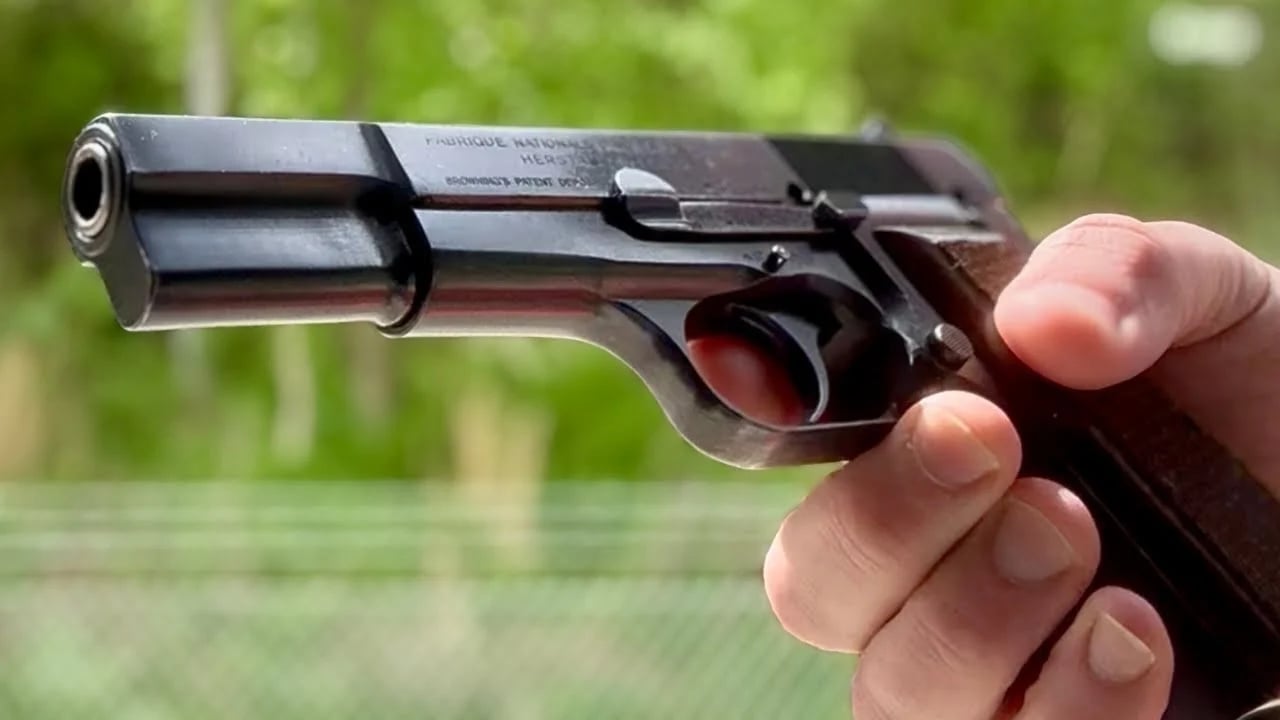
Photo credit: CornFromAJar/YouTube
Every once in a while you pick up a gun and you can just tell it was built in a time when failure wasn’t an option. Maybe it was meant for a muddy trench, a saddle scabbard, a cruiser rack, or a remote camp where “running to the shop” is a two-hour drive. These are the firearms that weren’t designed to win a beauty contest or chase the newest trend. They were designed to keep working.
Some are heavy. Some are crude. A few are flat-out outdated. But they all share the same backbone: they were made for hard use by folks who expected a firearm to do its job with no drama. Here are 20 that fit that mold.
1. Winchester Model 1894
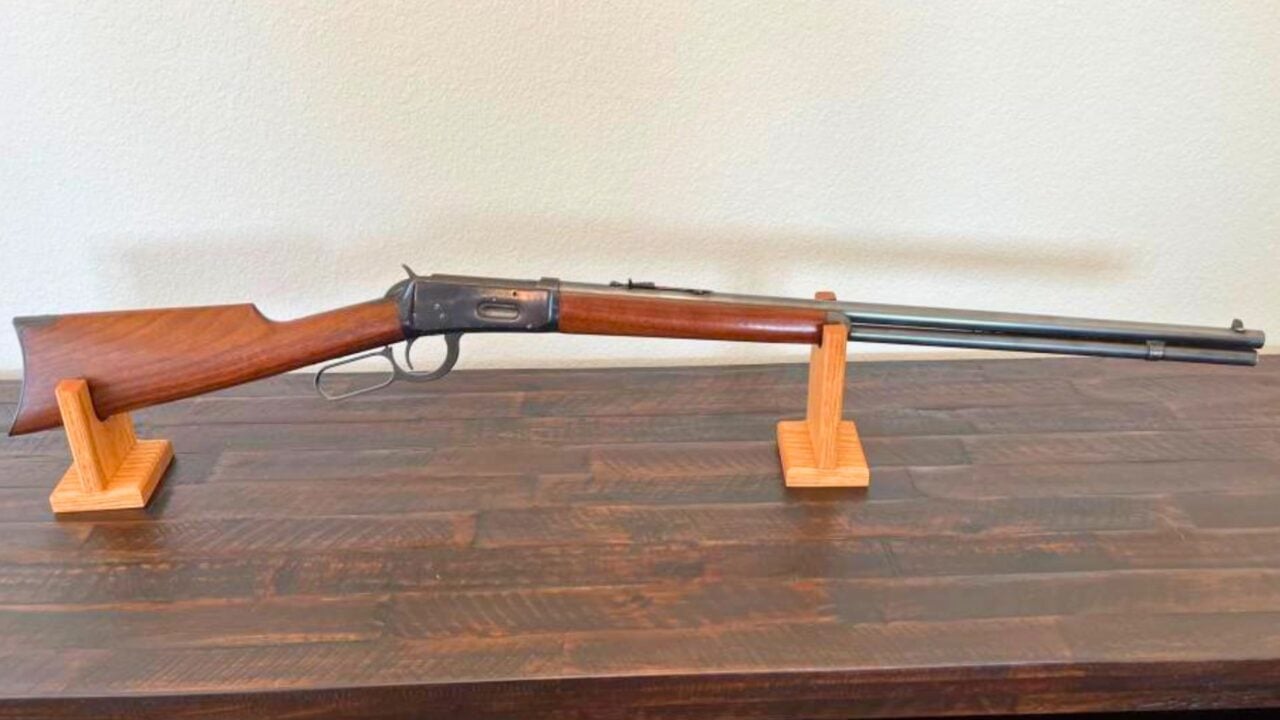
The 1894 is the kind of lever gun that got leaned in a corner behind a kitchen door and actually earned its keep. It carries easy, points fast, and in the woods it feels like an extension of your hands. There’s a reason it became a household name in deer camps for generations.
It’s not a long-range rig, and it’s not trying to be. In .30-30 especially, it’s a practical, meat-and-potatoes rifle that still makes sense when the shots are inside 150 yards and the weather is doing its worst.
2. Marlin 336

If you’ve ever hunted in wet timber where everything is either slick or gritty, the 336 starts to make a lot of sense. The side-eject design plays nicer with optics than some older lever setups, and the action has a solid, straightforward feel when it’s in good shape.
These rifles also tend to ride well in a truck or on an ATV without feeling delicate. They’re not fancy, and that’s kind of the point. A clean 336 is one of those guns I wouldn’t be quick to let go.
3. Springfield Armory M1 Garand
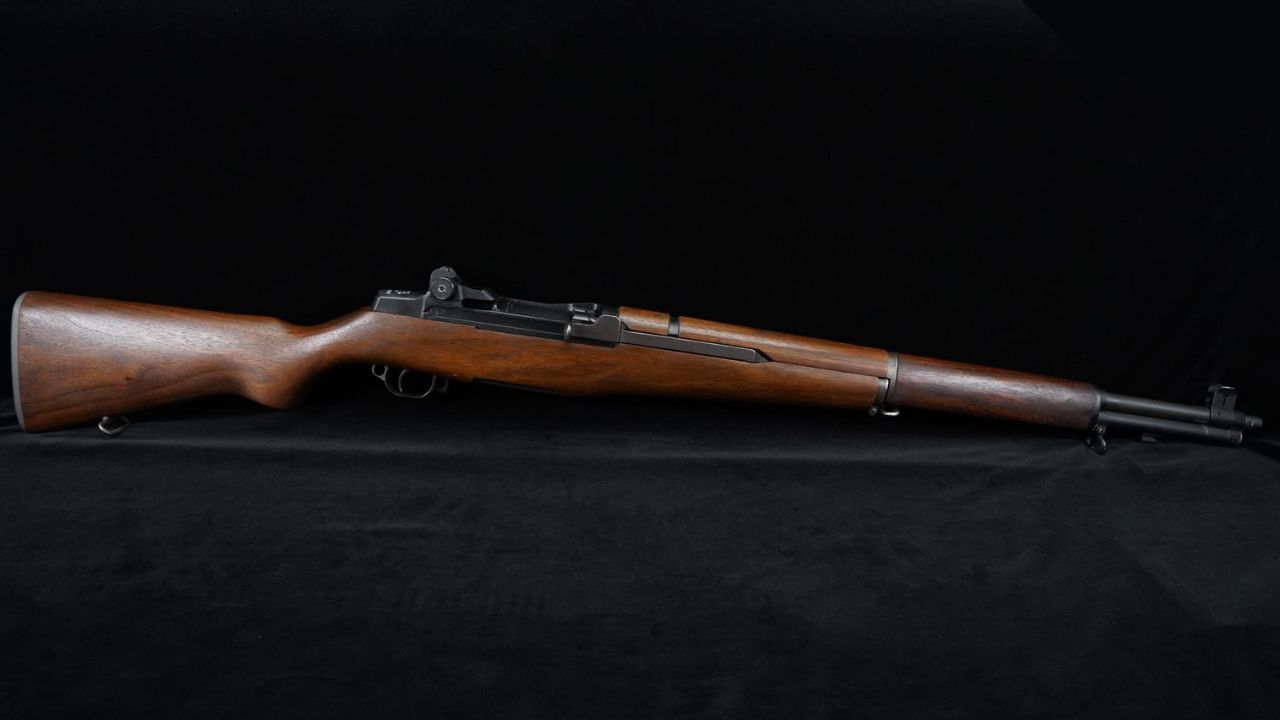
This is one of the clearest examples of a rifle made for a world that demanded reliability, durability, and real-world accuracy. It’s heavy, sure, but that weight is part of why it shoots as well as it does. The sights are still some of the best ever put on a battle rifle.
It’s not cheap to feed, and it’s not the simplest thing to maintain compared to modern rifles. Still, when you run one on the range and it’s humming, you understand why it earned its reputation the hard way.
4. Lee-Enfield No.4 Mk I
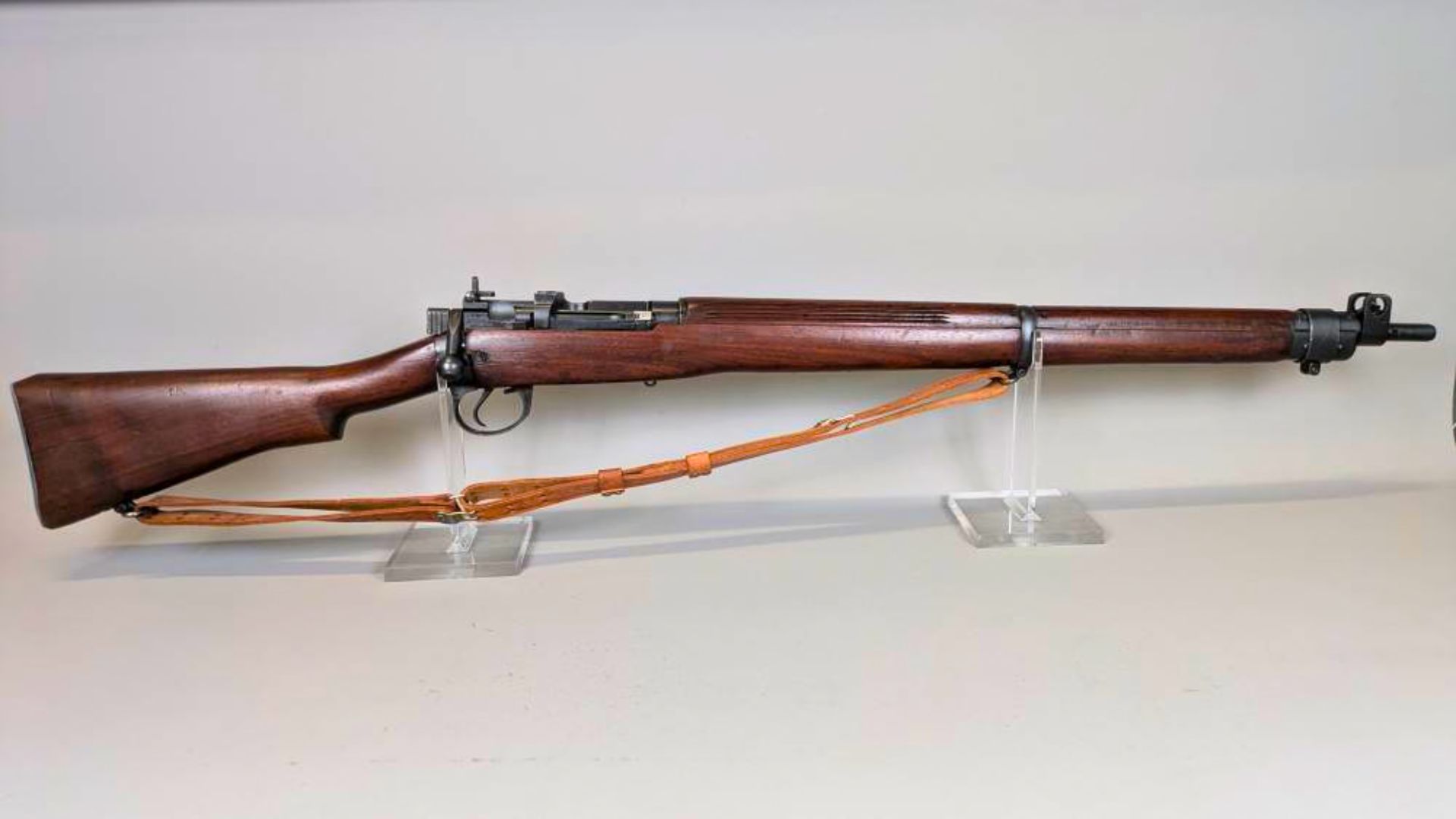
If you want to talk about “kept working” under ugly conditions, the No.4 Enfield belongs in the conversation. The action is famously fast, and it has that smooth bolt throw that makes you want to run it hard. Soldiers and hunters alike learned they could trust it.
They can be a little rough around the edges, and surplus rifles vary a lot. But a good one feels alive in the hands. It’s a practical rifle from an unromantic time.
5. Mosin-Nagant M91/30
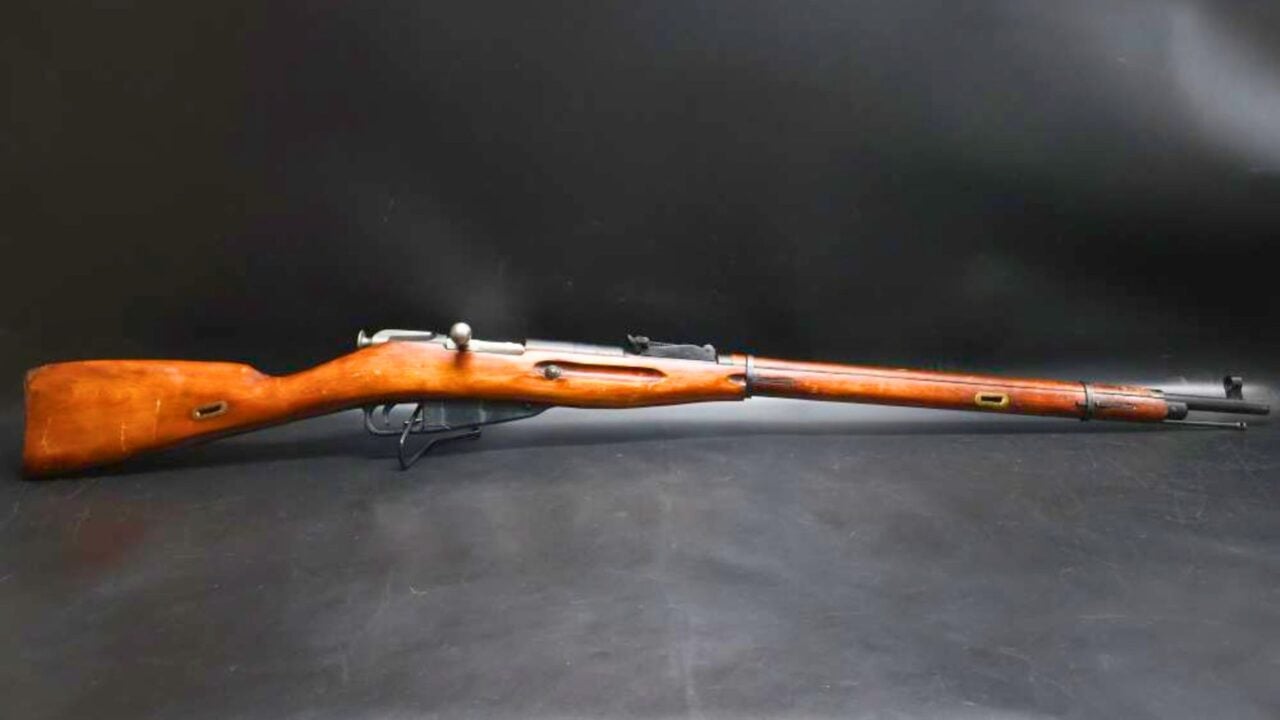
The Mosin is not refined. The trigger can be stiff, the bolt can feel like it’s dragging through gravel, and the recoil can get your attention. But it was built to be turned out by the millions and keep firing in conditions most of us would avoid.
As a hunting rifle it’s not my first pick, but as a “this will probably still go bang after falling in the snow” gun, it has earned that reputation. Just don’t confuse rugged with comfortable.
6. Mauser Gewehr 98 (and good 98-pattern actions)
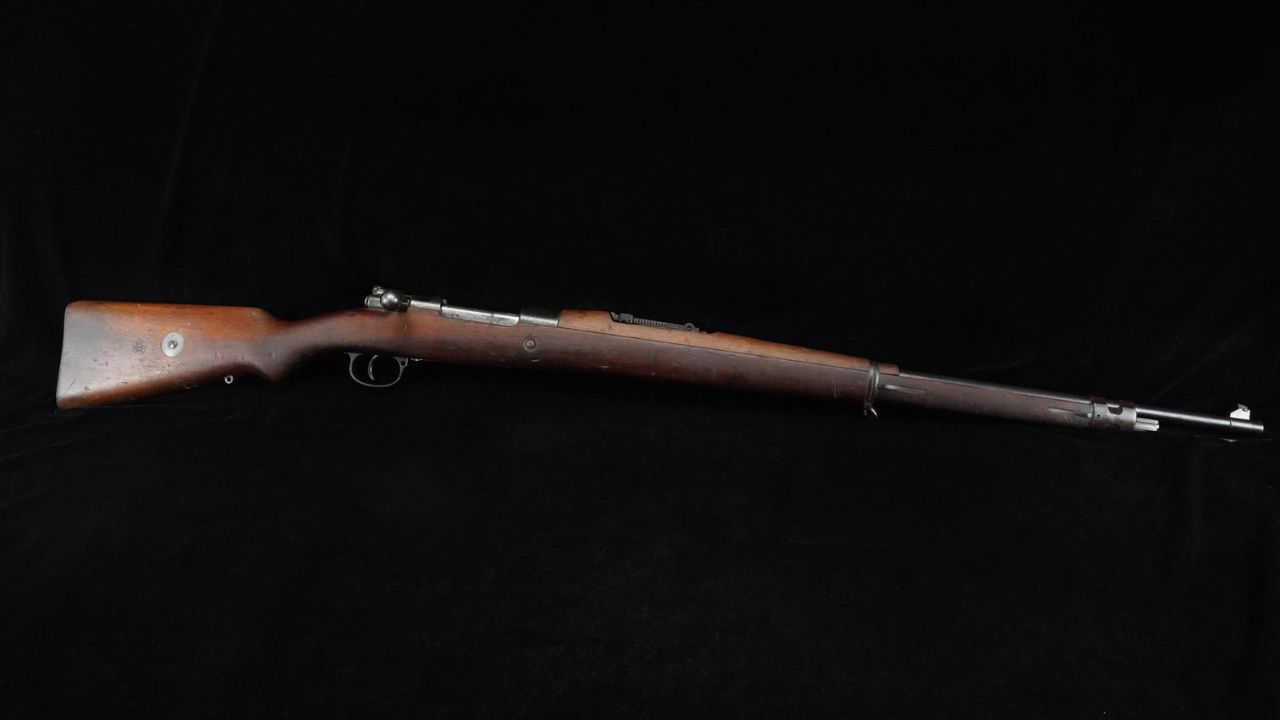
A strong 98-pattern Mauser action is the backbone of a lot of serious rifles for a reason. Controlled-round feed, big extractor, and that feeling of the bolt locking up like a bank vault. When it’s right, it’s right.
Plenty of sporter builds started life as military rifles, and some are better than others. But the core idea is simple: build it to feed and extract no matter what. In the field, that matters more than internet arguments.
7. Colt M1911A1
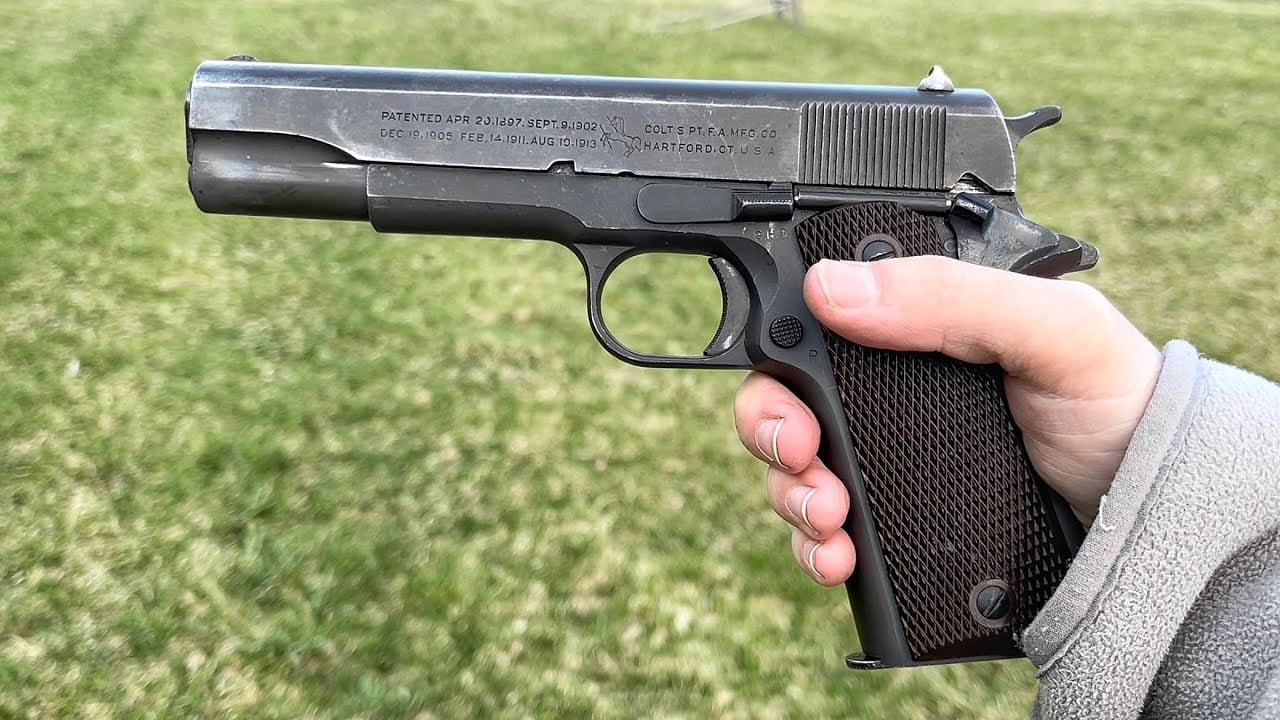
The 1911A1 is not a beginner’s pistol and it’s not maintenance-free. But it was built around real-world use, and in .45 ACP it has a steady push that many shooters manage well. The ergonomics still make sense a century later.
Where folks get burned is buying a cheap clone and expecting it to run like a duty gun. A solid one, though, is still a serious sidearm. There’s a reason it stayed in service so long.
8. Browning Hi-Power
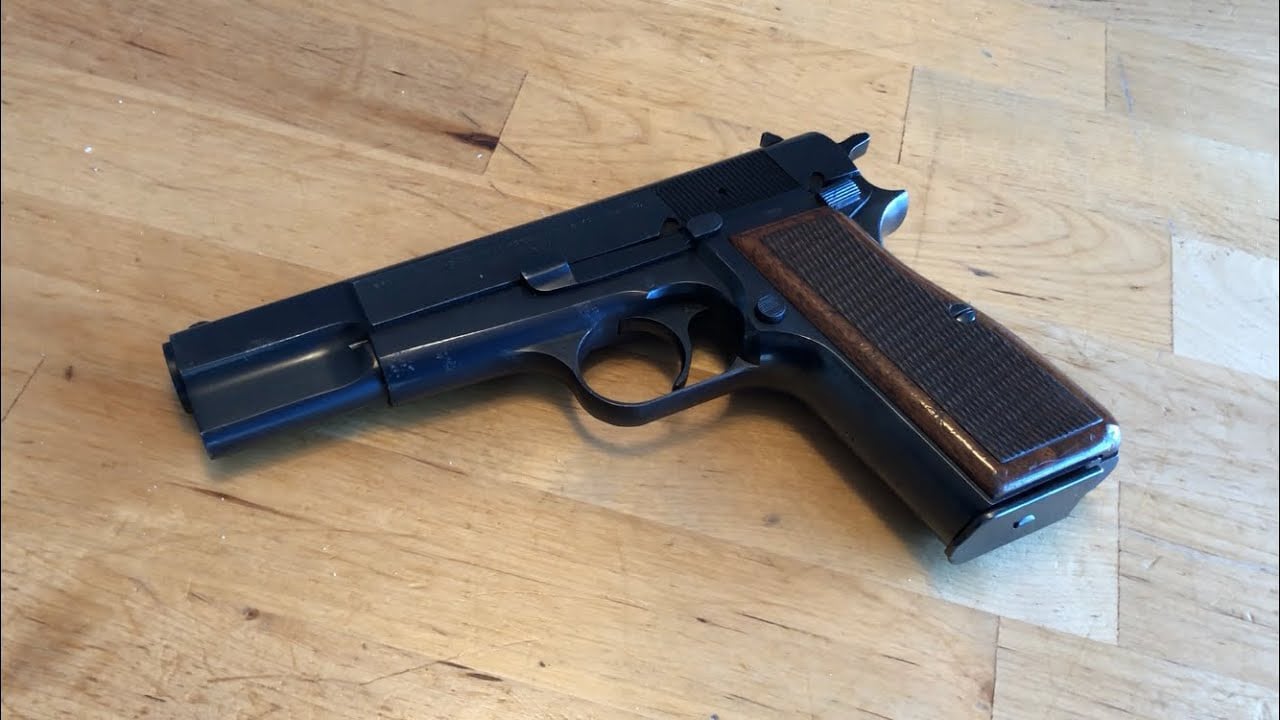
For a long time, the Hi-Power was the “serious 9mm” that bridged old-world craftsmanship with modern capacity. It feels slim, it points naturally, and it carries flatter than many double-stacks. If you’ve got hands that fit it, it’s hard not to like.
It has its quirks, and some versions have triggers that leave you unimpressed. But the overall design was meant for hard use, not range fashion shows.
9. Glock 17
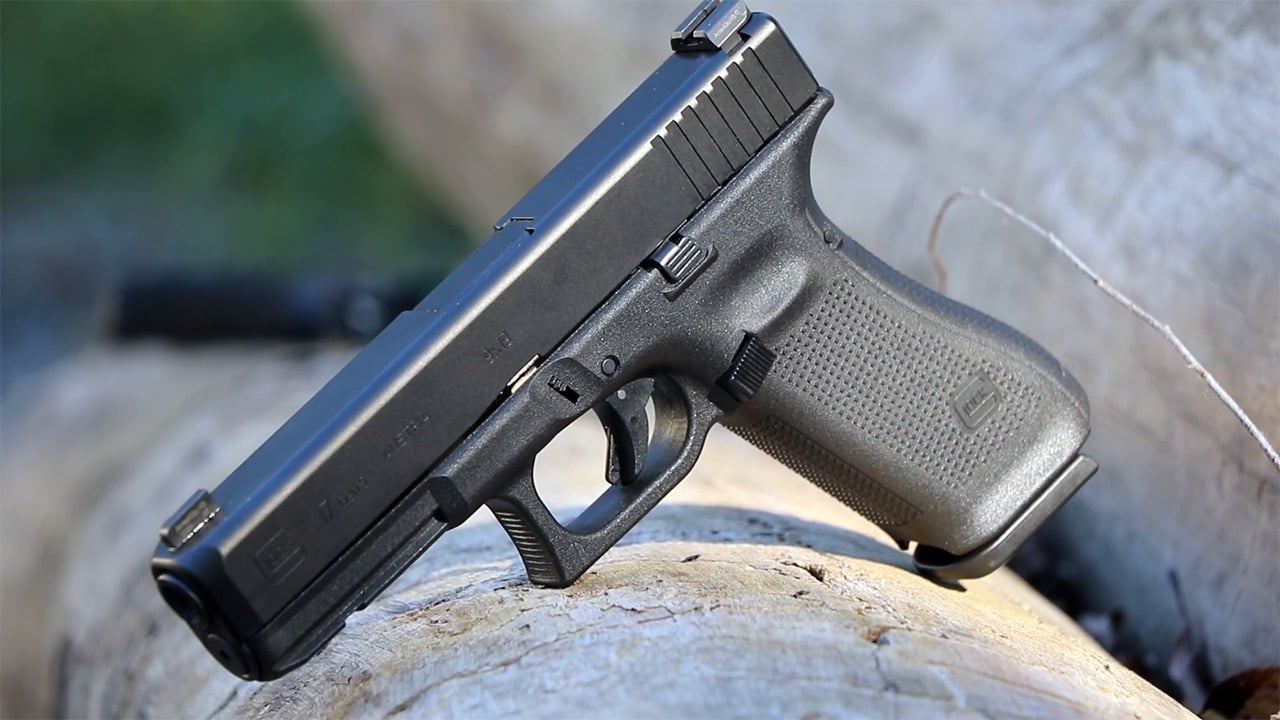
I know, it’s the obvious one. But there’s a reason the Glock 17 became the baseline for duty pistols: it runs. It’s not glamorous, the trigger is just “fine,” and the grip angle isn’t everyone’s favorite.
Still, magazines are everywhere, parts are everywhere, and you can beat one up for years and it keeps doing what it’s supposed to do. When the job is boring reliability, boring is good.
10. SIG Sauer P226
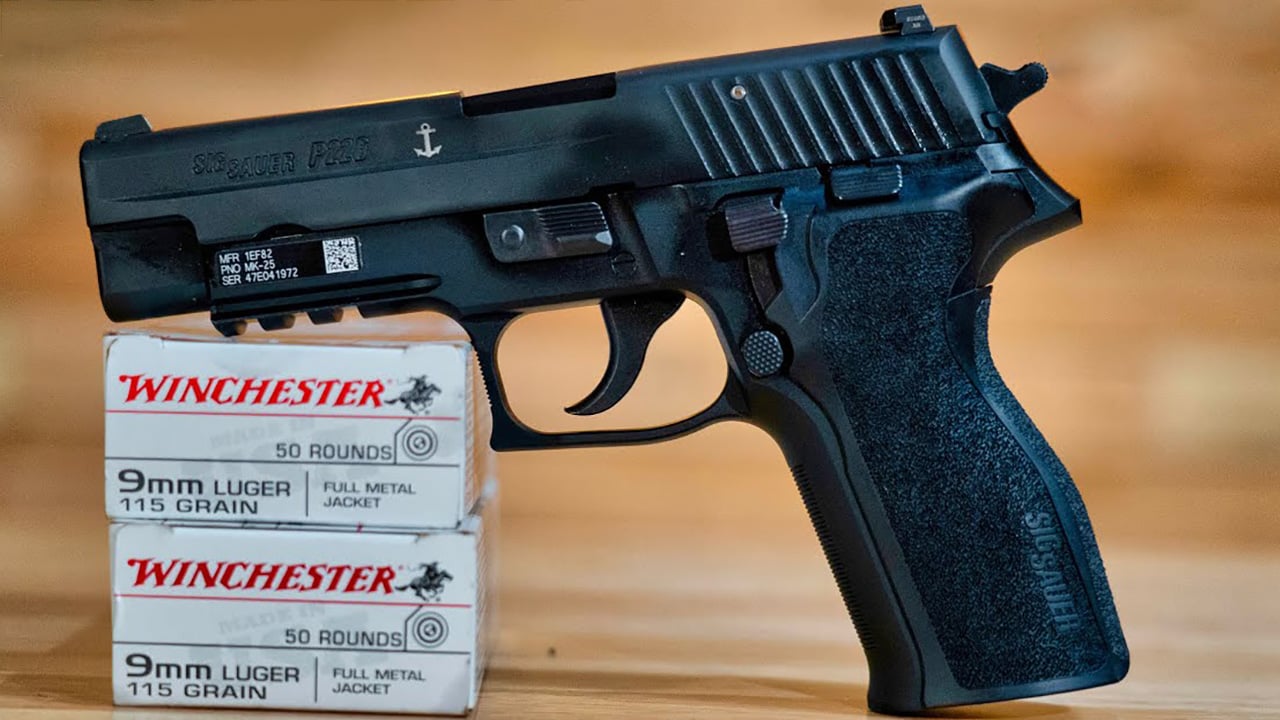
The P226 is what you get when you build a service pistol with the idea that it’ll see a lot of rounds and a lot of rough handling. It’s bigger than many carry guns, but it shoots soft and tracks well in recoil. The gun feels planted.
It’s not the cheapest to buy, and it’s not the lightest on the belt. But if you’ve ever watched one run through a high-round-count class without hiccups, you get it.
Free for gun owners: If something happened to you tomorrow, would your family know where the guns are, who has the safe combination, or what to do first? Our free Gun Owner’s Family Checklist walks them through it. It takes about 15 minutes to fill out. Get your free copy here.
11. Beretta 92FS

The 92FS is another one that was made to live a hard life. Big open slide, smooth cycling, and an easy-shooting personality that makes it friendly even for newer shooters. It’s long in the grip for some folks, but it balances well.
It’s also one of those pistols that seems to keep running when it’s dirty and dry longer than it should. I don’t love every control choice on it, but I respect what it was built to do.
12. Smith & Wesson Model 10
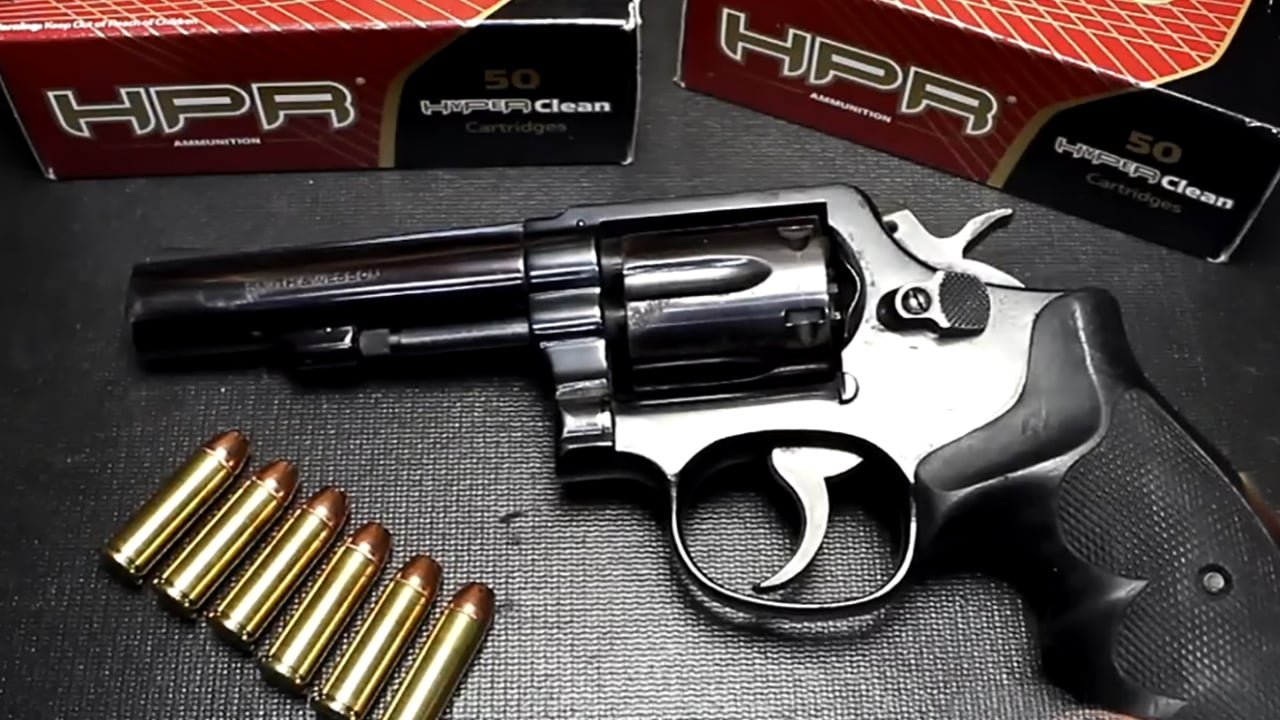
A good Model 10 is as straightforward as a claw hammer. Six rounds of .38 Special, a simple manual of arms, and a trigger that teaches you what “smooth” actually means. These rode in holsters for decades for a reason.
They’re not high-capacity and they’re not trendy, but they are dependable. For a glovebox gun on a ranch or a nightstand revolver for someone who will actually practice, they still make sense.
13. Ruger GP100
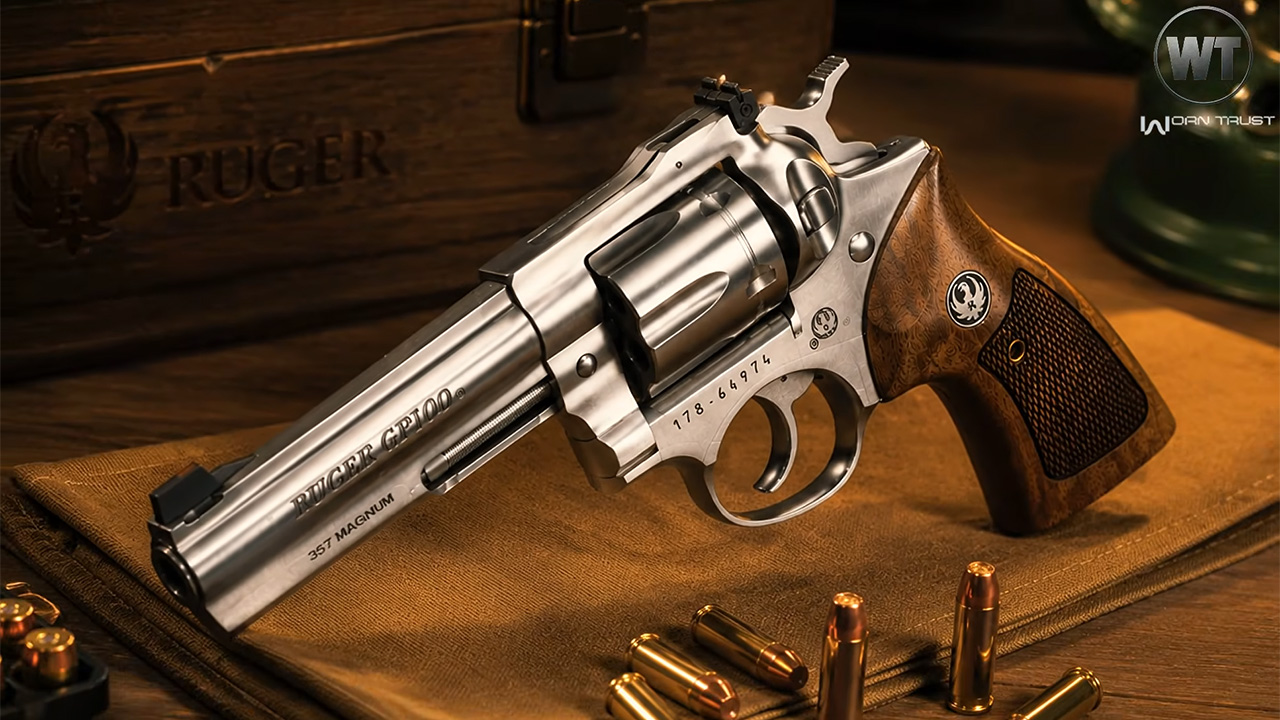
The GP100 is a revolver built with zero interest in being dainty. It’s thick where it needs to be thick, and it’ll digest full-house .357 loads without feeling like it’s getting battered. If you spend any time in bear country, that confidence matters.
It is heavier than some folks want to carry all day. But if you’re the type who would rather have “too much gun” than “just enough,” the GP100 has been a steady answer for a long time.
14. Ruger Blackhawk
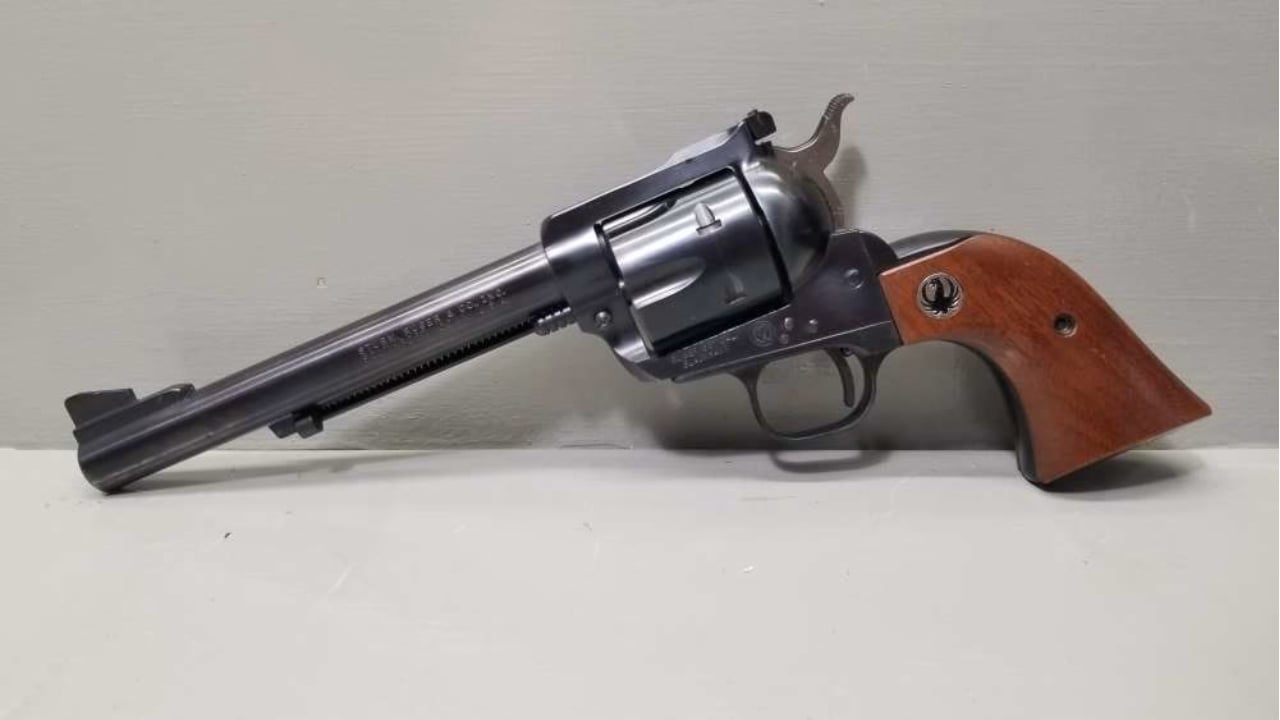
The Blackhawk is old-school tough. Single-action, simple, and strong, with a frame that was built for real shooting and real loads. It’s not a fast defensive gun, and it’s not pretending to be.
Where it shines is in that backcountry role: something you can live with, shoot well, and trust. There’s also something about a Blackhawk that makes you slow down and do it right.
15. Remington 870 Wingmaster
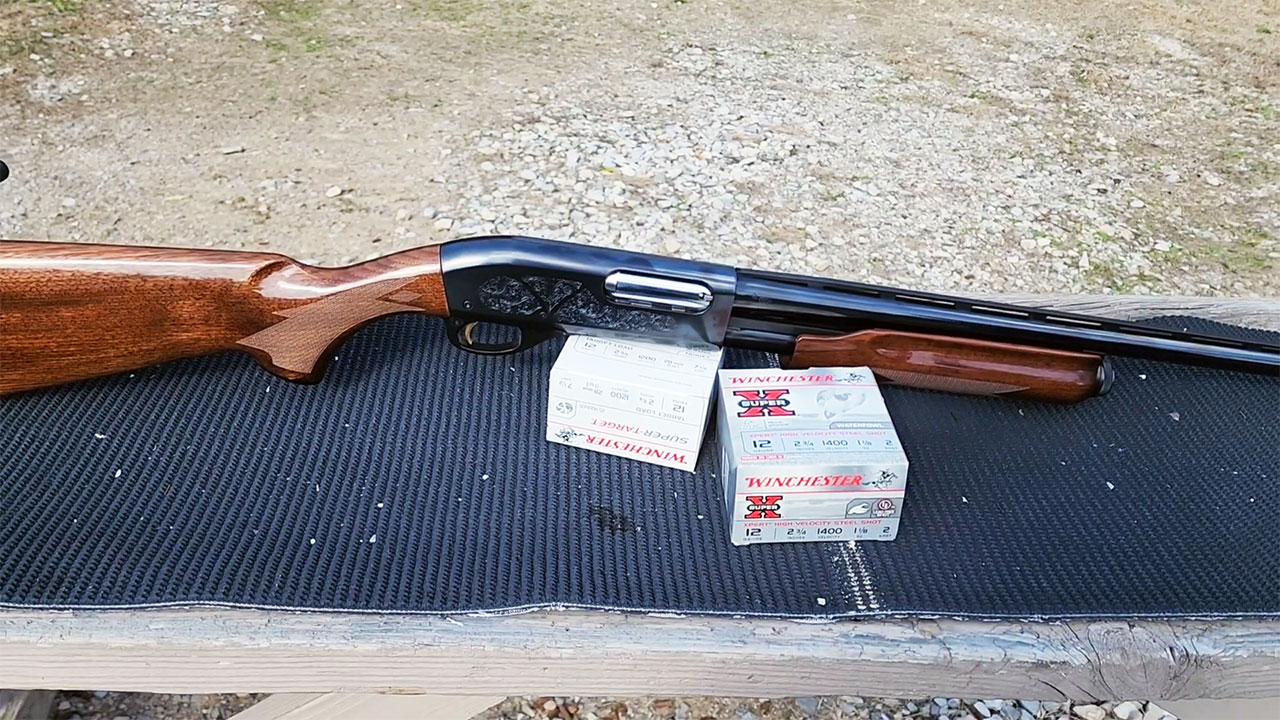
There are a lot of 870s out there, but the older Wingmasters have that slick, confident pump stroke that newer budget pumps sometimes can’t match. They were built to be run hard, put away wet, and brought back out when it mattered.
An 870 isn’t complicated, and it doesn’t need to be. For birds, buckshot, or a slug in thick cover, it’s a working shotgun. If you’ve got a good one, hang onto it.
16. Mossberg 500
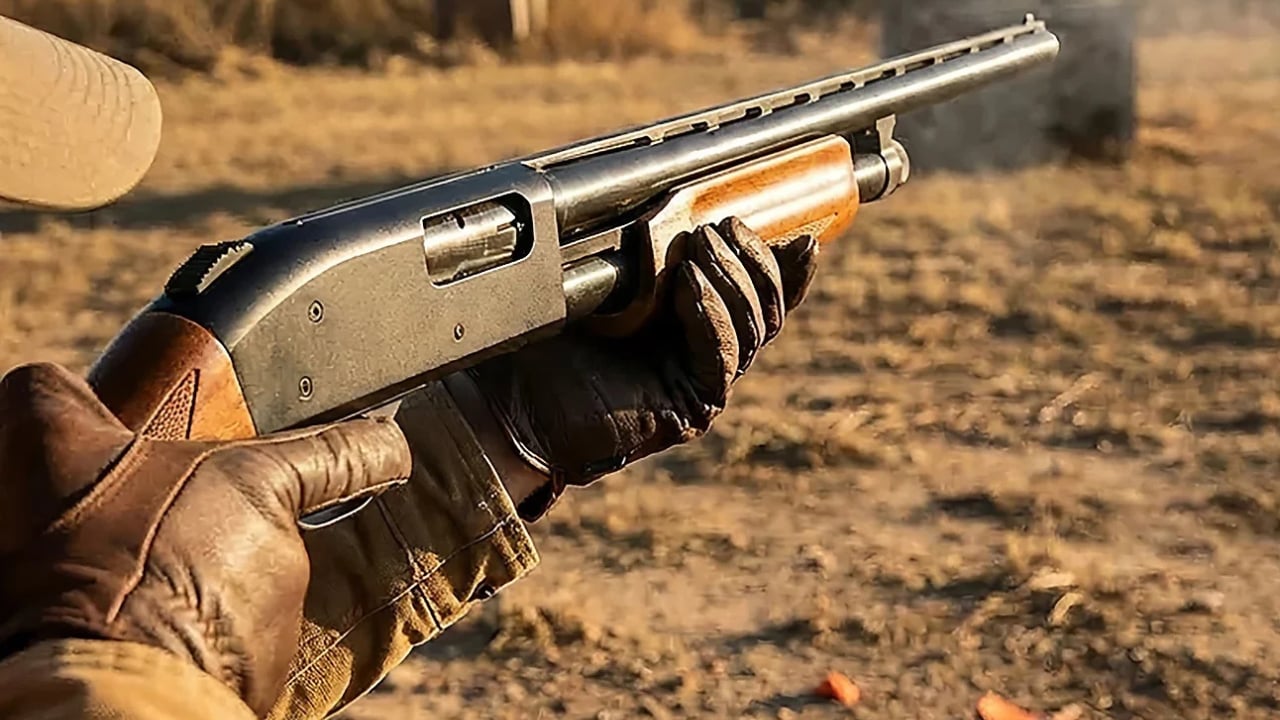
The Mossberg 500 has probably spent more time behind truck seats and in farm closets than it ever has in a safe. The tang safety is practical, the gun is easy to maintain, and it tends to keep going even when it isn’t treated like a prized possession.
It can feel a little rattly compared to some pumps, and that throws off folks who equate “tight” with “quality.” Out in the real world, loose doesn’t always mean weak.
17. Benelli M4
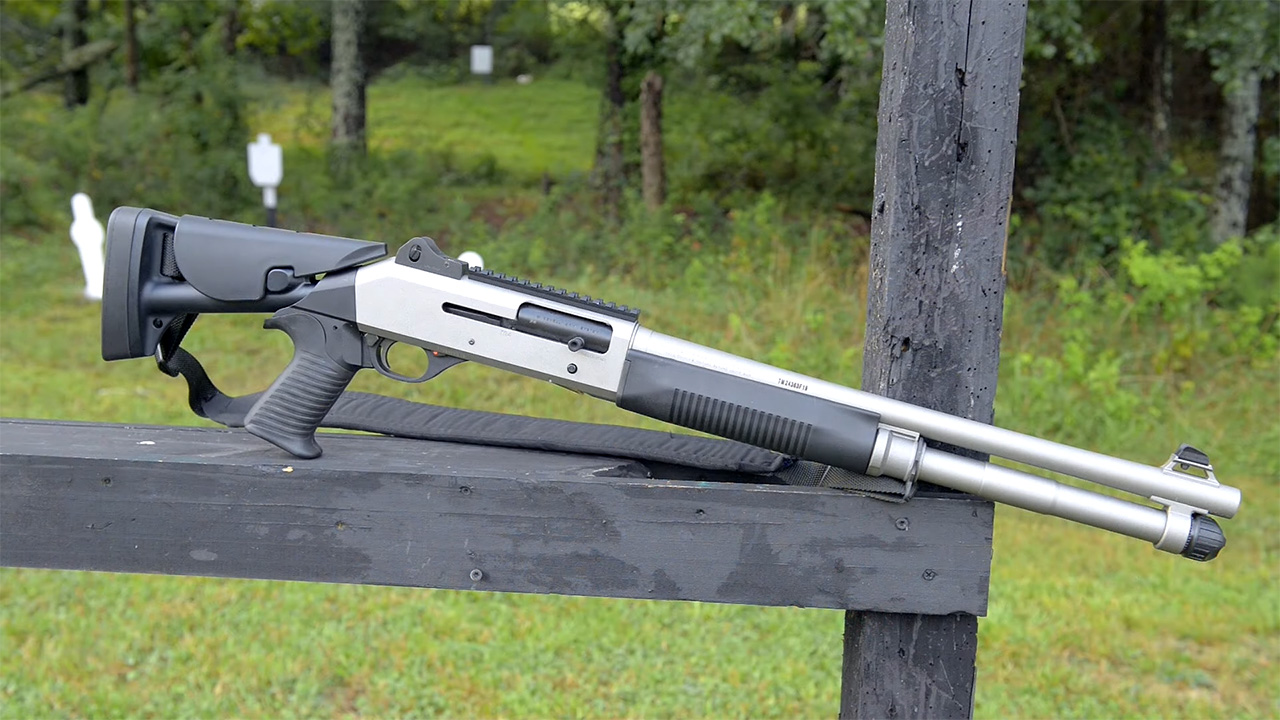
The M4 is what happens when you build a semi-auto shotgun around reliability first, not just speed. It’s not light, and it’s not cheap. But when you run it hard, it keeps cycling in conditions that make some gas guns start acting picky.
For most hunters, it’s more shotgun than you need. For a defensive shotgun that’s expected to work even when it’s neglected a little, it’s a serious piece of gear.
18. AKM (Kalashnikov Concern / Izhmash pattern rifles)

An AKM isn’t a precision rifle, and if you buy a questionable build you can end up with problems. But the basic pattern earned its name the hard way: simple, durable, tolerant of dirt and neglect. In ugly environments, that counts.
Magazines are common, parts are common, and the manual of arms is straightforward once you learn it. If you live where weather and dust are just part of the deal, the AK makes sense in a way that’s hard to explain until you’ve seen one keep running.
19. Colt M16A2 / AR-15 (mil-spec pattern rifles done right)

The AR platform gets treated like a fashion accessory sometimes, but the military pattern guns were built around a real requirement: accuracy, modularity, and dependable function when properly maintained. A plain-jane AR with good magazines is still hard to beat for practical use.
The key is “done right.” A bargain-bin rifle with mystery parts can turn your range day into a troubleshooting session. But a solid, mil-spec-minded setup is one of the most useful rifles a person can own.
20. Ruger 10/22
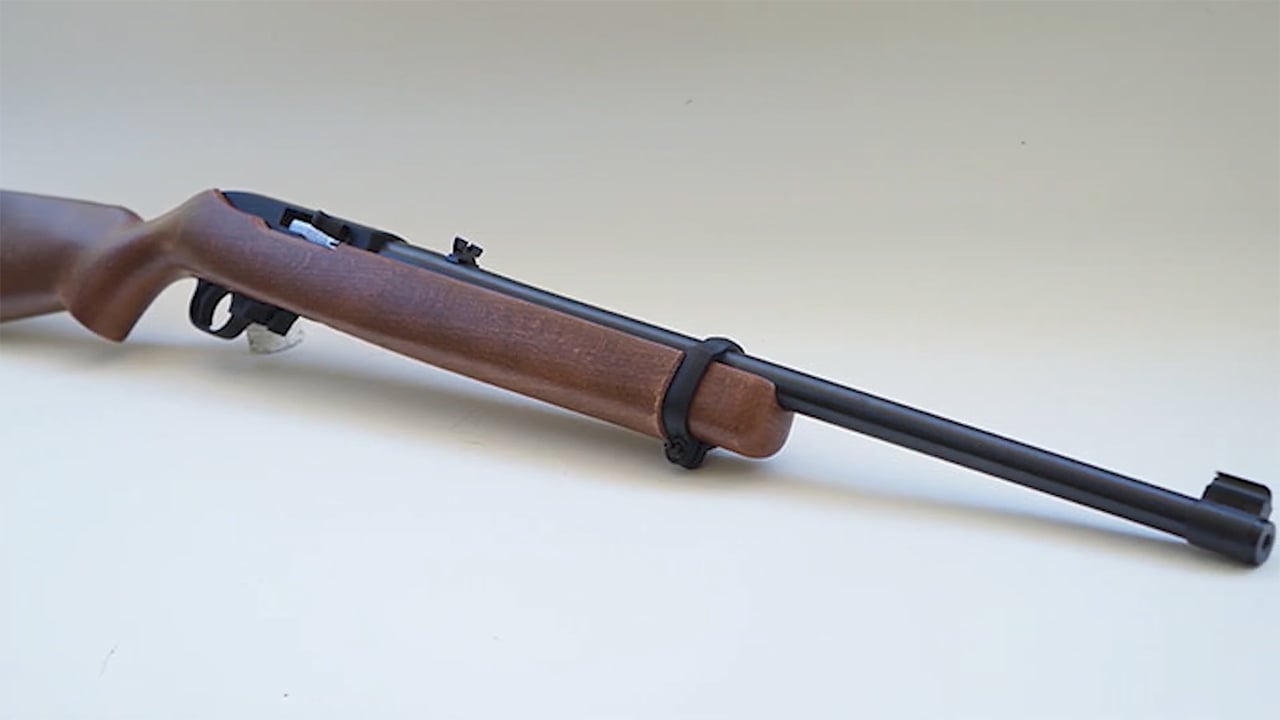
It feels almost silly putting a rimfire on a list like this, until you remember how much a .22 gets used around a farm or camp. The 10/22 is the gun that rides along for pests, plinking, and teaching new shooters without making everybody miserable. It’s handy, light, and it just works.
It’s also endlessly supportable. Magazines are everywhere, parts are everywhere, and even an older one is usually a quick clean away from being back in business. In a world where ammo costs what it costs, a dependable .22 is more “serious” than folks admit.
What all these guns have in common isn’t nostalgia. It’s purpose. They were built when the end user didn’t care about hype and the environment didn’t care about your excuses. If you’ve got one that runs, keep it running, feed it decent ammo, and don’t overcomplicate what already works.
Like The Avid Outdoorsman’s content? Subscribe to our newsletter so you never miss an article.
Here’s more from us: