Photo credit: Ballistik/YouTube.
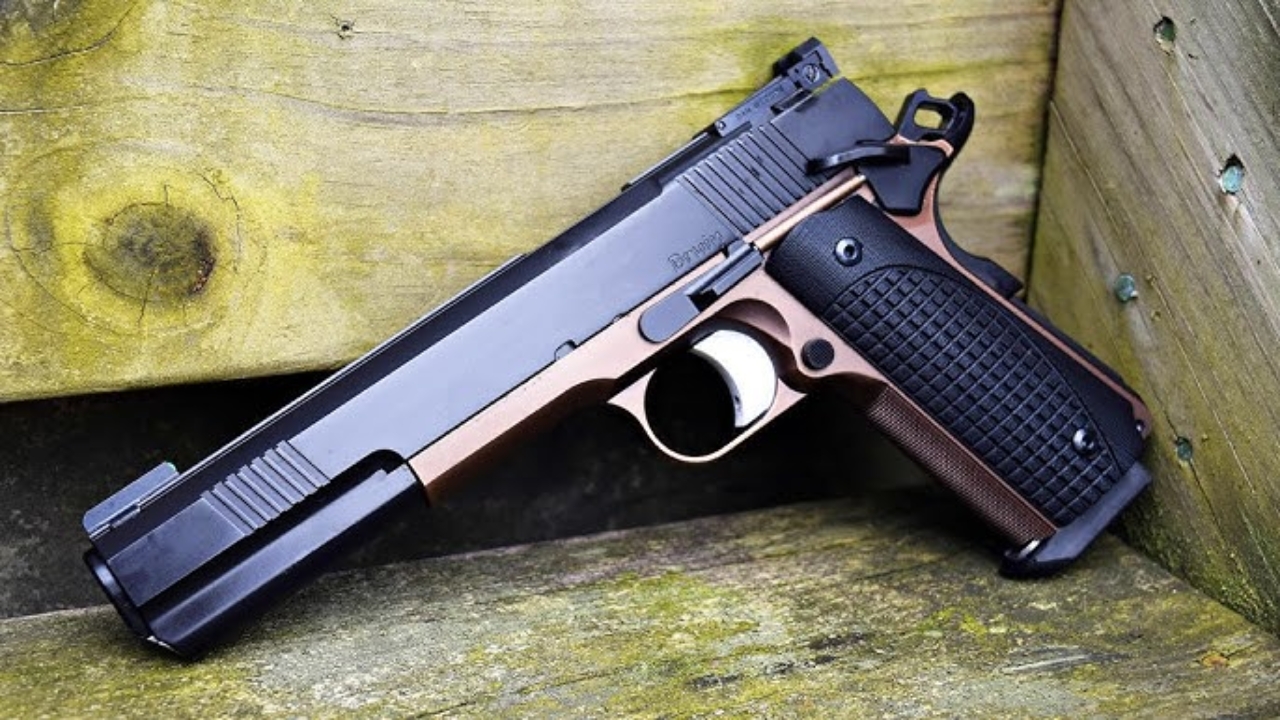
The 1911 has been around for well over a century, and most folks associate it with .45 ACP. But when you swap that for 10mm, things change—sometimes in a good way, sometimes not. You’re getting more power, sure, but you’re also pushing the platform harder than it was ever originally designed for.
Some shooters swear by 10mm 1911s, while others have had reliability headaches. So the real question is: can you trust one? Let’s look at what actually matters before you slap a 10mm mag into that single-stack frame.
10mm Packs a Punch—And That Matters
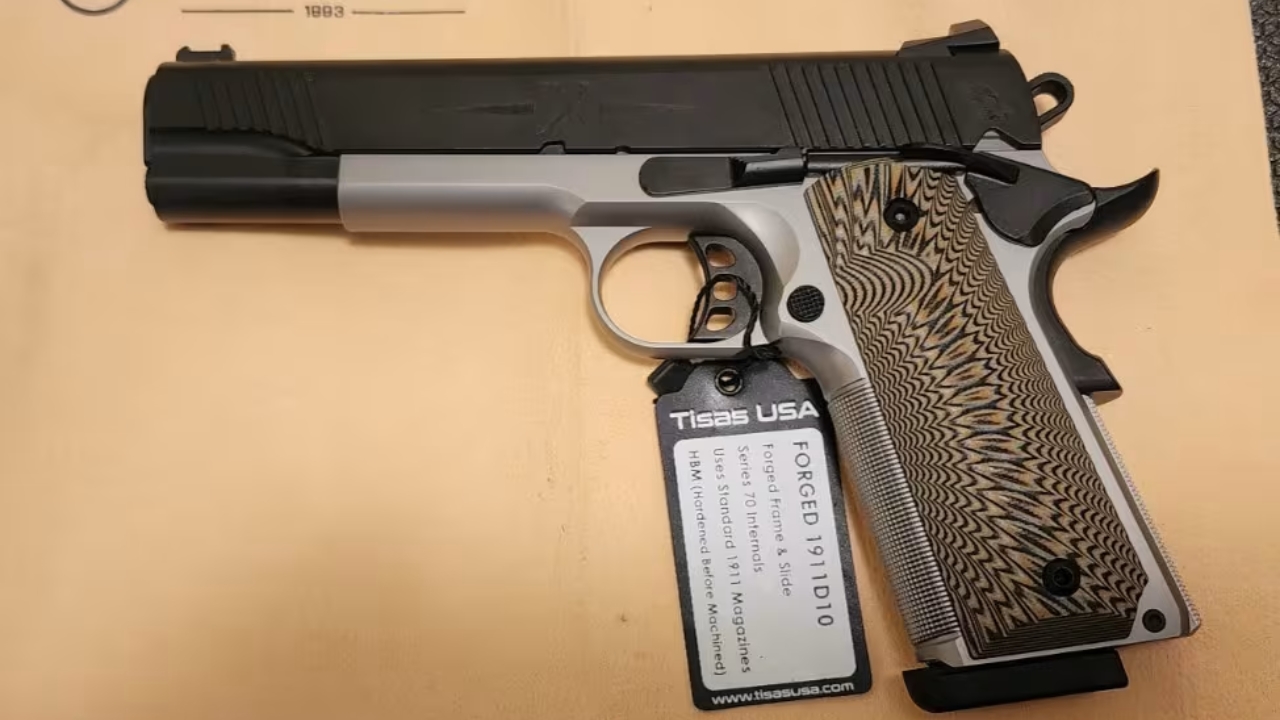
10mm isn’t some gentle target round. It runs hot and hits hard, which is why folks love it for woods carry or hunting backup. But that added power brings more stress to the slide, frame, and internals—especially in a 1911 platform that was originally built for lower pressures.
Some 1911s can absolutely handle it, but not all of them. You’ll want to make sure the gun is actually built for 10mm, not just converted. Otherwise, expect parts wear to show up faster than you’d like.
Not All 1911s Are Up to the Job

This isn’t like tossing a new caliber into your Glock. Some 1911 manufacturers cut corners when chambering for 10mm, using the same recoil springs or extractors they do for .45 ACP builds. That’s a problem waiting to happen.
If you’re going 10mm, stick to trusted builders who reinforce key parts—like using ramped barrels, heavy-duty recoil springs, and beefed-up frames. Otherwise, you might end up chasing malfunctions more than punching holes in paper.
Recoil Management Can Be a Chore
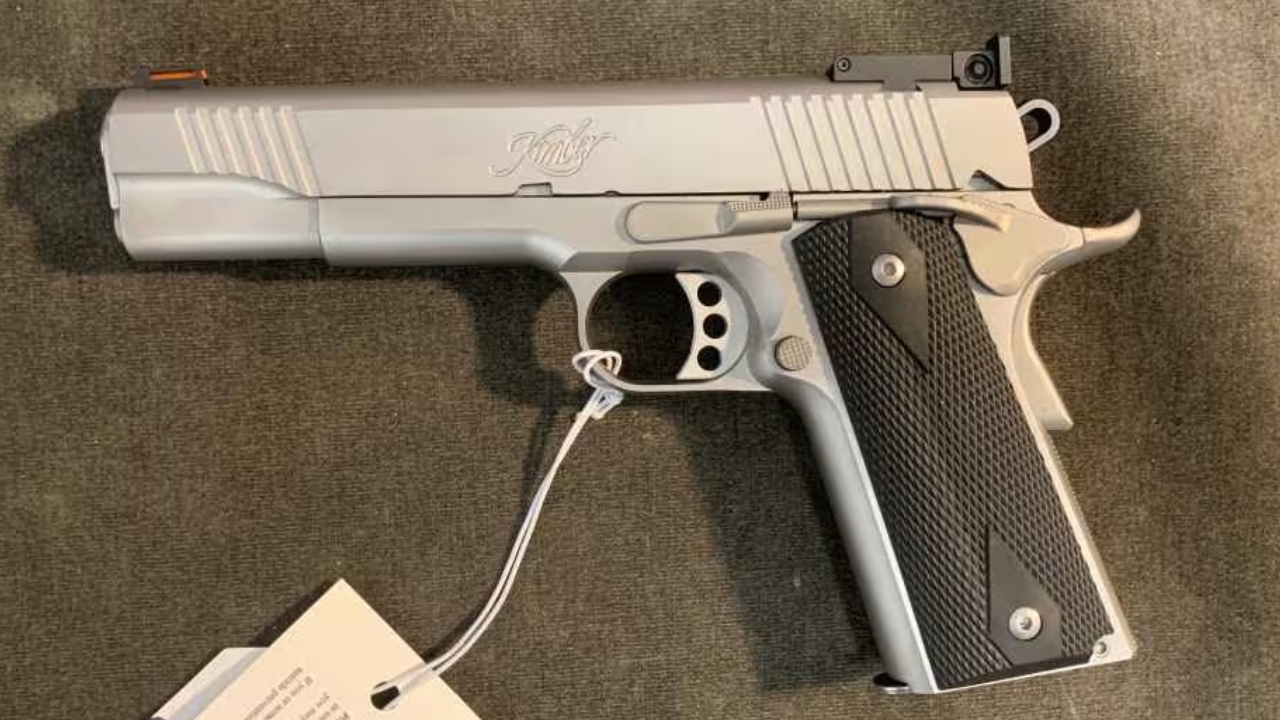
A full-size all-steel 1911 helps tame recoil, but 10mm still bucks more than most are used to. Especially if you’re running full-power loads, follow-up shots won’t be as quick or easy as with 9mm or .45.
That doesn’t mean it’s unmanageable—it just means you’ve got to be honest about your recoil control. Lightweight 1911s in 10mm? Not great. Steel-framed and properly sprung? Much better.
Magazine Issues Still Pop Up
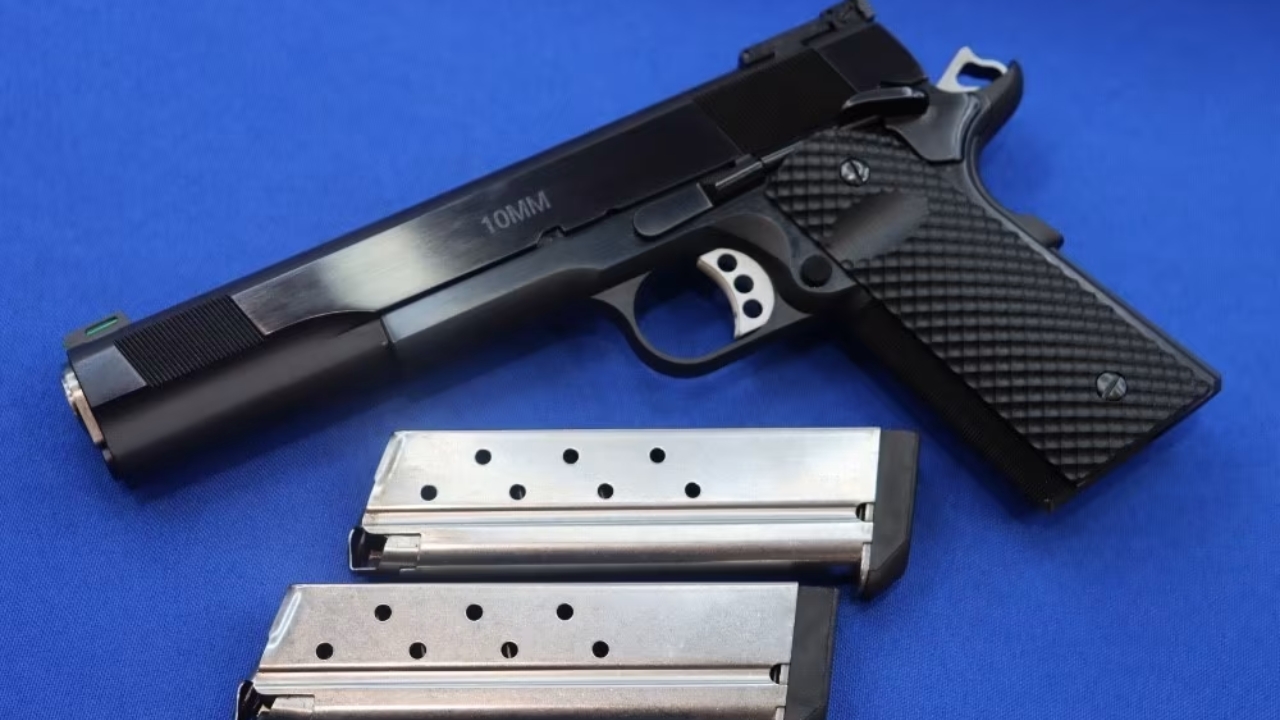
One of the consistent gripes with 10mm 1911s is magazine reliability. Some mags just don’t feed well, especially with certain hollow points or longer cartridges. It’s not always the gun’s fault, but the end result is the same—feed failures.
Stick with quality mags, and maybe even test a few brands before settling. This isn’t the caliber you want to mess around with when you’re relying on the gun to function every time.
Ammo Sensitivity Is a Thing
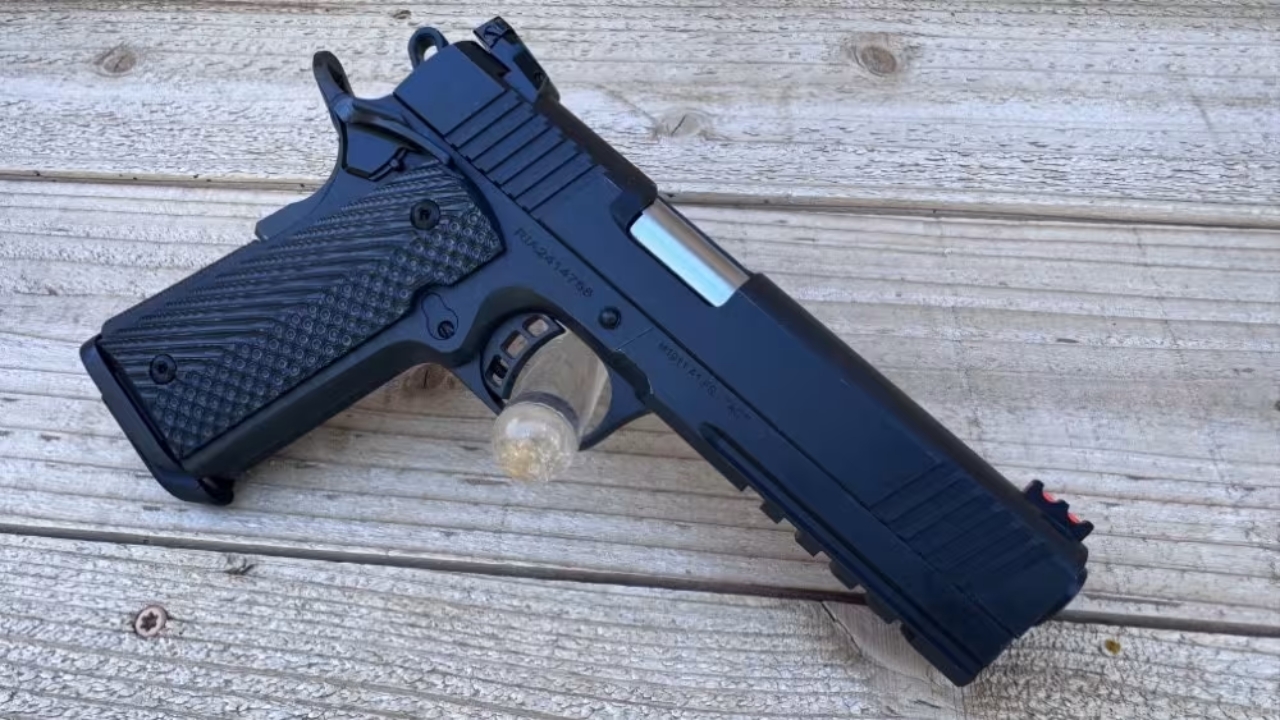
1911s in general can be picky about ammo, and 10mm doesn’t make that any easier. Between different load lengths, bullet profiles, and powder charges, not every round will run clean in every gun.
If you’re planning to carry it or use it for woods defense, you’ve got to run your chosen load through at least a few hundred rounds without issue. Otherwise, you’re gambling when it matters most.
It’s a Great Woods Gun—If It Works
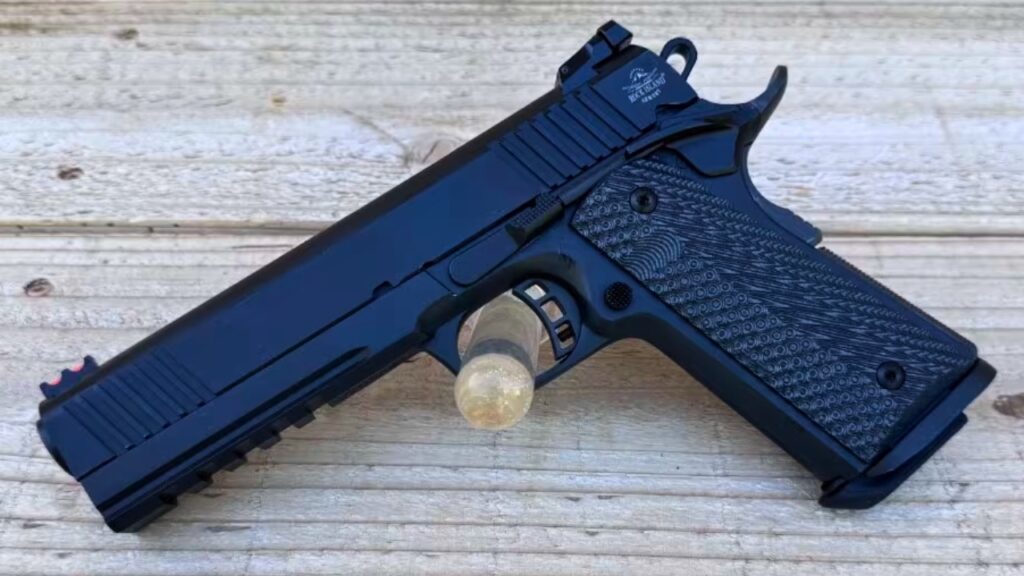
Plenty of folks carry a 10mm 1911 for bear country or as a hiking sidearm. The ballistics are solid, and it fits the hand better than chunky striker-fired alternatives. But it’s only a good choice if it runs right every time.
If your 1911 chokes, no amount of stopping power matters. Test it hard, clean it often, and make sure you’ve got a setup you can trust—otherwise, maybe look at a revolver or polymer option instead.
Recoil Springs and Extractors Matter More Than You Think
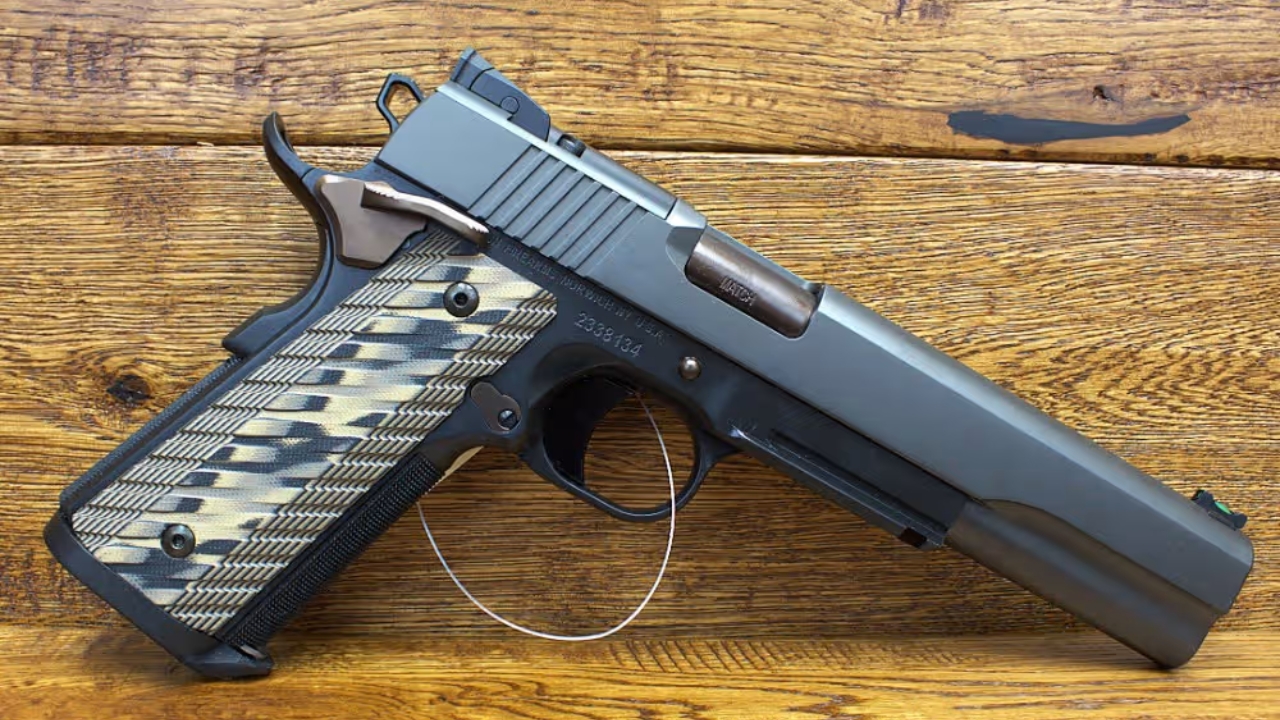
Swapping a spring might seem like a small change, but with 10mm, it makes a huge difference. Too light and the slide slams back hard. Too heavy and it might not cycle. Same with extractors—they’ve got to be tuned just right.
These aren’t casual upgrades. If you’re not confident doing it yourself, find a gunsmith who knows 1911s and 10mm. A little adjustment goes a long way in keeping your pistol reliable.
Slide Cracks Aren’t Just Internet Myths

There are real cases where 1911 slides have cracked from prolonged 10mm use—especially when paired with weak springs or constant full-power loads. It’s rare, but it happens more than you’d think.
If you’re putting a ton of rounds through your 10mm 1911, keep an eye on wear points. Don’t ignore little changes in cycling or accuracy. They’re often the first sign something’s about to go wrong.
So… Should You Trust It?
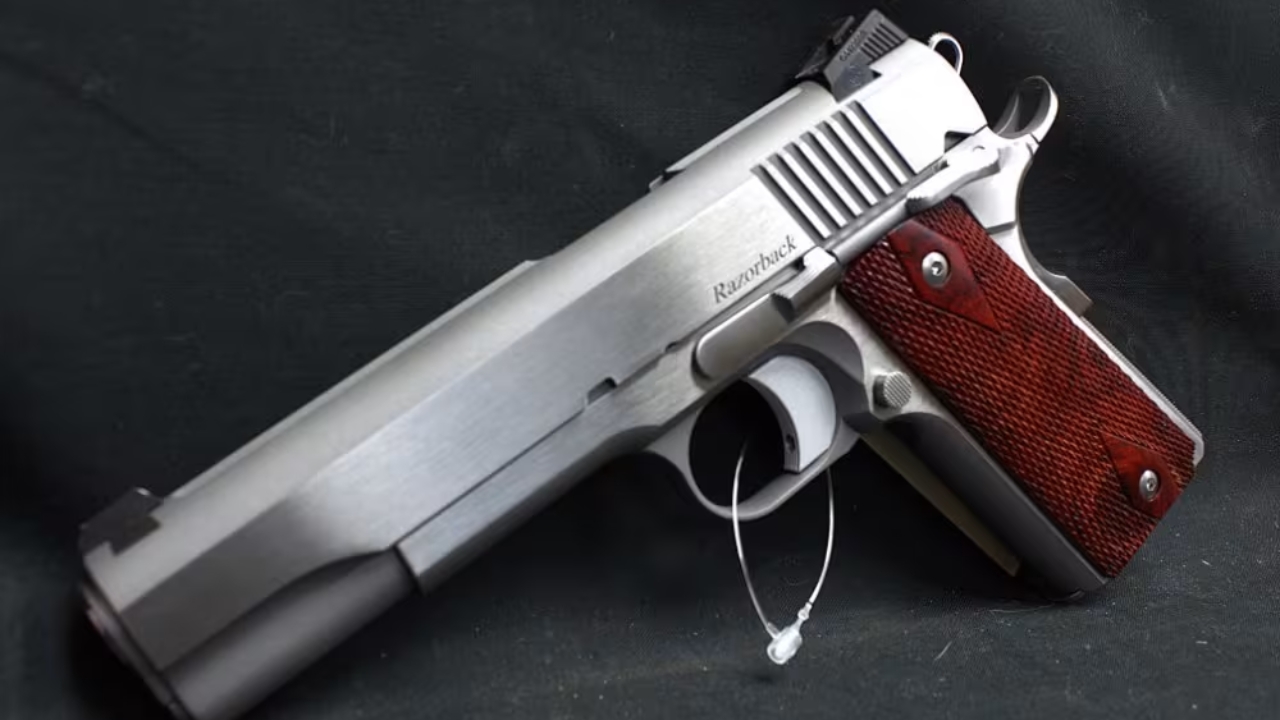
Here’s the honest answer: only if it earns it. A well-built 10mm 1911 that’s tuned right, fed the right ammo, and maintained properly can absolutely be trusted. But you’ve got to put in the time to test it—and be willing to walk away if it’s not reliable.
This isn’t a grab-and-go gun. It’s a platform that rewards the shooter who’s willing to put in the work. If that’s you, then yes—you can trust it. But if not, maybe look elsewhere.
*This article was developed with AI-powered tools and has been carefully reviewed by our editors.