Photo credit: Sandrene Zhang/Unsplash.com
A good cooler can make or break a trip. It doesn’t have to be fancy, but it does need to be thought through. Food stays where it should, drinks stay cold, and nobody has to dig around like they’re searching for buried treasure every time they want something simple. When it’s handled right, a cooler just works quietly in the background. Nobody talks about it, because nobody has to.
Then there’s the cooler that slowly turns into a group issue. At first it’s small—someone can’t find what they need, something feels warmer than it should, the lid doesn’t quite sit right. By the end of the day, everyone’s annoyed, half the contents are questionable, and somebody’s taking on cleanup they didn’t sign up for. These are the signs your cooler is about to become everybody else’s problem.
It’s Packed Like a Junk Drawer
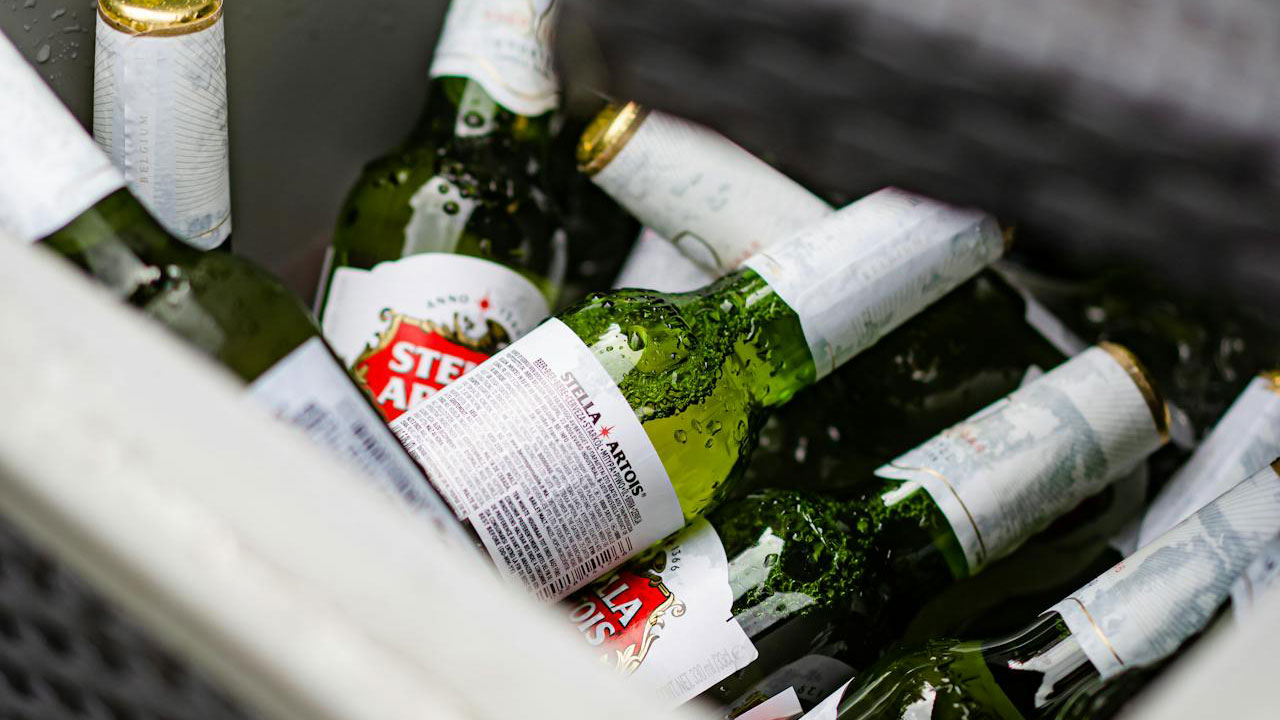
You open the lid and it’s just a pile. Drinks, raw meat, condiments, snacks, ice packs, loose bags, maybe a half-open container floating around like it gave up. There’s no separation, no plan, and no easy way to grab anything without moving three other things out of the way first.
That kind of packing doesn’t just slow people down, it leads to constant digging. Every time the lid opens, cold air escapes and everything shifts around a little more. By midday, the whole cooler feels like a mess that’s getting worse instead of better. A cooler should make things easier, not turn every grab into a mini project.
The Lid Never Fully Closes
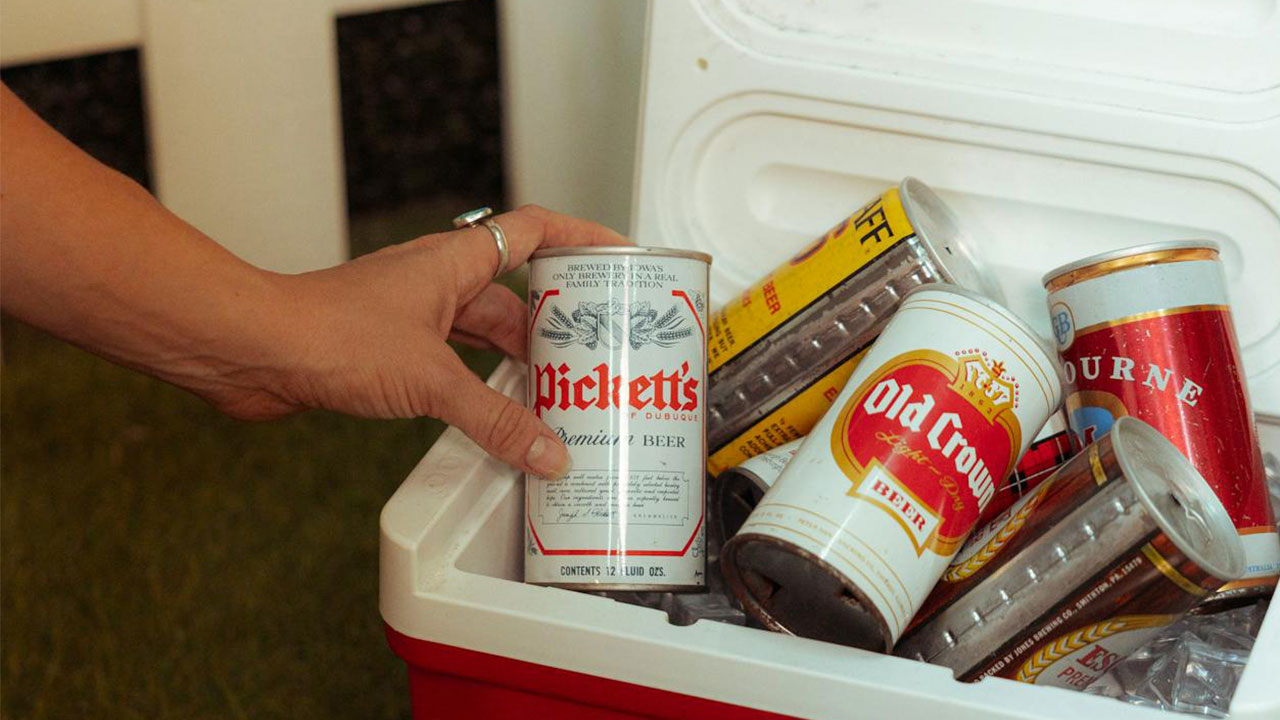
You see it when someone shuts the lid and it doesn’t quite seal. Maybe something’s sticking up, maybe it’s overfilled, or maybe the gasket is just worn out and nobody’s bothered to deal with it. Either way, it’s not closing clean.
That small gap makes a big difference over time. Cold air leaks out, warm air slips in, and ice starts disappearing faster than it should. People might not notice it right away, but by the time drinks feel less cold and food starts warming up, the damage is already done. A cooler that won’t seal properly is already halfway to failing.
Everyone Has to Dig to Find Anything
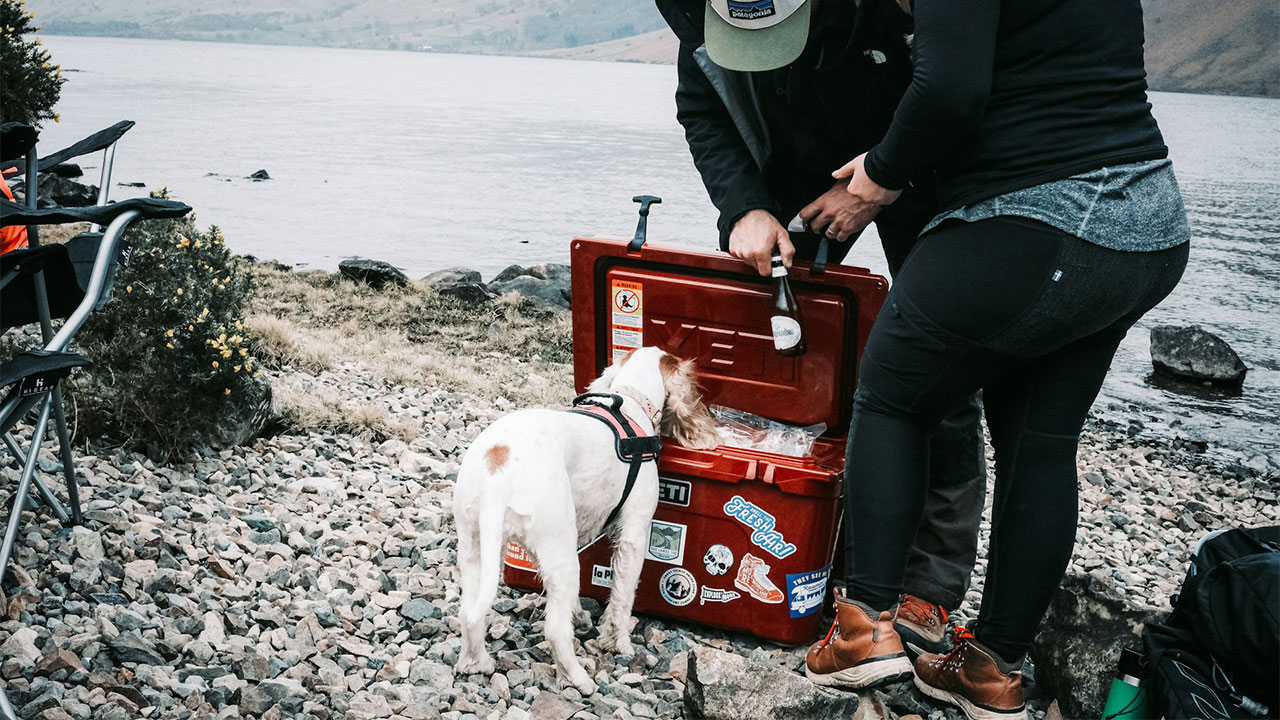
A well-packed cooler lets people grab what they need without wrecking the whole setup. When it’s done wrong, every person who opens it ends up elbow-deep, shifting items, lifting bags, and asking, “Where is it?” while cold air pours out.
That constant digging doesn’t just frustrate people, it accelerates everything going bad. The longer the lid stays open, the faster the temperature drops. By the time everyone’s had their turn, the cooler has lost more cold than it can easily recover. If people dread opening it because it’s such a hassle, that cooler’s already headed downhill.
Raw and Ready-to-Eat Foods Are Mixed Together
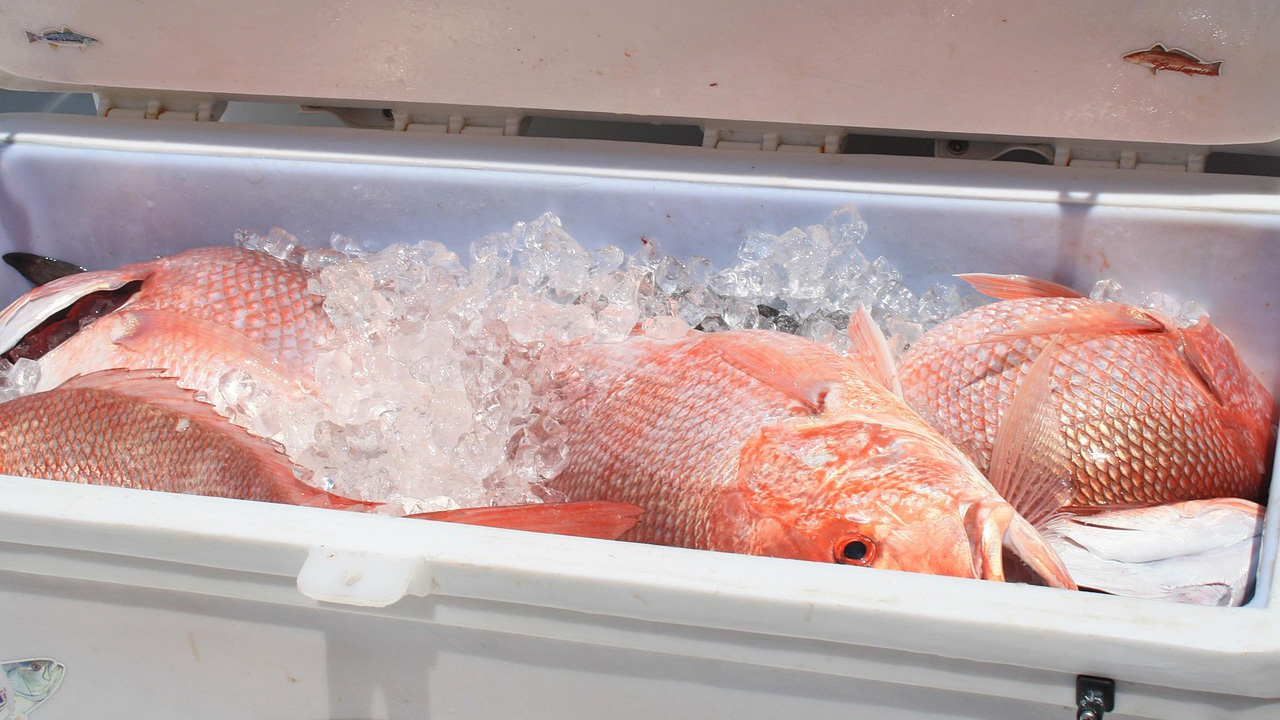
This is one of those things that should be basic, but it gets overlooked more often than it should. Raw meat sitting right next to snacks, drinks, or anything that doesn’t need cooking is a problem waiting to happen.
Even if nothing obvious leaks, the risk is there. And if something does leak, now the whole cooler becomes questionable. Nobody wants to be guessing whether their food is still safe when they’re already out in the field. A little separation goes a long way. When that’s missing, people start losing trust in what’s inside.
The Ice Situation Was an Afterthought
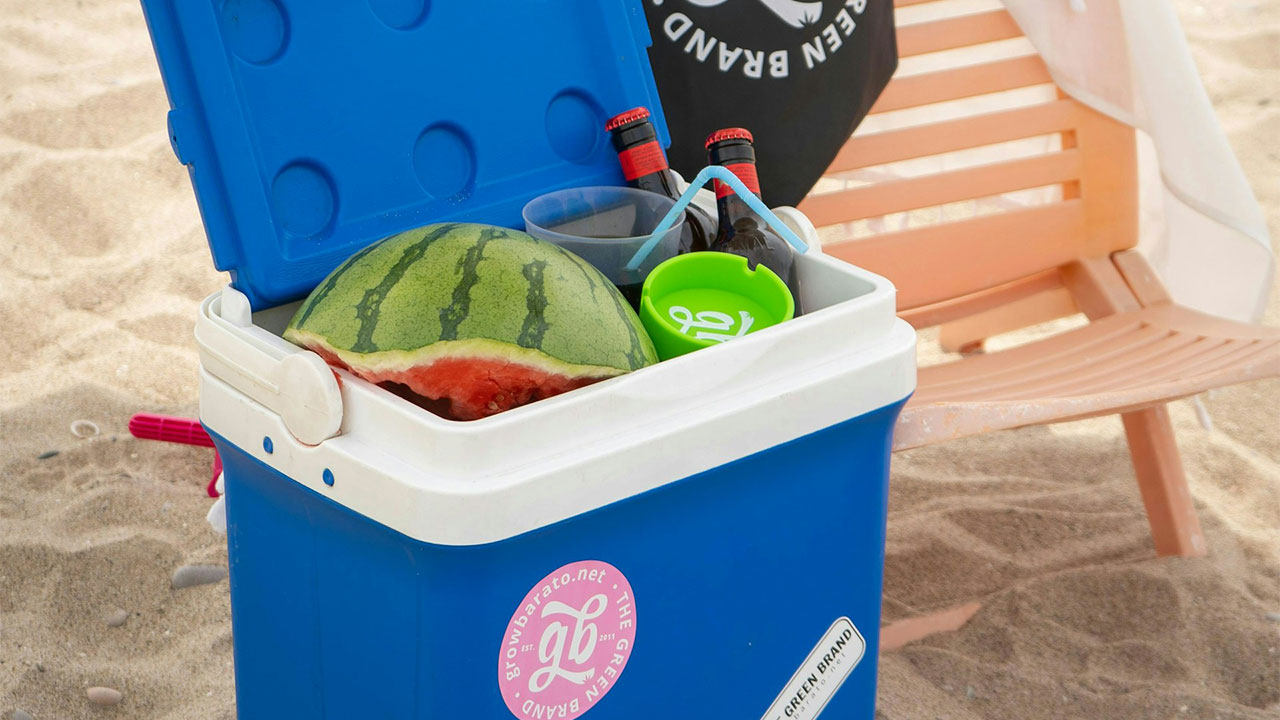
You can always tell when someone grabbed ice as a last-minute add-on instead of planning for it. Not enough ice, uneven distribution, or chunks that melt too fast because they weren’t packed right. It looks fine at first, then halfway through the day things start warming up.
Ice isn’t just filler. It’s the system that keeps everything working. If it’s not handled right, nothing else matters. The cooler might be packed well, organized, and easy to use, but without enough solid cooling, it’s all temporary. Once the ice gives out, everything follows.
Drinks Are Buried Under Everything Else

This one causes more problems than it should. Drinks are the most accessed item in the cooler, but somehow they end up under food, ice, and whatever else got packed first. So every time someone wants a drink, they have to dig through everything else to get to it.
That repeated digging creates a cycle. Lid stays open longer, items shift around, and the cooler warms up faster. It also leads to frustration because something simple becomes annoying. Drinks should be easy to grab. When they’re not, the whole cooler starts working against the group.
It’s Sitting in Direct Sun Like That’s Fine
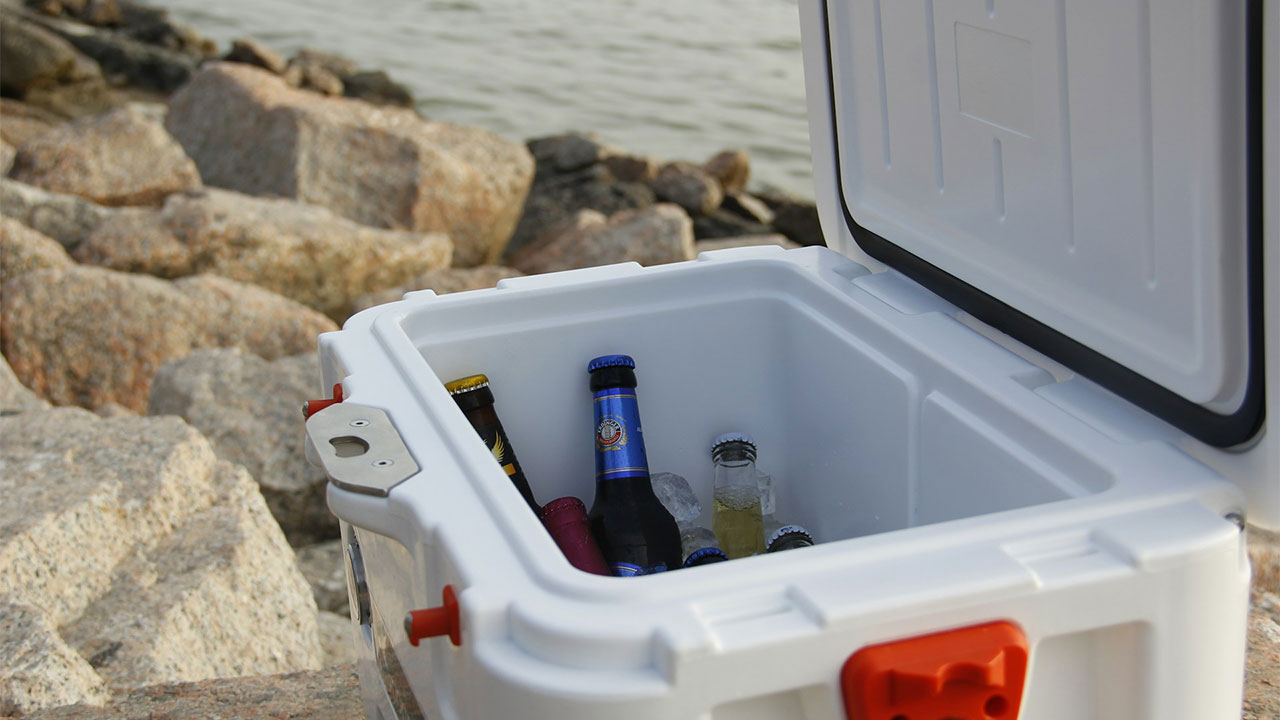
Coolers don’t do their job alone. Where you put them matters. Leaving one in direct sun all day is basically asking it to fail. The heat builds up on the outside, and even the best insulation starts losing the battle.
A cooler that’s shaded, covered, or at least positioned thoughtfully will hold up a lot better. The one baking in the sun all afternoon starts falling behind early. By the time people notice, drinks are warm and food is questionable. Placement is simple, but it makes a big difference.
The Drain Plug Leaks or Gets Left Open
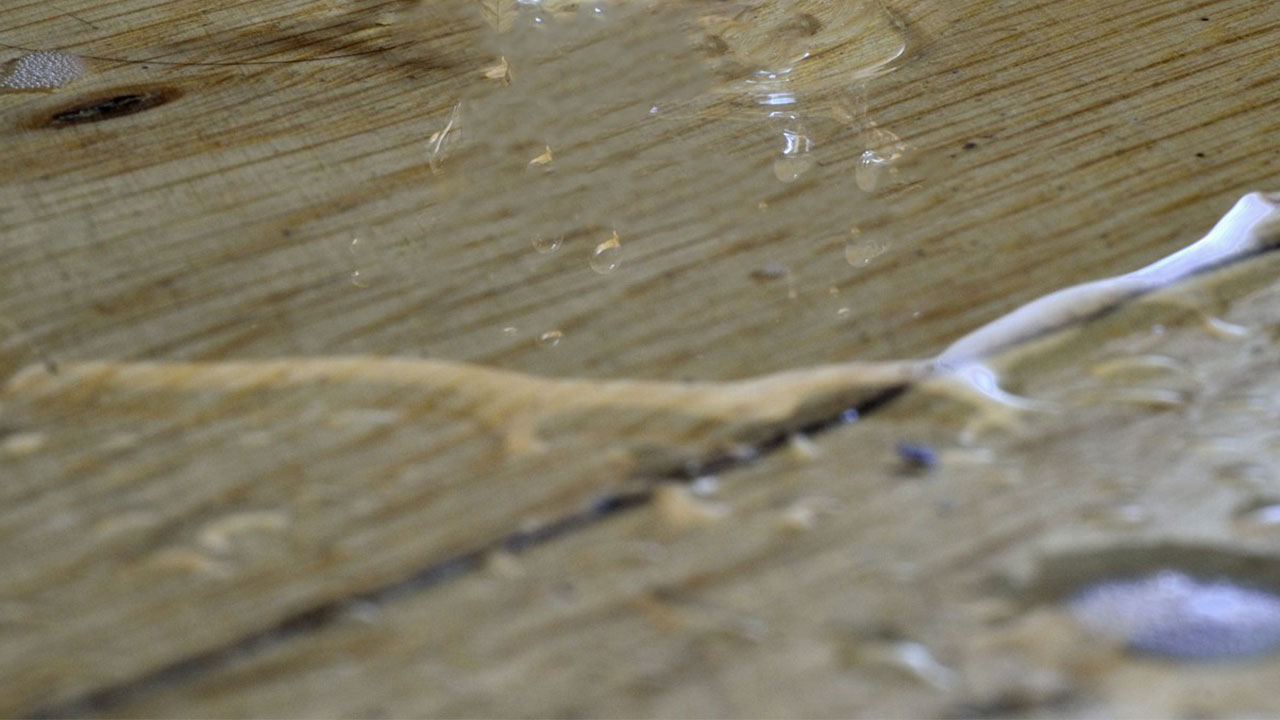
Water inside a cooler is normal. Water leaking out of it constantly is not. A loose or damaged drain plug can slowly let cold water escape, taking a lot of your cooling power with it.
On the flip side, leaving it open or partially open creates the same problem. Ice melts, water drains, and now there’s less cold mass keeping things chilled. It’s one of those small details that gets ignored until the cooler stops doing its job. Then everyone’s wondering why nothing stayed cold.
People Keep Tossing Warm Items Back In
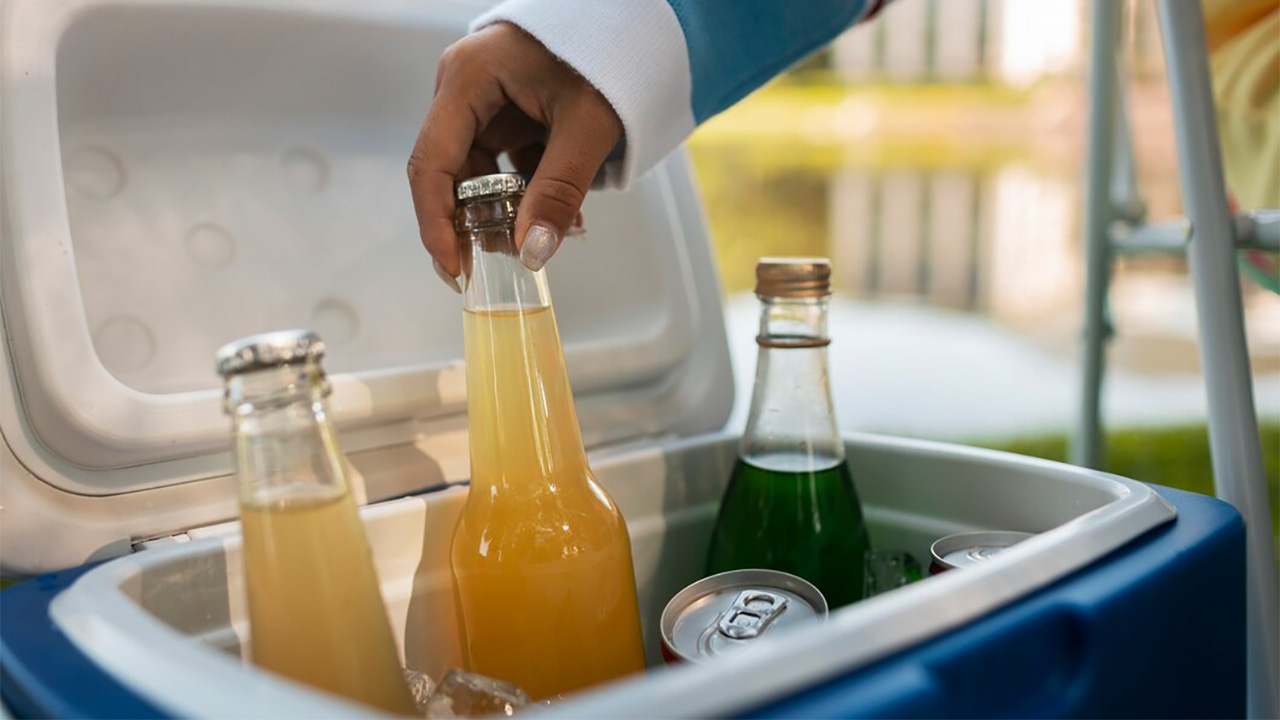
Every time someone drops a warm drink, fresh groceries, or anything not already cold into the cooler, it raises the internal temperature. Do that a few times and you’ve got a system that’s constantly fighting to recover.
That’s how a cooler loses ground over the day. It’s not just what’s inside, it’s what keeps getting added. A good setup keeps new items chilled before they go in, or at least limits how much warm stuff gets tossed in at once. Without that, the cooler never really stabilizes.
It Smells Off Before the Day Is Over
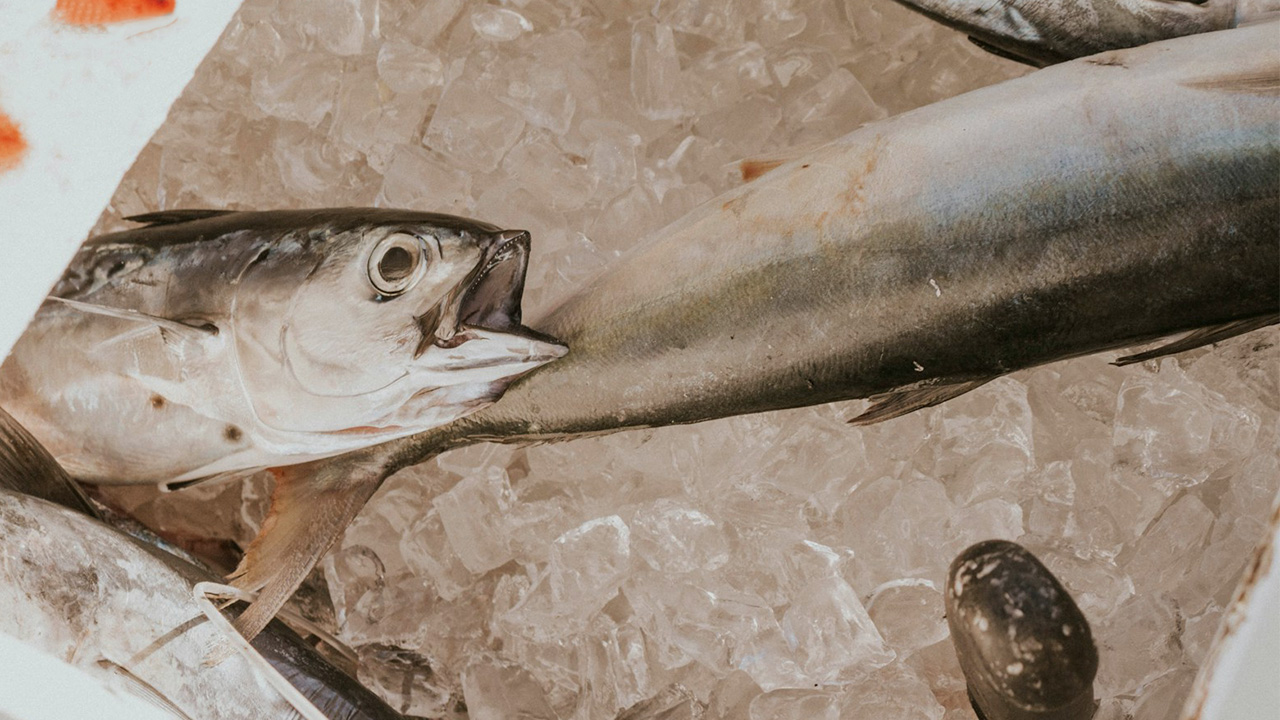
You shouldn’t be catching a bad smell halfway through the day. If you are, something’s already gone wrong. Maybe something leaked, maybe something wasn’t stored right, or maybe the cooler wasn’t clean before it got packed.
Once that smell shows up, people start questioning everything inside. Even items that are technically fine don’t feel fine anymore. That kind of doubt spreads fast. A cooler should smell clean and neutral. Anything else is a warning sign.
There’s No System for Who’s Using What
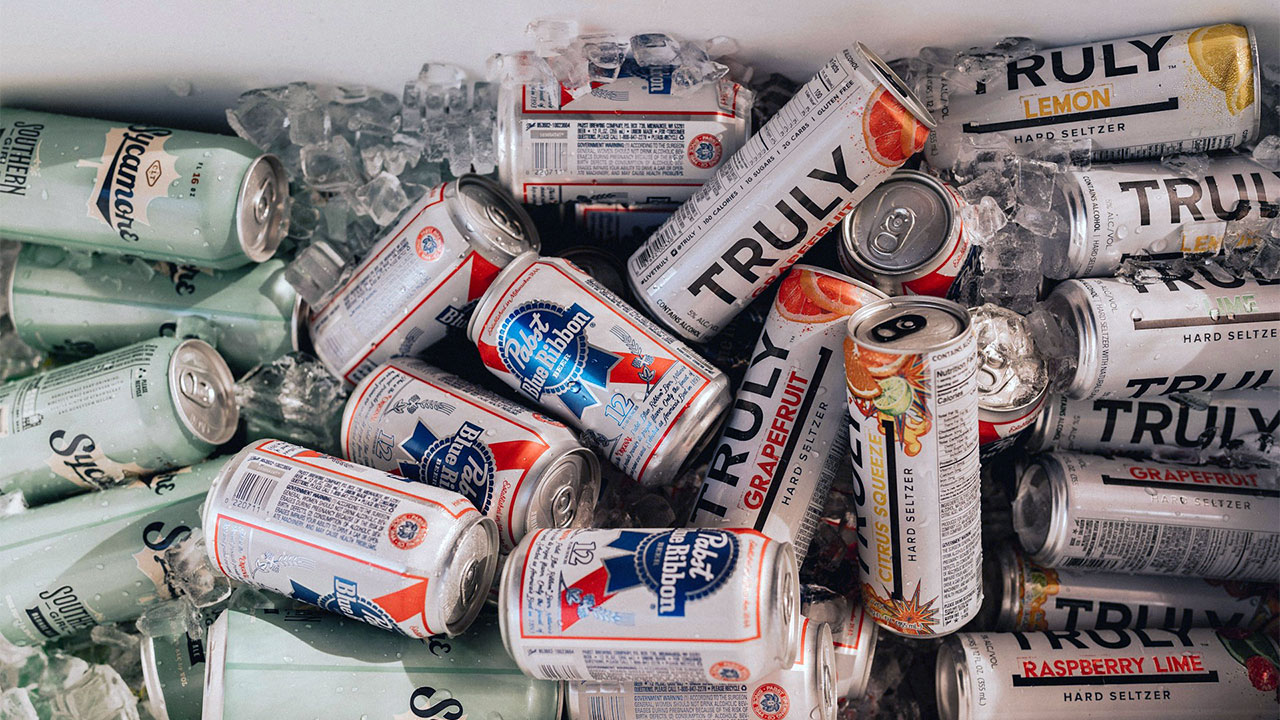
When multiple people are using the same cooler, things can get messy if there’s no basic understanding of what belongs to who. Items disappear, things get moved, and people start digging through everything looking for their stuff.
That confusion leads to more opening, more shifting, and more time with the lid up. It also creates tension when someone can’t find what they brought. A little organization or communication upfront keeps things smoother. Without it, the cooler turns into shared chaos.
The Lid Is Getting Slammed or Left Open
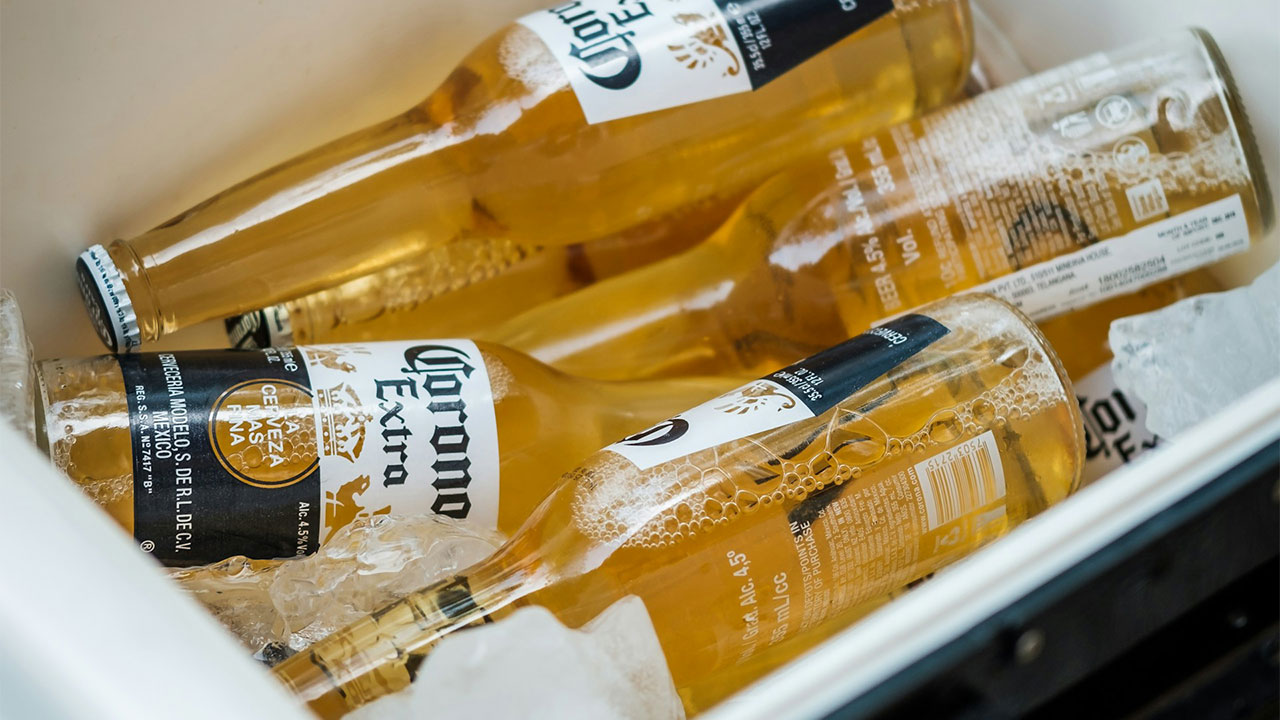
You’ll see it in how people handle it. Some slam the lid shut every time, others leave it open while they look around or talk. Neither helps. Slamming wears things out, and leaving it open lets all the cold escape.
Consistent, quick use keeps a cooler working. Open, grab, close. That’s it. When people start getting careless with how it’s handled, the temperature starts slipping. It doesn’t take long before the cooler can’t keep up.
It’s Way Heavier Than It Needs to Be
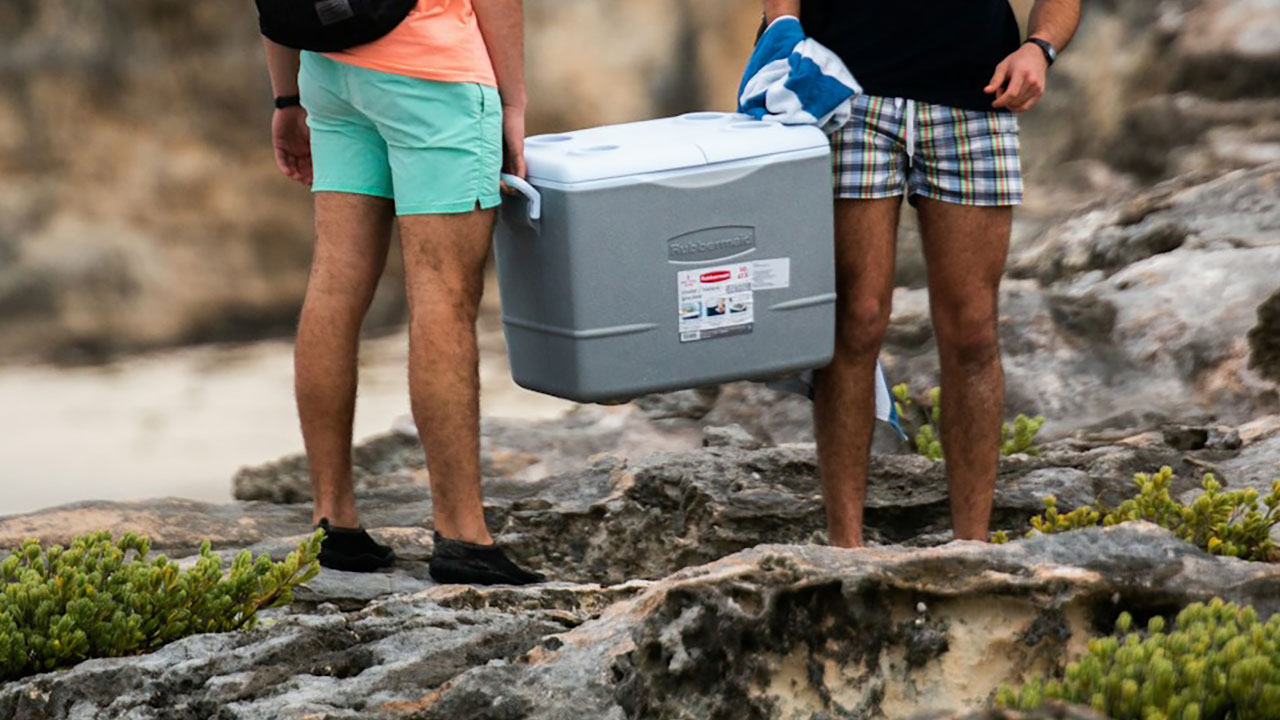
A cooler that’s overloaded becomes harder to manage. It’s tougher to move, harder to organize, and more likely to get packed poorly because there’s just too much inside.
That extra weight also means more items pressing together, more shifting, and more digging when something’s needed. A well-packed cooler balances capacity with usability. When it’s crammed full, it stops being helpful and starts being a burden.
Nobody Wants to Be the One to Clean It
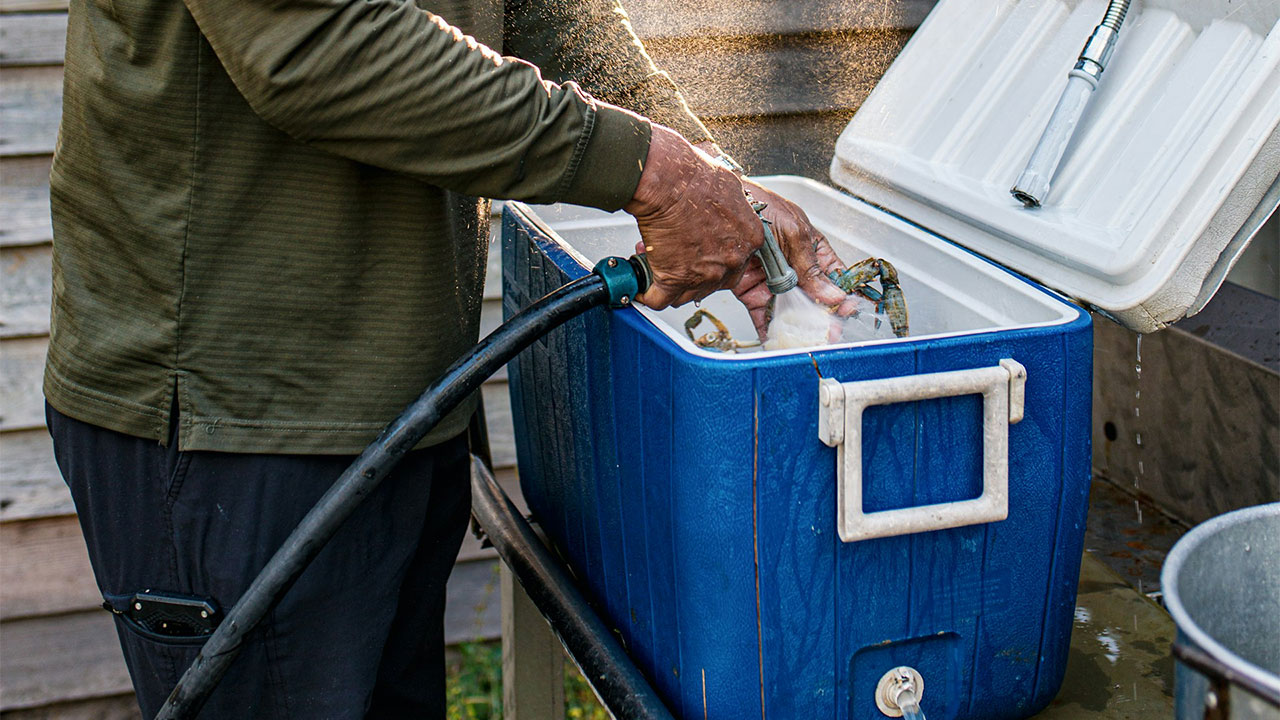
This is usually the final sign. At the end of the day, when it’s time to deal with what’s left, nobody volunteers. People avoid eye contact, start packing other things, or suddenly remember something else they need to do.
That hesitation usually means the cooler has become a mess nobody wants to deal with. Melted ice, mixed items, questionable leftovers, maybe a smell that’s worse now than it was earlier. A good cooler ends the day as easy as it started. A bad one turns into a chore everyone tries to dodge.
Like The Avid Outdoorsman’s content? Subscribe to our newsletter so you never miss an article.
Here’s more from us: