
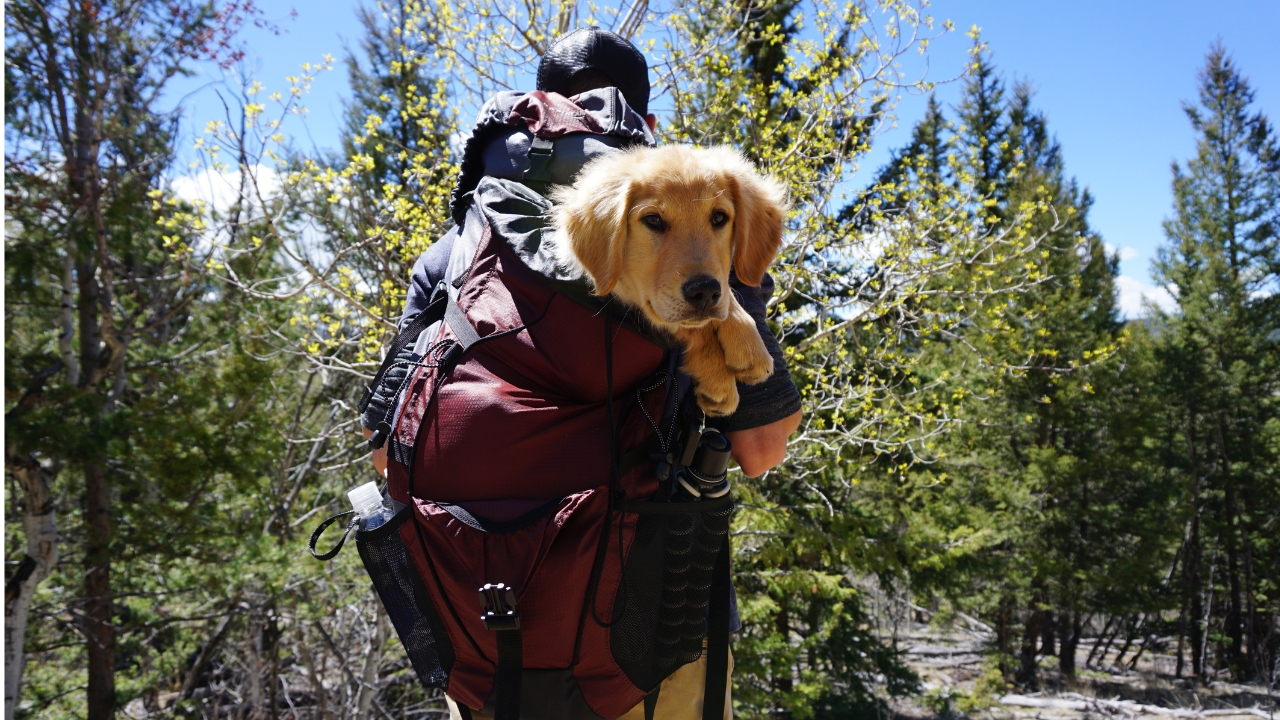
Image Credit: Spencer Gurley Films from Pexels/Canva Pro.
Hiking is supposed to be fun, not a test of survival. But if you’re not careful, small mistakes can turn a great trip into a miserable one—or worse. Whether it’s packing the wrong gear, underestimating the trail, or ignoring basic safety, these are the kinds of slip-ups that every hiker eventually learns the hard way.
The good news is that you don’t have to make these mistakes yourself. I’ve been there, done that, and learned a few things along the way. If you want to stay comfortable and safe and actually enjoy your time on the trail, here’s what not to do—and what to do instead.
Wearing the Wrong Shoes Will Wreck Your Feet
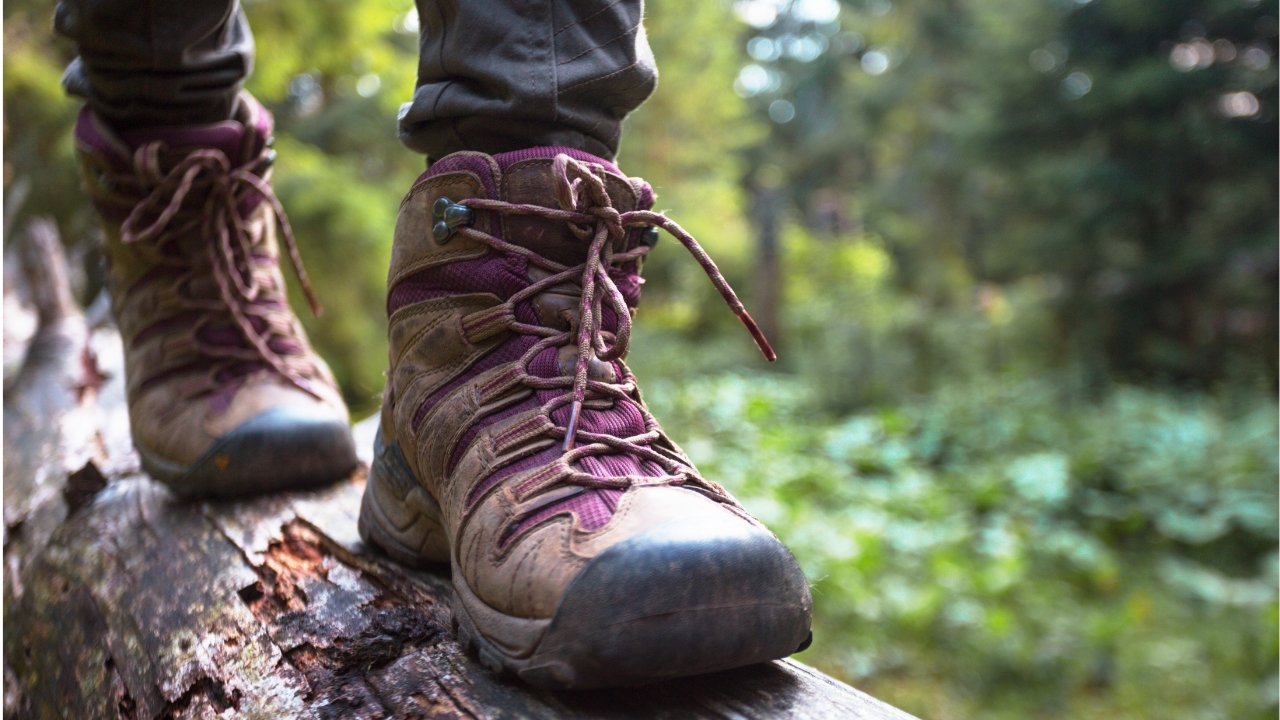
Nothing ruins a hike faster than painful blisters, sore arches, or a twisted ankle—all things that happen when you wear the wrong footwear. Running shoes might work for short, easy trails, but for rough terrain, you need proper hiking shoes or boots that fit well and offer support.
Break them in before your trip, wear good socks, and make sure they’re suited for the terrain. Wet, muddy trails? Waterproof boots. Rocky terrain? Sturdy soles. Choose the right footwear, and your feet will thank you. Ignore this advice, and every step will remind you why it matters.
Not Bringing a First Aid Kit is a Rookie Mistake

Small injuries happen all the time on the trail—blisters, scrapes, twisted ankles. Without a first aid kit, even minor problems can get serious fast. A simple cut can get infected, and a rolled ankle can make hiking back to the car miserable.
A basic kit doesn’t take up much space but can save your trip. Bandages, antiseptic wipes, blister pads, and pain relievers are a must. Add anything else you personally might need. You don’t have to go overboard, but heading into the wilderness without first aid? That’s just asking for trouble.
Stay Hydrated, Even When It’s Cold
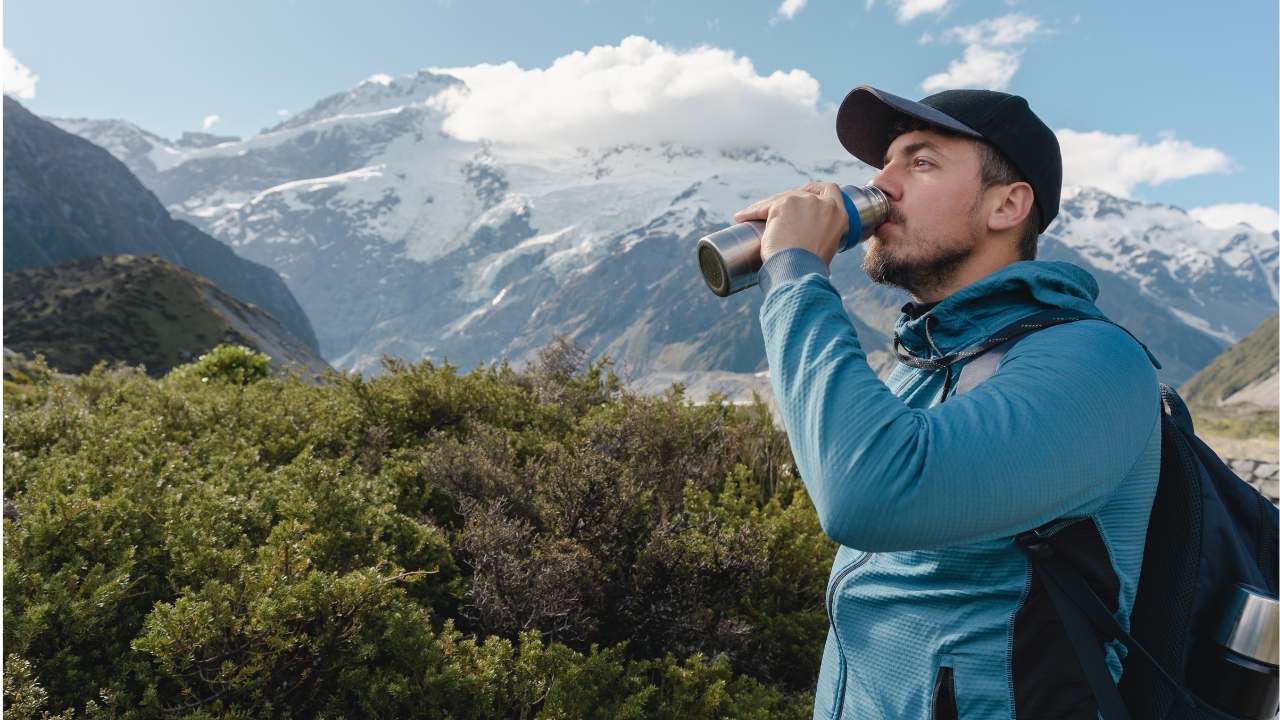
Cold weather tricks your brain into thinking you don’t need water, but your body still loses fluids through sweat and breathing. The problem? You don’t feel as thirsty, so you forget to drink. Next thing you know, you’re sluggish, your head hurts, and your muscles start cramping.
The fix is easy—make drinking water a habit, not a reaction. Take small sips throughout your hike, even if you don’t feel thirsty. If you wait until you’re parched, you’re already behind. Keep a bottle within reach and take a swig every few miles.
Always Filter Your Water—No Matter How Clear It Looks
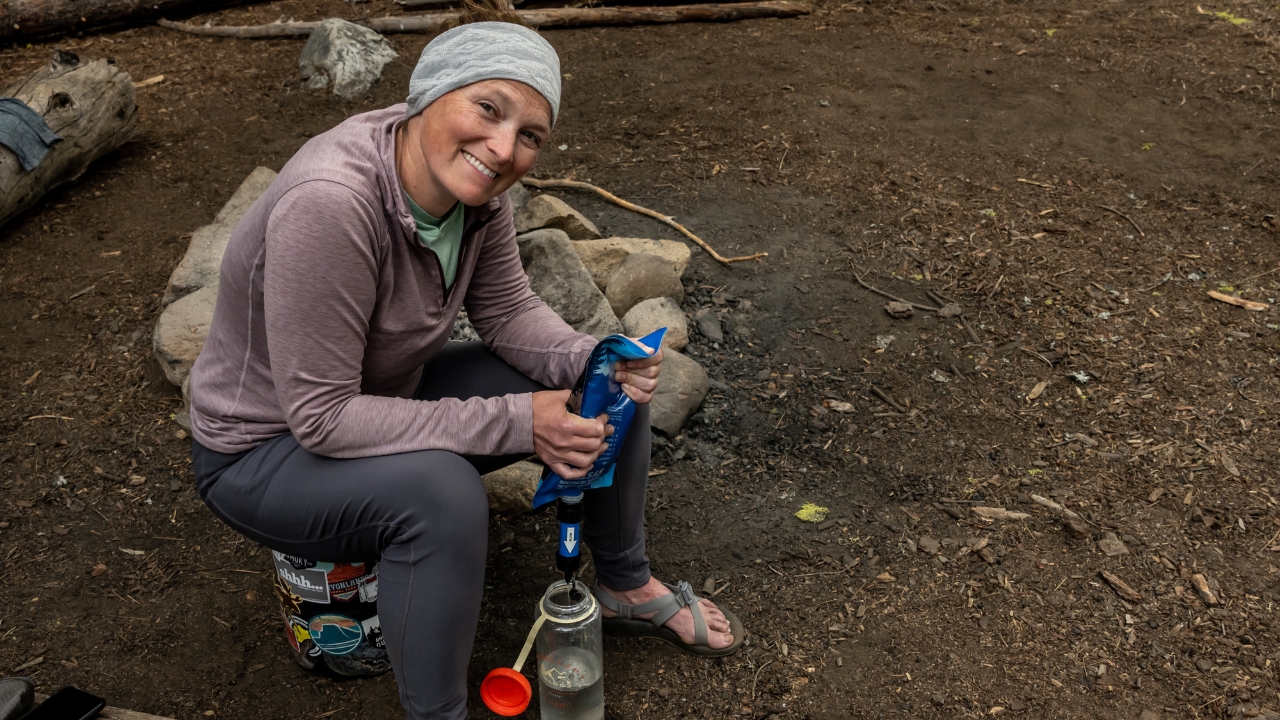
That pristine mountain stream? It’s not as clean as it looks. Bacteria, parasites, and all sorts of nasty stuff could be lurking in the water. If you drink it untreated, you’re rolling the dice on getting sick—and trust me, a case of Giardia will make sure your hike is unforgettable for all the wrong reasons.
Filtering takes minutes, and it’s worth it. Use a filter, purifying drops, or a UV pen—whatever works for you. The minor inconvenience of treating your water beats spending the next few days glued to a toilet.
Don’t Pack Like You’re Moving Out
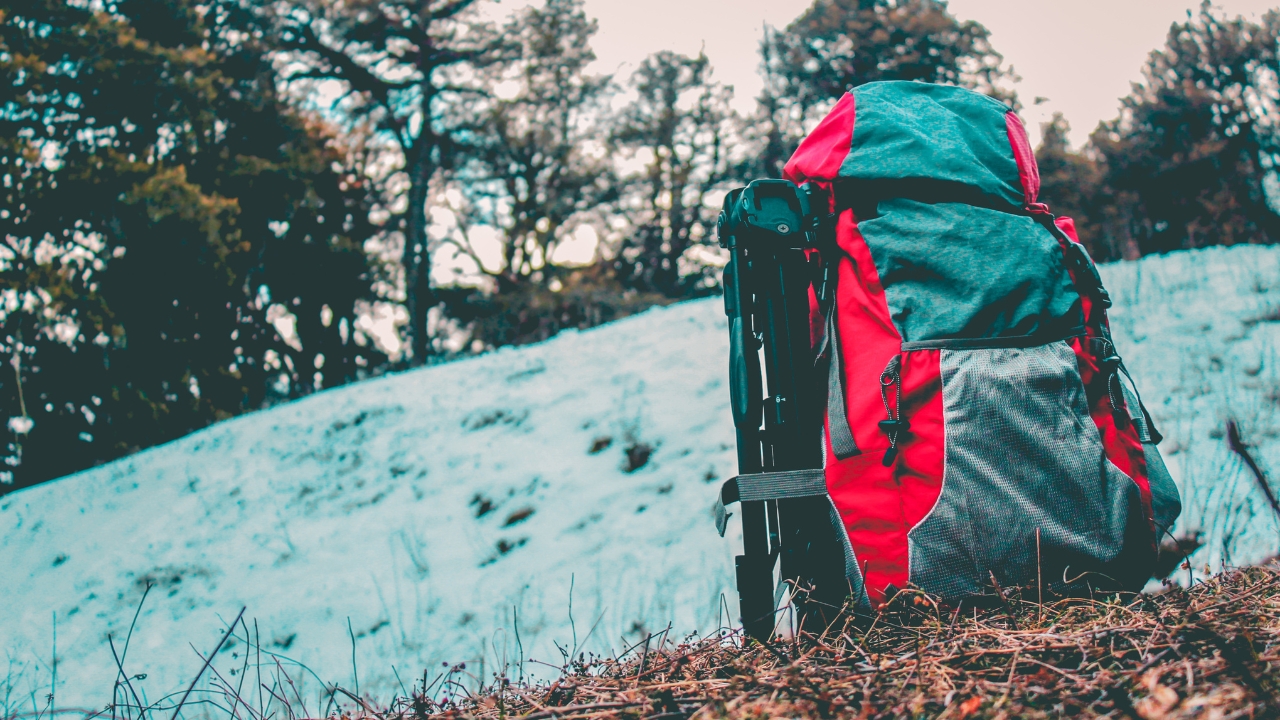
Overpacking is a rookie mistake that turns a fun hike into a miserable slog. It’s tempting to bring extra layers, too much food, or every gadget you own “just in case.” But by mile five, that overstuffed pack will feel like a pile of bricks strapped to your back.
Pack smart. Lay everything out before your trip and ask yourself, “Will I actually use this?” Stick to the essentials—enough food, the right layers, and gear that serves a real purpose. Your back (and your energy levels) will thank you.
Think Before You Step Into That Stream
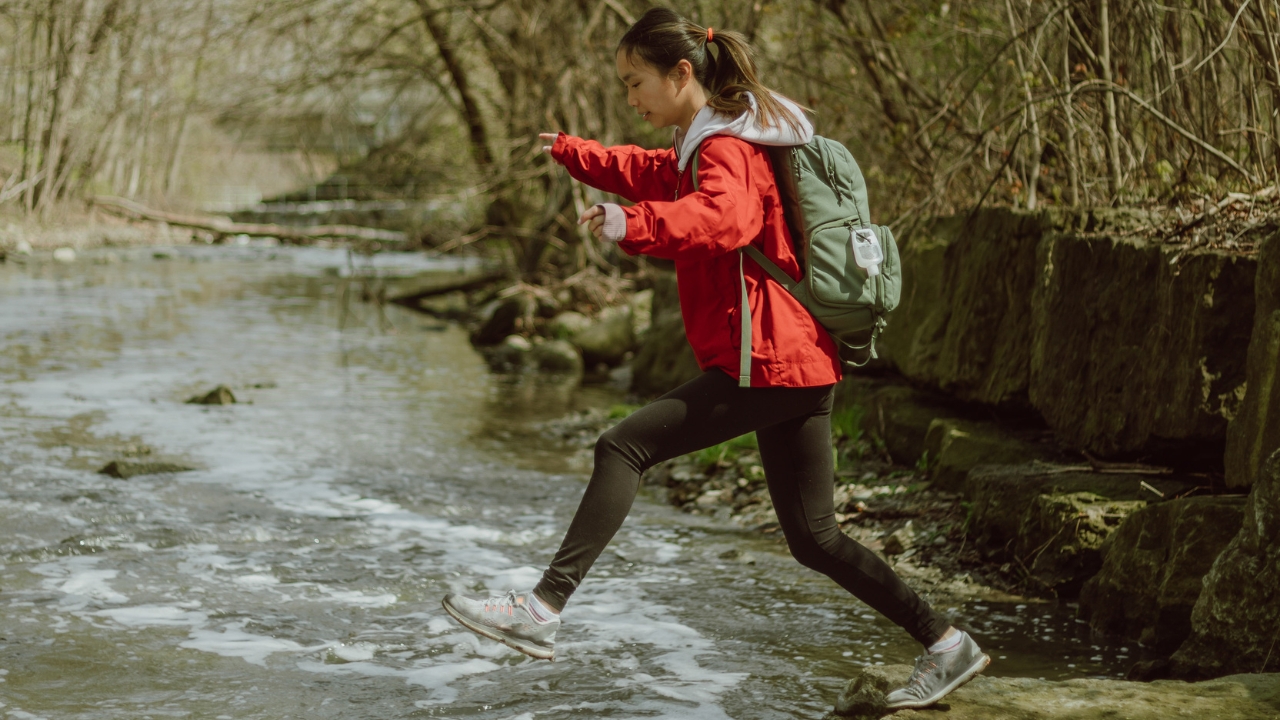
A rushing stream might not look dangerous, but moving water is stronger than you think. Even knee-deep water can sweep you off your feet if the current is strong enough. And if you’re carrying a pack, getting back up isn’t as easy as it sounds.
Before crossing, take a minute to assess the situation. Look for a safer spot—wider areas are usually shallower and slower. Use trekking poles for stability, and unclip your pack’s hip belt so you can ditch it fast if needed. A little patience can keep you from an unplanned (and dangerous) swim.
Skipping Trail Research Leads to Trouble

Hitting the trail without doing your homework is a mistake that can turn a fun day into a disaster. Trail conditions, elevation gain, weather, and water sources all matter, and assuming you’ll “figure it out” as you go is a great way to end up lost, exhausted, or unprepared.
Before heading out, take a few minutes to research the trail. Check recent reports, know the difficulty level, and understand any potential hazards. Even if you’ve hiked the route before, conditions change. A little prep work makes all the difference between a smooth hike and a miserable one.
Ignoring Weather Forecasts is a Risk You Don’t Want to Take
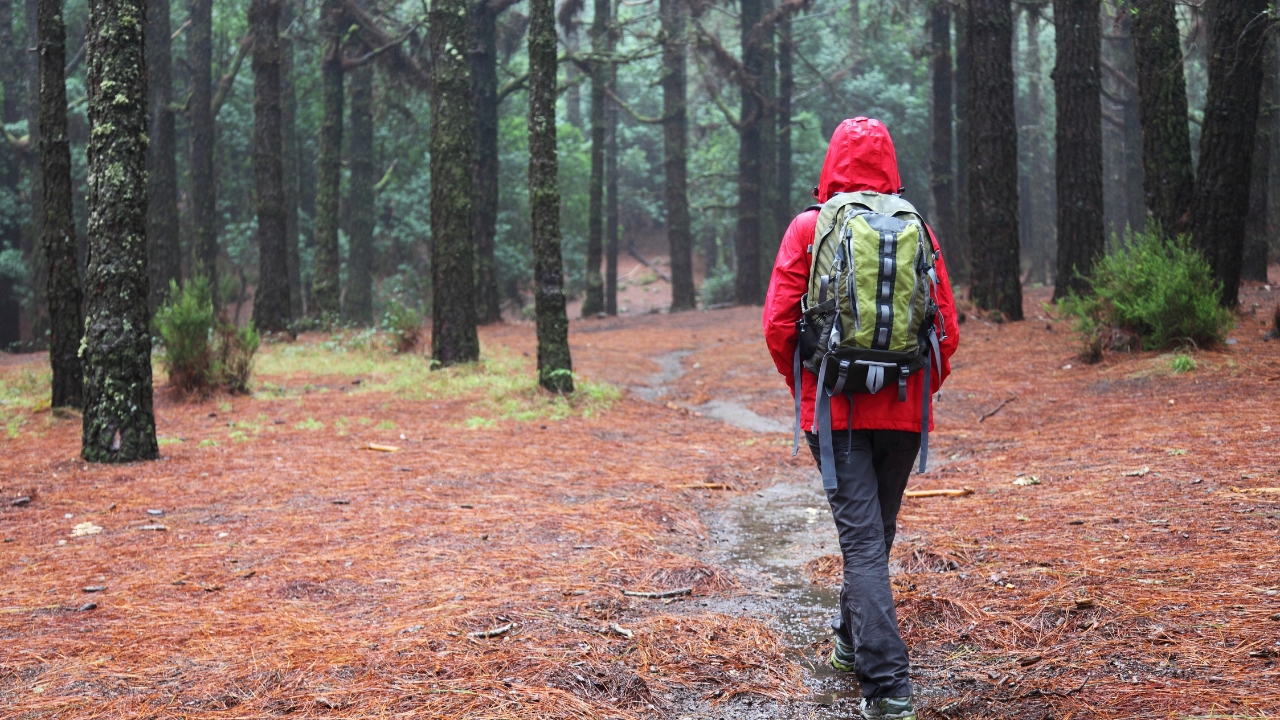
Weather in the mountains changes fast, and if you don’t check the forecast, you could be walking straight into trouble. A sunny morning can turn into a stormy mess by the afternoon, and temperatures can drop faster than you’d expect.
Always check the forecast before you go—and then prepare for it to be wrong. Pack layers, bring rain gear, and know what to do if the weather turns bad. A little extra weight in your pack is better than getting caught in freezing rain with nothing but a t-shirt.
Don’t Let Ultralight Obsession Ruin Your Hike
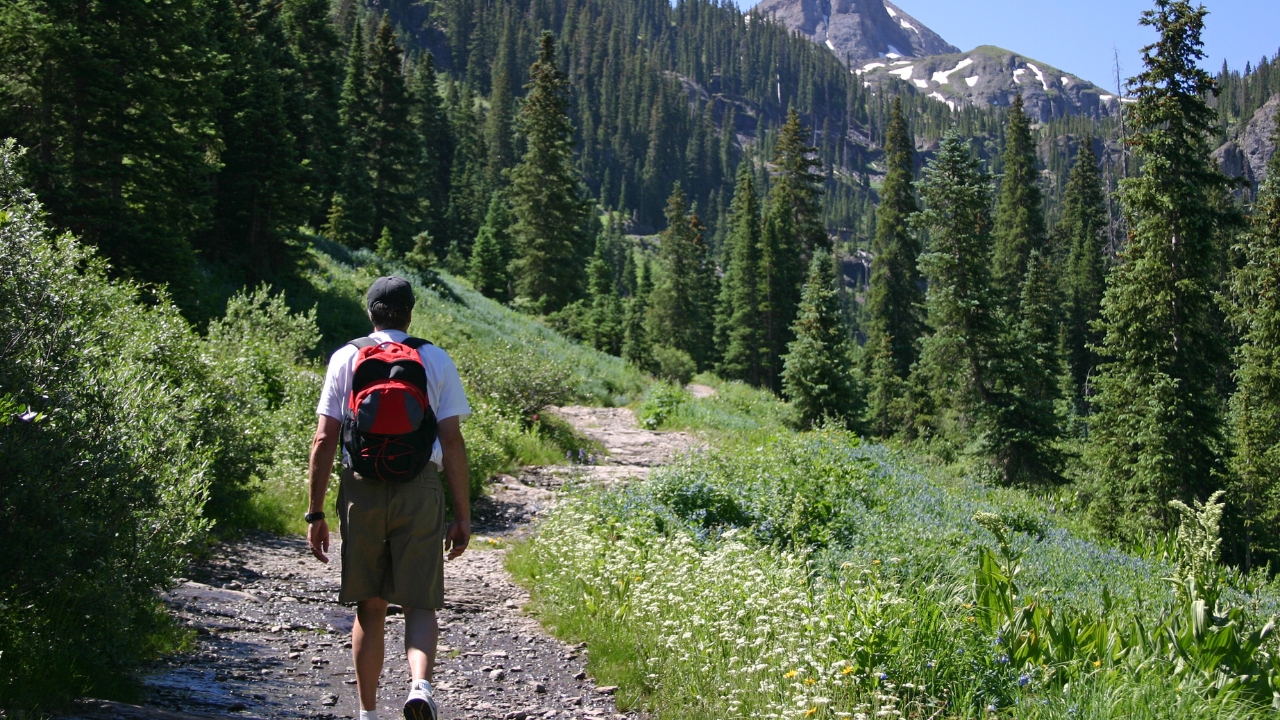
Cutting weight from your pack is smart, but going too light can make your trip miserable. Ditching essential gear just to shave off a few ounces? Bad move. Sure, ultralight setups work for experienced hikers, but if you sacrifice comfort and safety, you’ll regret it.
Instead of chasing the lightest setup possible, focus on what actually makes your hike enjoyable. A slightly heavier but more comfortable sleeping pad? Worth it. A sturdier tent that holds up in bad weather? Also worth it. The goal is to hike smarter, not suffer for the sake of weight savings.
Take Care of Your Gear or Pay for It Later
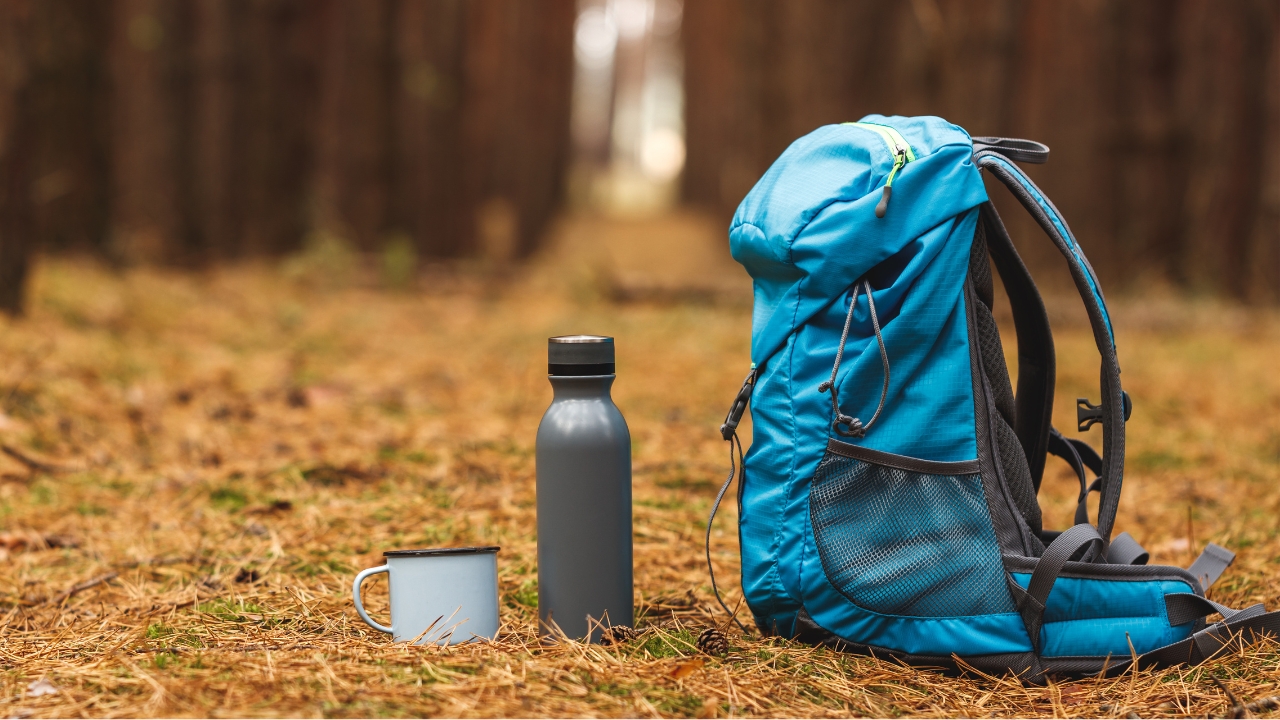
After a long hike, it’s tempting to toss your gear in a pile and deal with it “later.” But neglecting your equipment can wreck it faster than the trail ever could. Damp tents grow mold, sleeping bags lose their warmth, and water filters clog up if they aren’t dried properly.
Take a little time to clean and store everything right. Air out your sleeping bag, hang up your tent, and double-check your gear before packing it away. A few extra minutes now will save you money and frustration when you’re gearing up for your next trip.
Cheap Gear Ends Up Costing You More
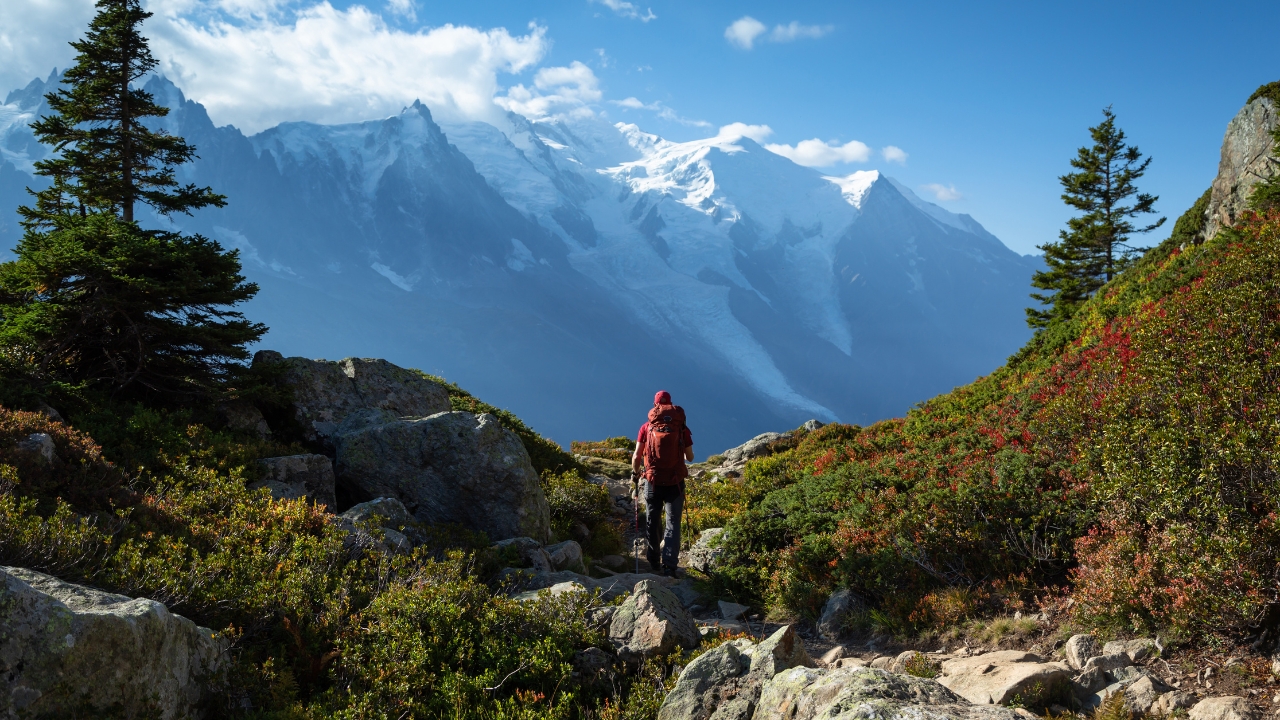
Bargain-bin hiking gear might seem like a win at first—until it falls apart when you need it most. A flimsy tent, a backpack with busted zippers, or a jacket that barely keeps out the cold? Not worth it. Constantly replacing cheap gear adds up fast, and in the end, you’ll probably spend more than if you had just invested in solid equipment from the start.
That doesn’t mean you need top-of-the-line everything. Just be strategic. Prioritize quality for the essentials—your backpack, shelter, and footwear. A well-made piece of gear will last years, making it a better deal in the long run.
*This article was created with the assistance of AI.


