Photo credit: Patrick Hendry/Unsplash.com
Sleeping outside when everything is calm is one thing. Dry ground, mild temps, no wind, and a clean setup can make almost anyone feel like they’ve got it figured out. But bad weather changes the rules fast. Rain finds its way in, wind tests every weak point, cold settles in deeper than expected, and small mistakes start stacking up in ways that don’t stay small for long. That’s where experience shows itself, and where it really doesn’t.
You don’t have to spend years doing it to learn the basics. But you do have to go through it at least a few times to understand what actually matters when conditions turn. The guys who have been through it tend to set up differently, pack differently, and move with a little more intention before the weather even hits. The ones who haven’t usually look confident right up until the first real storm rolls in. These are the habits that give it away every time.
He Picks the Lowest Spot Without Thinking About It

One of the quickest tells is where a man decides to set up. If he drops his tent or bedroll in the lowest, flattest-looking spot without thinking about where water is going to move, that’s a problem waiting to show up. Everything looks fine until the rain starts, and suddenly that nice flat area turns into the exact place water wants to collect.
Guys who’ve been through a wet night learn to read the ground before anything gets unpacked. Slight elevation, natural drainage, even a small rise can make a big difference. The man who ignores that is usually the one waking up damp, uncomfortable, and wondering how everything went sideways so fast.
He Treats Rain Like It’s Just Going to “Pass Through”
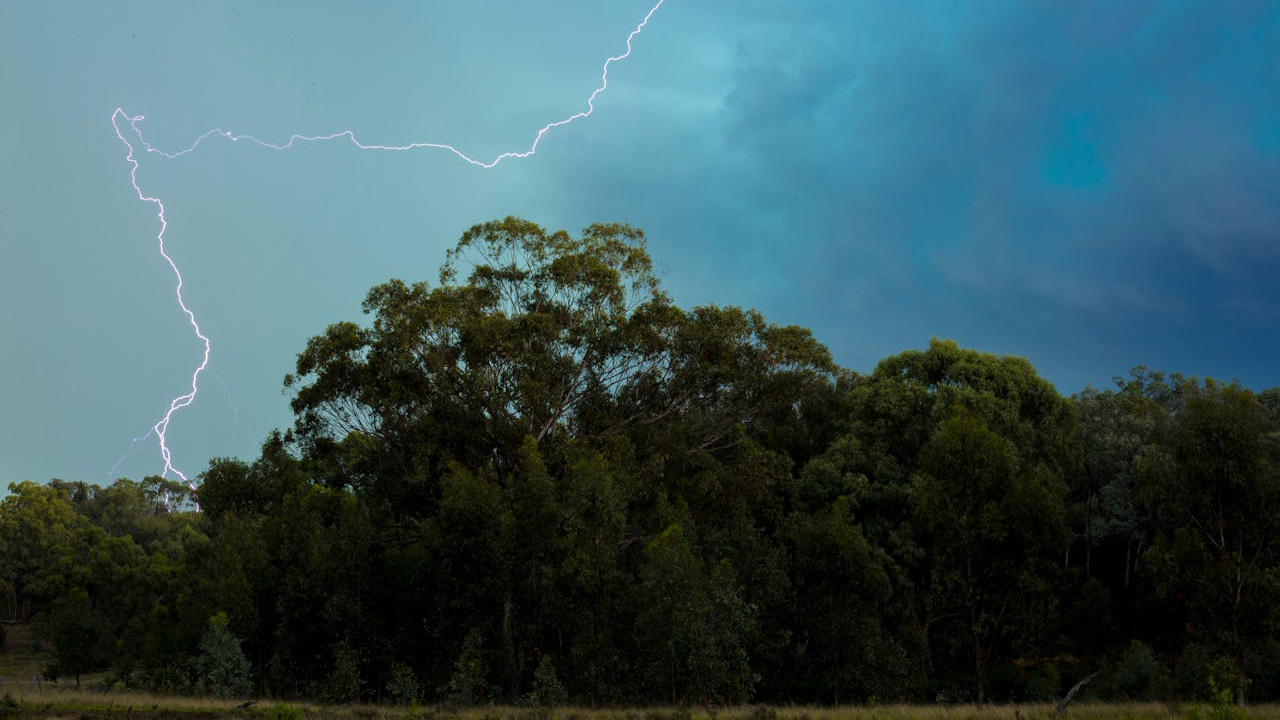
You’ll hear it in how he talks about the forecast. “It’s just a little rain,” or “it’ll blow over.” Maybe it will. Maybe it won’t. The problem is he’s building his whole setup around the best-case scenario instead of preparing for what actually might happen.
Experienced guys assume weather can stick around longer than expected. They plan for steady rain, not a quick shower. That changes how they set up shelter, store gear, and handle anything that needs to stay dry. The guy who bets on the weather being easy is usually the one scrambling when it isn’t.
His Shelter Setup Looks Good but Isn’t Tight
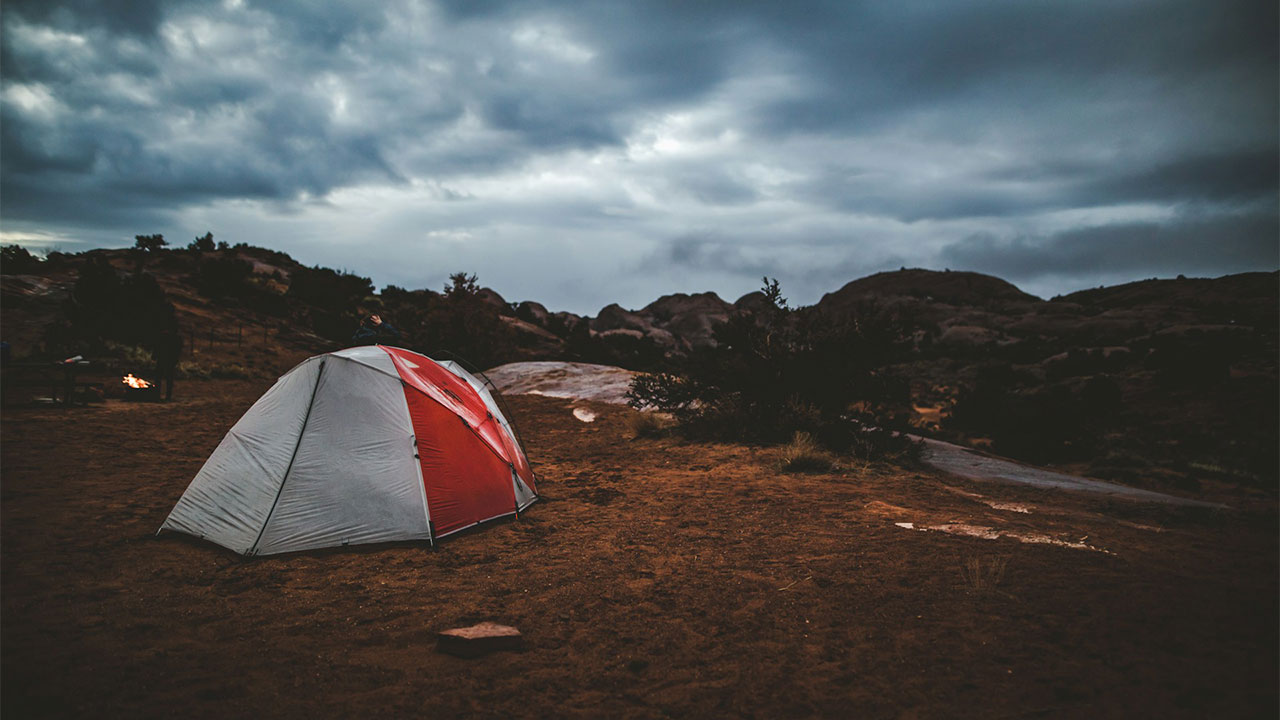
At a glance, everything might look fine. The tent is up, the tarp is stretched, stakes are in the ground. But then the wind picks up or the rain gets heavier, and you start seeing the weak spots. Flapping edges, loose lines, poor angles that let water pool instead of run off.
Bad weather exposes sloppy setups fast. It doesn’t take much for water to start finding its way in or for wind to start working things loose. The guys who’ve done it before take a little extra time to tighten everything down and think about how the setup will handle stress. The ones who haven’t tend to stop once it “looks right.”
He Doesn’t Think About Where Water Will Go
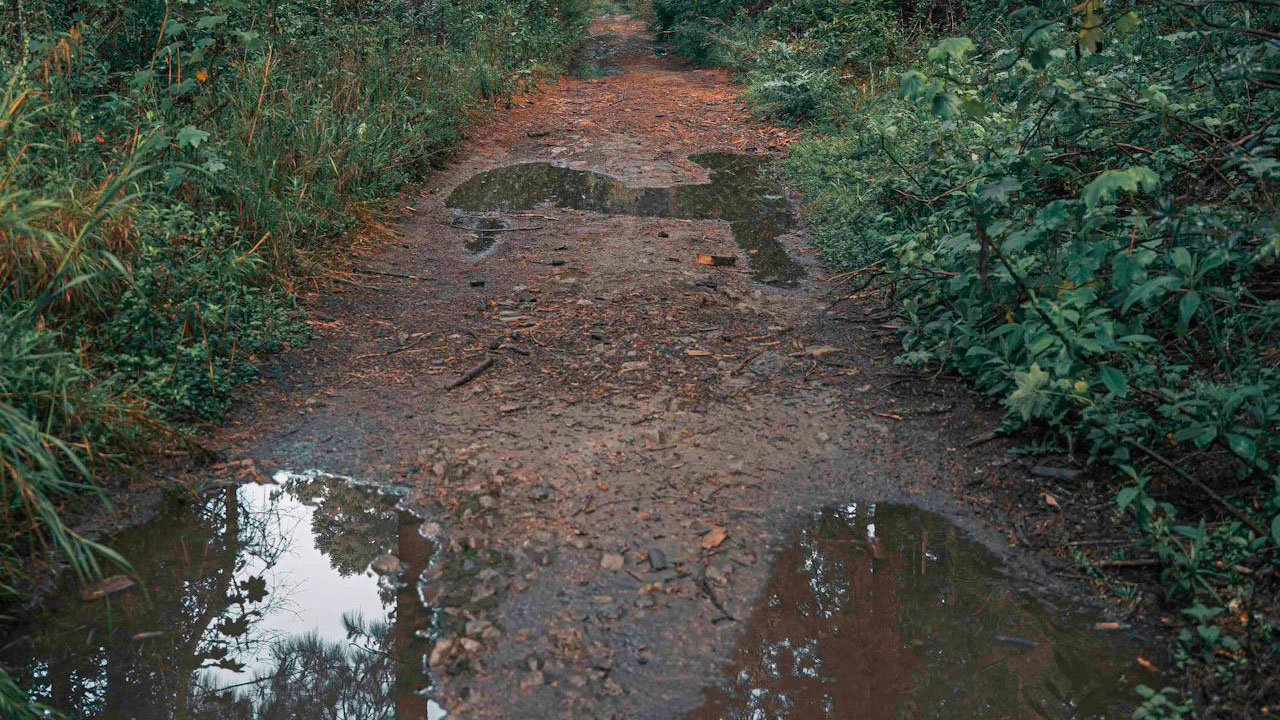
Rain isn’t just about what falls from above. It’s about where it moves once it hits the ground. If a man hasn’t thought about that, he’s going to be surprised when water starts running under his setup, pooling near his gear, or finding the easiest path straight into his sleeping area.
A little awareness here goes a long way. Watching the slope, noticing natural channels, even digging a small diversion if needed—those are the kinds of things that keep a bad night from getting worse. Ignoring it usually means dealing with it later when it’s already a problem.
His Gear Is All Sitting Out in the Open
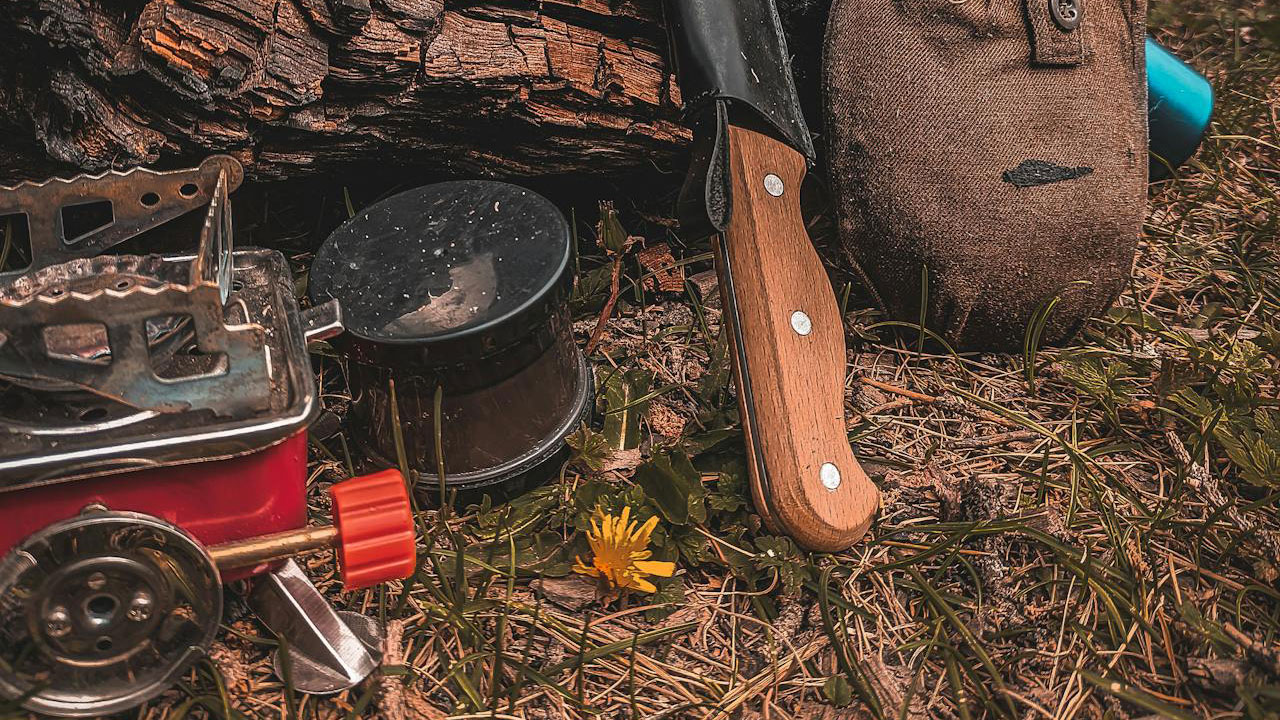
Before the weather hits, everything is laid out. Bags, clothes, food, tools—spread around like conditions are guaranteed to stay the same. There’s no plan for covering it, no quick way to protect it, and no sense of urgency about getting things secured.
Then the rain starts, and now it’s a scramble. People are grabbing what they can, stuffing things into random places, and trying to keep gear from getting soaked after it’s already halfway there. The guys who’ve been through it keep things protected from the start or at least ready to move quickly. The others wait until it’s too late.
He Brings the Wrong Sleeping Setup

This one shows up once the temperature drops or things get damp. Maybe the sleeping bag isn’t warm enough, maybe it doesn’t handle moisture well, or maybe there’s no insulation between him and the ground. Everything felt fine when he packed it. It doesn’t feel fine at two in the morning.
Cold and damp don’t need to be extreme to ruin sleep. They just need time. The guys who’ve experienced that once usually don’t forget it. They pack with a little more margin and think about how their setup will hold up if things aren’t ideal. The guy who hasn’t learned that yet is usually the one lying awake, shifting around, and counting down the hours until daylight.
He Underestimates Wind Completely

Rain gets most of the attention, but wind is often what makes a bad night worse. It finds gaps, pushes water sideways, shakes loose setups, and pulls heat away faster than people expect. The man who hasn’t dealt with it tends to focus on staying dry and forgets how much wind can change everything.
That’s when you see shelters struggling to hold shape, gear getting blown around, and setups that looked fine suddenly feeling exposed. The guys who’ve been through it think about wind from the start—direction, protection, and how to anchor things properly. The others treat it like an afterthought.
He Doesn’t Have a Plan for Wet Clothes

Once something gets wet, it stays wet unless you’ve got a plan. The inexperienced guy often doesn’t think that far ahead. He wears what he brought, gets soaked, and then realizes he doesn’t have a good way to dry anything or change into something that will stay comfortable.
That’s how a rough night turns into a miserable one. Cold, wet clothing against your body is hard to recover from without preparation. The guys who’ve learned this keep dry backups protected and think about how to manage moisture before it becomes a problem.
He Opens Everything Up During the Worst Part

You’ll see this when conditions are already bad. Rain coming down, wind picking up, everything already a little damp—and he decides that’s the moment to open up the shelter, dig through gear, or reorganize things.
Every time that happens, more water gets in, more heat escapes, and things get harder to manage. Experienced guys minimize how much they expose their setup when weather is at its worst. They get in, get what they need, and close things back up quickly. The others treat it like normal conditions and pay for it.
He Keeps Saying “It’ll Be Fine” Instead of Adjusting

Confidence is good, but ignoring problems isn’t. The guy who keeps brushing things off instead of making small adjustments early is usually the one dealing with bigger issues later.
A loose line, a shifting tarp, a small leak—those are easy to handle when they start. Left alone, they turn into something bigger. The experienced guys fix things as they notice them. The others wait until it’s uncomfortable enough that they have no choice.
He Doesn’t Protect His Sleeping Area Enough
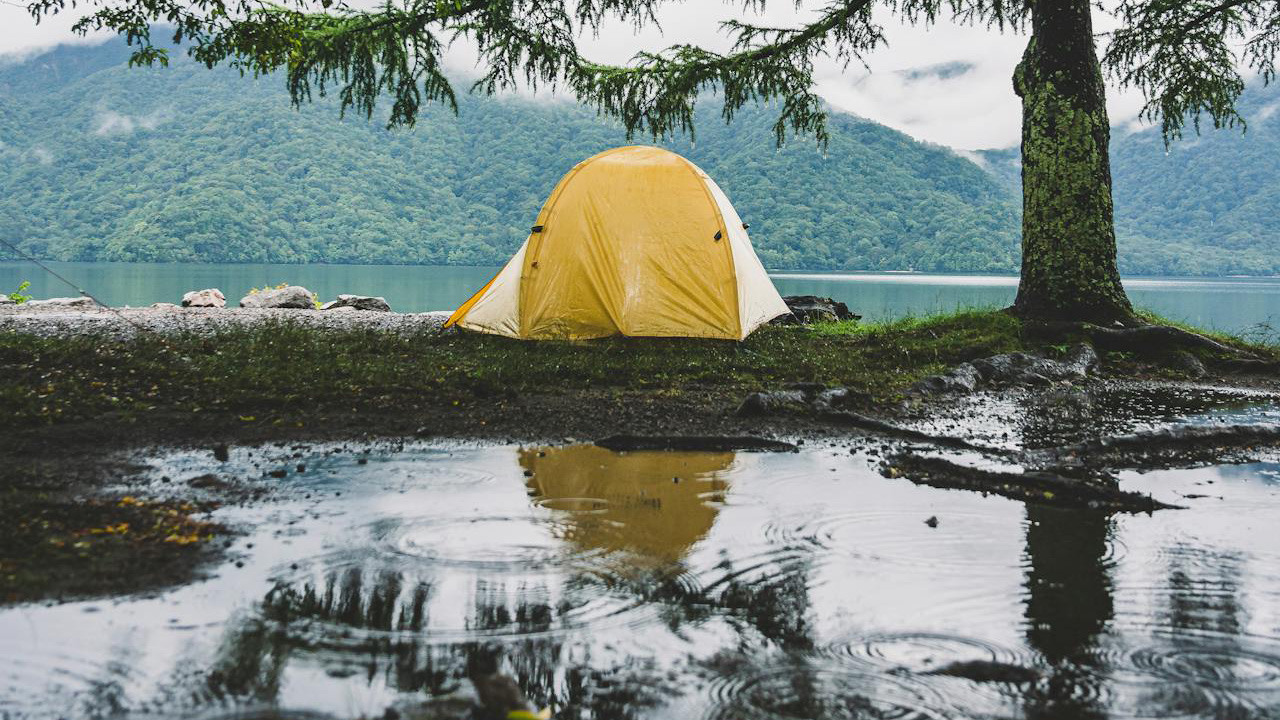
Where you sleep matters more than anything else when weather turns. If that space stays dry and reasonably warm, everything else is manageable. If it doesn’t, the whole night becomes a grind.
The inexperienced guy often treats the sleeping area like just another part of camp. The experienced guy treats it like the priority. Extra care in setup, protection from water, insulation from the ground—those details make the difference between a rough night and a miserable one.
He Burns Through His Energy Too Early

Bad weather takes more out of you. Moving around, adjusting gear, staying warm, dealing with conditions—it all adds up. The guy who hasn’t been through it tends to go hard early, trying to fix everything at once or fight the conditions directly.
By the time things settle in, he’s worn down. That’s when mistakes happen, and everything feels harder than it should. The experienced guys pace themselves. They handle what matters and conserve energy for when it’s really needed.
He Assumes Morning Will Fix Everything
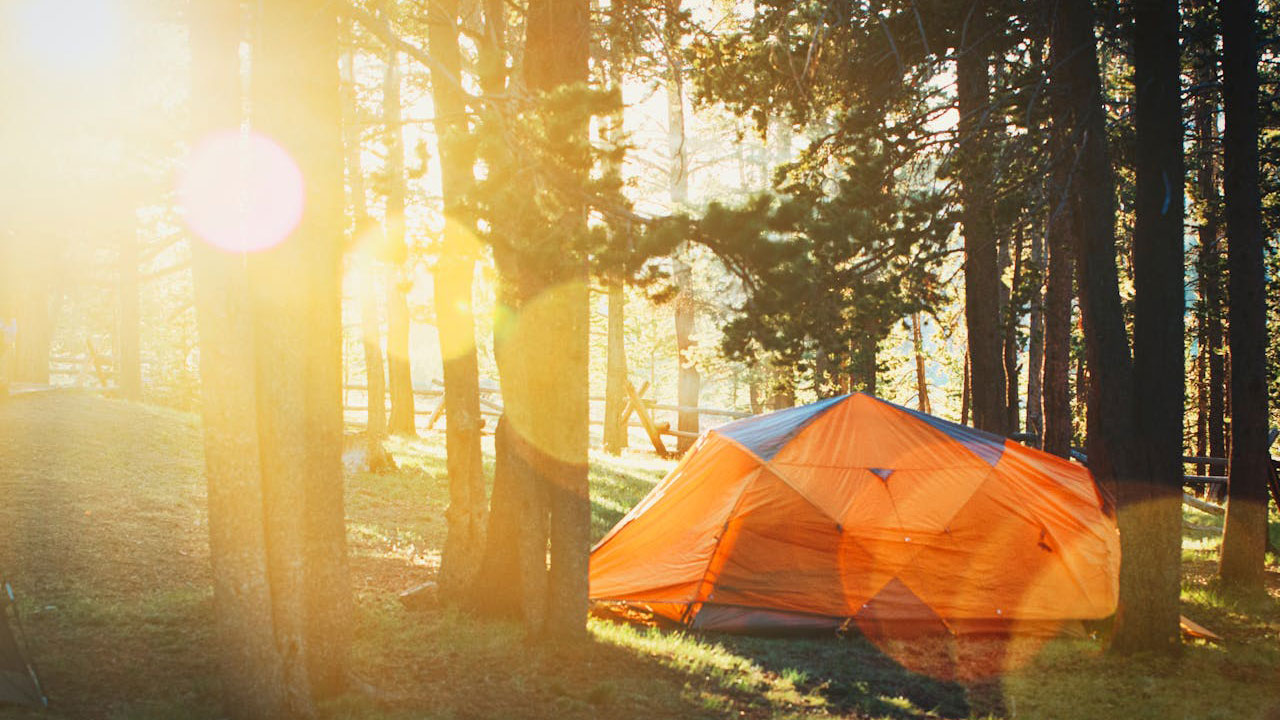
There’s always that moment where someone says, “We’ll deal with it in the morning.” Sometimes that works. A lot of times, it doesn’t. If something’s already going wrong—water getting in, gear getting soaked, shelter struggling—waiting usually makes it worse.
Bad weather doesn’t respect good intentions. It keeps doing what it’s doing until conditions change. The guys who’ve learned that handle problems as they come. The others hope for a reset that may not show up when they need it.
He Doesn’t Realize How Fast Comfort Can Disappear
This is the big one. Everything can feel fine one minute and completely different the next. Dry becomes damp, warm becomes cold, stable becomes shaky. The shift doesn’t take long.
The man who hasn’t experienced that tends to be caught off guard by how quickly things turn. The one who has expects it. He prepares for it, even when conditions look good. That difference shows up in every part of how they set up, pack, and handle the night once weather rolls in.
Like The Avid Outdoorsman’s content? Subscribe to our newsletter so you never miss an article.
Here’s more from us: