Photo credit: MMXeon/Shutterstock.com
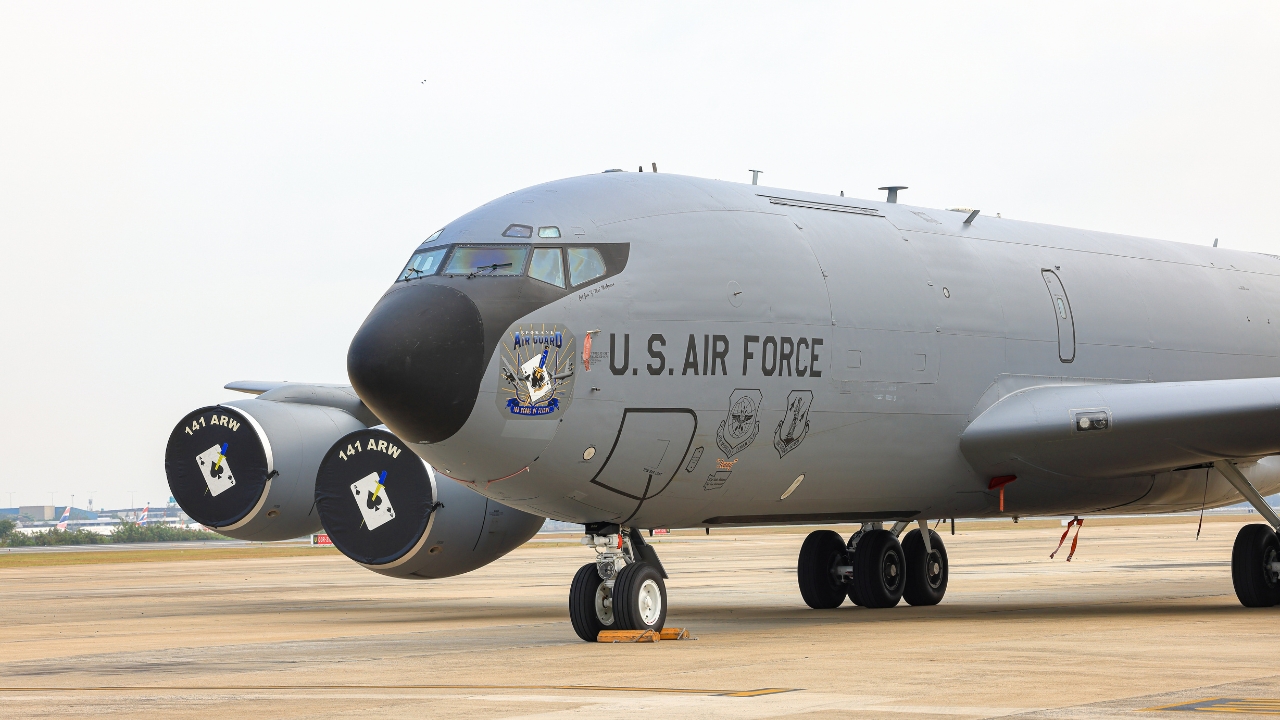
A U.S. Air Force KC-135 Stratotanker went down in western Iraq on March 12 while supporting ongoing operations tied to the conflict with Iran, leaving all six crew members dead in one of the deadliest non-combat aviation losses of the campaign so far. U.S. Central Command said the aircraft was operating in friendly airspace during Operation Epic Fury and stressed that the crash was not caused by hostile fire or friendly fire. A second KC-135 involved in the incident landed safely, and the circumstances of the loss remain under investigation.
The crash happened as the U.S. military continues a high-tempo air campaign that began Feb. 28. Tankers like the KC-135 are a major part of that effort because they allow fighters, bombers and surveillance aircraft to stay in the air longer without returning to base. CENTCOM first announced that four of the six airmen had been confirmed dead, then later said all six had died. As of the latest official update, the names of the crew members had not yet been released publicly while next-of-kin notifications were underway.
That detail matters because early online posts framed the incident as if the aircraft had been shot down over hostile territory. The public statements from CENTCOM and the Air Force say otherwise. Officials have been direct on one key point: the loss did not come from enemy action, despite claims circulating from Iran-aligned groups and social media accounts trying to pin the crash on an attack. At this stage, the military has not publicly identified a cause, and there is no official indication that the tanker was brought down by Iranian or militia fire.
The KC-135 has been one of the workhorses of U.S. airpower for decades. According to the Air Force, a standard KC-135 crew includes a pilot, co-pilot and boom operator, though some missions require a navigator. That helps explain why initial speculation about crew size varied after the crash. The fact that six airmen were aboard does not by itself signal anything unusual for a mission set supporting operations in a war zone, where extra personnel or mission-specific configurations can be involved.
The crash also lands in the middle of a wider debate about America’s aging tanker fleet. The Air Force has been trying for years to shift more of the refueling burden to the newer KC-46, but that program has been slowed by well-documented technical deficiencies. Just this week, Reuters reported that Air Force leaders do not plan to move ahead with another KC-46 order until Boeing fixes persistent issues, including problems related to the boom and visual systems used during refueling. That means older KC-135s are still carrying a huge share of the real-world mission load.
The bigger story here is not only the tragedy of losing six airmen. It is also the reminder that support aircraft are never just background players in a conflict. Refueling missions are essential to everything else the military wants to do in the air, and they come with real risk even when a plane is not taking enemy fire. This crash happened in what the military calls friendly airspace, but it still proved fatal. Until investigators release more, the safest conclusion is the simplest one: America lost a tanker and six airmen during a wartime support mission, and the official cause is still unknown.