Photo credit: Mircea Costina/Shutterstock.com
Coyotes don’t expand by marching in a straight line. They spread the way water finds cracks—following field edges, creek bottoms, new subdivisions, and the easy groceries that come with people. When deer numbers are strong, small game is everywhere, and humans keep reshaping the landscape, coyotes slide right in and start acting like they’ve always been there.
“Expanding fastest” doesn’t mean a state suddenly has coyotes for the first time. It usually looks like more sightings in places that used to be quiet, more trail-cam hits close to town, and more reports of coyotes taking pets, lambs, or fawns. In these states, you’re seeing some of the clearest signs of that momentum—especially around growing suburbs, farm country, and the patchwork habitat coyotes seem to love.
Maine

Coyotes have been in Maine for generations, but what keeps changing is where you’re running into them and how comfortable they are around people. You’ll see them in big timber, cutovers, hay fields, and right behind housing developments that used to be “too busy” for predators. That steady spread into every corner of the state is what expansion looks like once a population is established.
If you hunt or trap in Maine, you’ve probably noticed how quickly coyotes learn a landscape. They travel far, use logging roads like highways, and shift their activity when pressure shows up. For landowners, the growth shows up as more nighttime vocalizations, more tracks in fresh snow near barns, and more daylight sightings in places that felt empty a decade ago.
New Hampshire

New Hampshire has plenty of cover and plenty of edge habitat—exactly what coyotes use to move and multiply. What feels “new” to many people is how often coyotes show up close to towns, schools, and trail systems. That isn’t because the woods vanished. It’s because coyotes are good at living in the in-between spaces where development meets brush, wetlands, and small farms.
You see the expansion in the way reports stack up outside the classic big-woods zones. Suburban greenbelts, powerline cuts, and river corridors become travel routes, and coyotes learn the rhythms of people. If you’re a hunter, that means more coyotes working the same funnels as deer. If you’re a homeowner, it means more sightings that aren’t deep-woods stories anymore.
Vermont

Vermont’s mix of forest, pasture, and low-density development gives coyotes room to grow without ever feeling “crowded.” The state has had coyotes for a long time, but expansion keeps showing up as broader, more consistent presence—more sign on back roads, more trail-cam photos near farms, and more coyotes using the same travel corridors year after year.
For you, the real takeaway is that coyotes don’t need wide-open prairie to thrive. They do well in the Green Mountain patchwork because there’s cover to bed in, mice and rabbits in the fields, and deer on the menu when winter tightens the screws. As they settle in tighter around people, they get harder to predict. The population doesn’t need to “explode” to feel bigger—you notice it when encounters become routine.
Massachusetts

Massachusetts is one of the clearest examples of coyotes pushing into human-heavy landscapes and staying there. You’re not talking about a remote wilderness story. You’re talking about coyotes living in town forests, golf course edges, rail corridors, and the brushy strips behind neighborhoods. As those sightings become more common, it feels like the coyotes are “moving in,” even if they’ve been nearby for years.
Expansion here often looks like boldness and consistency. You’ll see the same animals using the same routes at the same times, and conflicts rise when food gets easy—unsecured trash, outdoor pet food, or rodents drawn in by bird feeders. If you spend time outdoors, the shift is obvious: more scat on trails, more tracks in soft mud, and more daytime appearances in places that used to feel predator-free.
Connecticut

Connecticut has the kind of dense, edge-heavy habitat coyotes thrive in—woods chopped up by roads, neighborhoods, and small farms. That layout creates endless travel lanes and plenty of cover, which is why expansion often shows up as coyotes becoming “normal” in places that once only had the occasional report.
You’ll notice it in the little patterns. Coyotes working creek bottoms behind subdivisions, crossing roads at the same low spots, and showing up on trail cameras meant for deer. As the population settles in, you also see more seasonal spikes in conflict—spring denning behavior, fall dispersal, and winter movements when food gets tight. It’s not that the entire state changes overnight. It’s that more people start seeing the same predator in their everyday spaces.
Rhode Island

Rhode Island is small, but it has enough green space, wetlands, and brushy corridors to support coyotes that move like they own the place. Expansion here doesn’t mean “new arrival.” It shows up as increasing visibility—more sightings in parks, more reports near neighborhoods, and more coyotes using narrow strips of habitat that connect bigger chunks of cover.
For you, the important detail is how quickly coyotes adapt to tight quarters. They don’t need huge territories if food is steady, and suburban landscapes provide plenty—rodents, rabbits, fallen fruit, and the occasional easy meal when people get careless. In a state where people live close together, even a modest increase in coyote activity gets noticed fast. That’s why Rhode Island often feels like it’s seeing a surge when coyotes settle into predictable urban-edge routines.
New York

New York has everything coyotes want, from Adirondack backcountry to farm country to sprawling suburbs. Expansion is most noticeable where people didn’t grow up seeing coyotes routinely—around the metro edges, along river valleys, and across the patchwork of fields and woodlots upstate. As they fill in those gaps, sightings go from occasional to expected.
You can see it in how coyotes use human-altered landscapes. They travel along rail lines, cut through industrial edges, and hunt field margins like a trapline. When winter hits, they shift with prey and pressure, and that movement makes encounters feel “sudden.” For hunters, that means more coyotes showing up on deer stands and more vocal nights in places that used to be quiet. For everyone else, it means more daytime sightings and more need to keep pets and attractants under control.
New Jersey
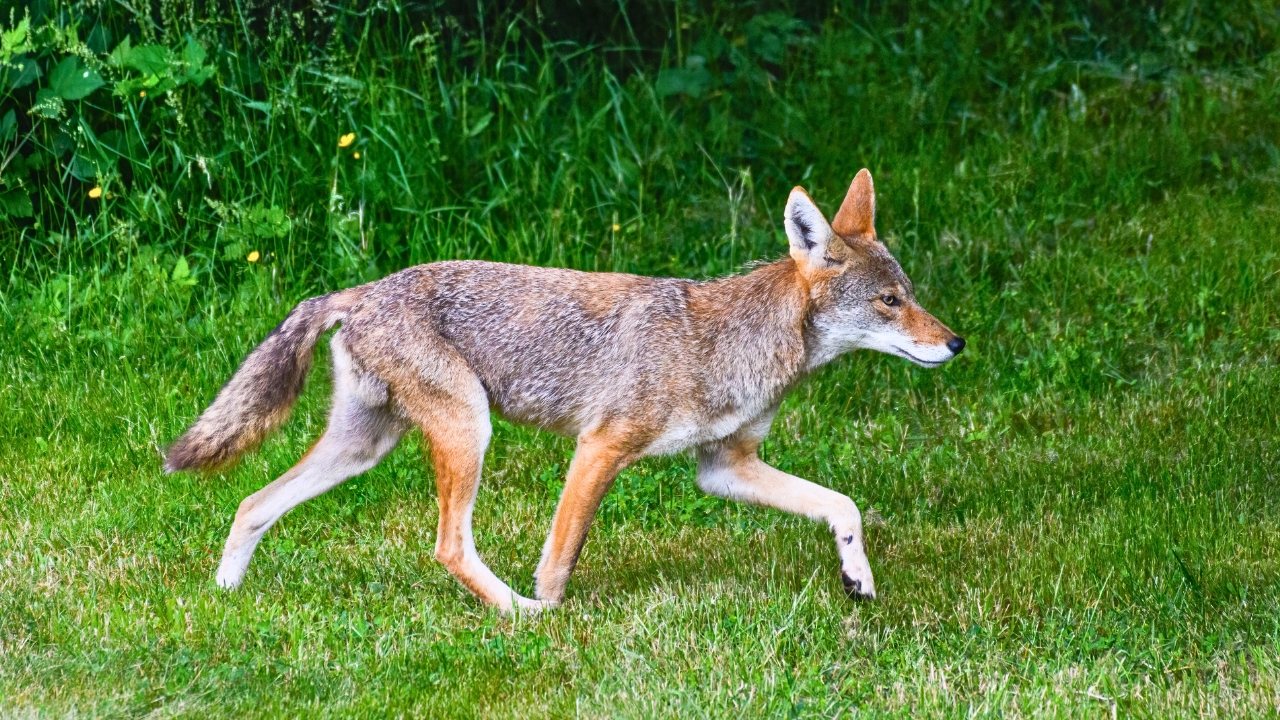
New Jersey is a textbook case of coyotes expanding through developed country. They’re not staying tucked away in the biggest woods. They’re living near people, using fragmented habitat, and showing up in places that feel too busy for a wild canine. That steady spread into and around developed areas is a big part of why the state keeps talking about coyotes more every year.
If you’re in New Jersey, expansion often looks like more reports than actual “new” territory. Coyotes learn neighborhoods, figure out where rabbits and rodents concentrate, and move mostly at night until they get comfortable. You’ll also see more trail-cam photos in tiny woodlots and more sightings along drainage systems and greenbelts. The state’s landscape forces wildlife to share space with people, and coyotes handle that better than almost anything else.
Pennsylvania

Pennsylvania’s mix of big woods, agriculture, and suburb sprawl gives coyotes a massive footprint to expand within. They’ve been present for a long time, but the growth shows up in how consistently you’re seeing them across regions—more sign in farm country, more sightings near towns, and more coyotes working the same ridges and creek bottoms hunters have used for decades.
For you, the practical impact is on deer and small game dynamics, especially in places where coyotes learn seasonal patterns. They’ll shadow the same travel corridors as deer, and they’ll key in on fawning areas in spring. As they fill in around people, they also get better at using pressure to their advantage—moving when you move, bedding where you don’t look, and slipping through cover that feels too small to matter. That’s how a predator “expands” without making a big show of it.
Maryland

Maryland’s coyote expansion is tied to classic Mid-Atlantic habitat: suburban edges, river corridors, farm fields, and hardwood pockets that connect everything. Coyotes use those corridors to spread, and once they’re established, sightings climb fast because there are simply more people to notice them. You’ll hear about coyotes in places that sound improbable until you look at a map and see the greenways.
If you spend time outdoors in Maryland, you’ll notice the signs before you see the animal—tracks in muddy trail junctions, scat on logging roads, and the occasional quick silhouette crossing a field at dawn. Expansion also shows up in conflict reports when coyotes start using neighborhoods as part of their routine travel. The bigger story is that coyotes don’t need vast wilderness. In Maryland, they’re proving they can live in the seams of the landscape and keep spreading quietly.
Virginia

Virginia has long had coyotes, but the state keeps seeing growth in areas where they’re now part of daily life—suburban counties, agricultural valleys, and the mixed timber-and-field country that stretches across much of the state. That variety lets coyotes disperse, find food, and settle in without hitting hard barriers.
For you, the most noticeable change is how “normal” coyotes feel across regions. It’s less of a rare sighting and more of a regular pattern—trail cameras picking them up on the same crossings, hunters hearing them during deer season, and homeowners seeing them trot along treelines behind subdivisions. Expansion also shows up in how quickly young coyotes disperse and fill empty pockets. When pressure removes a few animals, the space doesn’t stay open for long. That resilience is a big reason the population keeps pushing outward.
West Virginia

West Virginia’s ridges, hollers, timber cuts, and rough country give coyotes plenty of cover and travel lanes. Expansion here often feels like a steady tightening—more sign in remote places you assumed were “too wild” for coyotes to be common, and more sightings around small towns where people didn’t expect to see them years ago.
If you hunt in West Virginia, you’ve probably noticed coyotes using the same terrain features you do. Saddles, benches, old roads, and creek bottoms are natural funnels, and coyotes learn them quickly. As they expand, they also get better at living around people without being seen, which makes encounters feel sudden when one finally shows up in daylight. The state’s rugged landscape doesn’t slow them down. It gives them cover, and that cover makes expansion harder to track until it’s already well underway.
North Carolina

North Carolina has a long history of coyote presence, but the expansion story keeps showing up in the mix of coastal plain agriculture, growing suburbs, and the endless edge habitat that ties it all together. Coyotes move along ditches, field borders, and timber lines, and they spread in a way that’s easy to underestimate until sightings and conflicts start stacking up.
For you, it can feel like coyotes are “everywhere” because they’re showing up in so many different settings—farm country, pine plantations, and neighborhoods built near habitat corridors. Seasonal food drives it: rodents and rabbits year-round, deer fawns in spring, and whatever else is available when opportunities pop up. As development expands, coyotes don’t retreat. They adjust, shift their hours, and keep operating in the margins. That adaptability is why growth feels fast in many parts of the state.
South Carolina

South Carolina’s coyote expansion is tied to the Southeast’s larger trend: coyotes establishing dense, resilient populations that are tough to reduce once they’re in place. Between pine plantations, agriculture, and rapidly growing residential areas, there’s steady food and plenty of cover. Coyotes use those conditions to spread and to keep showing up in places people assumed were “too close” to human activity.
If you’re a hunter, you notice it in fawn country and along field edges where coyotes cruise at first and last light. If you’re a landowner, you notice it when livestock losses or pet conflicts increase, especially near cover that lets coyotes slip in and out unseen. Expansion also shows up in the way coyotes respond to pressure—changing travel routes, going nocturnal, and filling back in quickly when numbers drop locally. That’s the pattern that makes growth feel relentless.
Georgia

Georgia has been a major focus for Southeast coyote research, and the state keeps showing the same reality: coyotes establish quickly, stabilize strongly, and spread through a wide range of habitats. From farmland and timber country to suburban sprawl, Georgia offers easy travel corridors and a steady prey base. That combination helps coyotes expand and stay anchored.
For you, the on-the-ground shift looks like more consistent sign and more predictable encounters. Coyotes working the same field edges, showing up on deer cameras all year, and becoming a regular part of the predator mix in places that didn’t talk about them much in the past. Expansion doesn’t always mean “new county.” It often means higher density and broader day-to-day presence, which is what drives more sightings and more conflict reports. In Georgia, coyotes have proven they can thrive nearly anywhere the landscape gives them cover and food.
Florida

Florida is one of the clearest modern expansion stories because coyotes spread into the state through natural range movement and then kept filling in until they were statewide. What’s changing now is visibility—more reports, more neighborhood sightings, and more coyotes living in close contact with people. As development pushes into former habitat, coyotes don’t disappear. They adapt and keep moving.
For you, that means encounters can feel more frequent and more personal, especially in fast-growing parts of the state. Coyotes learn to use canals, retention ponds, tree lines, and green spaces as travel routes, and they can live surprisingly close without being seen for weeks. Expansion also shows up when coyotes become a regular part of the nighttime soundscape in places that used to be quiet. Florida’s story isn’t about a rare animal arriving. It’s about a predator settling in so thoroughly that people are forced to learn how to live around it.
Like The Avid Outdoorsman’s content? Subscribe to our newsletter so you never miss an article.
Here’s more from us: