Photo credit: The Two Lucky Gunners/YouTube
For years, revolvers got talked about like they were hanging on out of nostalgia while newer handgun designs handled the real future. More capacity, faster reloads, lighter weight, easier optics options, better this, better that. Some of those arguments were fair. A good semiauto does solve a lot of problems. But plenty of the excuses people used to dismiss revolvers were really just ways of overlooking how dependable, shootable, and long-lasting a good wheelgun still is.
That becomes obvious once the newer stuff starts aging unevenly. Some modern designs hold up fine. Some do not leave much of an impression once the launch buzz is over. Meanwhile, the better revolvers just keep doing what they always did. They stay accurate, durable, and useful in roles people swore they had already been replaced in. These are the revolvers that kept going long after the excuses for newer designs started sounding tired.
Smith & Wesson Model 28 Highway Patrolman
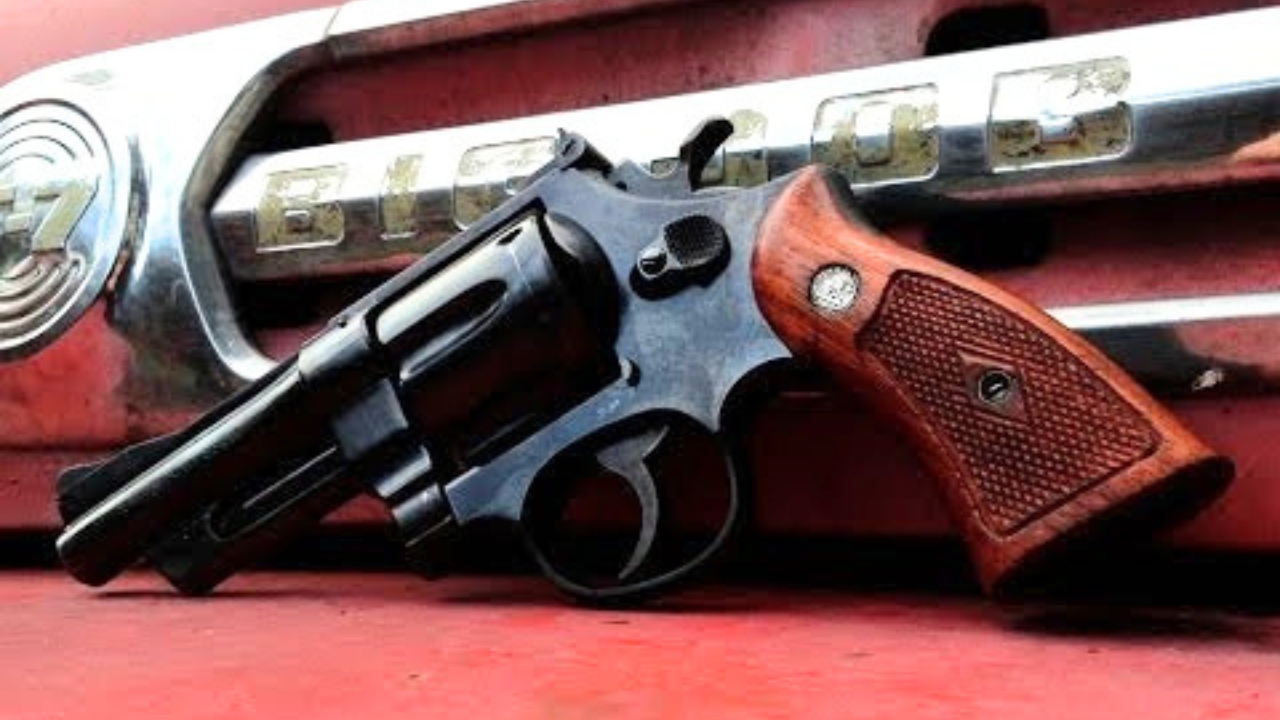
The Model 28 never had the polish or prestige of some other N-frame Smiths, which helped people underestimate it for years. It looked plain, almost intentionally plain, and that made it easy to treat like the working man’s compromise instead of what it really was: a serious .357 Magnum built to take hard use. A lot of shooters spent years chasing newer ideas while guns like this quietly kept earning trust the old-fashioned way.
That trust came from substance, not style. The Model 28 is strong, steady, and easier to respect the longer you spend with one. It handles magnum loads with authority, points well for a large revolver, and carries that old S&W service-gun feel that never needed modern excuses to matter. It outlasted plenty of cleverer ideas simply by staying useful.
Ruger Security-Six
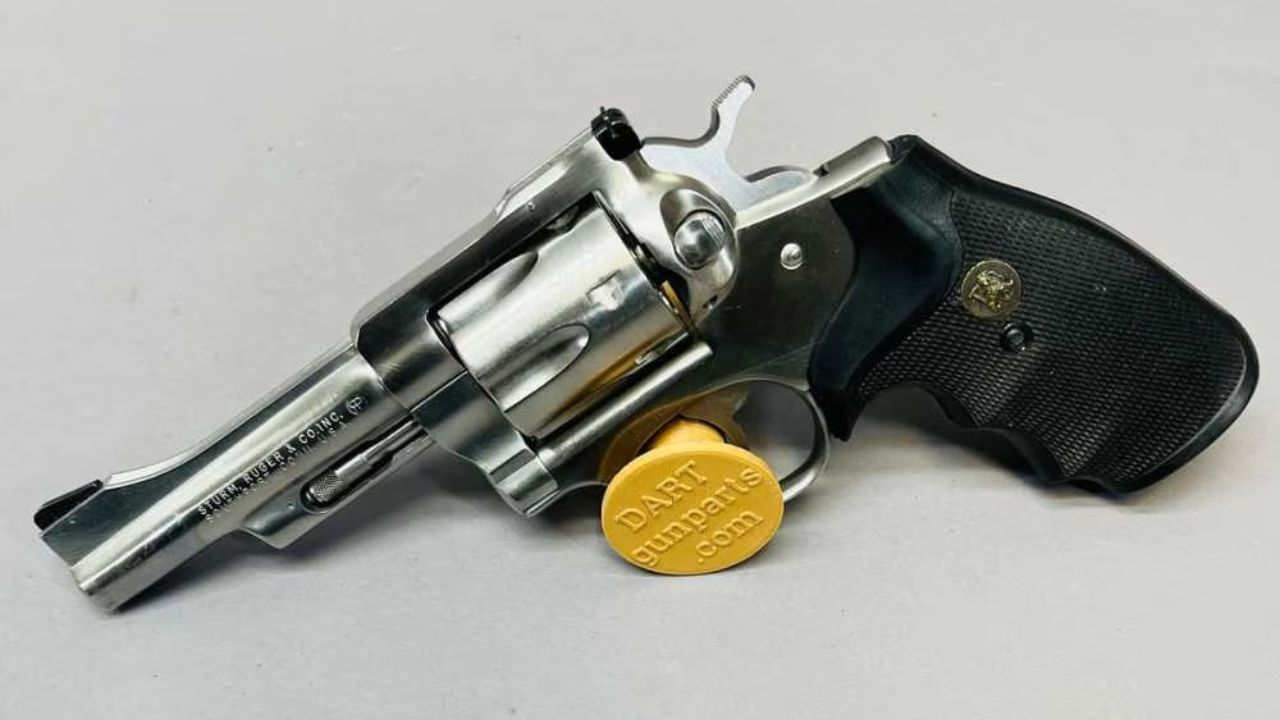
The Security-Six spent a long time living in the shadow of both older Smiths and newer Rugers. People respected it, but often in a casual way, as if it were just one more old duty revolver from a chapter the market had already moved on from. That made it easy to overlook while shooters chased newer defensive handguns that seemed smarter on paper and more modern in the display case.
Then those newer choices started blending together, and the Six series started looking a whole lot sharper. The Security-Six has balance, toughness, and the kind of honest utility that never really goes stale. It is the sort of revolver that reminds you durability is not a trendy feature. It either exists in the gun or it does not, and this one has plenty of it.
Colt Trooper Mk III
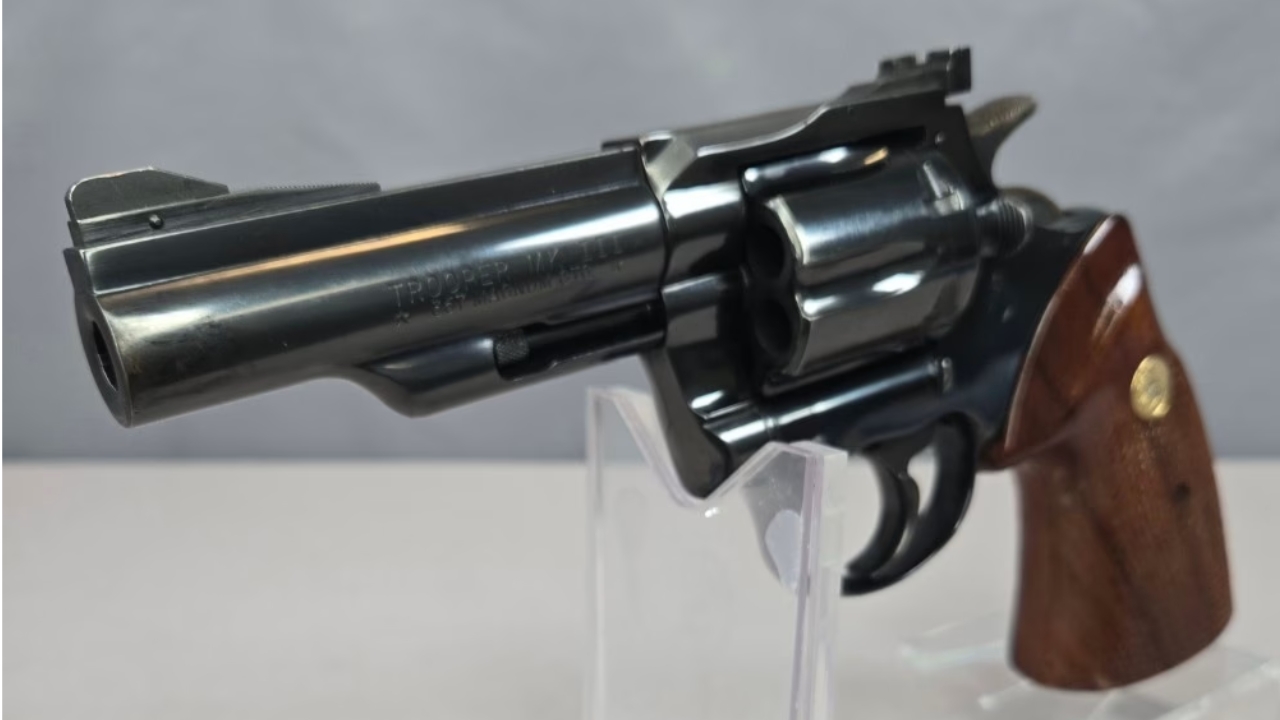
The Trooper Mk III has always been a little too practical to get the same romantic talk some older Colts receive, and that may be why it has aged so well. It was built to be used, not worshiped, and for a long time that let buyers take it for granted. Many people treated newer revolver-adjacent designs and higher-capacity pistols like obvious upgrades while the Trooper just kept sitting there, still making sense.
What makes it stick is how grounded it feels. It is a real working Colt with strength, shootability, and enough refinement to feel special without becoming fragile. Once the excitement of newer designs wears off, revolvers like the Trooper Mk III start looking like the smarter long-term answer. They may not have arrived with noise, but they stayed after the noise faded.
Smith & Wesson Model 64

The Model 64 was easy to dismiss because it looked too straightforward. Stainless K-frame, fixed sights, service-gun roots, nothing flashy. For years, people acted like revolvers in this lane had been passed over by progress, as though practical six-shooters were only relevant if you were intentionally trying to live in the past. That argument held up right until shooters started realizing how many “modern” handguns felt disposable by comparison.
The Model 64 never needed much selling. It is durable, easy to understand, and surprisingly satisfying in the hand for such a plain gun. There is a reason so many old police revolvers kept surviving long after the market had already started delivering their replacements. The 64 may not look dramatic, but it outlasted a lot of more fashionable ideas without much effort.
Ruger Blackhawk

The Blackhawk kept winning because it never cared whether the market thought it was outdated. While newer handguns chased speed, capacity, and ever more layered claims of versatility, the Blackhawk stayed rooted in deliberate shooting and brute durability. A lot of people treated that like a limitation. In reality, it was part of why the revolver kept making sense to shooters who wanted a handgun they could trust for decades.
It also has real range beyond nostalgia. The Blackhawk is strong, adaptable across chamberings, and rewarding in a way many modern handguns simply are not. It makes you slow down, pay attention, and shoot with intention. That kind of interaction tends to age better than the sales language attached to newer designs that promised more than they actually delivered.
Colt Detective Special
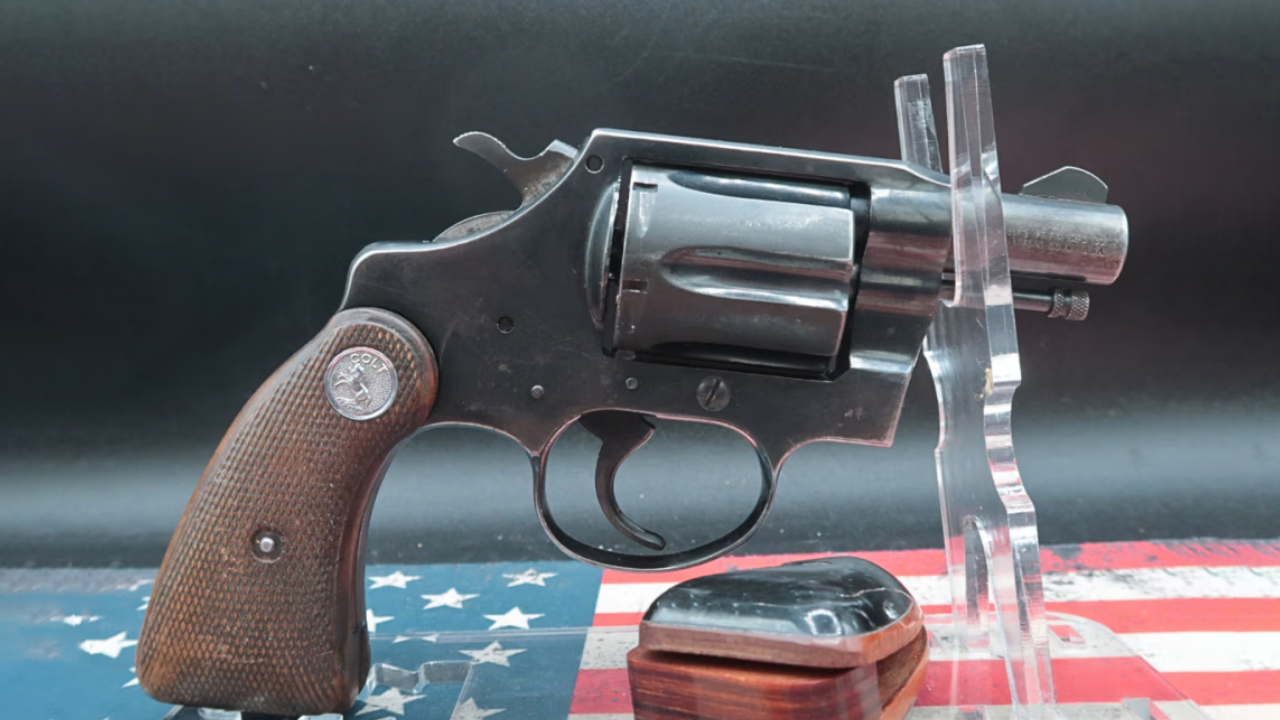
People spent a long time acting like the small defensive revolver had been completely overtaken by modern carry pistols. Then a lot of shooters discovered that tiny semiautos often came with sharp recoil, uneven reliability reputations, and a carry experience that felt smarter in theory than it did on the range. That is where the Detective Special started looking much more relevant again.
It was never just a cute old snubnose. It was a well-balanced, genuinely useful carry revolver with a little more capacity than the typical five-shot crowd and a lot more class than most modern pocket guns. The Detective Special outlasted the excuses because it kept solving the problem it was built to solve without pretending to be something else.
Smith & Wesson Model 57
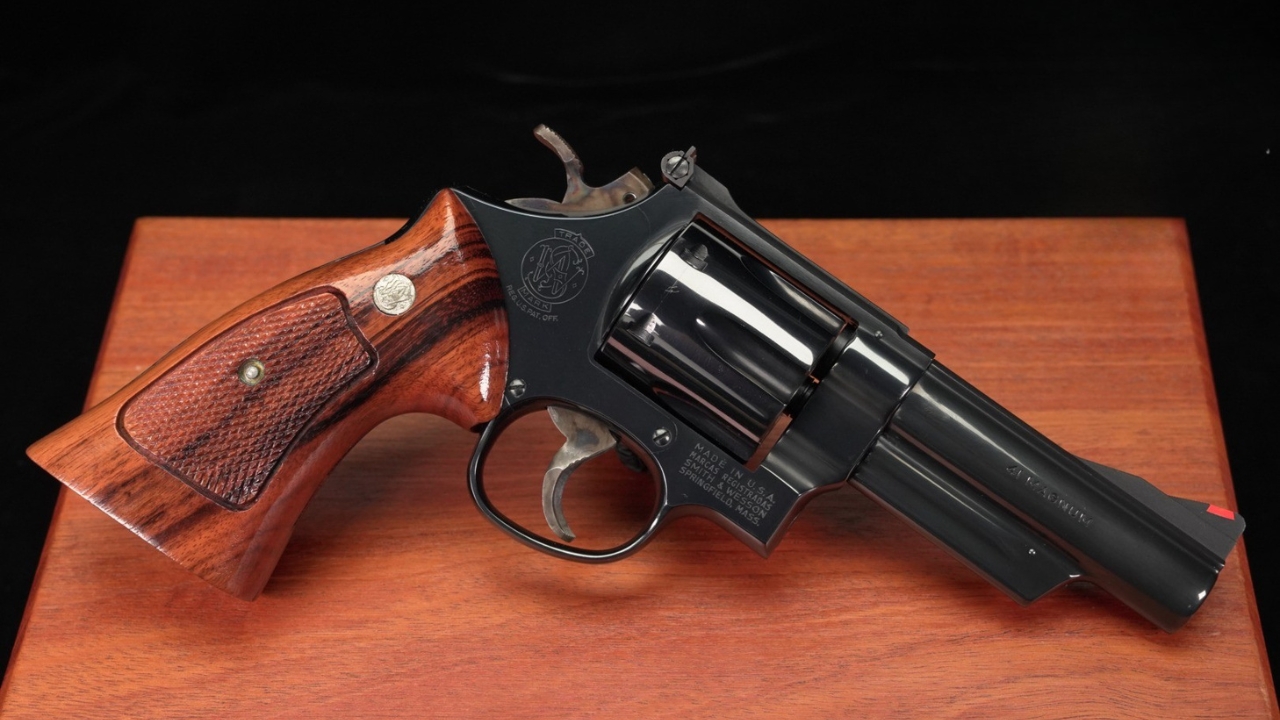
The Model 57 is the kind of revolver people used to treat like a beautiful leftover from another era, something impressive but not really necessary once newer magnum concepts and more modern hunting handguns entered the conversation. That line of thinking sounded fine until a lot of those newer ideas started feeling more like niche products than meaningful upgrades. The old N-frame .41 suddenly did not seem so outdated anymore.
A good Model 57 still feels serious in the hand. It has real authority, real shootability for its class, and the kind of fit and finish that makes newer big-bore concepts feel a little overexplained. It never needed a rebrand to stay desirable. It just needed enough time for the market to remember that well-made revolvers with real purpose do not age out as quickly as people claim.
Ruger Redhawk
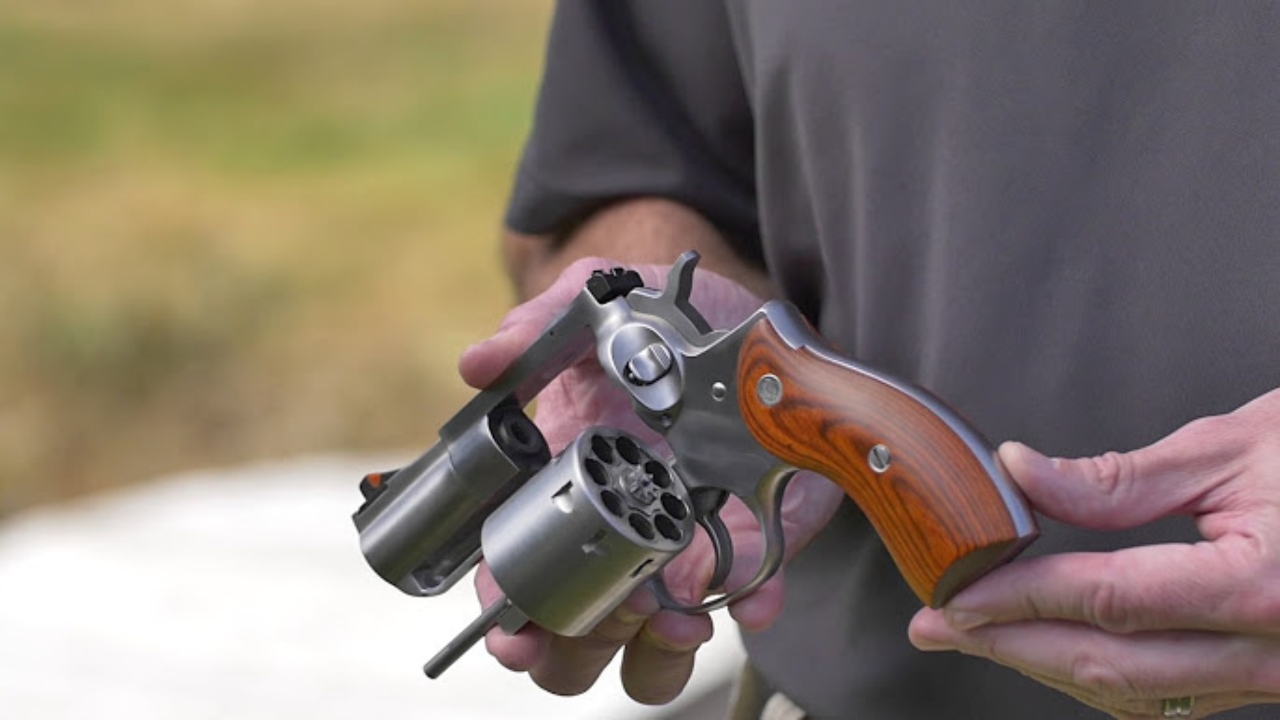
The Redhawk has always been too unapologetic to care about trends. It is big, strong, and built around the idea that a serious revolver ought to feel like it can take abuse without apology. For years, people used every excuse they could to sideline guns like this in favor of more modern designs that sounded easier to carry, easier to accessorize, or easier to label as forward-thinking. Then the compromises started showing.
That is where the Redhawk pulls ahead. It feels durable in a way many newer handguns never quite manage. Whether in .44 Magnum, .45 Colt, or other heavy-hitting chamberings, it has the kind of staying power that makes excuses sound flimsy. Shooters grow into guns like this. They do not age out of them.
Smith & Wesson Model 15
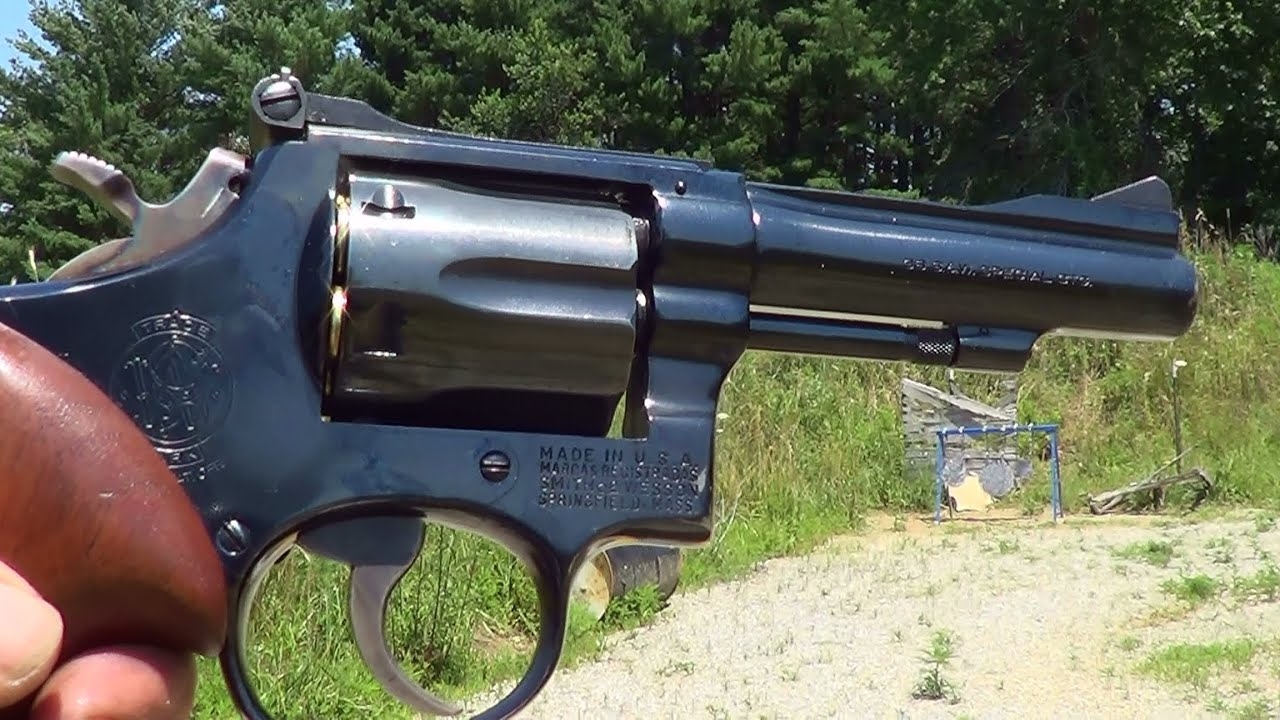
The Model 15 kept outlasting expectations because it never needed drama to justify itself. It was a service revolver with clean lines, excellent balance, and a level of shootability that a lot of shooters only appreciate once they get tired of modern handguns that feel more optimized than enjoyable. For years it was easy to look at a K-frame .38 and assume the category had been thoroughly replaced.
That assumption falls apart after enough real trigger time. The Model 15 is accurate, comfortable, and honest about what it is. It does not chase power fantasies or modern marketing angles. It simply works, and works in a way that still teaches shooters something. That is usually the kind of handgun that survives long after trend-based replacements stop feeling interesting.
Colt Lawman Mk III
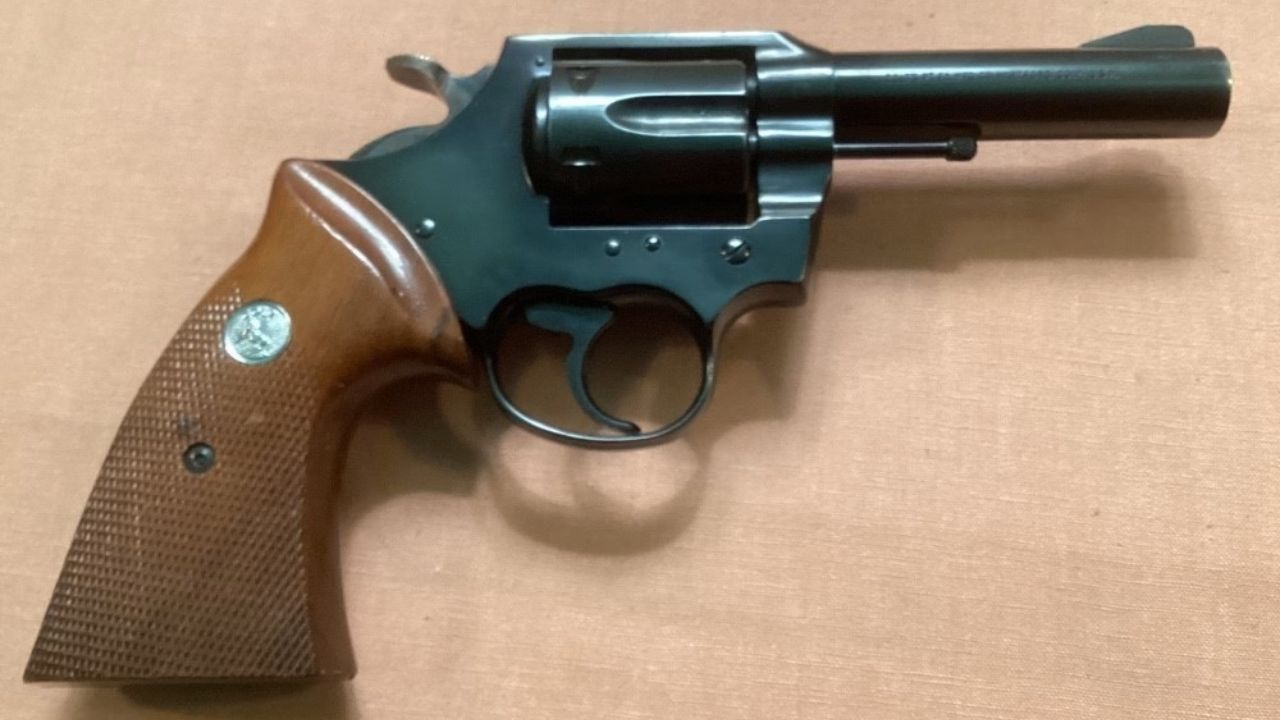
The Lawman Mk III spent years being treated like a plain-duty Colt without much glamour, which is usually a sign a revolver is going to age better than people expect. It was built around practical use, not collector romance, and that gave it a sturdier reputation over time. While newer designs kept trying to convince shooters that old wheelguns had finally become irrelevant, the Lawman just kept looking like a dependable answer that nobody had really improved on.
It also benefits from being straightforward. Good sights, useful size, real Colt feel, and a design that still makes sense. The longer the market chased shinier defensive ideas, the more revolvers like this gained appeal with people who were tired of gimmicks. The Lawman did not need fanfare. It just needed enough years to prove it was not going anywhere.
Smith & Wesson Model 27
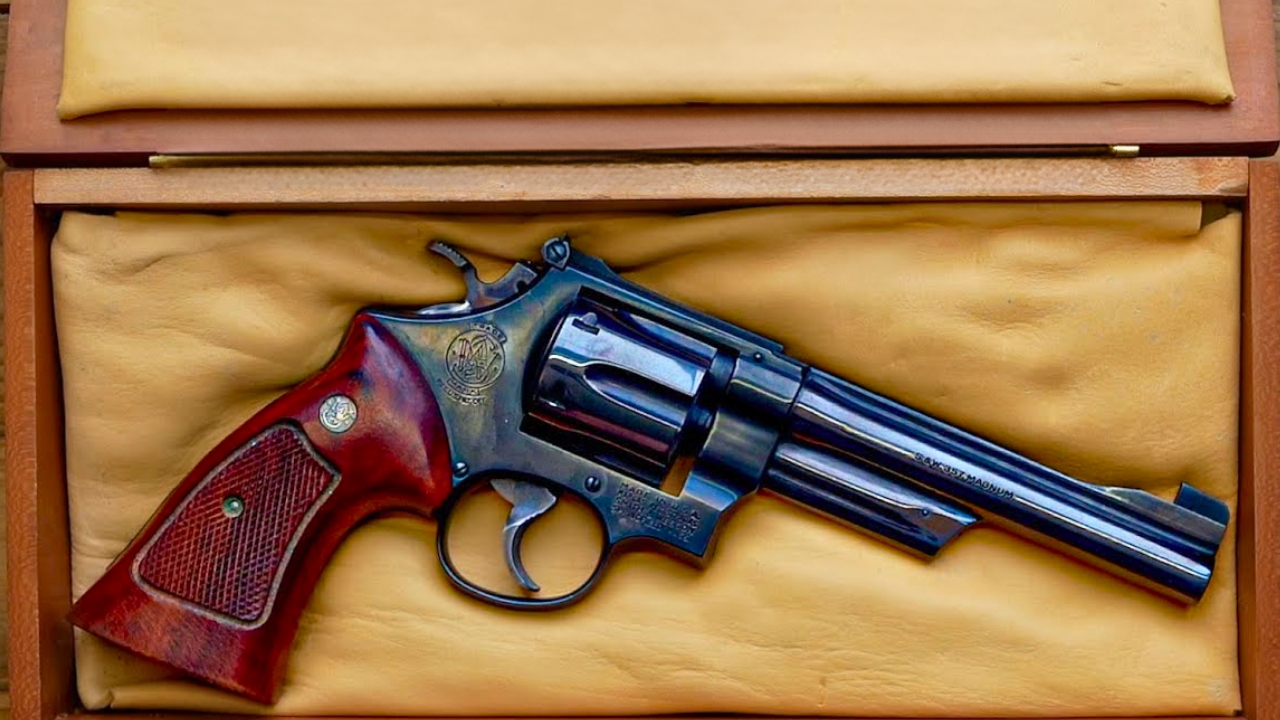
The Model 27 outlasted excuses partly because it never felt like it needed to answer to them. It was always a top-tier magnum revolver, even when the market tried to act like revolvers in general had already been replaced by better, faster, smarter things. A lot of those newer answers ended up feeling thin beside a revolver with this much substance and confidence built into it.
Everything about the Model 27 still feels deliberate. The weight, the finish, the authority, the way it handles full-power loads, all of it reminds you that older revolver design was not some primitive stage the market moved beyond. Sometimes it was just better in the ways that matter longest. The 27 stayed desirable because quality does not really expire.
Ruger Bisley Blackhawk

The Bisley Blackhawk kept its place because it solved recoil and control the old-fashioned way, with shape, strength, and practical design instead of layers of modern explanation. A lot of shooters once assumed single-actions like this had become side shows in a market dominated by semiautos and tactical thinking. Then they actually spent time with one and remembered that comfortable power is still worth something.
It has always been more than a nostalgia piece. The Bisley grip frame, stout Ruger construction, and serious chambering options make it a revolver that still handles real field work with ease. A lot of newer designs sounded more advanced, but plenty of them never felt this grounded. That is why this one kept hanging around after the excuses started wearing thin.
Taurus Model 66

The Taurus Model 66 does not get mentioned in the same breath as some prestige revolvers, but that is exactly why it fits this headline. It stayed in the game while the market kept acting like only the newest or most fashionable options deserved attention. In the hands of owners who actually used them, a lot of these revolvers proved more dependable and more durable than dismissive buyers wanted to admit.
That does not make it mythical. It makes it relevant. The Model 66 survived because it occupied a lane many newer designs failed to fill very honestly: a usable, shootable .357 that did not need to pretend it was revolutionary. When shinier guns come and go, revolvers that quietly do their job tend to stick around longer than their critics expect.
Smith & Wesson Model 625

The 625 kept disproving lazy assumptions about revolvers being slow, outdated, or too compromised for serious modern use. A good N-frame .45 ACP revolver with moon clips has a way of changing people’s tune quickly. It shoots smoothly, reloads faster than most people expect, and offers a different kind of confidence than the usual polymer pistol comparison crowd tends to understand.
That is why it outlasted the excuses so well. The 625 did not try to win by pretending to be a semiauto. It stayed relevant by being an excellent revolver with real strengths of its own. Once shooters tire of modern guns that all blur together, a revolver like this starts looking less like a throwback and more like a smart detour that never stopped making sense.
Ruger SP101

The SP101 kept hanging around because it never needed to be glamorous to be useful. People made every excuse in the world for why compact modern carry pistols had finally buried small revolvers for good. Then they spent enough time with tiny semiautos that were harsh, finicky, or just unpleasant enough to practice with regularly, and the SP101 started looking very appealing again.
It is sturdy, compact, and unapologetically built around real-world carry and real-world durability. No, it is not the lightest choice. No, it does not carry like a thin polymer micro. But it outlasted the excuses because it kept doing the hard part: being a trustworthy small revolver that people could actually live with once the novelty of newer designs wore off.
Like The Avid Outdoorsman’s content? Be sure to follow us.
Here’s more from us: