Photo credit: Bobby Brown/YouTube
Some guns never felt flashy enough to brag about when they were cheap, common, or just sitting there in plain view. Owners bought them because they liked them, trusted them, or simply thought they made sense at the time. That usually kept the tone pretty calm. They were not always the guns people led with in conversation because, for a long while, they did not seem like the kind of guns that needed defending or celebrating.
Then somebody asks what one costs now. That is when the mood changes. The same owner who barely mentioned it for years suddenly sounds a lot more pleased he kept it. These are the guns owners do not brag about until somebody asks what one costs now.
Browning BDA .45 ACP

The Browning BDA in .45 ACP spent years living in that quiet zone where owners liked it plenty without making a big speech about it. It was a serious pistol, well made, and tied to a respected name, but it never had the same loud collector aura as some of the more obvious classics. That made it easy to keep and easy not to boast about. It was just a solid gun sitting in the safe doing what a solid gun does.
Then current prices come up. That is usually when owners stop sounding casual. Suddenly the old BDA is not just some well-made .45. It is a harder-to-replace pistol from a lane of handgun history people took too lightly for too long. Once the market starts putting numbers on that lesson, owners tend to sound a lot prouder of having hung onto one.
CZ 83
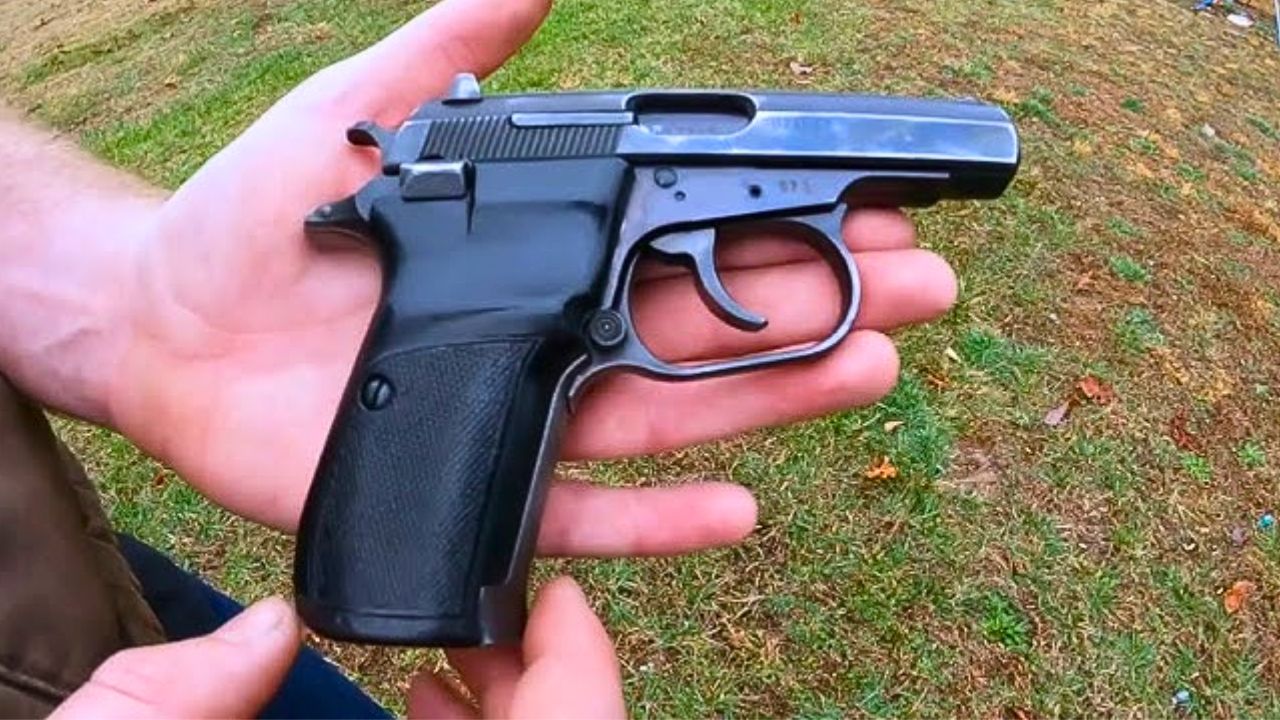
The CZ 83 is the kind of pistol many owners kept because it was reliable, comfortable, and oddly satisfying to shoot, not because they thought it was going to become a conversation piece. For years it lived in that category of very good but not heavily bragged-about handguns. If you owned one, you usually appreciated it quietly. It was more of a knowing nod pistol than a centerpiece pistol.
That changes once somebody asks what one would cost now. Then the owner starts sounding a little sharper, a little more aware that his old all-metal compact is no longer just a neat oddball. The market has a way of turning quiet appreciation into open pride when replacement cost gets high enough to make the point.
Remington Nylon 66
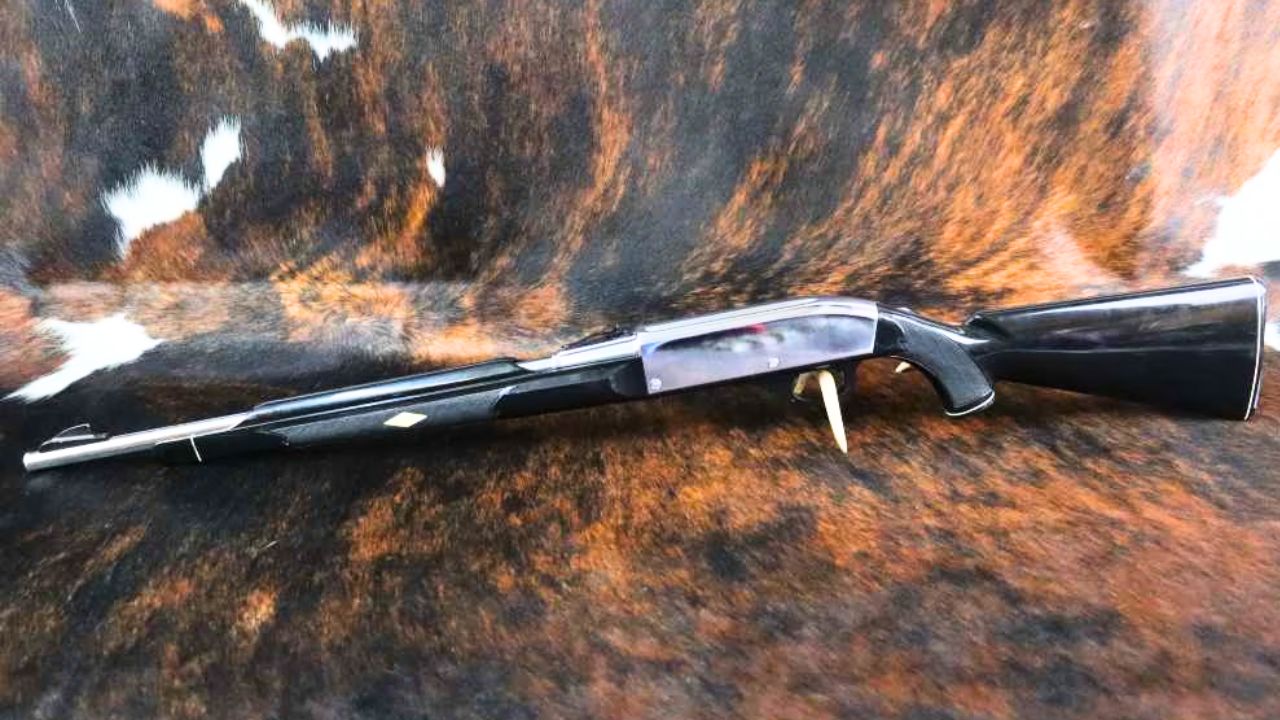
The Nylon 66 was easy for owners to treat casually for years because it was so familiar. It was light, useful, and fun, but it rarely felt like the sort of rimfire anybody needed to hype up constantly. A lot of people had one, shot one, or grew up around one, which made ownership feel normal rather than special. That usually keeps the bragging to a minimum.
Then people start asking what a clean one costs now. That is when the owner’s tone usually changes. The little rifle that once felt too ordinary to talk up suddenly starts sounding like a smart hold. Once buyers realize what decent examples bring now, the Nylon 66 tends to move from nostalgic background gun to something owners mention with a lot more satisfaction.
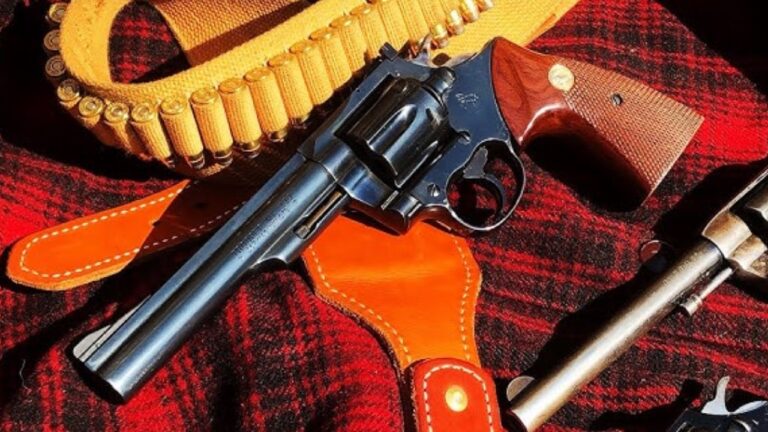
Ruger Security-Six

The Ruger Security-Six sat in plenty of safes for years as the revolver owners respected without needing to romanticize. It was sturdy, honest, and useful, but it also spent a long time in the shadow of more glamorous Colt and Smith names. That made it a very easy revolver to keep without turning into the kind of owner who constantly talked about how clever he was for owning one.
Ask what one costs now, though, and that calm tone starts fading. Owners remember pretty quickly that these were once the dependable, underappreciated Rugers people treated like second-line choices. Now that the market sees them differently, the owners do too. Nothing changes the voice faster than realizing your old working revolver is not nearly as easy to replace as it used to be.
Winchester 1200 Defender
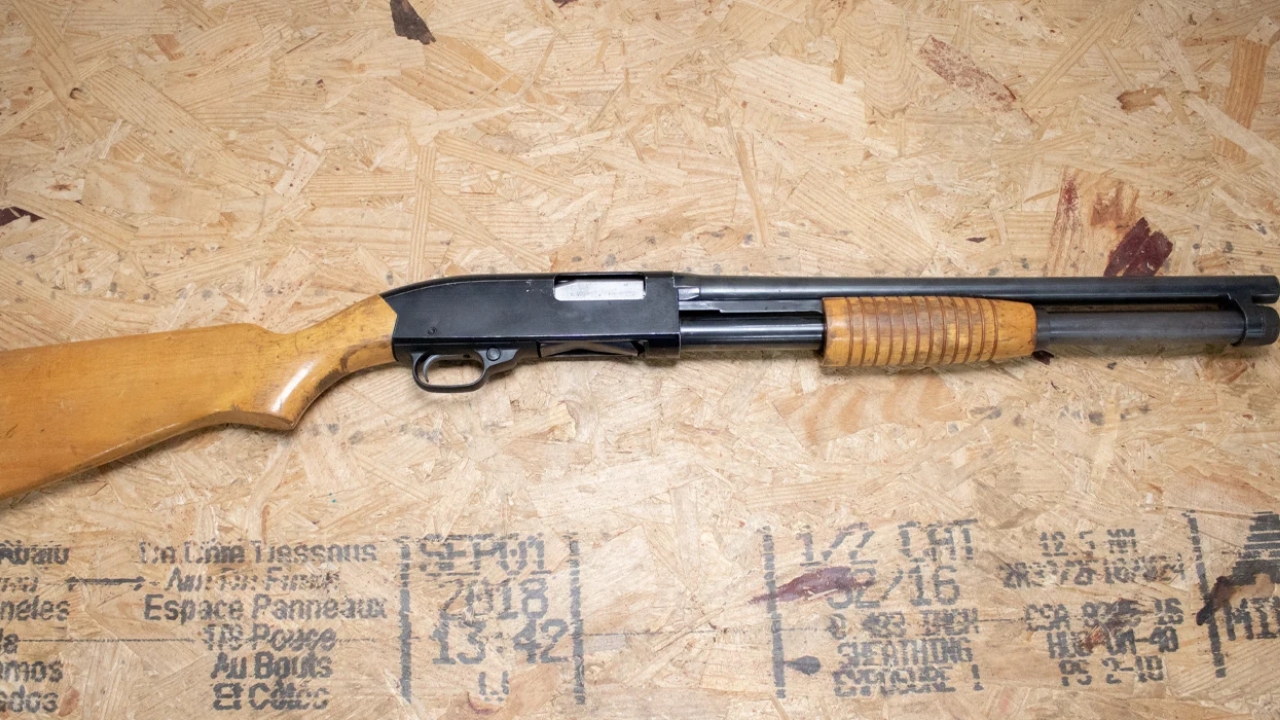
The Winchester 1200 Defender was never the sort of shotgun most owners strutted around bragging about. It was practical, handy, and often bought because it made sense, not because it screamed prestige. That kept it in a quiet lane for a long time. Owners knew they liked them, but that did not always translate into turning them into a talking point every time shotguns came up.
That changes when somebody asks what a clean Defender costs today. Then the owner usually gets a little more animated. The old Winchester that once felt like a straightforward pump suddenly sounds like one of those guns people were smarter to keep than they realized at the time. The market has a funny way of giving old practical choices a lot more swagger after the fact.
Smith & Wesson 3913
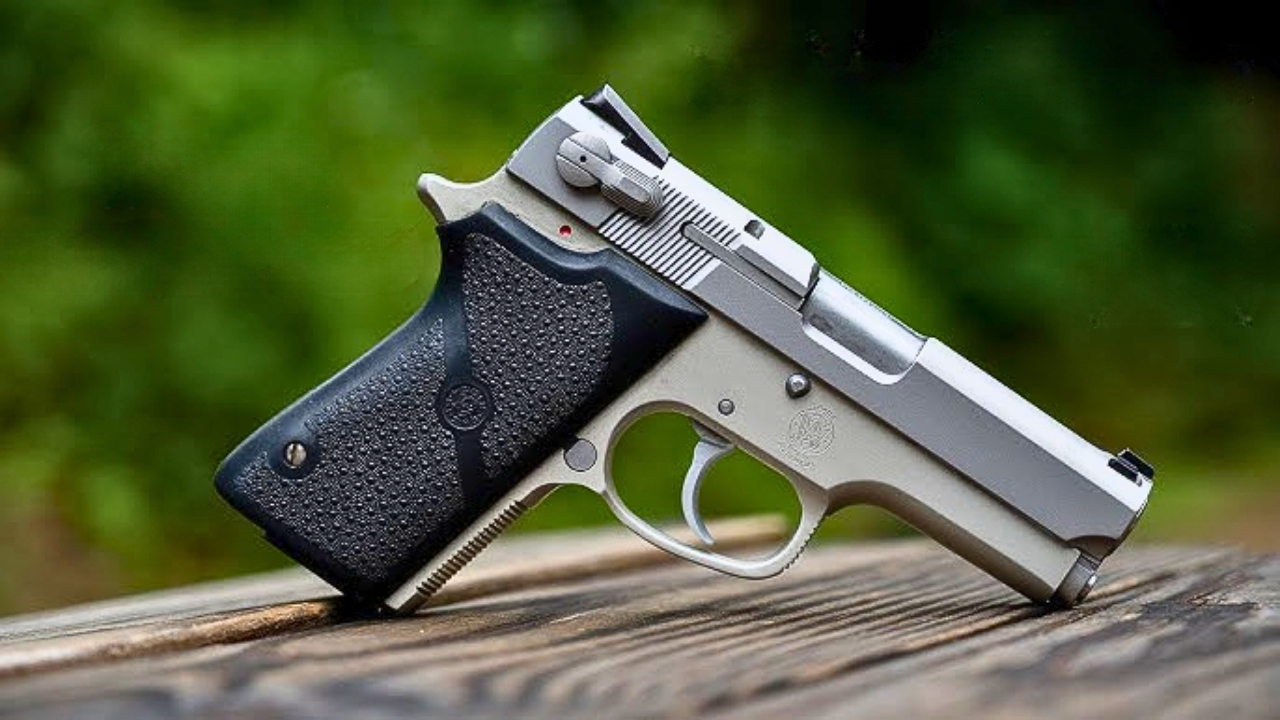
The Smith & Wesson 3913 often stayed in collections because it was just too useful and too well sorted to let go, not because owners were trying to flex anything. For years it lived in that lane of being a smart carry gun people appreciated quietly. It was never some giant showpiece. It was the kind of pistol you held onto because it kept making sense.
Then somebody asks what one costs now, especially a clean one. That is when the owner usually starts sounding pretty pleased. The compact Smith that once seemed like a low-drama carry piece suddenly looks a lot more like a well-timed keep. Once those numbers get mentioned, the old 3913 stops sounding like a simple practical pistol and starts sounding like proof the owner knew what mattered before the market did.
Marlin Camp 9
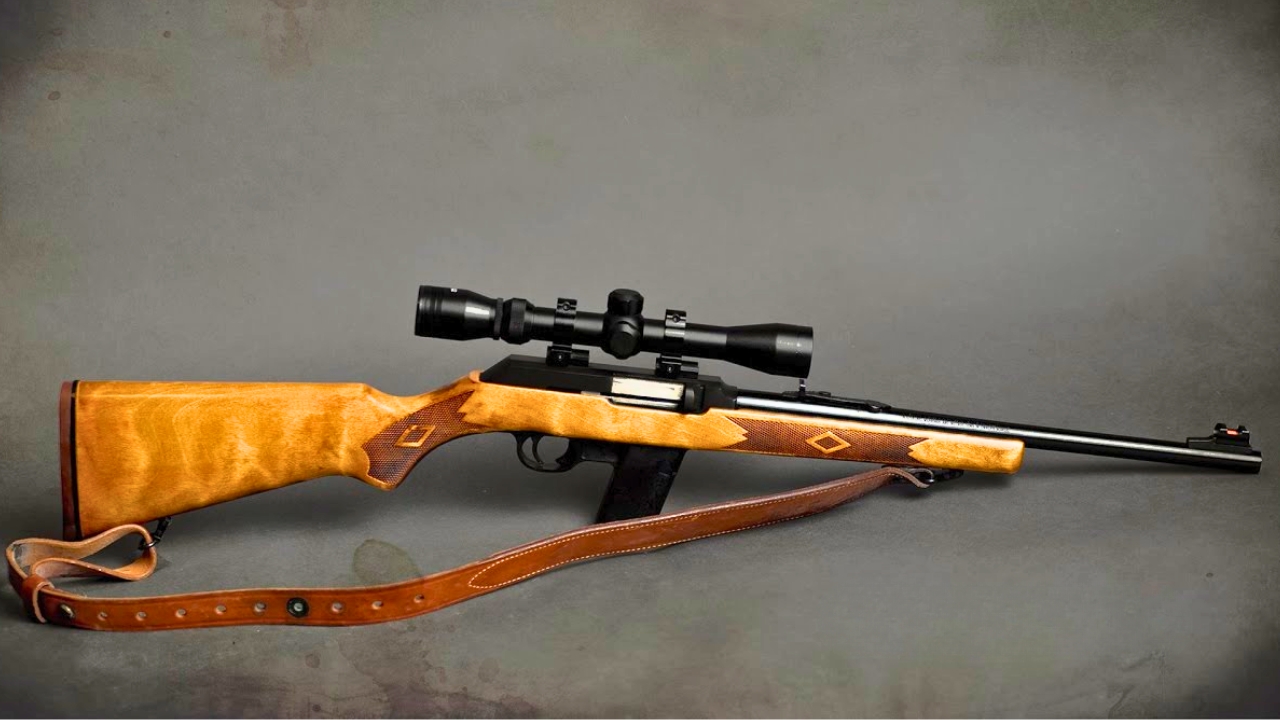
The Marlin Camp 9 spent years as the sort of carbine owners enjoyed without feeling the need to make a big deal about it. It was neat, handy, and very usable, but it also lived in a corner of the market that stayed quieter than it probably should have. That made it more of a personal favorite than a bragging-rights gun for a long stretch.
Then current values come up and the whole feel changes. Suddenly the same Camp 9 that once felt like a low-key fun gun starts sounding like one of the smarter things a person could have left alone in the safe. Owners get a lot more talkative once the market confirms that the plain little pistol-caliber carbine they kept because they liked it now costs much more to replace.
Colt Government .380
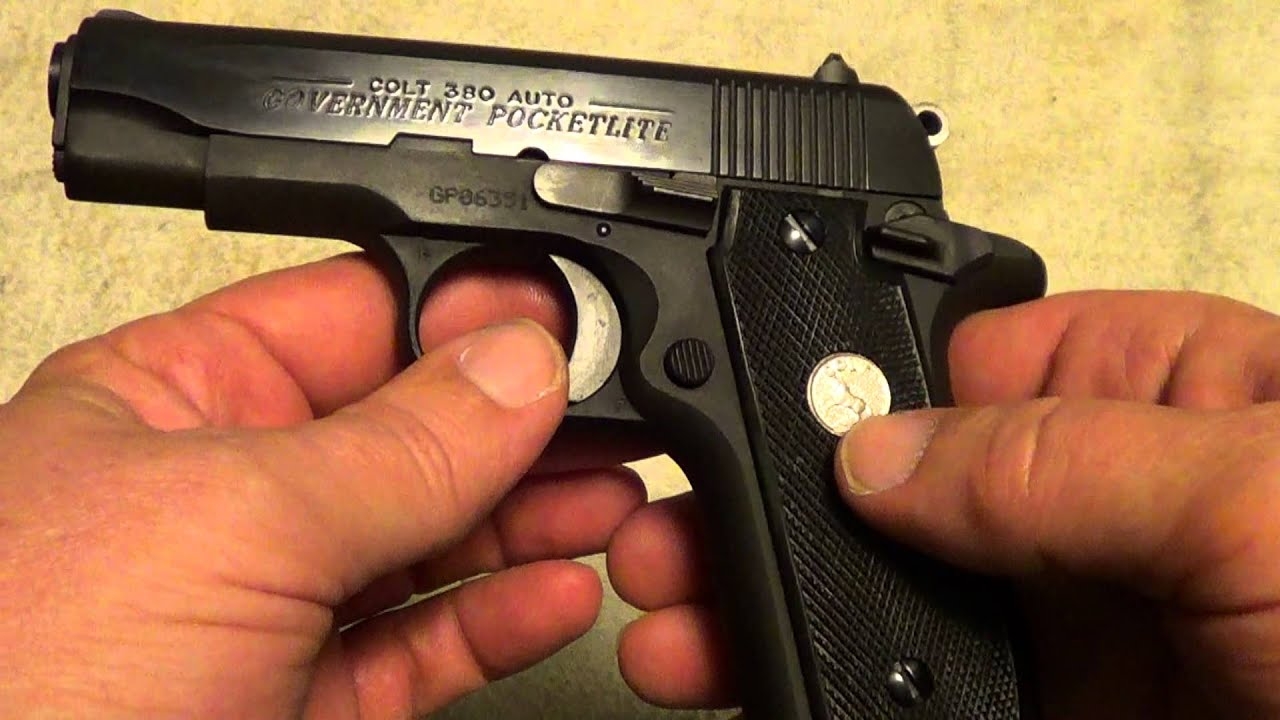
The Colt Government .380 was easy to own quietly. It had Colt charm, real shootability, and more substance than many people gave it credit for, but it still sat in a small-pistol category a lot of buyers did not take especially seriously for a long time. That made it simple for owners to appreciate without constantly advertising that appreciation.
Then somebody asks what one brings now. That is where the tone shifts. The old Colt stops being just a classy little .380 and starts sounding like a pistol the owner was very wise not to dump when people still treated them casually. Prices tend to wake up a lot of pride that had been sitting there quietly for years.
Savage 99C
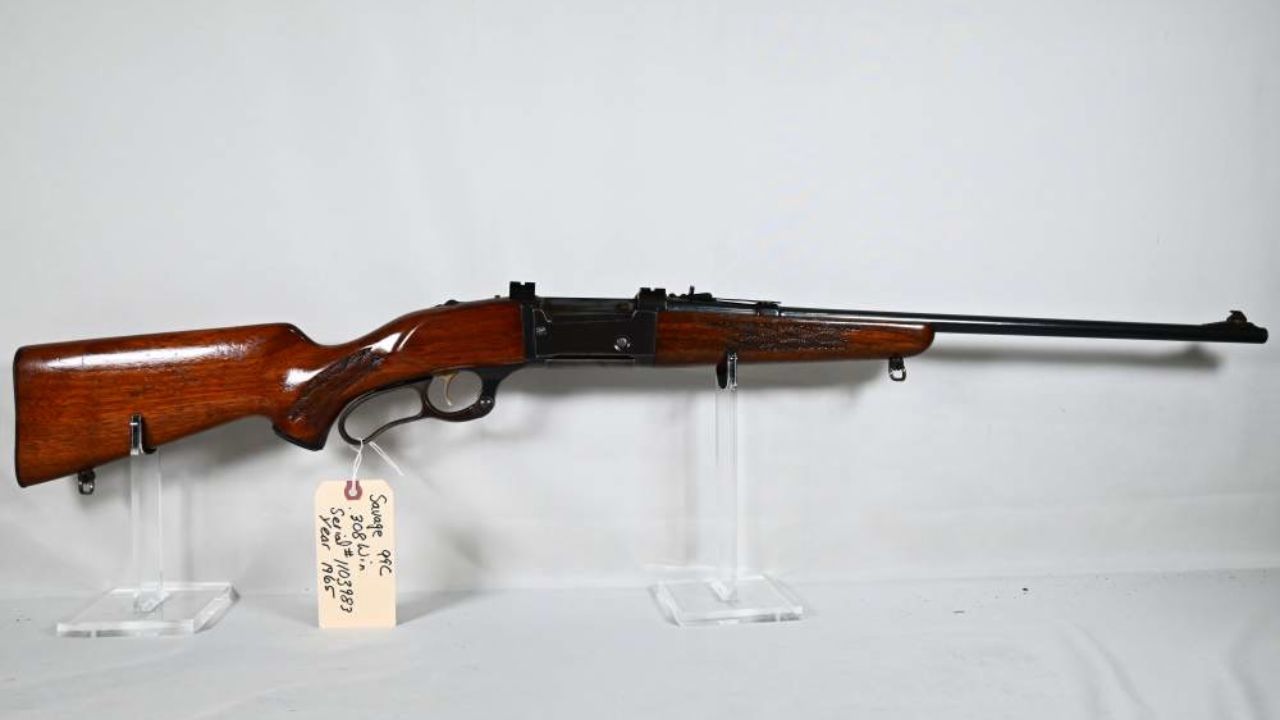
The Savage 99C often lived in a safe as a rifle owners liked without making a whole identity out of it. It was part of the 99 family, yes, but the detachable-magazine versions did not always get the same romantic treatment as other variants. That made them easier to keep quietly. Owners knew they were good rifles, but they were not always eager to make a big collector speech about them.
Ask what one costs now, though, and the owner’s attitude usually gets a little more pointed. Suddenly the “just a 99C” language disappears. The old lever rifle starts sounding like something the market finally learned to respect properly. Once those values get mentioned, owners often realize they were sitting on a lot more than the plain old deer rifle other people assumed it was.
Beretta 85FS Cheetah
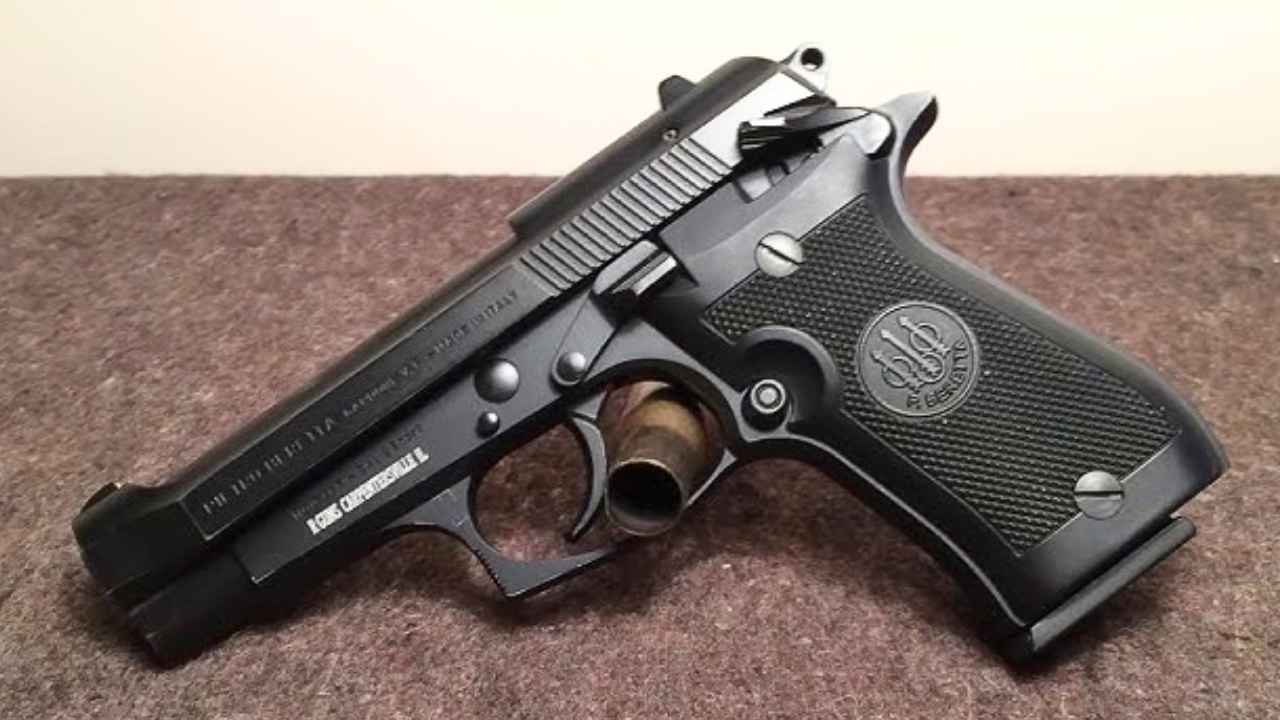
The Beretta 85FS Cheetah was long the kind of pistol owners enjoyed without much fanfare. It was elegant, soft-shooting, and easy to like, but being a compact .380 kept it from becoming the thing most people bragged about first. That made ownership feel a little understated. If you had one, you usually just knew you had a good pistol and left it at that.
Then somebody asks what a nice one costs now, and suddenly the owner sounds a lot less understated. The little Beretta starts looking like one of those guns that benefited from being ignored for too long. Once the market wakes up to older metal-frame compacts, owners usually start sounding pretty happy they kept theirs while everyone else was chasing something noisier.
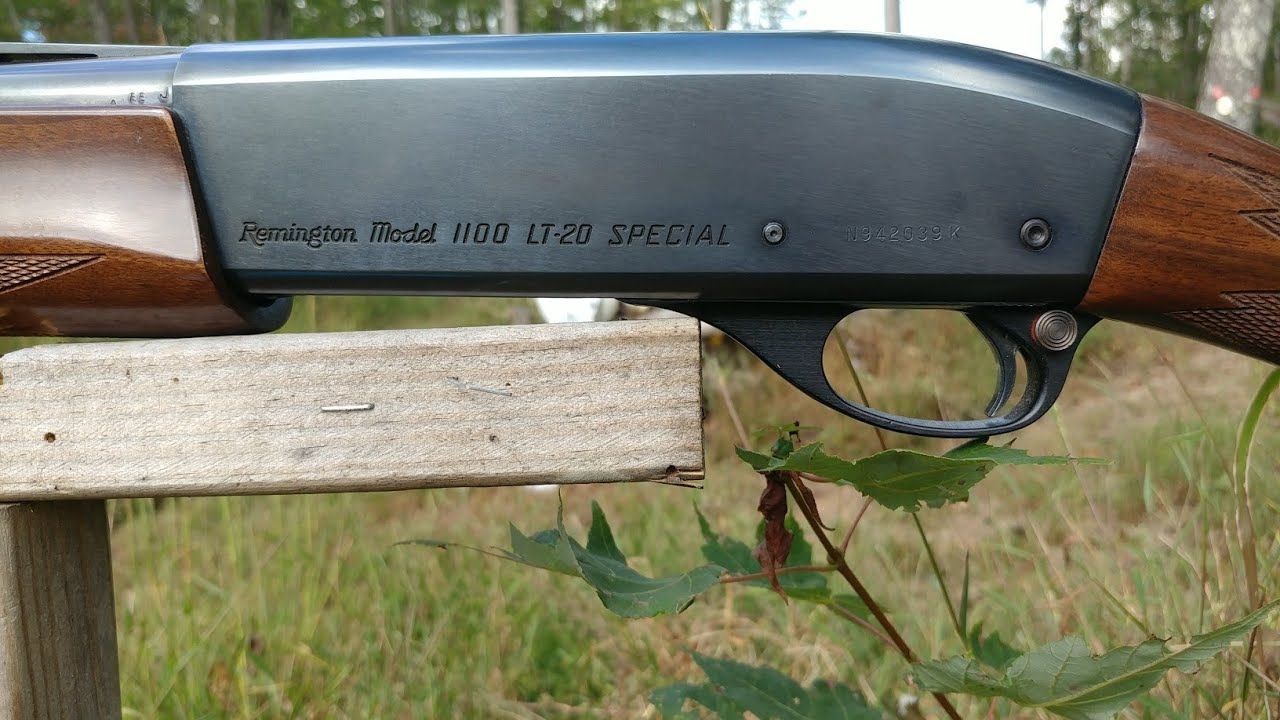
Remington 1100 LT-20
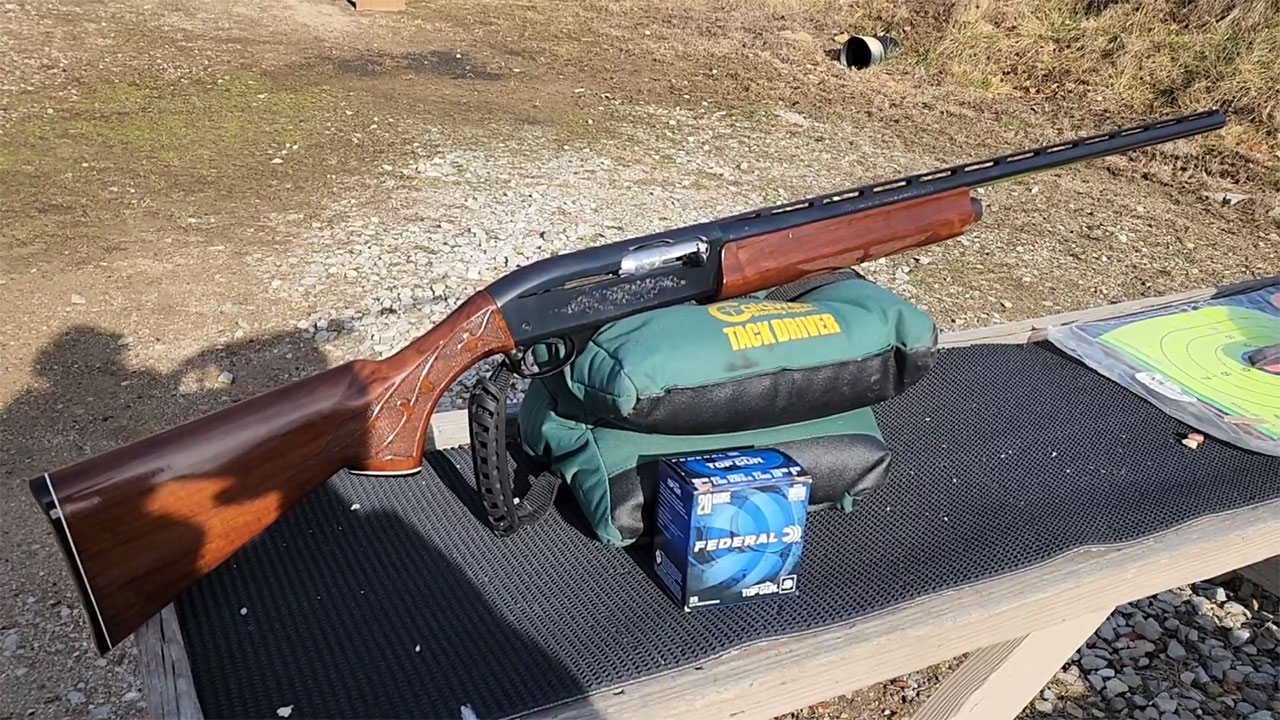
The Remington 1100 LT-20 spent years being appreciated as a sweet-handling shotgun without necessarily being treated like a bragging piece. Owners liked how it carried and how it shot, but for a long time it still lived under the broader umbrella of “nice old 1100” rather than something people constantly hyped as a must-have. That kept the conversation around it pretty relaxed.
That changes when values come up. The moment somebody asks what a clean LT-20 costs today, owners tend to get noticeably more protective and more pleased. A shotgun that once felt like a quiet favorite starts sounding a lot more like a clever keep. That is what happens when the market decides a light, well-balanced 20-gauge autoloader is no longer something you can replace casually.
Ruger Deerfield Carbine

The Ruger Deerfield Carbine was exactly the kind of rifle people kept because it was useful and interesting, not because they thought it would one day sound impressive in a price conversation. It was a handy semi-auto, a little different, and easy to appreciate in a quiet way. That made it the kind of gun owners enjoyed without much chest-thumping.
Then the replacement-cost question shows up. That is when owners start sounding a lot more enthusiastic. The Deerfield goes from “neat Ruger I always liked” to “you know what those are bringing now?” in a hurry. Once the market starts rewarding what used to look like simple good taste, owners get a lot less shy about mentioning what they held onto.
Browning BL-22 Grade II

The BL-22 Grade II was often the sort of rimfire owners treasured without feeling any need to boast. It was beautifully made, quick-handling, and very enjoyable, but because it lived in rimfire territory, plenty of owners still treated it like a personal pleasure rather than a bragging asset. It was easy to love quietly.
That tone tends to change once somebody asks what one costs now. Then the owner starts sounding a lot more openly satisfied with his judgment. The little Browning suddenly looks like something more than a nice lever-action .22. It becomes one of those rifles people wish they had bought when they still assumed quality rimfires would always stay reasonably priced.
SIG Sauer P239
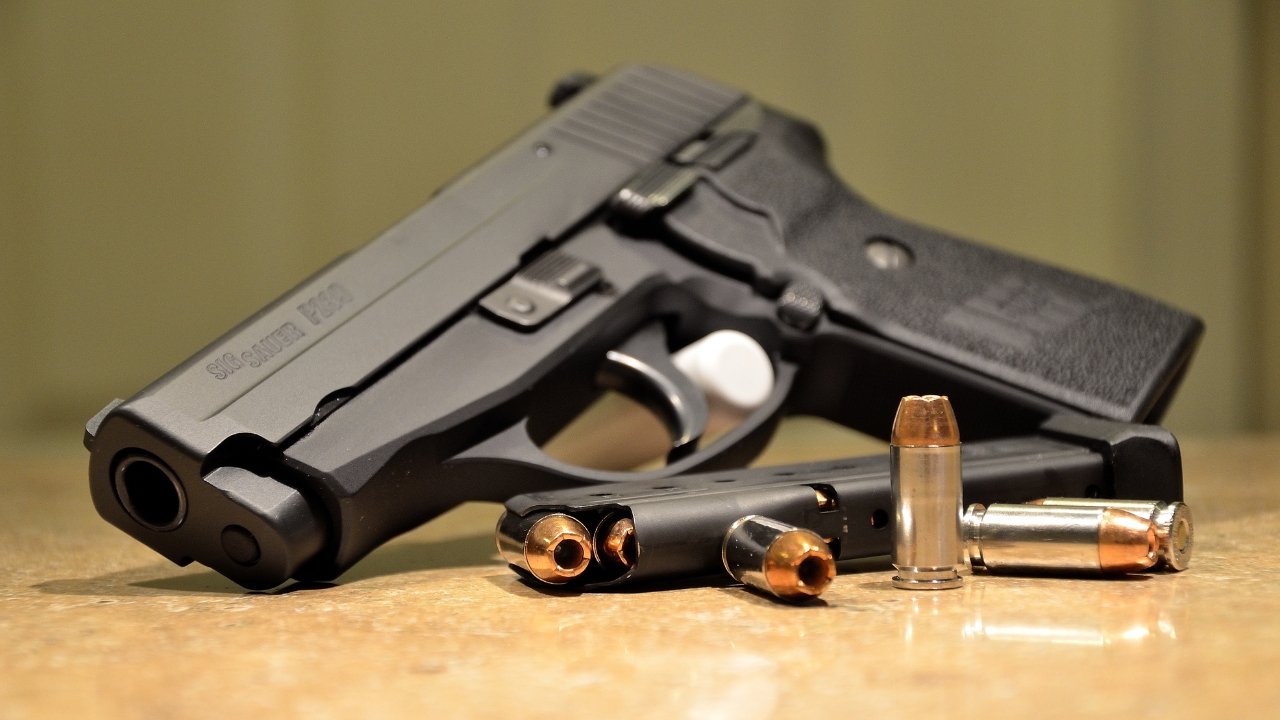
The SIG P239 was the kind of pistol people often kept because it simply felt right, not because they thought they were getting away with anything special. It was practical, solid, and deeply usable, but for a long time it did not carry the same loud energy as bigger SIGs or more fashionable carry pistols. That kept the bragging pretty low-key.
Then somebody asks what one would cost to buy now, and the owner usually starts sounding a lot more impressed with his past self. The P239 stops being just a nice compact SIG and starts sounding like one of those pistols people should have paid better attention to when it was still treated like a quiet side choice. The values have a way of making owners speak a lot more proudly about what they already knew.
Winchester 100
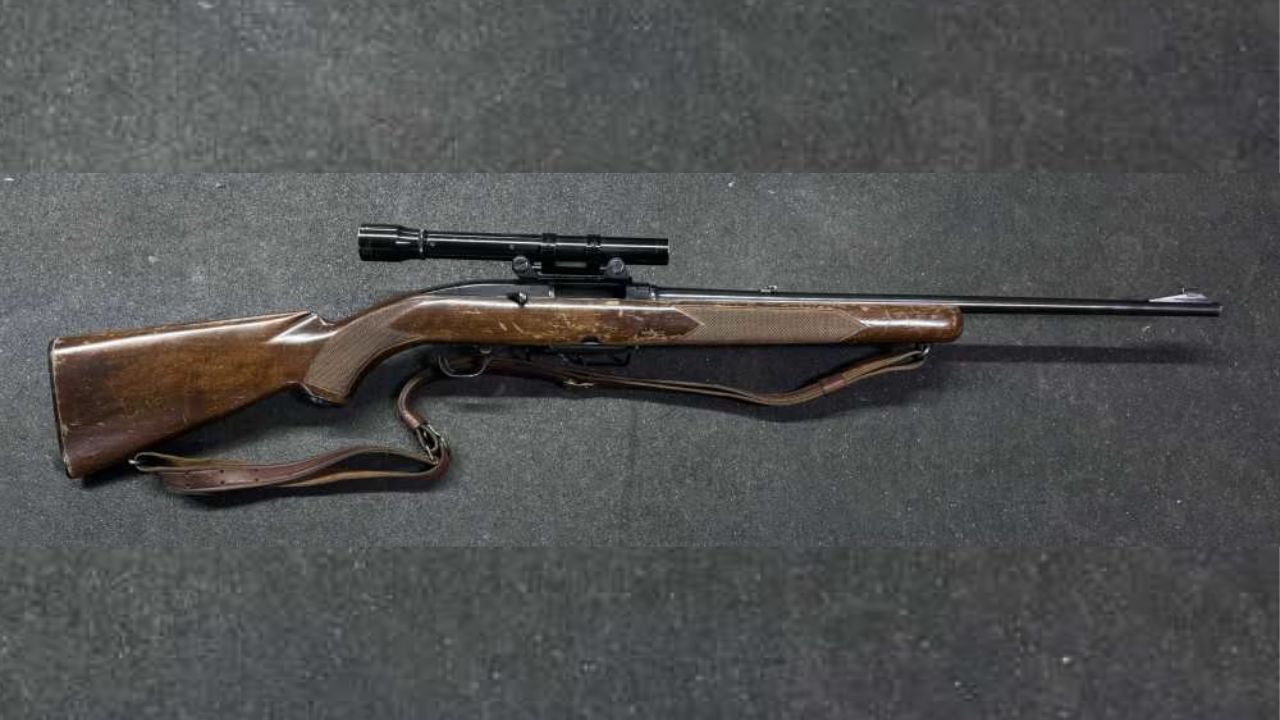
The Winchester 100 often sat quietly in collections because it was interesting without being the first rifle owners felt like showing off. It had Winchester appeal and real character, but it also lived in a category that many buyers treated casually for a long time. That made it a rifle owners liked having more than one they constantly talked up.
Ask what one costs now, though, and the conversation changes. Owners suddenly sound a lot more aware that their old semi-auto hunting rifle is not just some forgotten Winchester anymore. Once replacement cost becomes part of the discussion, the quiet old favorite starts sounding a lot more like a very smart piece to have kept around.
Ruger No. 1A Light Sporter

The Ruger No. 1A Light Sporter usually lived in a safe as the sort of rifle owners appreciated deeply without always turning into public salesmen for it. It had style, balance, and real individuality, but single-shots often sit outside the usual bragging culture unless somebody already understands them. That kept a lot of ownership quiet and personal for years.
Then somebody asks what one costs now, especially a good one. That is usually when the owner starts sounding much less reserved. The No. 1A suddenly becomes proof that keeping a rifle because it felt right can age into a much smarter move than the crowd realized. Once the price question gets answered, the bragging tends to take care of itself.
Like The Avid Outdoorsman’s content? Be sure to follow us.
Here’s more from us: