Photo credit: G.T.77/Shutterstock.com
Walk through any major outdoor retailer right now and one thing becomes pretty obvious: hunting gear is everywhere again. New rifles, new optics, new ammo lines, new suppressors, and a steady flow of accessories aimed directly at hunters are showing up across the industry. That surge is not accidental. Firearms companies are leaning harder into hunting in 2026 because the market signals are pointing in that direction. Manufacturers see steady demand from hunters, regulatory pressure affecting other parts of the gun business, and a customer base that continues to spend money on equipment tied to real-world use. For many companies, hunting gear is starting to look like one of the most stable parts of the firearms market.
That shift is showing up in product launches, marketing campaigns, and the kinds of partnerships manufacturers are building with outdoor brands. Instead of treating hunting as just one segment of the industry, more companies are treating it as a core strategy for the next few years.
Hunting remains one of the most stable firearm markets
One reason the industry is focusing more attention on hunting gear is simple stability. Defensive firearms and tactical-style products often experience dramatic swings depending on political cycles, regulatory threats, or media coverage. Hunting equipment tends to follow a slower and steadier rhythm. Hunters buy rifles, optics, and ammunition because seasons are coming and animals still need to be hunted, not because a political headline told them to rush out and panic-buy.
That consistency makes hunting equipment appealing to manufacturers trying to smooth out the ups and downs of firearm sales. A deer hunter replacing a rifle after years of use or upgrading optics for the next season represents predictable demand. The same goes for ammunition, optics, and accessories that hunters use every year regardless of national news cycles.
Because of that stability, many companies are expanding their hunting lines rather than relying entirely on defensive firearm sales.
New gear categories are opening new revenue streams
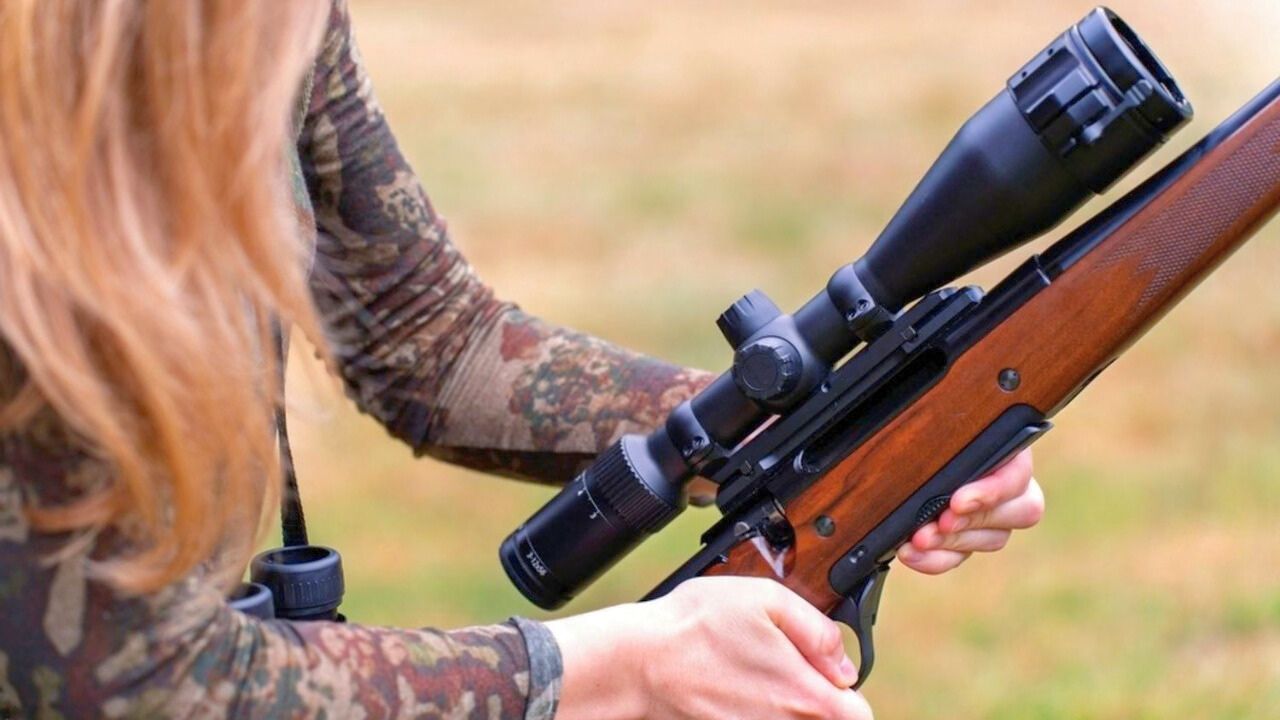
Another reason companies are investing more in hunting gear is that the modern hunting setup includes far more equipment than it used to. A rifle is only one part of the system now. Hunters also buy optics, rangefinders, suppressors, packs, shooting supports, ammunition designed for specific game, and even electronic gear such as thermal or digital optics in certain applications.
Manufacturers have noticed that expanding into those categories can dramatically increase the value of a single customer. If a company sells the rifle, the optic, the ammunition, and the suppressor that goes with it, that hunter represents far more revenue than a one-time firearm sale.
This is why firearms companies have started launching their own optics lines, suppressor divisions, and ammunition partnerships. They are trying to keep hunters inside a single brand ecosystem rather than sending them to competitors for the rest of their gear.
The suppressor boom is also pushing hunting gear forward
The recent surge in suppressor interest has also helped pull hunting gear along with it. As suppressors become easier to obtain and more common in the field, rifles, ammunition, and accessories are being designed to work with them from the start.
Threaded barrels are appearing on more hunting rifles. Ammunition companies are developing loads optimized for suppressed shooting. Even stock designs and barrel lengths are being adjusted to balance rifles that carry a suppressor.
Once suppressors became part of the mainstream hunting conversation, companies realized they could design entire product lines around quieter field setups. That means rifles built for suppressed use, subsonic ammunition, and accessories that support that style of hunting.
In other words, one product category started pulling several others along with it.
Hunters still drive much of the outdoor industry
The hunting market also remains one of the largest drivers of spending in the outdoor space. Millions of Americans still buy hunting licenses every year, and those hunters spend heavily on equipment, travel, land access, and gear upgrades.
For firearms companies, that makes hunters one of the most dependable customer bases they have. Many hunters continue to buy equipment for decades, replacing rifles, upgrading optics, and experimenting with new gear as technology changes.
Unlike some other segments of the firearm world, hunting customers also tend to value long-term reliability and brand trust. Once a company earns that trust, it often keeps those customers for years.
That kind of loyalty is extremely valuable in a competitive industry.
The industry expects hunting demand to stay strong
Taken together, these factors explain why the firearms industry is leaning harder into hunting gear in 2026. The market is steady, hunters continue spending money on equipment, and new product categories have expanded what a “hunting setup” actually includes.
Companies are not abandoning other parts of the firearm market, but they are clearly putting more energy into the hunting side than they did a decade ago. That means more rifles designed specifically for hunting use, more optics choices, more ammunition options, and more accessories aimed at improving real-world performance in the field.
For hunters, that investment is likely to translate into more gear choices than ever before. For the industry, it represents a strategic bet that the future of firearm sales will depend as much on hunters as it does on any other group of shooters.
Like The Avid Outdoorsman’s content? Be sure to follow us.
Here’s more from us: