Photo credit: CSNafzger/ Shutterstock.com
You can drive across the country and never notice the biggest wins in fish and wildlife. No ribbon cutting. No big headline. Just a river that starts holding trout again, a deer herd that quits crashing, or a public parcel that suddenly has parking and a walk-in trail instead of a “No Trespassing” vibe.
The truth is, the best management usually looks boring from the outside: tighter seasons, smarter tags, habitat work nobody takes selfies with, and wardens who actually show up when poaching gets bad. Here are 20 states where that kind of steady, nuts-and-bolts work has made an obvious difference if you spend time in the field.
1. Maine
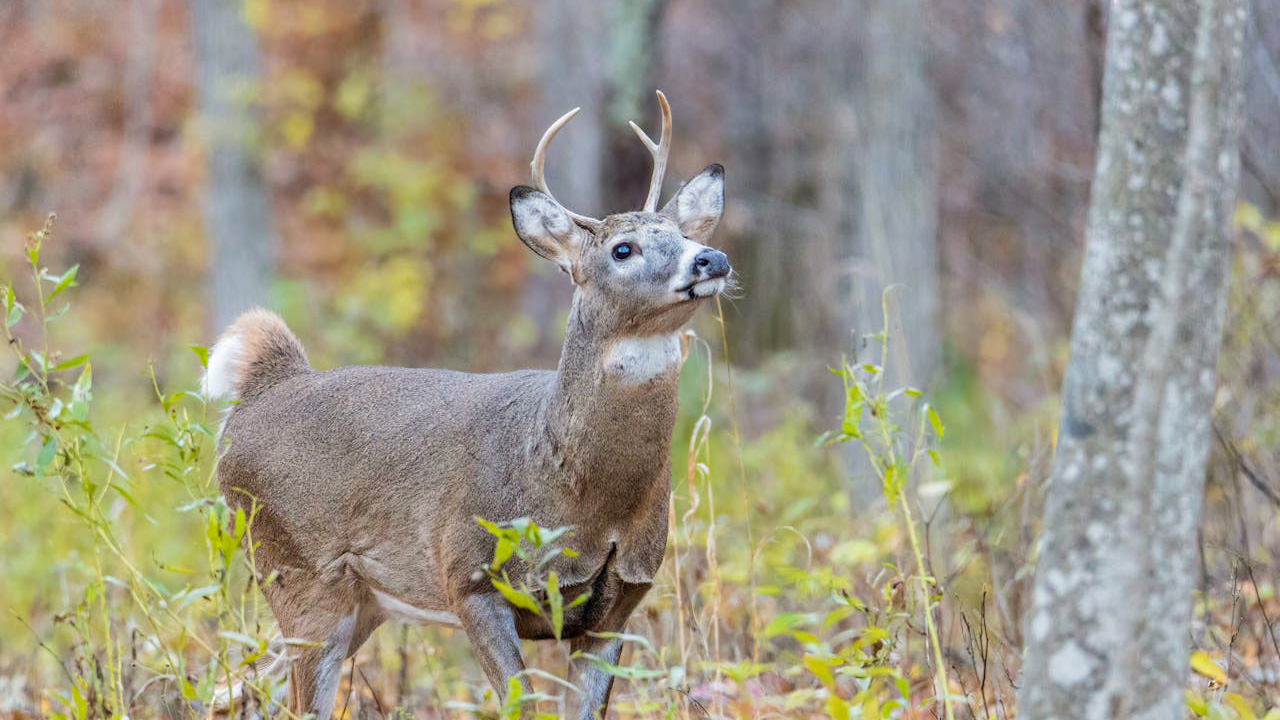
Maine’s moose and deer management isn’t flashy, but it’s the kind of measured approach that keeps a good thing from falling apart. When winter ticks, harsh winters, and habitat shifts started hammering moose, the response wasn’t “sell more tags and hope.” It was adjusting permits and leaning into monitoring.
On the deer side, the north woods can be brutal, and the state has had to balance predator pressure, wintering habitat, and hunter expectations. The result is a system that feels like it’s trying to protect the resource first, even when it’s unpopular at the diner.
2. New Hampshire

New Hampshire quietly does something a lot of states talk about and then don’t do: it keeps access and habitat on the same page. When you’ve got small parcels, lots of edge habitat, and a ton of users, you either manage smart or you watch things slide.
The fishing side has benefited from consistent stocking where it makes sense and a willingness to protect certain waters with regulations that match reality. If you fish the same handful of places every year, you notice when a state stops guessing and starts managing.
3. Vermont
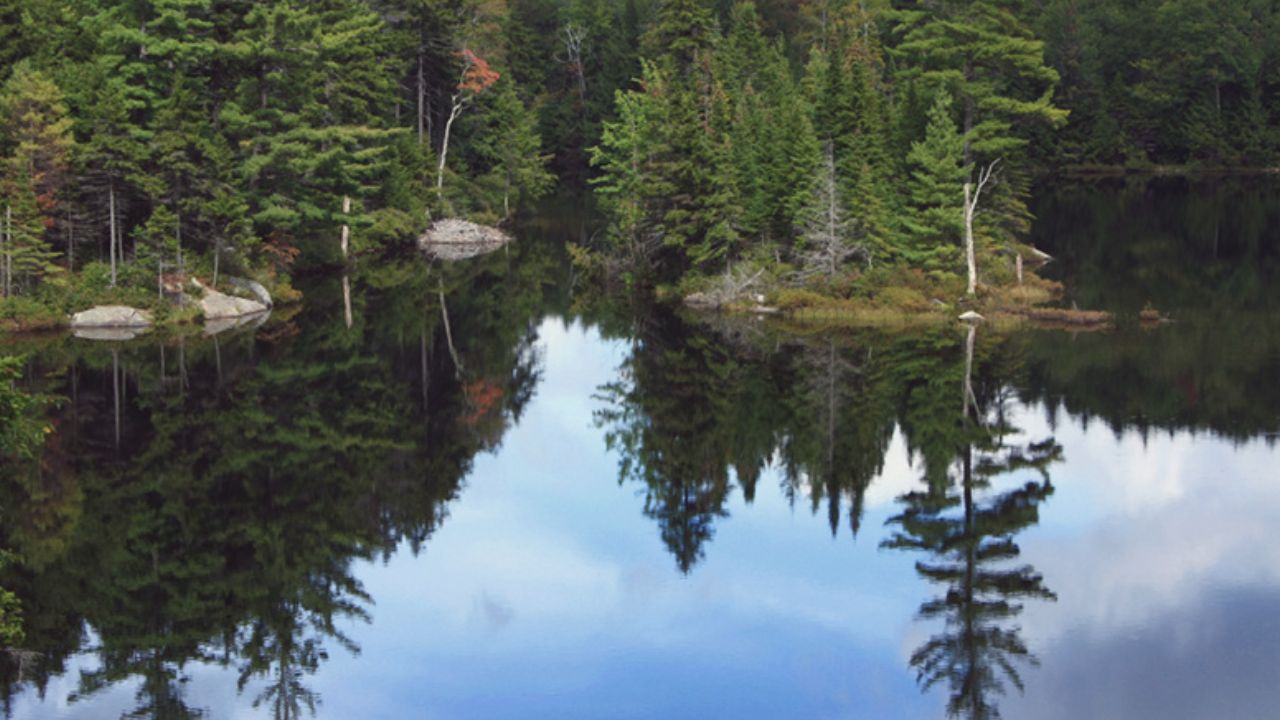
Vermont has had to fight for every good habitat acre it’s got, and it shows in how it manages deer and turkey across a heavily wooded, privately owned landscape. A lot of the improvements come from focusing on what actually grows deer: quality cover and winter range, not just tag numbers.
Anglers have seen a similar approach on coldwater streams—stabilization, riparian work, and rules that protect fragile populations. Nothing about it is glamorous, but you don’t need glamorous when the fishing gets better.
4. Massachusetts
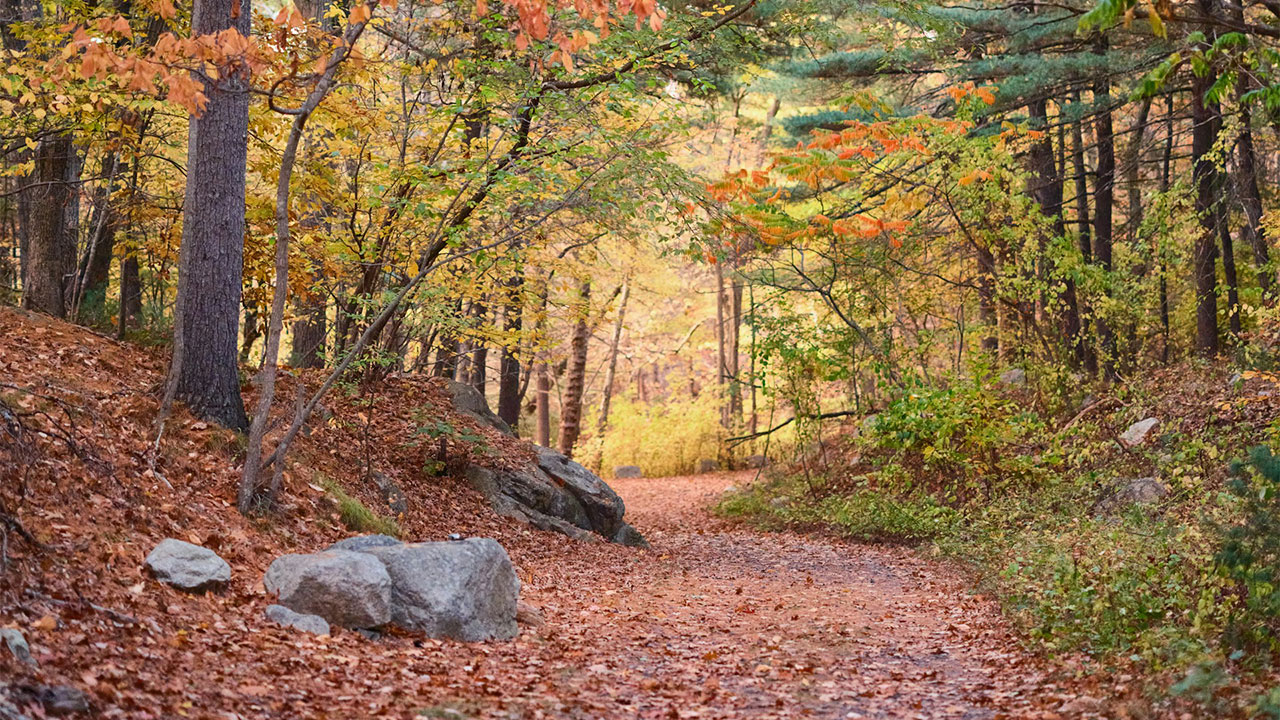
Massachusetts doesn’t always get credit from folks who think “real hunting” only happens out west. But the state has made big strides in balancing suburban deer issues with actual conservation. That means regulated hunts where they’re needed, good reporting, and a willingness to be practical about herd density.
On the fisheries side, urban and suburban access has improved in a lot of places, which matters when your average kid can’t just wander onto a farm pond anymore. Stocking, access sites, and clear rules go a long way in a crowded state.
5. New York
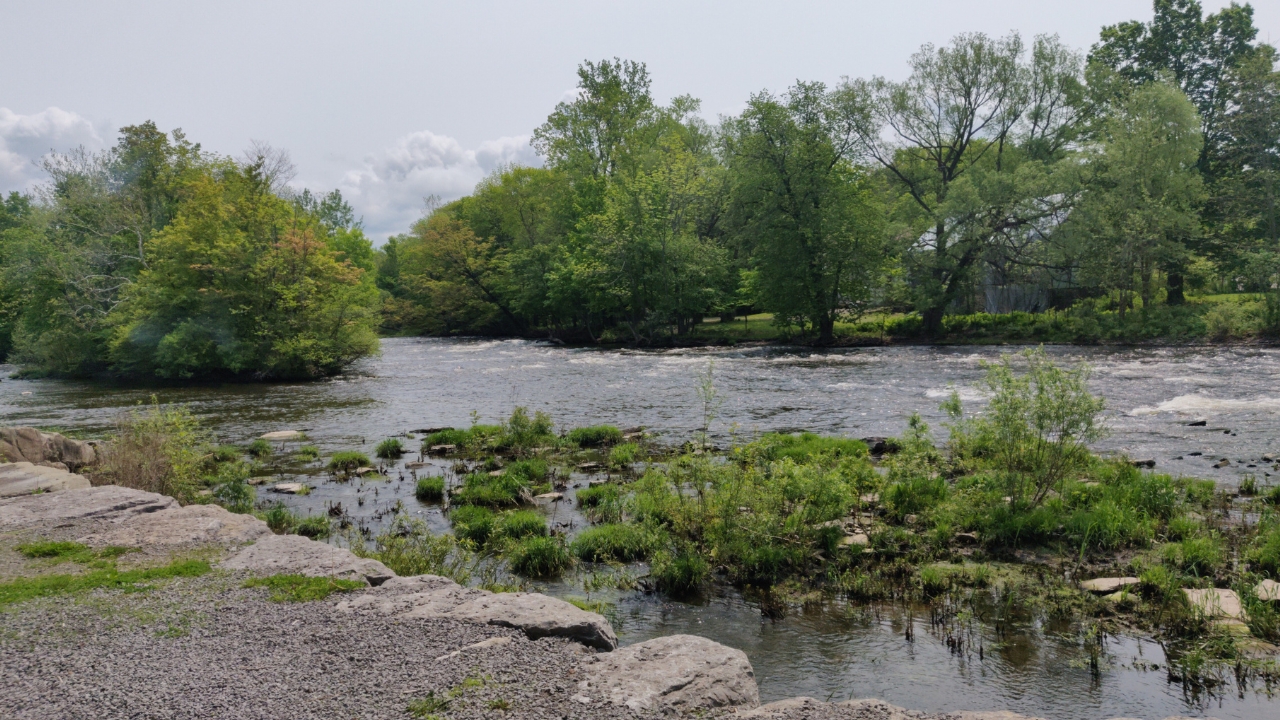
New York is a big, complicated state with everything from Adirondack backcountry to downstate crowds. The progress that stands out is consistency—better data collection, smarter season structures, and a real effort to spread opportunity without wrecking local populations.
Fisheries work on Great Lakes tributaries and inland waters has also become more targeted over time. When a state stops treating every water like the same cookie-cutter plan, you see it in the catch rates and the size classes.
6. New Jersey
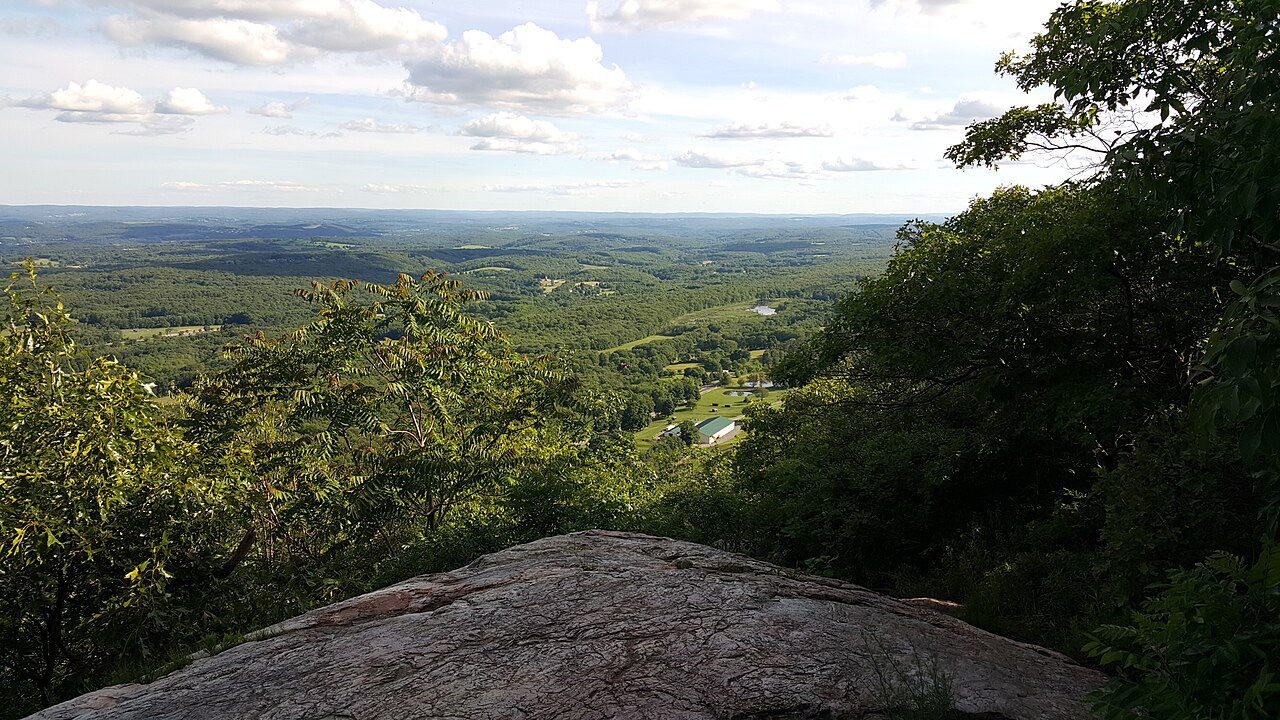
New Jersey’s deer management is one of those “you either do it or you regret it” situations. In a dense state with a lot of vehicle collisions and backyard feeding habits, controlled hunting programs and clear regulations are the only thing that keeps the herd from turning into a public safety problem.
On the fishing side, stocking and access improvements have kept a lot of smaller waters relevant. It’s not wild-country romance, but it’s honest management that keeps opportunity alive where it would otherwise get squeezed out.
7. Pennsylvania
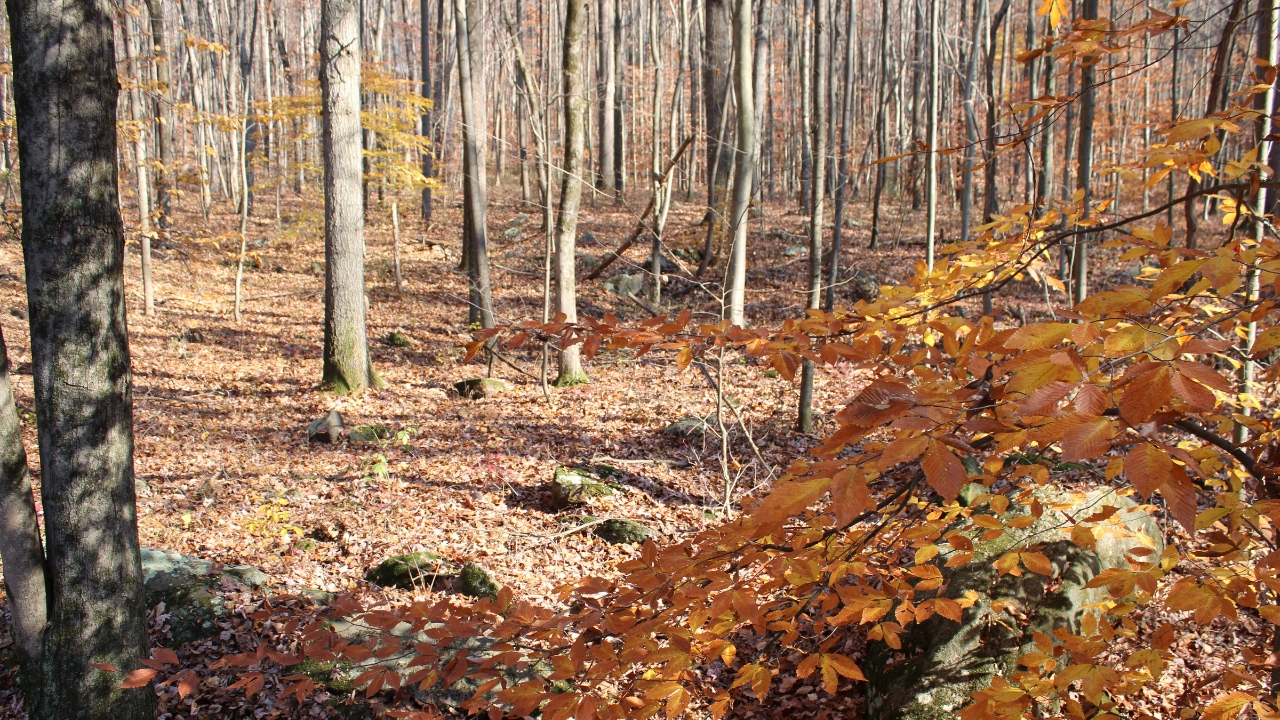
Pennsylvania has been through the wringer with deer politics, and if you’ve been around long enough you remember the arguments. But the state’s gradual shift toward balancing forest health and deer numbers has made a real difference in many areas. You can see it in regeneration and in more stable herd structure.
The trout program is another spot where steady work shows up in the creel. Stocking has its place, but habitat and stream work are what turn “opening day only” water into something you can fish all season.
8. West Virginia

West Virginia has leaned into what it already has: rugged country, big woods hunting, and a culture that still values time in the hills. Where it’s improved is in keeping seasons and bag limits aligned with local conditions rather than pure tradition.
Fisheries improvements on rivers and tailwaters have been noticeable too, especially where habitat work and stocking strategies match the water. When a state manages for long-term quality instead of quick numbers, the average day gets better.
9. Virginia
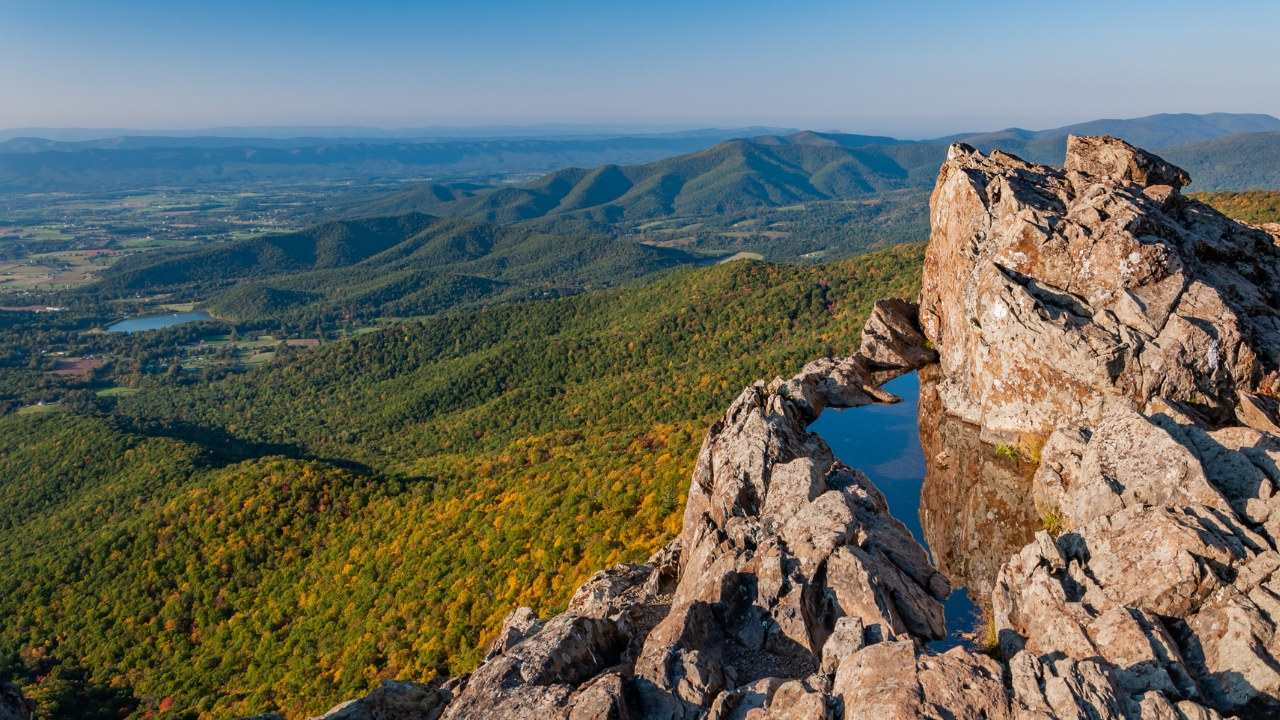
Virginia has had to manage booming whitetail populations in some regions while keeping mountain hunting from fading out. The big difference has been using regional approaches—because tidewater farmland and Appalachian timber don’t need the same playbook.
Striped bass, shad runs, and freshwater reservoirs all come with their own pressure. The best changes have been tighter, clearer rules that protect year-classes and give fish a chance to get older. That’s where “dramatic difference” really comes from.
10. North Carolina
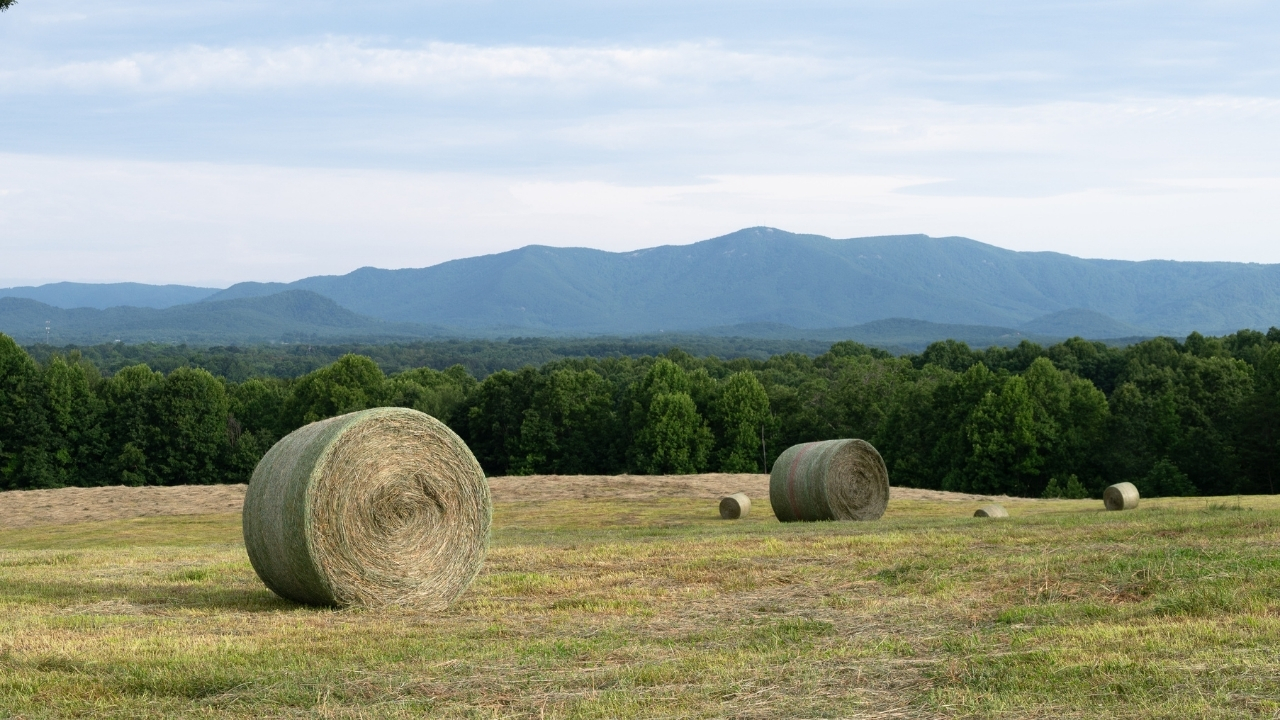
North Carolina’s blend of mountains, piedmont, and coast forces the state to manage a lot of different fisheries and game populations at once. Where they’ve done well is pushing habitat work and access improvements in places that actually get used, not just places that look good on a map.
Coastal regulations and inland stocking plans have matured. The days of “set it and forget it” don’t work with modern pressure, and North Carolina has adjusted in a way that most anglers notice without needing to read a report.
11. Florida
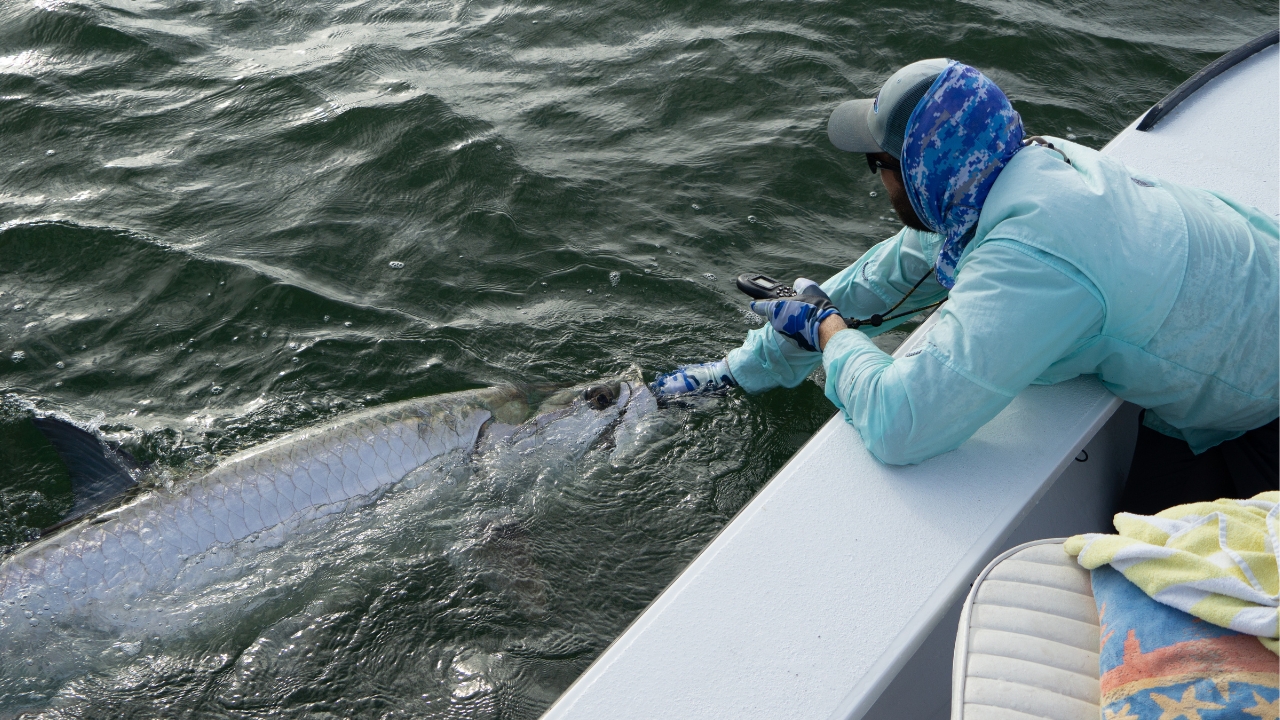
Florida is a good example of a state that could have been overwhelmed by people moving in, but it has kept building public access and improving management areas. Controlled hunts, quota systems, and habitat burns aren’t exciting to talk about, but they’re why those areas still produce hogs, deer, and turkey.
On the fishing side, Florida’s freshwater management has helped keep bass fishing strong even with heavy pressure. Habitat work and enforcement on key waters make a difference, especially when everyone and their cousin owns a boat now.
12. Alabama

Alabama doesn’t always make the national conversation, but it has made smart moves with turkey management in particular. When birds started slipping, the answer wasn’t pretending nothing changed. Shorter seasons and more conservative frameworks are painful now, but they’re the kind of pain that can pay off later.
Fishing management—especially around reservoirs—has also benefited from better stocking and habitat projects. The good days feel a little more common than they used to, and that’s usually not an accident.
13. Michigan

Michigan has to juggle deer issues, varying winter severity, and disease concerns, and the “quiet” improvement has been a more serious approach to monitoring and regional decision-making. Not everything is perfect, but you can tell the state is trying to manage what’s actually happening, not what folks wish was happening.
On the fishing side, Great Lakes work and inland lake management have stayed steady. When enforcement and stocking align, you see better size structures and less of the boom-and-bust feeling.
14. Wisconsin
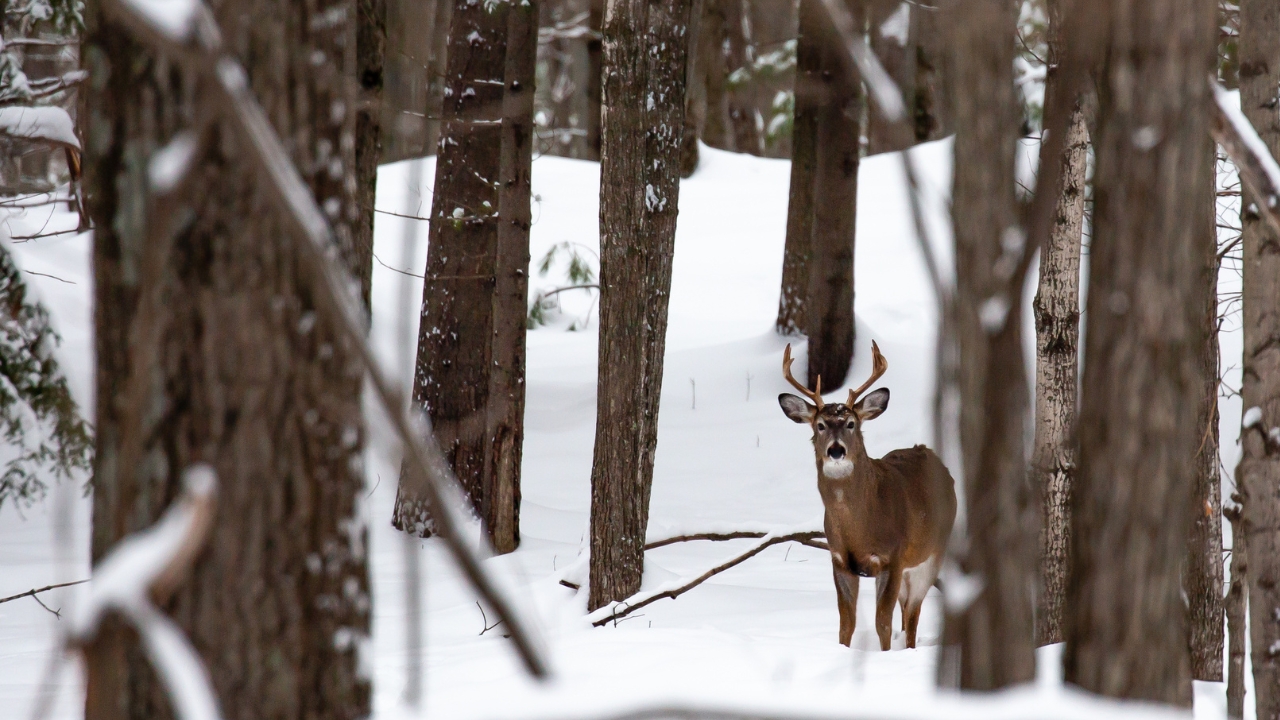
Wisconsin’s deer culture is intense, and that can make management contentious. Still, the state has made real progress in tailoring seasons and permits to local herd conditions, rather than running everything like one big statewide tradition.
Fisheries work—especially on walleye and musky waters—shows up in the form of better recruitment and more consistent angler success. When a state keeps pressure in mind instead of pretending it doesn’t exist, the average guy in a tiller boat benefits.
15. Minnesota

Minnesota’s big win is simply staying disciplined. When you’ve got that many lakes and that much hunting pressure, you don’t get to wing it. Slot limits, targeted enforcement, and habitat restoration have kept a lot of fisheries from getting loved to death.
Waterfowl and deer management also reflect a willingness to adjust. It’s not always popular, but it’s why Minnesota still feels like Minnesota when you step into the marsh or head north for the opener.
16. Missouri

Missouri has become one of those states where management feels practical and user-friendly without being sloppy. Deer and turkey regulations have been refined over time, and there’s a real emphasis on hunter education and ethical opportunity.
The fishing side is where a lot of folks notice the change first. Reservoirs, rivers, and community lakes get attention in a way that keeps them producing, especially for families who can’t travel far for a weekend bite.
17. Arkansas

Arkansas has a reputation for doing habitat work that actually matters—wetland projects, water control, and managed areas that are run with a purpose. When you’ve hunted public in Arkansas, you know the difference between a place that’s managed and a place that’s just “open.”
Fisheries in the state benefit from that same mindset. Tailwaters and lakes are treated like valuable resources, not unlimited freezers. The better days stack up when the basics are done right year after year.
18. Colorado

Colorado’s big game management gets attention, but the quiet part is how much effort goes into access, migration corridors, and keeping herds from getting pinched by development. You don’t keep mule deer and elk hunting strong in a fast-growing state by accident.
On the fishing side, trout management and public access sites have improved in a way that’s easy to miss if you only chase the famous waters. There are more “pretty good” options now, and that takes pressure off the big names.
19. Idaho

Idaho has held onto opportunity in a way that surprises folks who assume the West is all limited-entry and point schemes. The state’s approach to a mix of general seasons and controlled hunts keeps regular hunters in the game while still protecting certain units.
Fisheries management, especially on rivers, has leaned into protecting wild fish where it matters and using hatcheries strategically where that’s the best tool. It’s not perfect, but it’s thoughtful, and that’s half the battle.
20. Washington

Washington is a tough state to manage because the politics, the pressure, and the habitat fragmentation are all real. Still, there have been meaningful improvements in targeted habitat work, enforcement focus in problem areas, and a slow push toward regulations that fit local realities.
Salmon and steelhead issues get all the headlines, but the quieter wins show up in warmwater and trout fisheries, plus access projects that let regular folks fish without needing a boat or a long drive. Those “small” wins keep people involved, and that keeps conservation funded.
The common thread in all of these places isn’t luck. It’s boring, consistent work: habitat first, regulations that match the resource, and enough enforcement that the rules mean something. If you’re the kind of outdoorsman who pays attention, you can feel those improvements in the field—sometimes before you even realize what changed.
Like The Avid Outdoorsman’s content? Subscribe to our newsletter so you never miss an article.
Here’s more from us: