Photo credit: Okyela/Shutterstock.com
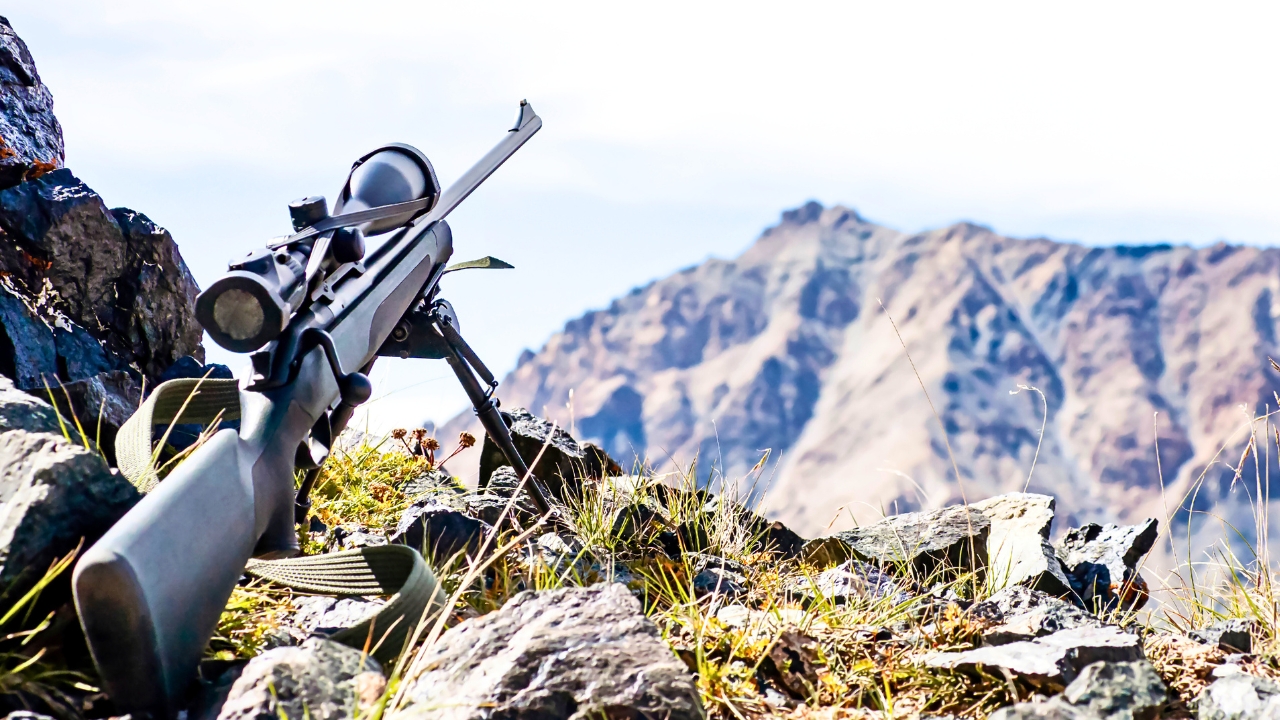
Long-range hunting isn’t forgiving when it comes to bullet choice. At extended distances, you’re fighting wind drift, velocity loss, and energy drop-off. A caliber that works fine in the woods at 100 yards might be completely ineffective on the far side of 400. If the bullet can’t hold its speed and punch, you risk wounding instead of cleanly dropping your target. That’s bad for the animal and for your success rate. Here’s where some popular calibers fall short once you start stretching the shot.
.223 Remington

The .223 Remington is great for varmints and predators, but it runs out of steam fast past 300 yards on anything bigger. Its light bullets shed velocity quickly, making wind drift a real problem. On deer-sized game at long range, penetration and expansion become unreliable. You might land the shot, but you won’t get the same ethical kill you would with a heavier, higher-BC round. If you’re serious about long-range hunting, this one’s better left to the small stuff.
7.62x39mm

Designed for short- to medium-range engagements, the 7.62x39mm has a curved trajectory that becomes a headache past 200 yards. Its relatively slow velocity and limited ballistic coefficient mean the bullet drops like a rock at longer ranges. Energy delivery is also lacking for deer-sized game past 250 yards, especially when compared to modern hunting cartridges. It’s reliable and effective up close, but it’s not built for the kind of precision or retained energy you need in a long-range setup.
.300 Blackout

The .300 Blackout shines in suppressed, short-barrel rifles for close-quarters or hog hunting, but long-range isn’t where it belongs. Even in supersonic loads, it struggles to maintain energy and a flat trajectory beyond 200–250 yards. Subsonic loads make it even worse for distance. If you’re shooting past that, you’re dealing with excessive bullet drop and weak terminal performance. For any serious long-range hunt, this caliber is simply outclassed by faster, flatter-shooting options.
.30-30 Winchester

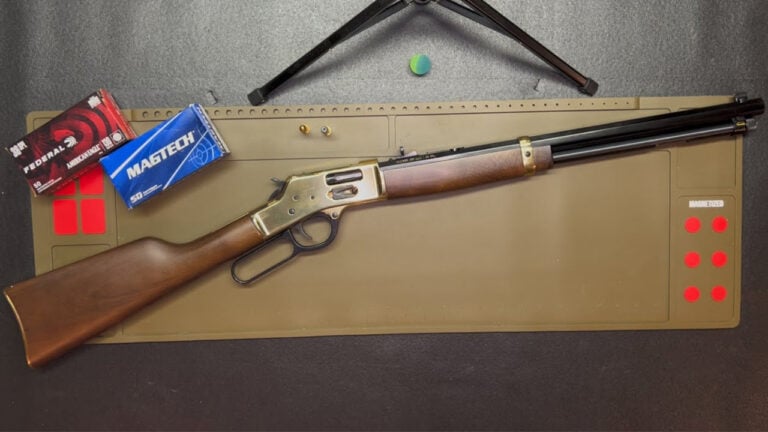
The .30-30 Winchester has put more venison in freezers than most cartridges out there, but it’s a short-range classic for a reason. Lever-action rifles chambered in .30-30 are typically topped with lower-powered optics, and the round’s trajectory starts to fall apart beyond 200 yards. It also loses the energy needed for reliable penetration on larger game past that point. If your hunt takes you across open country, you’ll want something that holds speed and impact much farther out.
.243 Winchester (On Heavier Game)

The .243 Winchester can be deadly accurate, but when you push it past 350–400 yards on heavier game, it starts showing limits. Its lighter bullet weights mean faster energy loss, and wind can push them off target more easily than heavier calibers. On deer, you can still make it work with perfect shot placement, but elk or anything bigger is asking too much. It’s a great medium-range round, but not a true long-range powerhouse for bigger animals.
6.8 SPC

The 6.8 SPC was built to improve short- and mid-range performance in the AR platform, and it does that well. Long-range? Not so much. Its bullets start to slow and drop significantly after 300 yards, and its ballistic coefficient can’t compete with the newer long-range hunting rounds. You’ll feel the lack of retained energy on larger game, which makes it less than ideal for ethical shots at extended ranges. This one’s better kept inside its design envelope.
.22-250 Remington (On Large Game)

The .22-250 Remington is a speed demon and one of the best varmint rounds around, but long-range hunting on bigger animals isn’t its strong suit. Its lightweight bullets are heavily affected by wind and lose energy quickly beyond 400 yards. On coyotes and prairie dogs, it’s a winner at distance, but deer-sized game is another story. You risk shallow penetration and poor expansion, which makes it a bad match for ethical long-range shots on larger targets.
*This article was developed with AI-powered tools and has been carefully reviewed by our editors.