Photo credit: Sherlock1477/Shutterstock.com
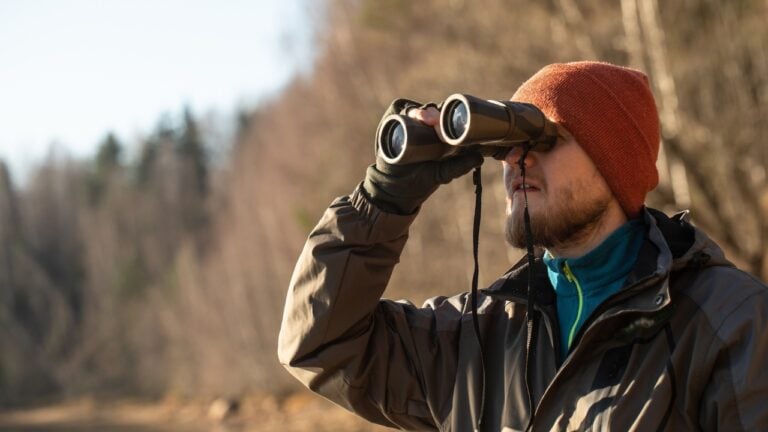
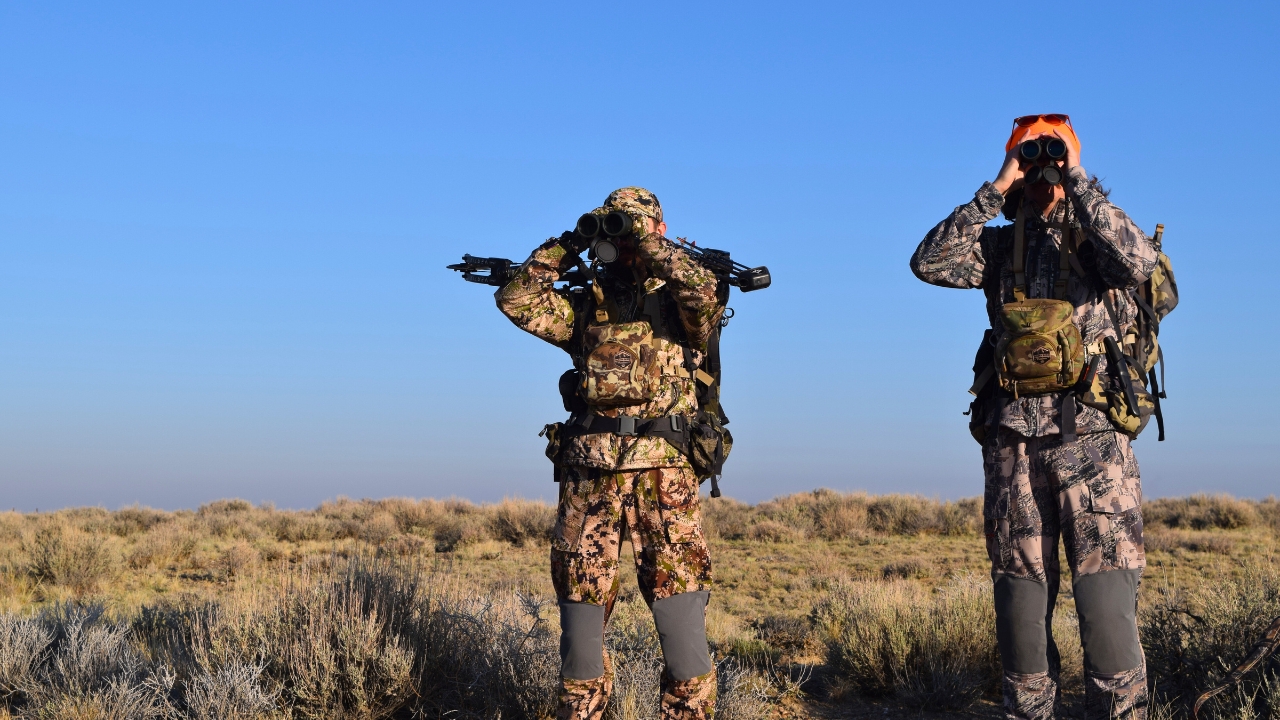
Hunting pressure isn’t one thing—it’s the pileup of trucks at the trailhead, the line of headlamps on a ridge before daylight, and the way every “secret” spot now has fresh boot prints. Some of that is social media and mapping apps. Some of it is straight math: more hunters chasing limited access, plus a growing nonresident crowd willing to travel for a tag.
The states below aren’t “bad” places to hunt. They’re places where opportunity is popular, public ground gets leaned on hard, and the learning curve is steeper because you’re sharing the woods. If you hunt them, plan like a grown-up: weekdays over weekends, nasty weather over bluebird forecasts, and backup spots for your backup spots.
Colorado

Colorado is the poster child for pressure because it offers so much—and so many people know it. Elk, deer, bear, antelope, mountains, sage flats, and an interstate system that makes weekend trips easy. Stack that on nonstop nonresident demand and you’ll see trailheads fill early, plus “quiet” basins hunted like they’re public parks.
Crowding isn’t a rumor here. Colorado Parks and Wildlife has talked openly about tightening nonresident access for over-the-counter archery elk in some units because the pressure was getting out of hand. The practical takeaway is this: treat popular OTC-style opportunities like a major opener. Go midweek, hunt ugly weather, and plan to walk past the first ridge. If the parking lot looks like a sporting goods show, move immediately instead of hoping it thins out.
Idaho

Idaho is big, wild, and full of places you can still feel alone—until tag day hits. The pressure problem isn’t that the state lacks habitat. It’s that popular general opportunities and a first-come, first-served system have created a mad dash that funnels hunters into the same zones once tags vanish.
Idaho Fish and Game has even moved some nonresident deer and elk tags to a controlled hunt drawing after years of online “tag races” and near-instant sellouts in certain zones. That’s not a small tweak—it’s the state admitting demand outpaced a basic online checkout. If you hunt Idaho, study access points like you’re scouting a new river. The obvious roads will be busy, but the second ridge, the brushy bench, and the side canyon often buy you space.
Montana

Montana looks like it should absorb pressure forever: big country, big horizons. The catch is how concentrated hunters become around easy access and famous regions. The same river bottoms, block-management parcels, and well-known public corridors get leaned on hard because they’re predictable and close to towns.
Nonresident demand is a big part of the squeeze, and the state’s budget documents highlight how significant nonresident license revenue is in the big-game picture. Combine that with social media “Montana elk camp” daydreams and you get a place where a solid plan matters more than a hot rifle. Hunt weekdays, hunt weather, and don’t be afraid to hunt the “boring” breaks or timber where glassing isn’t glamorous. That’s where other people quit, and it’s where animals learn to live.
Wyoming

Wyoming has space, but access and tag structure shape pressure in a hurry. Huge chunks are private, and the public pieces that connect big habitat often have a handful of trailheads that everyone knows. That creates the classic western traffic jam: a few parking areas feeding an entire mountain range worth of hunters.
Add point creep and limited nonresident quotas, and the pressure shows up in two ways. First, people cram into general areas once they finally draw. Second, residents lean on nearby public ground because it’s what they can hunt every year. If you want Wyoming to feel like Wyoming, be willing to walk past the first pretty glassing knob. Get into the dead timber, the side drainages, and the places that look inconvenient on a map. Convenience is the enemy of solitude.
Utah

Utah’s hunting pressure is a mix of population growth and limited, well-known public land. The Wasatch Front puts a lot of hunters within a short drive of mountains, and that means trailheads can look like a ski resort parking lot when seasons open. Even when game numbers are decent, hunter density changes how animals behave.
The other piece is the tag system. General opportunities draw crowds, while limited-entry hunts create intense demand and a lot of “when I finally draw” energy. When that tag hits your pocket, it’s easy to hunt the obvious spots—and so does everyone else. Utah rewards hunters who treat pressure as part of scouting. Find access that’s annoying, glass from odd angles, and hunt the edges where people stop because the hike doesn’t feel efficient.
Arizona

Arizona’s pressure is less about sheer hunter numbers and more about how good the hunting can be when conditions line up. A productive monsoon, a strong fawn crop, and suddenly everybody wants to be on the same glassing points in the same units. Trophy talk and draw hype can turn a quiet canyon into a tailgate party.
Because tags are limited, you don’t always see crowds everywhere. You see crowds where people believe the biggest bucks and bulls live. That concentrates pressure hard, fast. If you draw Arizona, hunt it like a once-in-a-decade trip—but don’t let the hype herd you. Use your first days to learn how other hunters move. Then hunt where they aren’t: midday pockets, overlooked north faces, and ugly cuts that don’t photograph well but hold animals that are tired of being watched.
New Mexico

New Mexico can feel like the Wild West until you’re on the wrong unit at the wrong time. With no point system, every year brings a fresh wave of hopeful applicants and a surge of hunters who hit the state when they draw. That creates unpredictable pressure spikes that can turn a plan upside down overnight.
Add in a lot of checkerboard ownership and big private ranches, and hunters pile into the same public parcels and BLM corners. The hunting can be excellent, but it’s rarely “roll in and roam.” If you hunt New Mexico, your best tool is flexibility. Have multiple access routes. Don’t marry one canyon. When you see trucks multiplying, move immediately instead of trying to out-stubborn the crowd. Animals here learn patterns fast, and pressure teaches them to vanish.
Nevada

Nevada has serious quality, but the state’s dryness and patchy habitat concentrate game—and hunters—around the same water, feed, and elevation bands. When a unit is good, it becomes famous, and fame is gasoline on hunting pressure. You might hike all day and still bump into somebody because everyone is hunting the same few “must check” basins.
Limited tags keep overall numbers down, but pressure can still feel intense because expectations are high. People don’t draw Nevada to casually wander. They glass hard, push hard, and they stay out all day. If you draw, lean into that reality. Scout access points that other hunters ignore, especially awkward ridgelines and long sidehills. Nevada rewards the hunter who can handle miles and heat without needing the hunt to look pretty.
Oregon

Oregon’s pressure is the kind that sneaks up on you. The state has a lot of public land, but much of it is productive timber country with roads everywhere. That road network makes access easy, which also means pressure gets spread wide—and animals get educated fast.
You also have a heavy mix of residents who hunt close to home, plus big game seasons that overlap with fall recreation. In some places you’re sharing trail systems with hikers, mushroom pickers, and folks out cutting firewood. If you hunt Oregon and want cleaner encounters, focus on timing and angles. Hunt after the initial weekend rush. Slip in midweek. Still-hunt thick cover when everyone else is glassing clearcuts. The elk and deer are there, but they live where you can’t see them from the road.
Washington

Washington hunting pressure is shaped by geography. A lot of the state’s public land is mountainous, logged, or broken into smaller chunks by private timber and development. That funnels hunters into a limited number of access points, and those points get busy fast—especially in western Washington where the population density is high.
In the east, you get a different problem: big open country with pockets of public land that everyone can find on a mapping app in 30 seconds. When a parcel is small, pressure stacks up like cordwood. To hunt Washington well, you need to think like a local who’s tired of crowds. Use early mornings to beat the gate traffic, then hunt the forgotten ground close to roads that everyone walks past. The “hardest” spot isn’t always far—it’s often simply inconvenient.
Pennsylvania

Pennsylvania is whitetail heaven, and that’s exactly why pressure feels relentless. You have a huge hunting culture, long seasons, and a lot of public ground that’s within an hour or two of major cities. Opening days can feel like an orange parade, and the first few weekends sound like a rifle range in the distance.
The good news is that pressure here is predictable, which means you can work around it. Deer learn where hunters walk, where they park, and how they check wind. If you want Pennsylvania to hunt “easier,” stop hunting where other people hunt. Slip into terrain traps between bedding and food, especially steep hollows, laurel thickets, and tight saddles that don’t offer easy shooting lanes. Pressure makes deer patternable, and that can be an advantage if you keep your head.
Wisconsin

Wisconsin has a massive deer hunting tradition, and pressure is baked into the culture. That’s not a knock—it’s reality. When the gun season opens, many properties and public blocks get hunted hard from daylight to dark. Even in archery season, popular public tracts near towns see steady traffic, especially on weekends.
What makes Wisconsin feel “out of control” isn’t one big crowd. It’s the steady churn of hunters cycling through the same cover and walking the same edges. Bucks respond by going nocturnal, shifting to thick nastiness, or sliding onto small private sanctuaries. If you hunt Wisconsin public land, hunt like you’re hunting pressured ducks. Set up tight to bedding in ugly cover, move when sign dries up, and sit midday during the rut when other hunters head back to the truck. Pressure moves deer, and movement creates chances if you’re waiting in the right place.
Michigan
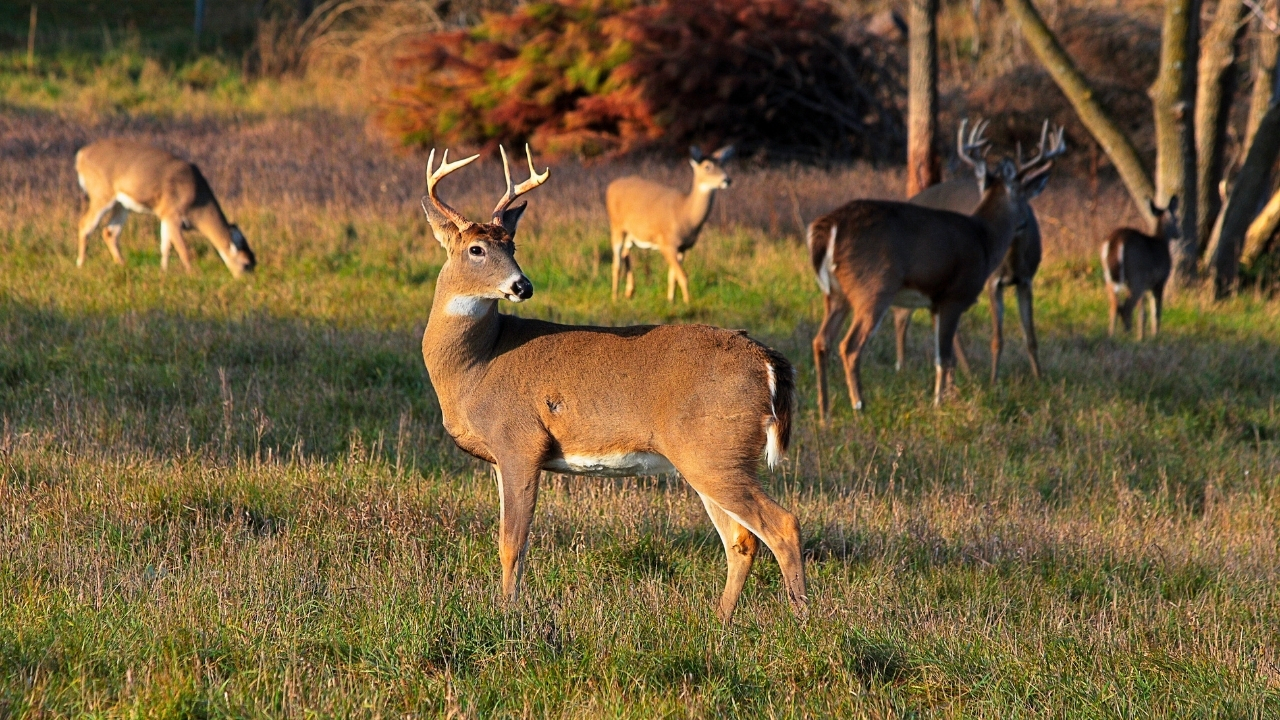
Michigan pressure is a mix of numbers and accessibility. You’ve got lots of hunters, plenty of deer, and public land that’s easy to reach. That combination means many areas get hunted the same way year after year, which teaches deer to avoid common entry routes and the obvious funnels everyone talks about.
Northern Michigan adds another wrinkle: big woods hunting where visibility is limited and hunter movement is constant. In those conditions, deer slip around you without ever being seen, and pressure makes them travel even more cautiously. To hunt Michigan when it’s busy, lean on discipline. Hunt the first and last 30 minutes hard, then stay put longer than feels comfortable. Track fresh sign in snow when you can. Focus on overlooked transition cover—cedar edges, swamp fingers, and small oak ridges that most hunters walk past on the way to the obvious stuff.
Minnesota

Minnesota pressure is strongest where access is easiest. Around farmland edges, public parcels can get crowded quickly because they’re close to towns and hold deer in predictable patterns. Up north, you have vast timber and wetlands, but the access roads and trails become highways on opening weekends.
Another factor is tradition. A lot of hunters run the same stands, the same drive lines, and the same camp routines. Deer learn those routines, and pressure turns them into ghosts. If you hunt Minnesota and want to beat crowds, hunt the seams between “camp deer” and “escape deer.” Find cover deer use when the first shots ring out—swamp islands, cattail points, and thick spruce pockets. Hunt when weather turns nasty, too. Wind and snow push other hunters out, and that’s when pressured deer start moving again instead of freezing up and waiting for dark.
Texas

Texas has more hunters than many people realize, and pressure shows up differently depending on where you are. On private land with good management, pressure can be controlled. On public ground, especially in popular WMAs and national forests, pressure can feel intense because access is limited and the game is concentrated.
The wild hog factor adds fuel. Hogs turn a lot of hunting into a year-round pursuit, and that means the same areas see constant traffic from hunters and trappers. When deer seasons overlap, those animals feel it. To hunt Texas public land when it’s busy, treat it like a chess match. Hunt off access roads, but not far—move to cover where people don’t want to drag an animal. Focus on midweek sits and post-front days. Texas rewards the hunter who can hunt smart instead of hunting loud.
Like The Avid Outdoorsman’s content? Subscribe to our newsletter so you never miss an article.
Here’s more from us: