Photo credit: Savage Arms
Savage Arms has never been the rifle brand people buy to impress the old guys who only care about polished walnut and deep bluing. That has not really been its lane. Savage built its modern reputation on something less glamorous and more useful: rifles that shoot better than their price tags suggest.
That is the part other rifle makers eventually had to answer. Savage figured out that a lot of hunters and shooters would forgive plain stocks, basic finishes, and less traditional styling if the rifle grouped well, fit better, and came with features that used to require aftermarket work. The Model 110 is the center of that story. It was introduced in 1958, named for its original $109.95 price, and Savage still points to the 110 family as a rifle line built around accuracy and practical innovation.
1. Savage Figured Out That Accuracy Sells
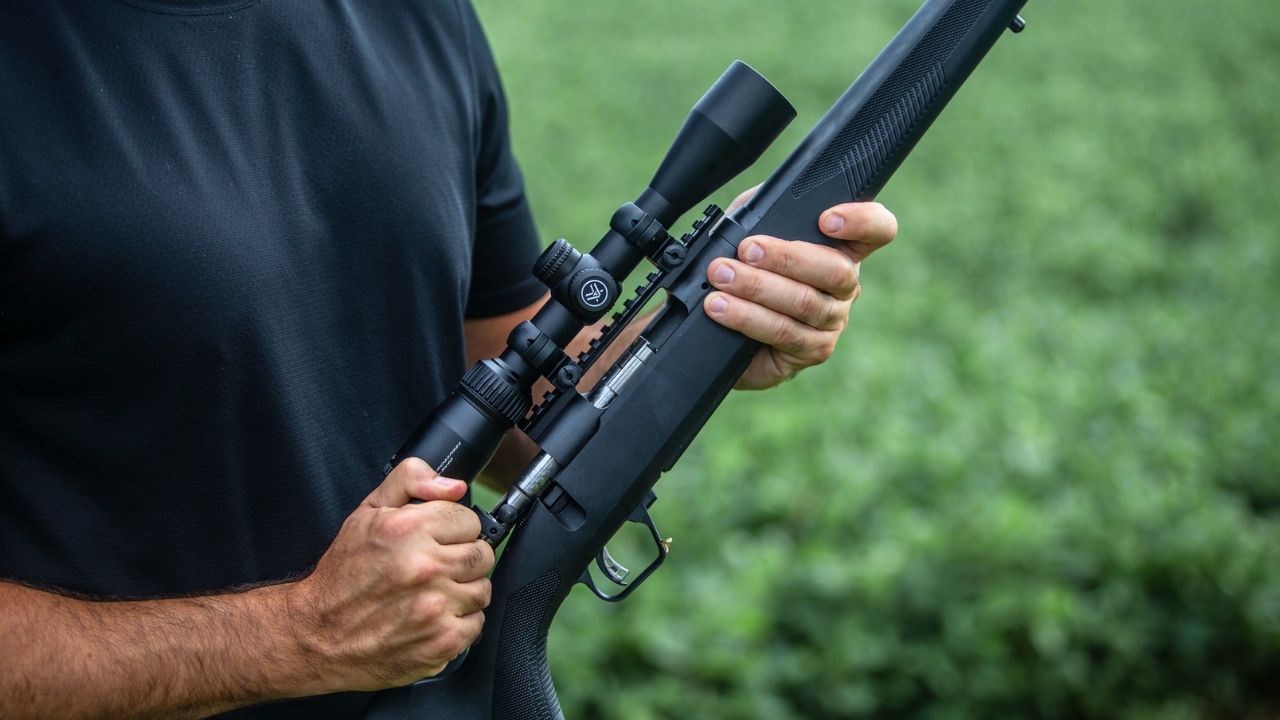
Savage understood something very basic before some prettier rifle brands wanted to admit it: a rifle that shoots well will win loyalty, even if it is not the best-looking gun on the rack. Hunters care about looks, sure, but groups on paper have a way of quieting a lot of complaints.
That is how Savage built its modern reputation. The company leaned into out-of-the-box accuracy while other brands were still relying heavily on old names, glossy finishes, and tradition. A plain Savage that grouped tight made buyers rethink what mattered most. You can argue about stock feel all day, but when a rifle prints small groups for reasonable money, shooters notice.
2. The Model 110 Was Built Around Value From Day One
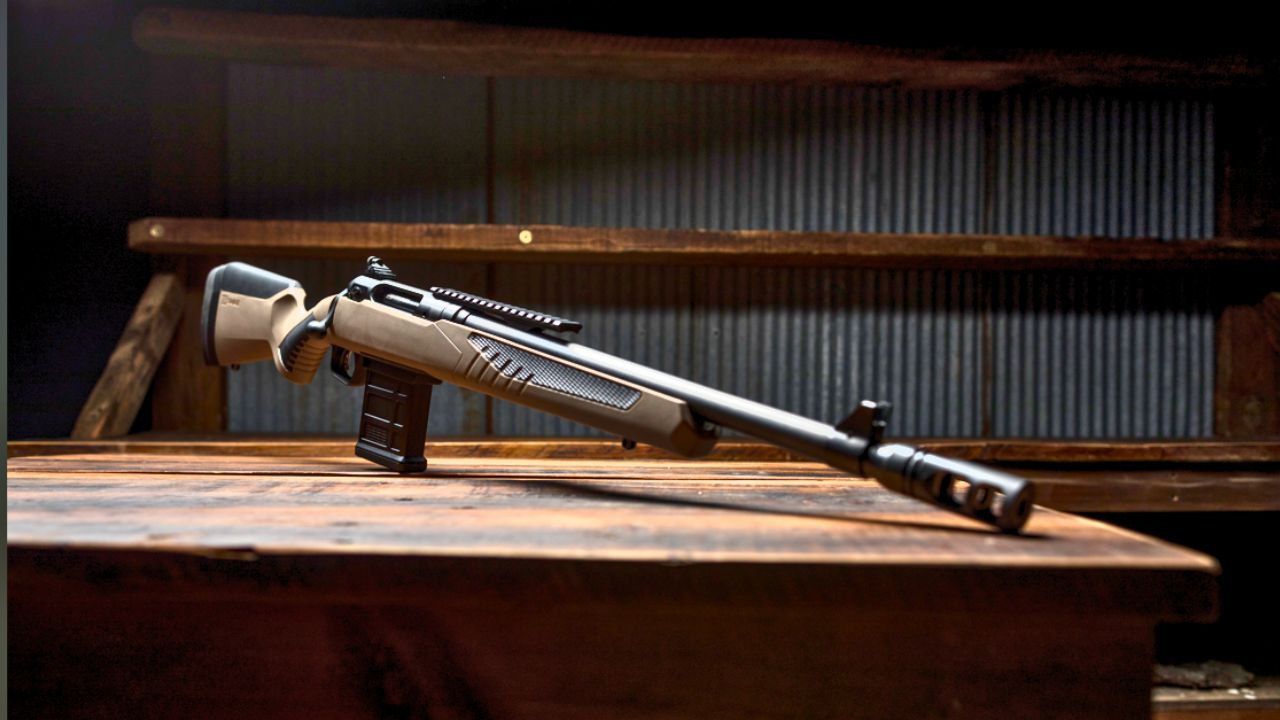
The Model 110 was not named after a cartridge, designer, or marketing phrase. It was named after its original price: $109.95. That tells you everything about the rifle’s purpose. It was meant to be affordable, useful, and accurate enough for regular hunters to take seriously.
That value-first mindset shaped Savage for decades. The 110 was not trying to out-prestige Winchester or Remington. It was trying to give hunters a solid bolt-action rifle they could actually buy. That idea still drives the brand today. Savage’s best rifles usually win by doing the job well without making the buyer feel like they are paying extra for romance.
3. Savage Made the Barrel Nut Work in Its Favor

The Savage barrel-nut system may not look elegant, but it was one of the smartest design choices the company ever made. Instead of relying on more expensive traditional barrel-fitting methods, the system made it easier to set headspace consistently and efficiently.
That helped Savage build rifles that shot well without driving production costs through the roof. It also made the rifles popular with home builders and gunsmiths because barrel swaps became more approachable than on many traditional actions. Pretty? Not really. Practical? Absolutely. Savage figured out that a little industrial-looking hardware was worth it if the rifle performed.
4. The Floating Bolt Head Was a Quiet Accuracy Advantage

Savage’s floating bolt head is one of those features casual buyers may never think about, but rifle guys understand why it matters. Savage says the floating bolt head allows a small amount of movement so the bolt head can adjust itself for full engagement with the locking lugs and cartridge base.
That is the kind of mechanical detail that supports accuracy without making the rifle expensive. Instead of needing expensive hand-fitting to get perfect alignment, the design gives the bolt head a little room to square itself up. It is not flashy, and nobody buys a rifle because the bolt head sounds exciting. But it helped Savage rifles punch above their price class.
5. Savage Figured Out Left-Handed Shooters Were Worth Serving
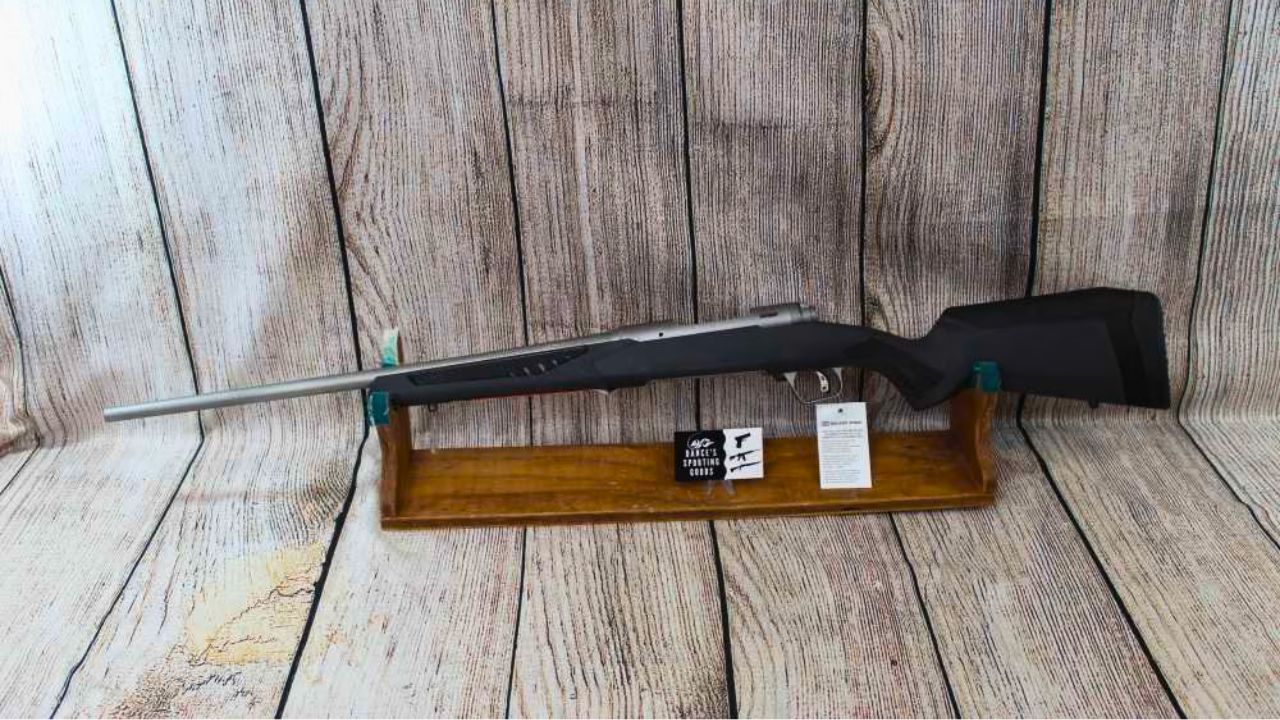
Savage has long had a strong reputation among left-handed shooters, and that did not happen by accident. The Model 110’s design made left-handed production more practical, and public summaries note the 110 became the first commercial bolt-action rifle sold in a left-handed configuration in volume.
That mattered because left-handed shooters are used to being ignored. A company that gives them real options earns loyalty fast. Savage figured out there was a market there while plenty of other rifle makers treated lefties like an afterthought. That was not only considerate. It was smart business.
6. AccuTrigger Changed What Buyers Expected From Factory Triggers

Before the AccuTrigger, a lot of factory rifle triggers were something buyers tolerated until they could afford an upgrade. Savage helped change that. The AccuTrigger was introduced in 2003, and Savage describes it as a major performance innovation that gave shooters a crisp, user-adjustable trigger with built-in safety features.
That changed buyer expectations. Suddenly, a budget-friendly hunting rifle could come with a trigger that did not feel like an immediate project. Other companies had to answer that because shooters got used to better triggers from the factory. Savage did not invent the idea of a good trigger, but it helped make one standard on rifles regular people could afford.
7. Savage Made Adjustability a Factory Feature

Savage figured out that rifle fit matters, and not every hunter wants to pay a gunsmith or buy an aftermarket stock to get there. The AccuFit system brought adjustable length of pull and comb height into factory rifles, and newer AccuFit V2 versions add even more adjustability, including grip-size changes on some models.
That was smart because fit affects accuracy. If your eye is not lined up behind the scope, or the length of pull is wrong, you are fighting the rifle before the shot breaks. Savage realized factory rifles could fit more people right out of the box. That made the rifle more useful before the buyer spent another dollar.
8. AccuStock Addressed a Problem Budget Rifles Often Had

Savage’s AccuStock system was another practical move. Instead of letting a flimsy stock work against the rifle, Savage used a bedding system that secures the action more solidly along its length. Current 110 Hunter descriptions pair AccuStock with AccuFit and AccuTrigger as part of the rifle’s fit and accuracy system.
That matters because budget rifles often lose points in the stock. A cheap stock can flex, shift pressure, and make accuracy less consistent. Savage did not make every stock feel premium, but it did take bedding and action support seriously enough to help the rifle perform. Again, the theme is not beauty. It is results.
9. Savage Proved Plain Rifles Could Be Serious Rifles

For a long time, some shooters judged rifles by how traditional they looked. Walnut stock, blued barrel, classic lines, maybe a recognizable old name on the receiver. Savage never leaned on that as hard. It built rifles that sometimes looked plain and still shot very well.
That helped change the market because shooters started caring more about performance than polish. A rifle with a synthetic stock and a practical finish could still be a serious hunting rifle if it grouped well, carried decently, and held zero. Savage helped make the “ugly but accurate” rifle a respectable category.
10. The Axis Pushed Budget Rifles to Work Harder

The Savage Axis line helped make budget bolt guns more competitive. It was not fancy, and nobody should pretend it was. But it gave hunters an affordable rifle that could still shoot, especially in Axis II versions with better triggers.
That mattered because entry-level rifles used to feel like obvious compromises. Savage made the bargain rack more interesting. Once buyers realized a lower-cost rifle could still be accurate enough for real hunting, other manufacturers had to improve their own budget rifles. The Axis did not win by being beautiful. It won by being useful.
11. Savage Understood the Value of Factory Packages
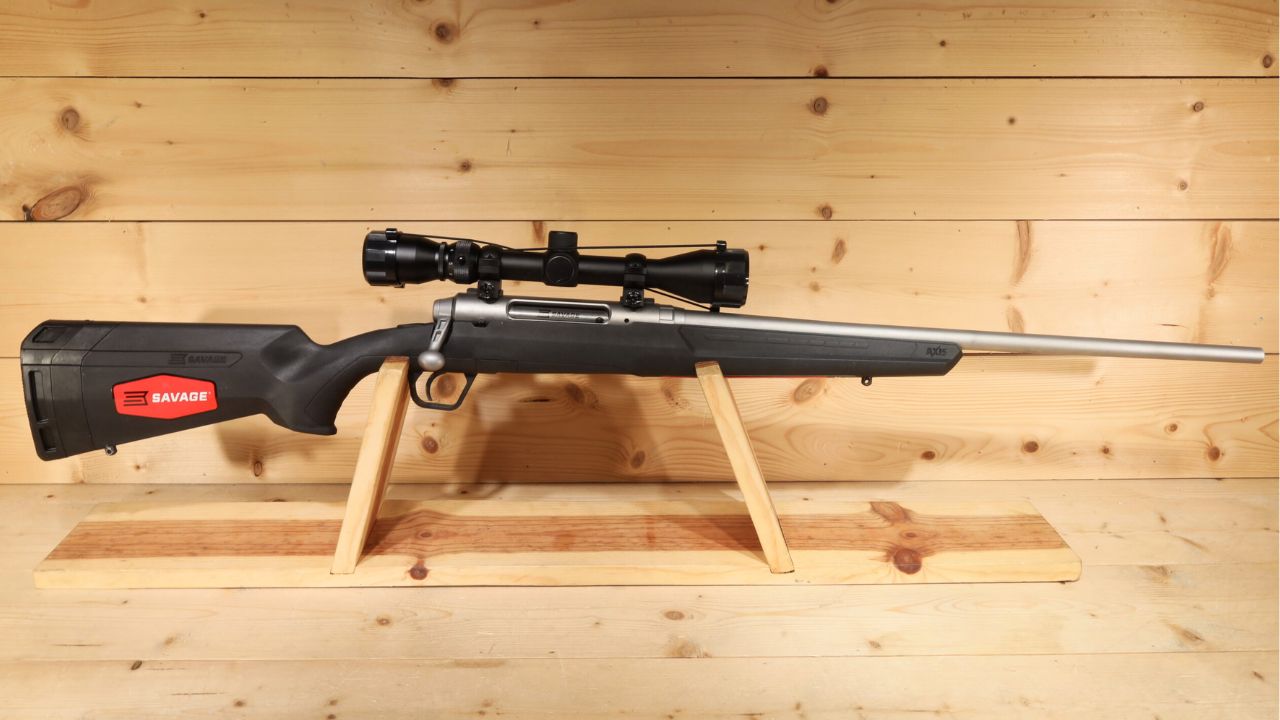
Savage has long offered rifle-and-scope packages that made sense for new hunters and budget-minded buyers. Those packages are not usually built around premium glass, but they get people into a ready-to-zero rifle without forcing them to figure out mounts, rings, and optics right away.
That was smart because not every buyer wants a project. Some people need a deer rifle before season, and they need it to be simple. Savage understood that convenience sells when it is paired with acceptable accuracy. A package rifle that works is exactly what a lot of hunters are looking for.
12. Savage Moved Into Precision Rifles Before It Was Fully Mainstream
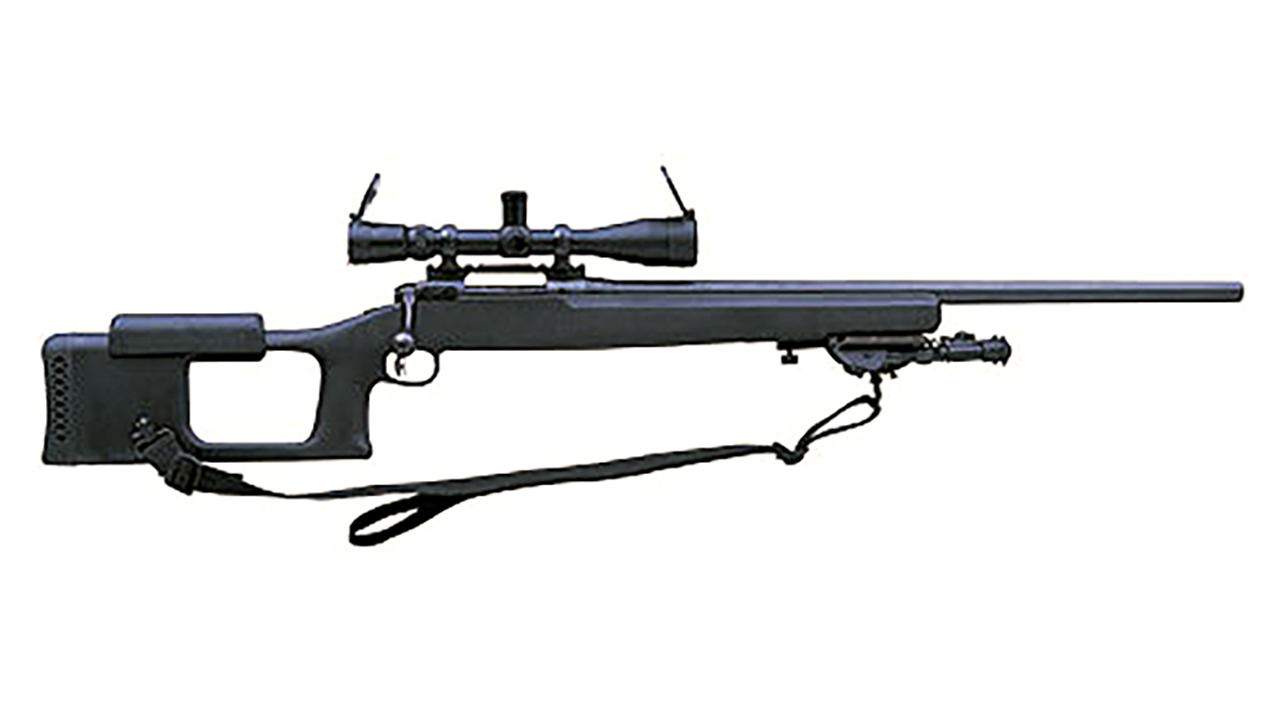
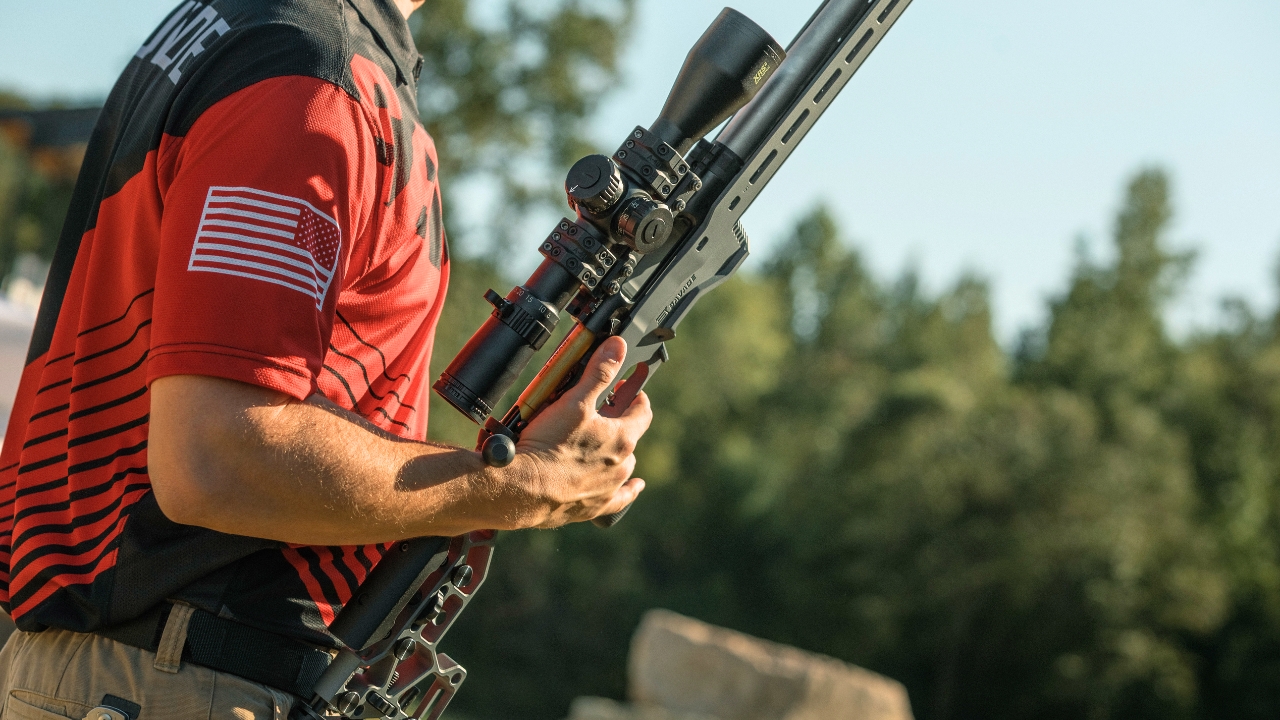
Savage was early to the idea that factory rifles could serve precision-minded shooters without custom-shop pricing. Heavy-barrel varmint rifles, law-enforcement-style 10FP models, and later chassis rifles helped put the brand in front of shooters who cared about groups, steel, and longer-range work.
That mattered because precision shooting eventually exploded in popularity. By the time more brands rushed in with chassis rifles and long-range labels, Savage already had a reputation for affordable accuracy. It was not always the fanciest option, but the company understood that regular shooters wanted precision capability without taking out a second mortgage.
13. Savage Kept Updating the 110 Instead of Letting It Rot

A lot of companies would have treated a 1958 rifle design like museum material. Savage kept working on the 110 instead. Recent company updates point to new Model 110 changes, including AccuFit V2, bolt improvements, magazine updates, machining changes, and efforts to improve smoothness, feeding, and ejection.
That matters because long-running designs can either become classics or get stale. Savage seems to understand that the 110 still has to compete in a crowded rifle market. Updating practical features keeps the platform alive without losing the basic accuracy-first identity that made it matter.
14. Savage Figured Out Shooters Will Accept Unpretty Innovation

This might be the biggest Savage lesson. The company figured out that shooters will accept odd-looking or less traditional features if those features make the rifle shoot better, fit better, or cost less. Barrel nuts, blade-style triggers, adjustable stocks, and synthetic furniture were not always beloved at first glance.
But results have a way of changing minds. If a rifle fits, shoots, and stays within budget, people stop caring as much about whether it looks traditional. Savage helped train buyers to judge rifles by performance instead of only appearance. That is a major shift, especially in a hunting world full of nostalgia.
15. Savage Figured Out That Practical Accuracy Beats Pretty Promises
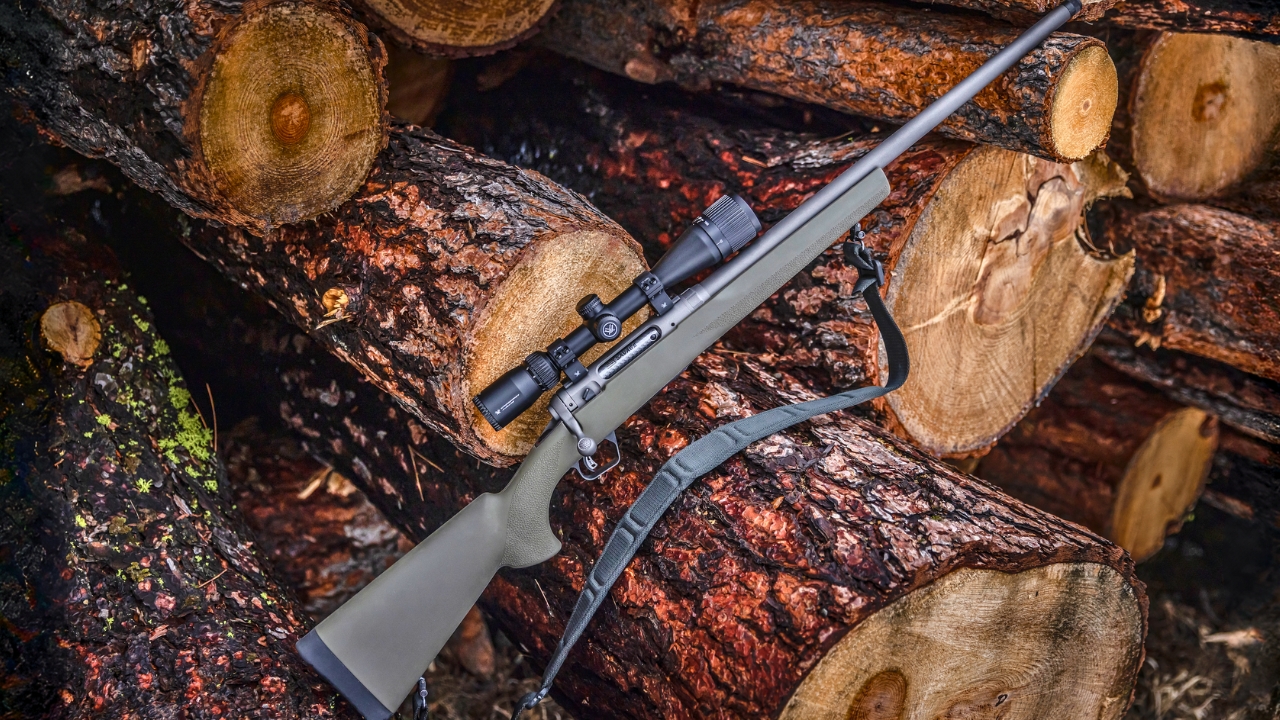
The biggest thing Savage figured out before many rifle makers caught up is that practical accuracy sells. Not theoretical accuracy. Not collector-grade beauty. Not brand nostalgia. Real, affordable, repeatable accuracy in rifles normal hunters and shooters can buy.
That is why Savage keeps mattering. The brand does not have the romance of Winchester, the flash of Weatherby, or the premium Finnish feel of Sako. It has a different strength. Savage built its name by giving regular shooters rifles that often shot better than expected, then adding features that made those rifles easier to fit and easier to shoot well. That is not fancy, but it changed the rifle market in a way every other manufacturer had to notice.
Like The Avid Outdoorsman’s content? Subscribe to our newsletter so you never miss an article.
Here’s more from us: