Photo credit: Slatan/Shutterstock.com
Wildlife doesn’t have to be terrifying to be dangerous. Most bad encounters start the same way: you believe a little “rule” you heard at a cookout, you treat an animal like it’s predictable, and you get too close, too casual, or too confident. The woods punish that fast. So does the water, the desert, and even your own neighborhood when animals get pushed into human space.
If you spend any time outside, the safest thing you can do is unlearn the myths that sound comforting. Wild animals aren’t evil, but they don’t care about your intentions either. These are the misconceptions that keep showing up in incident reports, rescue calls, and ER visits—and what you should do instead.
“If it sees you, it’ll run away”

This one gets people walking too close to bears, moose, bison, and even hogs. You spot the animal, it looks at you, and nothing happens, so you keep closing distance like you’re the one in charge. A lot of wildlife doesn’t “flee” the way you expect, especially if it has a calf, food, or an easy escape route blocked.
What you do instead is assume you’re already inside their comfort zone. Stop. Give them a clean out. Back away at an angle. If you’re photographing, zoom with the camera—not your feet. Calm distance is the easiest safety tool you’ll ever carry.
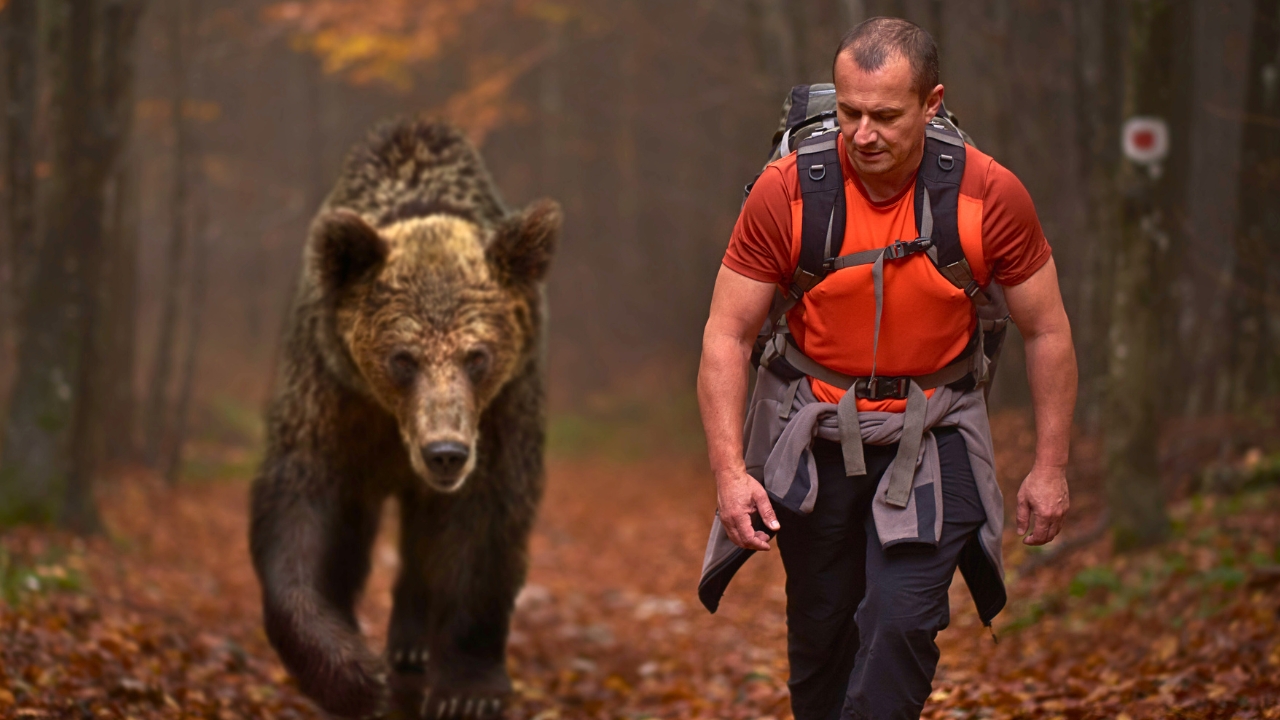
“Black bears are basically big dogs”

Black bears are usually less aggressive than grizzlies, but calling them harmless is how people end up cornering one on a trail, approaching a sow with cubs, or trying to “shoo” a bear off a bird feeder like it’s a raccoon. A black bear can close ground fast, climb faster than you think, and do real damage if it decides you’re a threat.
Treat black bears with the same respect you’d give any large animal. Don’t get between a bear and cover. Don’t approach for a better look. Make noise while hiking in thick cover, secure food, and keep bear spray where you can reach it quickly—not buried in a pack.
“A moose won’t bother you if you don’t bother it”

Moose are responsible for a surprising number of injuries in the North, and it’s usually because people don’t read their body language. A moose doesn’t have to feel “threatened” the way a predator does. It can be irritated, stressed, protecting a calf, or simply unwilling to give ground.
If you see ears pinned back, raised hackles, or that stiff-legged walk, you’re already late. Get behind a solid object—tree, vehicle, big rock—and increase distance fast. Don’t try to pass close. Don’t try to “wait it out” on the trail. Moose don’t bluff like people think.
“Bison are slow and used to people”

In parks and tourist areas, bison look calm, so folks treat them like livestock. Then someone tries a selfie at 10 feet and gets launched. Bison can run faster than you, turn quicker than you expect, and they’ve got a short fuse when you crowd them.
Give bison a wide berth, especially around calves. Don’t assume a herd is “tame” because it’s near a road. If you have to move around them, do it slowly and with distance. And if a bison starts facing you and walking your direction, that’s your cue to leave immediately, not keep filming.
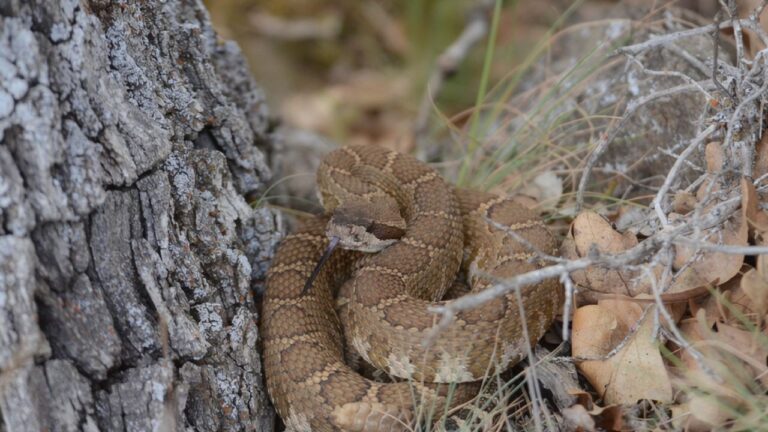
“Snakes will chase you”

Most venomous snakes want nothing to do with you. The “chasing” story often comes from a snake trying to reach cover, and you’re accidentally standing in the path it picked. Believing they chase people makes folks run blindly, trip, and stumble into worse terrain—sometimes right into another snake.
Your best move is simple: stop, locate the snake, and back away slowly. Watch where you put your hands and feet. Don’t hop over logs without looking first. And don’t try to kill it with a shovel unless you like ambulance rides. A huge percentage of bites happen during “snake handling” or “snake killing.”
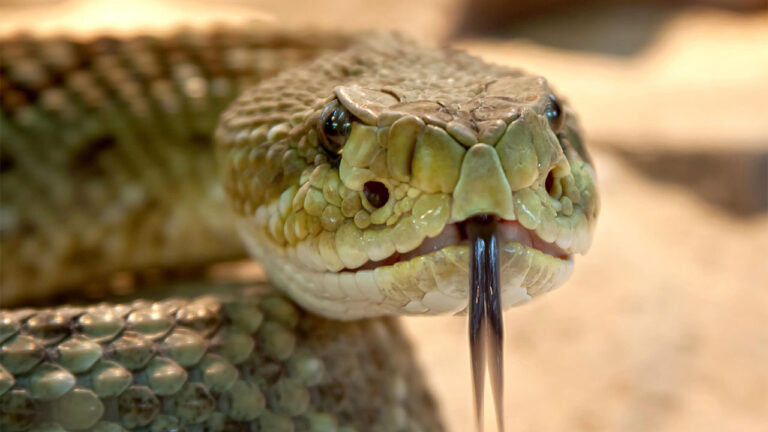
“A dead snake can’t hurt you”
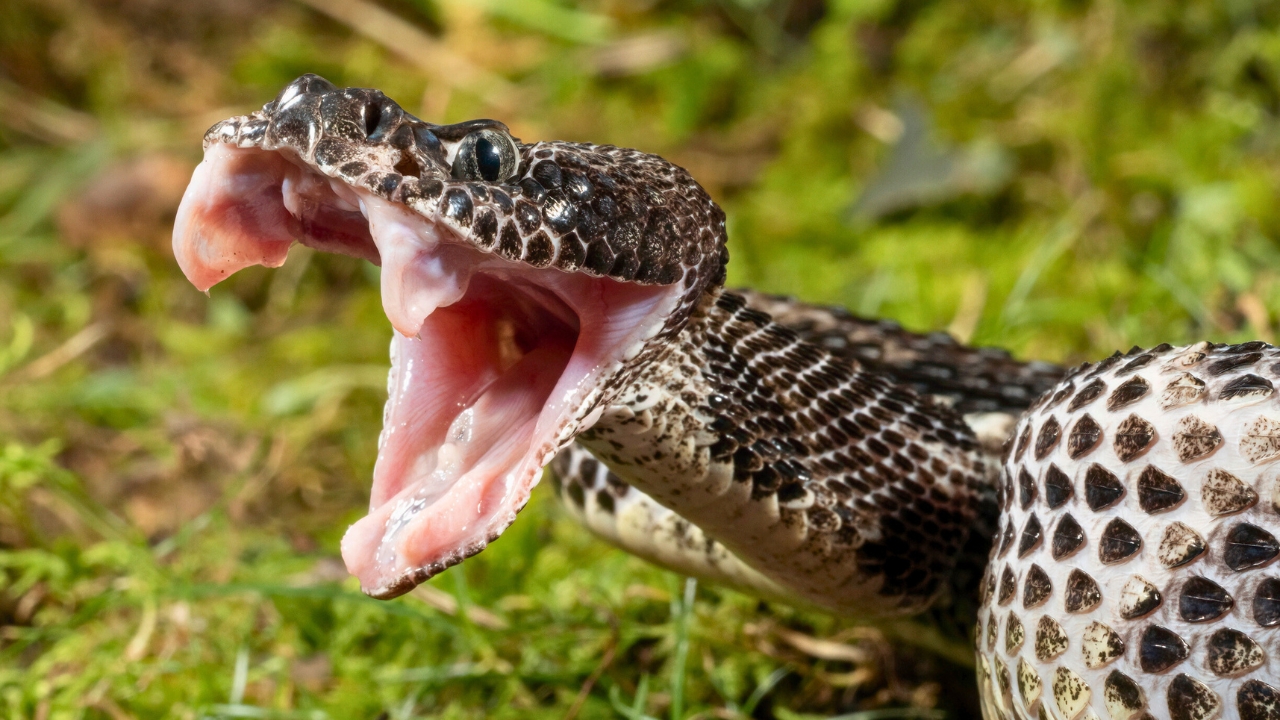
This myth is nasty because it keeps biting victims coming even after the snake is “dealt with.” A severed head can reflexively bite, and venom delivery can still happen. People pick up a dead rattlesnake for photos and end up envenomated for their trouble.
Don’t touch a snake, alive or dead. If it needs to be removed, call someone trained for it. If you’re in the backcountry, give it space and move on. If a snake is freshly killed by a car or a shovel, treat it like it’s still dangerous. The best souvenir from a snake encounter is getting home unbitten.
“Brown bears only attack if you run”

Running can trigger pursuit in many animals, but “don’t run” isn’t a magic shield. People repeat it like a spell and then stand frozen while a bear keeps closing distance. Bears attack for different reasons—surprise, food, cub defense, or predatory intent—so a single rule doesn’t cover every situation.
Your job is to avoid surprise in the first place: make noise in thick cover, watch wind and visibility, and keep your food locked down. If you encounter a bear at close range, back away slowly and talk calmly. If it escalates, you need bear spray ready, and you need to know how to use it before you ever need it.
“Cougars don’t live here”

This gets people walking dogs at dusk, hiking solo in brushy drainages, or ignoring credible sightings because “we don’t have mountain lions in this county.” Cougars are secretive, travel long distances, and can show up where you don’t expect—especially young males dispersing.
Act like you could run into one in suitable habitat. Keep kids close, keep dogs leashed, avoid headphones at dawn and dusk, and don’t crouch down with your back turned if you feel watched. If you see a cougar, stand tall, make yourself big, and don’t run. If it comes in, fight back hard. Passive doesn’t work.
“Alligator attacks only happen in the deep South”

Alligator range has expanded and shifted in places, and the real danger isn’t geography—it’s behavior. People let dogs swim in warm, shallow water, or they wade at dusk, or they assume a retention pond is safe because it’s “in town.” That’s exactly where gators end up.
Treat any warm-water pond, canal, or marsh as potential gator water in areas where they exist. Keep dogs out of the water. Don’t clean fish at the edge. Don’t swim at dawn or dusk. And if you see a gator, leave. The goal isn’t to prove you’re brave. The goal is to not become a statistic.
“If an animal is sick, you’ll notice right away”

Rabies and other illnesses don’t always look like foam and stumbling. Sometimes a rabid animal looks “friendly,” approaches people, or acts strangely calm. People misread that as cute and end up trying to feed, pet, or rescue it.
If wild animals approach you with no fear, treat it like a red flag. Don’t touch it. Don’t try to “help” it barehanded. Keep distance, keep pets away, and call local wildlife control if it’s in a neighborhood. If you’re bitten or scratched, don’t play tough—wash immediately and seek medical care. That’s not drama. That’s staying alive.
“Wild hogs are basically oversized deer”
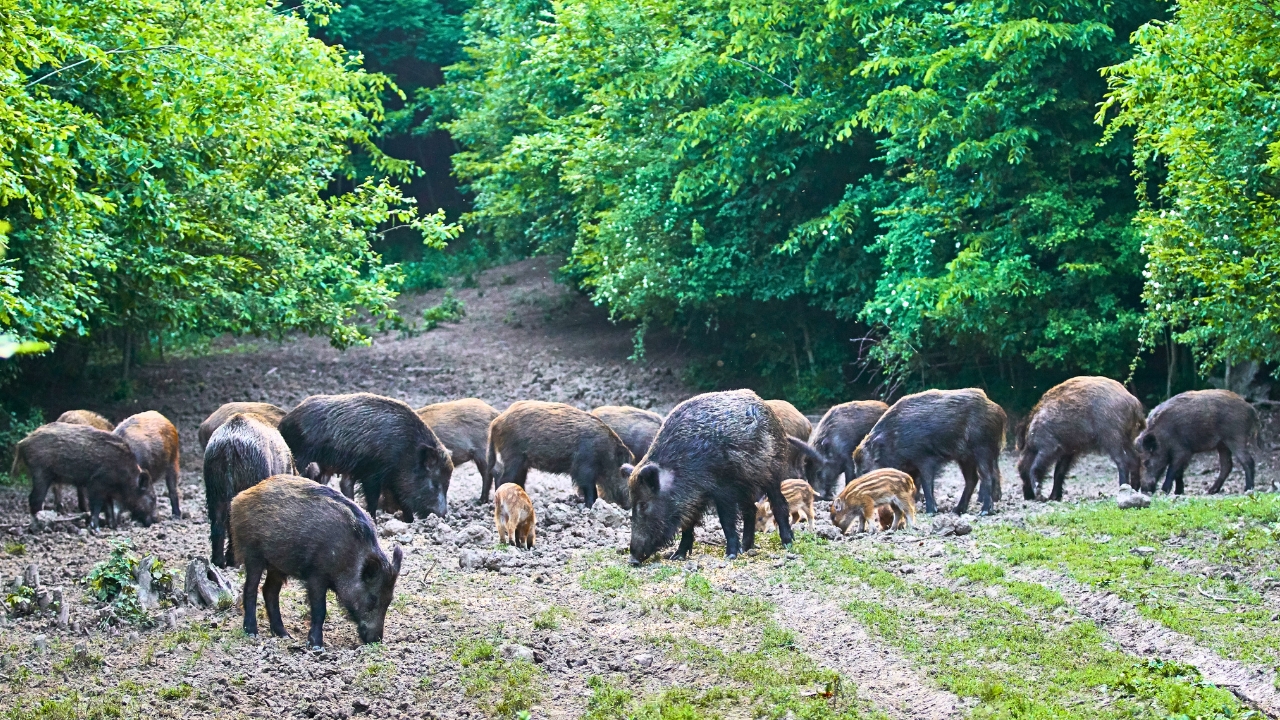
Hogs don’t behave like deer. They can be aggressive, they can mob up, and they can turn a casual hike into a wreck if you bump one at close range. People underestimate them because they’re not predators, then get surprised by a charge, especially around thick cover or pigs with young.
If you’re in hog country, stay alert in brush and near water. Give sounders distance. If one is popping jaws, huffing, or circling, you need to create space and put something between you and it—tree, fence, vehicle. Don’t try to haze them like you would a stray dog. And don’t let your dog run into a thicket and start a fight you can’t stop.
“Wolves want to eat you”

Wolf attacks on humans are rare, but the myth still gets people hurt in a different way: they ignore the real problem animals and fixate on the scary one. You’ll see folks carry the wrong deterrents, make bad campsite choices, or leave food out because they’re thinking about wolves, not bears, raccoons, or habituated coyotes.
The safer approach is universal: manage your attractants. Keep a clean camp. Store food correctly. Don’t feed wildlife. If a canid acts bold around people, haze it early—noise, group up, make it uncomfortable. And keep your pets close. Most dangerous wildlife problems start with animals learning humans mean easy calories.
“Coyotes won’t mess with people”

Coyotes usually avoid adults, but habituated coyotes in suburbs can get bold, especially around food sources and small pets. People assume “it’s just a coyote,” then let a cat out at night or walk a small dog on a long leash near brush at dawn.
Treat urban coyotes like opportunists, because that’s what they are. Don’t feed them. Secure trash. Keep pets supervised, especially at first and last light. If a coyote approaches, don’t retreat. Make it regret coming close—yell, clap, throw something near it, and hold your ground. The goal is to keep coyotes afraid of humans.
“You’re safe as long as you’re on the trail”
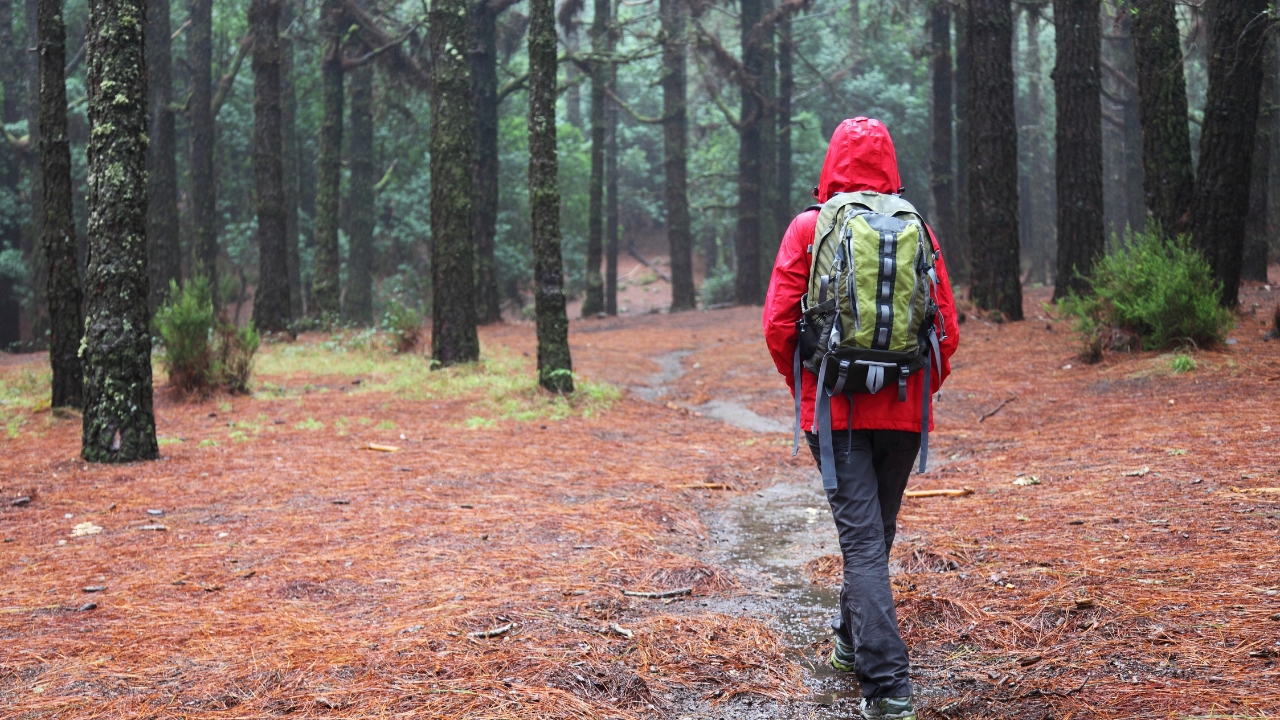
Trails funnel people into the same corridors animals use—water access, saddles, drainages, and easy travel routes. Believing “trail equals safe” makes people stop scanning, stop listening, and stop thinking. That’s when you round a blind corner into a bear, surprise a moose, or step over a log onto a snake.
Stay switched on even on popular trails. Slow down in thick cover. Announce yourself near noisy creeks. Keep your head up at dawn and dusk. If you’re in bear country, carry spray where you can draw it instantly. Trails are great, but they’re not magical. They’re still the outdoors, and the outdoors doesn’t care how many hikers were there yesterday.
“You can read an animal’s mood by its face”

People project human emotions onto wildlife. A bear “looks curious.” A bison “looks calm.” A moose “looks bored.” Then they act like the animal will follow the same social rules a person would. That’s how you end up creeping closer for a better picture or lingering too long because it seems “fine.”
Instead, watch for what actually matters: distance, body posture, movement, and escape routes. Is it facing you? Is it holding ground? Is it pacing, huffing, swatting the ground, or shifting weight? Animals communicate with their whole body, and the message is usually simple: you’re too close. Believe that message early.
“Bear spray is only for grizzlies”

Bear spray works on black bears, grizzlies, and often on aggressive dogs and other threats too. The myth that it’s “overkill” leads people to leave it behind or bury it in a pack. Then the moment comes and you’re stuck yelling at a bear with your hands full of trekking poles.
Carry it where you can grab it with either hand. Practice the draw. Know the wind matters. And don’t treat it like a talisman. It’s a tool you have to deploy fast and correctly. If you spend time outside in bear country—even casually—bear spray is one of the best odds you can give yourself.
“If you’re quiet, you won’t bother anything”
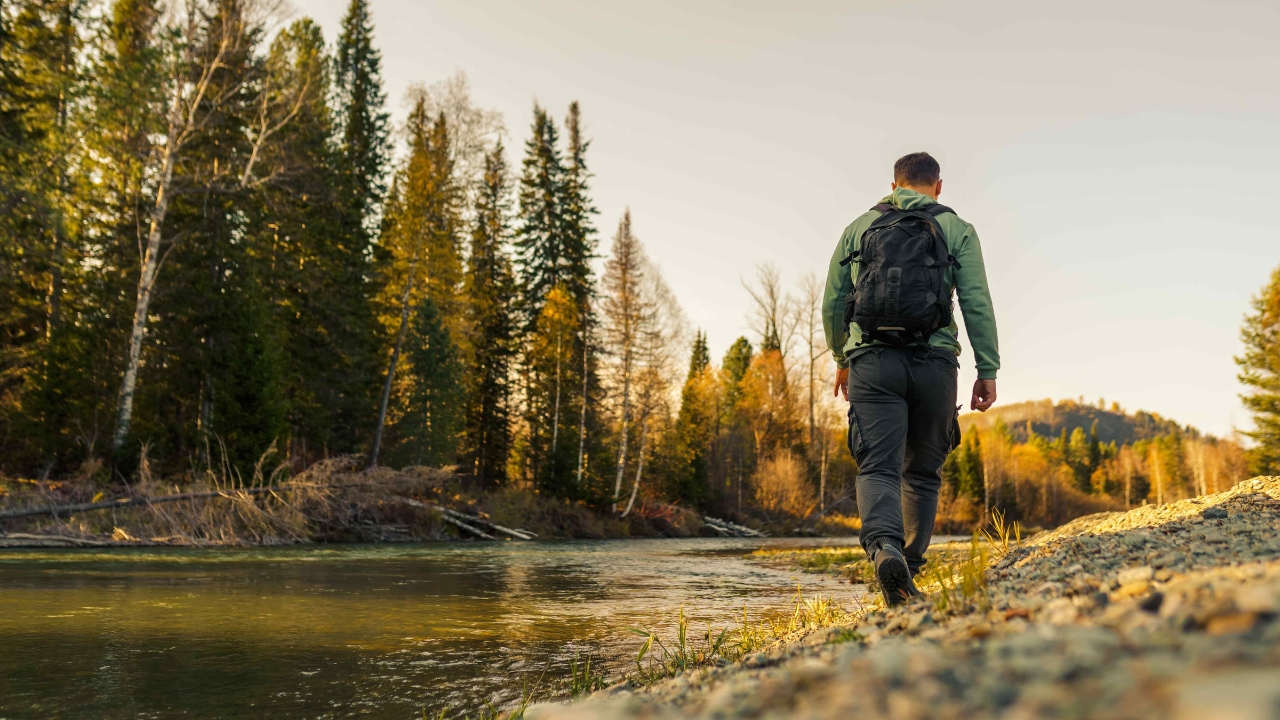
Being quiet sounds respectful, but it increases surprise encounters. Sneaking down a trail at first light might feel peaceful, right up until you walk into an animal at close range. Startle distance is where most bad decisions happen—yours and the animal’s.
In heavy cover or low light, it’s safer to be predictable. Talk to a buddy. Call out near blind turns. Make noise around loud water. You’re not trying to scare everything out of the county—you’re trying to avoid surprising an animal that can hurt you. A little noise buys you reaction time, and reaction time is what keeps a normal day outside from turning into an emergency.
Like The Avid Outdoorsman’s content? Subscribe to our newsletter so you never miss an article.
Here’s more from us: