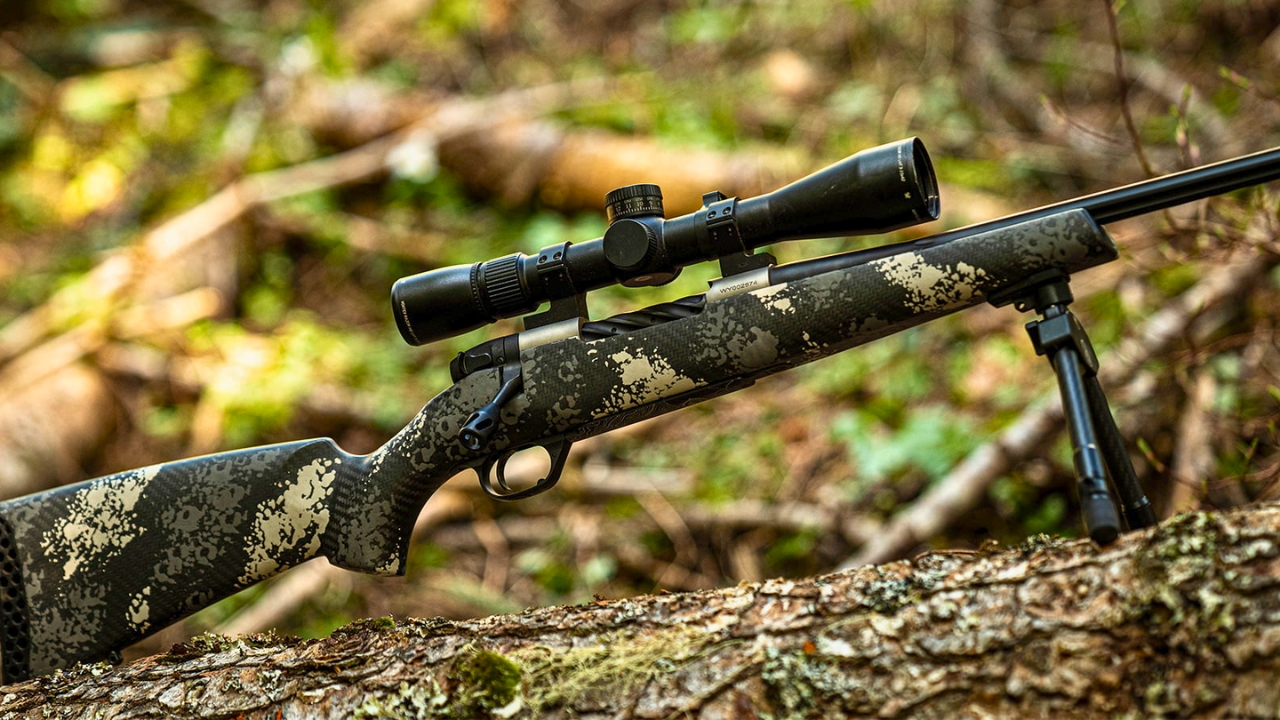
Photo credit: Weatherby
Weatherby is one of those brands that has always felt a little different from the rest of the hunting-rifle world. It is not mainly a deer-camp nostalgia brand like Winchester or Marlin. It is not built around budget accuracy like Savage. It is not plain and practical in the Ruger American sense. Weatherby has always been about speed, reach, style, and a little bit of California-to-big-country confidence.
That identity goes straight back to Roy Weatherby. He founded Weatherby in 1945 and built the company around high-velocity magnum cartridges, flashy custom rifles, and the idea that a hunting rifle could be both powerful and beautiful. Weatherby is now headquartered in Sheridan, Wyoming, after relocating from California, but the brand still carries the personality Roy gave it: fast cartridges, distinctive rifles, and a loyal crowd of hunters who believe Weatherby still has its own lane.
1. Weatherby Started as Roy Weatherby’s Magnum Obsession

Weatherby began because Roy Weatherby believed in speed. He was not trying to build another ordinary deer rifle company. He was a wildcatter and rifle builder who wanted flatter trajectories, higher velocities, and more downrange energy than many standard cartridges offered at the time.
That obsession shaped the whole brand. Weatherby rifles and cartridges were built around the idea that velocity solves a lot of hunting problems when used responsibly. Not every hunter needs that, and not every shot should be stretched just because the rifle can do it. But Weatherby became famous because Roy pushed hard in a direction that felt bold, expensive, and different.
2. Roy Weatherby Started the Company With Borrowed Money
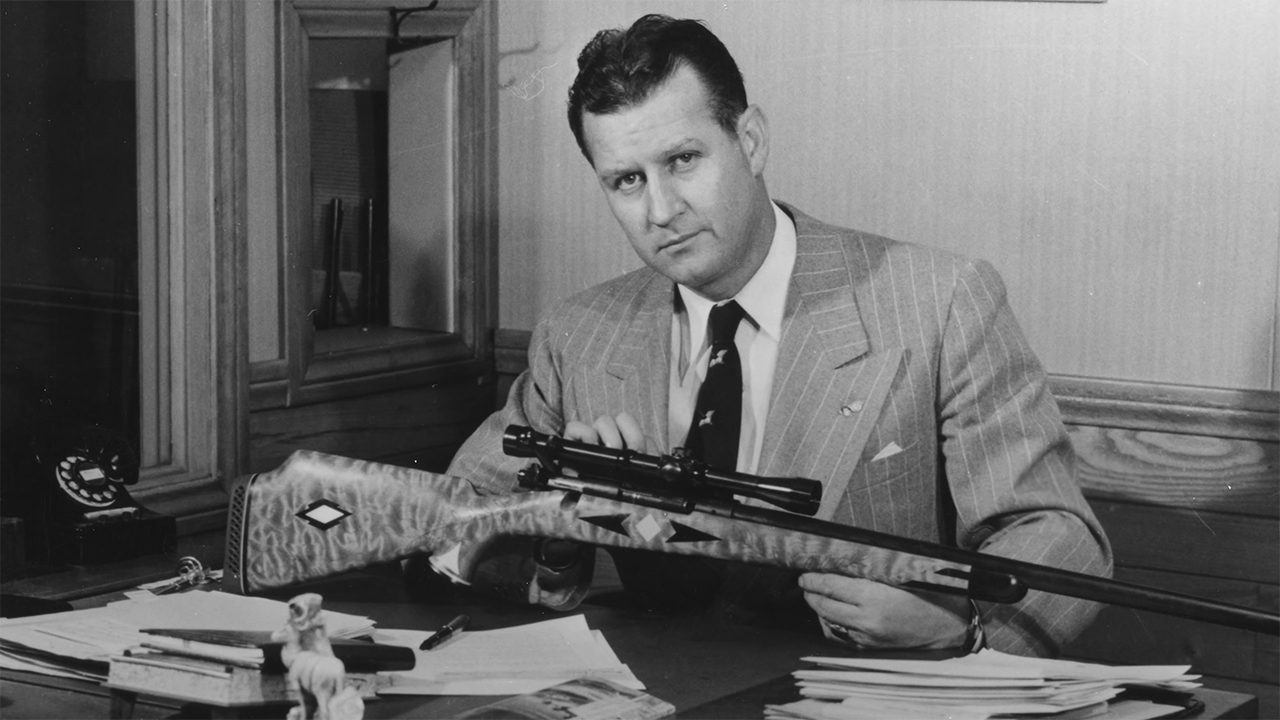
Roy Weatherby did not launch the company from some giant corporate-backed firearm empire. The Weatherby Foundation’s biography says Roy borrowed $5,000 from Bank of America in 1945 and started Weatherby, Inc., building and modifying rifles to handle his proprietary cartridges.
That detail matters because Weatherby’s early story was personal. Roy was not only selling rifles. He was selling his own belief in velocity, magnum performance, and long-range hunting confidence. That kind of founder-driven identity is still part of why Weatherby feels more personal than many rifle brands.
3. The Original Shop Was in South Gate, California
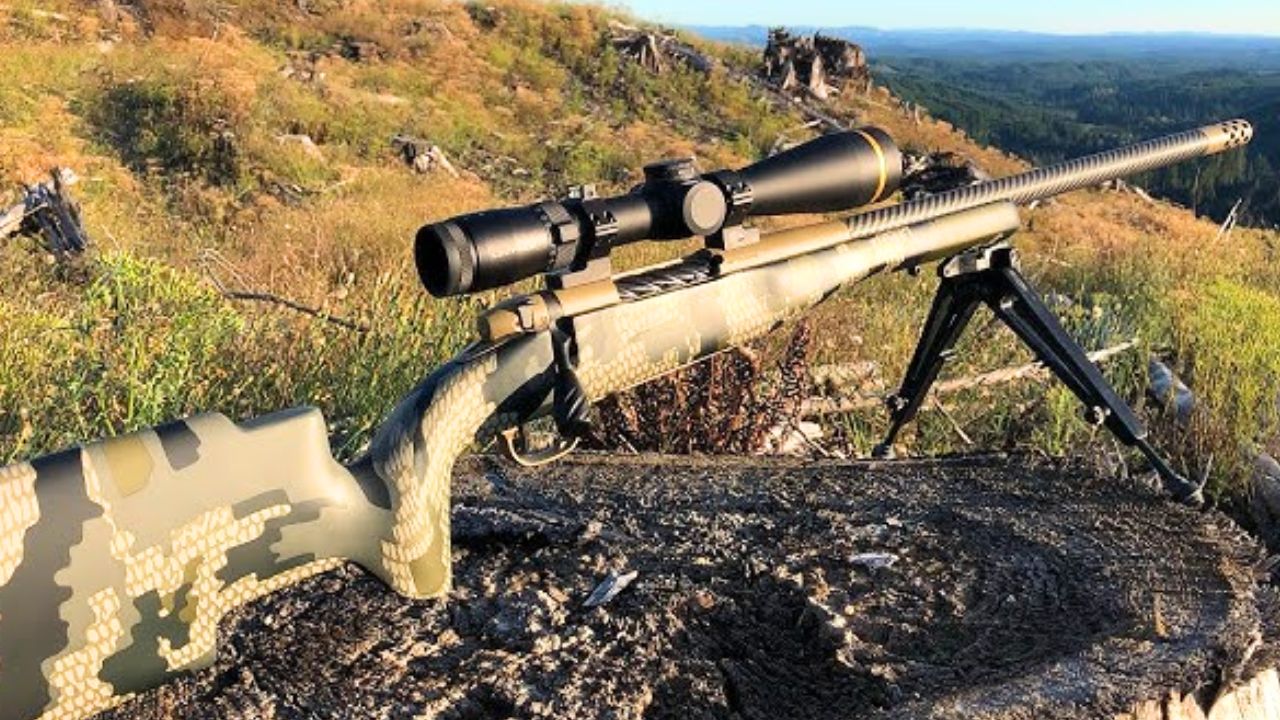
Weatherby feels like a Wyoming brand now, but it started in California. Roy opened his shop in South Gate, California, in 1945, where he built custom rifles and developed the Weatherby name around his high-speed cartridges.
That California origin surprises some shooters because Weatherby’s current brand image feels more mountain West than Southern California. But California gunmaking was a real part of the company’s story for decades. The brand’s move to Wyoming came much later, after Weatherby had already spent more than 70 years tied to California.
4. Weatherby Built Its Name on Proprietary Cartridges
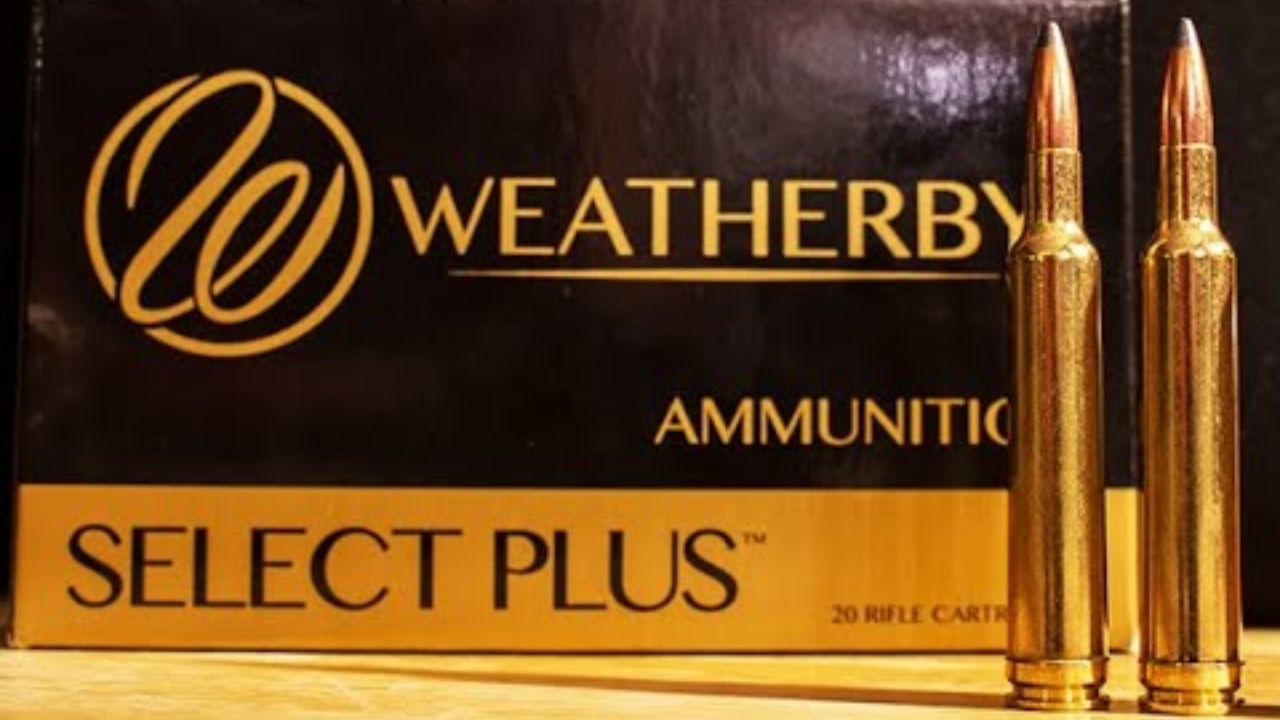
Weatherby is best known for its proprietary magnum cartridges. Public summaries of the company point to rounds like the .257 Weatherby Magnum, .270 Weatherby Magnum, .300 Weatherby Magnum, .340 Weatherby Magnum, and .460 Weatherby Magnum as central to the company’s identity.
That cartridge story is what separates Weatherby from many rifle makers. A lot of companies chamber rifles in existing cartridges. Weatherby built rifles around cartridges that carried the brand name. That meant buying a Weatherby was often buying into a whole ballistic philosophy, not just a rifle.
5. The .257 Weatherby Magnum Still Has a Fierce Following
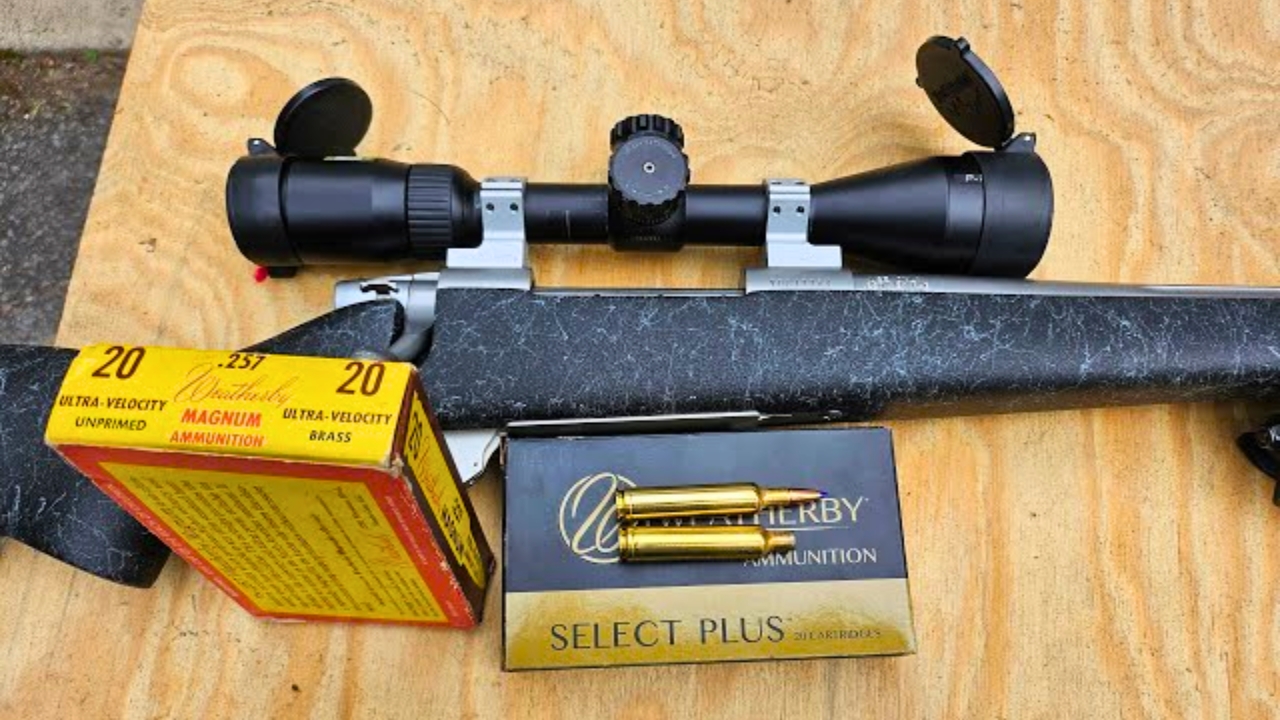
The .257 Weatherby Magnum may be one of the best examples of the brand’s personality. It is fast, flat-shooting, and beloved by hunters who like light recoil paired with serious velocity. It is not the cheapest cartridge to feed, and it is not as common as .243, .270, or 6.5 Creedmoor, but it has a loyal crowd.
That loyalty comes from what the cartridge does well. For deer, antelope, sheep, and open-country hunting, the .257 Weatherby can feel almost unfair in the right hands. It is the kind of cartridge that makes Weatherby fans sound like Weatherby fans: confident, specific, and unwilling to apologize for liking speed.
6. The Mark V Was Weatherby’s Big In-House Rifle Move

Before the Mark V, Weatherby used other actions for its custom rifles, including commercial Mauser-style actions. The Mark V changed that. It was introduced in 1958 as Weatherby’s proprietary bolt-action design, developed to handle the pressures and performance of Roy Weatherby’s magnum cartridges.
That mattered because Weatherby needed a rifle action that fit its cartridge philosophy. The Mark V became the flagship rifle and gave the company something fully tied to its own identity. Weatherby was no longer only chambering hot cartridges in someone else’s action. It had a rifle that belonged to the brand from the inside out.
7. The Nine-Lug Bolt Became a Weatherby Signature

One of the Mark V’s most famous features is the nine-lug bolt used on larger Weatherby magnum chamberings. That bolt design gave the rifle a short bolt lift and a reputation for strength. Weatherby used a smaller six-lug action for standard cartridges and smaller Weatherby rounds.
That bolt design is part of why the Mark V feels different from many other bolt guns. It is not a plain two-lug hunting action. The short bolt lift, strong lockup, and distinctive action design helped the Mark V stand apart. For Weatherby fans, the action is part of the brand’s soul.
8. Weatherby Rifles Were Made in Several Countries Over Time

Some shooters assume Weatherby rifles have always been built in one place. They have not. Early custom rifles used various actions. Mark V production moved through several stages, including production by J.P. Sauer in West Germany and later Howa in Japan, before Mark V manufacturing returned to the United States in the 1990s.
That is part of Weatherby’s complicated quality story. Older German Mark Vs, Japanese-built Weatherbys, and modern U.S.-assembled rifles all have their own followings. Weatherby fans can get very specific about eras, markings, stocks, and production details. That is what happens when a rifle brand has been through multiple manufacturing chapters.
9. The Vanguard Was Built to Make Weatherby More Accessible
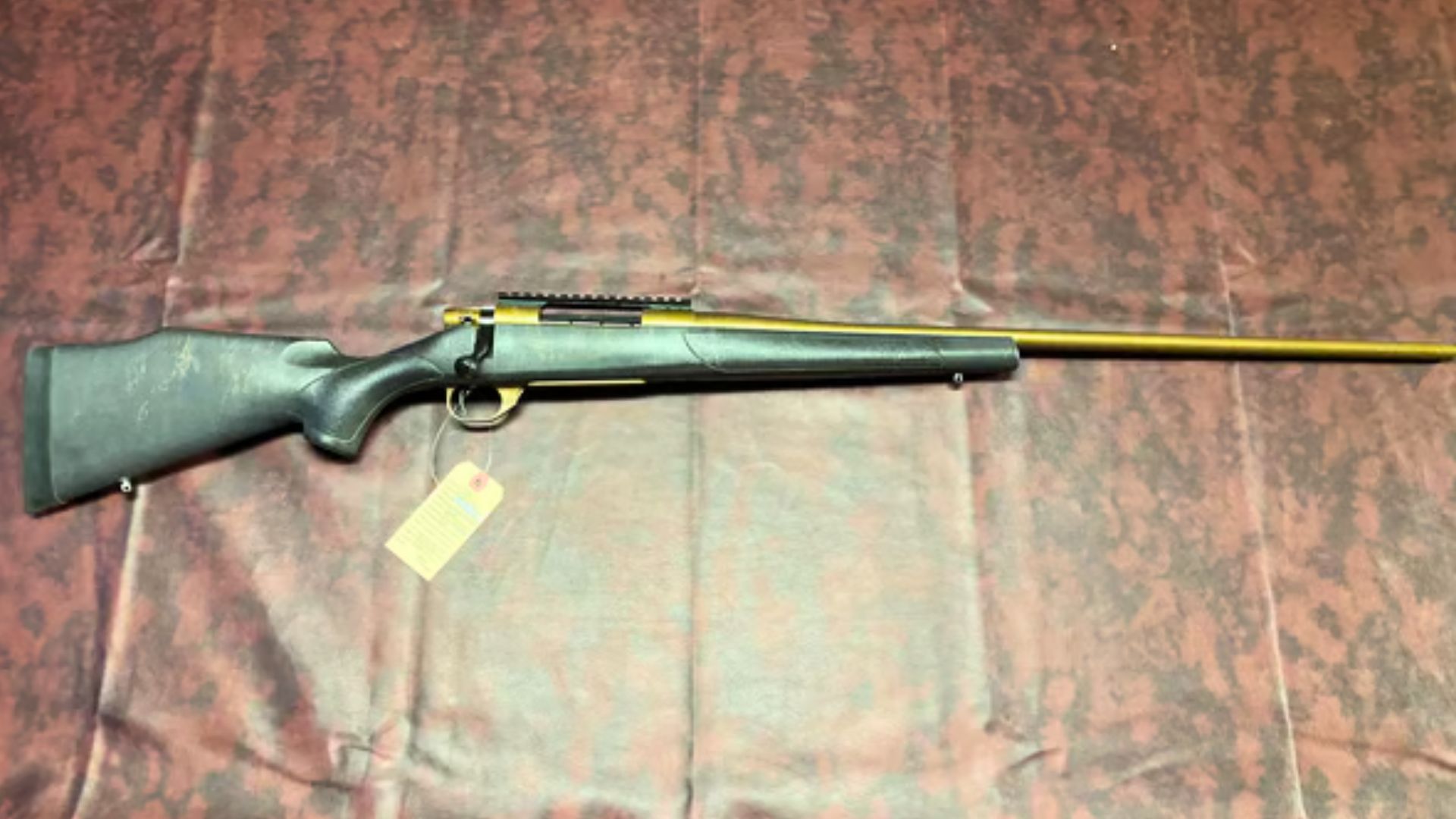
The Weatherby Vanguard gave buyers a more affordable way into the brand. It was introduced around 1970 and built around the Howa 1500 action, giving hunters a lower-priced alternative to the premium Mark V.
That was an important move because not every hunter could afford a Mark V. The Vanguard let Weatherby reach regular buyers who liked the name but needed a more practical price. It also gave the brand a strong value rifle that could compete against rifles like the Remington 700, Winchester Model 70, Ruger M77, Savage 110, and later the Tikka T3/T3x.
10. Weatherby Is Not Only About Weatherby Cartridges Anymore
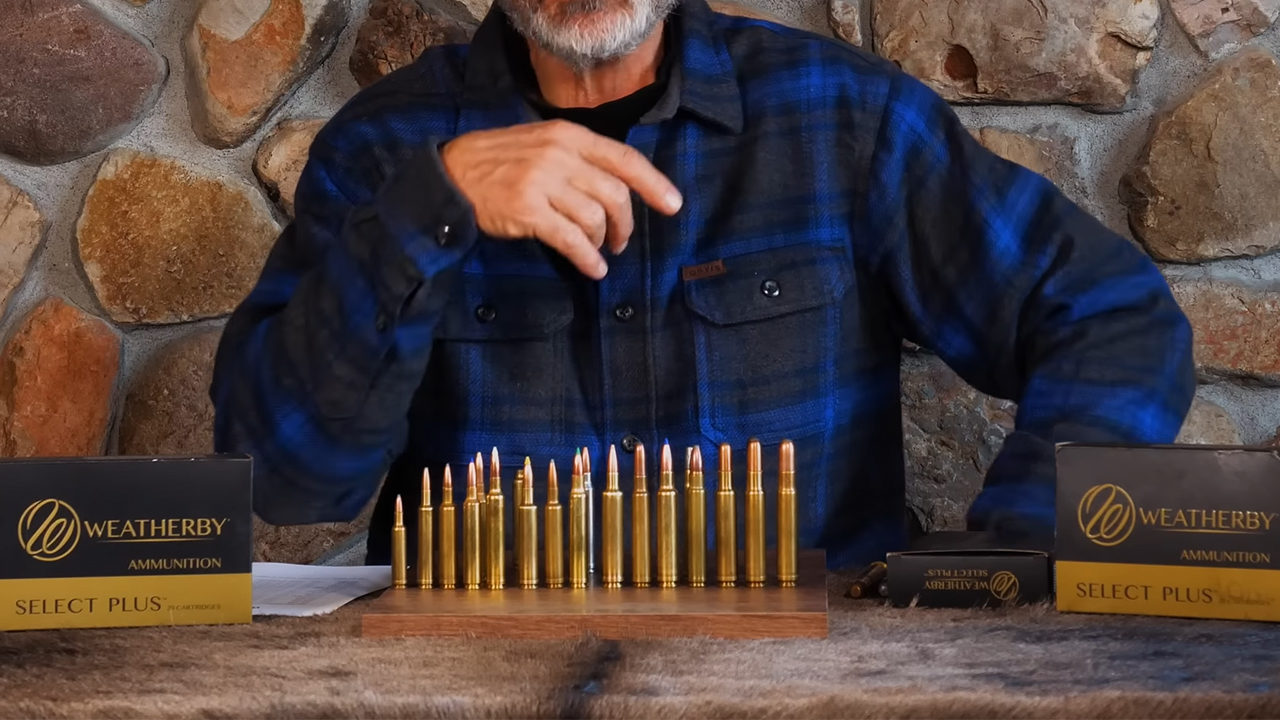
Weatherby still has its proprietary magnums, but the company also chambers rifles in popular non-Weatherby rounds. That matters because many modern hunters want a Weatherby rifle without committing to expensive or less common Weatherby ammunition.
That flexibility helps the brand stay relevant. A hunter may love the look and feel of a Vanguard or Mark V but still want .308 Winchester, 6.5 Creedmoor, .30-06, or another common cartridge. Weatherby’s catalog has had to balance its magnum heritage with the reality that today’s hunters want options.
11. Weatherby Style Has Always Been Part of the Appeal
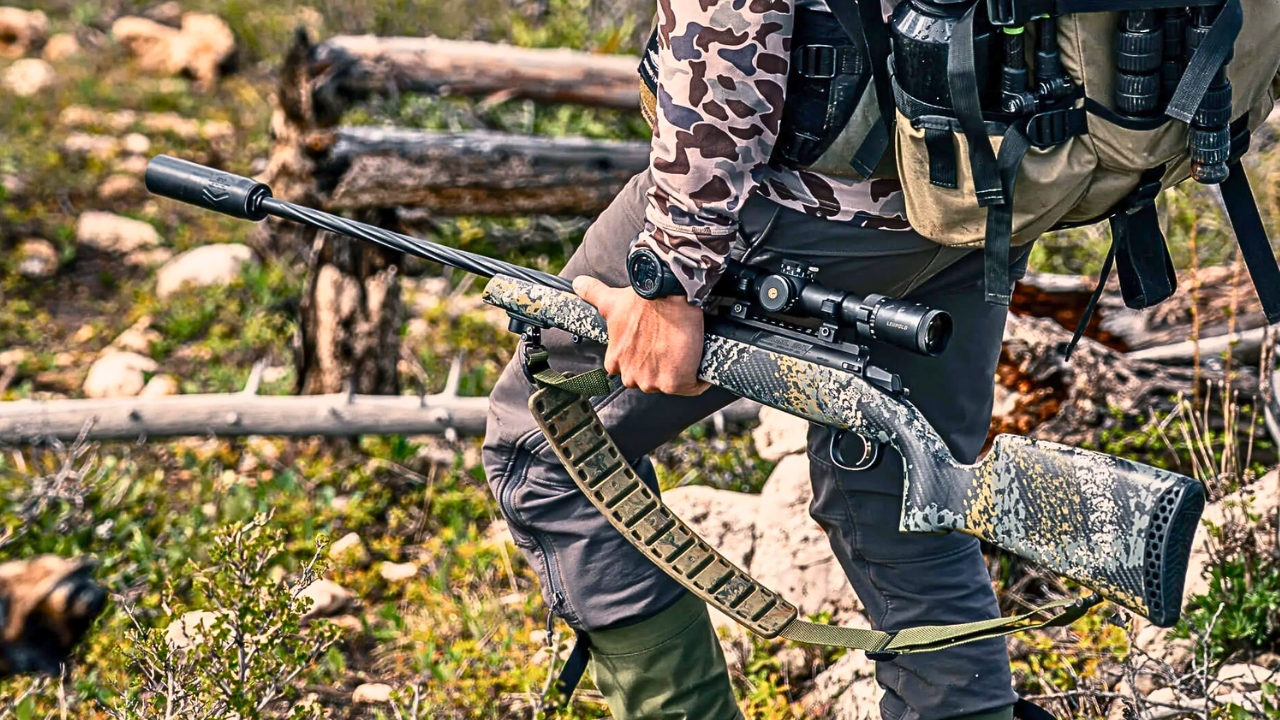
Weatherby rifles have never been shy. High-gloss stocks, skip-line checkering, rosewood fore-end tips, Monte Carlo combs, and bold lines all became part of the classic Weatherby look. Some shooters love it. Others think it is too flashy. Either way, it is instantly recognizable.
That style helped Weatherby stand out in a rack full of plainer hunting rifles. A Weatherby was not trying to look like a utilitarian camp rifle. It looked like something a hunter bought because he wanted performance and pride of ownership. That may not appeal to everyone, but it gave the brand a strong visual identity.
12. The Company Moved From California to Wyoming

Weatherby announced in January 2018 that it was relocating manufacturing operations and corporate headquarters from California to Sheridan, Wyoming. The move was completed with a new facility opening in 2019.
That move was a major identity shift. Weatherby had been a California company for more than seven decades. Moving to Wyoming gave the brand a new home that fit its hunting and big-country image better. It also put Weatherby in a state many gun owners see as more aligned with the company’s market and values.
13. Weatherby Is Still Family-Driven
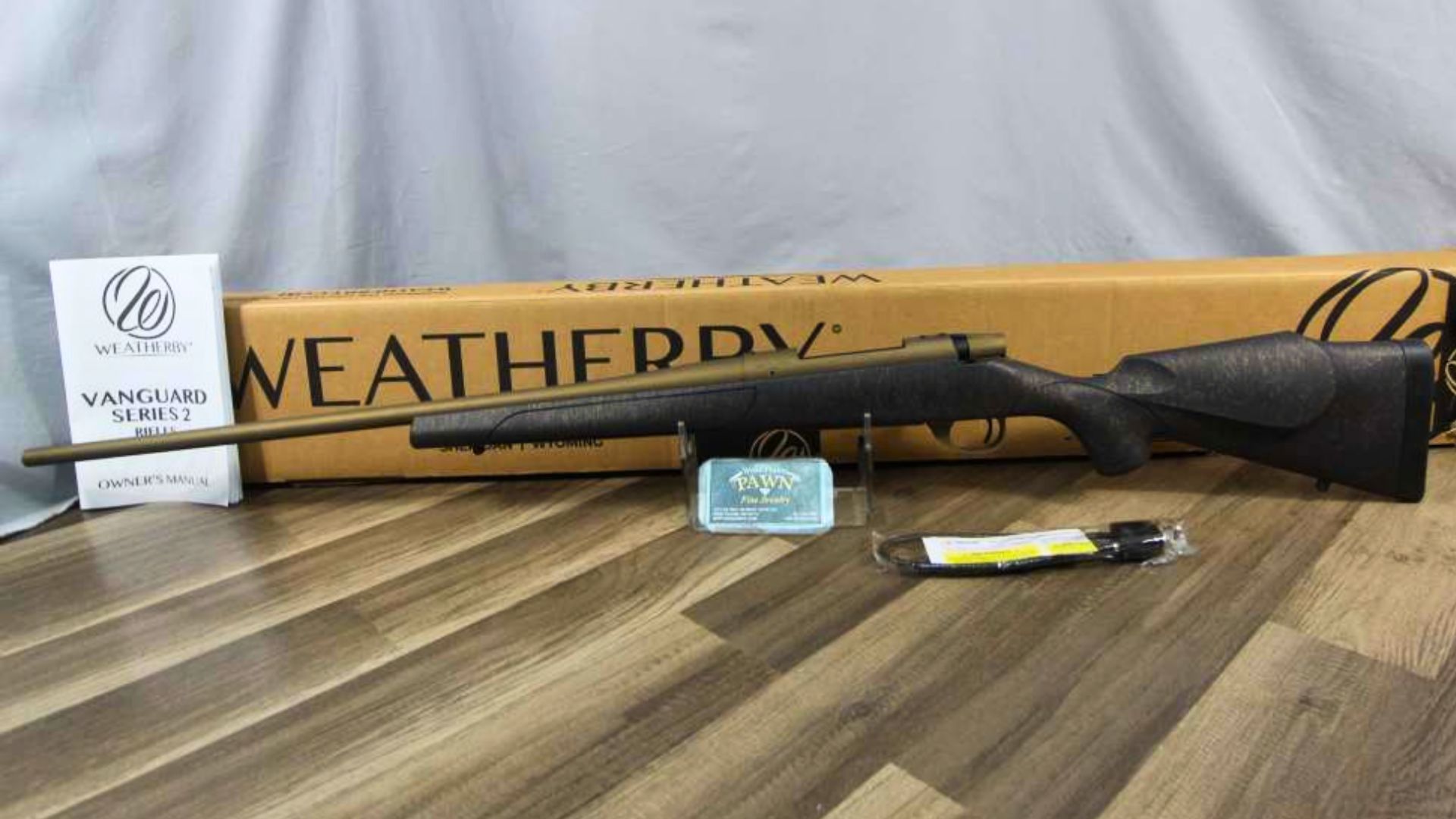
Weatherby has remained strongly tied to the Weatherby family. Roy Weatherby’s vision shaped the company, and later generations continued the brand. Gun Digest described Weatherby as three generations into Weatherby leadership, still tied to Roy’s high-velocity vision.
That matters because family continuity gives the brand a personal feel. Weatherby is not simply a name passed through endless corporate reshuffling. It still carries the founder’s last name and the family story behind it. For hunters who like brands with personality, that matters.
14. Weatherby Has a Shotgun Side Too
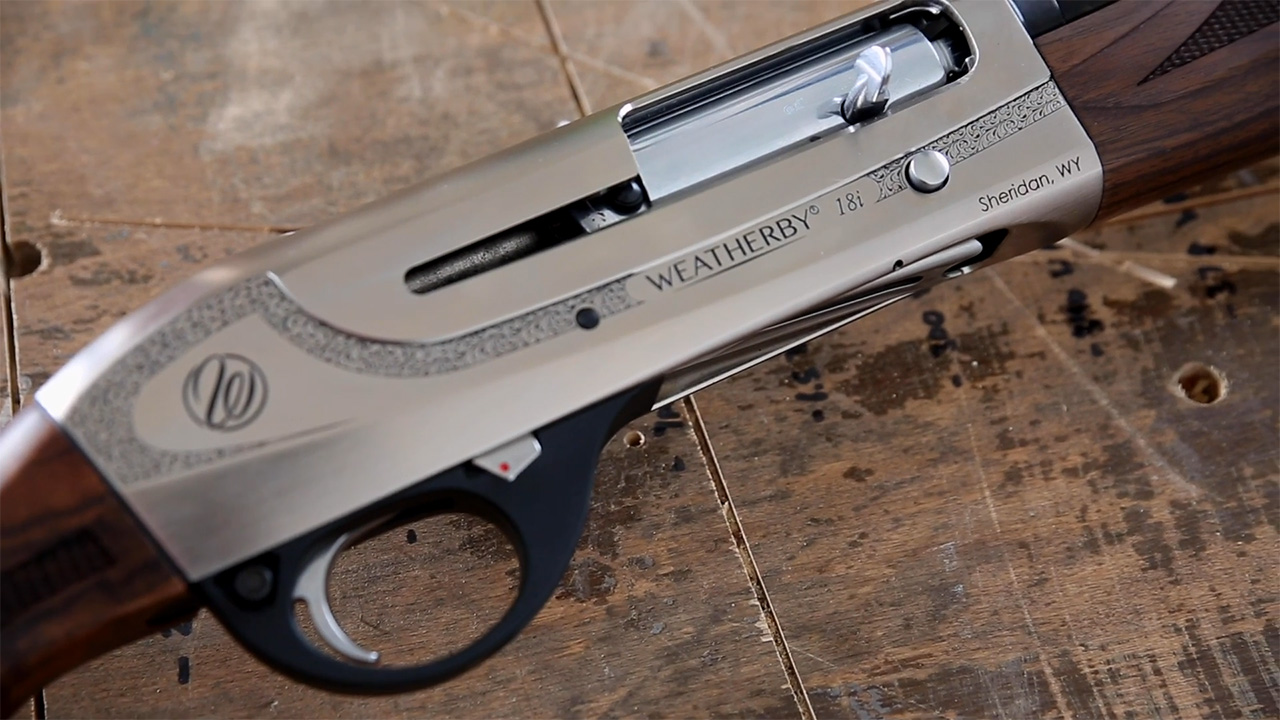
Weatherby is mostly thought of as a rifle and cartridge brand, but the company also sells shotguns. That side of the catalog does not usually carry the same prestige as the Mark V or the big Weatherby magnums, but it helps broaden the brand.
That shotgun side matters because Weatherby has to compete for more than magnum-rifle buyers. Not every customer is shopping for a .300 Weatherby or .257 Weatherby. Some want a value shotgun, youth shotgun, or upland/waterfowl option from a familiar name. Weatherby’s long-gun identity stretches farther than many casual shooters realize.
15. Weatherby’s Real Lane Is Still Big-Country Confidence

The biggest thing most shooters do not know about Weatherby is that the brand’s real strength is not one rifle or one cartridge. It is a feeling. Weatherby sells big-country confidence: speed, reach, magnum power, flashy rifles, open-country hunting, and the idea that a hunter can be ready when the shot is longer than average.
That does not mean every hunter needs a Weatherby. Plenty of deer have fallen to .30-30s, .308s, .270s, and plain old bolt guns. But Weatherby has never been about plain. It built its name on going faster, hitting harder, and looking sharper while doing it. That is why the brand still has a loyal following. It does not try to be every rifle company. It tries to be Weatherby.
Like The Avid Outdoorsman’s content? Subscribe to our newsletter so you never miss an article.
Here’s more from us: