Photo credit: Ticklickerfirearmsllc/GunBroker
Springfield Armory is one of those brands shooters keep circling back to. It has the old American name recognition, the M1A crowd, the 1911 crowd, the XD crowd, the Hellcat crowd, and now the AR crowd. Not everyone loves every chapter of the company’s modern story, and some shooters will argue about the name, the imports, the politics, the pricing, or the product choices all day.
But the reason Springfield Armory keeps coming back into the conversation is simple: the company keeps putting guns in front of regular shooters that fill real lanes. Some are nostalgic. Some are practical. Some are defensive. Some are built for people who want old-school steel, and some are clearly made for the modern carry market. Springfield has stayed relevant because it knows how to connect history, value, and current demand without living entirely in the past.
Springfield Armory Has One of the Strongest Names in American Gun History
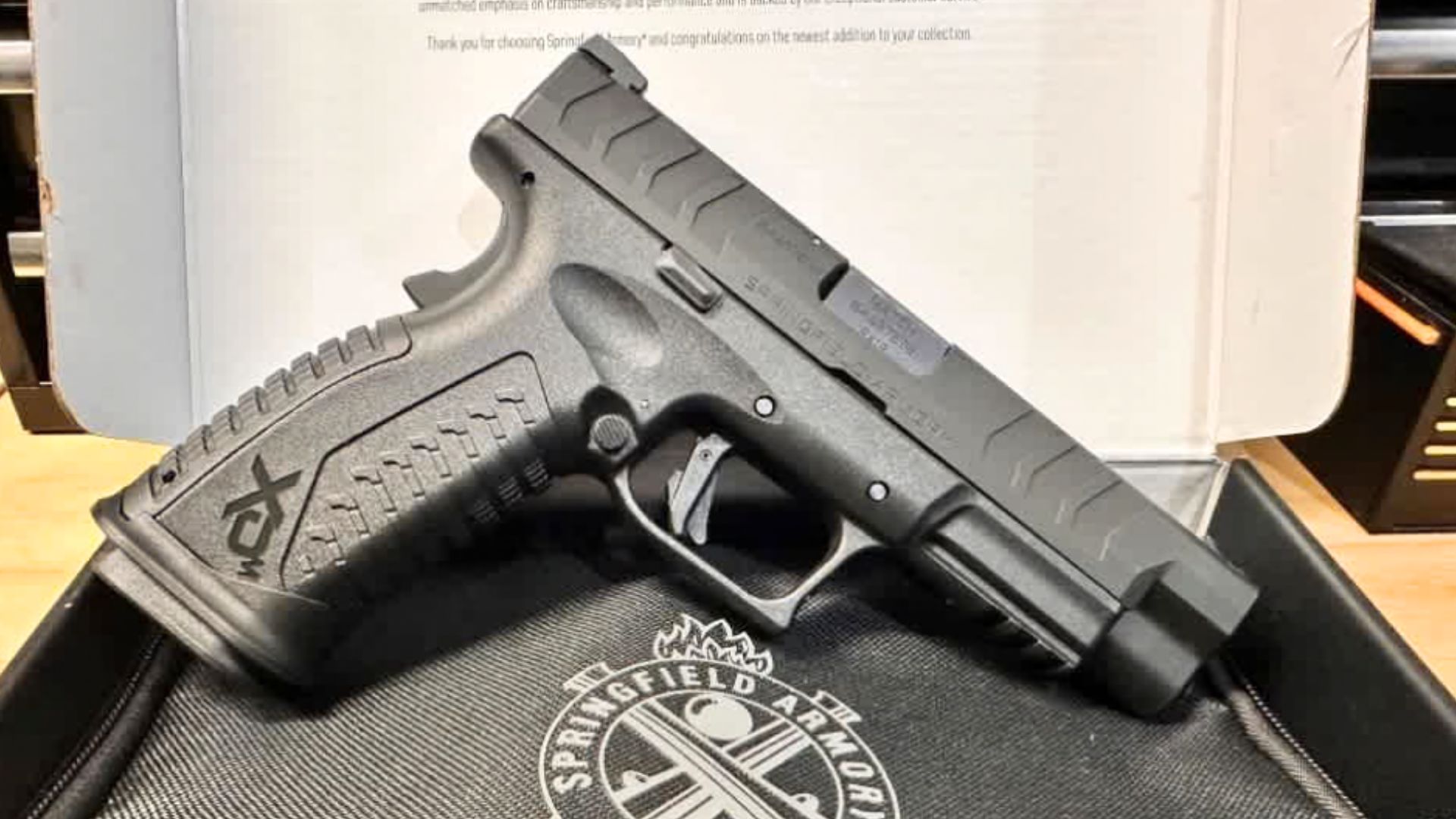
The Springfield Armory name carries a lot of weight because the original U.S. Springfield Armory goes back to the Revolutionary War era. Springfield Armory’s own company history notes that George Washington ordered the creation of the original armory in 1777, and that it began manufacturing muskets in 1794 before becoming a major American arms supplier and firearms development center for roughly 150 years.
That history gives the modern company an advantage, even though Springfield Armory, Inc. is not the old federal armory. The name still makes people think of American military rifles, service weapons, and old-school gunmaking. That matters at the gun counter. A buyer may not know every detail of the company’s corporate history, but the name feels familiar. Springfield has been smart enough to build around that familiarity while still selling guns for modern shooters.
The M1A Kept the M14 Spirit Alive for Civilian Shooters
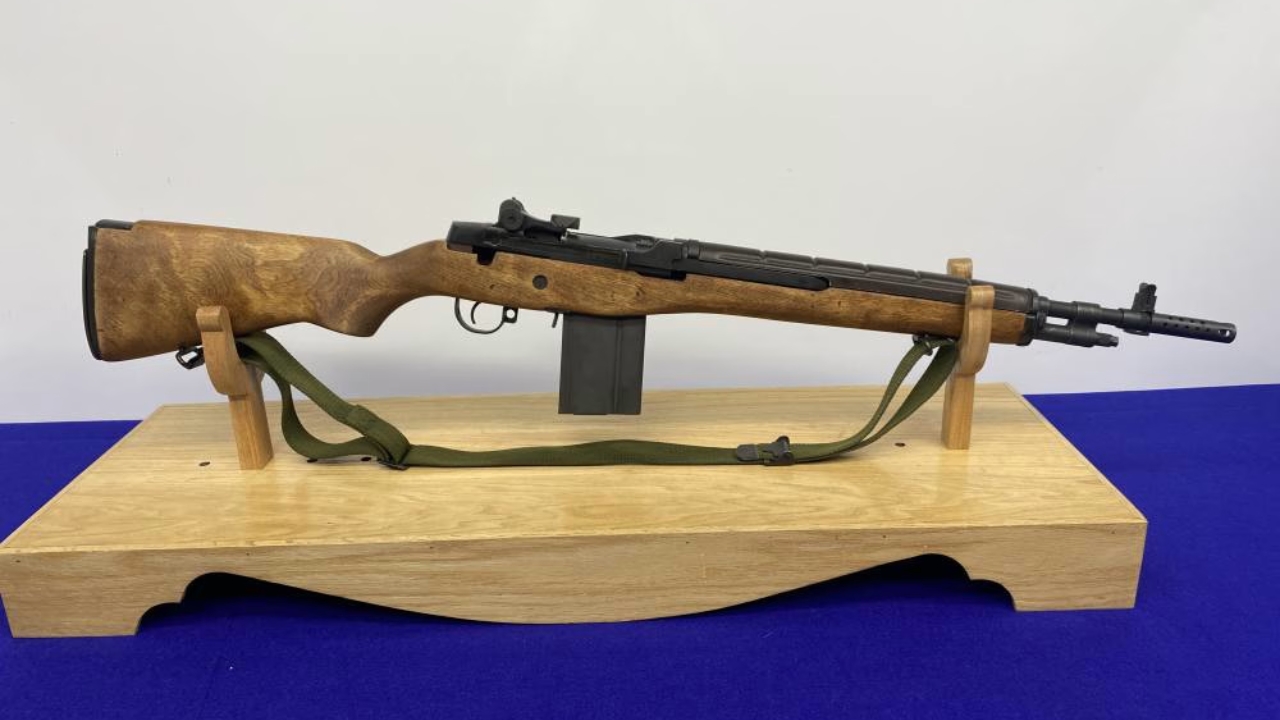
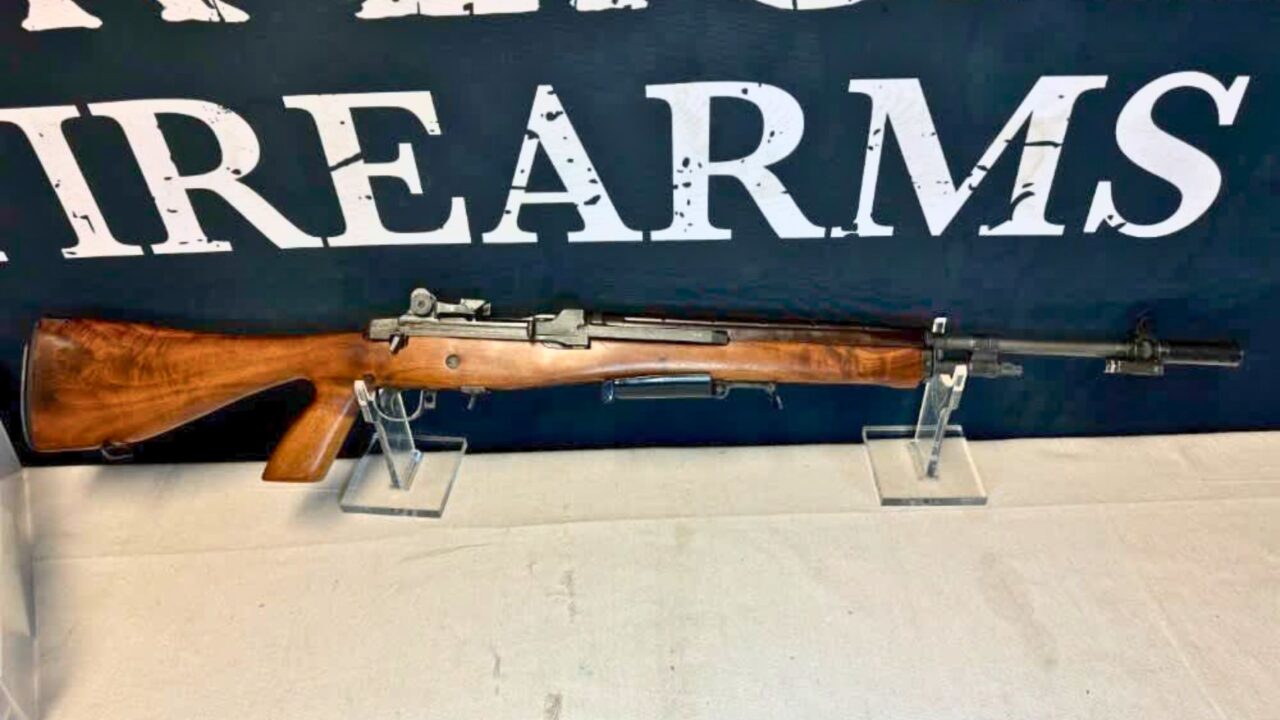
The M1A is one of the biggest reasons Springfield Armory keeps earning attention from rifle guys. The rifle is based on the M14 pattern and gives civilian shooters a semi-automatic way into that classic 7.62 NATO battle rifle feel. It is heavy, old-school, expensive to feed, and not nearly as easy to modernize as an AR-10. But that is also part of why people love it. It feels like a rifle from another era.
The M1A has stayed in production for decades, and the current Springfield catalog still includes multiple versions built around different use cases. The platform has been tied to Springfield Armory, Inc. since the 1970s, and the company marked the M1A’s 50th anniversary with a special rifle featuring a “1 of 1974” operating rod marking. That kind of staying power matters. Plenty of rifles come and go. The M1A keeps drawing shooters who want something with steel, walnut, power, and personality.
Springfield Gave Traditional Rifle Guys Something Besides ARs
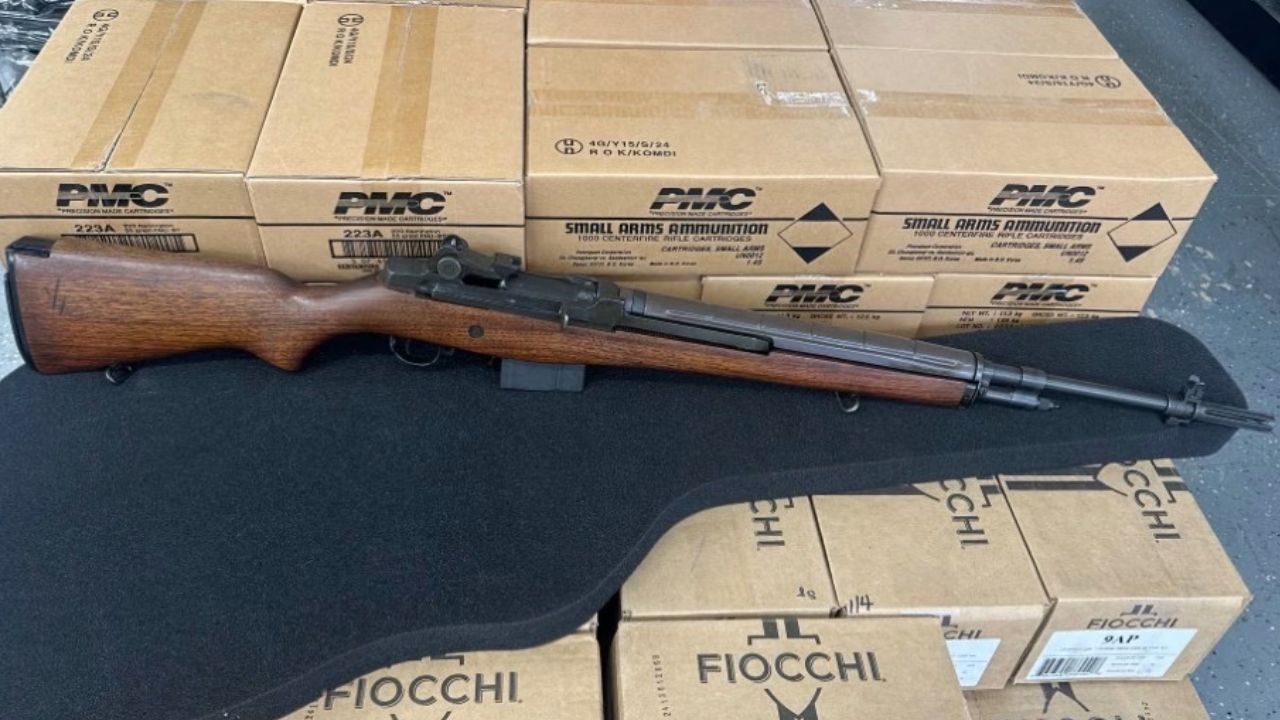
The modern rifle market is packed with ARs, and for good reason. They are modular, accurate, common, and easy to support. But not every shooter wants the same black rifle everyone else has. Springfield’s M1A line gives those shooters another lane. Standard, Scout Squad, SOCOM-style, Loaded, and precision-oriented versions all keep the M14-pattern rifle alive in different forms.
That helps Springfield stay in the conversation because the M1A is not trying to be an AR. It is its own thing. A guy who buys one usually knows the tradeoffs. It is heavier. Magazines cost more. Optics mounting can be more involved. But the rifle has a feel that an AR does not. Springfield has kept that feel available to civilians long after most of the market moved elsewhere. That alone gives the brand a loyal rifle crowd.
Springfield Stayed Deep in the 1911 World
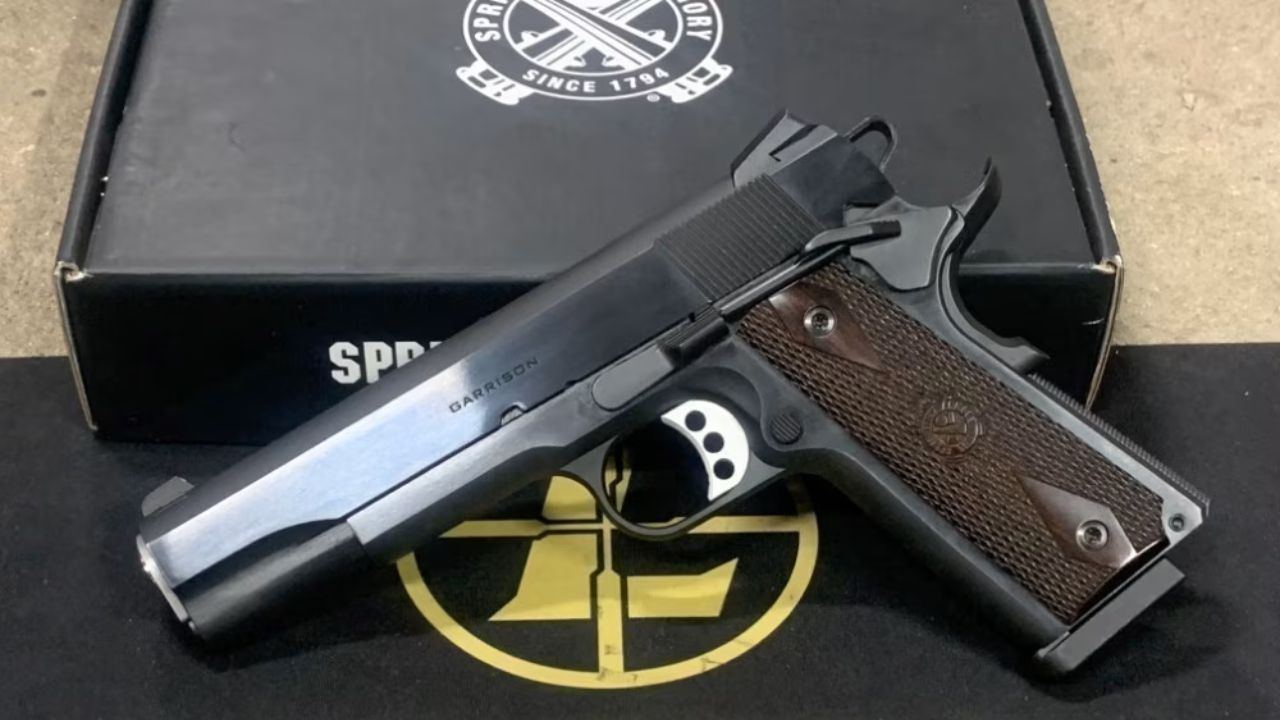
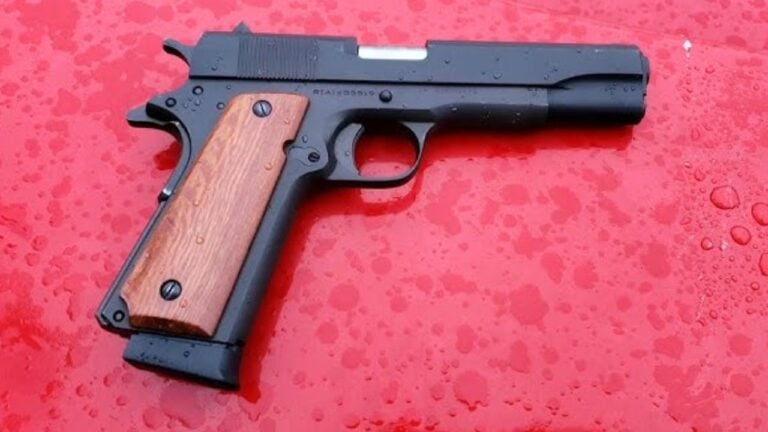
Springfield Armory has long been one of the most familiar 1911 names for regular shooters. The company offers everything from more basic 1911s to higher-end models, competition pistols, compact carry versions, and classic full-size .45s. That matters because the 1911 world is picky. Buyers care about fit, finish, triggers, sights, safeties, checkering, feed reliability, and whether the gun feels like a proper 1911 instead of a loose copy.
Springfield earned a place in that world by giving shooters a lot of options at different price points. A buyer who wants a traditional Government-size .45 can find one. A buyer who wants a 9mm 1911, a railed model, or something competition-ready can find that too. Springfield did not invent the 1911, but it helped keep the platform easy to buy for modern shooters who still like steel, single-action triggers, and that classic grip angle.
Springfield Made the XD Line a Real Alternative for Polymer Pistol Buyers

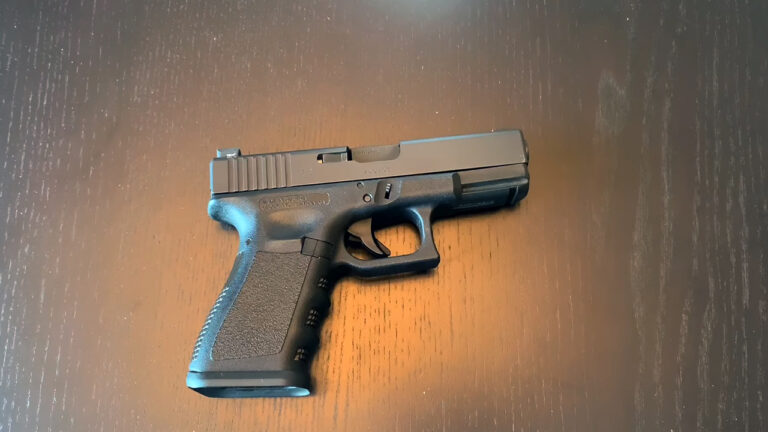
The XD series helped Springfield become more than a 1911 and M1A company. The pistols, based on Croatian HS Produkt designs, gave buyers a polymer striker-fired option with features that stood apart from Glock, including a grip safety, loaded chamber indicator on some models, and a different grip feel. Some shooters loved them. Some never warmed up to them. But the XD line absolutely put Springfield into modern defensive pistol conversations.
That mattered because the early 2000s pistol market was not forgiving. Glock had enormous momentum. Smith & Wesson, SIG, Ruger, and others were all fighting for space. Springfield needed a polymer pistol people could afford, carry, train with, and find in stores. The XD did that. It gave the company a way into nightstands, holsters, classes, and range bags where a 1911 or M1A was not the practical answer.
Springfield Found a Strong Carry Lane With the Hellcat

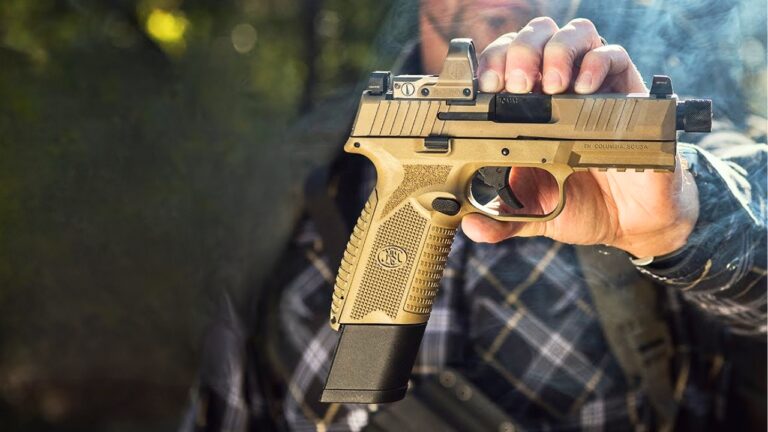
The Hellcat was one of Springfield’s smartest modern moves because it landed right in the micro-compact carry boom. Springfield describes the Hellcat as a high-capacity micro-compact offered in 9mm and .380 ACP, with an optics-ready OSP design and a patented magazine system giving 11+1 with the flush magazine and 13+1 with the extended magazine in the 9mm micro-compact version.
That kind of capacity mattered because carry guns had changed fast. Shooters no longer wanted to choose between a tiny gun that was easy to hide and a larger gun with useful capacity. The Hellcat hit that sweet spot. It was small enough for daily carry, but it did not feel as limited as older single-stack designs. Springfield did not just show up late to the micro-compact market. It helped sharpen the fight.
The Hellcat OSP Showed Springfield Understood Red Dots Were Coming

Springfield was smart to offer optics-ready Hellcat models early in the micro-compact dot era. A lot of companies treated pistol optics like a competition-only thing for too long. Springfield saw where the market was headed. The Hellcat OSP gave concealed carriers a factory-ready way to mount a micro red dot without sending the slide off for milling. That made the pistol feel current right out of the gate.
That move mattered because carry optics became normal fast. Shooters who once dismissed red dots on pistols started seeing the advantages for aging eyes, faster target focus, and better precision at distance. A small carry gun with real capacity and optic compatibility checked a lot of boxes. Springfield made the Hellcat feel like a modern answer instead of a warmed-over carry pistol with a trendy name.
Springfield Built the SAINT Line for Buyers Who Wanted an AR Without Guessing
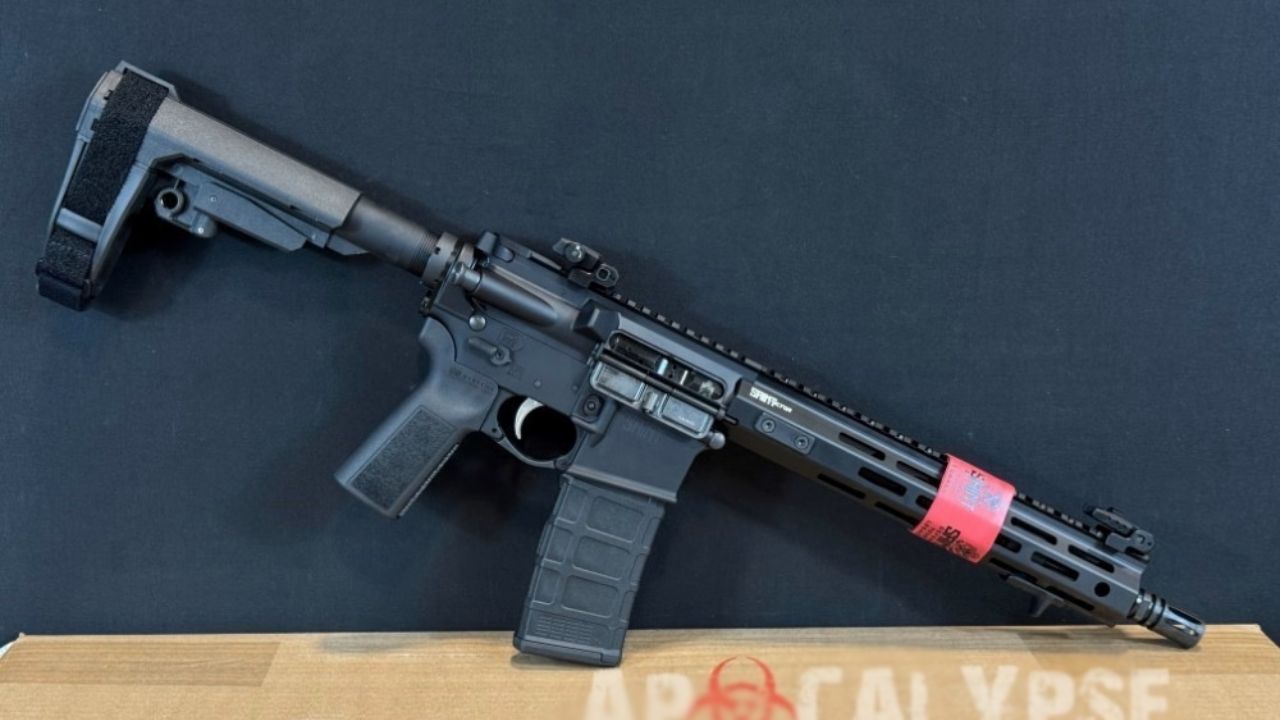
The SAINT line gave Springfield a foothold in the AR market. Springfield describes the SAINT rifles as 5.56 NATO, M-Lok-compatible AR-15s positioned as a strong value with rugged components and practical configurations. That was a smart lane because plenty of buyers want an AR but do not want to build one from parts or decode every brand on the market.
The SAINT line worked because it gave regular shooters a recognizable name on a complete rifle that already made sense. A first-time AR buyer could walk into a store, see Springfield on the receiver, and feel like the rifle came from a known company. More experienced shooters might debate parts and price, but the basic idea was strong. Springfield gave mainstream buyers an AR that did not feel like a mystery purchase.
The SAINT Victor Gave the AR Line More Serious Appeal
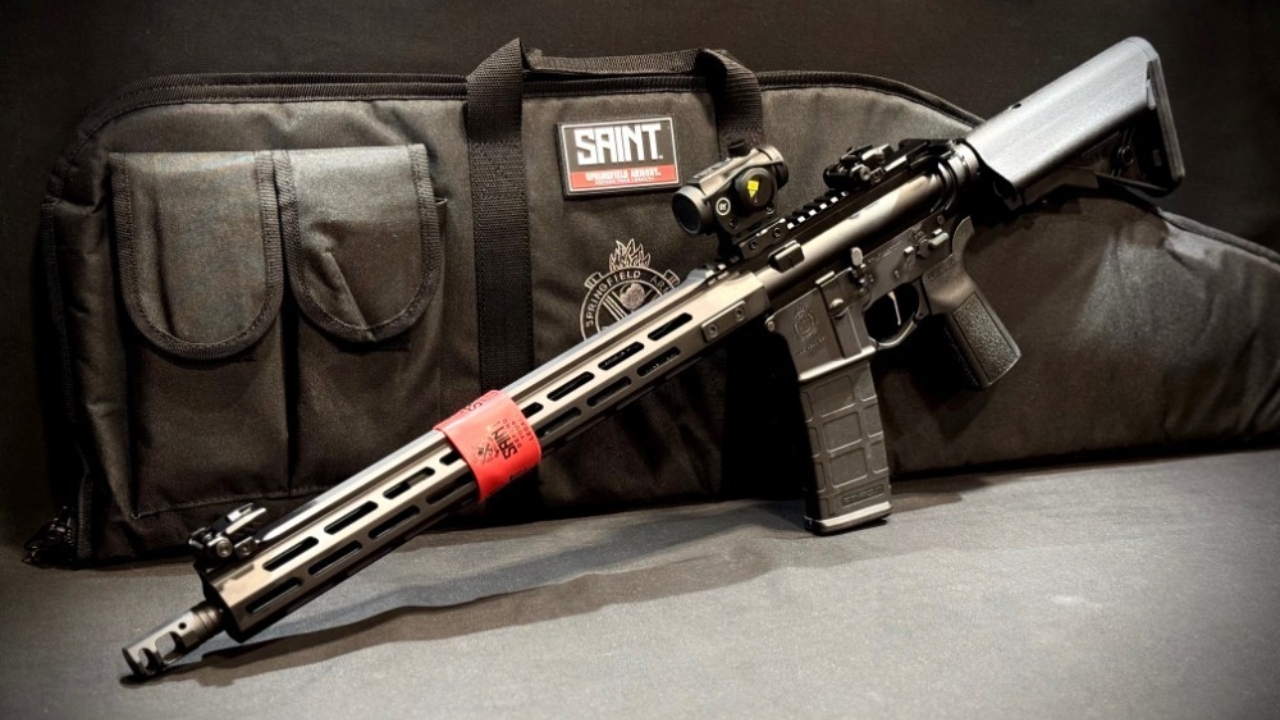
The basic SAINT helped Springfield enter the AR market, but the SAINT Victor line gave the company more credibility with buyers who wanted upgraded features without going fully high-end. Springfield’s SAINT Victor rifle listings include details like included flip-up sights, M-Lok handguards, and current 2025 configurations aimed at shooters who want a more refined factory AR.
That helped Springfield avoid looking like it was only making entry-level rifles. The AR world has layers. A budget rifle gets someone started, but a Victor-style setup gives buyers something closer to what many people would build anyway. Springfield understood that some shooters want the convenience of a factory rifle with enough upgrades already included to skip immediate parts swapping.
Springfield Knows How to Package Guns for Regular Buyers
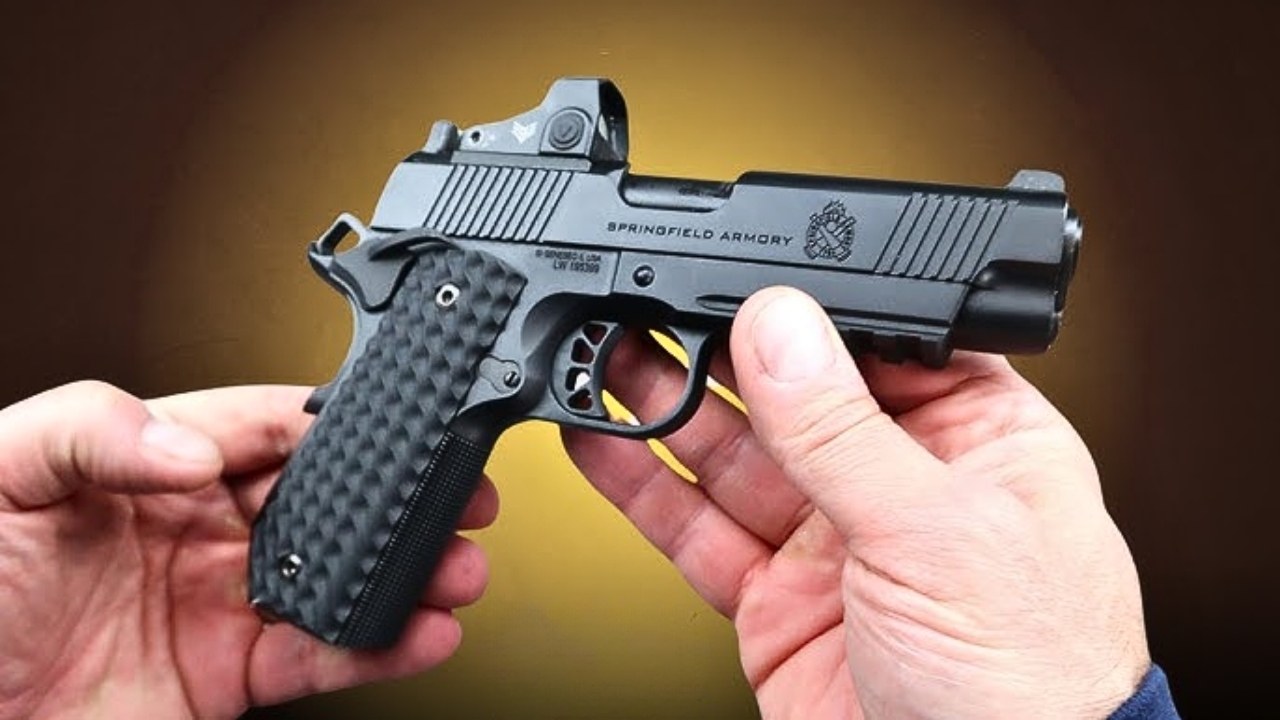
One thing Springfield often does well is package guns in a way that makes sense to real buyers. The company has offered pistols with usable sights, multiple magazines, optics-ready cuts, gear bundles, and models that feel ready for carry or range use without requiring a parts list on day one. That matters because a lot of buyers do not want a bare-bones gun they immediately need to finish.
That practical packaging has helped Springfield compete against brands with deeper military or police identity. A buyer may not care about internet arguments if the gun in the case comes with the features he wanted at a price that makes sense. Springfield understands that value is not only about being cheap. It is about making the buyer feel like the gun is ready to go.
Springfield Keeps Reworking Old Ideas for Modern Shooters

Springfield has done well by taking older ideas and putting them into modern packages. The M1A keeps the M14 feeling alive. Its 1911s keep the classic single-action pistol going. The SA-35 revived interest in the Browning Hi-Power pattern. The Hellion gave buyers a modern bullpup option based on the Croatian VHS-2 design. Even the company’s revolvers and lever-action-adjacent nostalgia moves show it understands how much shooters like old ideas when they are made usable again.
That is part of why Springfield keeps returning to the conversation. The company is not afraid of nostalgia, but it does not rely only on plain reproductions. It tries to make older designs easier to buy, easier to carry, or easier to support in the current market. Sometimes that works better than others, but it keeps the catalog interesting.
The SA-35 Put the Hi-Power Back in Front of Shooters
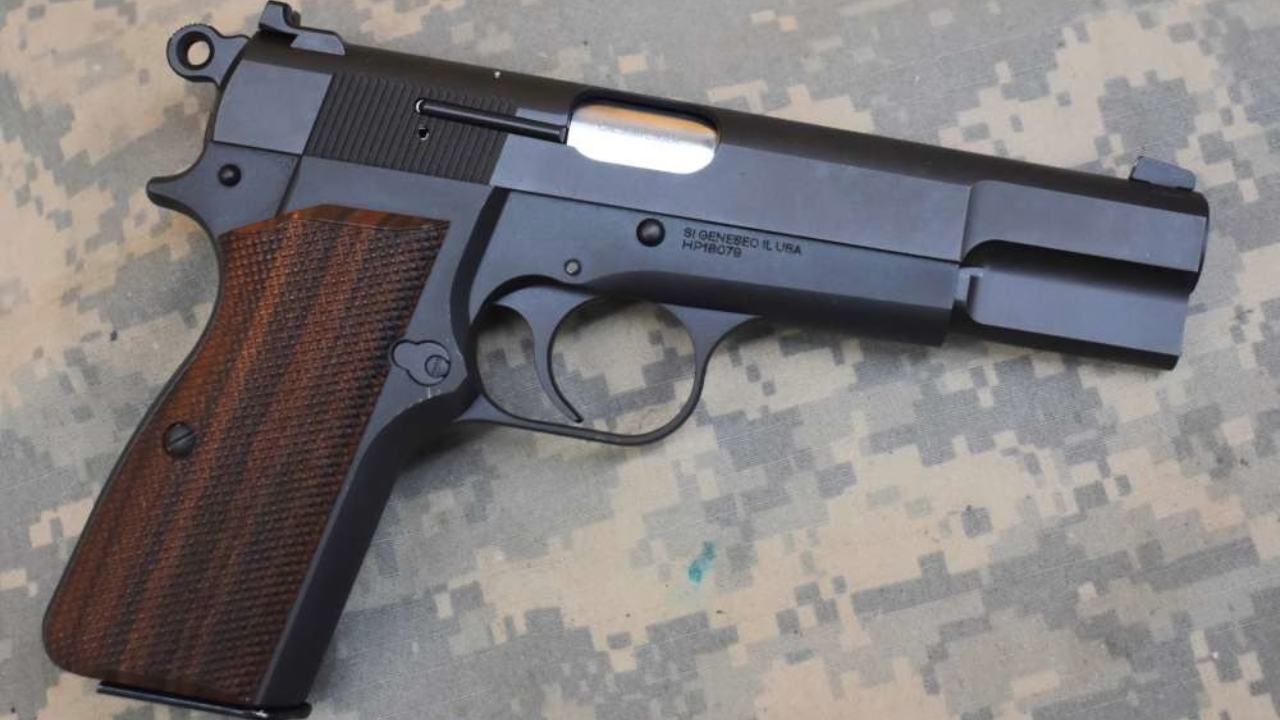
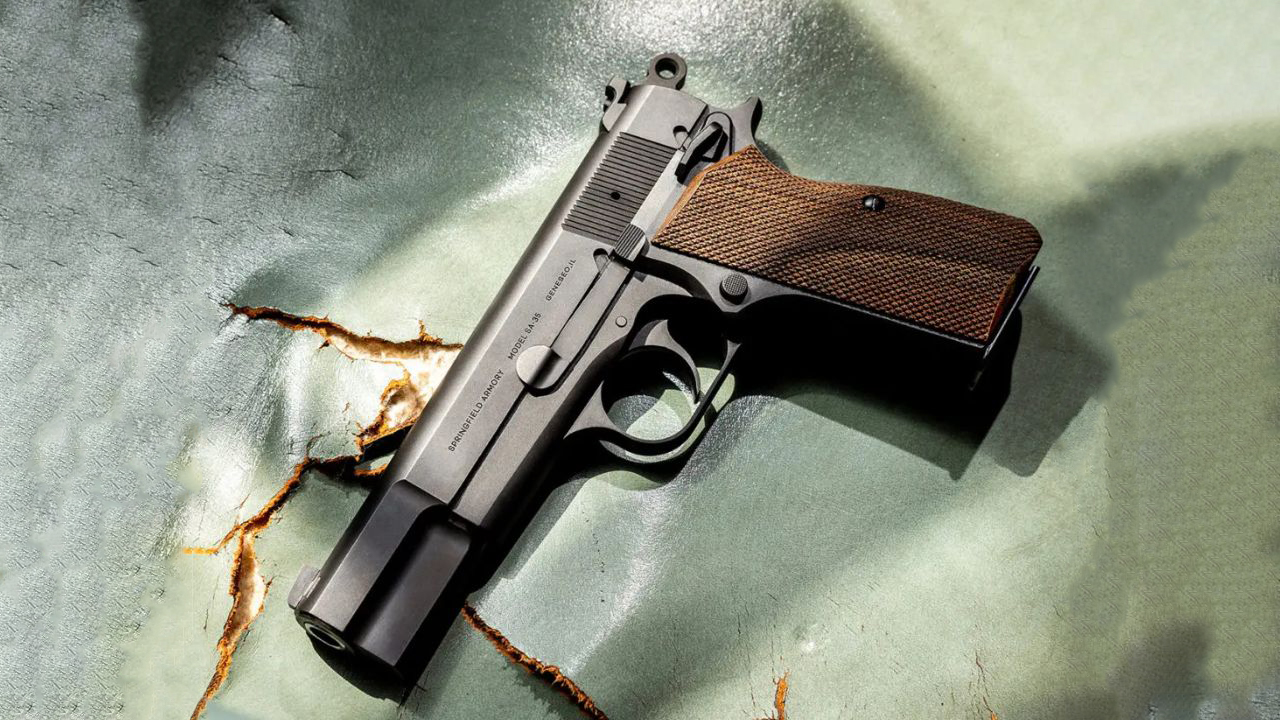
The SA-35 was a smart release because the Browning Hi-Power had a loyal following but limited modern factory options. Springfield gave shooters a familiar single-action 9mm pattern with updates people had been asking for, including better sights, a modernized hammer design, improved controls, and no magazine disconnect. That made the pistol feel like a practical tribute instead of a pure copy.
That helped Springfield tap into a crowd that loves classic metal-framed pistols but still wants something they can buy new. Original Hi-Powers can be expensive, collectible, or too nice to beat up. The SA-35 gave shooters a way to enjoy that pattern without hunting down an older gun. It also showed Springfield knew there was still demand for steel and walnut in a world full of polymer striker guns.
Springfield Is Not Afraid to Compete in Crowded Categories
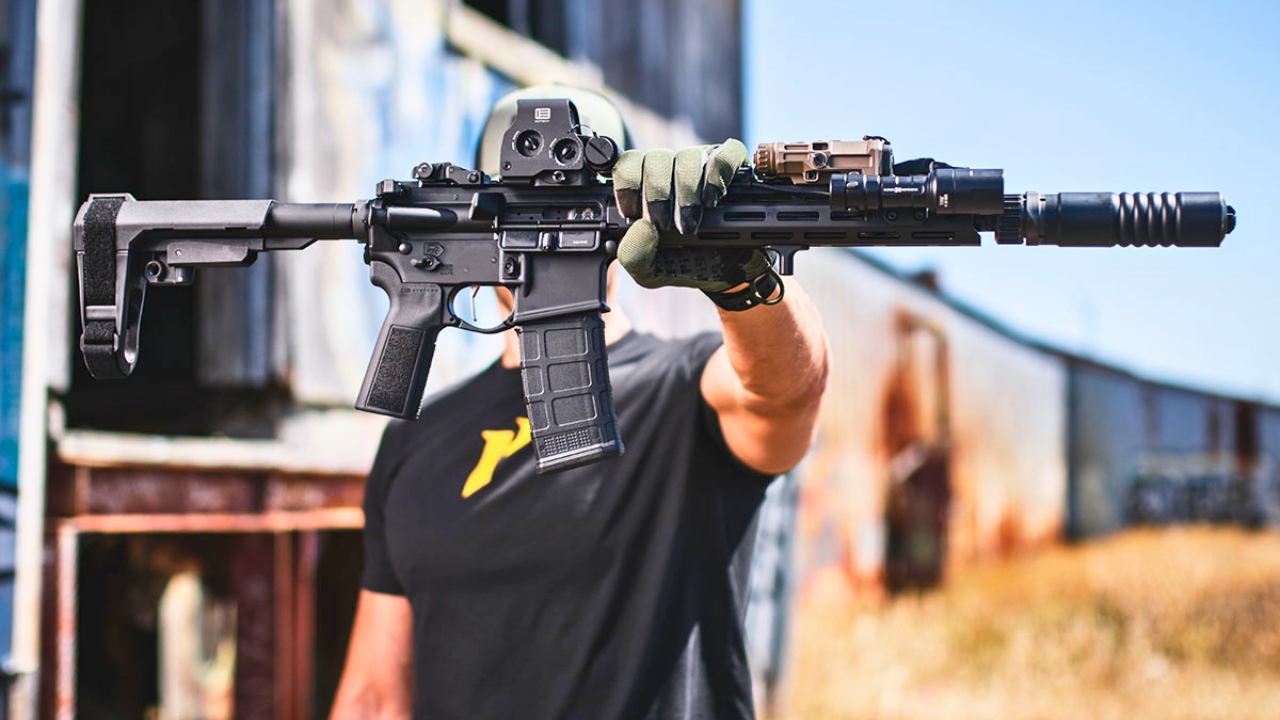
Springfield keeps showing up in categories that are already packed. Polymer carry pistols. AR-15s. 1911s. Micro-compacts. Classic revivals. Bullpups. That could be a mistake if the products felt lazy, but Springfield usually tries to bring enough of a hook to make people look. The Hellcat had capacity. The SAINT had mainstream AR accessibility. The SA-35 had Hi-Power nostalgia. The M1A had battle rifle personality.
That willingness to compete keeps the brand visible. Some companies stay in one lane and slowly fade from broader conversation. Springfield keeps putting out models that force shooters to at least have an opinion. Not every opinion is positive, but attention still matters in the gun world. A brand that people argue about is still alive.
Springfield Has Enough Variety to Reach Different Kinds of Shooters
Springfield’s catalog is wide enough that different shooters can know the brand for completely different reasons. One guy thinks of the M1A. Another thinks of the Hellcat. Another thinks of 1911s. Another thinks of the XD. Another thinks of the SAINT. That variety helps the company stay relevant even when one category cools down.
That is important because gun trends change fast. Micro-compacts get hot. AR demand spikes and falls. 1911s drift in and out of fashion. Classic rifles have their moment, then polymer pistols take over again. Springfield has enough lines in enough categories that it can stay in the conversation through those shifts. It is not dependent on one pistol or one rifle to carry the entire brand.
Springfield Keeps Giving Shooters Something to Argue About

This may sound like a backhanded compliment, but it is true. Springfield Armory stays relevant because shooters keep arguing about it. Some defend the M1A hard. Some swear by the Hellcat. Some still like the XD. Some love the 1911s. Some complain about imports, politics, pricing, or old controversies. But people keep talking about the brand.
That is usually a sign that a company still matters. Nobody argues for years about a brand they do not care about. Springfield has enough history, enough popular models, and enough strong opinions attached to it that it keeps coming back up. The company has made smart moves, questionable moves, and plenty of interesting moves. That combination keeps it from becoming background noise.
Springfield Understands the Middle of the Market
The biggest reason Springfield keeps finding its way back into the conversation is that it understands the middle of the market. Not bargain-bin cheap. Not custom-shop expensive. Not always duty-issue elite. Not always collector-grade. Just practical guns with recognizable names, useful features, and enough personality to make buyers stop and look.
That is a powerful place to live. Most shooters are not buying museum pieces or agency-contract guns. They are buying carry pistols, range guns, ARs, hunting rifles, defensive shotguns, and classic designs they can actually afford. Springfield keeps aiming at those buyers. That is why the brand stays relevant. It gives regular shooters enough history to feel rooted, enough modern features to feel current, and enough variety to keep the conversation going.
Like The Avid Outdoorsman’s content? Be sure to follow us.
Here’s more from us: