Photo credit: Aedka Studio/Shutterstock.com
Storing a gun loaded isn’t automatically “bad,” but some designs tolerate it better than others. The issue usually isn’t the gun magically wearing out overnight. It’s the stuff around the gun—mag springs staying compressed, top rounds getting nose-dived, feed lips taking a set, cheap mags creeping out of spec, or primers getting beat up from repeated chambering. If you rotate mags, use quality magazines, and stop rechambering the same round a hundred times, most modern guns will be fine.
But certain guns have a track record of showing their weak spots when they live loaded: picky magazines, sensitive feed geometry, tight timing, or small parts that take a beating when everything stays under tension. If you’re going to keep one ready long-term, you want a pistol and magazine combo that stays boring. These are the ones that can get less boring than you’d like.
SIG Sauer P365

The P365 is a great carry pistol, but it runs on a very compact magazine design that’s doing a lot in a small space. When you keep mags topped off for long stretches, the most common headaches aren’t the gun itself—it’s the magazine behaving differently over time. You’ll sometimes see the top round sit at a weird angle, or the last couple rounds feel sluggish.
When that happens, it shows up as a failure to feed that feels random. The fix is usually simple: use quality mags, rotate them, and don’t keep one magazine as your “forever loaded” mag for years. If you’re cycling the same carry ammo, watch for bullet setback too. The P365 will run hard, but the magazine system is where long-term loaded storage can punish sloppy habits.
Springfield Armory Hellcat

The Hellcat packs a lot of rounds into a small grip, and that means the magazine is doing real work. If you store it loaded all the time, the first place you’ll notice changes is often in how the top rounds sit and how smoothly the mag feeds. It’s not that springs instantly “wear out,” but compact mags can be less forgiving when anything starts drifting out of spec.
You’ll see it as a round that noses down, a sluggish strip off the top, or a first-round feed that feels rougher than it used to. A good practice is rotating mags, testing the exact mags you keep loaded, and not betting your life on the cheapest spare magazine you could find. The Hellcat is a solid pistol, but its high-capacity micro mags deserve more respect than most people give them.
Glock 43X
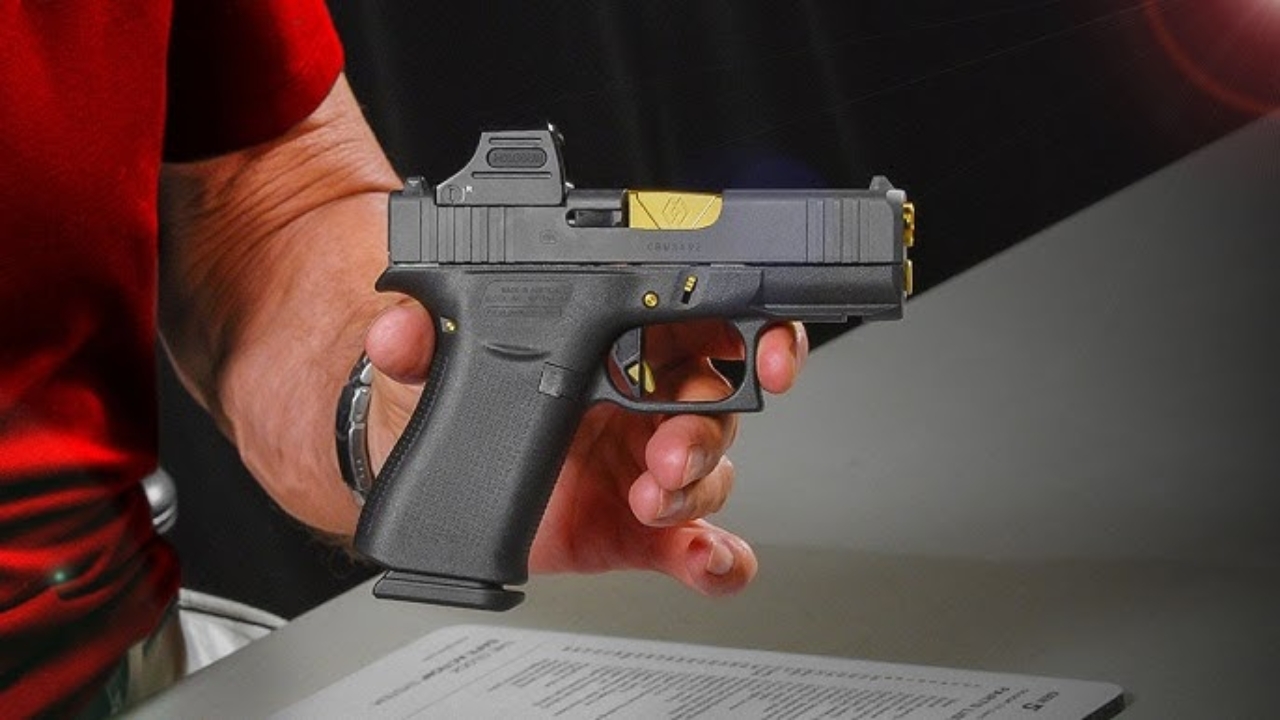
The 43X runs great with factory magazines, but a lot of owners immediately go to aftermarket higher-capacity mags. That’s where “stored loaded” problems can creep in. Some aftermarket mags can have feed lip changes over time, or they can simply be less consistent when they’ve been topped off and sitting for months.
The result is a gun that used to run clean, then suddenly starts choking on the first couple rounds. With the 43X, the safest long-term loaded setup is factory magazines that you’ve actually tested. If you insist on running aftermarket mags, you need to treat them like consumables—mark them, rotate them, and shoot them regularly. The pistol itself is usually not the weak link here. The magazine choice is.
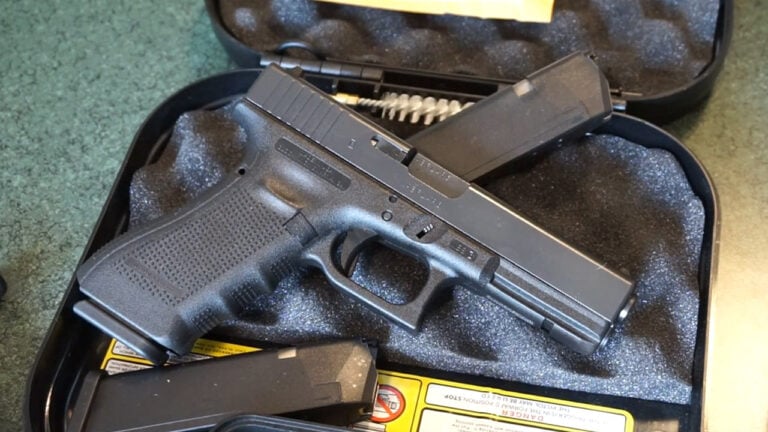
Glock 19

A Glock 19 is one of the least dramatic pistols you can keep loaded, but the one habit that creates trouble is repeatedly chambering the same top round. Over time, that round can get bullet setback, and setback can raise pressure. That’s not marketing talk—that’s basic physics and a real safety concern.
The other issue is magazine quality. Factory Glock mags tend to be boring in a good way, even when stored loaded. Off-brand mags can be a different story, especially if feed lips creep or springs are weak from the start. If you keep a 19 staged, the smartest move is simple: quality mags, rotate occasionally, and stop rechambering the same carry round. If you do that, the Glock will usually stay as reliable as its reputation.
Smith & Wesson M&P Shield

The original Shield is a proven carry gun, but its slim magazines can show sensitivity when they live fully loaded forever—especially if the mags are older, heavily used, or not factory. You may notice the top round doesn’t present as cleanly, or the first-round strip feels stiff and inconsistent.
A Shield that’s carried daily also collects lint, and lint plus a mag that’s been sitting loaded can turn into a surprise when you finally shoot it. The pistol can be reliable, but the system depends on magazines staying in good shape. Rotate mags, keep them clean, and don’t assume “it ran fine last year” means it’s fine today. The Shield rewards simple maintenance and occasional function checks more than people expect from a gun with such a strong reputation.
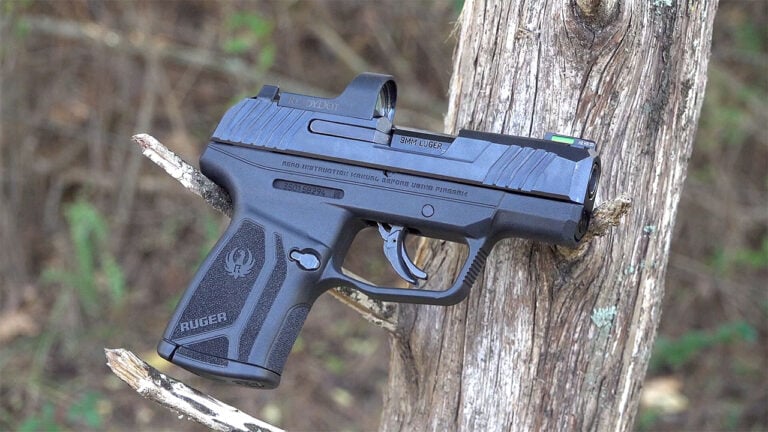
Ruger LCP Max

Pocket guns are where “stored loaded” issues show up fastest because everything is small and margins are thin. With the LCP Max, the gun itself is usually dependable, but pocket carry and long-term loaded storage can beat on magazines. Feed lips can get tweaked, and pocket lint finds its way into places you didn’t think it could.
You’ll sometimes see the first round feed rough, or you’ll notice the magazine doesn’t feel as smooth to load as it once did. If you keep an LCP Max loaded for long periods, treat the magazine like a wear item. Clean it, rotate it, and don’t keep one mag stuffed full in a pocket holster for a year without checking it. The gun can do its job, but the mag is where long-term readiness can quietly degrade.
Kimber Ultra Carry II

Short 1911s can be reliable, but they’re less tolerant of anything being slightly off—magazines included. When you store one loaded, the magazine spring tension and feed geometry matter a lot. If you’ve got a marginal magazine, long-term loaded storage can expose it by making the top rounds present inconsistently.
You’ll see it as a failure to feed, a round nosing down, or the slide not quite going fully into battery. The fix usually isn’t “the gun hates being loaded.” It’s “this short 1911 demands good magazines and fresh springs.” If you’re staging an Ultra Carry II loaded, stick to proven 1911 mags, rotate them, and don’t cheap out. The gun’s timing is tighter than a full-size, and it doesn’t forgive magazine problems the way some modern pistols do.
Colt Defender

The Colt Defender has the same short-1911 reality: it can run great, but it wants everything aligned—ammo, magazines, springs, and lubrication. Leaving it loaded for months isn’t automatically harmful, but it can reveal marginal magazines because the platform depends heavily on proper feeding angle and slide speed.
If the magazine spring is tired or the feed lips aren’t right, you may get the classic first-round hiccup when you finally shoot it. That’s a bad time to learn your “ready gun” has a magazine problem. The Defender can be a solid carry pistol, but if it’s going to live loaded, you need to treat magazines like critical components, not accessories. Use quality mags, rotate them, and replace springs when the gun starts telling you it wants that.
Beretta 92FS

The 92FS is generally very forgiving, but it’s also a pistol that gets paired with a lot of questionable surplus and off-brand magazines. Long-term loaded storage is where those mags can show their flaws—weak springs, feed lip issues, and inconsistent presentation. The gun gets blamed, but the magazine is usually the culprit.
If you store a 92FS loaded with quality magazines, it tends to stay boring. If you store it loaded with a bargain mag, you might eventually see sluggish feeding or weird nose-dives. The other common issue is repeatedly chambering the same round, which can beat up the case rim and push bullets deeper. The 92FS isn’t “picky,” but it will highlight the difference between good mags and junk mags faster than people expect.
SIG Sauer P226

The P226 has a strong reputation, and with factory magazines it usually earns it. The problem comes when people mix in older mags of unknown history, or cheap aftermarket mags, then leave them loaded long-term. That’s when feeding issues can pop up that feel like they came out of nowhere.
A loaded P226 is typically fine. A loaded P226 with tired mags is where you get sluggish top-round stripping or inconsistent presentation. Also, the P226 is a gun many owners handle a lot—load, unload, rechamber, repeat—and that’s how you end up with setback or battered primers. If it’s going to be stored ready, keep the system simple: good mags, occasional rotation, and stop cycling the same defensive round over and over.
CZ P-10 C

The P-10 C is a strong performer, but it can be sensitive to magazine condition if you’re using a mix of mags from different batches, or if you’ve got one that’s been dropped and tweaked. Leaving mags loaded long-term isn’t a death sentence, but it can make a marginal mag show itself when you finally shoot.
You’ll notice it in the first rounds—hesitation, a rough strip, or a feed that feels less confident. The fix is usually boring: mark your mags, shoot the exact mags you keep loaded, and retire the ones that start acting odd. The P-10 C itself is typically not the problem. It’s that modern striker guns run best when the magazine stays consistent, and long-term loaded storage is when inconsistent mags stop hiding.
Walther PDP Compact

The PDP Compact is known for great ergonomics and a strong trigger feel, but its performance still depends on magazines that stay in spec. If you keep it loaded long-term with mags that aren’t factory or aren’t proven, you can see the typical modern pistol issues: top rounds sitting oddly, or the first round feeding with less smoothness.
A PDP staged for home defense should be boring. If it’s not boring, it’s usually because the magazine is the variable you didn’t control. Long-term loaded storage also encourages the habit of administrative loading and unloading, which is where carry ammo takes a beating. The PDP is a solid pistol, but the “loaded and ready” lifestyle demands you treat magazines and ammo like part of the reliability package, not an afterthought.
Remington 870

Shotguns get overlooked in this conversation, but an 870 stored with a full magazine tube can expose weaknesses in springs and shell latches over time—especially on older guns or guns with questionable parts. A tired magazine spring can lead to sluggish feeding, and a gun that used to run smoothly can start feeling inconsistent when you actually cycle it hard.
The other issue is shell deformation. Keeping shells under constant pressure for a long time, especially with cheaper ammo, can lead to hull changes or crimp issues that make feeding less smooth. If you’re staging an 870 loaded, use quality ammo, replace magazine springs as preventive maintenance, and function test it. The 870 is famously dependable, but like anything spring-driven, it doesn’t reward neglect when it lives under tension for years.
Mossberg 500

A Mossberg 500 will usually tolerate being stored loaded, but the same two issues apply: magazine spring health and ammo condition. If the spring is tired, feeding can get sluggish. If the shells are cheap and have been sitting compressed forever, you can run into hull swelling or crimp deformation that makes the gun feel sticky when you cycle it.
Another practical problem is that many 500s live in closets, trucks, and barns—places where temperature swings and humidity are real. That environment can be harder on ammo and magazine tubes than people admit. If you keep a 500 loaded, treat it like a working tool: replace springs occasionally, store it in a stable environment when possible, and shoot the exact ammo you keep staged to confirm it feeds. The design is solid, but long-term loaded storage punishes lazy setup.
Ruger 10/22

A 10/22 doesn’t mind sitting with a round chambered as much as some centerfires, but it can be magazine-sensitive when you store rotary or aftermarket mags loaded for long periods. Old, worn mags—or cheap aftermarket options—can start presenting rounds inconsistently, especially when springs and feed geometry aren’t what they used to be.
You’ll see it as odd feeding issues that feel like the rifle “got picky,” when the real story is the magazine isn’t presenting the round the same way anymore. Rimfire ammo also isn’t as robust as centerfire when it comes to repeated chambering, and dents or deformation can cause misfires. If your 10/22 lives loaded, keep good mags, keep them clean, and avoid cycling the same rimfire rounds repeatedly. Rimfire can be reliable, but it demands cleaner habits than most people practice.
Like The Avid Outdoorsman’s content? Be sure to follow us.
Here’s more from us: