Photo credit: goldgunpawn/GunBroker
Some pistols behave perfectly during relaxed, methodical shooting. They group well, cycle cleanly, and give you the impression that they’re completely dependable. But once you start running them at a pace closer to real use—fast follow-ups, transitions, strings under pressure—those same pistols begin revealing the weak points in their design.
Timing issues show up, triggers can’t keep up, and magazine systems begin struggling to feed. If you’ve ever felt a gun fall behind your rhythm, you know the type of pistols that end up on this list.
Astra A-75
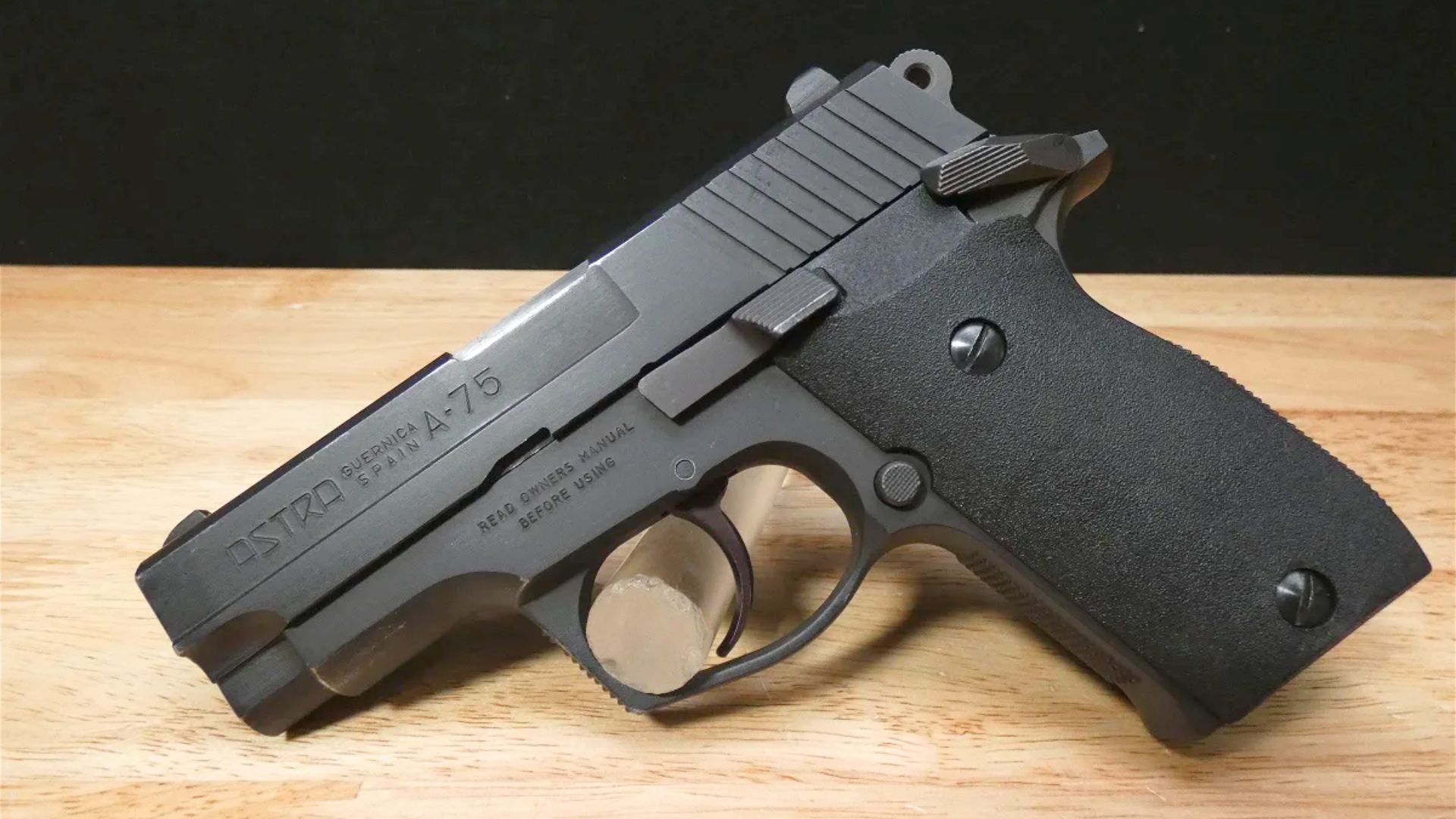
The Astra A-75 runs smoothly when you shoot it slowly, thanks to its hefty build and old-school DA/SA system. But once you push it into rapid fire, the weight becomes a liability. The slide cycles slower than modern designs, and the magazine springs sometimes struggle to keep up.
During fast strings, shooters report sluggish feeding and occasional failures to fully chamber. It’s reliable during deliberate shooting but quickly shows its age when the pace increases.
Star Firestar M43
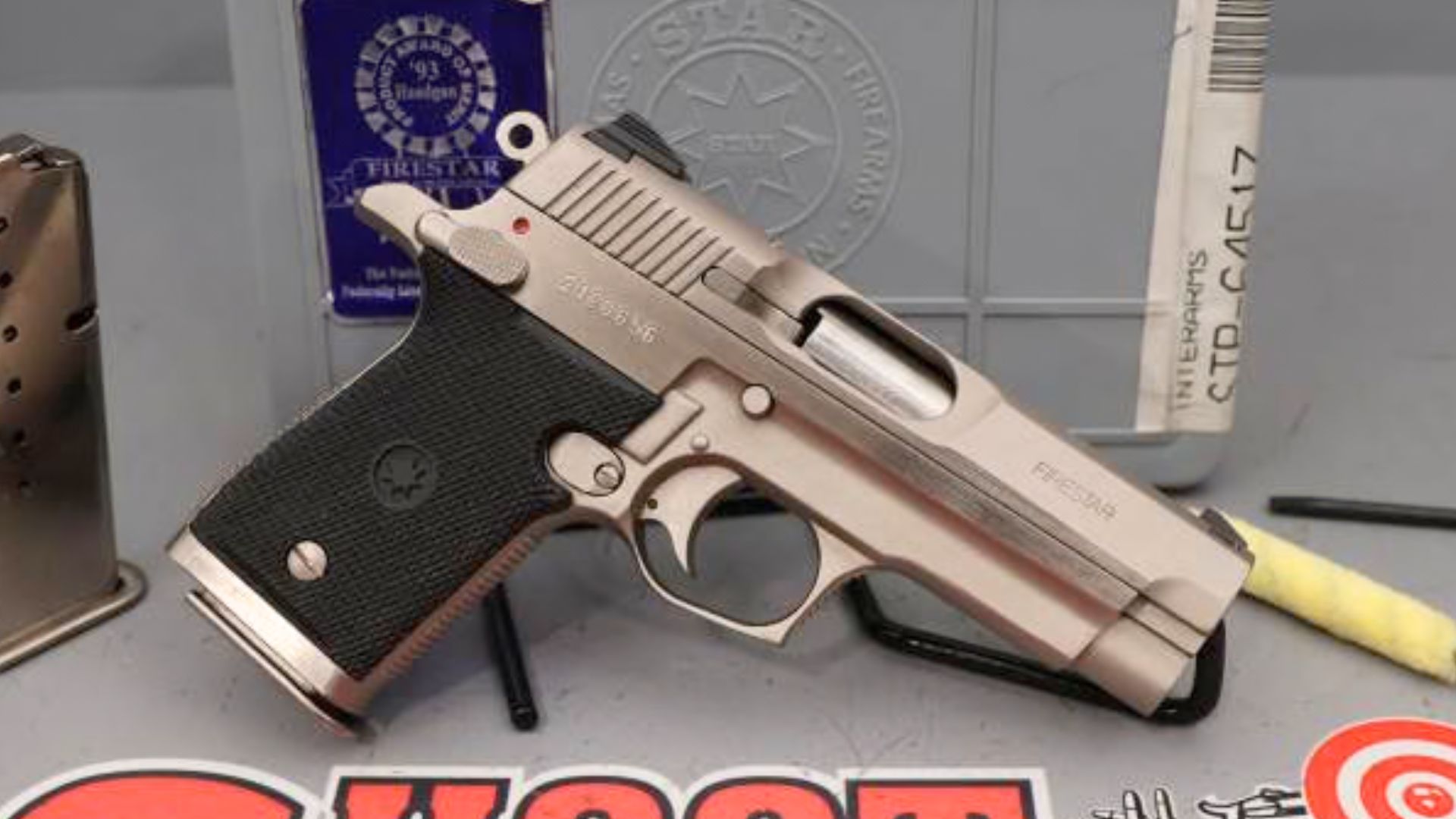
The Firestar is built like a brick and handles controlled shots well. But when you start running quick pairs, its mass and stiff springs make it hard to maintain consistent cycling. The recoil impulse feels delayed, almost lagging behind the shooter.
Heat also affects performance. After several fast strings, feeding can become inconsistent, especially with hollow points. Slow fire hides these traits, but rapid pacing exposes its quirks.
FN FNP-9 (Early Production)
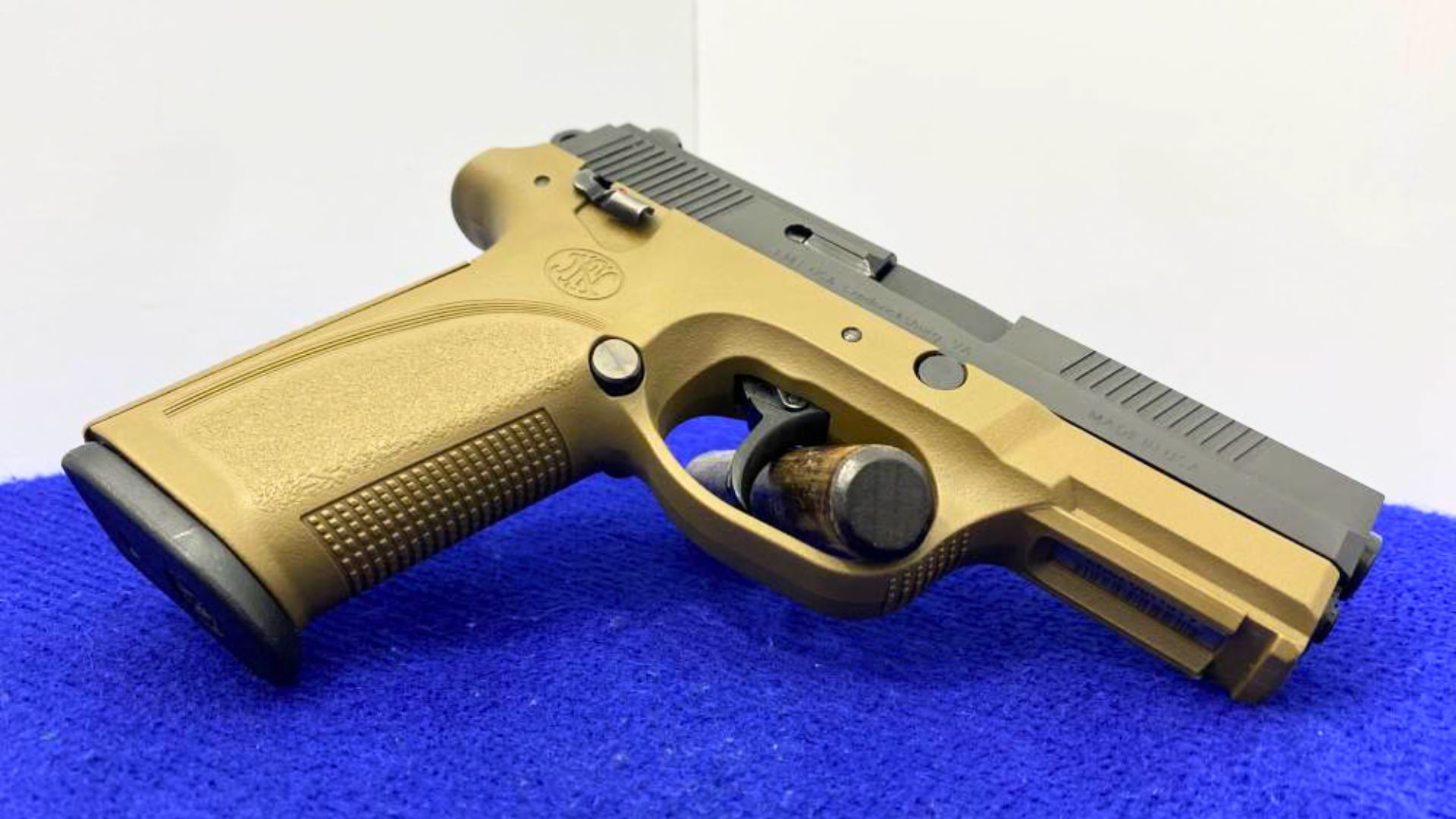
Early FNP-9 pistols behaved fine at relaxed pace, but once shooters pushed speed, the lightweight polymer frame and early-generation magazines occasionally caused feeding hesitation. The slide outran the stack during hard strings.
The DA/SA trigger also slowed many shooters down. The transition from the first shot to follow-ups can feel mushy under pressure, creating timing issues at higher tempo.
HK USP Compact .40
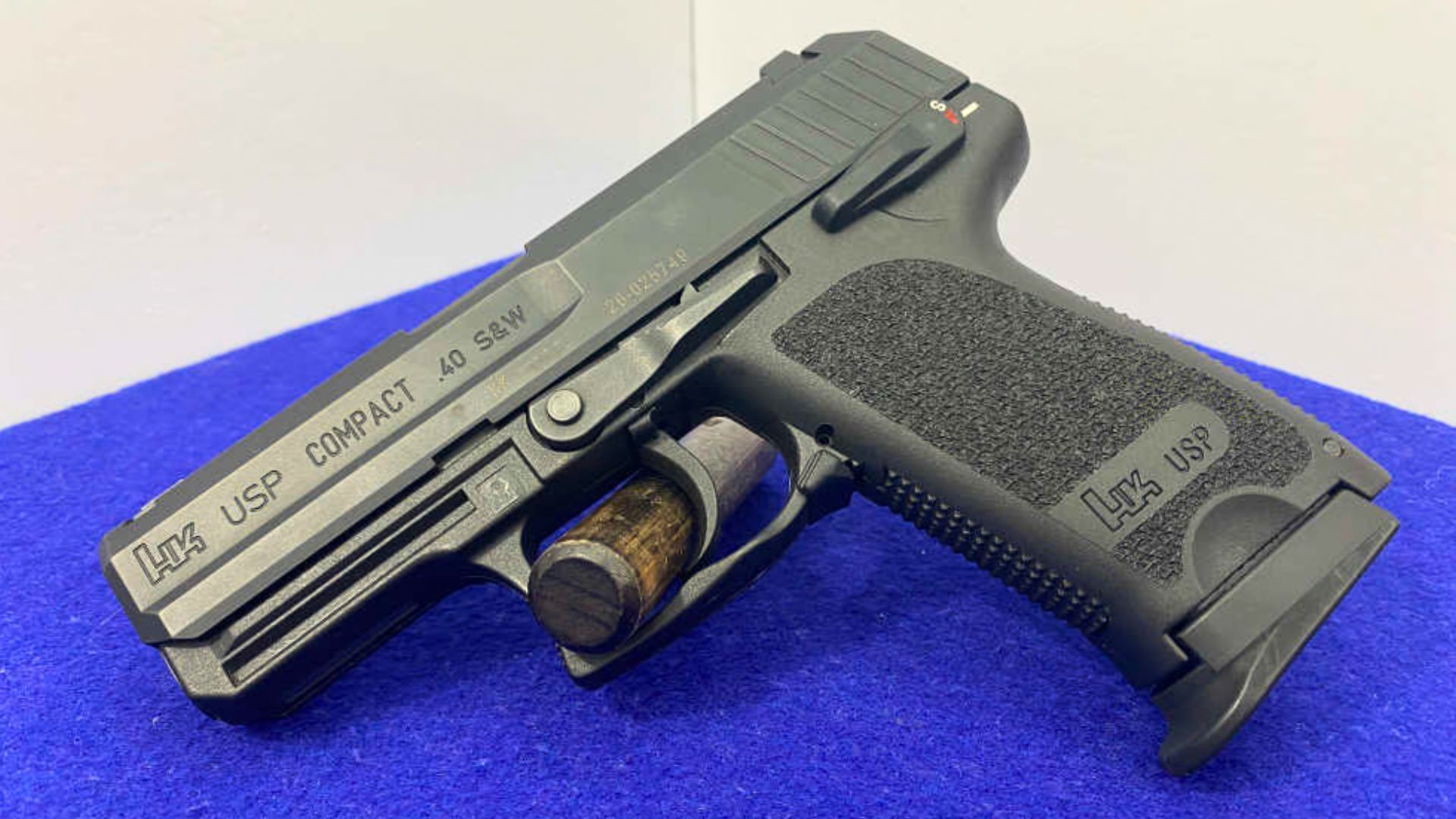
The USP Compact in .40 shoots predictably during slow sessions, but the snappy recoil becomes problematic in rapid fire. The gun’s recoil system is tuned for durability, not speed, and shooters often lose rhythm trying to manage muzzle rise.
When pushed fast, the slide sometimes cycles violently enough to disrupt magazine timing. You won’t notice it if you’re calm and controlled, but speed exposes how harsh the recoil really is.
Ruger P95

The P95 is famously durable, but not famously fast. During slow fire, it’s reliable and comfortable. During rapid strings, the long trigger pull and reset become the biggest obstacles. Many shooters outrun it unintentionally.
Its bulky slide also cycles with more momentum than modern designs. Under pace, that sometimes leads to stuttering feeds, especially with lighter practice ammo.
FMK 9C1 G2
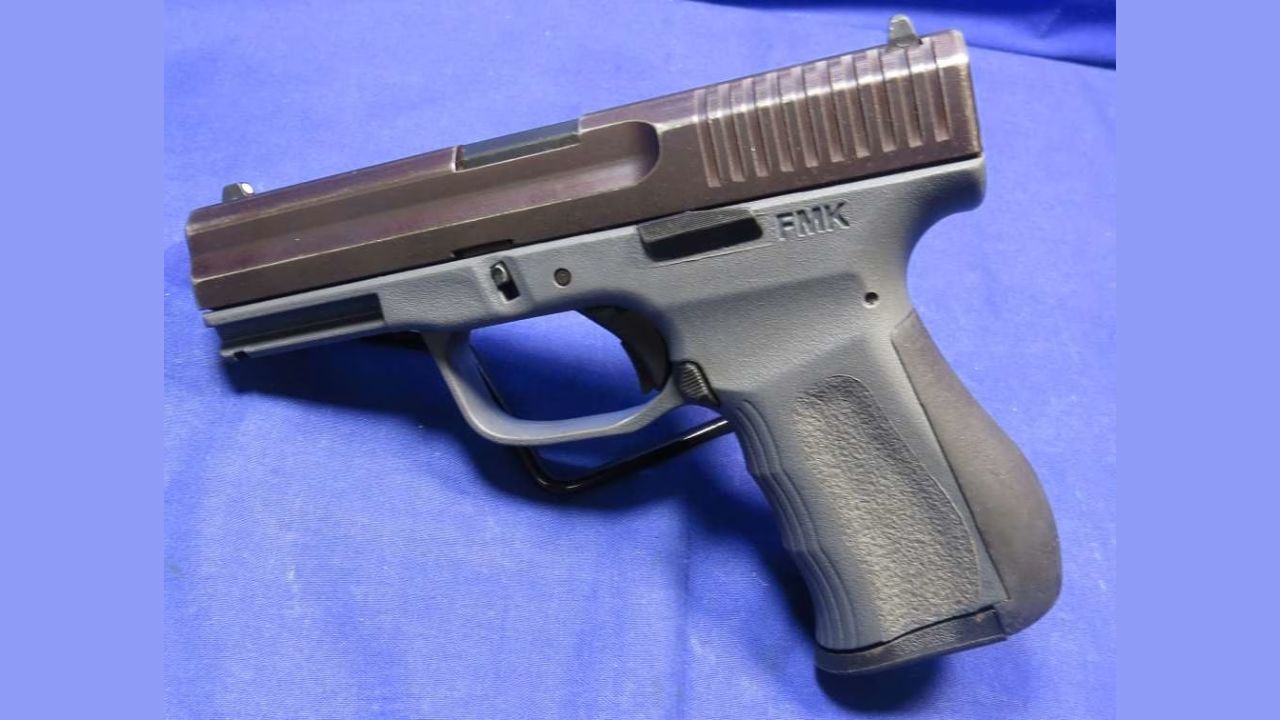
The FMK handles light, easy pace without issue. But when shooters begin moving quickly, the gun’s trigger inconsistencies show up immediately. Reset feels vague, and fast follow-ups often get tripped up.
The recoil system is also sensitive to grip pressure. When rushed, shooters occasionally induce failures that rarely appear during slow work. It’s a budget gun that doesn’t adapt well to speed.
Arex Rex ZERO 1 Compact
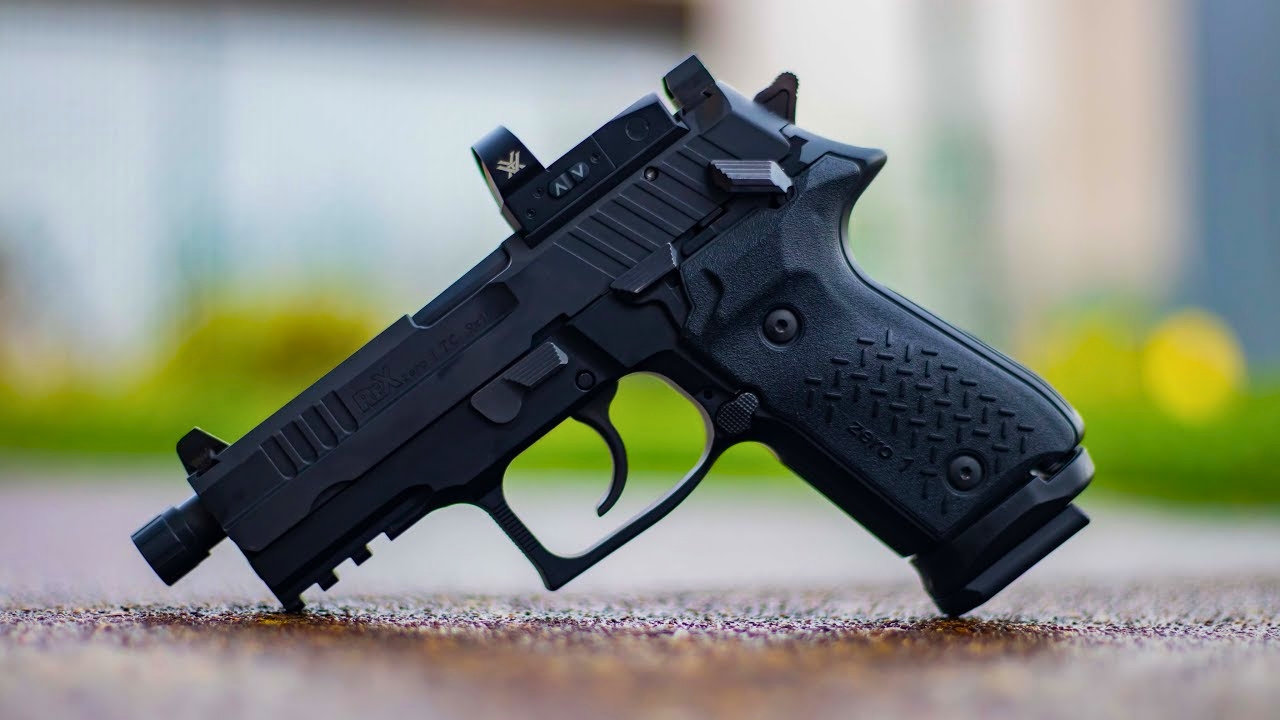
The Rex ZERO 1 Compact behaves well during controlled shooting, with a smooth DA/SA feel. But once you push for speed, the gun’s heavier slide and stout recoil springs slow things down. Cycling reliability begins to vary with lighter ammunition.
Shooters also struggle with transitioning quickly from the DA first shot into rapid SA strings. When rushed, it’s easy to lose timing and disrupt follow-ups.
SIG Sauer P225 (Classic Single-Stack)
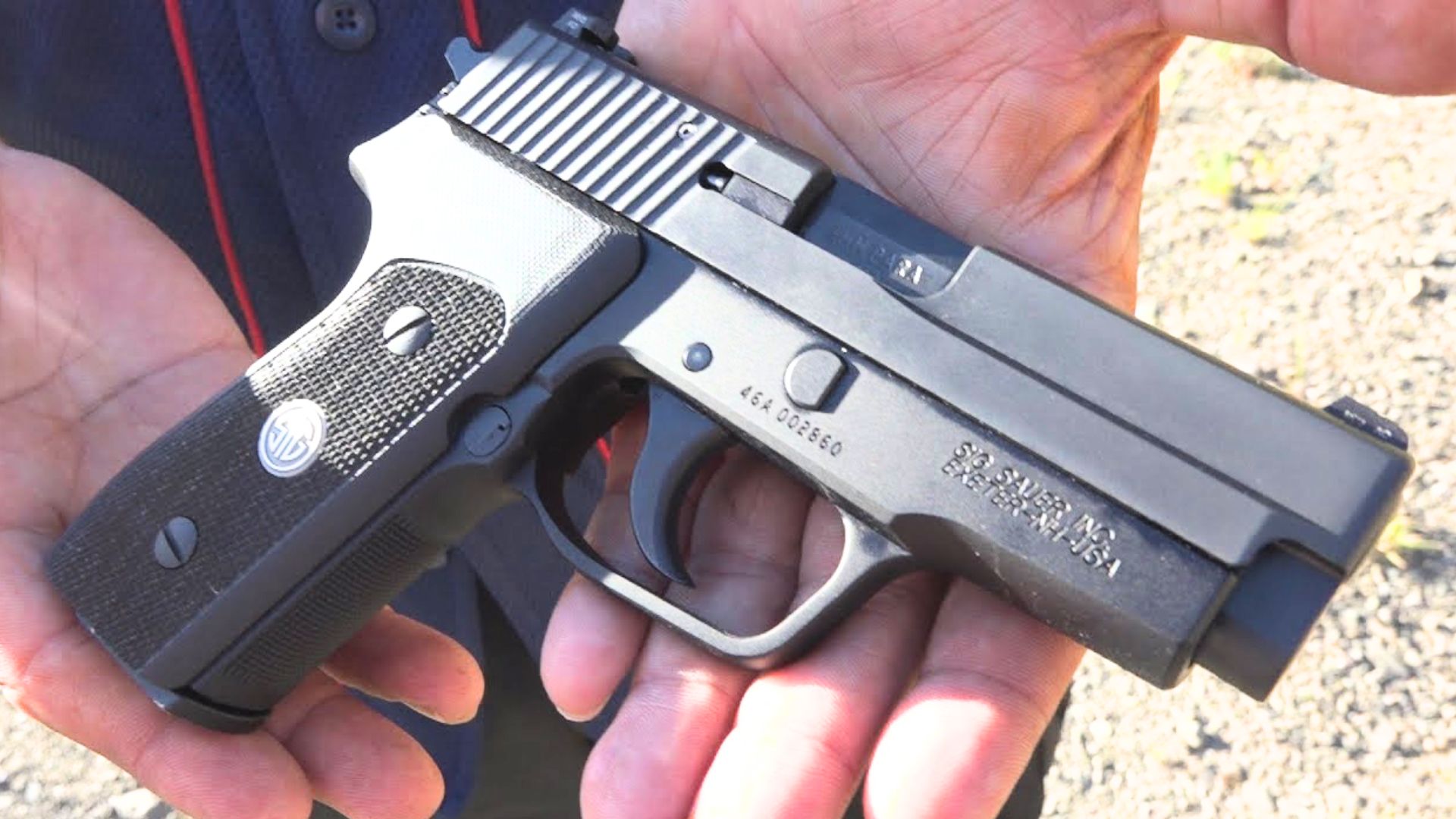
The P225 is incredibly comfortable to shoot in slow fire, but it’s not built for pace. The single-stack magazines don’t always keep up with higher cycling speeds, especially with older springs.
The DA/SA trigger is clean but slower than modern carry guns, making it tough to maintain rhythm during fast drills. It’s a classic, but speed exposes its vintage mechanics.
Tanfoglio Force 99 Compact
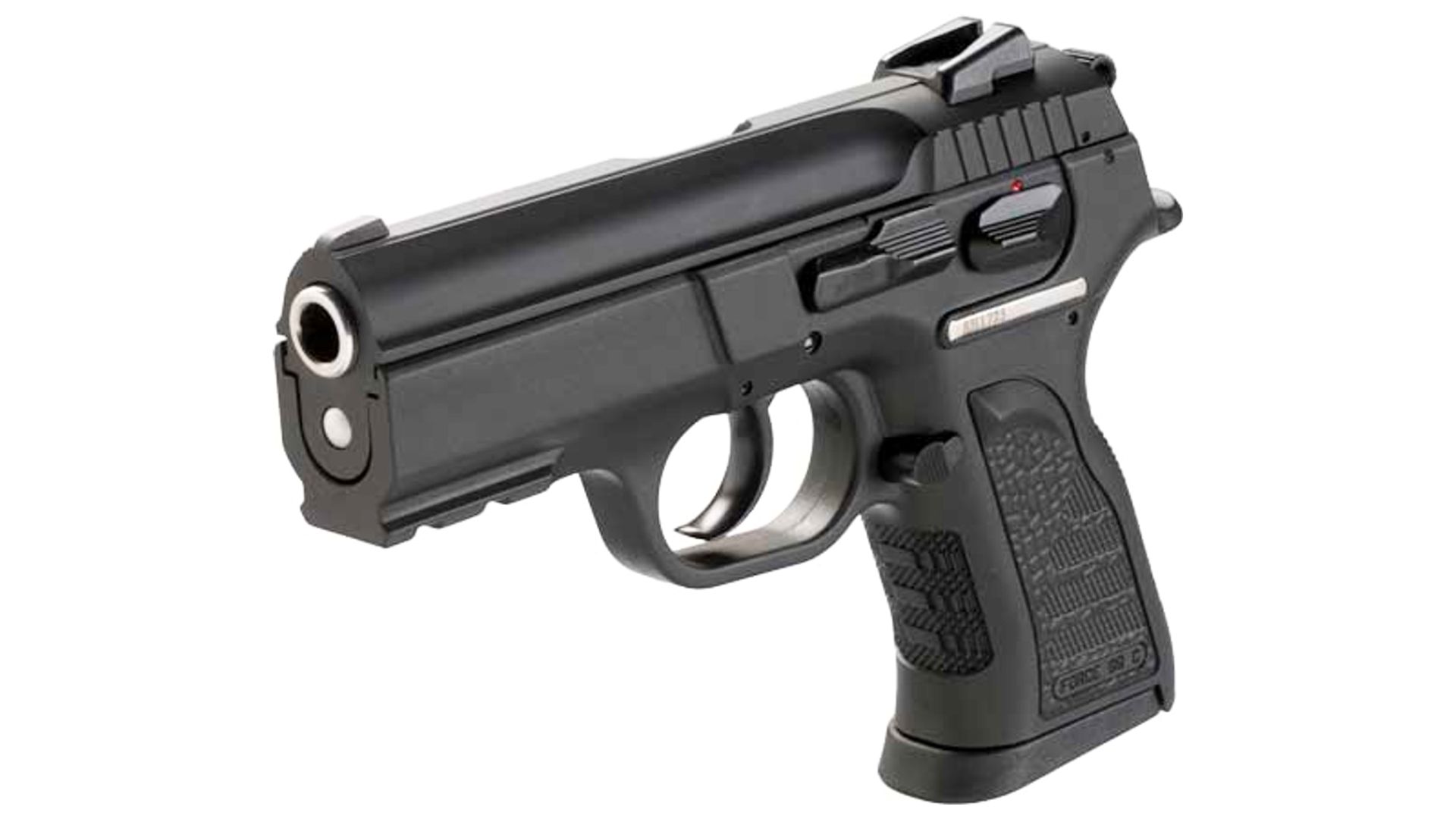
The Force 99 Compact feels solid during calm shooting, but when you accelerate, the gun’s older-style recoil system sometimes can’t maintain consistency. The slide mass isn’t balanced for modern pacing.
Magazine lips can also be sensitive during fast work. Under pressure, feeding sometimes hesitates just enough to break confidence. It’s a gun that prefers a relaxed shooter.
Israeli Jericho 941 (Steel Frame)
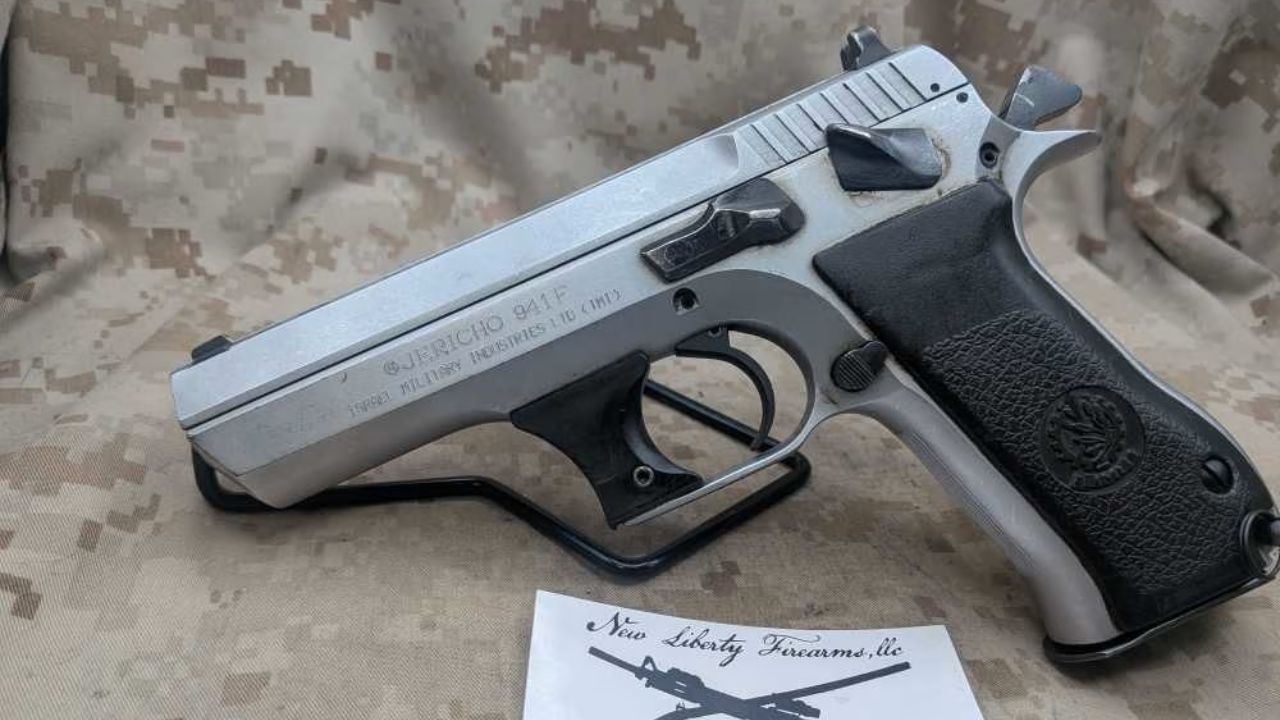
The heavy steel Jericho 941 is pleasant for slow accuracy work, but when you push for rapid fire, that same weight becomes a hurdle. The slide cycles slower than polymer guns, and it’s easy to fall out of rhythm.
Feed issues occasionally appear during high-speed transitions or heat buildup. It’s a strong, reliable design—just not a fast one.
Bersa BP9CC
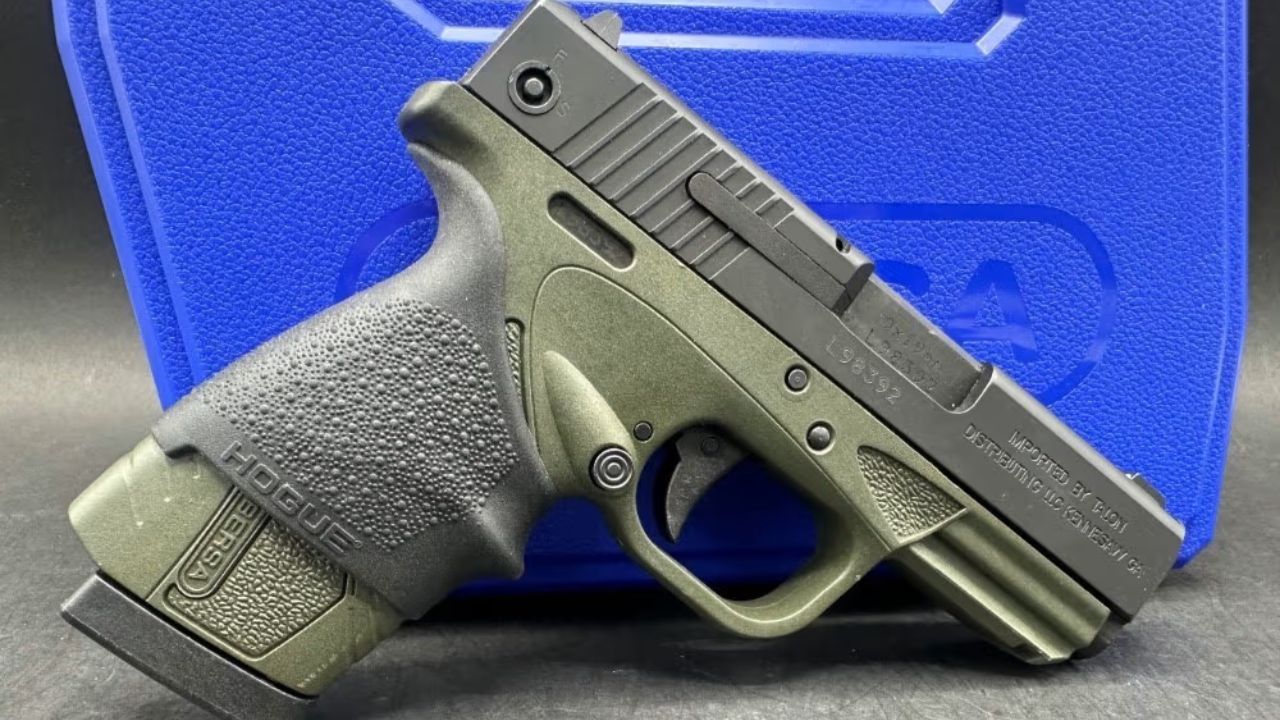
The BP9CC is light, slim, and easy to shoot slowly. But during fast-paced drills, shooters often outrun the trigger reset or disrupt the sight picture sharply due to the pistol’s top-heavy slide.
Its recoil spring setup also struggles with inconsistent ammo. When firing rapidly, the gun may hesitate on chambering unless your grip stays perfect.
Springfield XD Subcompact (Early Models)
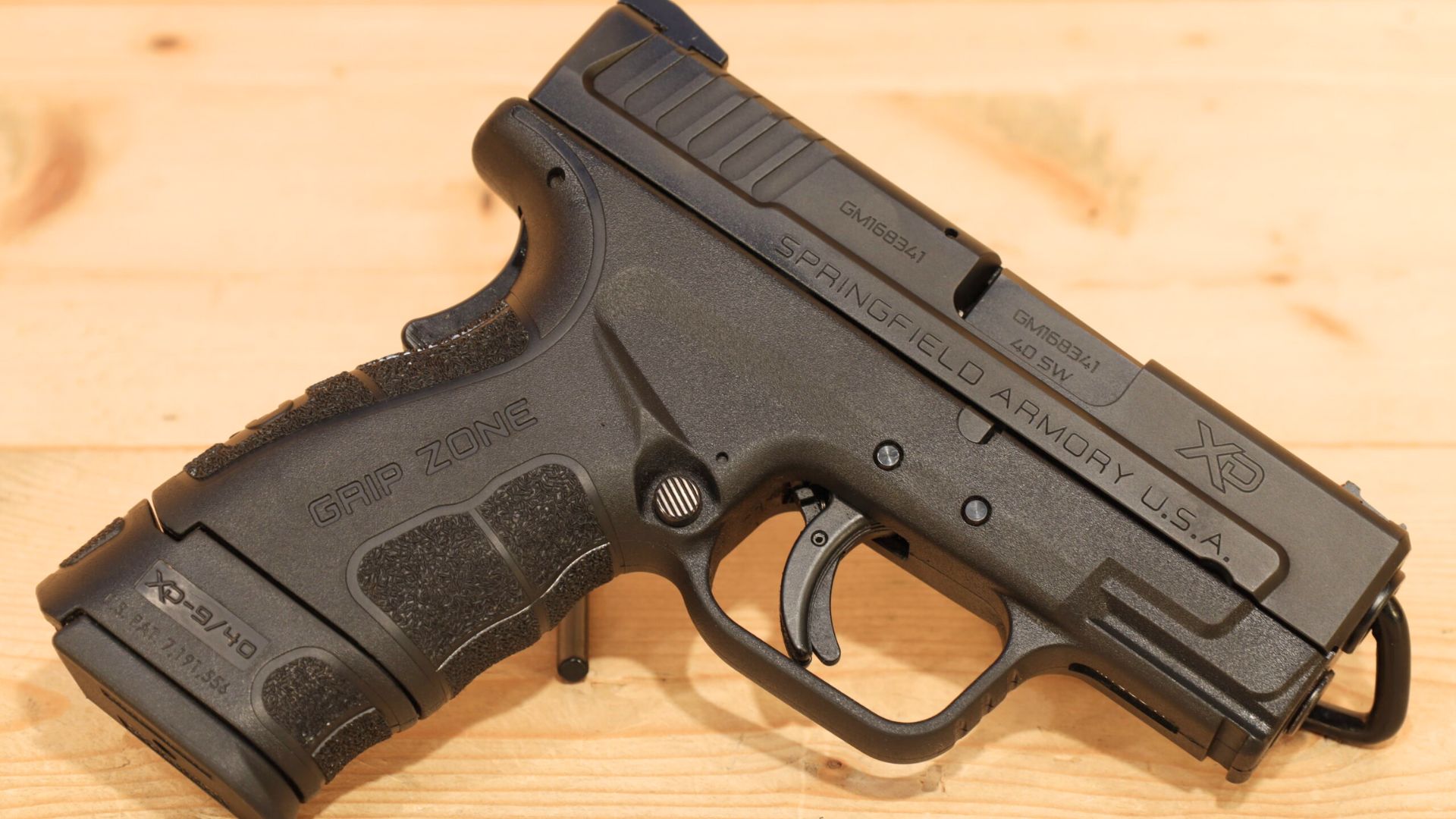
The early XD Subcompacts shoot well during methodical drills. But once you push speed, the short barrel and heavy slide can hit a point where recoil and timing don’t match well.
Rapid strings sometimes produce erratic ejection and occasionally a nose-down feed. It’s a gun that runs better at moderate pace than at full speed.
CZ 110
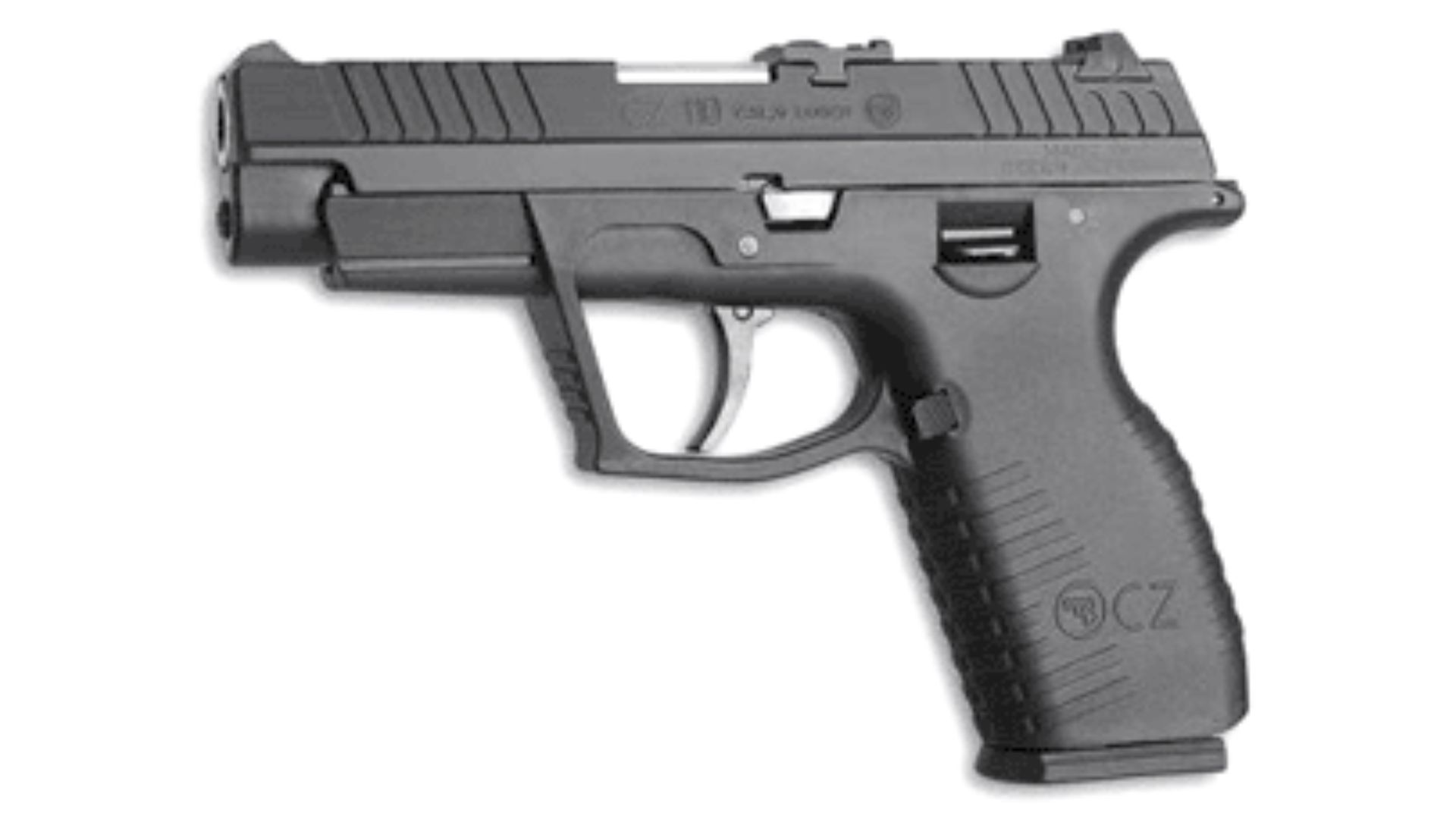
The CZ 110 is one of the lesser-known polymer CZs, and it performs fine when you slow things down. But when shooters accelerate, the trigger system becomes a real limitation. Its reset is vague and long, making fast follow-ups inconsistent.
Under rapid fire, the recoil cycle sometimes feels abrupt, occasionally affecting magazine feed timing. It’s functional but not built for speed.
Beretta PX4 Subcompact
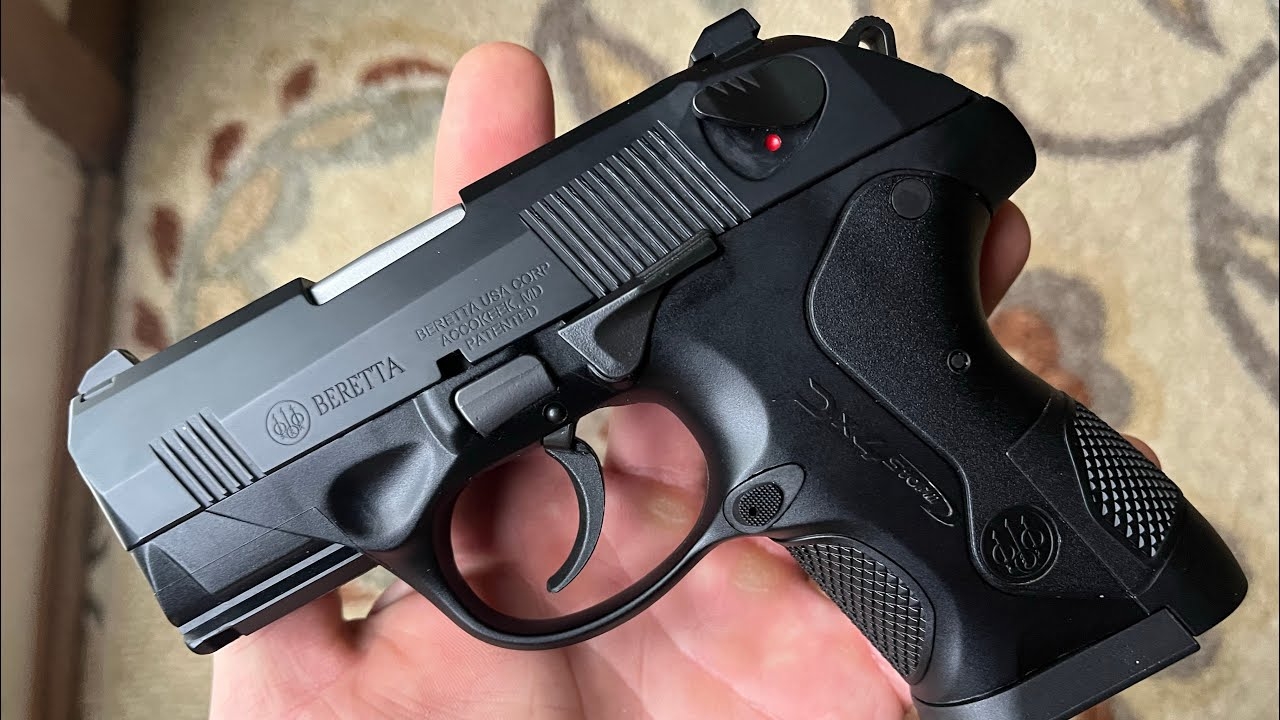
The PX4 Subcompact uses a tilting barrel instead of the full-size model’s rotating system, and it behaves differently under pressure. Slow fire is easy and controllable; fast fire is where you start seeing slide hesitations or feed inconsistencies.
Its short grip frame also makes rapid recoil control tougher, leading to more shooter-induced malfunctions. It excels at slow drills—not speed work.
Colt All-American 2000
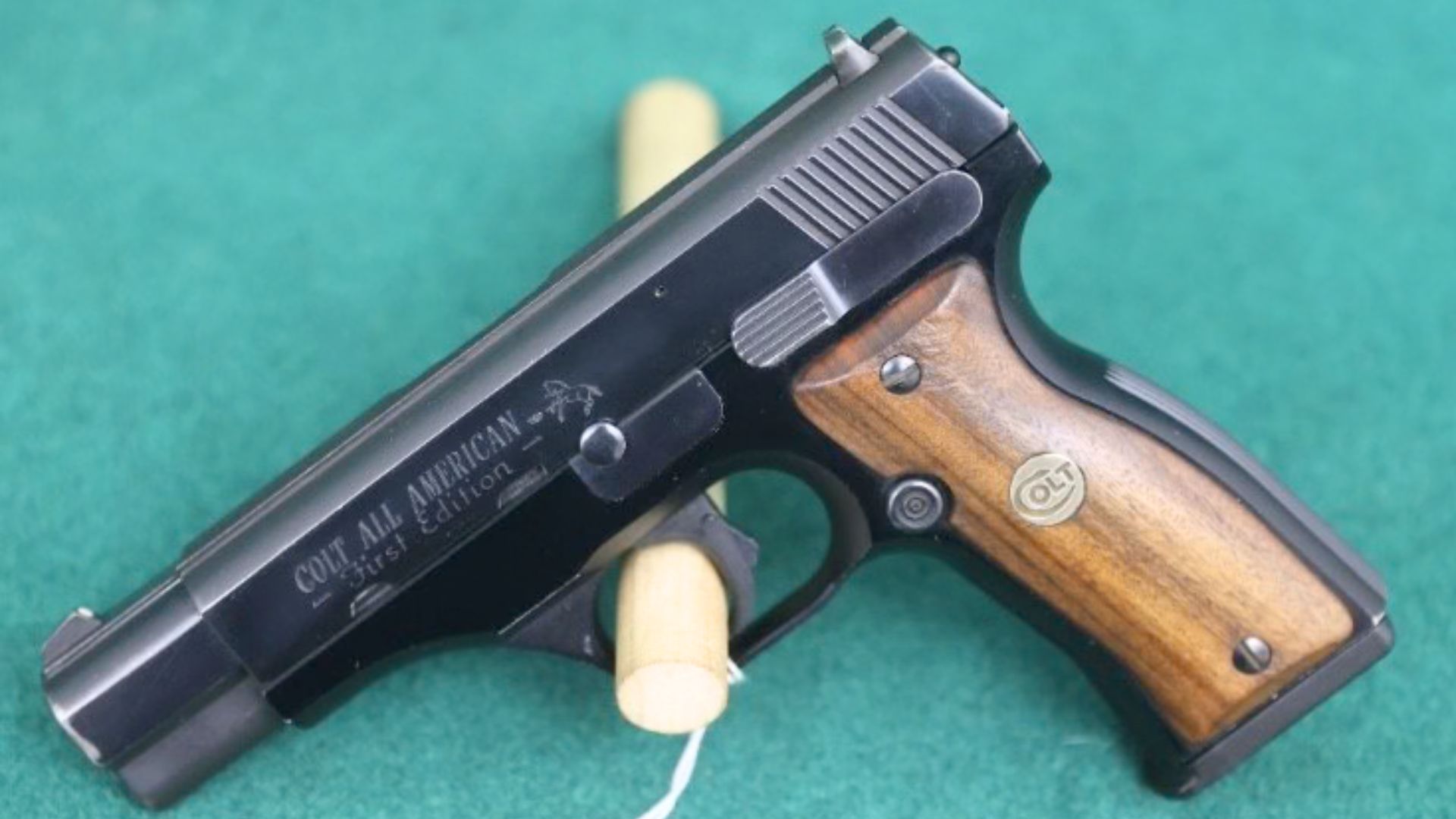
In slow fire, this unusual design runs predictably. But during fast shooting, the trigger system becomes a nightmare. It’s long, vague, and incredibly easy to outrun, which makes rapid strings frustrating.
Fast cycling can also cause failures to fully chamber due to the gun’s unique rotating bolt setup. It’s historically interesting, but definitely not built for pace.
Like The Avid Outdoorsman’s content? Be sure to follow us.
Here’s more from us: