Photo credit: Wirestock Creators/Shutterstock.com
Most shooters learn quickly that spending more doesn’t always buy you clearer glass or better hits. Tactical optics carry a certain appeal—military styling, rugged housings, and long spec sheets—but many of them deliver far less than their price tags suggest. You see shooters brag about their setups, only to struggle with washed-out reticles, wandering zeroes, or dim sight pictures at dusk. The truth is simple: a lot of high-priced tactical optics are sold on looks and reputation, not performance. If you’ve spent time behind rifles in real field conditions, you already know which optics fall short once the shooting starts.
EOTech EXPS3

The EXPS3 is one of the most recognizable sights on the market, and its military history keeps demand high. But for the average shooter, the price doesn’t always match the practical benefit. The holographic window is excellent up close, yet the battery life falls far behind modern red dots. If you forget to switch it off or use it in cold weather, you’ll burn through batteries faster than expected.
While the reticle is crisp at moderate ranges, the sight picture can wash out in bright sunlight or when the window gets scratched. Many shooters also notice thermal shift—point of aim moving as the optic heats—especially during long sessions. It’s a solid sight, but the premium it commands often outweighs what most shooters actually get out of it.
Aimpoint CompM5
Aimpoint builds reliable optics, but the CompM5 sits at a price point that pushes past what most shooters realistically need. You’re paying for extreme MIL-SPEC durability that the average rifle will rarely test. The glass is clear and the dot is crisp, but those features aren’t dramatically different from optics costing far less.
Its lightweight design is appealing, yet the proprietary mounting options limit flexibility. Many shooters end up spending even more to get the mount they prefer. While it performs well, the cost-to-benefit ratio leans heavily toward overkill unless you’re in conditions far harsher than typical training or hunting environments.
Trijicon ACOG TA31
The TA31 ACOG became legendary, but a lot of shooters pay for history more than performance. The fixed 4x magnification limits versatility, and the short eye relief feels unforgiving when you’re not perfectly positioned behind the rifle. Under recoil or awkward shooting positions, that limited eye box becomes a real disadvantage.
The tritium illumination is nice, but it fades over time, and replacing it isn’t cheap. Many users also find the reticle cluttered compared to modern LPVO reticles. It’s rugged, sure, but the premium price no longer matches the experience once you compare it to newer optics with wider capabilities.
Trijicon MRO

The MRO gained traction because of its wide field of view, but several shooters have reported noticeable distortion near the edges. That “fishbowl” effect can become distracting during rapid transitions or when shooting on the move. Considering its price, it’s a drawback that’s hard to justify.
The green tint on some models can also be stronger than expected, especially in low light. It remains durable and functional, but you’re paying a premium for performance that rivals less-expensive red dots. Many shooters buy it for the brand name, not because it objectively outperforms the competition.
Vortex Razor HD Gen II-E 1–6x
This LPVO has a loyal following, but it’s heavy—heavier than many shooters realize until they mount it. Once you add a solid mount, the setup starts feeling bulky on rifles meant for quick handling. In fast-paced shooting, that weight becomes noticeable.
The glass is excellent, but many shooters simply don’t use an LPVO to its full potential. Spending this much for clarity and durability you’ll never tap into makes it an easy optic to overspend on. The Razor still performs, but the price is hard to justify when several mid-range LPVOs deliver nearly the same results.
Leupold Mark 6 1–6x
The Mark 6 sits in a price category that promises perfection, but it doesn’t always deliver it. The eyebox can feel tight, especially at higher magnification, and some shooters struggle with maintaining a clean sight picture during fast transitions. For the cost, that’s not ideal.
While the optic is lightweight and well-built, the performance gap between this and more affordable LPVOs has narrowed significantly. The Mark 6 name sells it, but the average shooter won’t notice enough improvement to justify the extra cost.
Steiner T5Xi
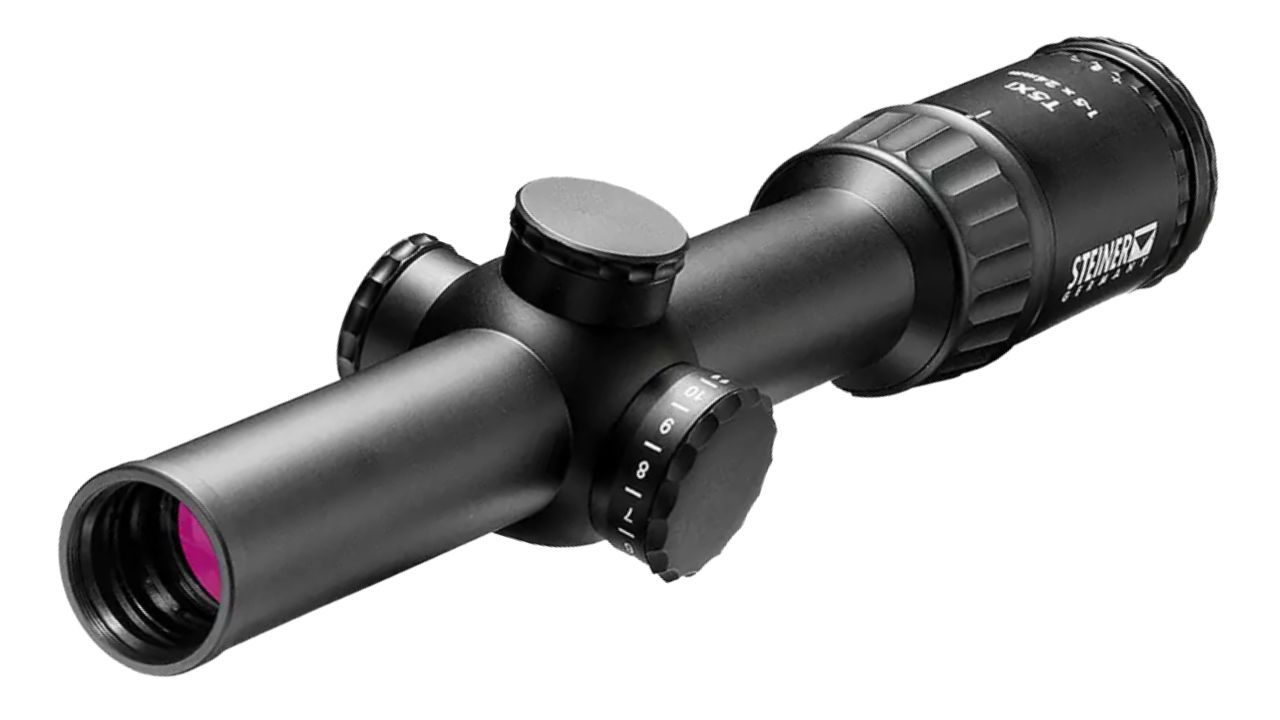
Steiner’s T5Xi series offers solid features, but the early batches had tracking issues that left many shooters cautious. Even though later models improved, the reputation stuck. In a high-end optic, reliable tracking should never be a gamble.
The weight also becomes a factor on rifles intended for mobility. It’s durable and well-made, but many shooters still overpay because of the badge rather than tangible performance advantages. Today’s mid-priced scopes offer similar clarity and repeatability for far less.
Holosun AEMS
The AEMS caught attention with its compact design and enclosed emitter, but its pricing pushes close to serious-duty optics without delivering comparable robustness. The battery tray screws can loosen under heavy recoil unless treated carefully, and the window—while clear—is smaller than marketing suggests.
Many shooters buy it thinking it’s a premium alternative to true-duty red dots, but it’s still a mid-tier optic with mid-tier durability. You’re often paying extra for aesthetics and novelty, not improved performance.
EOTech Vudu 1–6x
The Vudu promises the rugged feel of an ACOG with the flexibility of an LPVO, but at its price point, the reticle and illumination aren’t as refined as competing options. Some users report dim illumination in bright daylight, which limits its utility as a true 1x optic.
While the glass is solid, the overall value struggles to match the hype. Many shooters overpay because the EOTech name carries weight, even though several competing LPVOs outperform it in clarity and usability.
Trijicon AccuPoint TR24
The TR24’s fiber-optic system looks appealing, but the reticle can bloom in bright sunlight, making precise shots harder than expected. It’s also limited in reticle options, which makes it feel dated compared to modern LPVOs with sophisticated holdover designs.
You’re paying for durability and a clever illumination system, but in practice, many shooters outgrow the optic quickly. The price often reflects brand recognition more than true field performance.
Burris XTR II

The XTR II line is built tough, but the glass quality doesn’t always match the premium price tag. Several shooters notice chromatic aberration at higher magnification, and the overall clarity lags behind newer designs in the same class. Its weight also becomes an issue on rifles meant for fast shooting.
It’s a reliable optic, but you can often get equal or better performance from competitors at a lower cost. Many shooters buy the XTR II thinking it competes with top-tier scopes, when in reality it falls somewhere in the middle.
Primary Arms Platinum 1–8x
Primary Arms makes excellent mid-tier optics, but the Platinum series edges into a price range where expectations jump significantly. The reticles are smart and user-friendly, but the glass—while good—doesn’t quite compete with true top-of-the-line optics.
The Platinum LPVOs are strong performers, yet many buyers mistakenly assume they compete with scopes twice their price. They’re solid, but they’re not as elite as the marketing sometimes suggests.
Sig Sauer Tango6T
The Tango6T won military contracts, but that doesn’t automatically make it the best choice for civilian shooters. The optic is durable and feature-rich, yet the clarity doesn’t outperform other scopes in the same price range. You often pay a premium simply because the optic wears a government stamp.
The illumination can also feel underwhelming in bright daylight. While the optic is capable, most shooters don’t benefit enough from its design to justify the high cost.
Nightforce ATACR 1–8x
The ATACR is built to survive anything, but that level of durability is unnecessary for most shooters. The optic is heavy—significantly heavier than many expect—and the price climbs quickly once you add a mount. For everyday range work, it’s overkill.
While the sight picture and tracking are excellent, the improvements over mid-range optics often go unnoticed by casual and intermediate shooters. You’re paying for extreme ruggedness that many rifles will never require.
Elcan SpecterDR
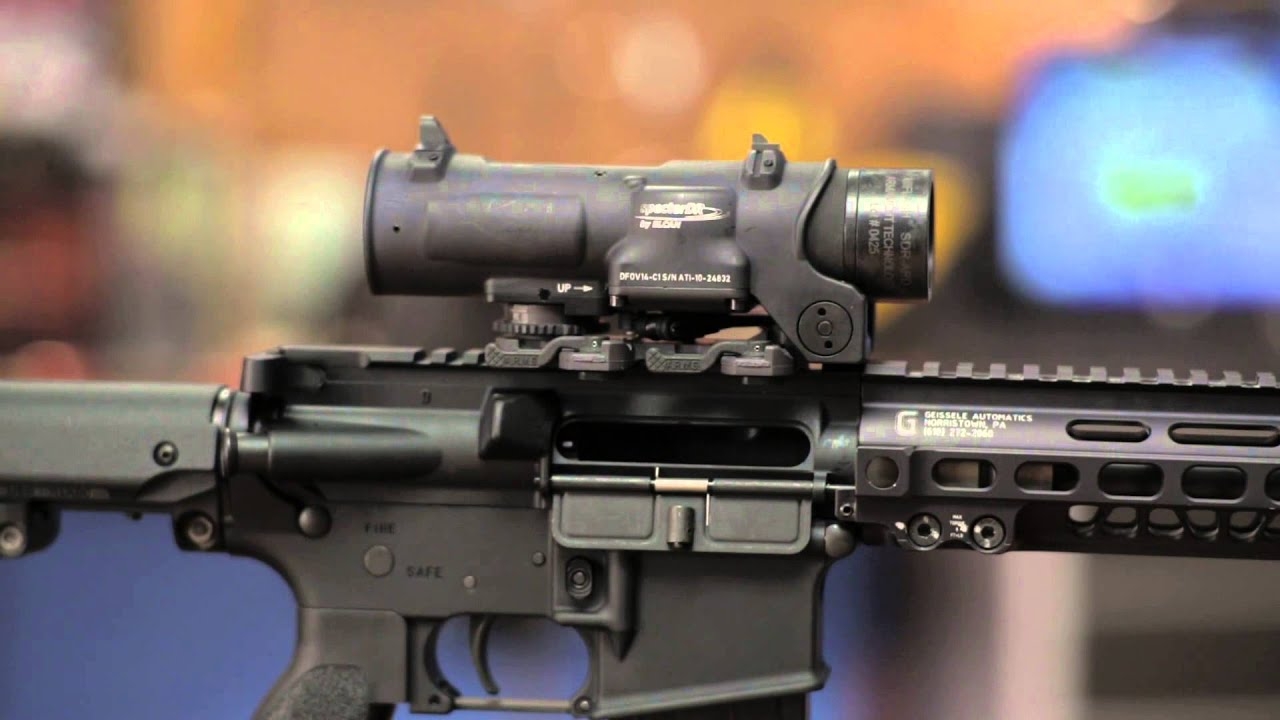
The SpecterDR has a unique switchable magnification system, but the optic is far heavier and bulkier than modern alternatives. Its eye relief is notoriously unforgiving, and the reticle illumination isn’t as bright as many shooters want in daylight.
Even though the optic is tough and has military roots, most shooters pay far more for it than its performance warrants. It’s a niche optic with a cult following, but the price far exceeds the practical benefits for most rifle setups.
Like The Avid Outdoorsman’s content? Be sure to follow us.
Here’s more from us:
The worst deer rifles money can buy
Sidearms That Belong in the Safe — Not Your Belt
*This article was developed with AI-powered tools and has been carefully reviewed by our editors.