Photo credit: Nomad_Soul/Shutterstock.com
Plenty of hunters talk big about their favorite calibers at the range or in camp, but when it’s time to hike through timber or take a long shot on a nervous buck, some of those same rounds get left in the safe. You’ve probably heard someone go on about knockdown power or “flat shooting” performance, only to see them pull out a totally different rifle when the season opens. It’s not always about ballistics either—sometimes it’s weight, recoil, availability, or how loud the blast is in the woods. If you’ve ever bragged about one of these calibers but avoided carrying it on a real hunt, you’re not alone.
.300 Winchester Magnum

It sounds good when you’re sitting around the table talking about long shots, but you know better than to take it on every hunt. The .300 Win Mag delivers on velocity and energy, sure, but it brings a heavy rifle, a heavier recoil impulse, and barrel heat you’ll feel after a few shots.
For some, it’s the muzzle blast that pushes it out of the rotation. It’s hard to stay steady when you’re flinching. And if you’re hiking steep country or glassing from ridges all day, carrying a .300 Win Mag can wear you down quick. It’s a capable round, but not one most hunters grab unless they really need it.
.45-70 Government

Talk to lever gun fans and you’ll hear all about the history and stopping power of the .45-70. And they’re right—it’ll hit like a truck. But you also know that bullet drop becomes a real issue after 150 yards, especially with traditional loads.
On paper it’s ideal for woods work, but the recoil and cost of ammo can make it less attractive than people admit. Most folks who talk about using it end up reaching for their .308 or .30-06 when the day comes. The .45-70 might live in your safe and get a few range days, but for longer hunts, it often stays home.
.300 Blackout

There’s a lot of internet chatter about .300 Blackout being the ultimate suppressed hunting round, and it’s gained traction in hog country. But once you move past 100 yards, performance starts falling off hard—especially with subsonic loads.
You can load it hot and run supers, but now you’re chasing .30-30 ballistics in a heavier AR. And if you’ve ever tried finding hunting-appropriate .300 BLK ammo in a small-town store, you know it’s not always easy. People like to talk about it, but most hunters stick to rounds with better reach and proven expansion.
.338 Lapua Magnum

This one’s on every long-range shooter’s dream list, and yeah—it can punch paper at 1,000 yards and beyond. But how often do you really need that in the field? The rifle itself is usually massive, the ammo’s expensive, and the recoil is nothing to laugh at.
It gets respect, no doubt. But unless you’re hunting elk at distances that raise eyebrows, it’s hard to justify carrying a rifle that weighs close to 15 pounds scoped and loaded. Most folks who brag about their .338 Lapua aren’t dragging it through the brush come deer season.
.25-06 Remington
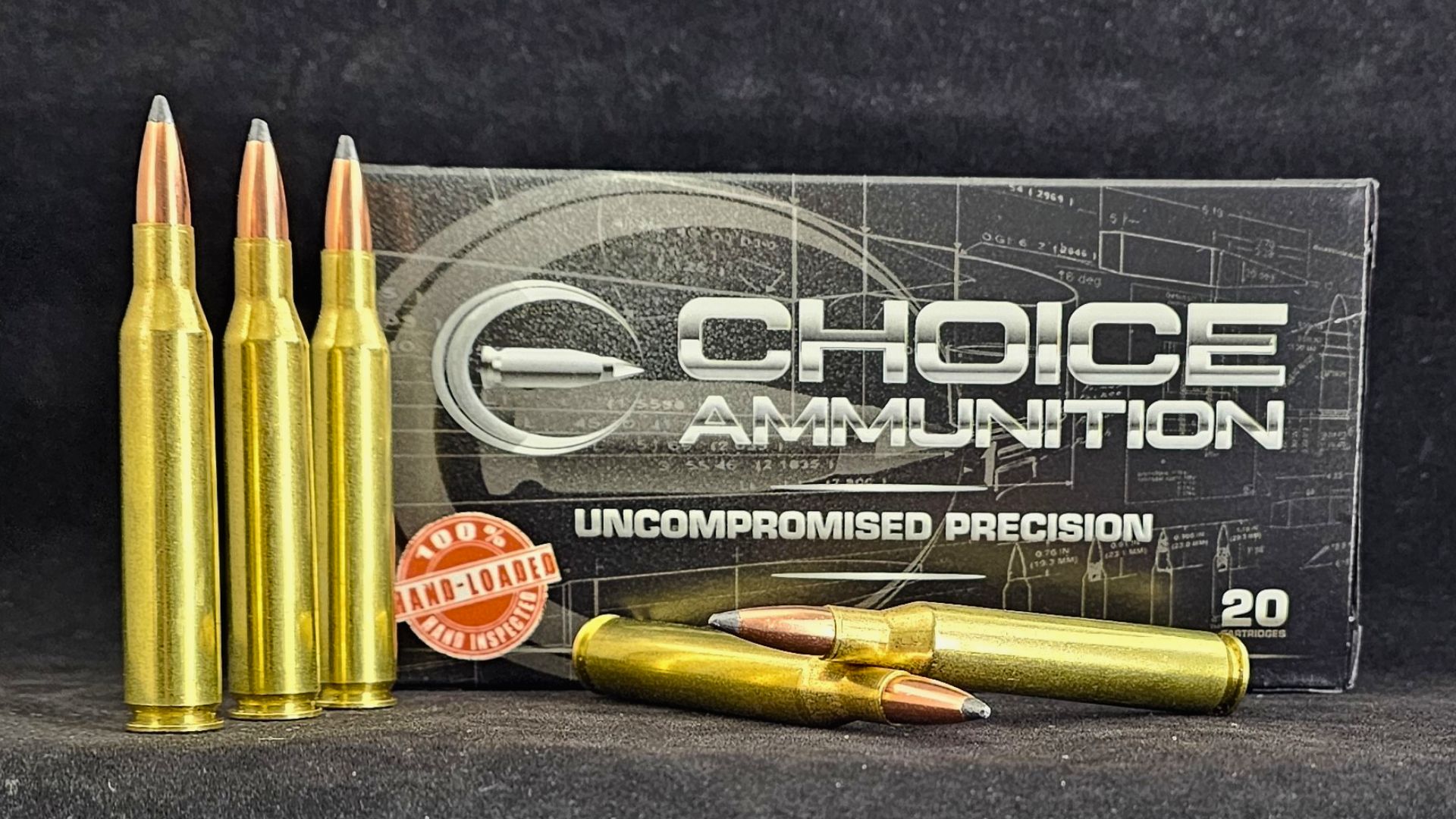
Every so often, someone will tell you how flat the .25-06 shoots and how great it is for deer and antelope. That part is true—it’s fast and accurate. But when you look at factory ammo selection or barrel life, it starts to lose some appeal.
It’s not that hunters avoid it because it doesn’t perform. They avoid it because they can’t always find the ammo they want, or they’re worried about burning out a barrel they’ve already invested in. It’s a brag-worthy round that tends to fade into the background once real-world logistics kick in.
.338 Winchester Magnum

Big game guys will talk this one up for its power on elk and moose, and it does carry authority at longer distances. But you don’t see many people running it for everyday whitetail or mulies. It’s just too much gun for most hunts.
It’ll wear out your shoulder faster than it will a bull elk, and if you’re hunting in tight terrain, the extra weight and recoil don’t do you any favors. Folks love to say it “anchors” game, but that usually means they’ve never spent a week hauling it around in the rain.
.243 Winchester

This one might surprise you, but there’s a good chunk of hunters who swear by the .243—until they lose a deer. It’s accurate and light on recoil, but bullet performance and shot placement become critical with this caliber.
Plenty of folks brag about using it for everything from coyotes to bucks, but in the back of their mind, they know it can fall short on less-than-perfect shots. You won’t hear them admit it in front of the younger guys, but more than one seasoned hunter has gone back to .270 or .308 after a frustrating blood trail.
7mm Remington Ultra Magnum

When it came out, the 7mm RUM promised high velocity and serious reach. And it delivers—on paper. The problem is, the barrel life is short, recoil is sharp, and ammo is hard to find unless you reload.
A lot of hunters who jumped on the 7mm RUM train eventually left it behind. It’s a caliber you bring up in ballistic debates, but leave behind when it’s time to hike into elk country or carry a rifle through the snow. Most guys who used to run it have moved back to the regular 7mm Rem Mag or .300 Win Mag for real hunts.
.22-250 Remington

This is one of the fastest small-caliber rounds out there, and varmint hunters love it. You might hear folks talk about taking deer with it, and while it’s technically legal in some places, most experienced hunters avoid doing that.
It has the speed, but lacks the bullet weight for consistent penetration on bigger game. You can brag about your groups all you want, but you won’t see many guys who trust a .22-250 on a shoulder shot when it counts. It’s a round that gets attention but doesn’t see much action outside the prairie.
.26 Nosler

The .26 Nosler had its moment in the spotlight, promising blistering speeds and long-range efficiency. But with that came serious barrel wear, recoil that surprised a lot of shooters, and a reputation for being hard on optics if your setup wasn’t rock solid.
Hunters who went all in on the .26 Nosler often found themselves re-barreling faster than expected or switching back to calibers with more support and better longevity. It’s a round people love to mention in forums, but it rarely makes the cut when someone’s packing for a week in the mountains.
.270 WSM

You’d think this one would have more fans in the field. It offers solid velocity and energy, with flatter trajectories than the old .270 Winchester. But availability is what really holds it back. Ammo is expensive, and selection can be limited depending on where you are.
Guys who bought into the .270 WSM sometimes find themselves struggling to source ammo or giving up handloading to make it work. It sounds great on paper, but when it comes time to grab a rifle and go, they usually end up reaching for something they know they can find at the local shop.
Like The Avid Outdoorsman’s content? Be sure to follow us.
Here’s more from us:
The worst deer rifles money can buy
Sidearms That Belong in the Safe — Not Your Belt
*This article was developed with AI-powered tools and has been carefully reviewed by our editors.