
A lot of people hear “good climber” and picture squirrels, maybe a house cat, and not much else. That is a mistake. Plenty of wild animals climb far better than most people expect, and some of them use that ability for hunting, escaping pressure, denning, stealing food, or getting into places you assumed were safe. In a lot of cases, the climbing is not some side trick. It is part of how the animal survives and wins.
That matters to outdoorsmen because climbing changes where an animal can come from, where it can hide, and how it can beat your plan. A tree, cliff, boulder pile, fence, attic opening, or rocky ledge is not much of a barrier if the animal was built to treat it like a ladder. These are the ones people tend to underestimate most.
Black bears

Black bears are probably the most commonly underestimated climbers on this list. People see the size, the bulk, and the thick build and assume there is no way that much animal can move well in a tree. The National Park Service says black bears are skilled or excellent tree climbers and use trees for shelter, food, and escape from danger. That alone should kill the old idea that climbing a tree is some reliable bear plan. It is not.
What makes black bears so effective is that climbing is not just a cub thing. Adults do it too, especially when food is involved. Beechnuts, safety, vantage, and easy access to a perch all matter to them. So when people picture a bear as a ground-bound bruiser, they miss a big part of what makes black bears so adaptable around camps, backyards, and timber. A bear that can run well and climb well is a whole different problem than most folks are imagining.
Mountain lions

Mountain lions do not get enough respect as climbers because most people focus on the stalking and jumping. But they are cats, and cats with that kind of size, claws, and balance are built to go vertical when it helps them. State wildlife agencies note they readily climb trees, and NPS safety guidance around lion country makes it clear you should not assume terrain is going to neutralize one.
That matters because a mountain lion does not only use climbing to get away from pressure. Climbing also helps with access, cover, and position. People like to think of a lion as something coming low through brush, but a big cat that can climb changes the angles on you. It also means rough country, canyon walls, and timber are all working for the animal at once. That is a bad combination for anything trying to outthink it on the landscape.
Bobcats

Bobcats are lighter and smaller than mountain lions, so their climbing tends to get overlooked even more. Big Thicket National Preserve says bobcats can climb trees, and that fits what you would expect from a compact wild cat that spends its life built around quick bursts, short leaps, and using cover better than you do.
The advantage for a bobcat is simple. Climbing gives it one more way to disappear, one more way to avoid pressure, and one more way to use rough edges around creeks, brush, rock piles, and wooded property lines. A lot of people think of bobcats as strictly ground hunters slipping through weeds and shadows. They do plenty of that, but a cat that can also go up a tree when it needs to is harder to predict than people want to admit.
Gray foxes
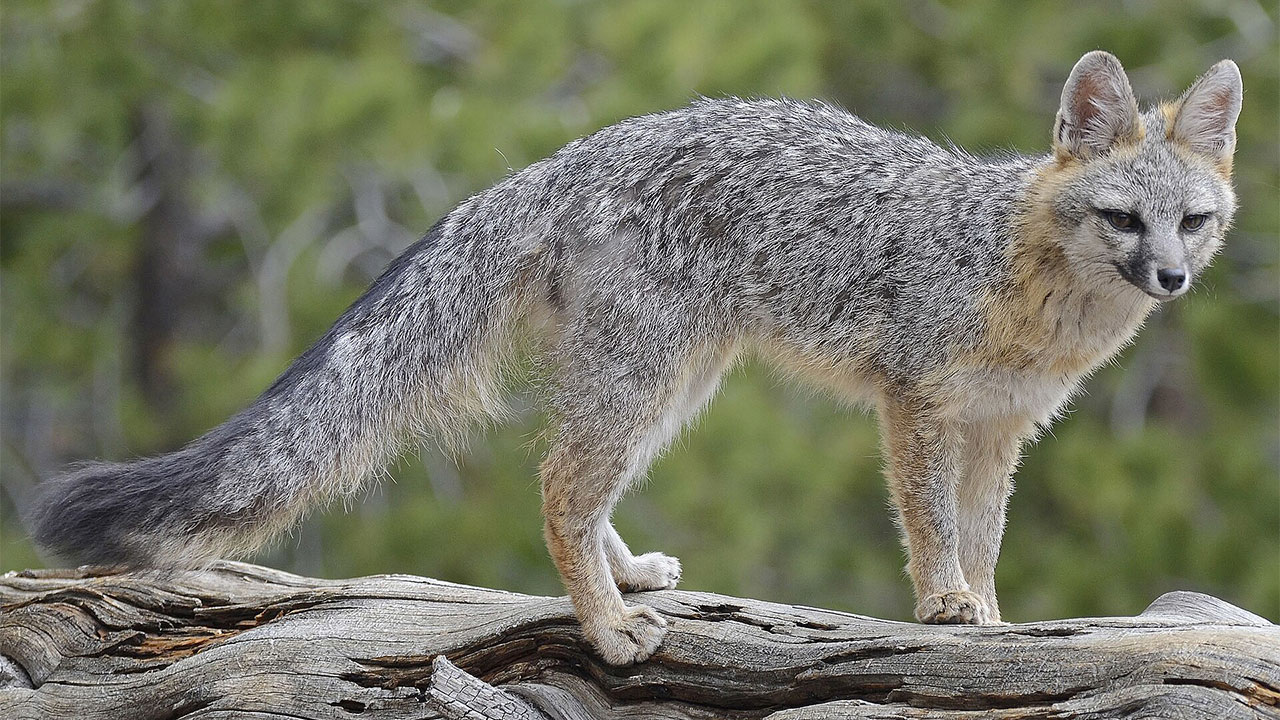
Gray foxes are one of the coolest examples on this list because they are not just decent climbers for a canine. Zion says the gray fox is the only canine species in North America able to climb trees, and that it uses that ability to raid bird nests, escape predators, and even den in hollow tree trunks. That is a serious tool, not a novelty.
This is exactly why gray foxes punch above their size. Most people think “fox” and picture a ground runner working fence lines and field edges. A gray fox can do that and then go vertical when the situation calls for it. That gives it more food options, more escape routes, and more den choices than a lot of other small predators. It is one of those animals that looks ordinary until you realize it is using the woods in three dimensions instead of two.
Raccoons

Raccoons are better climbers than a lot of people give them credit for, probably because people mostly think about their hands, trash-can raids, and attic break-ins. Texas Parks and Wildlife says raccoons are very agile climbers, and Washington’s wildlife agency notes they can rotate their hind feet and descend trees headfirst. That is not clumsy behavior. That is a built-in advantage.
That climbing ability is a big part of why raccoons do so well around people. They are not limited to the ground and they are not intimidated by vertical structure. Trees, roofs, chimneys, barns, feed rooms, and openings high off the ground all become part of their world. That is why people keep underestimating them. They look like little masked scavengers, but they move more like crafty problem-solvers with hands and a ladder built into their bodies.
Ringtails
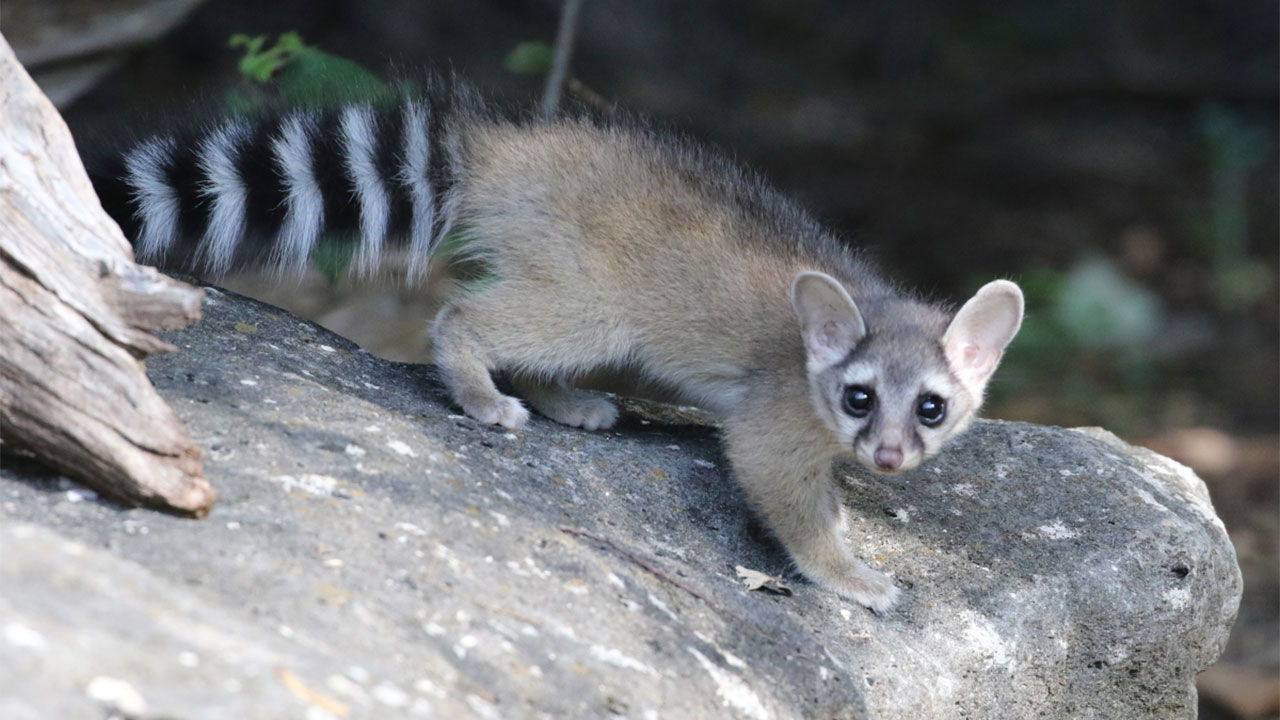
Ringtails might be the most underrated climbers in the whole bunch. Saguaro says they are great leapers and climbers, use their long tails for balance, have semi-retractable claws, and can climb headfirst down cliffs and trees. Colorado National Monument even describes them as expert climbers capable of scaling vertical walls. That is serious climbing hardware in a small package.
What makes ringtails so dangerous to underestimate is where they live. Rocky canyons, cliff bands, crevices, hollow trees, and buildings all fit them. An animal that small should not be able to own that much terrain, but ringtails do because they combine balance, grip, agility, and fearlessness. They are one of the best examples of a predator using climbing not just to survive, but to open up hunting lanes and hiding spots most animals cannot touch.
Opossums

Opossums do not look like athletes, which is exactly why people underestimate them. Pipestone National Monument notes that their long bare tail helps with climbing and that their feet include an opposable toe that helps too. In other words, the awkward look is misleading. They are more capable off the ground than people tend to think.
That matters because opossums are not just wandering around the forest floor waiting to play dead. Climbing helps them reach shelter, move through brushy cover, and exploit spaces around homes, trees, and structures. They are not the fastest or flashiest climbers here, but they do not need to be. Being good enough to get up and out of reach, or into a den site somebody assumed was too elevated, is plenty. That is often all wildlife needs.
Porcupines

Porcupines look like they should be terrible climbers. Big body, short legs, awkward gait, and a back full of quills does not exactly scream “tree specialist.” But the National Park Service says porcupines are good or adept climbers and are often found in trees, sometimes even spending the day high in them.
That climbing ability changes how they use the landscape. Trees are food, shelter, and safety all at once. If ground cover is poor or pressure is high, they can shift upward and keep going. That is a strong play for an animal that already carries a built-in defense system. A porcupine that can feed in trees and sleep in trees is tougher to pressure than its slow ground movement would ever make you believe.
Mountain goats

Mountain goats are not “good climbers for a hoofed animal.” They are flat-out specialists. The National Park Service says they are exceptional climbers and can tackle steep slopes of 60 degrees or more, helped by split hooves that spread and soft inner pads that grip rocky ledges. That is not ordinary footing. That is mountain equipment.
And they absolutely use it to their advantage. Steep, ugly country that slows everything else down becomes escape terrain for a mountain goat. The cliffs and ledges are not hazards to them the way they are to predators, people, or other prey species. That means the animal is not just surviving in rough country. It is weaponizing rough country. When a goat heads up something that looks nearly vertical, it is usually taking the whole pursuit problem off the table.
Bighorn sheep

Bighorn sheep play a similar game. NPS says their ability to climb steep terrain helps them find cover from predators, and education materials note they use escape terrain because few animals can move through rugged country as quickly as they can. That tells you everything you need to know about how central climbing is to their survival.
Bighorns are not trying to outrun everything over distance. They are trying to get into country where the chase falls apart. That is a smart difference. A cliff, broken rock face, or steep slope becomes more than shelter once the animal can move there confidently and the predator cannot. That is exactly how climbing becomes an advantage instead of just a neat trait. Bighorns use the terrain like a locked door most other animals cannot open.
Coatis

Coatis do not get talked about enough outside the Southwest, but they are excellent climbers. Saguaro says they use those climbing skills to forage for nuts, berries, and bird eggs in trees, and that they spend the night in trees or caves. That means climbing is tied directly to both food and security.
That matters because coatis already have the curiosity and nose of an animal built to investigate everything. Once you add climbing to that package, they gain access to a much wider spread of food and den options. They are not stuck working only the ground for grubs and lizards. They can root low, then climb high, and that flexibility makes them harder to pin down than people expect from an animal in the raccoon family.
Rock squirrels

Rock squirrels are another good reminder that “ground squirrel” does not mean “stays on the ground.” Zion says rock squirrels can be seen climbing boulders, rocks, and trees, and Petroglyph National Monument calls them good climbers. In rocky country, that matters a lot more than people think.
The advantage is obvious once you think about it. A squirrel that can run the rocks, work trees, and dive into dens under boulders has multiple escape layers built into one habitat. That makes it tougher prey and lets it forage in rough country where straight-line pursuit is already hard. People tend to dismiss animals like this because they are small, but small animals that use vertical terrain well stay alive for a reason.
Martens

Martens are not the first animal casual outdoorsmen mention in a climbing conversation, but they should be. The Forest Service says martens can climb trees, and state wildlife sources describe them as swift tree climbers that spend a fair amount of time above ground foraging and exploring cavities. That is exactly the sort of quiet skill set that makes a predator efficient.
What makes a marten effective is how that climbing fits the rest of the package. Narrow body, quick movement, curiosity, and comfort in dense forest already make it hard to track mentally. Add tree use and the animal now has more travel cover, more access to prey, and more escape routes. It is one of those predators that seems small until you realize it can work both the forest floor and the timber above it without much trouble.
Fishers

Fishers are another weasel-family animal that people misjudge badly. Rhode Island wildlife guidance says fishers are excellent climbers, have retractable claws, and can rotate their hind feet almost 180 degrees to descend trees headfirst. That is a serious set of tools for an animal many people still imagine as just a low-slung ground hunter.
And yes, they use that ability. Climbing broadens den options, gives them access to elevated cover, and helps them navigate wooded country with more freedom than a strictly ground-bound predator would have. Fishers may do a lot of hunting on the ground, but “mostly on the ground” is not the same thing as “stuck on the ground.” That difference is exactly why they stay more capable than they look.
Spotted skunks

Spotted skunks are not the first skunk people think of, but they are worth mentioning because the Forest Service describes them as excellent climbers. That is a very different profile from the plodding backyard skunk people picture when they hear the word.
That climbing ability matters because a small predator with scent defense and vertical mobility is tougher to deal with than a ground-only scavenger. It can den in different places, exploit more cover, and move through structure that a lot of pursuers would rather avoid. The animal may not be huge, but small carnivores that can climb usually wind up being much more flexible than people first assume.
Dall sheep

Dall sheep deserve a place here because they show how climbing can be the whole survival strategy. Denali education material says they scale cliffs like rock climbers and use that climbing adaptation to stay away from predators. That is about as direct as it gets.
This is the same lesson you see with bighorns and mountain goats, just with a slightly different mountain package. The animal does not need to outfight everything and it does not need to outrun everything across open country. It just needs to get into terrain where the odds swing hard in its favor. Once a sheep can do that and the predator cannot, the climb becomes the win.
Black bears and grizzlies both ruin the “just climb a tree” myth

This last one is worth spelling out because people keep repeating the same bad advice. NPS bear safety guidance says not to climb a tree because both black bears and grizzlies can climb trees. That is not a fun little trivia fact. That is a direct warning against a survival myth people still pass around like it is common sense.
And that is really the takeaway from this whole list. Climbing is not just something cute animals do in nature documentaries. It is a serious advantage that helps predators hunt, helps prey escape, and helps adaptable animals get into places you thought were off-limits. The outdoors gets a lot less surprising once you stop assuming “up” means “safe.”
Like The Avid Outdoorsman’s content? Be sure to follow us.
Here’s more from us:


