
Photo credit: Tony Campbell/Shutterstock.com
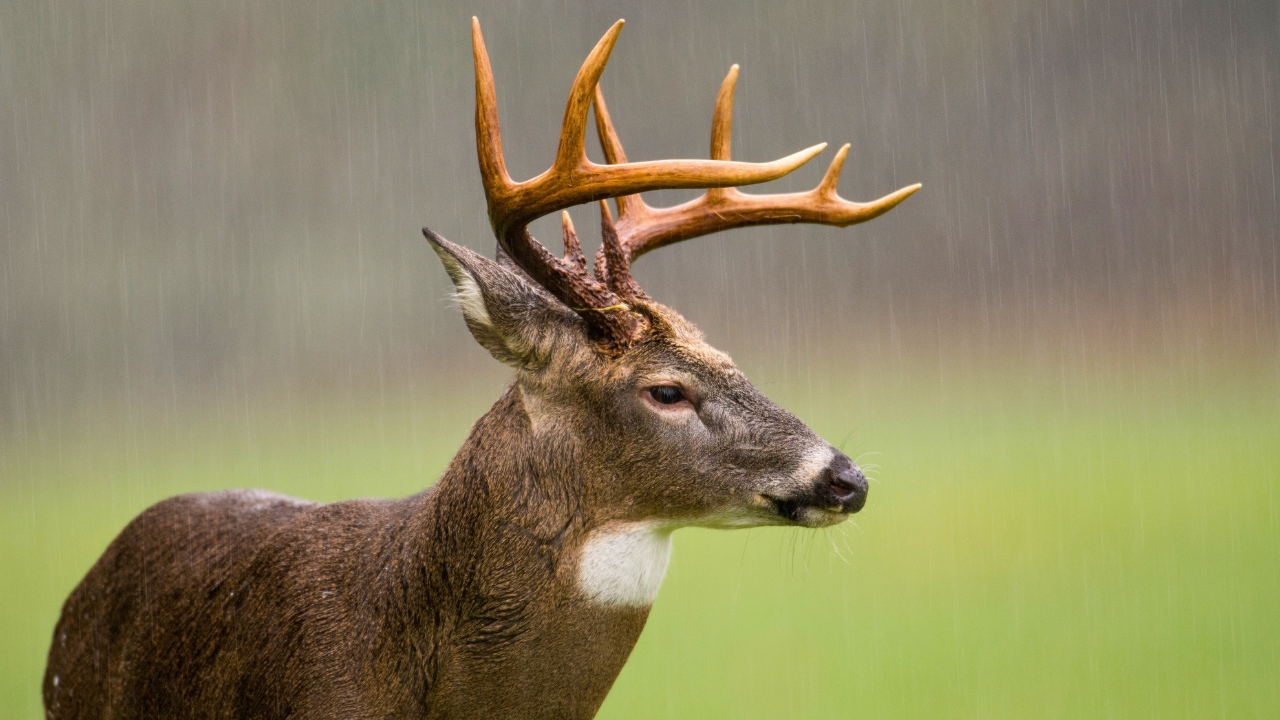
Animals don’t suddenly get smarter when hunting season starts. What changes is pressure, and pressure forces fast adaptation. The woods go from quiet and predictable to loud, scented, and constantly disturbed in a very short window. Trucks roll in before daylight, doors slam, boots hit the ground, and human scent shows up in places it wasn’t a few weeks earlier. Animals that survive learn to associate those cues with danger, and they adjust their movement accordingly. That adjustment doesn’t take a whole season. In many cases, it only takes one bad encounter for an animal to change how it uses an area. When hunters say deer or other game are “acting weird,” what they’re really seeing is a survival response to a risk level that just went up fast.
Pressure changes movement timing before it changes location
The first thing animals change under pressure is not where they live, but when they move. Daylight movement drops because daylight becomes dangerous, especially in areas with easy access and clear shooting lanes. Deer still travel the same core areas, but they compress movement into lower-risk windows like early morning, last light, or full darkness. They also shorten travel distances, choosing tighter routes that keep cover close and escape options available. This is why trail cameras suddenly go nocturnal and hunters assume animals left the property. Most of the time, they didn’t. They simply stopped moving in ways that expose them during daylight. The more consistent the pressure, the faster that shift happens, and once it happens, it tends to stick unless pressure drops.
Human scent teaches animals where danger exists
Scent does more long-term damage to movement patterns than gunfire. Animals can tolerate occasional loud noise, but repeated human scent in the same places teaches them exactly where people travel, stand, and sit. Boot tracks, ground scent, and lingering odor along access routes create invisible boundaries animals learn to avoid. This is why frequent stand checks, constant camera maintenance, and repeated walks through the same trails can shut down movement without a single shot being fired. During hunting season, animals are already alert, and fresh human scent reinforces caution. Over time, they begin routing around those areas entirely or only using them when conditions strongly favor escape. Hunters often underestimate how much information they give away just by walking where animals prefer to move.
Food and weather tighten behavior as risk increases

Hunting season often overlaps with colder temperatures and changing food availability, and that combination pushes animals to balance hunger against exposure. As food sources become more concentrated, animals don’t abandon them, but they approach them differently. Entry points change, timing tightens, and daylight use drops unless pressure is minimal. Bedding behavior also shifts toward locations that offer wind advantage, thermal cover, and quick exits. These changes aren’t random. They’re practical responses to a landscape that suddenly punishes mistakes. When hunters expect relaxed early-season feeding patterns to continue into late season, they’re usually watching the wrong places at the wrong times. The animals are still there, but they’re operating under a much narrower risk tolerance.
The rut creates short exceptions, not a reset
The rut can override caution temporarily, but it does not erase pressure behavior. Bucks may move more during daylight while chasing, but they still favor cover, still scent-check before committing, and still avoid heavily pressured access routes. The rut creates brief windows where urgency outweighs caution, not a full return to careless movement. Once those windows close, animals fall back into pressure-based patterns quickly. This is why hunters often see sudden spikes of activity followed by long quiet stretches and assume something changed overnight. What changed is that the temporary override ended. Pressure behavior never went away; it was just masked briefly.
Hunters who adjust pressure see animals others think are gone
The hunters who consistently see animals during season are usually the ones doing less intrusion, not more. They limit entries, control access routes, pay attention to wind, and stop sitting where animals used to be visible before pressure arrived. Instead of expecting animals to repeat old patterns, they intercept the safer routes animals switch to under risk. Once you assume animals are reacting logically to pressure, their behavior becomes predictable again. They aren’t vanishing. They’re surviving, and hunters who respect that reality tend to find them when others don’t.
Like The Avid Outdoorsman’s content? Subscribe to our newsletter so you never miss an article.
Here’s more from us:


