Photo credit: Enirehtacess/Pixabay.com
Stubborn dogs aren’t dumb dogs. In fact, the breeds that frustrate people the most are usually the ones that are too smart for their own good. These dogs understand commands just fine—they just decide whether following them is worth it. They evaluate incentives, read patterns, and test boundaries with intention. If you’ve ever owned a dog that makes eye contact and then deliberately does the opposite of what you asked, you already know the type. With these breeds, force and repetition don’t work. Consistency, leverage, and respect do. If you underestimate their intelligence or try to bully compliance, you’ll lose the long game. These are 15 dog breeds that are smart enough to out-stubborn you if you don’t meet them on their level.
Border Collie
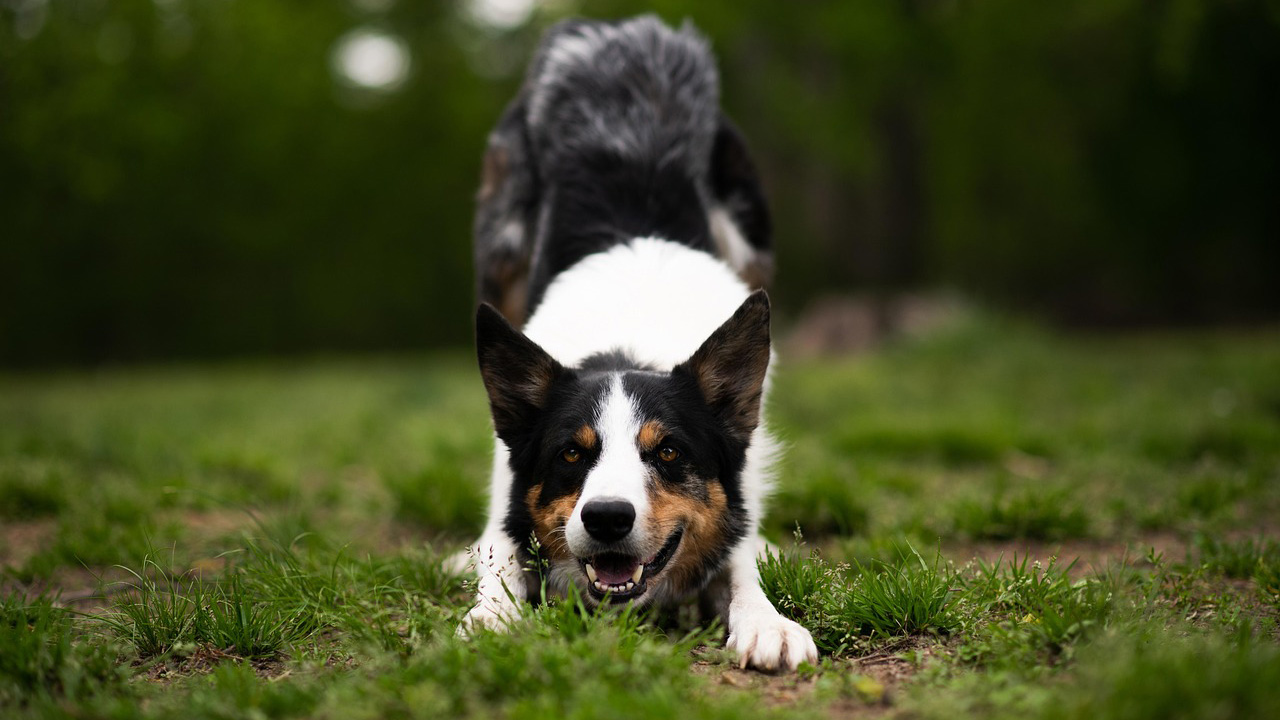
Border Collies are often labeled as the smartest dog breed, but that intelligence cuts both ways. They learn commands quickly, sometimes in a single repetition, which is exactly why they get stubborn. Once they understand the task, they start deciding how and when to do it. If a Border Collie thinks your request is inefficient or pointless, you’ll get hesitation, half-effort, or selective compliance. This isn’t defiance—it’s evaluation. They were bred to manage livestock independently, not wait for micromanagement. When bored or under-challenged, that brain turns inward and finds loopholes in your rules. You can’t out-repeat a Border Collie. You have to out-think them, keep sessions engaging, and give them reasons to care. If you don’t, they’ll absolutely train you instead.
Belgian Malinois
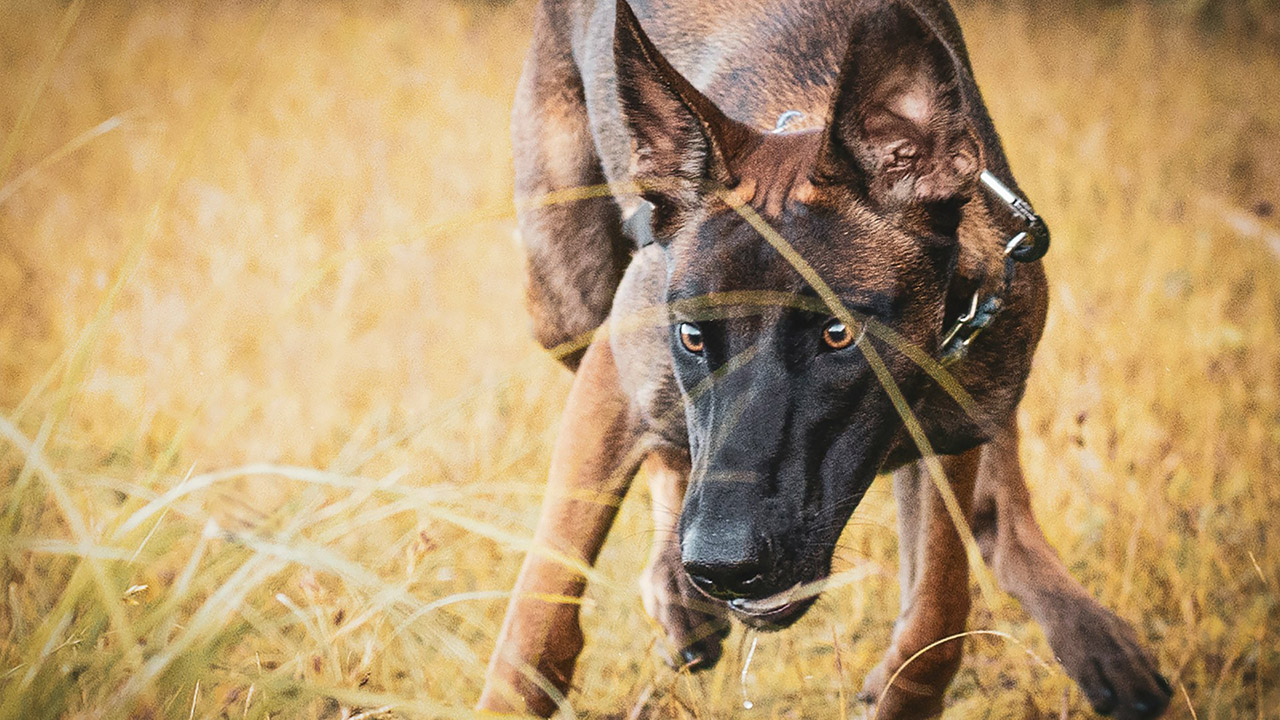
Belgian Malinois are intensely intelligent and deeply willful. They don’t just learn commands—they analyze handlers. A Malinois will quickly figure out what you enforce, what you ignore, and where your limits actually are. If your follow-through is inconsistent, they’ll exploit it immediately. This breed isn’t stubborn out of laziness; they’re stubborn because they’re confident problem-solvers with strong opinions. They were bred to work under pressure and make decisions in motion, which means blind obedience was never the goal. When a Malinois resists, it’s usually because the handler hasn’t earned clarity or respect yet. You can’t overpower them mentally or physically. You have to be precise, consistent, and worth listening to. Otherwise, they’ll run the relationship without hesitation.
German Shepherd
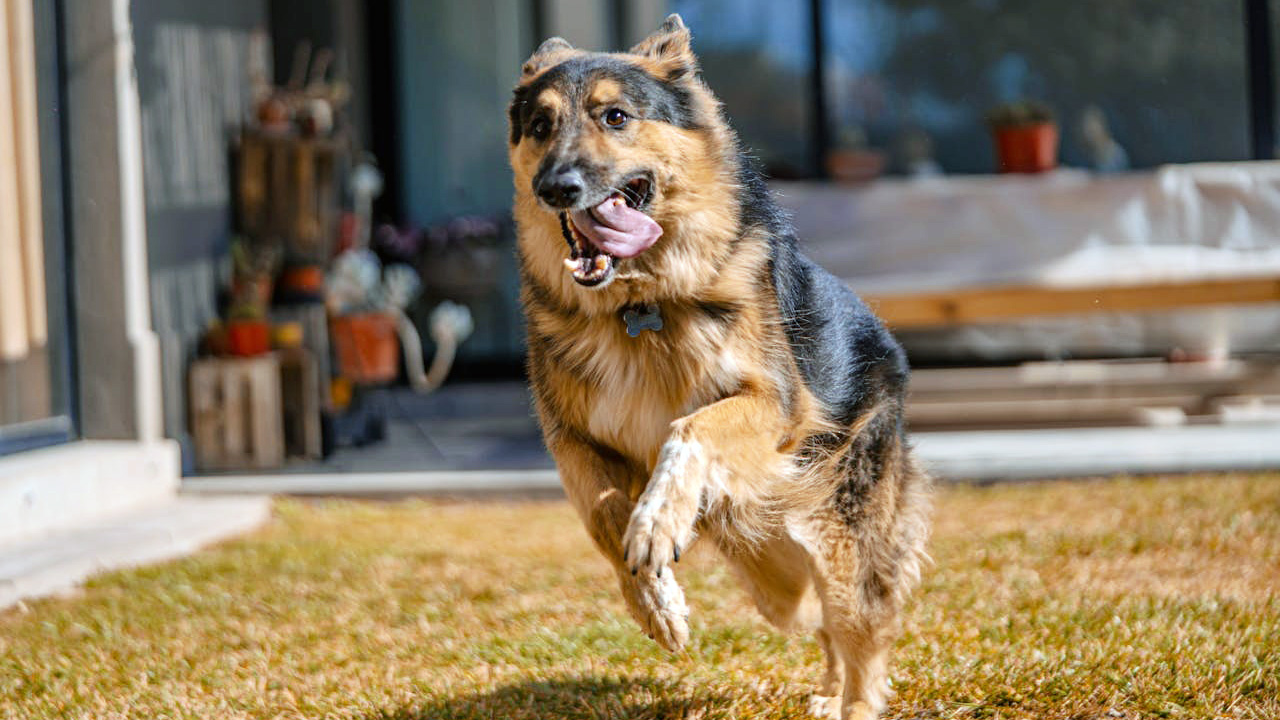
German Shepherds are intelligent, observant, and highly aware of hierarchy. They don’t respond well to vague leadership, and when they sense uncertainty, stubbornness follows. Shepherds often understand what you want but choose not to comply if they don’t trust your judgment or see the purpose. This shows up as slow responses, planted feet, or selective obedience in distracting environments. They’re not being difficult for fun—they’re assessing whether the command aligns with their internal logic. Shepherds were bred to think independently while still working under direction, which means they expect competence from their handler. If you’re inconsistent, overly emotional, or unclear, they’ll push back. Earn their trust and be fair, and they’ll work all day. Lose that trust, and they’ll question everything.
Australian Cattle Dog

Australian Cattle Dogs are famously stubborn because they’re exceptionally smart and independent. They were bred to move livestock that doesn’t want to be moved, often without direct supervision. That creates a dog that doesn’t blindly follow orders and doesn’t back down easily. When an ACD decides something isn’t worth doing, they’ll dig in—literally and figuratively. They’re quick to learn routines and just as quick to notice when rules aren’t enforced consistently. Their stubbornness often shows up as refusal, avoidance, or taking matters into their own paws. You can’t rush an ACD into compliance. You have to give them a reason, maintain structure, and respect their intelligence. If you don’t, they’ll challenge you daily, not out of spite, but because they believe they know better.
Doberman Pinscher

Dobermans are sharp, emotionally intelligent dogs that bond strongly to their person—and that bond fuels their stubborn streak. They don’t like being told what to do by someone they don’t respect or trust. When a Doberman resists, it’s often subtle: delayed responses, selective hearing, or choosing an alternate behavior they think makes more sense. They’re excellent at reading tone, posture, and intent, which means inconsistency gets exposed fast. Dobermans were bred to think on their feet and protect proactively, not wait for instructions at every step. If training feels unfair, confusing, or pointless, they’ll disengage. You can’t dominate a Doberman into submission. You have to build a partnership where compliance feels logical and rewarding, or they’ll quietly opt out.
Siberian Husky
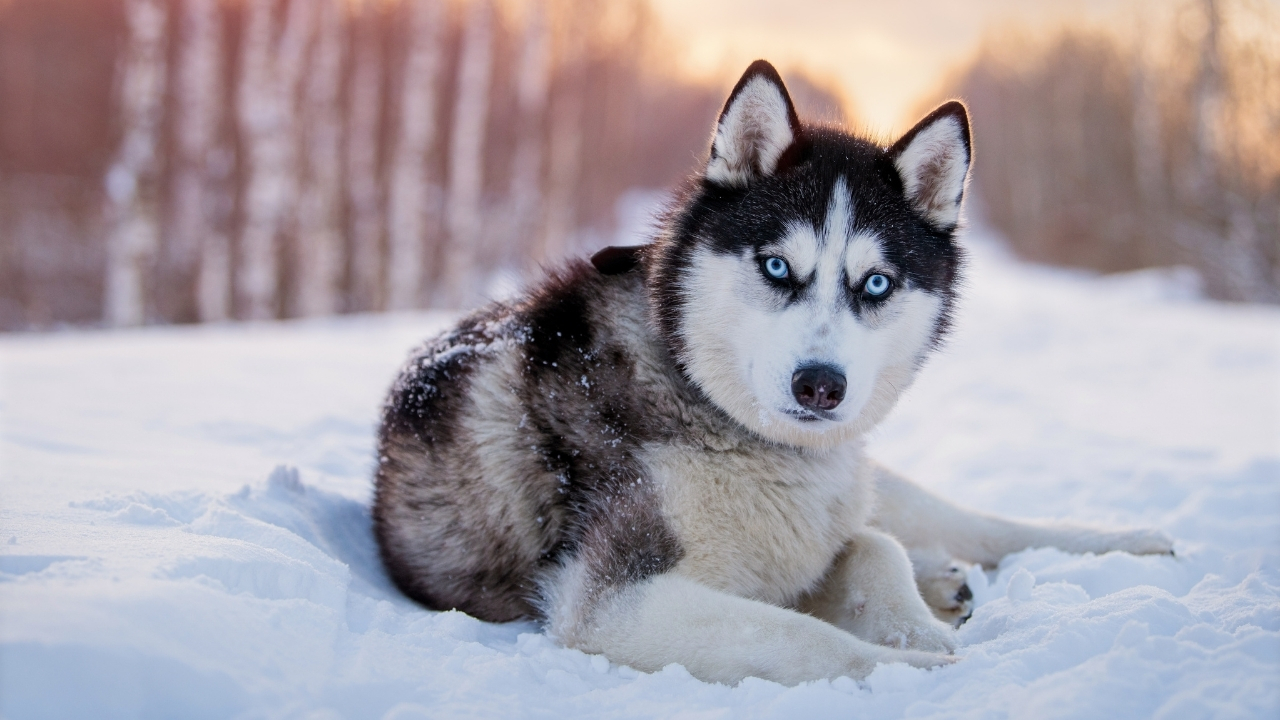
Huskies are intelligent, independent thinkers who see commands as suggestions unless properly motivated. They were bred to pull sleds over long distances with minimal direction, which means problem-solving and autonomy are hardwired. When a Husky ignores you, it’s not confusion—it’s a conscious choice. They understand exactly what you’re asking and have decided it’s not worth stopping what they’re doing. This breed is notorious for selective obedience, especially when recall competes with something more interesting. Huskies will test boundaries endlessly if rules aren’t airtight. You can’t rely on obedience alone; you need management, consistency, and incentives that actually matter to them. If you expect automatic compliance, a Husky will humble you quickly.
Jack Russell Terrier
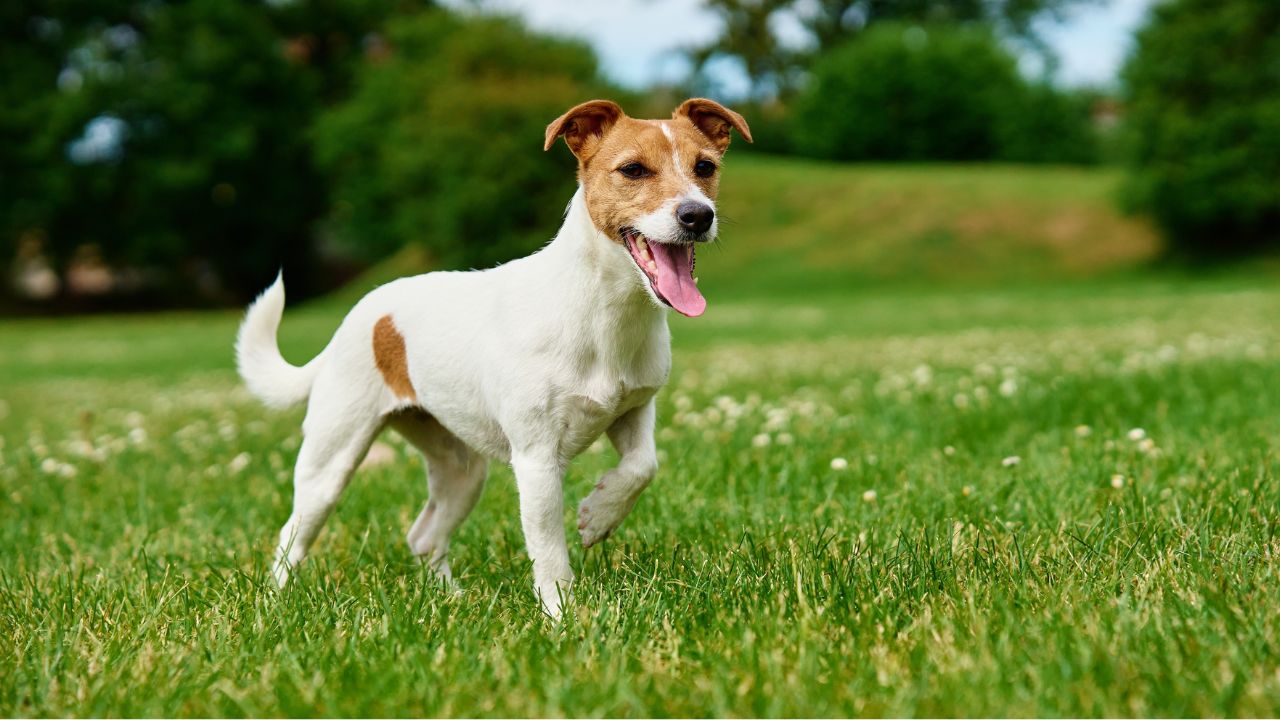
Jack Russells are small dogs with oversized brains and zero interest in blind obedience. They were bred to hunt independently underground, making rapid decisions without human input. That independence translates directly into stubbornness. A Jack Russell learns commands fast and then immediately decides whether following them aligns with their current mission. If not, good luck. They’re relentless testers of boundaries and masters of selective compliance. Their intelligence makes them creative rule-breakers, and their confidence means they don’t care if you’re annoyed. Training a Jack Russell requires patience, humor, and airtight consistency. If you give them an inch, they’ll take a mile and then dare you to stop them. Underestimate them, and you’ll spend years chasing your own tail.
Shiba Inu

Shiba Inus are famously stubborn because they’re intelligent, self-directed, and deeply independent. They don’t exist to please people, and they don’t respond well to coercion. A Shiba understands commands quickly but reserves the right to ignore them if they don’t see the value. This breed is excellent at reading situations and choosing the option that benefits them most. When pressured, they shut down or disengage rather than comply. Training a Shiba requires negotiation, consistency, and respect for their autonomy. If you try to force obedience, you’ll get resistance or avoidance. Their stubbornness isn’t defiance—it’s self-possession. Shibas don’t want to work for you; they want to work with you, and only when it makes sense to them.
Rhodesian Ridgeback

Ridgebacks are intelligent, confident dogs with a strong independent streak. They were bred to track and pressure large game without constant direction, which makes them natural decision-makers. That intelligence often shows up as stubbornness during training. A Ridgeback may understand a command perfectly and still choose not to comply if they don’t see the point. They don’t respond well to repetitive drilling or harsh correction. Instead, they disengage or quietly refuse. Ridgebacks require calm, consistent leadership and clear expectations. If training lacks purpose or structure, they’ll opt out. Their stubbornness isn’t loud or dramatic—it’s quiet, steady resistance. You earn compliance with respect, not force, or you won’t get it at all.
Weimaraner

Weimaraners are smart, emotionally complex dogs that quickly learn how to manipulate situations. Their stubbornness often comes from boredom or frustration rather than defiance. When under-stimulated, they’ll ignore commands, test boundaries, and push back against structure. They’re capable of learning quickly, but they also notice when rules change or enforcement slips. A Weimaraner will exploit inconsistency without hesitation. Their intelligence means they need engagement, not repetition. If training feels dull or unfair, they’ll resist by disengaging or acting out. You can’t half-commit with this breed. Either you provide structure and purpose, or they’ll create their own rules and stick to them stubbornly.
Alaskan Malamute

Malamutes are intelligent, strong-willed dogs bred to work independently under harsh conditions. They don’t respond to pressure or dominance the way some breeds do. When a Malamute resists, it’s because they’ve decided your request doesn’t align with their priorities. This breed understands commands but evaluates whether complying benefits them. Their stubbornness is rooted in confidence and self-reliance, not lack of intelligence. Training requires patience, consistency, and realistic expectations. If you try to force obedience, you’ll get planted feet and quiet refusal. Malamutes respect fairness and routine, not intimidation. If you don’t earn cooperation, they won’t give it.
Dutch Shepherd
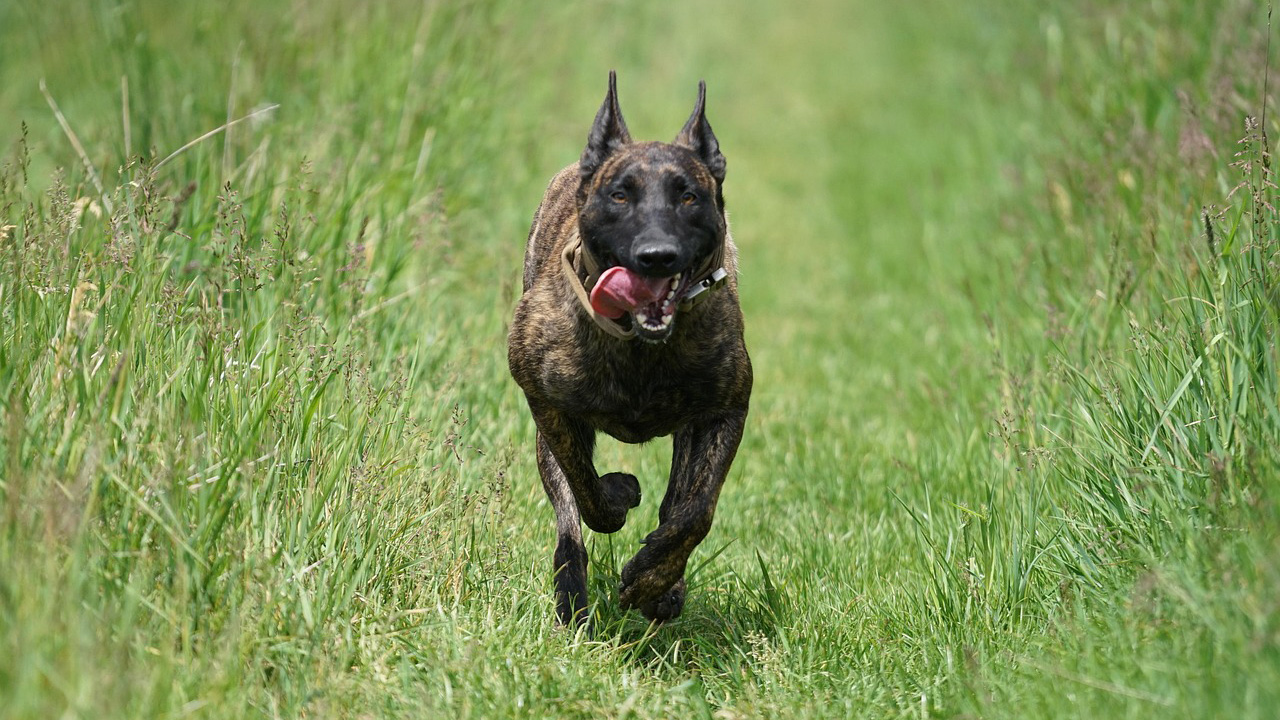
Dutch Shepherds are highly intelligent working dogs that expect clarity and purpose. When those are missing, stubbornness surfaces fast. They learn commands quickly but question leadership just as quickly if it’s inconsistent. A Dutch Shepherd will test boundaries to see what actually matters. If enforcement wavers, they’ll push further. Their intelligence demands structured training and meaningful work. Without it, they become resistant, reactive, or selectively obedient. You can’t coast with this breed. They require engagement, follow-through, and respect. If you underestimate them or rely on shortcuts, they’ll out-stubborn you every time.
Basenji
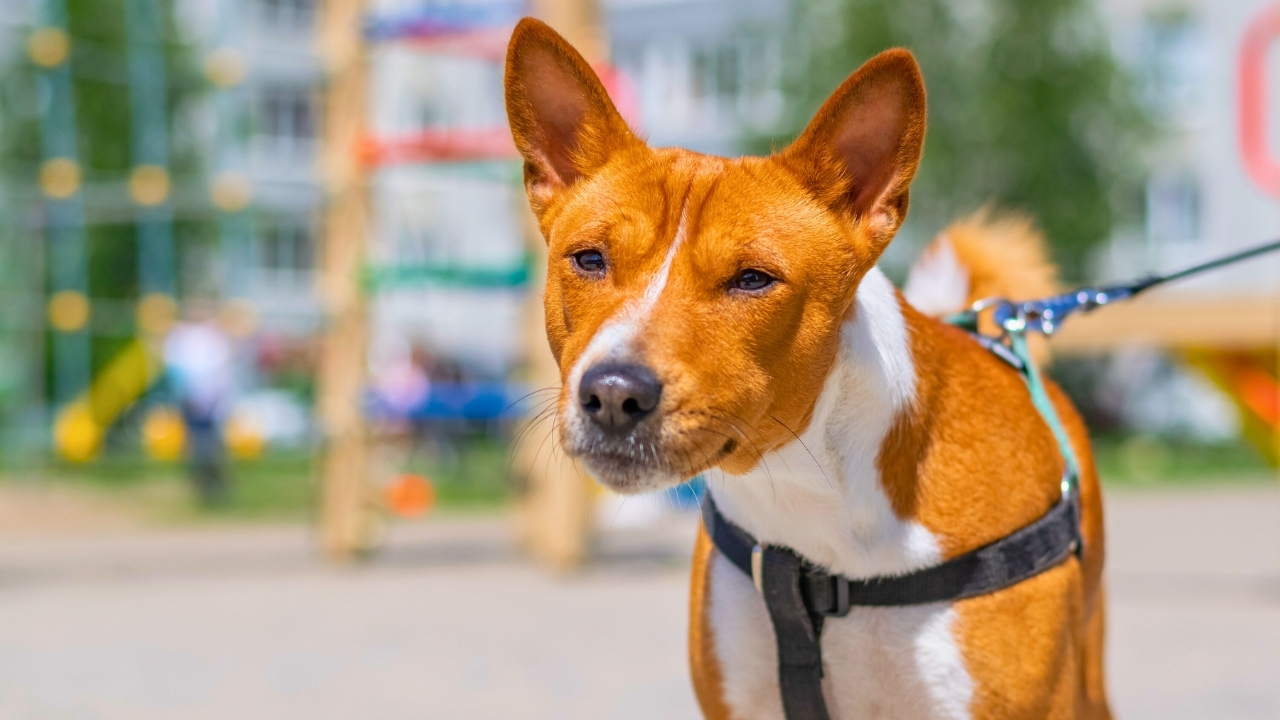
Basenjis are smart, independent, and famously uninterested in pleasing people. They were bred to hunt without human direction, which means obedience was never a priority. A Basenji understands commands but treats them as optional. Their stubbornness shows up as refusal, avoidance, or complete disengagement. They don’t respond to force or repetition and will simply shut down if pressured. Training a Basenji requires creativity, patience, and incentives that matter to them. If you expect compliance for compliance’s sake, you’ll be disappointed. Basenjis do what makes sense to them, and convincing them otherwise takes real strategy.
Coonhound
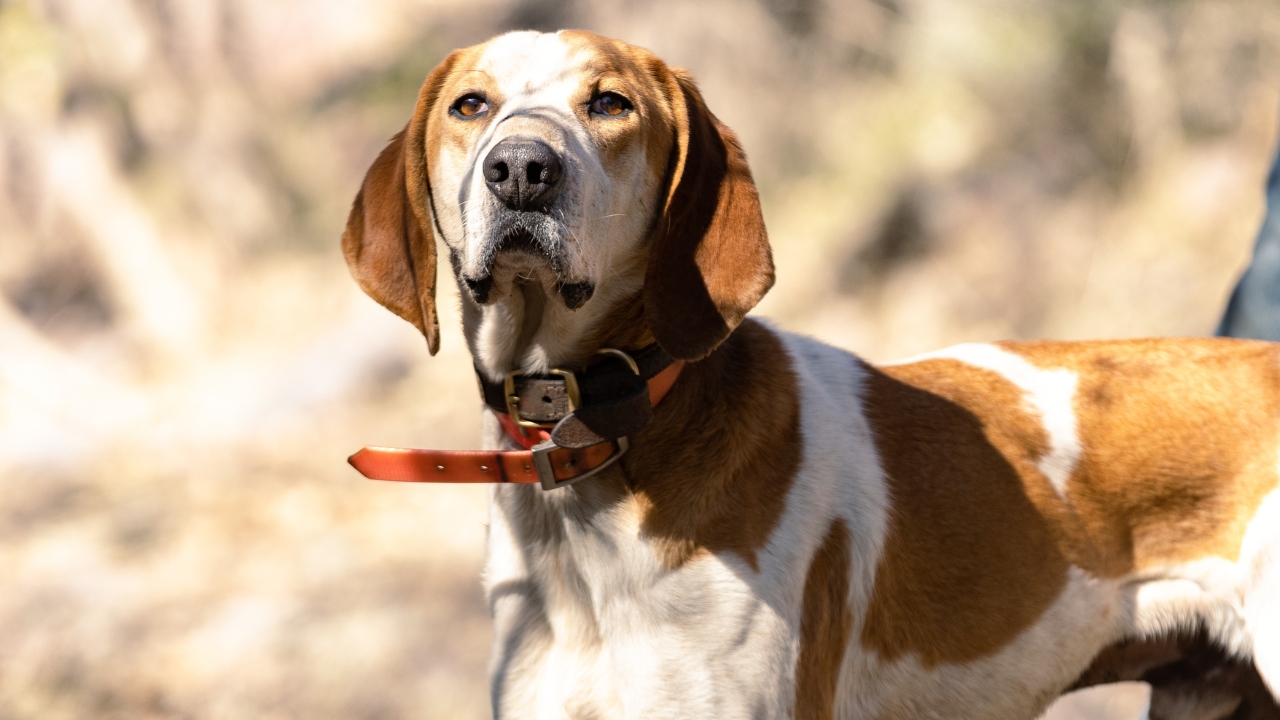
Coonhounds are intelligent scent-driven dogs that prioritize their nose over your voice. Once engaged, they tune everything else out—not because they’re dumb, but because their brain is locked onto a task. This selective focus looks like stubbornness, but it’s really commitment to what they were bred to do. Training a Coonhound requires understanding that obedience competes with instinct. They’ll learn commands, but when scent enters the picture, they’ll choose it unless training is rock-solid. Inconsistent handling leads to selective compliance. You can’t out-yell a Coonhound. You have to train smarter than their instincts.
Poodle
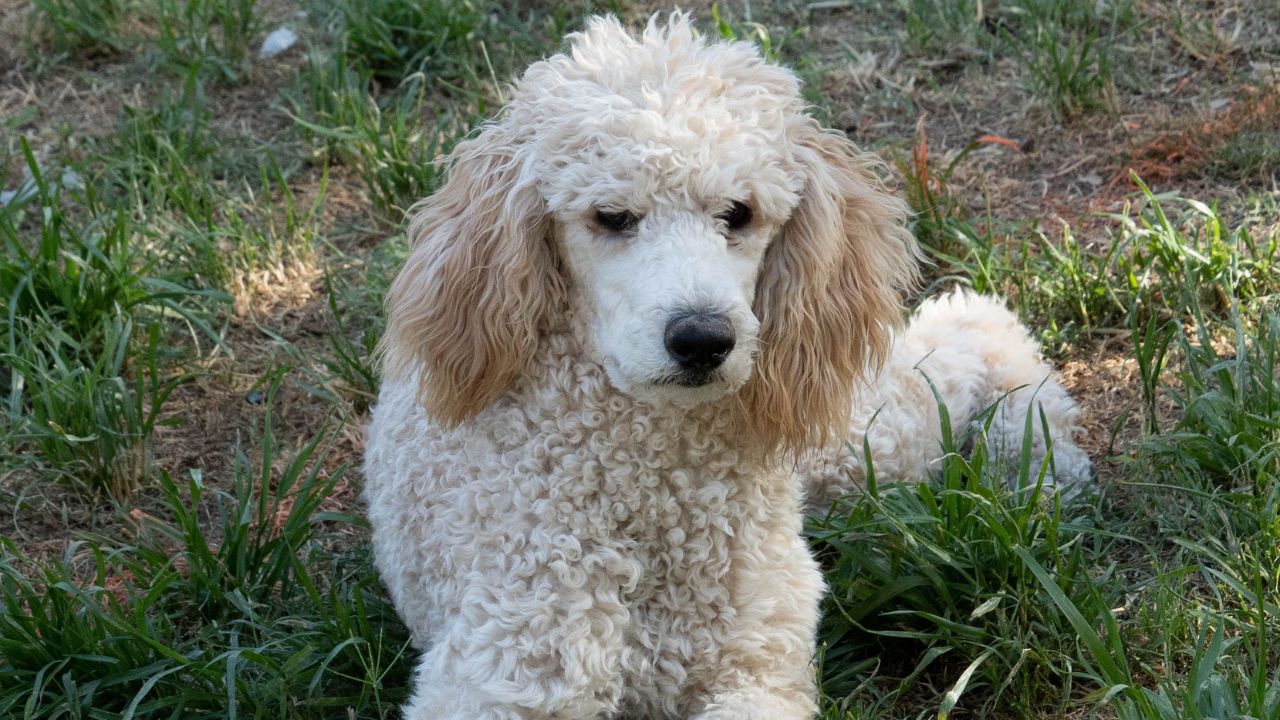
Standard Poodles are exceptionally intelligent and surprisingly stubborn. They learn commands fast and then start testing boundaries almost immediately. A Poodle will notice patterns in your behavior and exploit weak enforcement. Their intelligence makes them sensitive to boredom, and repetitive training leads to resistance. They don’t like being micromanaged and will disengage if sessions lack purpose. Poodles respond best to thoughtful, varied training that respects their intelligence. If you underestimate them because of their appearance, you’ll get out-stubborned quickly. They’re thinkers first, followers second.
Belgian Tervuren
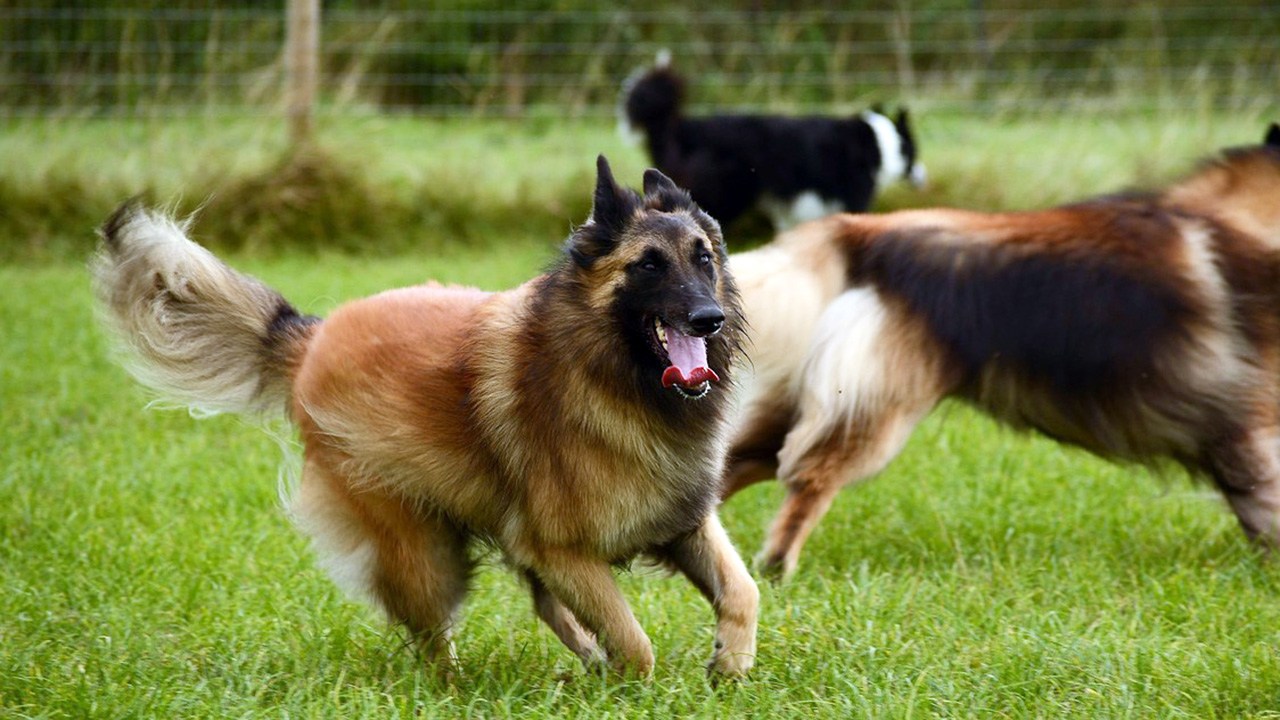
Belgian Tervurens are highly intelligent, sensitive working dogs that demand clarity. When expectations are unclear or inconsistent, they respond with hesitation and resistance. Their stubbornness often looks like overthinking—pausing, questioning, or choosing an alternate behavior. This breed was bred to work closely with humans while making independent decisions, which means blind obedience isn’t natural. Training requires precision, calm leadership, and consistency. If you rush, confuse, or pressure them, they’ll push back quietly but firmly. Earn their trust and provide structure, and they’ll work hard. Fail to do that, and they’ll out-stubborn you without raising their voice.
Like The Avid Outdoorsman’s content? Subscribe to our newsletter so you never miss an article.
Here’s more from us: