Photo credit: Anelo/Shutterstock.com
Some rifle cartridges get constant attention because they are new, loud, fast, or tied to a very specific trend. Others keep doing useful work year after year without getting much credit for it. That usually happens when a round sits in an awkward spot in the conversation. Maybe it is too old to feel exciting, too practical to inspire hype, or too overshadowed by bigger names in the same general role. None of that means it stopped making sense.
In a lot of cases, these overlooked cartridges are still excellent tools. They shoot well, hunt effectively, and often make ownership easier than the trendier options people keep talking about. Some offer great balance. Some offer mild recoil. Some simply fill a real hunting lane without demanding much attention for it. The fact that they are not always at the center of the conversation says more about the market than it does about the cartridge itself.
.257 Roberts

The .257 Roberts deserves more respect because it still offers one of the most sensible blends of mild recoil, useful velocity, and real deer-hunting performance a shooter can ask for. It is easy to shoot well, effective on deer-sized game, and pleasant enough that owners tend to practice more instead of less. That alone should keep it in more conversations than it usually gets.
What hurts the Roberts is that it lives in the shadow of louder names. It never got pushed as hard as the .243 Winchester or the .25-06, and that made it easier for people to forget how smart the cartridge really is. In actual field use, though, it remains efficient, practical, and very easy to appreciate.
.280 Remington
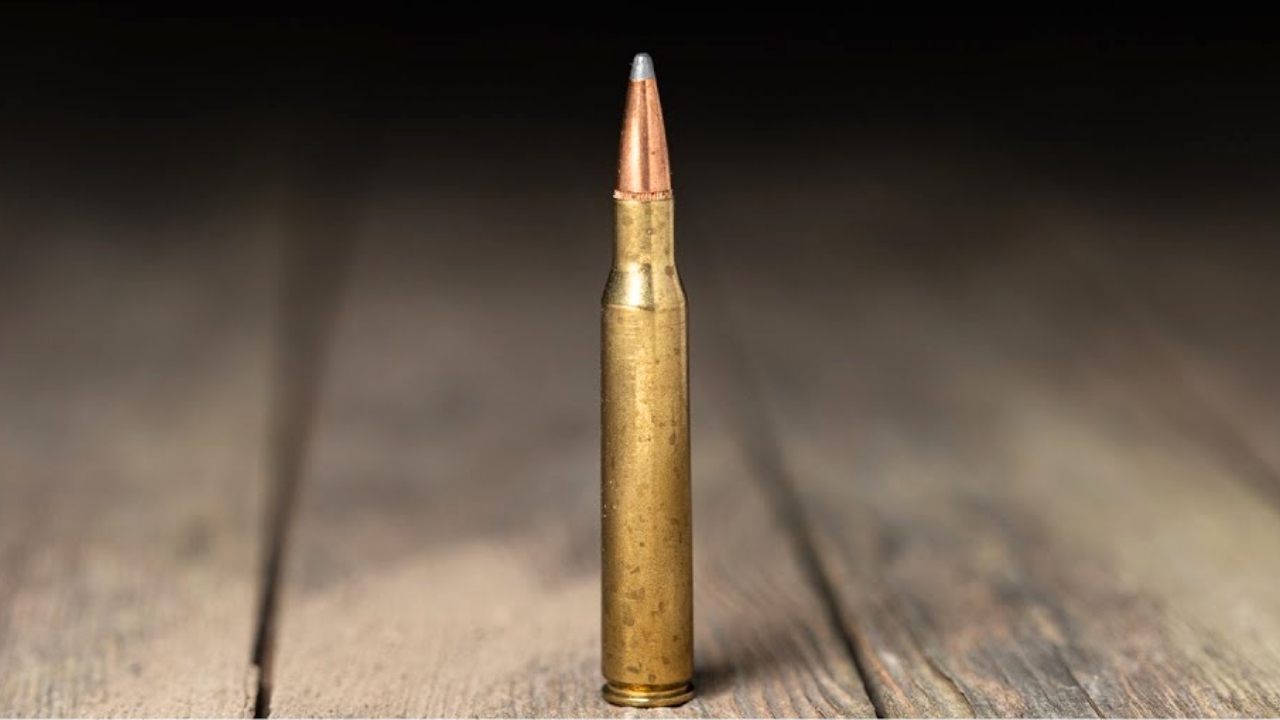
The .280 Remington deserves more respect because it sits in one of the best all-around hunting slots in the rifle world. It offers excellent versatility, enough reach for open country, manageable recoil, and strong performance across deer, hogs, black bear, and bigger game with the right bullets. On paper and in practice, there is very little not to like.
The problem is that it has spent most of its life being compared instead of simply being appreciated. It lives between the .270 Winchester and the .30-06 in the minds of many shooters, and that has kept it from getting the credit it deserves. In real hunting use, it often feels like one of the smartest middle-ground cartridges ever built.
.35 Whelen
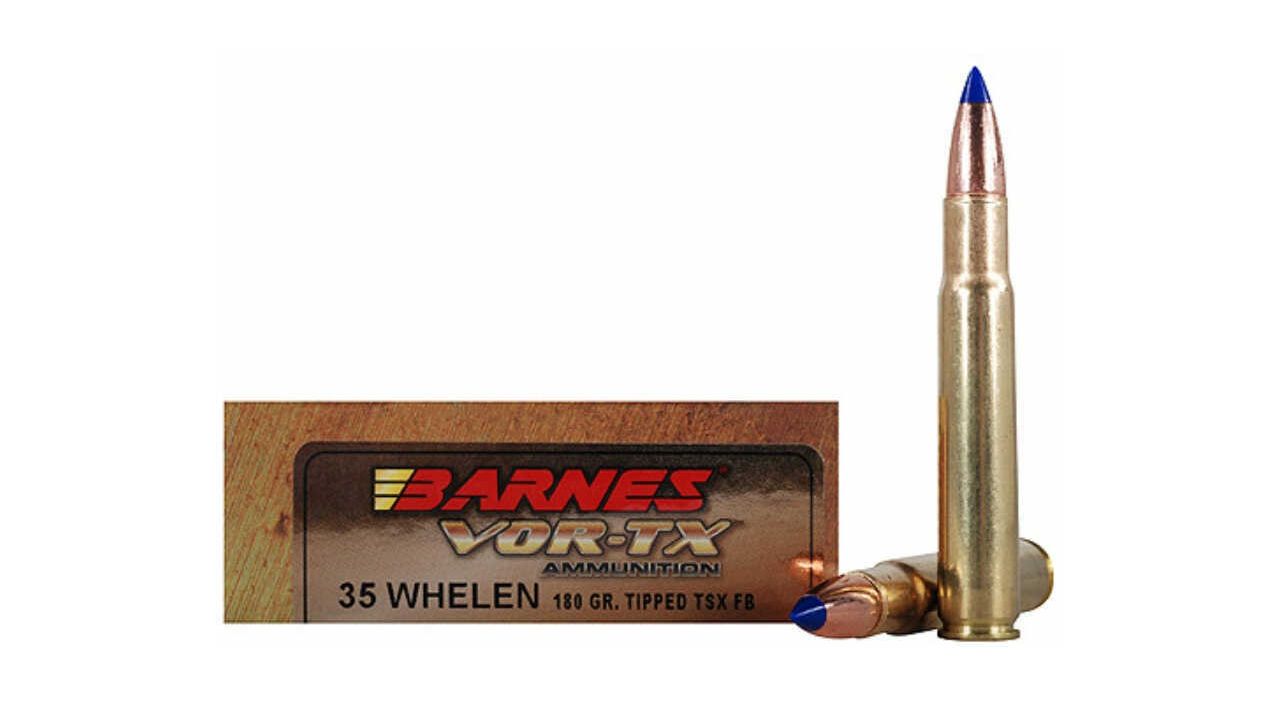
The .35 Whelen deserves more respect because it offers a kind of honest, hard-hitting field performance that still matters, especially on bigger-bodied game and in rough hunting conditions. It is not flashy, and it is not trying to dominate long-range arguments. It is trying to hit hard, penetrate well, and give hunters a lot of confidence without forcing them into oversized magnum recoil.
That straightforward usefulness is exactly why it should be talked about more. Too many shooters overlook it because it is not trendy and because it sounds like a specialist’s cartridge. In reality, it is one of the more sensible heavy-hitting hunting rounds out there for people who want authority without unnecessary drama.
.300 Savage

The .300 Savage deserves more respect because it still does a lot of practical deer and general hunting work without asking for much in return. It offers sensible recoil, useful performance, and a very strong record in the kind of normal hunting distances where many animals are actually taken. It may not dominate current store shelves, but the cartridge itself still makes a lot of sense.
It gets overlooked mostly because time passed it by in the marketing world, not because it stopped being useful. Hunters who know the cartridge usually understand that it was and still is a very effective round within its lane. It deserves more appreciation simply because it still works as well as many hunters actually need.
7×57 Mauser

The 7×57 Mauser deserves more respect because it remains one of the classic examples of a cartridge that got the balance right early and never really lost it. Recoil is moderate, field performance is proven, and the cartridge has handled game much larger than many modern shooters assume. It is easy to understand once you stop judging everything by hype and velocity charts.
The 7×57 tends to get forgotten because it does not fit modern trend language very well. It is not a hot new precision round, and it is not a common big-box talking point. But in actual use, it is still a very refined, very capable hunting cartridge that has earned far more appreciation than it usually gets.
.338 Federal

The .338 Federal deserves more respect because it solved a very real hunting problem in a very practical way. It gives shooters a bigger bullet with meaningful authority in a short-action format without forcing them into the kind of recoil and rifle bulk that larger magnums often bring with them. For woods hunting, larger game, and practical field use, that is a pretty smart formula.
What has held it back is visibility, not usefulness. It never became a mainstream darling, so a lot of shooters never gave it a fair look. But for people who understand where it shines, the .338 Federal remains a very serious and very underappreciated hunting round that deserves more attention than it gets.
.25-06 Remington

The .25-06 deserves more respect because it often gets treated like an older, less fashionable answer to a problem people assume newer cartridges solved better. That misses the point. It is still a very effective deer and antelope cartridge with good reach, mild enough recoil, and a field record that more than justifies its continued use.
Its lack of respect often comes from being taken for granted. People know it works, so they stop talking about it. That is not the same as it becoming less useful. In real hunting conditions, the .25-06 remains one of the better choices for people who want flat enough performance without the cost and kick of something more extreme.
.260 Remington

The .260 Remington deserves more respect because it is an excellent example of a cartridge that was genuinely smart but got crowded out by better marketing and timing from other 6.5 options. It offers useful recoil levels, strong ballistic performance, and real-world practicality for deer-sized game and target use. There was never much wrong with the cartridge itself.
What happened is that it got caught between trend waves and stronger commercial momentum elsewhere. That should not erase what it actually is. The .260 remains a very capable and very sensible round that still deserves more credit from shooters who care about real performance instead of only popularity.
.358 Winchester

The .358 Winchester deserves more respect because it remains one of the more practical close-to-moderate-range hunting cartridges for people who want a hard-hitting round in a short-action rifle. It brings a bigger bullet, serious authority, and a level of usefulness in rough country that many shooters would appreciate more if they spent time actually hunting with one.
It gets overlooked because it does not fit the modern obsession with range and speed. But in thick timber, on bigger-bodied game, and in situations where authority matters more than trajectory bragging rights, the .358 Winchester still makes excellent sense. That alone should earn it more respect than it usually gets.
.243 Winchester

The .243 Winchester deserves more respect because too many people talk about it like it is only a beginner’s cartridge or a compromise choice. That is a shallow reading of what it actually offers. It remains one of the smartest deer cartridges for shooters who value accuracy, lower recoil, and practical effectiveness within normal hunting distances.
The cartridge has probably suffered from being too common and too approachable. Because it is so easy to recommend, people sometimes forget how genuinely useful it is. In real life, a cartridge that helps people shoot well and kill cleanly deserves a lot of respect, and the .243 still fits that description extremely well.
.32 Winchester Special
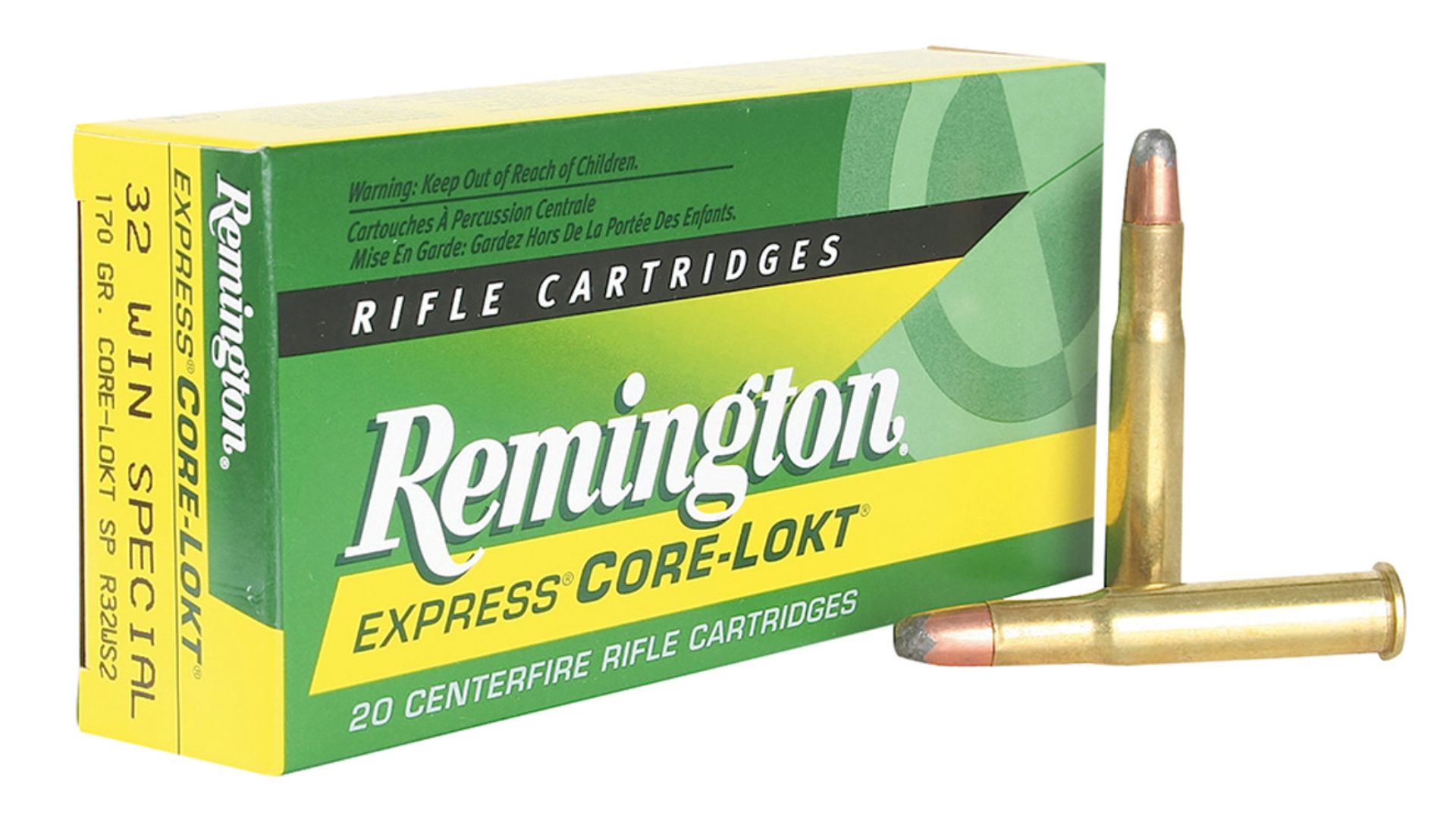
The .32 Winchester Special deserves more respect because it is often dismissed as little more than a footnote next to the .30-30. That is unfair. In the right lever gun and inside ordinary woods-hunting distances, it remains a useful, capable cartridge with the kind of practical field value that made it worth creating in the first place.
It tends to get lost simply because it was never as dominant as its more famous neighbor. But that does not make it a poor choice. For hunters who appreciate traditional lever-gun cartridges and real close-country performance, the .32 Winchester Special still deserves more attention than it usually gets.
.35 Remington

The .35 Remington deserves more respect because it remains one of the better examples of a cartridge that stayed honest to its role and kept delivering in it. In thick woods, on deer and hogs, and in close-to-moderate-range hunting, it still offers exactly what many hunters need: quick handling rifles and strong, straightforward terminal performance.
The market moved away from cartridges like this because conversation moved toward speed and range. The hunt itself did not always move with it. That is why the .35 Remington still deserves real respect. It continues to fit a style of hunting that never stopped being common, even if it stopped being fashionable.
6.5×55 Swedish

The 6.5×55 Swedish deserves more respect because it remains one of the smoothest, most proven all-around hunting cartridges ever built. It offers good accuracy, moderate recoil, and very practical field performance on deer-sized game and beyond. Shooters who know it well often speak highly of it, and for good reason.
It tends to be overlooked mostly because it is older and less visible in mainstream American rifle conversations. That should not be mistaken for weakness. The cartridge is efficient, capable, and deeply proven. A round that stays this useful for this long without much hype usually deserves more admiration than it gets.
.45-70 Government

The .45-70 deserves more respect because too many people talk about it like it is only a nostalgia piece or a specialty thumper for people who want something dramatic. In truth, it remains a highly practical cartridge in the right terrain and for the right game. Thick timber, hogs, black bear, and close-range hunting are all places where the .45-70 still feels completely legitimate.
It gets underappreciated because it is often judged by the wrong standard. It is not supposed to be a flat-shooting all-rounder. It is supposed to deliver close-range authority from practical rifles, and it still does that very well. Cartridges that remain this effective in a real hunting lane deserve more than novelty status.
.22 Hornet

The .22 Hornet deserves more respect because it continues to be a very useful small-game and varmint cartridge for shooters who appreciate mild report, low recoil, and practical field effectiveness without stepping up to hotter, louder centerfires. It fills a role that still makes sense, especially for careful shooters who value efficiency more than raw speed.
It tends to get ignored because it is not flashy and because newer varmint rounds took the spotlight. That does not mean the Hornet stopped being good. It simply means it stopped being fashionable. In the right hands and the right conditions, it is still one of the more charmingly useful cartridges around and deserves far more credit than it gets.
Like The Avid Outdoorsman’s content? Subscribe to our newsletter so you never miss an article.
Here’s more from us: