Photo credit: VSB defense/YouTube
If you carry a .380, you know the rules: it has to vanish in your pocket or coat, work when you need it, and be easy to shoot under pressure. Modern .380 pocket pistols have come a long way — slimmer frames, better sights, improved triggers, and tolerances that make them surprisingly capable for what they are. This roundup focuses on pistols that combine concealability, real-world reliability, and usable ergonomics. I’m not selling fantasy — these are practical, proven designs you can trust to disappear on your person and still function when the situation calls for them. Each pick balances control versus size, and each one earns a spot because it solves the core problems most pocket guns introduce: awkward grip, poor sights, and fussy feeding. Read these like you’d read a mechanic’s notebook — what they do, why they matter, and where each pistol shines for everyday carry.
Glock 42
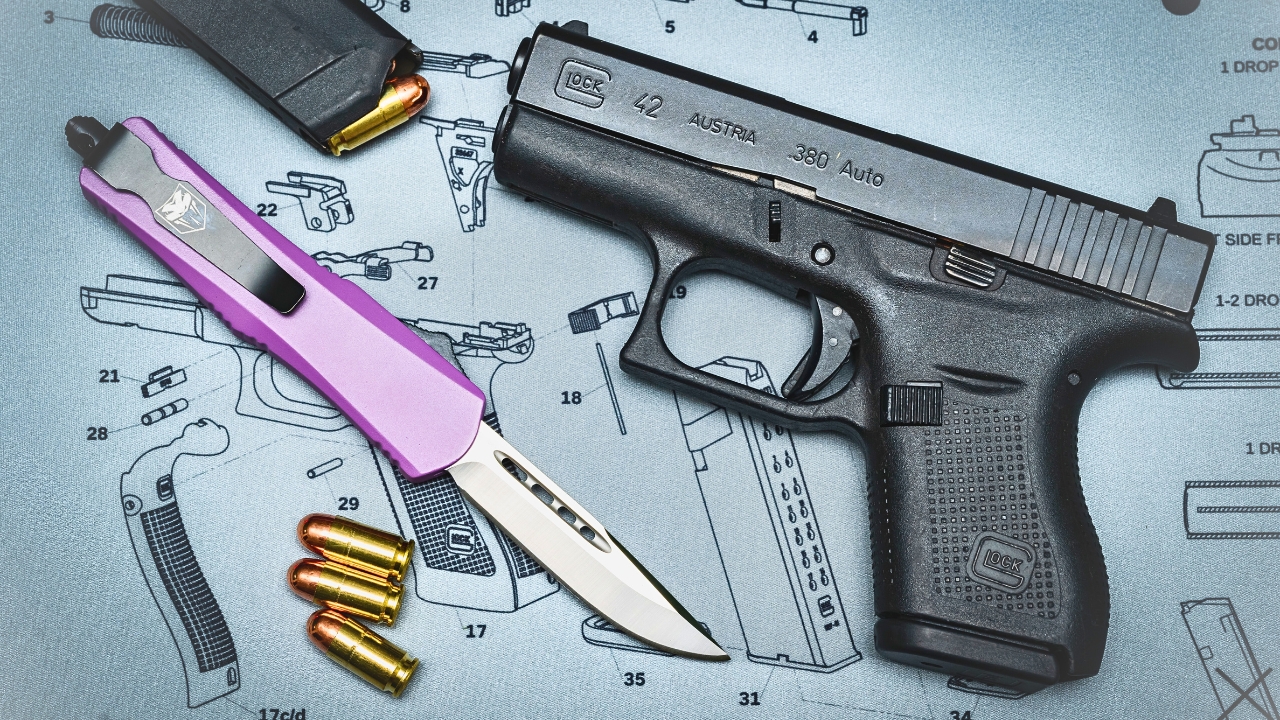
The Glock 42 brought Glock’s signature simplicity to the .380 class: polymer frame, a low profile, and a trigger system that’s familiar and predictable. Where compact Glocks used to be large, the 42 shrinks the footprint without turning the ergonomics into a mess. That means you get the same kind of safe, repeatable trigger action and a slide that’s easy to rack, even when you’re moving fast.
It’s a straightforward carry pistol: minimal controls, solid reliability out of the box, and a slide/frame pairing designed to be idiot-proof. If you want something that performs like a Glock and disappears in a pocket or small holster, the 42 does that without drama. It’s not the fanciest handling .380, but it’s the kind you’ll trust when you don’t have time to babysit gear.
SIG Sauer P238

The P238 is a compact single-action that leans classic — metal slide, crisp trigger, and an old-school feel in a modern package. It’s aimed at shooters who prefer a lighter, flatter trigger pull and a more traditional pistol shape. That translates into very controllable follow-up shots for a pocket gun and an intuitive sight picture for many shooters.
SIG built the P238 to be a pocket-size companion that still feels like a proper handgun, not a novelty. It feeds modern defensive ammo reliably and handles like a small handgun instead of a toy. If you like a little metal and a clean trigger in a tiny chassis, the P238 is one of the best ways to get that without sacrificing reliability.
Ruger LCP II

Ruger’s LCP II rebooted the original with better ergonomics and a usable trigger. The frame profile improved hand purchase, the sights were raised just enough to be practical, and the controls stayed minimal so it would still disappear in a pocket. Ruger didn’t try to make it a full-size pistol — they made it a better pocket pistol.
Where the first LCP was functional but finicky for some hands, the LCP II gives you a gun you can shoot faster and more accurately off a small frame. If concealment is the top priority but you still want something pleasant to shoot for the occasional range session, the LCP II earns its keep. It’s a workhorse in the “tiny and hidden” category.
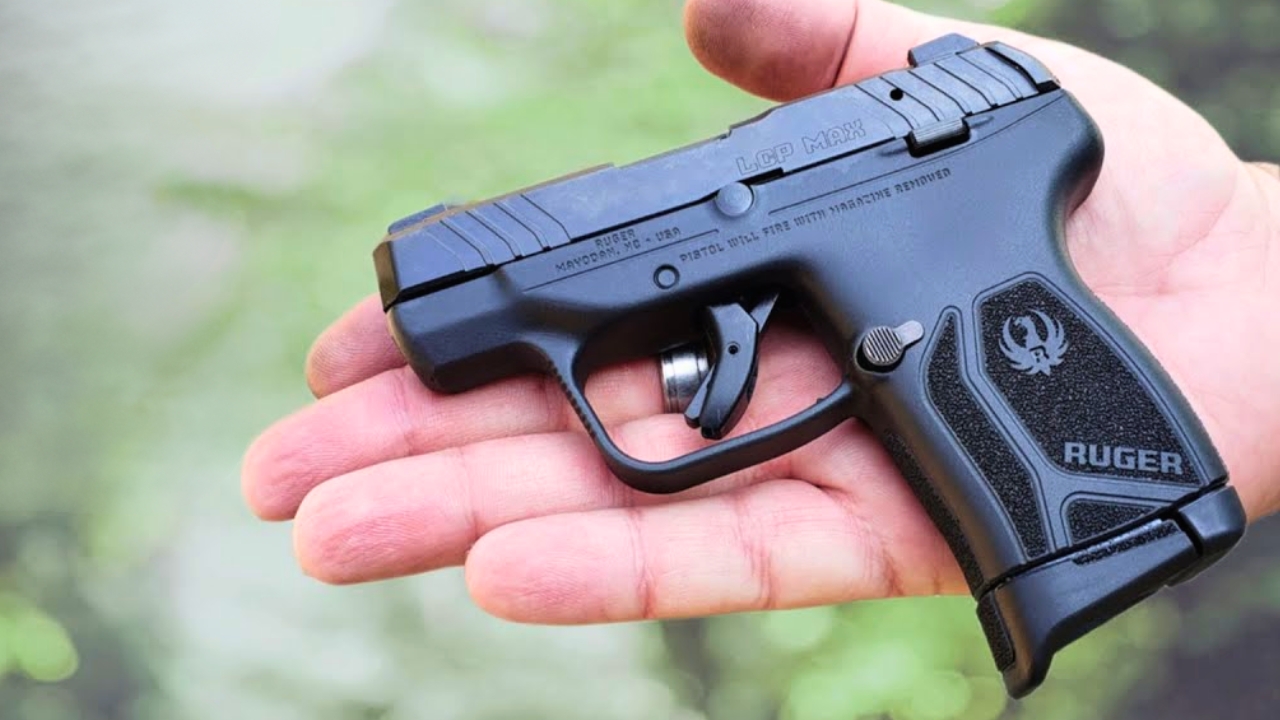
Ruger LCP Max

The LCP Max takes Ruger’s small-frame idea and stretches the capability envelope — more capacity and a slightly friendlier grip without losing the pocketable silhouette. It’s clearly aimed at people who want the smallest possible package that still gives them more shots and better control under recoil. Ruger tightened the ergonomics and made the slide easier to manage than many earlier micro pistols.
In practice that means you get a pistol that carries like a true pocket gun but shoots like a pistol you can train with. If you were willing to trade a hair of concealability for more performance, this one gives you that extra margin without turning the gun into a full-size carry option.
Kahr CW380
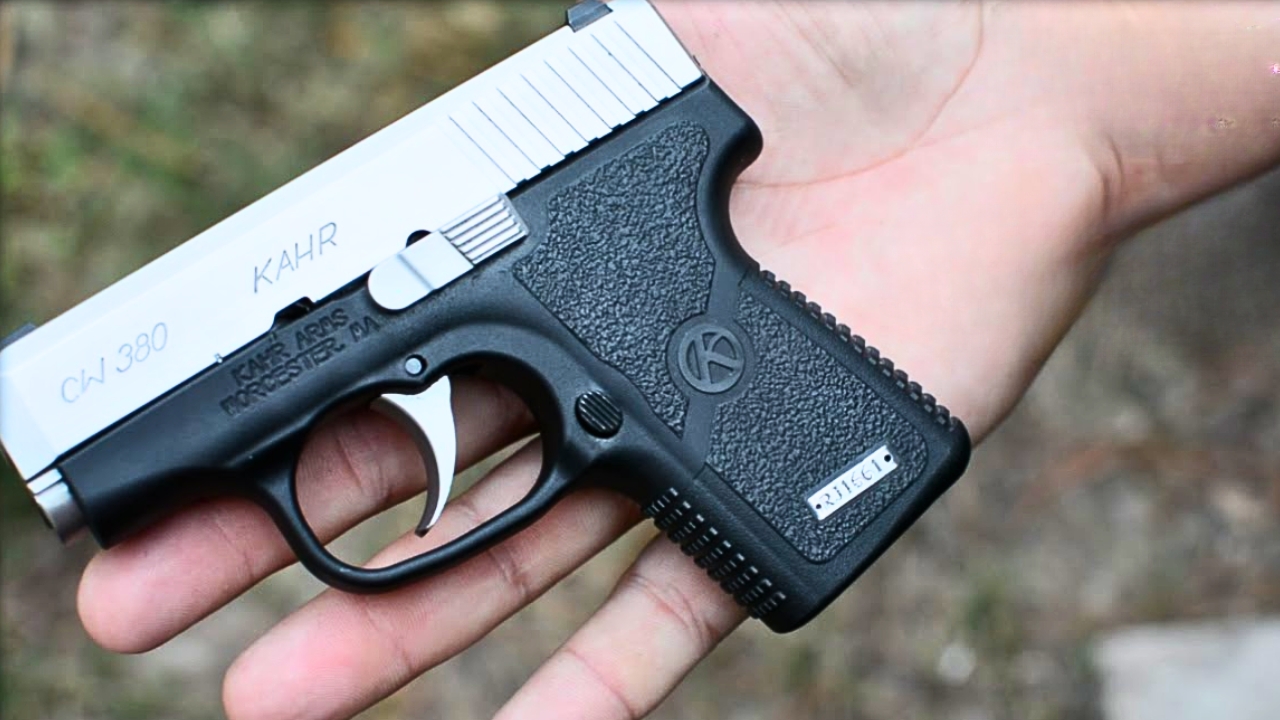
Kahr’s small pistols always lean toward simplicity and smooth triggers, and the CW380 follows that formula. It’s a slim, steel-on-steel-feel pistol in a compact package, aimed at shooters who want a clean trigger and a low bore axis so recoil is manageable. Kahr tuned the ergonomics for a secure grip despite the tiny frame, and the result is a pocket pistol that’s pleasant to shoot.
The CW380 isn’t flashy, but it’s quietly effective: dependable feeding, predictable handling, and a profile that slides into a pocket or ankle holster without fuss. If your carry philosophy is “small, simple, and reliable,” this one will slot into that mindset and stay out of your way until you need it.
Walther PPK/S (in .380)
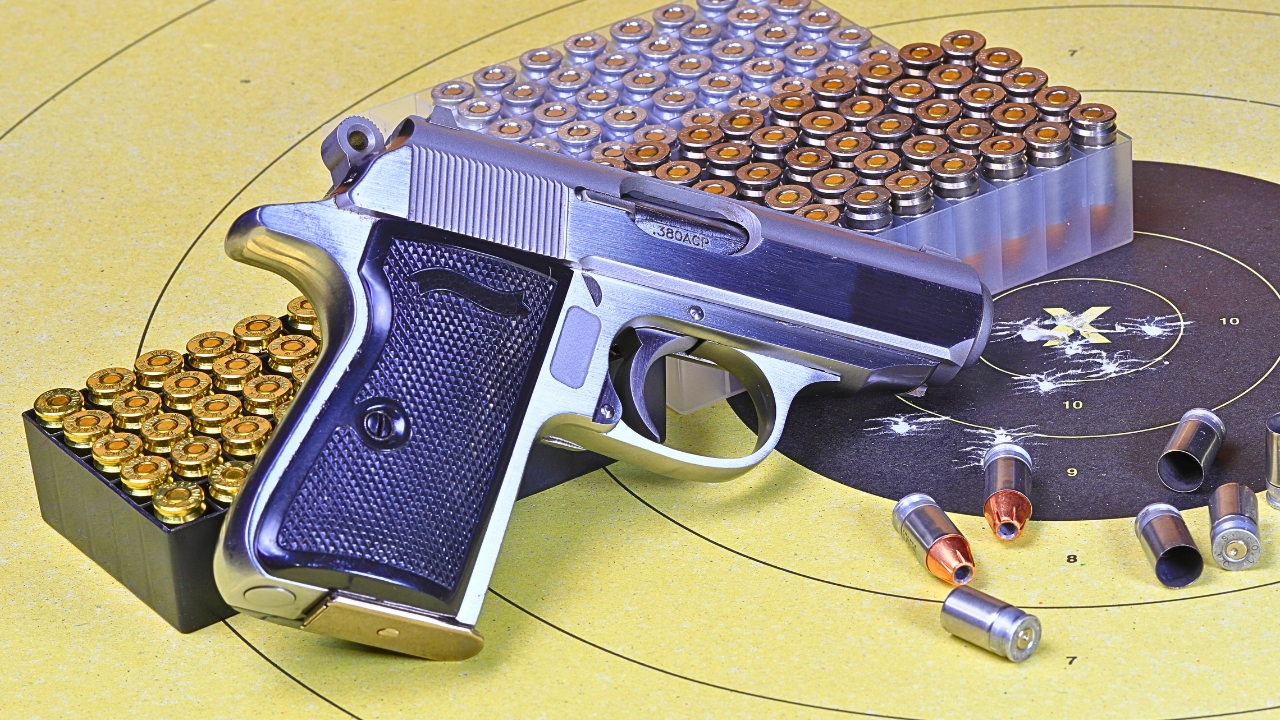
The PPK/S carries history in its curves — compact, slick, and familiar to generations of shooters. In .380 it’s a neat blend of compactness and shootability: the frame is small, but the grip and balance make it approachable for shooters used to metal pistols. The PPK/S favors a more deliberate shooting style, and it rewards deliberate practice with accurate results.
It’s not the fastest pistol to manipulate, but you gain a solid manual of arms, a clean single/double action feel, and a design that’s been refined for decades. If you want a carry gun with classic ergonomics and dependable function, the PPK/S is still a smart, tried-and-true option.
Walther PK380
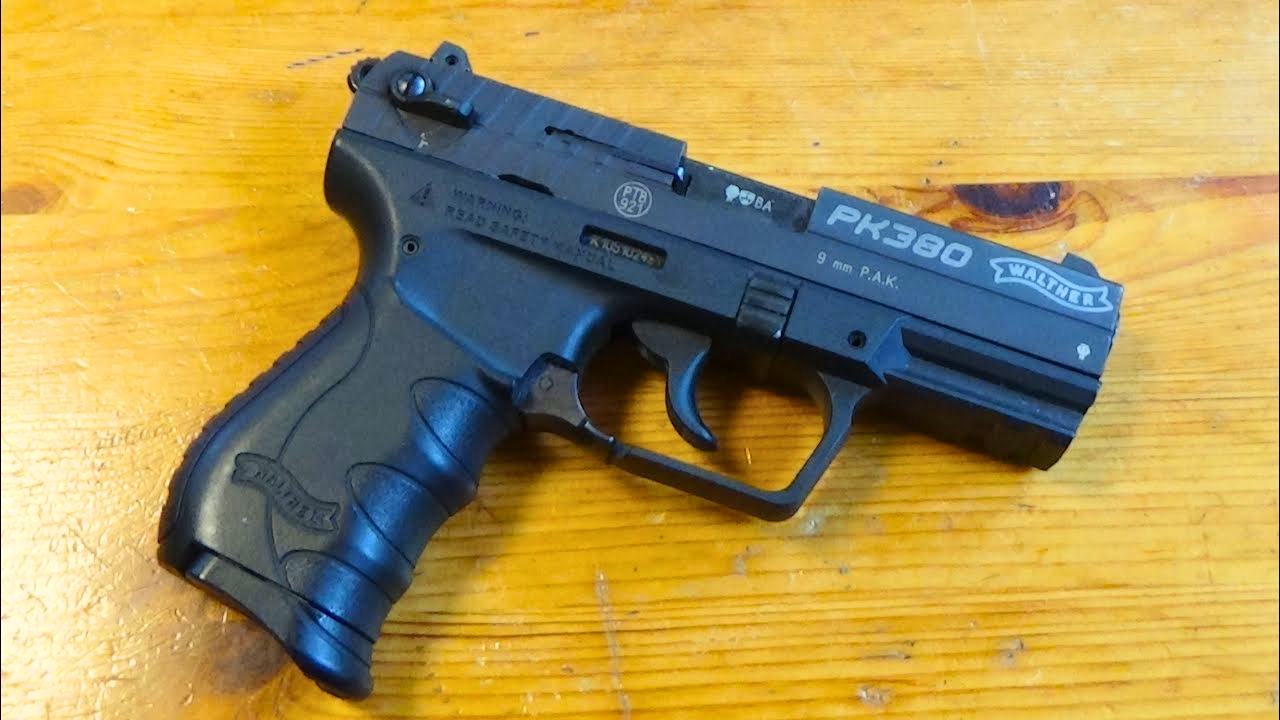
The Walther PK380 is a slightly larger, more ergonomic step into .380 world than the PPK line. The longer grip and more modern controls make it easy to shoot accurately and provide a handfilling feel uncommon in pocket pistols. Walther tuned the ergonomics around practical shooting rather than strictly minimal size, which pays off when you need to run accurate follow-up shots.
It’s not the absolute tiniest carry option, but if you prioritize shootability and a natural, secure grip over pure concealment, the PK380 manages that balance well. It gives you more usable ergonomics while still being small enough for discreet carry in many situations.
Smith & Wesson Bodyguard 380

S&W’s Bodyguard 380 focuses on blending concealability with modern safety features and an easy-to-manage trigger. It’s designed to disappear in a pocket or purse and still be ready when you need it. The Bodyguard family has been tuned around everyday carry problems — snag-free profiles, serviceable sights, and controls that won’t surprise you in a rush.
If your daily carry includes tight clothing or minimal holstering options, this pistol is built to accommodate that reality. It won’t be the fastest-handling gun on the range, but its strength is being unobtrusive and consistently functional when carried near the body all day long.
Bersa Thunder .380

Bersa’s Thunder .380 hits a sweet spot between classic control and modern practicality. It’s built on a platform designed for manageable recoil and solid sights, and it gives you a frame that’s a bit more substantial than micro pistols while still fitting in a jacket or deeper pocket. The controls are intuitive, and Bersa tuned it for practical defensive use rather than ultra-compact show.
Hunters and urban carriers alike like the Thunder because it’s predictable and forgiving. If you want a pistol that feels like a proper handgun but won’t overstay its welcome in concealment, this one balances those demands extremely well.
Colt Mustang Pocketlite

The Mustang Pocketlite is Colt’s answer to the ultra-compact tradeoff: it’s light, it’s tiny, and it presents a clean single-action trigger that many shooters appreciate. Colt gave it just enough footprint to be comfortable in hand while keeping that “doesn’t know it’s there” concealability. The Pocketlite is for people who want a genuinely small cosmetic profile but still want the handling characteristics of a quality metal pistol.
If you prefer carry with a little old-school charm — simple controls, compact footprint, and a focus on handling — the Mustang does it without trying to be a diminutive 9mm. It prioritizes the pocketable life while remaining a pistol you can shoot well enough to trust.
Taurus TCP (PT738)
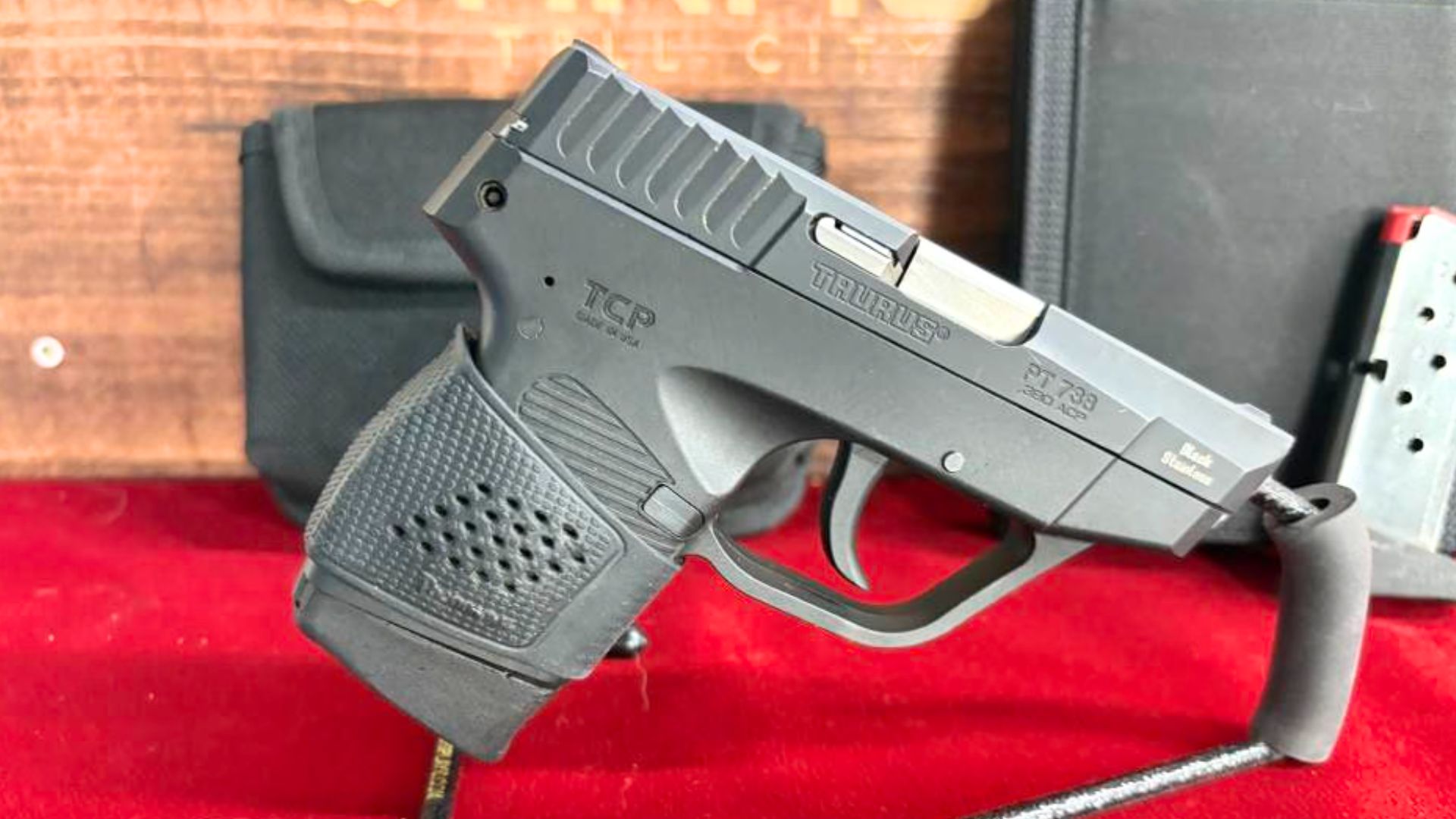
The Taurus TCP is an entry that has earned a loyal following because it’s small, light, and surprisingly easy to shoot for its size. It’s aimed squarely at deep-pocket or ankle carry where every millimeter counts. The TCP keeps things straightforward: uncomplicated controls and a small slide that’s easy to rack when you need it.
It’s not for everyone — small guns always require respect and practice — but if you want maximum concealability with acceptable shootability, this model does what it promises. It’s a practical solution when your carry needs demand the tiniest possible package.
Beretta Model 84 Cheetah

Beretta’s Model 84 Cheetah is a longtime favorite in the .380 class because it brings all the manufacture’s polish to a compact frame: reliable feeding, a comfortable grip, and a crisp trigger. It leans toward traditional controls, so shooters coming from larger pistols find it intuitive and quick to adapt to. The Cheetah balances size and functionality in a way older designs sometimes miss.
If you like a carry gun that feels like a proper pistol — not a gimmick — the Model 84 delivers. It’s modestly sized, dependable, and pleasant to shoot, making it a perennial pick for people who carry regularly and want a tactile, refined experience.
Kel-Tec P-3AT

Kel-Tec’s P-3AT is tiny to the point of being legendary; it’s the kind of pocket gun that disappears in clothing and is close to weightless. It’s the classic “ultra-concealment” choice: minimal profile, minimalist sights, and a straightforward manual of arms. For what it is, the P-3AT performs admirably and gives you a real backup option that you’ll barely notice during the day.
That said, it’s critical to treat it like the specialized tool it is — practice, know its limitations, and keep your expectations aligned with its tiny size. When you need the smallest possible gun, the P-3AT answers that call without pretense.
Diamondback DB380

The DB380 takes a Beretta-style layout and puts it in a modern polymer frame with contemporary ergonomics — comfortable grip, clean trigger, and a slide that’s easy to manipulate. Diamondback focused on making a pocket pistol that shoots like a handgun: predictable sights and a grip that lets you get a real hold even with small hands.
It’s a solid choice if you want a compact gun that doesn’t force you to choose between concealment and controllability. The DB380 is built to be carried daily and shot well enough for defensive practice, and that practical focus shows in the way it handles recoil and feeds modern defensive rounds.
Browning BDA .380

The Browning BDA (also marketed historically under different badges) represents a blend of classic lines and solid engineering in a compact .380. It’s designed for comfortable carry, with a shape that fills the hand more than micro pistols do and controls that are easy to operate under stress. Browning’s ergonomic approach often favors shooters who want a pocket gun that still feels like a pistol.
If you like a slightly heavier, more controlled feel in a compact footprint, the BDA offers you that. It’s the sort of pistol that rewards familiarization and practice and will be reliable and sensible in everyday carry when treated like the defensive tool it is.
Like The Avid Outdoorsman’s content? Be sure to follow us.
Here’s more from us:
The worst deer rifles money can buy
Sidearms That Belong in the Safe — Not Your Belt
*This article was developed with AI-powered tools and has been carefully reviewed by our editors.