Photo credit: Lionquest Fitness/Youtube
When somebody asks me about a home-defense revolver, I always start with the same two questions: will you actually keep it where it needs to be, and can you run it well under stress? The internet loves arguing calibers and finishes, but what matters at 2 a.m. is a gun that points naturally, has a trigger you can manage, and doesn’t turn into a science project when it gets lint, dust, and neglect.
The good news is you don’t have to spend a grand. Under $700, you can buy a revolver that’ll do the job, and do it for years, as long as you practice and store it responsibly. Here are 20 that make sense for real life—bedside, shop counter, camper, and “I heard something by the barn” life.
1. Ruger GP100 (4.2-inch)
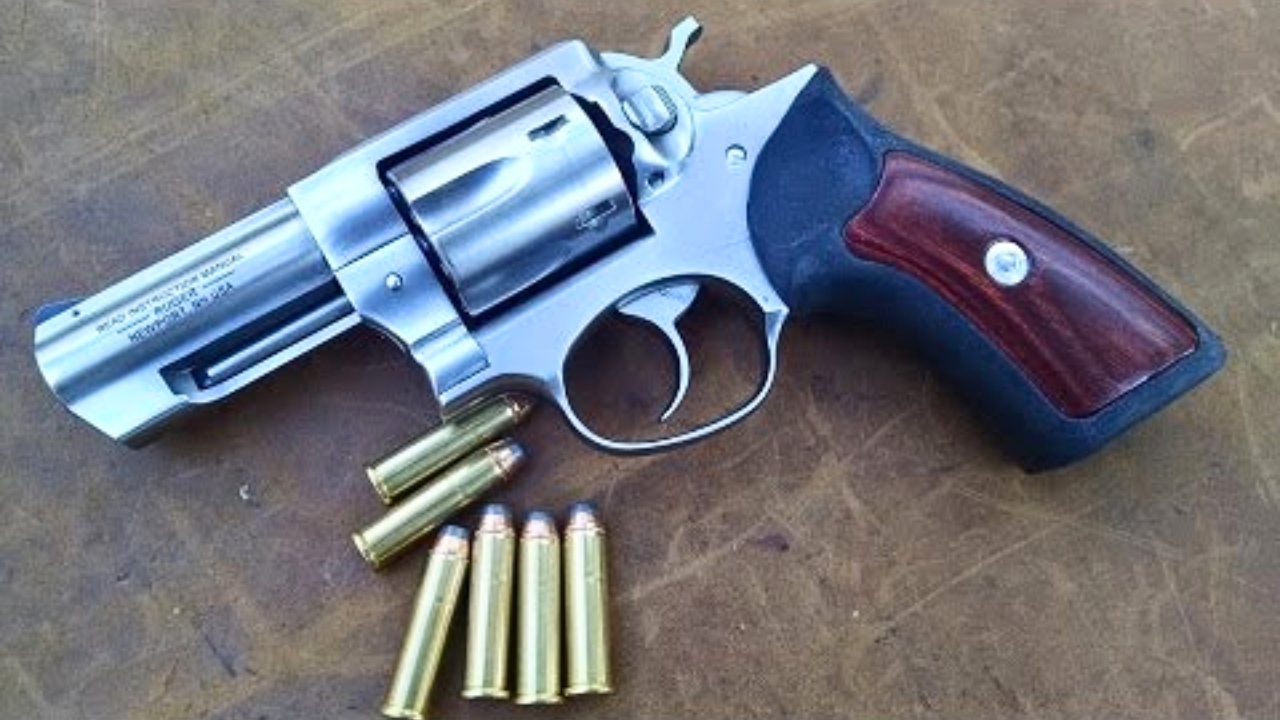
The GP100 is the one I point to when someone wants “a revolver that will outlast me.” It’s not dainty and it’s not light, but that weight is your friend when you touch off full-power .357. The grip frame and aftermarket support make it easy to fit to your hand, which matters more than brand loyalty.
For home defense, a 4-ish inch GP100 points well and gives you a long enough sight radius to actually see what you’re doing. You can feed it .38 Special for practice without beating yourself up. It’s not fancy, and that’s kind of the point.
2. Smith & Wesson Model 10 (used)

If you’ve ever handled an old police trade-in Model 10, you know why they’re still around. The balance is just right, the triggers are usually better than you’d expect, and the .38 Special chambering is easy to live with. They’re “boring,” but boring is reliable.
This is a great choice for folks who don’t want blast and recoil inside a hallway. Just be honest about the fixed sights and older condition—check timing and lockup if you’re buying used, or have a competent smith look it over.
3. Ruger SP101 (3-inch)
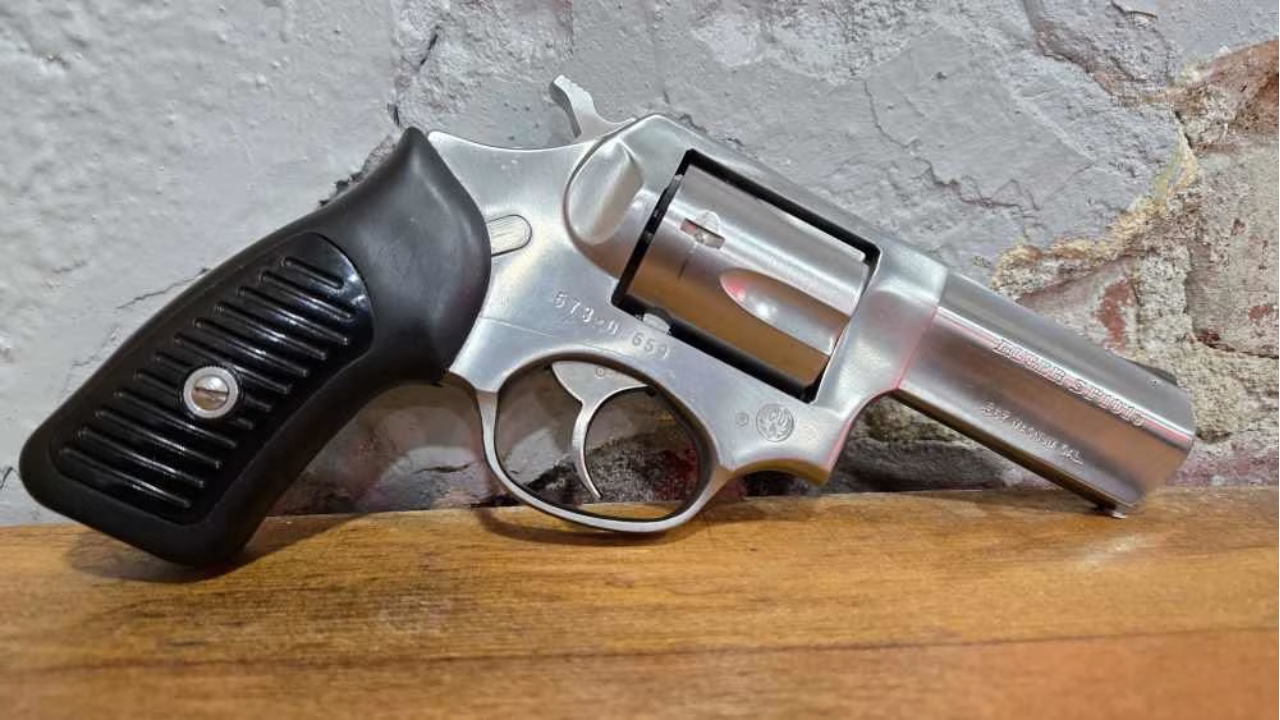
The SP101 is a stout little tank. In .357, it’s snappy with hot loads, but it’s manageable with the right grips and some range time. The 3-inch version hits a sweet spot: still compact, but not a tiny “two-finger” gun that beats you up.
For a nightstand revolver, it’s simple and tough. It’s also a revolver that can pull double duty as a trail gun, which a lot of outdoorsmen appreciate.
4. Smith & Wesson Model 686 (used, 4-inch)
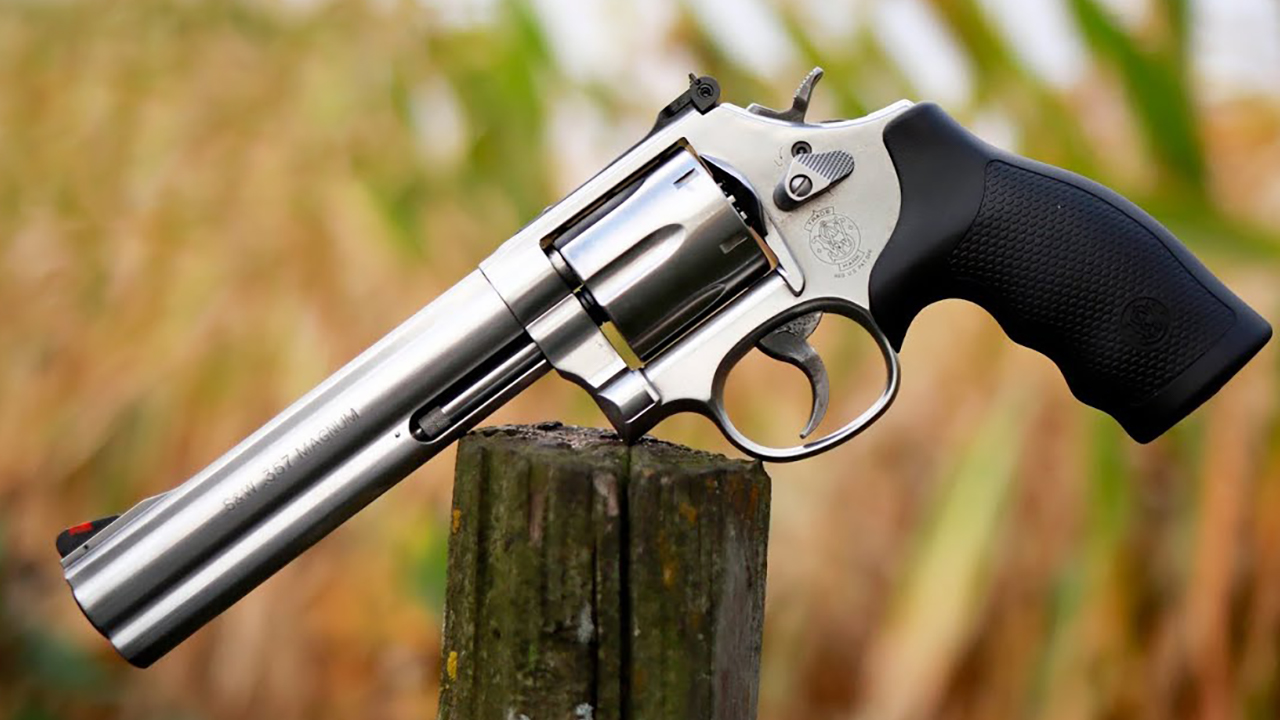
A good used 686 is one of those “don’t overthink it” buys. The L-frame feels steady, and many of them have triggers that make you look better than you are. The 4-inch gun is big enough to shoot well and small enough to store without taking over the whole drawer.
Prices bounce around, but patient shoppers still find honest 686s under $700. If you find one that’s been cared for, I wouldn’t be quick to let it go later. Ask me how I know.
5. Smith & Wesson Model 64 (used)
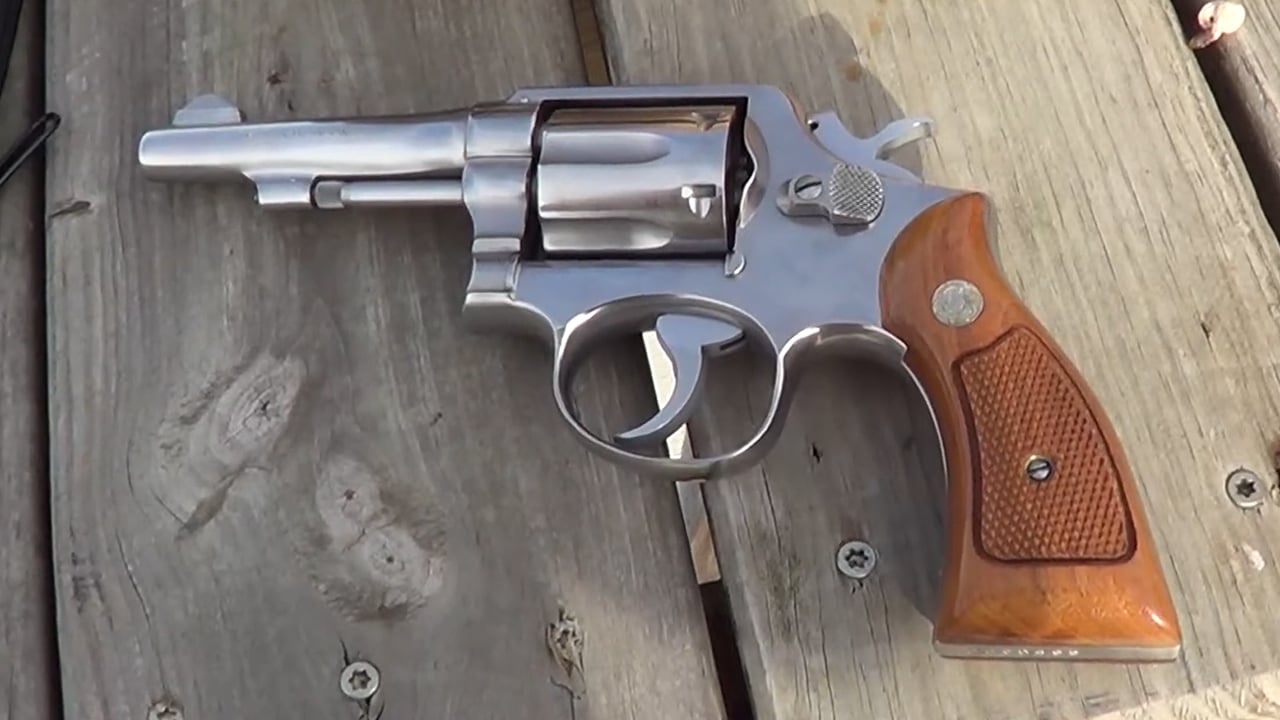
Think of the Model 64 as the stainless, fixed-sight cousin to the Model 10. It’s a practical revolver for people who want .38 Special, a clean sight picture, and a gun that shrugs off sweat and humidity. There’s a reason cops carried these for a long time.
For home use, stainless is nice because it’s forgiving. You still need to clean it, but it won’t punish you for missing a week here and there during busy season.
6. Ruger Security Six (used)
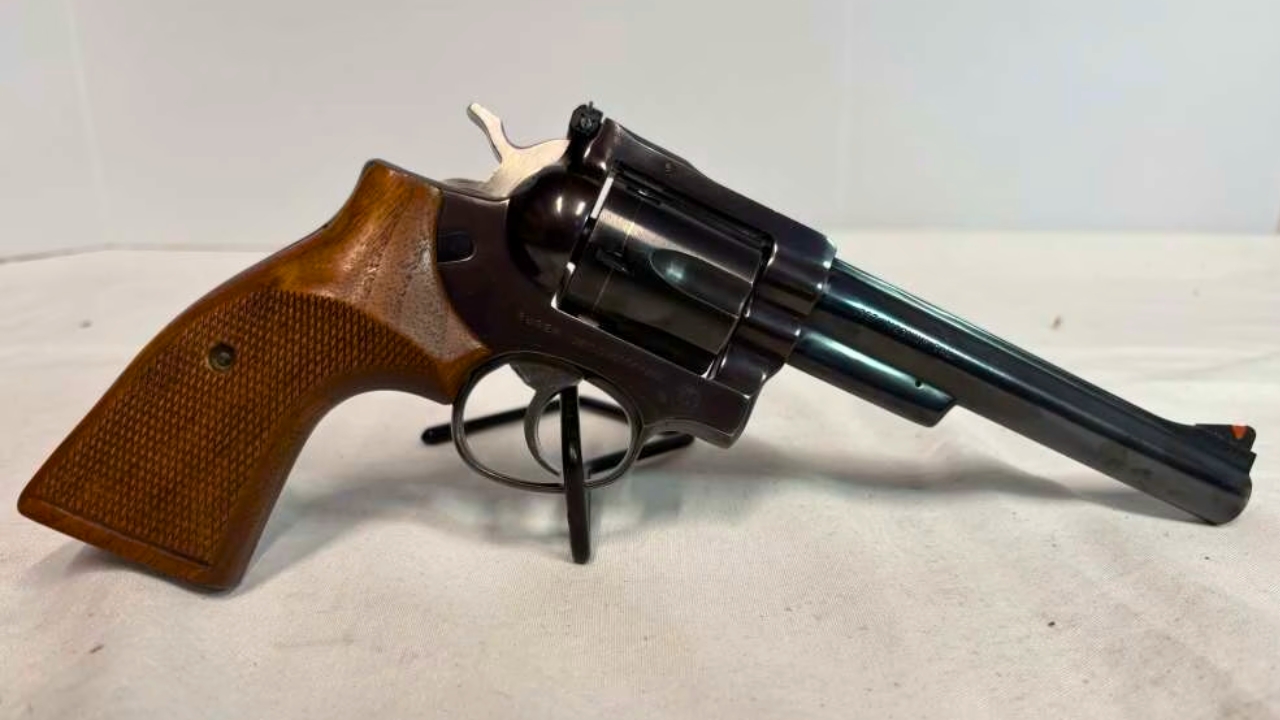
The old Ruger “Six” series has a following, and it’s not just nostalgia. They’re tough revolvers with a handy feel, and many of them have been riding in trucks and tackle boxes since before people argued online about everything. If you find one with a good bore and tight lockup, you’re in business.
Parts and service aren’t as plug-and-play as current production guns, but they’re far from orphaned. For a ranch-house revolver that’s going to get used, these make a lot of sense.
7. Ruger LCR (9mm)
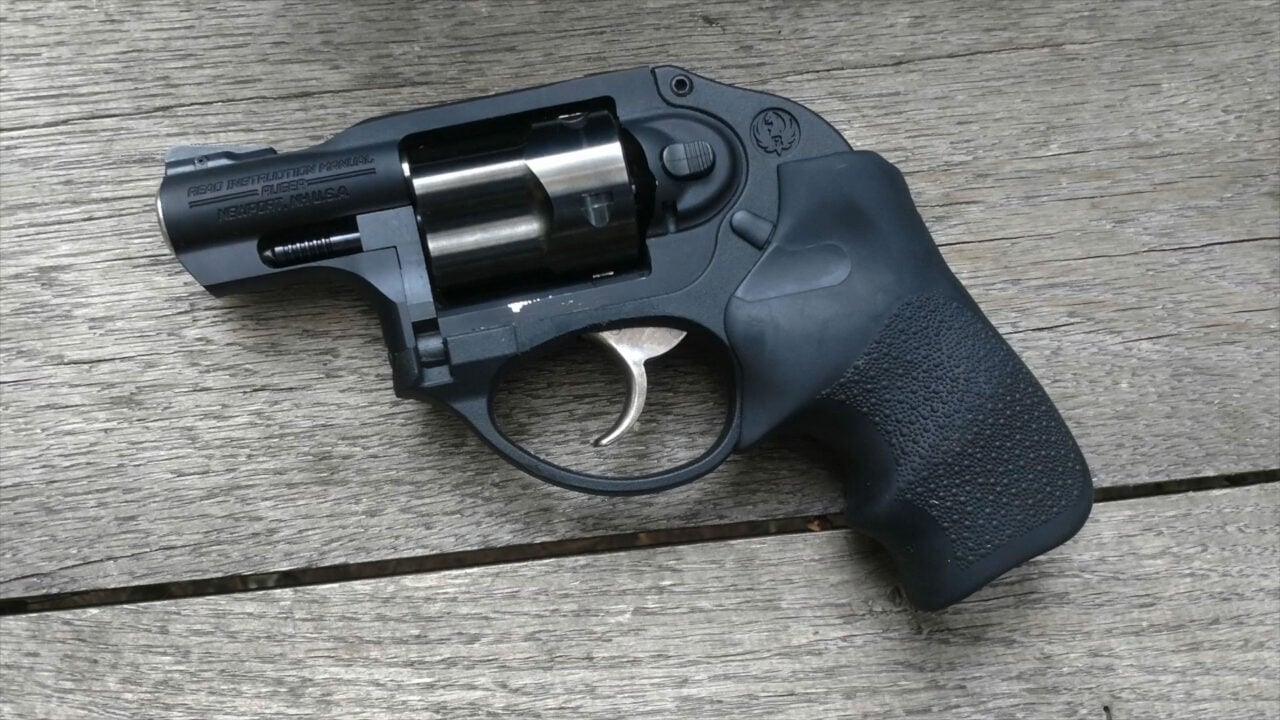
Not everybody likes the look of the LCR, and I get it. Still, the trigger system on many LCRs is smoother than it has any right to be for the money, and the 9mm version has a big advantage: ammo commonality if your household already runs 9mm pistols.
Yes, it uses moon clips. Some folks hate that. But moon clips can also make reloads very fast, and they keep your ammo organized. For a lightweight revolver you’ll actually keep close, the LCR earns its spot.
8. Ruger LCR

The .38 Special LCR is a “grab it and go check the noise” kind of gun. Light guns recoil more, and that’s the trade. But with standard-pressure .38s, it’s controllable and quick to point.
This one isn’t about being a range toy. It’s about being a simple defensive tool that’s easy to carry around the property and easy to store safely.
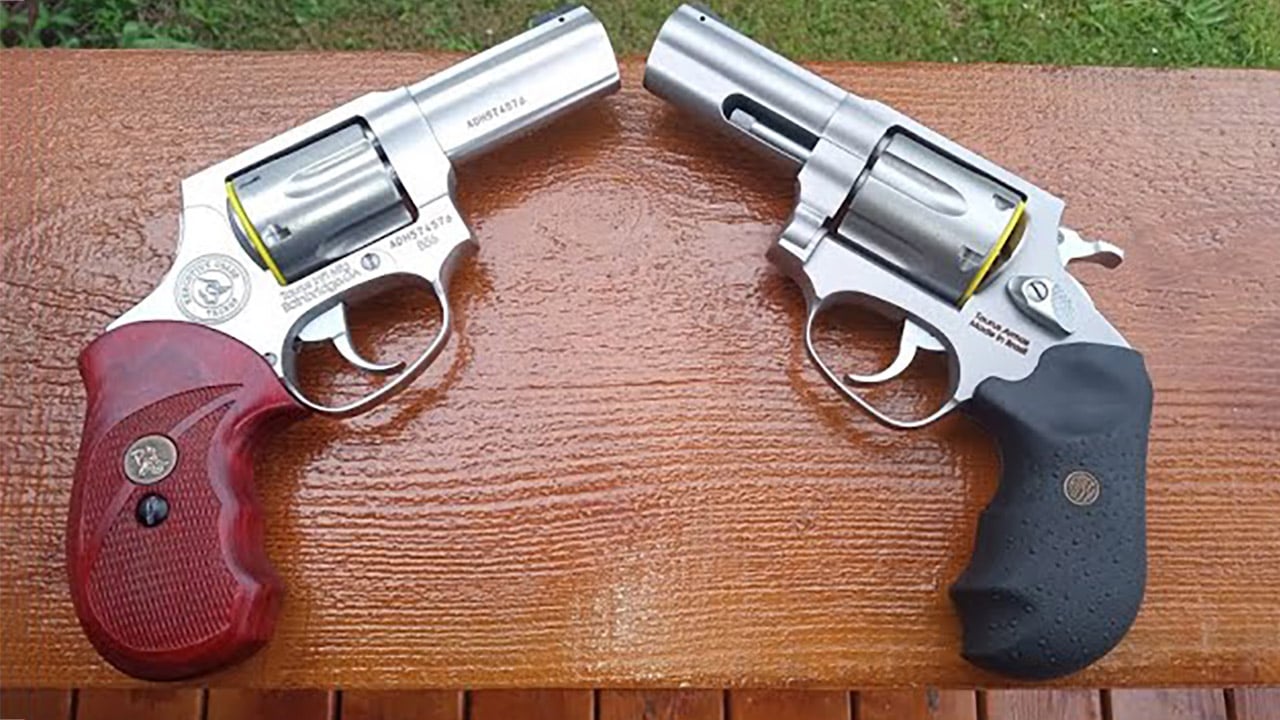
9. Taurus 856 Defender (3-inch)
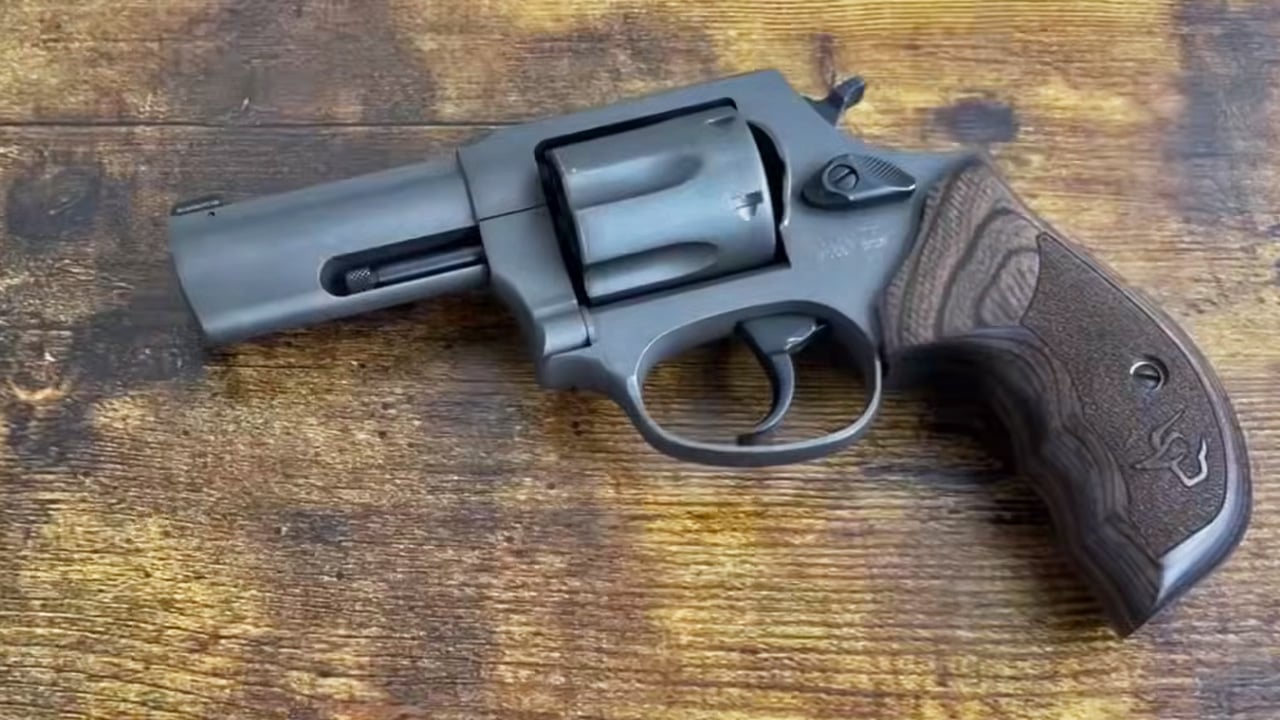
Taurus has had a bumpy reputation over the years, and I’m not going to pretend every revolver that leaves the factory is perfect. But the 856 Defender is one of the better values going right now: six shots, a 3-inch barrel, and a size that’s still practical.
If you buy one, do what you should do with any defensive gun: test it with the ammo you plan to keep in it. When they’re right, they’re handy and shootable, and the price leaves room for a light, a safe, and ammo.
10. Taurus 605 (2-inch)

The 605 is the classic small-frame .357 option for folks on a budget. With full-house .357, it can be a handful—no way around that. With .38 +P, it’s a lot more friendly and still useful.
As a home-defense revolver, the short barrel means more blast and less sight radius. But for a small gun you might also stash in a truck lockbox or carry on a walk, it fills a real niche.
11. Smith & Wesson Model 642 (used)

The 642 is one of those revolvers that disappears until you need it. It’s light, snag-free, and simple. The downside is the same as every lightweight snub: it takes practice to shoot well, especially fast.
For home defense, I like it better as a “house carry” gun than a dedicated nightstand gun. It’s the kind of revolver you can keep on you while you’re cooking dinner or taking the trash out after dark.
12. Smith & Wesson Model 638 (used)

The 638 gives you the shrouded hammer option. That means you can still cock it for single-action if you really want to, but it’s much less likely to snag on a pocket or clothing. Some folks shoot these a little better than a fully enclosed-hammer gun.
Again, it’s a small revolver. Don’t expect it to feel like a 4-inch steel gun. But if you want a simple .38 you’ll actually keep close, it’s a solid pick.
13. Colt King Cobra (3-inch, used deals)
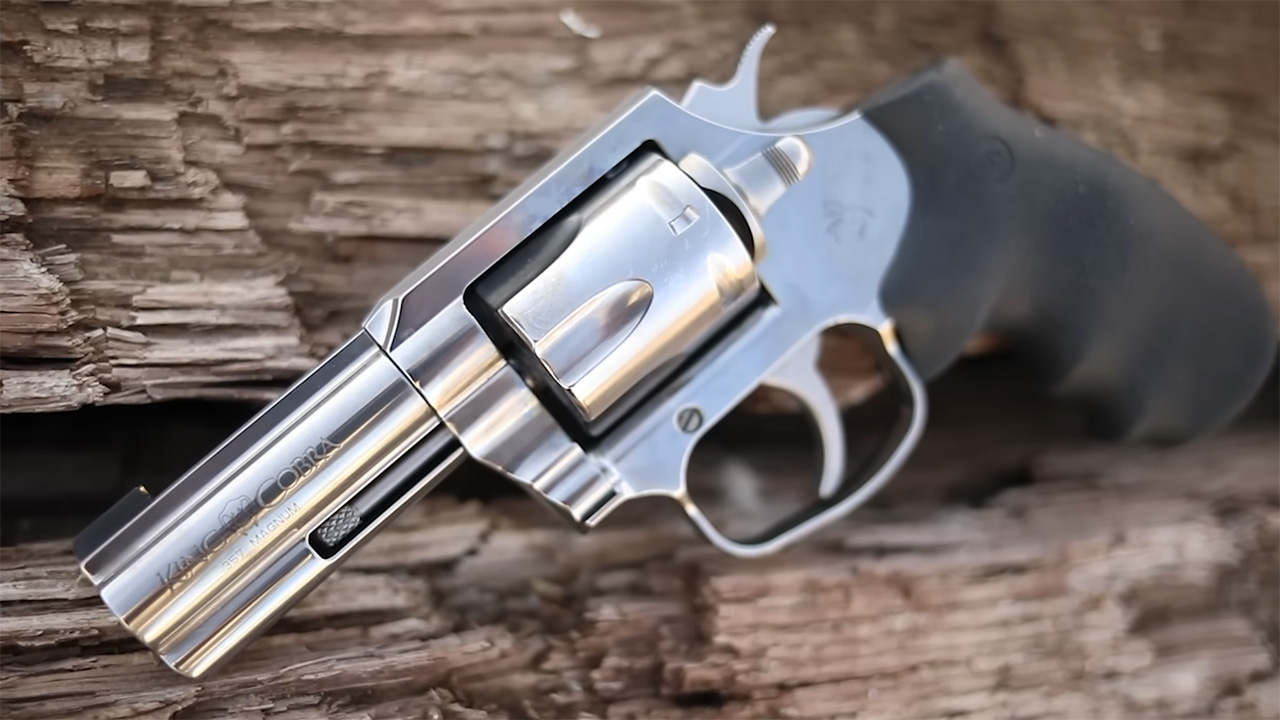
Finding a King Cobra under $700 takes some looking, but deals pop up, especially on used examples. The 3-inch size is just plain handy, and the gun has a good reputation for being shootable without feeling like a boat anchor.
Colt prices can get silly, but the King Cobra is one of the few that can still land in “reasonable” territory if you shop smart. If you like the way Colts feel, this scratches that itch without going full collector mode.
14. Colt Cobra (2-inch, used deals)

The Colt Cobra is lighter and more carry-focused than the King Cobra, usually in .38 Special. It’s a revolver for folks who prioritize having it on them over shooting it for 300 rounds at a time. That’s not a knock. That’s being honest.
If you find one in budget, it’s a good “around the house and property” option. Just plan on practicing enough to stay sharp, because light snubs will show you your bad habits fast.
15. Kimber K6s (2-inch, used)
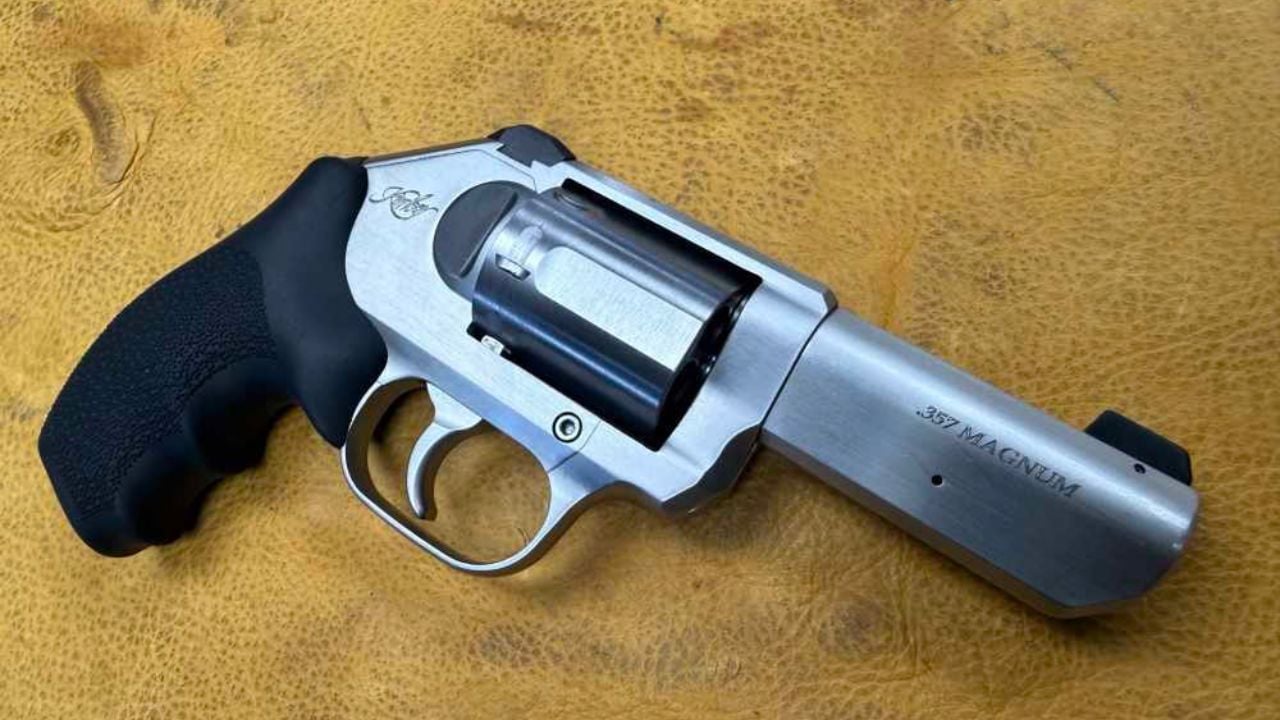
The K6s is a six-shot snub in a world where a lot of small revolvers are five-shot. That extra round matters to some people, and I don’t blame them. The K6s also tends to have a nice trigger, and the overall build feels more refined than many small revolvers.
New ones can push the budget, but used examples sometimes slide under $700. If you’re going snub for defense, I’d rather see somebody with a K6s they can actually hit with than a bigger revolver they never keep nearby.
16. Charter Arms Undercover Lite
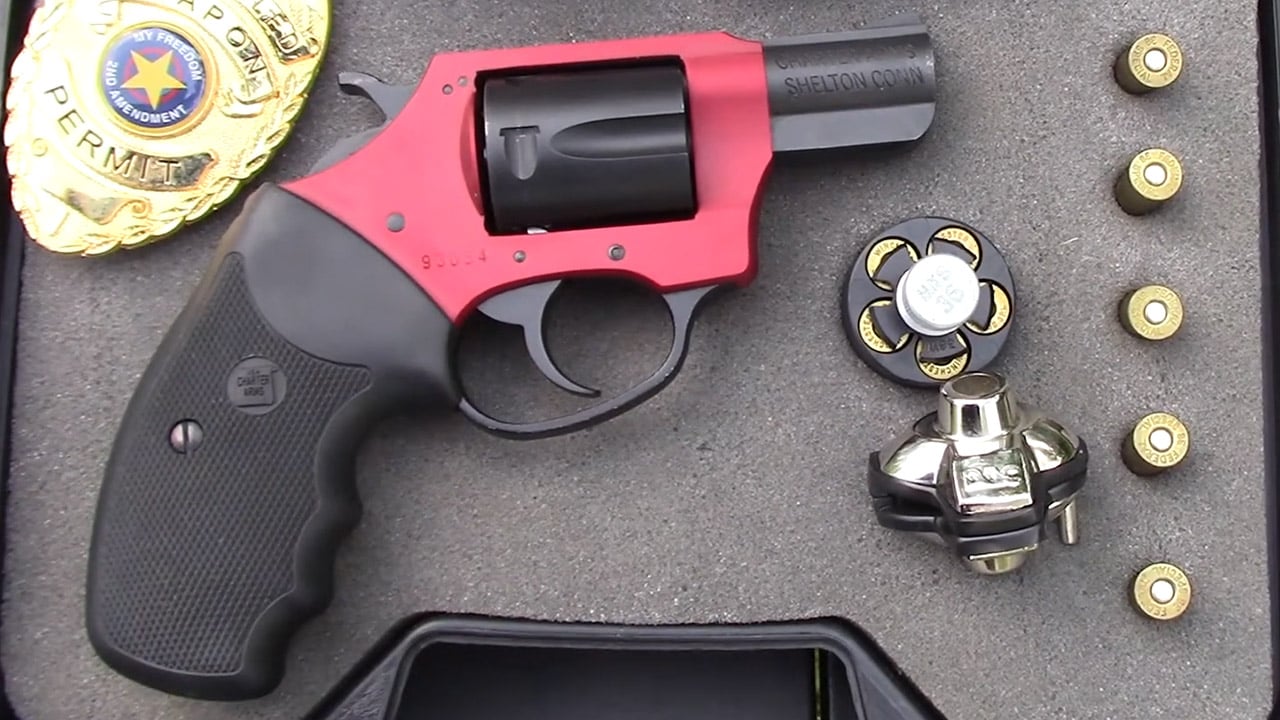
Charter Arms revolvers aren’t showpieces. They’re working guns. The Undercover Lite is light, simple, and priced so regular folks can buy one and still afford a safe and a case of ammo. Fit and finish can be plain, but the concept is solid.
For home defense, I’d keep expectations realistic: it’s a basic .38 that should be vetted at the range. If it runs and you can shoot it, it can serve the role.
17. Charter Arms Bulldog
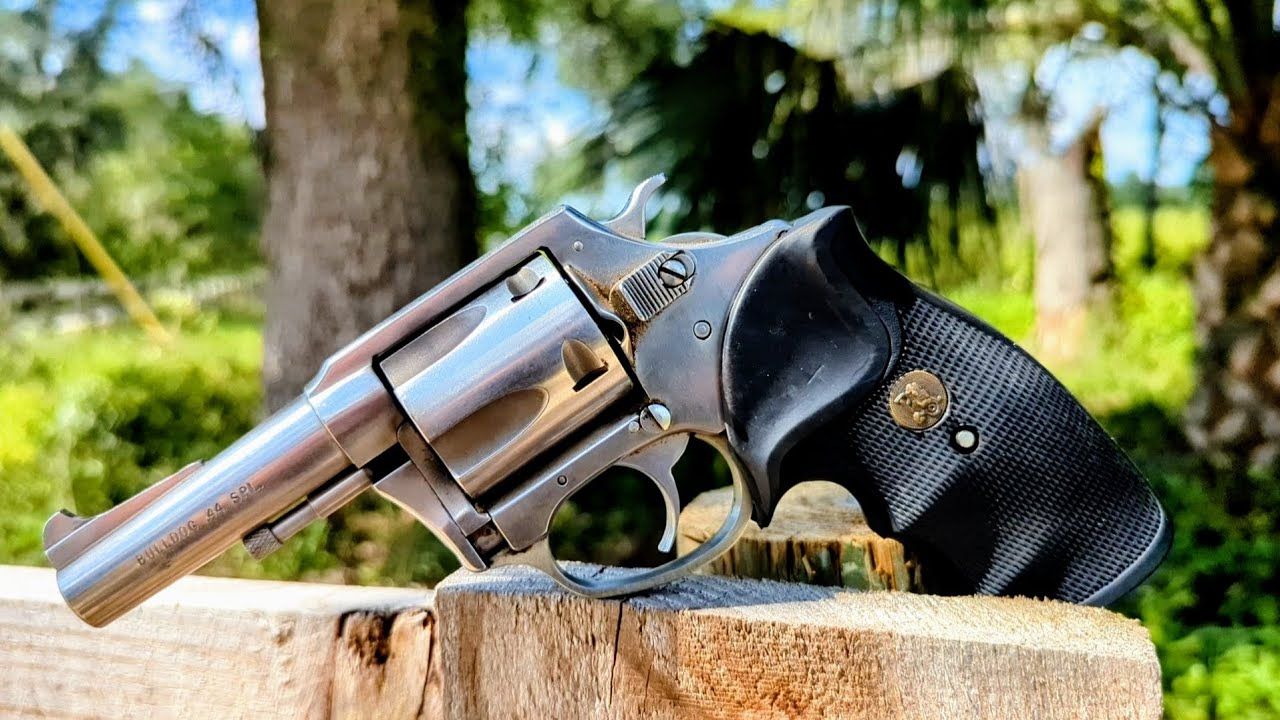
The Bulldog in .44 Special is a throwback that still makes sense for certain people. It’s a big-bore revolver that doesn’t require .44 Magnum recoil. In a defensive context, that’s appealing if you like larger bullets but don’t want the fireball and blast of magnums.
Ammo can be pricier and less common than .38 or .357, so it’s not for everybody. But for the guy who will actually buy a couple boxes and practice, it’s a serious tool in a compact package.
18. EAA Windicator (4-inch)
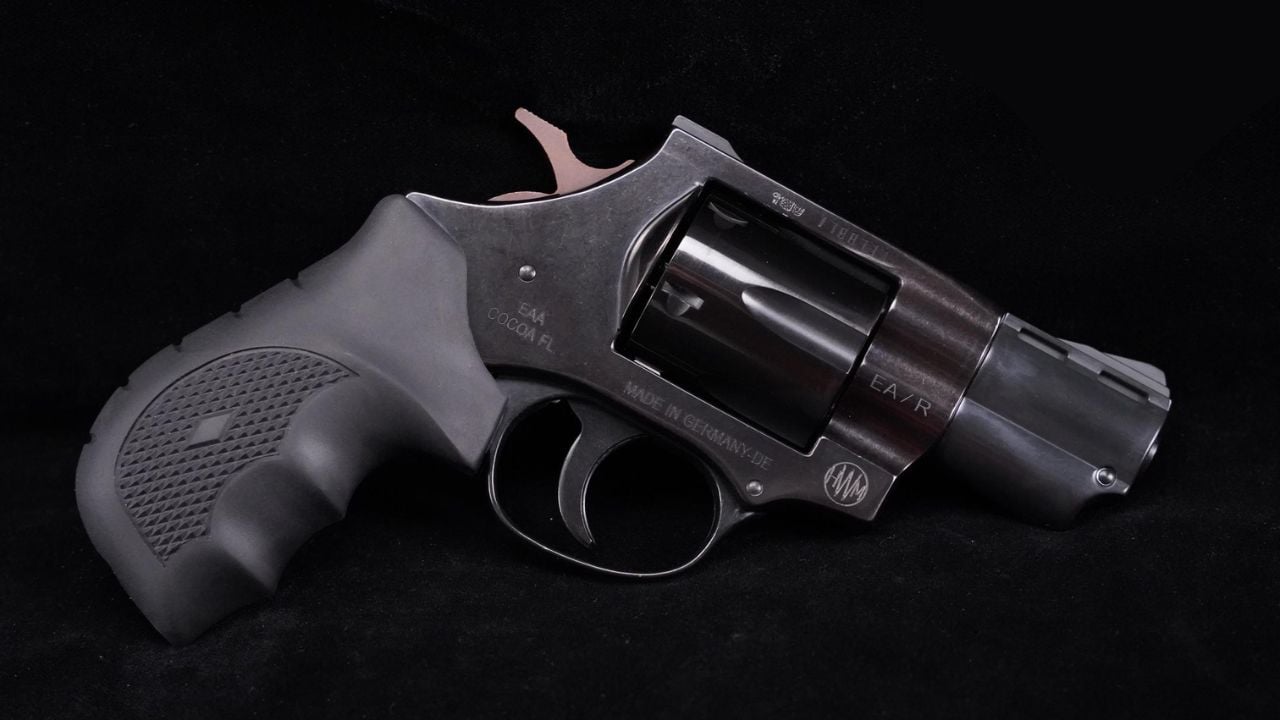
The Windicator is an under-the-radar budget revolver that a lot of gun-counter regulars have at least handled. It’s usually heavier and a little clunkier than the big-name options, and the trigger may not wow you out of the box.
Still, they can be a workable home-defense revolver if you get a good one and you put time behind it. The value is that you can often find them well under the budget and spend the rest on training and a proper lockup solution.
19. Rossi RP63 (3-inch)
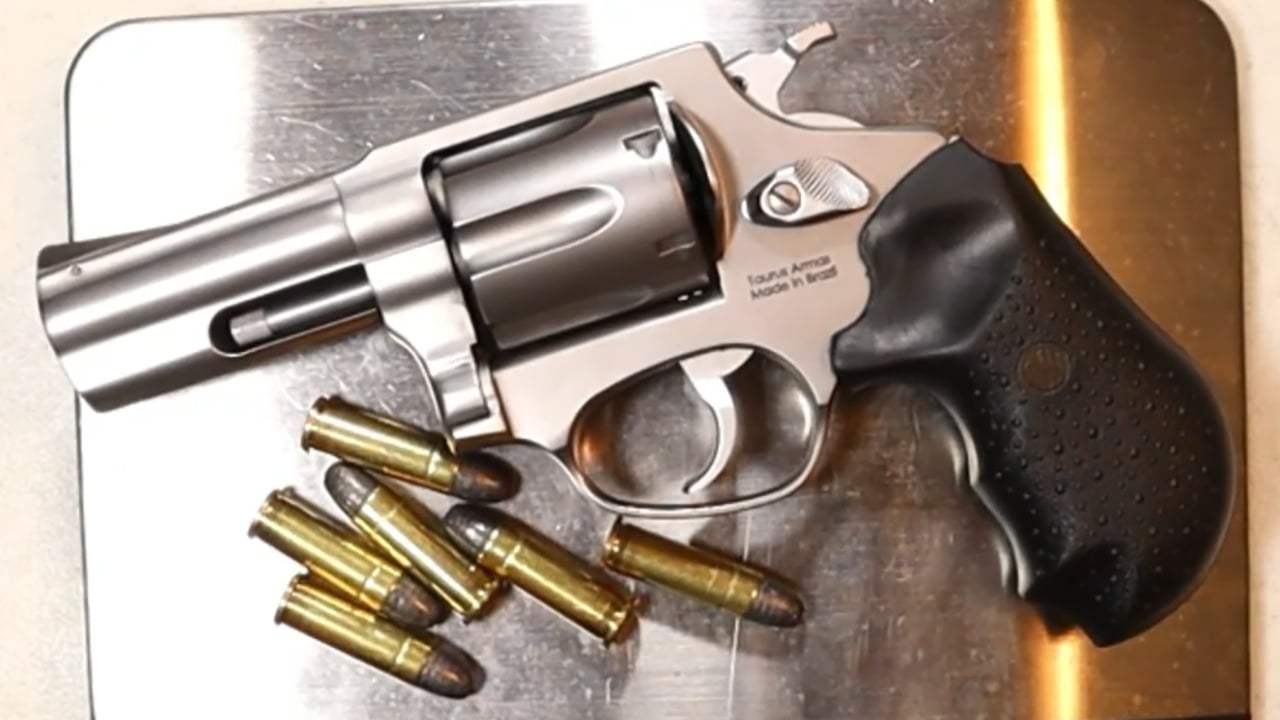
Rossi has been stepping into the “affordable but usable” space with some of the newer revolvers. The RP63 gives you a 3-inch barrel and .357 capability in a size that’s easier to shoot than most snubs. That’s where a lot of new revolver buyers end up happy.
Just don’t skip the shakedown. Put a couple different loads through it, check for consistent ignition, and make sure the sights aren’t doing anything weird. If it passes, it’s a practical house gun.
20. Smith & Wesson Model 19 (used)
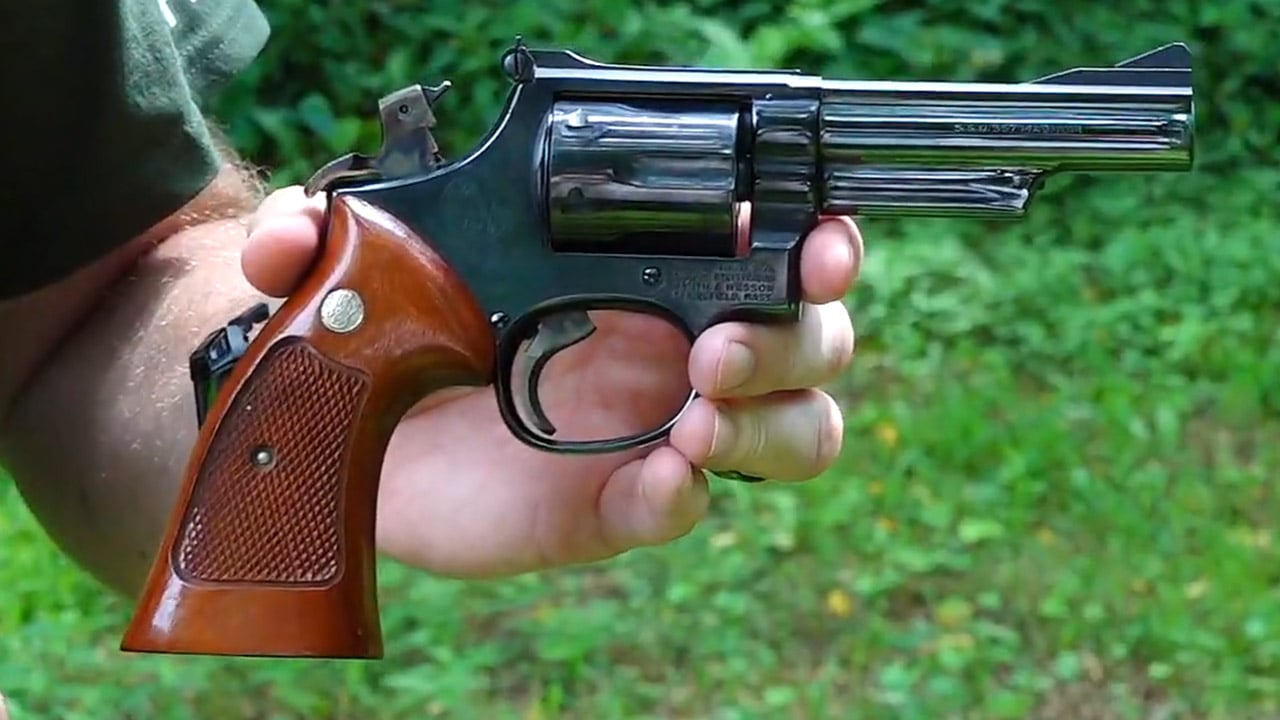
The Model 19 is one of those revolvers that makes people fall in love with revolvers. The balance is excellent, and a good one points like it was made for your hand. Under $700 usually means used, and condition will vary, but they’re out there.
This isn’t the one I’d choose for a steady diet of hot .357 loads, especially with older examples. But as a home-defense revolver loaded sensibly and practiced with regularly, it’s hard not to like.
A revolver for home defense doesn’t need to be exotic. It needs to be reliable, shootable, and stored in a way that keeps it secure from kids and visitors while still accessible to you. Pick one you can run well, buy ammo you can afford to practice with, and spend more time on the range than you do arguing about it online.
Like The Avid Outdoorsman’s content? Subscribe to our newsletter so you never miss an article.
Here’s more from us: