Photo credit: Lena Miculek- Trigger Tribe/ YouTube
Every so often you run into a gun that feels like it came from a different mindset. Not “feature-rich.” Not “good enough for the price.” Just built like the maker assumed it might get dropped in gravel, rained on for three days, and still be expected to work when the tag is on the line.
These are the guns that came out of eras—and out of shops—where shortcuts weren’t part of the plan. Some are expensive now. Some are still reasonable if you’re patient. A few are heavy, a little dated, or not as slick as the newest stuff. But when you cycle them, shoulder them, or run them hard at the range, you can tell someone cared.
1. Winchester Model 70 (pre-’64)

Pick up an honest pre-’64 and you’ll feel it in the bolt lift and the way the action feeds. Controlled-round feed isn’t a magic spell, but it is awfully comforting when you’re working fast in the cold with gloves on. The fit and finish on the old ones tends to be straightforward and solid, not fancy for the sake of fancy.
They aren’t light, and you don’t buy one to “customize” it into something else. You buy it because it’s already what a serious hunting rifle is supposed to be: simple, dependable, and built like it expects a lifetime of seasons.
2. Ruger M77 Mark II (stainless/synthetic)
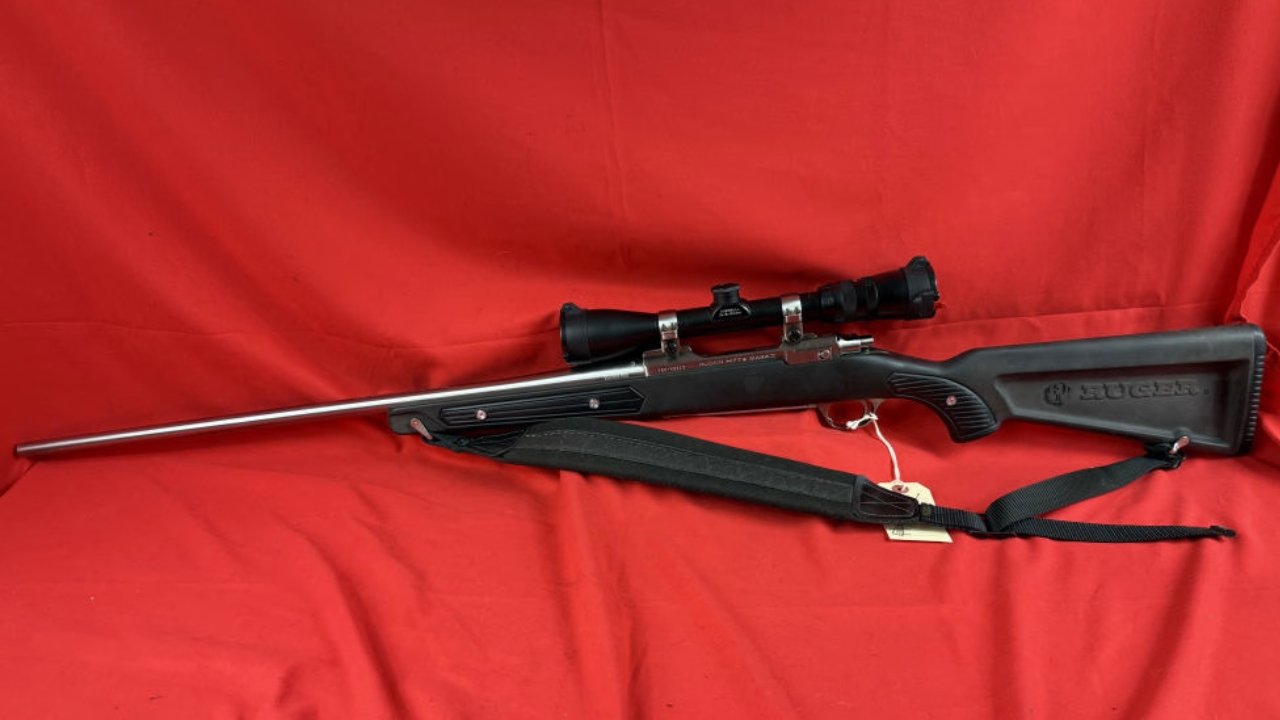
If you’ve spent time in wet country, you’ve seen these leaning in a corner somewhere, looking half-bored. Stainless and a synthetic stock doesn’t make a rifle “tough,” but Ruger did it in a way that actually holds up to abuse. The Mark II action is not the slickest thing ever made, but it is honest.
They can be a little chunky. Still, for a rifle that rides in a scabbard, bounces around in a truck, and gets hunted instead of pampered, the M77 Mark II has a reputation you can cash in.
3. CZ 550 (Full Stock or American)

CZ built the 550 like it expected real use, not Instagram. The action has that controlled-feed feel, the magazine system is sturdy, and the wood-to-metal fit is often better than it “needs” to be at the price point they used to sell for.
They’re not as common on shelves now, which is why the good ones disappear fast. If you’re a hunter who likes classic lines and a rifle that doesn’t feel disposable, the 550 is hard to replace once you let it go.
4. Mauser 98 (Oberndorf-pattern military actions)
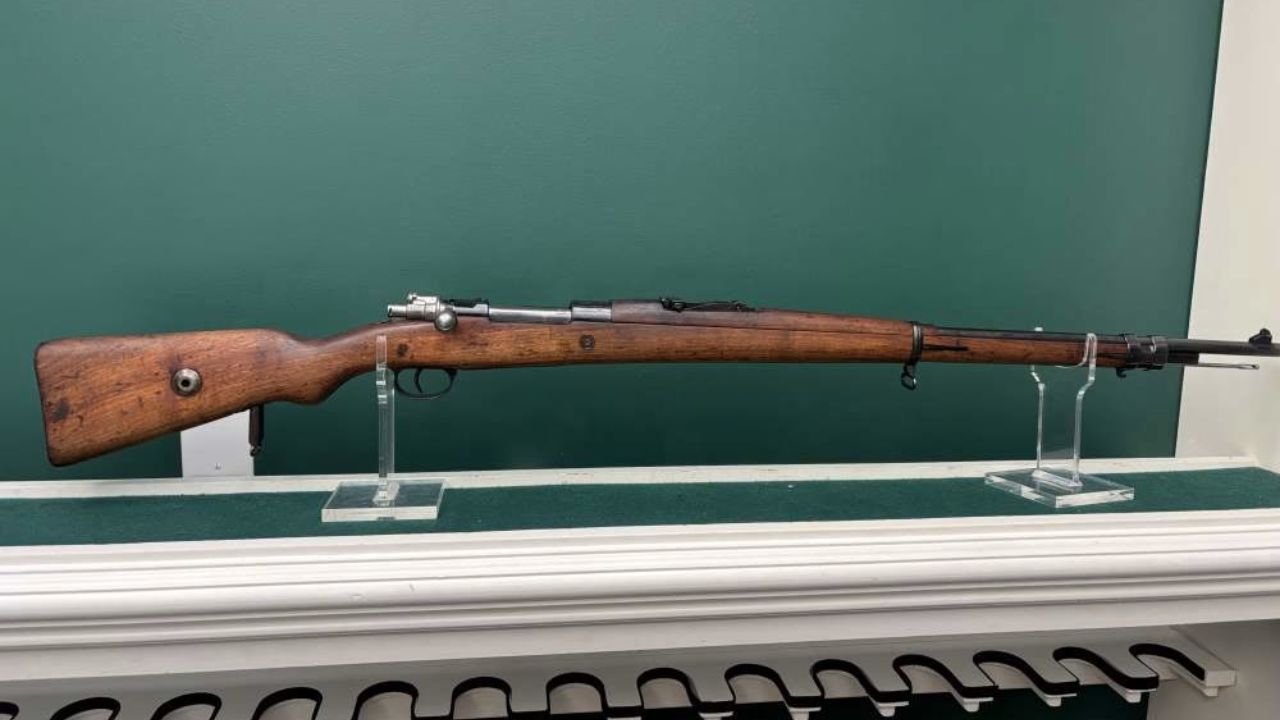
There’s a reason the Mauser 98 is still the measuring stick for bolt actions. It’s not because it’s pretty. It’s because it’s strong, reliable, and designed around feeding and extraction like the rifle might actually matter.
Plenty have been sporterized, some better than others. But even a rough old 98, if it’s safe and properly set up, carries a certain confidence. It’s a workingman’s blueprint that never really got improved—just adapted.
5. Springfield Armory M1 Garand (USGI)
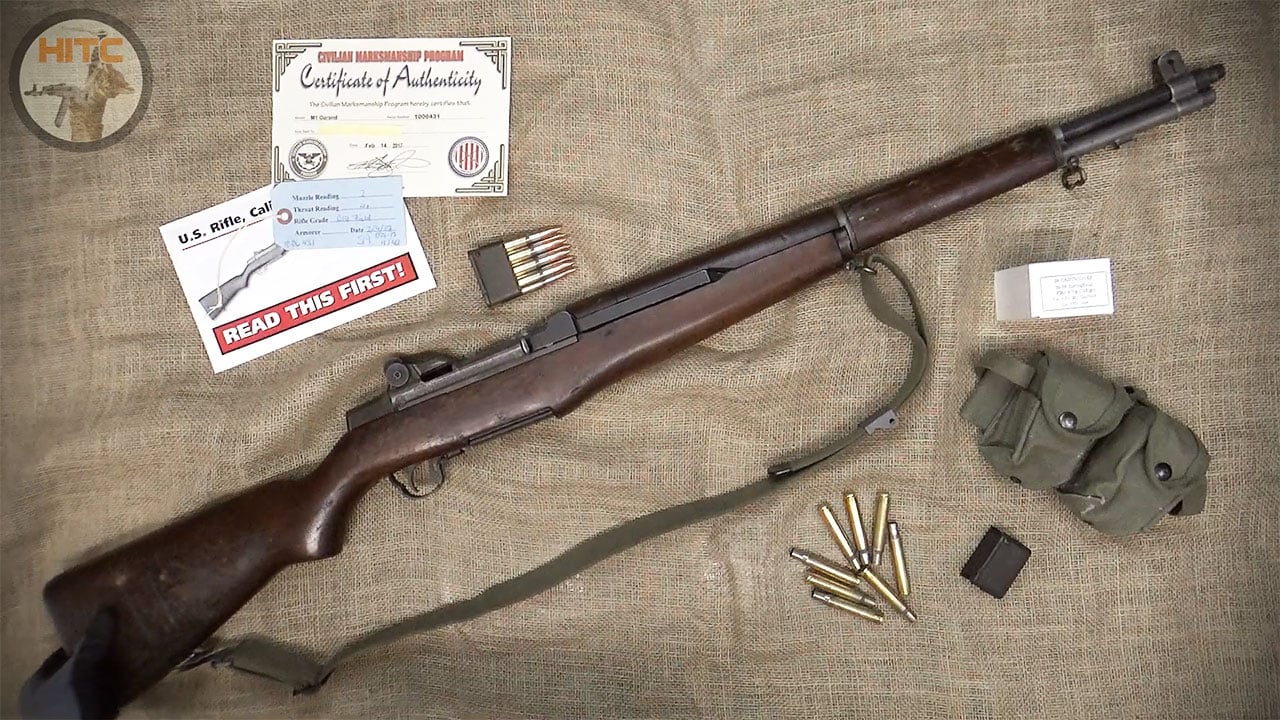
The Garand is heavy. The ammo isn’t cheap. And it still has that “walk with purpose” feel when you shoulder it. USGI rifles, especially, were built in a time when the expectation was sustained use, not a gentle life in a safe.
In the field it’s more nostalgia than necessity, but on the range it will remind you what a real service rifle feels like. Solid lockup, consistent function, and a balance that makes sense once you shoot it.
6. FN FAL (Belgian/Imbel pattern)

A good FAL isn’t a dainty rifle. It’s a full-grown .308 that was meant to run under bad conditions with basic maintenance. The controls are simple, the action is robust, and the whole thing feels like it was built for actual soldiers, not marketing.
They’re long and not everyone loves the ergonomics. Still, when you run one that’s in-spec with good magazines, you get the point fast: it’s a battle rifle, not a range toy.
7. Heckler & Koch G3 (HK91 pattern)
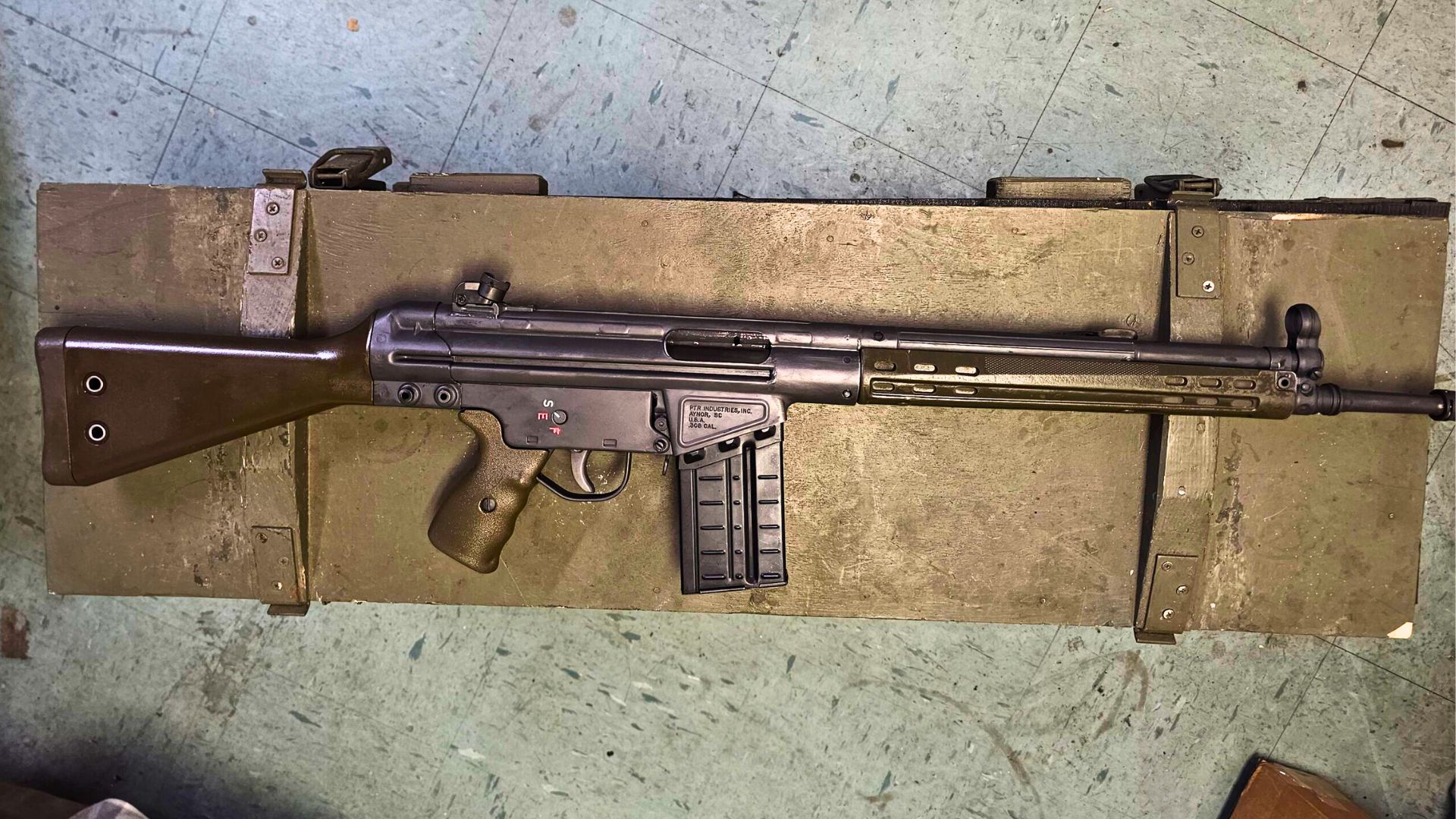
Roller-delayed guns have a feel all their own. The G3/HK91 pattern is famously rugged, and it’ll keep chugging in conditions that make more delicate rifles start acting picky. The finish and welds on the good ones are part of the appeal.
It’s not a gentle rifle on brass, and the recoil impulse is different. But if you want a .308 that feels like it was built with zero interest in being “lightweight,” this is one of the classics.
8. Colt AR-15A2 / M16A2 pattern
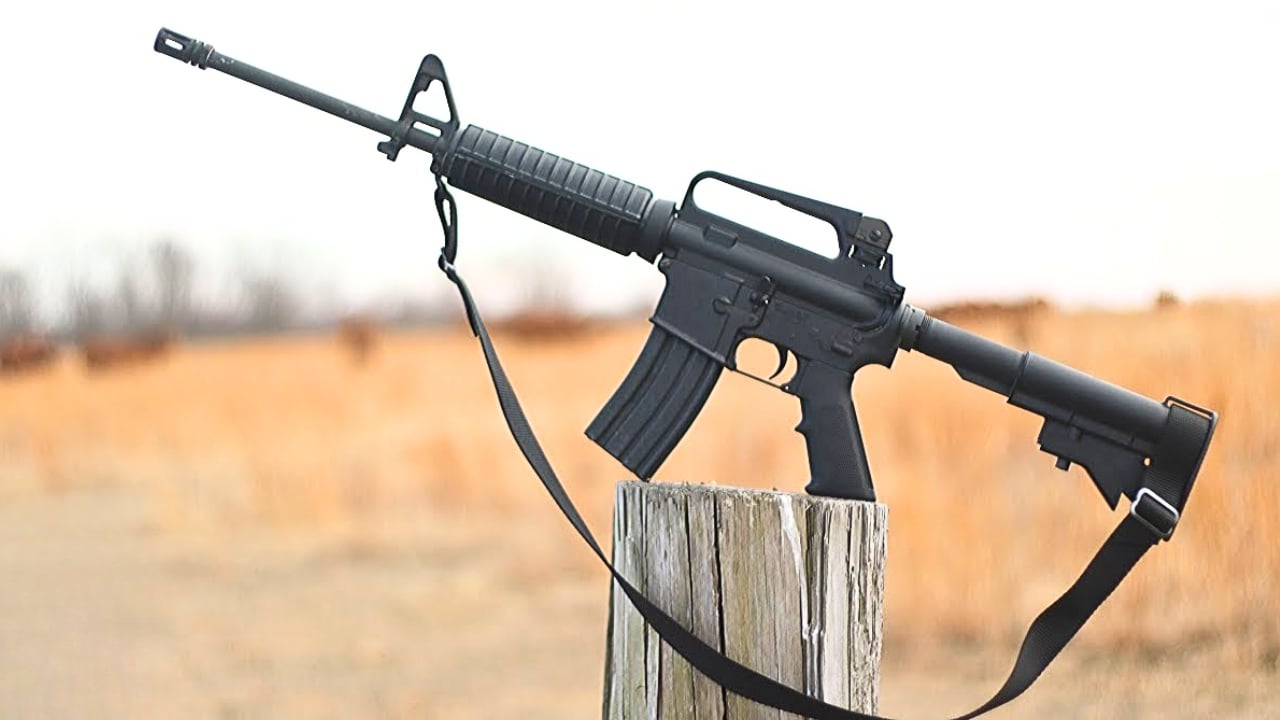
Before every rifle had to be a race gun, the A2 pattern was just a durable service setup with parts that made sense. Fixed carry handle, simple sights, and a build quality that—on the good Colts—tends to be boring in the best way.
No, it’s not the most modern configuration. But the point here is that the rifle works, holds zero, and doesn’t feel like it was assembled from whatever happened to be cheapest that week.
9. AKM (Russian or Bulgarian stamped rifles)

A proper AKM isn’t refined. It’s not trying to be. The “no corners cut” part shows up in the trunnions, the rivet work, the heat treat, and the way it just keeps going when it’s dirty and hot.
Some modern imports and parts builds are excellent, some are not. When you get a good one from a reputable factory, it’s a reminder that rugged can be simple, and simple can be reliable.
10. Ruger 10/22 (older walnut-and-steel carbines)
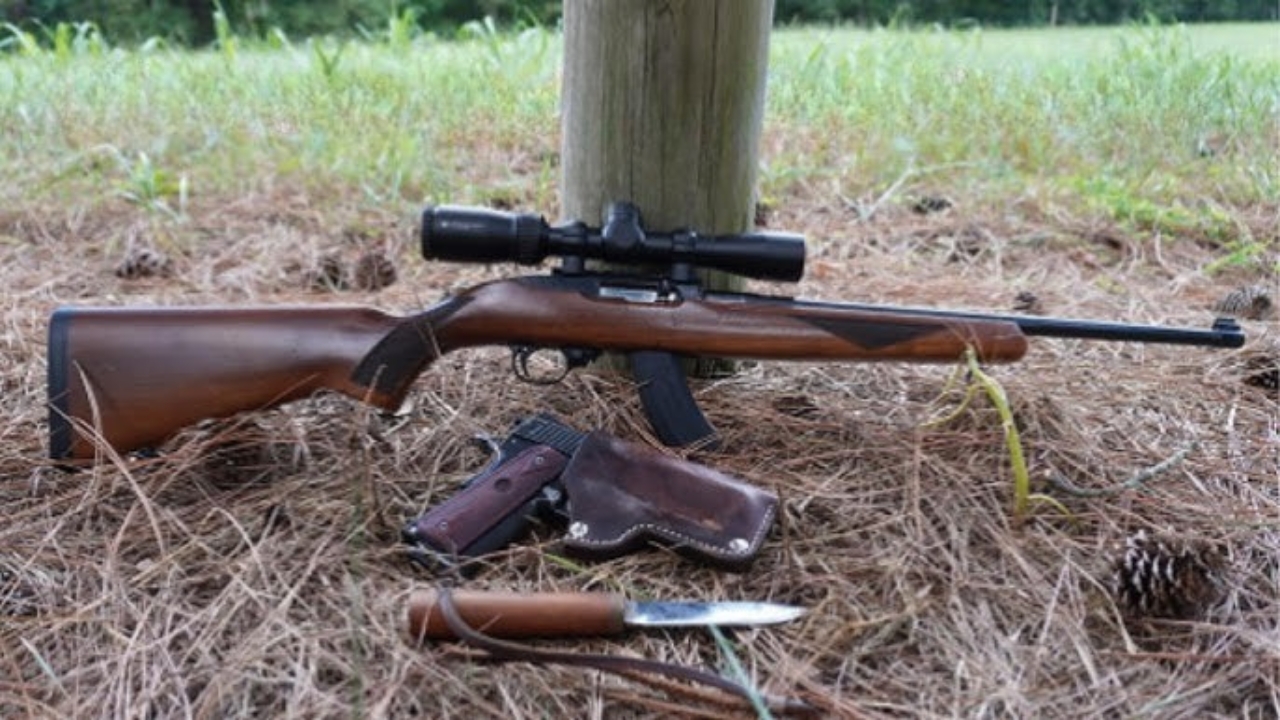
I know, it’s “just” a .22. But older 10/22s have a feel that’s hard to find in today’s rimfire aisle. The little carbine balances right, the machining tends to be clean, and the gun just runs on decent ammo.
They’re easy to tinker with, but they don’t need it to be useful. If you want a rifle that lives behind the truck seat for pests, plinking, and teaching kids, the basic 10/22 still earns its keep.
11. Marlin Model 39A
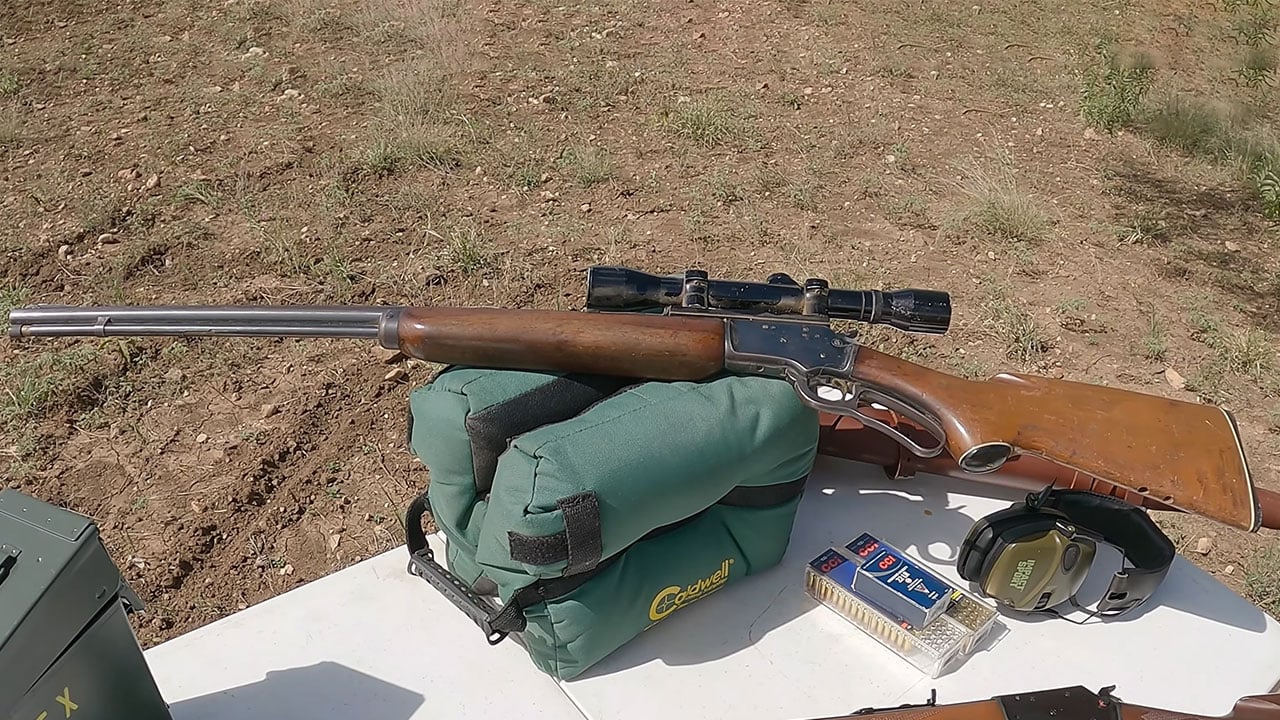
The 39A is one of those rifles that makes you wonder why anyone ever accepted “cheap .22” as the default. It’s smooth, accurate, and built like a centerfire lever gun that happens to shoot rimfire.
They’re not light, and they’re not cheap anymore. But if you’ve ever carried one squirrel hunting and felt how it points through the timber, you understand why folks hang onto them.
12. Winchester Model 94 (pre-’64)
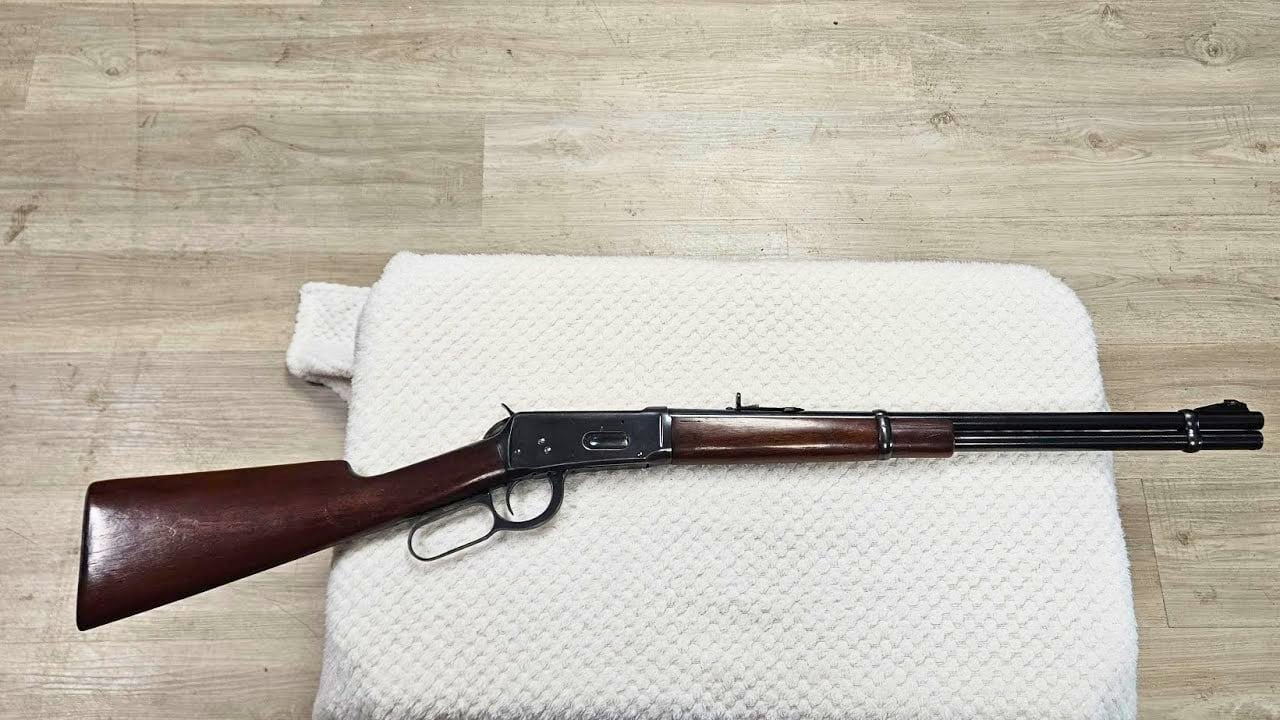
There are a lot of Model 94s out there, and not all of them feel the same. The older ones tend to have that slick, lived-in action even before they’re fully broken in. The steel and wood combo also just makes sense for a saddle gun that gets carried a lot and fired a little.
They’re not precision rifles and they don’t need to be. Inside 150 yards in the woods, a good 94 feels like it was designed by someone who actually hunted for meat.
13. Marlin 336 (JM-stamped)
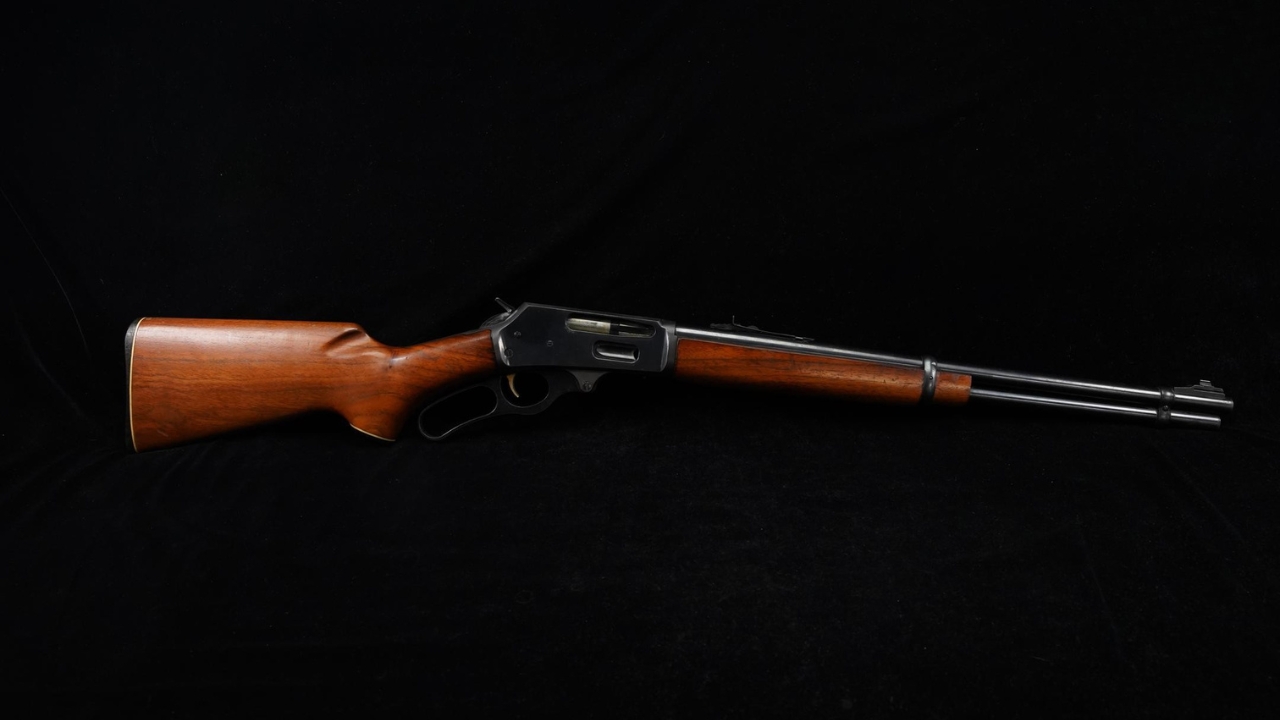
A JM-stamped 336 in .30-30 is one of the most honest deer rifles ever made. It shoulders quick, cycles clean, and the balance is right for still-hunting and slipping through brush. The older Marlins have a reputation for a reason.
Optics mounting is straightforward, and the gun doesn’t beat you up. It’s not trendy, but it’s the kind of rifle that ends up with “family gun” status without anybody trying to make it one.
14. Browning BLR (steel receiver models)

The BLR is what you buy when you want lever-gun handling but need modern cartridges and a box magazine. The better BLRs feel tight and well-fit, with an action that locks up like it means it. They’re not cheap to make, and you can tell.
The trigger linkage is different than a typical lever gun, and that can throw some shooters. Still, for a hunting rifle that has to do real work in real weather, a good BLR is an easy one to trust.
15. Remington 870 Wingmaster
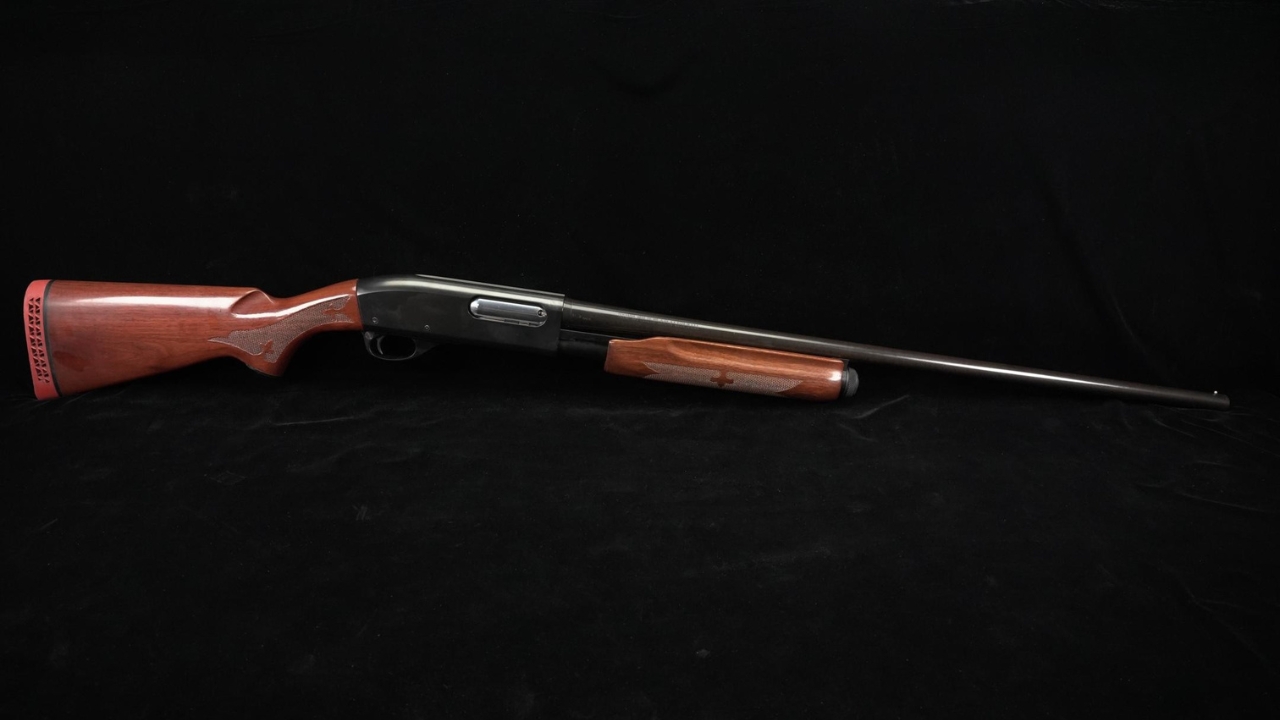
Everybody’s got an opinion about 870s, and that’s fine. But an older Wingmaster with a smooth action is hard to argue with. The pump stroke is slick, the gun feels solid, and the finish tends to hold up to years of hunting without looking like it’s falling apart.
It’s not the lightest option for a long walk, and it’s not fancy. But for waterfowl, upland, and a general-purpose scattergun, the Wingmaster earned its name the hard way.
16. Ithaca 37 (steel receiver)
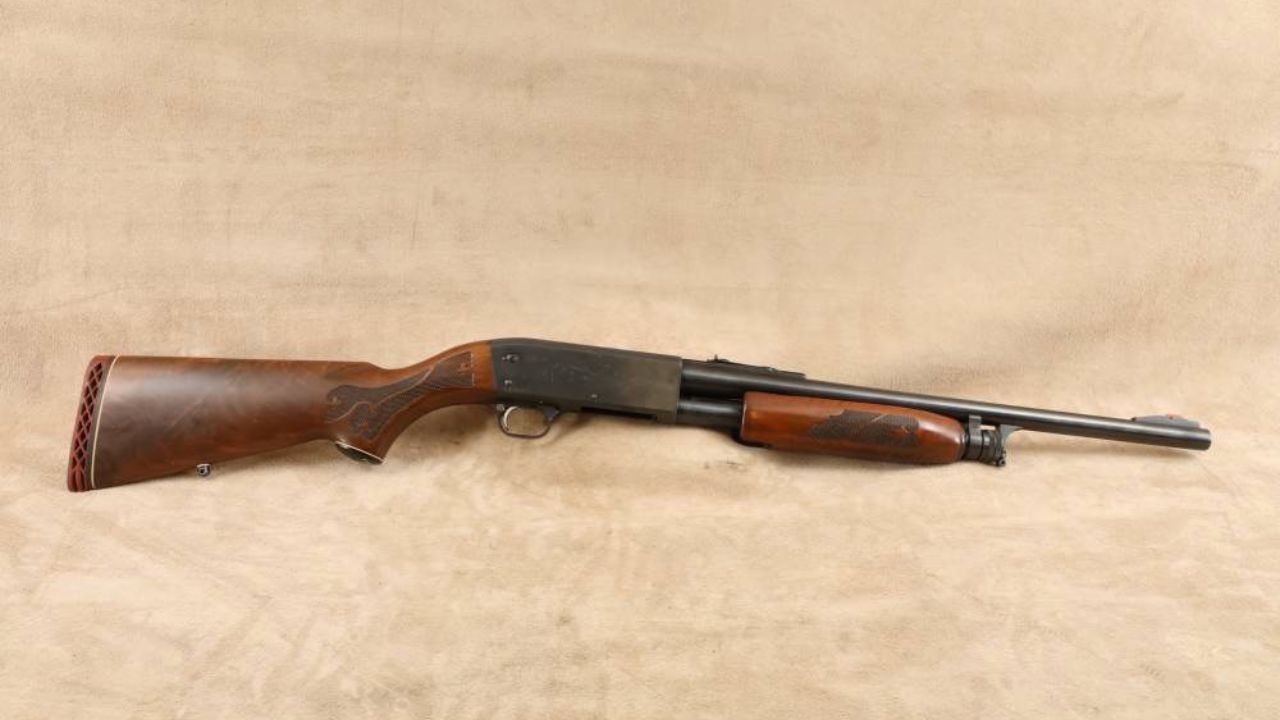
Bottom-eject and slick cycling makes the Ithaca 37 a field gun that just works, especially for lefties or anyone tired of hulls flying across their face. The good ones feel like they were machined by people who cared about smoothness and longevity.
They can be a little particular about certain shell lengths depending on vintage. Once you learn what yours likes, it’s the kind of shotgun that becomes a habit.
17. Browning Auto-5 (Belgian production)
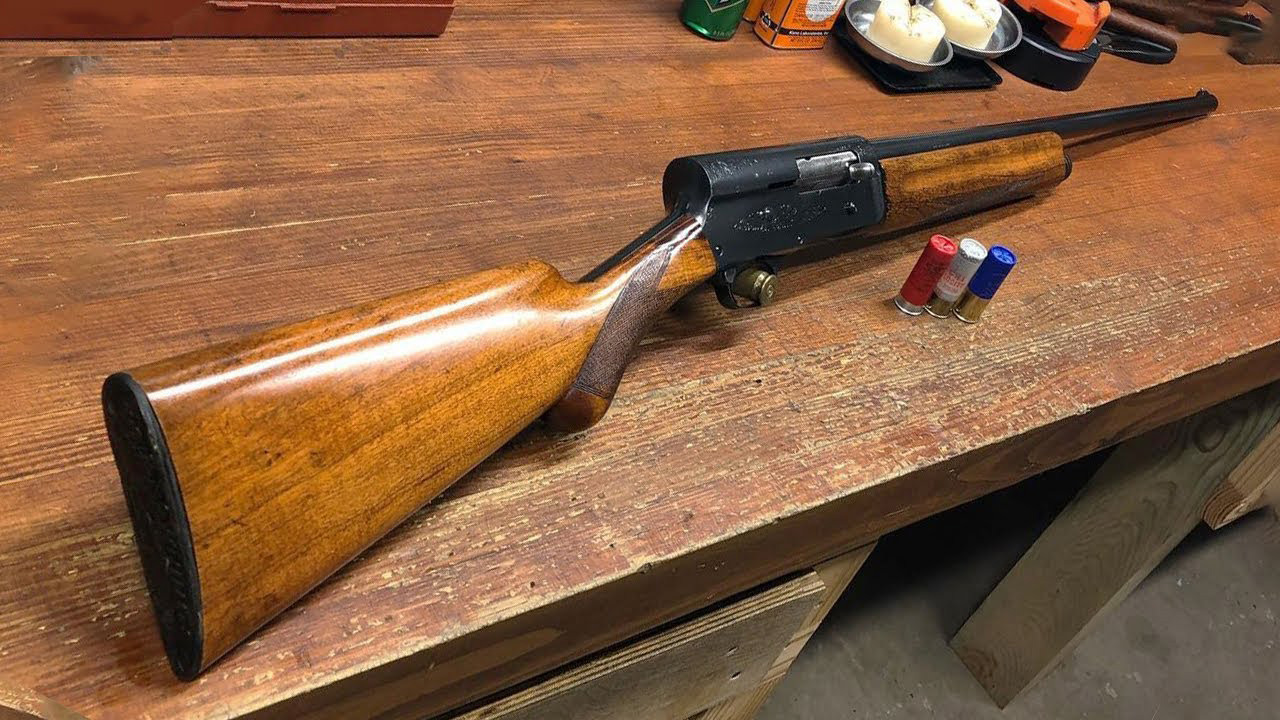
The old Belgian A5 is a chunk of steel and walnut that still feels “alive” when it runs. Long-recoil isn’t modern, but it’s proven, and those guns were built with a level of craftsmanship you don’t see in most mass-produced shotguns now.
They take a little know-how to set up for different loads, and they’re not as soft-shooting as some modern gas guns. But when one is tuned and clean, it’s a classic for a reason.
18. Smith & Wesson Model 19
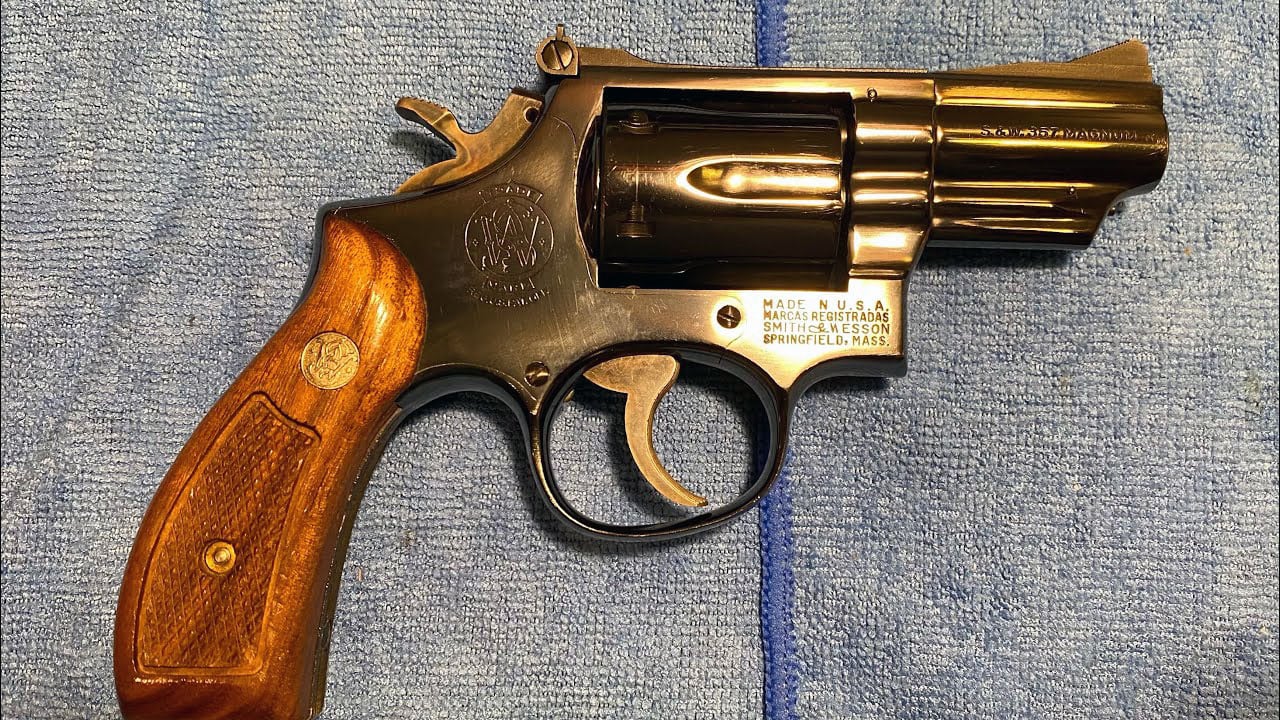
The Model 19 is one of those revolvers that points like it was designed around a human hand instead of a CAD drawing. The bluing on the older ones can be downright handsome, but the real value is how well they run and how well they carry.
It’s not the best choice for a steady diet of hot magnum loads, and that’s fine. Loaded sensibly, it’s one of the best “do a little of everything” wheelguns ever made.
19. Colt Python (older production)
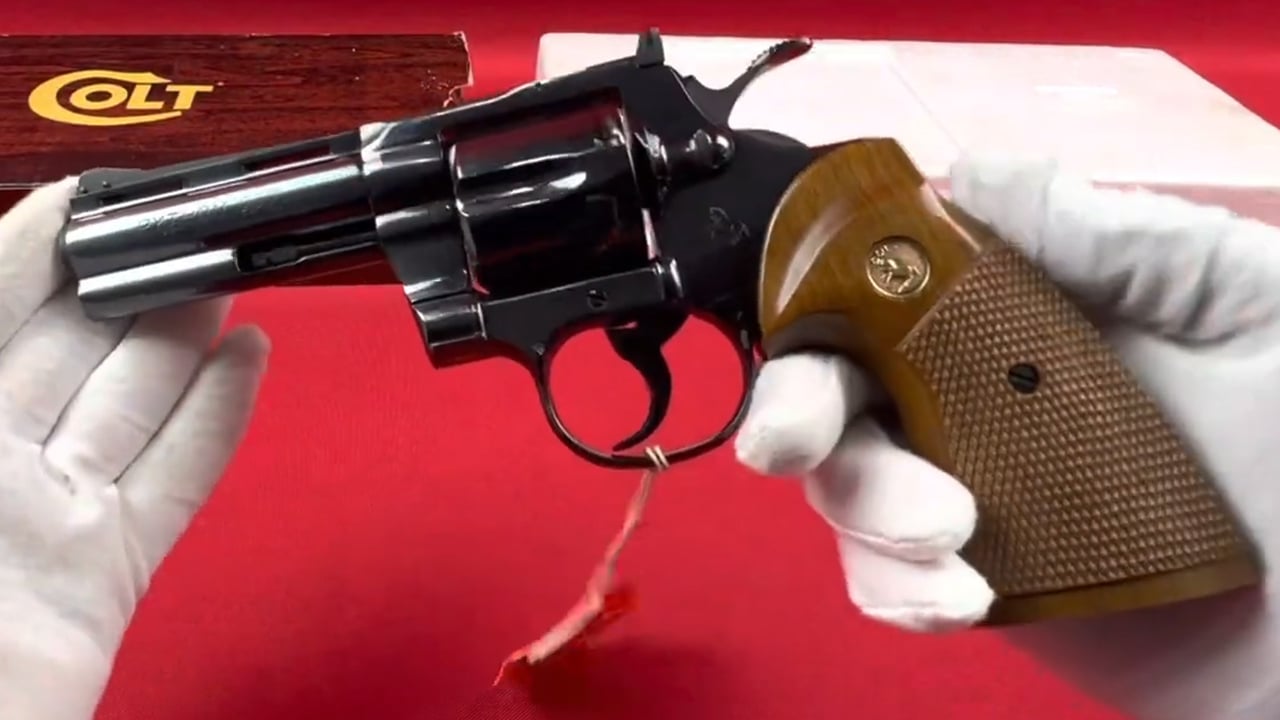
The Python has a reputation that gets exaggerated online, but the older ones really do have a different level of polish and fit. The lockup, the finish, the way the double-action can feel when it’s right—there’s a reason people talk about them like they’re something special.
They’re expensive, and I don’t blame anyone for not wanting to drag one through briars. Still, when you handle an older Python that hasn’t been abused, it’s obvious it wasn’t built with a stopwatch and a cost-cutter hovering over the bench.
20. SIG Sauer P226 (West German / early German production)
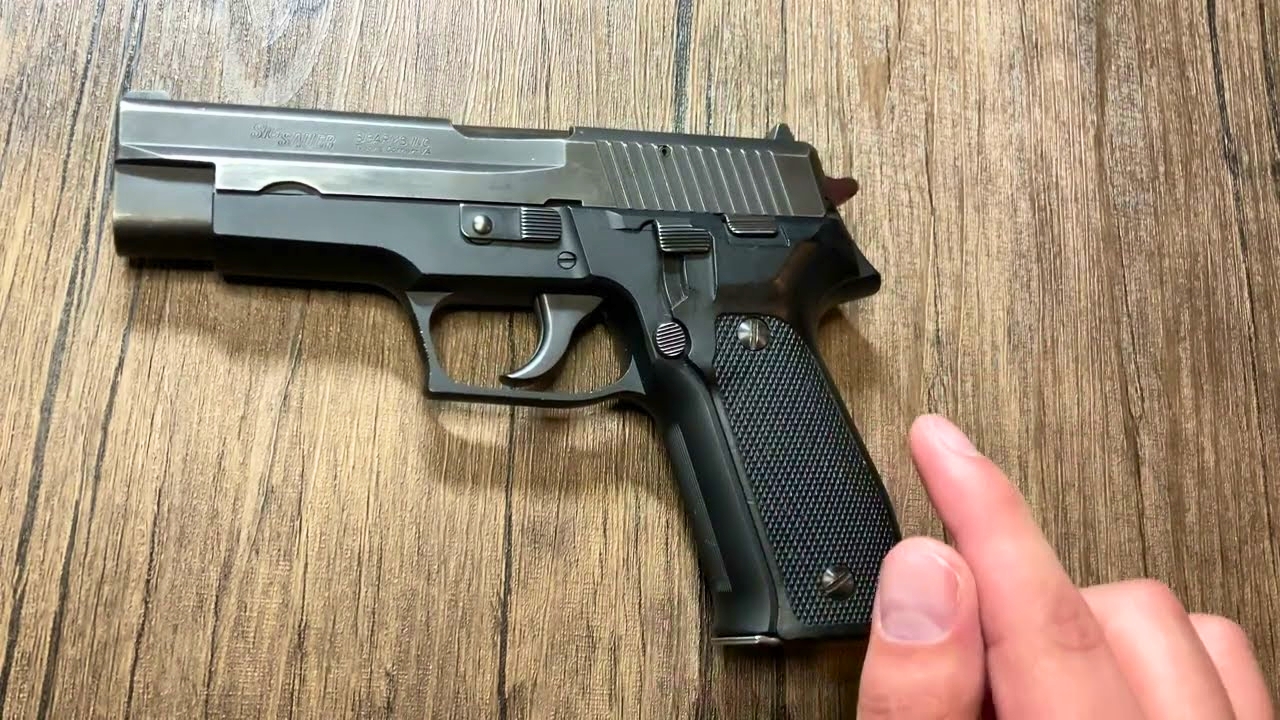
The P226 is a workhorse pistol, and the earlier examples have a kind of no-nonsense build quality that’s hard to fake. They feel tight without being finicky, and they run dirty, wet, cold, and tired. Magazines are common, parts aren’t a scavenger hunt, and the gun just does what it’s supposed to.
It’s not small, and it’s not the lightest thing to carry all day. But if you want a full-size 9mm that feels like it was made to last, the older P226s are still a benchmark.
None of these guns are perfect, and not every one of them is the right tool for your hunts or your range time. But they all share a trait I respect: they feel like the maker expected hard use and didn’t try to save pennies in the places that matter. If you’ve got one that runs and fits you, I wouldn’t be quick to trade it off for the newest thing just because the internet says you should.
Like The Avid Outdoorsman’s content? Subscribe to our newsletter so you never miss an article.
Here’s more from us: