Photo credit: Military Arms Channel/Youtube
Every gun counter has the same quiet pattern: somebody walks in fired up about personal protection, leaves with a pistol that looks and feels serious, and then… it lives in a drawer. It is not because they are lazy or scared. It is usually because the gun they bought for “just in case” turns out to be uncomfortable, finicky, too heavy, too snappy, too complicated, or just a pain to live with day after day.
Carrying a handgun is a lifestyle choice, not a one-time purchase. If the pistol does not fit your body, your clothes, your hands, and your tolerance for maintenance, it will get left behind. Here are 20 models I see over and over in that exact cycle—bought with good intentions, then rarely carried once the new-gun excitement wears off.
1. Smith & Wesson M&P Bodyguard .380

The little Bodyguard sells because it is small and affordable, and it feels like an easy “first carry” step. Then you shoot it. The long, heavy trigger and tiny sights make new shooters work harder than they expected just to keep rounds where they want them.
It ends up becoming a “pocket option” that never quite earns trust. Folks don’t hate it, they just don’t love practicing with it, and the gun you do not practice with is the gun you do not carry.
2. Ruger LCP (original)
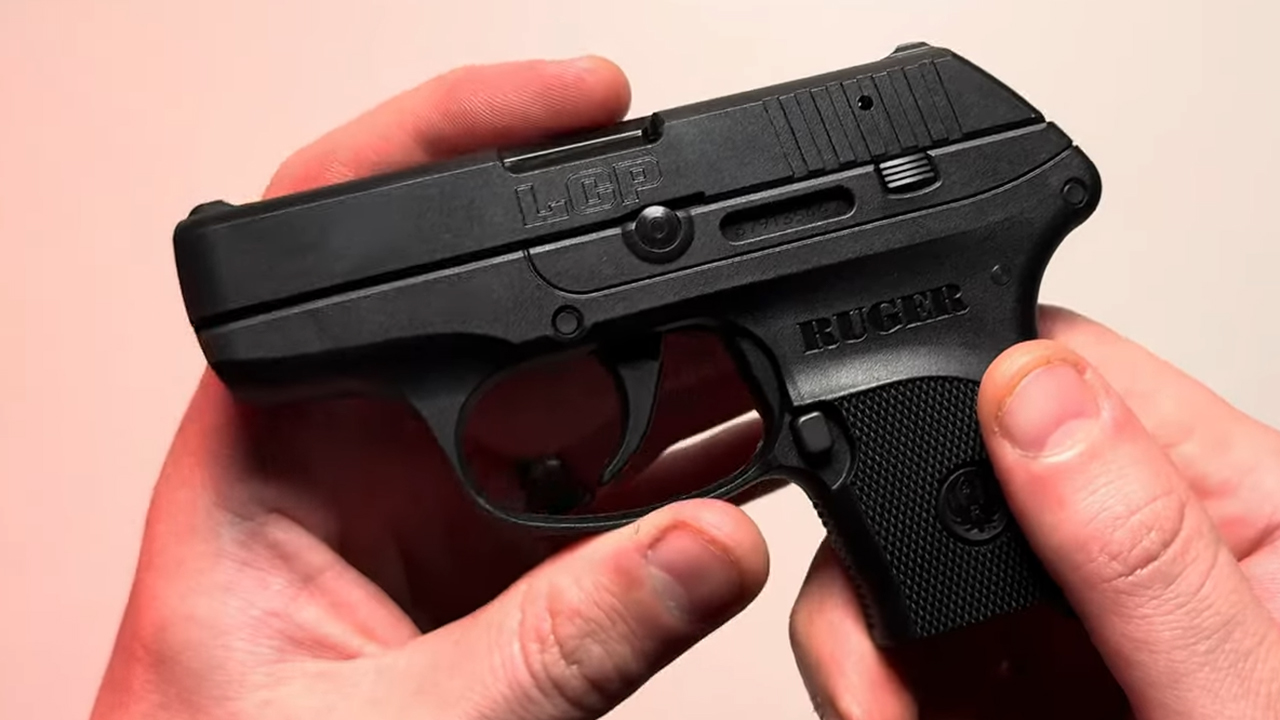
This one is a classic example of “it disappears in your pocket” turning into “it disappears from your routine.” The original LCP is light, flat, and easy to buy on a budget, but it is also a knuckle-biter in recoil for many hands.
It fills a real niche, but that niche demands more discipline than most expect. If you do not put in the reps, the little .380 becomes a comfort purchase instead of a carry habit.
3. Taurus Judge (2.5-inch)

I get the appeal: it looks like it could handle anything from a snake to a bad guy to a porch raccoon. In reality, it is big, heavy, and awkward to conceal, and most owners quickly realize it is more “truck novelty” than daily-carry solution.
Also, the ammo conversation turns into a rabbit hole. Folks end up with a gun they like to talk about more than they like to carry.
4. Kimber Ultra Carry II

Short 1911s are seductive. They point well, look sharp, and feel like “real steel.” Then the practical side shows up: some of these compact 1911s can be pickier with magazines and ammo than a full-size gun, and maintenance matters.
When a carry gun starts feeling like a project, it gets left at home. Plenty of Kimber Ultras run fine, but enough owners end up tired of the fuss that it stops being an everyday choice.
5. Colt Python (4.25-inch)
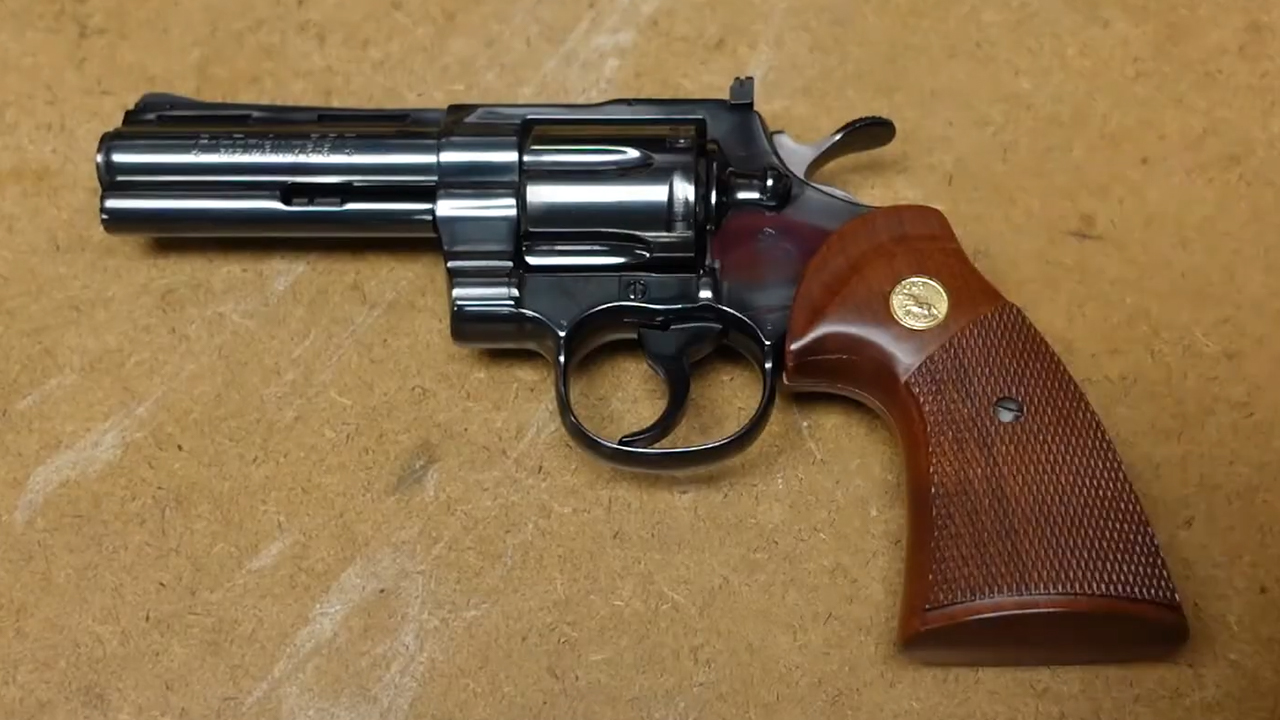
This one is simple: it is expensive and pretty. A lot of folks buy one thinking they will carry it because revolvers are “reliable,” then they realize they are stuffing a high-dollar showpiece into a holster that will scuff it up.
The weight does not help either. The Python becomes a range-day treat and a safe queen, not a tool you sweat on during a July grocery run.
6. Glock 17 (Gen3/Gen4)
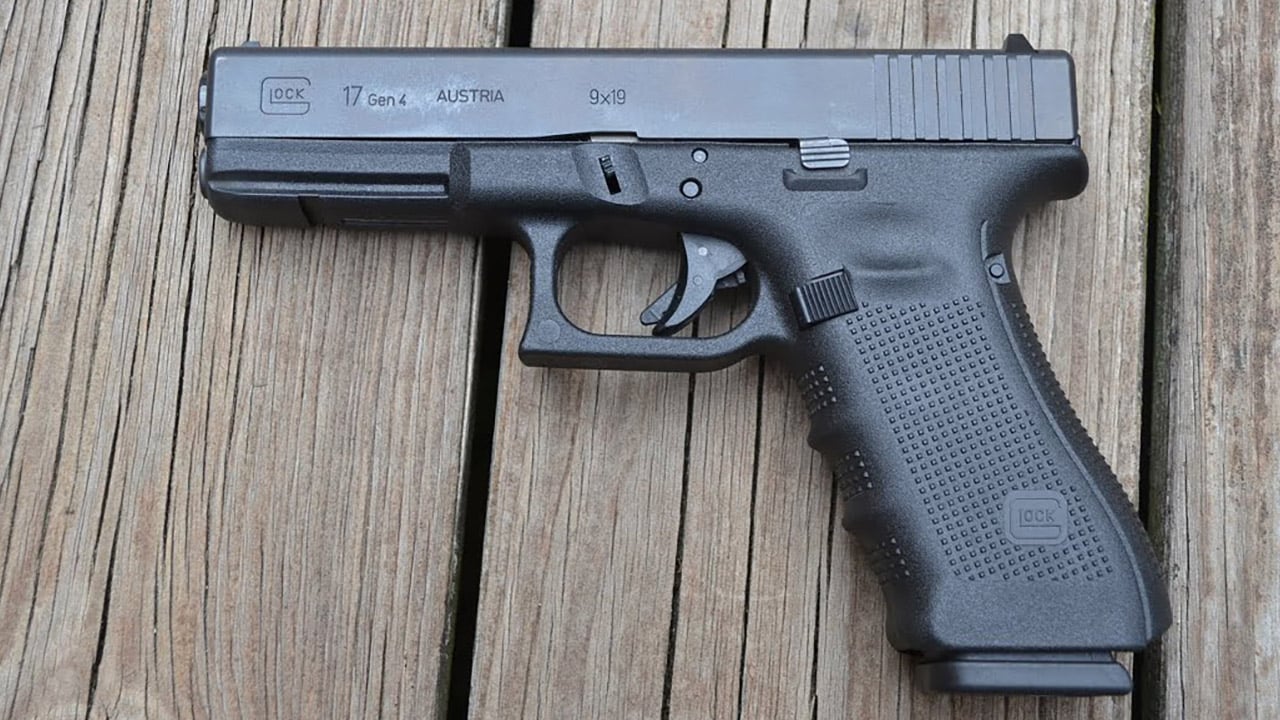
The Glock 17 is boring in the best way, and that is why people buy it for defense. It is also a full-size duty pistol, and full-size pistols demand real wardrobe and holster commitment if you want to carry comfortably.
What happens is predictable: it becomes the nightstand gun. That is not a failure, but it is not the daily carry plan most folks imagined at the counter.
7. Beretta 92FS
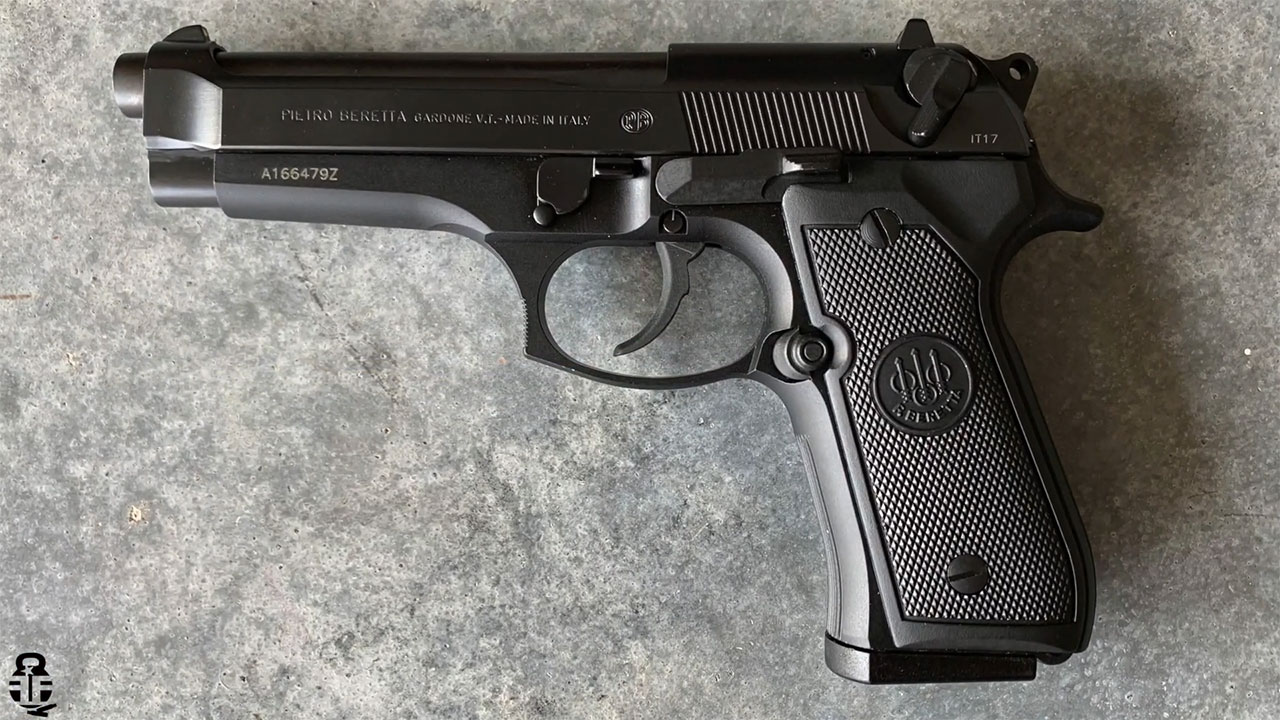
I love the way a 92FS shoots. Smooth recoil, good accuracy, and it feels like it will last forever. Carrying it all day, though, is a different conversation.
It is wide, long, and heavy, and the controls are not everyone’s favorite under stress. Many owners keep it because it is a great pistol, they just stop pretending it is a practical concealed-carry gun for normal life.
8. SIG Sauer P226
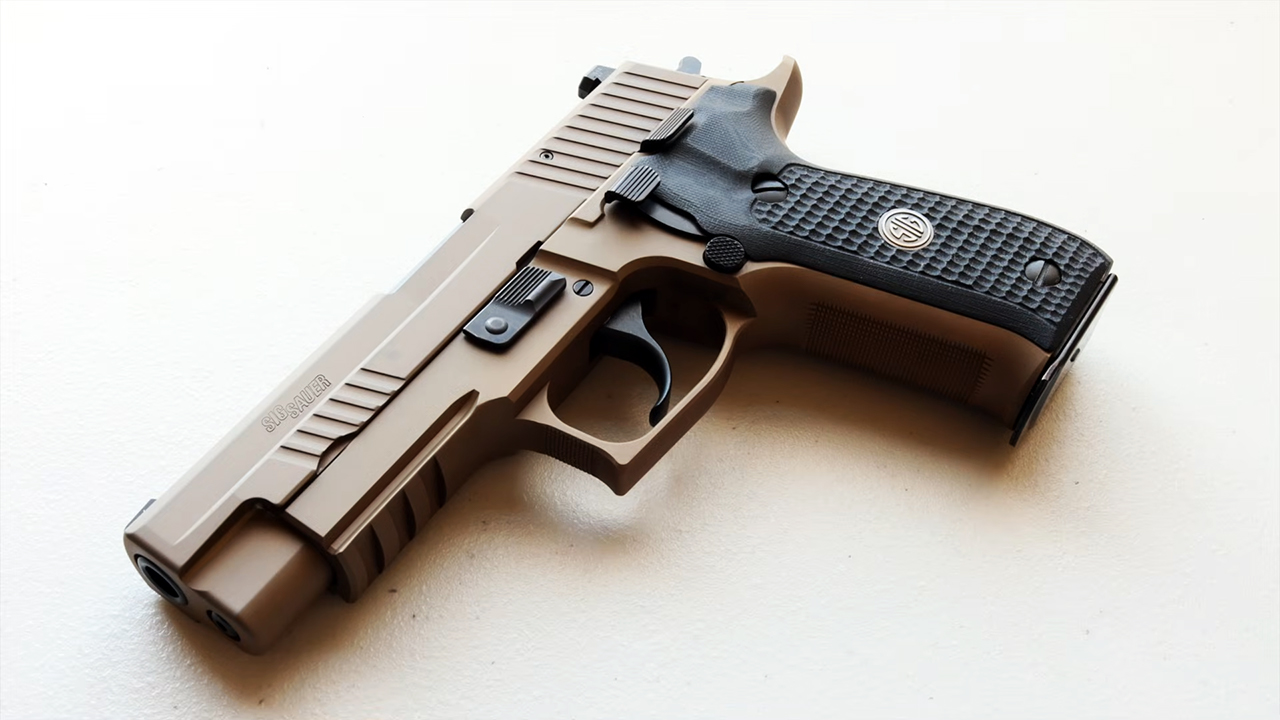
The P226 is another “shoots like a dream, carries like a brick” pistol. A lot of outdoorsmen buy one because they want a dependable, serious handgun with a proven record.
Then the belt starts sagging. If you do not want to dress around it every day, it becomes a house gun or a range gun. Still a solid role, just not the one it was purchased for.
9. Smith & Wesson Model 686 (4-inch)
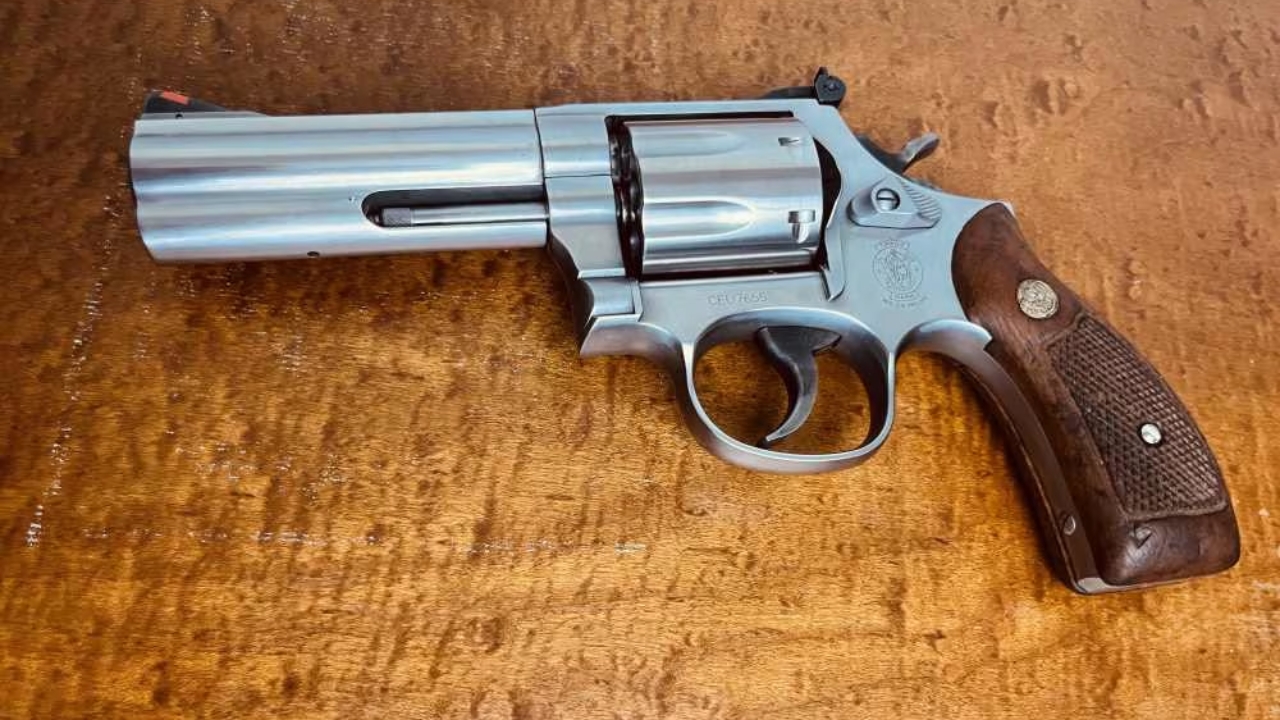
A 686 is built like a fence post. It is accurate, dependable, and shoots .38s pleasantly and .357s with authority. It is also not small.
Most folks try it in a holster once or twice, realize they are carrying a lot of steel, and then it becomes the “in the woods” revolver instead of the everyday defensive gun.
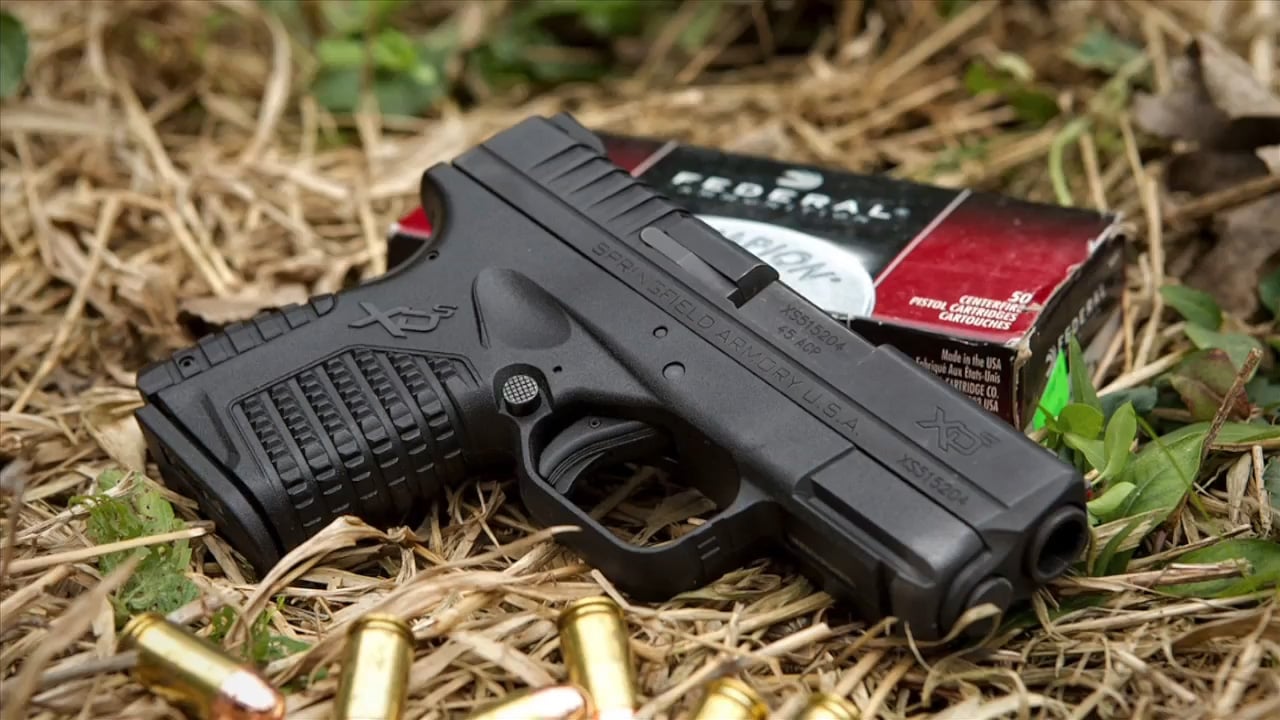
10. Springfield Armory XD-S (early models)
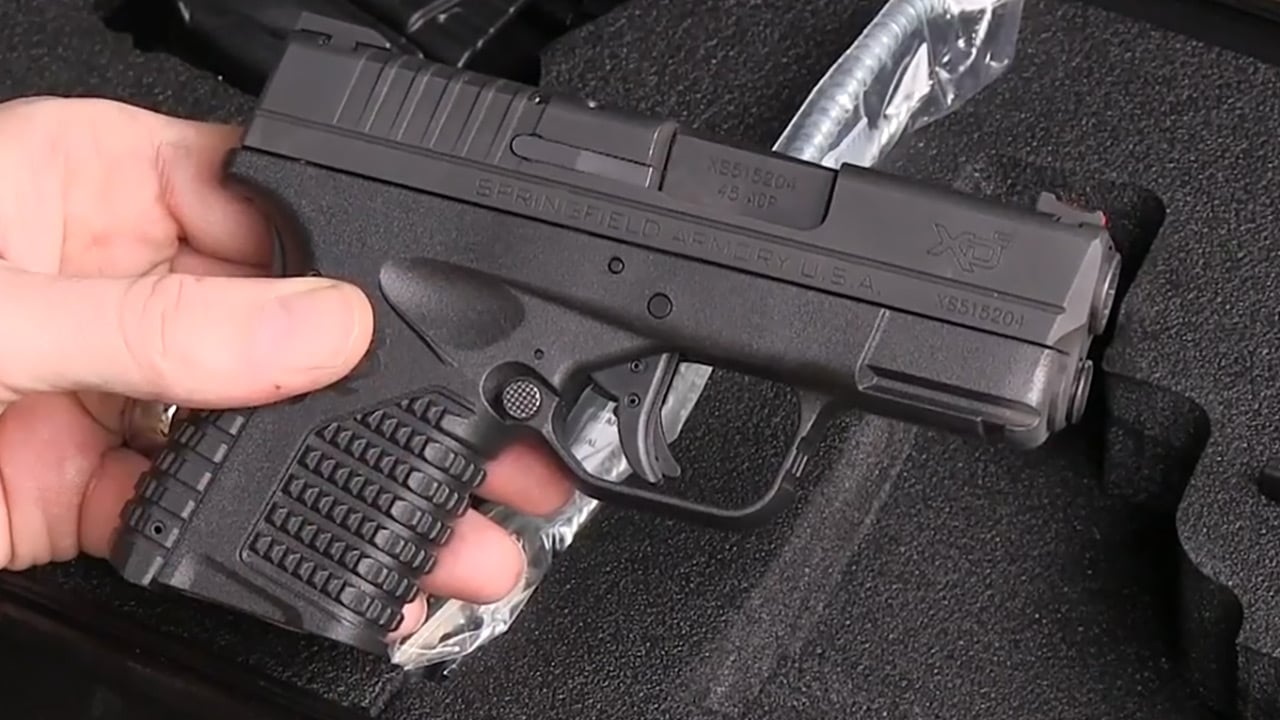
The XD-S sold a lot of people on the idea of a thin, single-stack pistol that still feels like a “real” fighting gun. The problem is that some owners never warmed up to the grip safety, and others just did not enjoy the recoil in such a slim package.
Even when they shoot fine, they often get replaced by newer micro-compacts that feel easier to run fast. The XD-S ends up in the back of the safe, not because it is junk, but because the market moved on.
11. Kahr CM9

Kahr makes thin little pistols that carry great when you want minimal bulk. The long, smooth trigger is the feature, not a flaw, but it surprises folks who expected a short striker-fired break.
If you do not practice that trigger, you will not shoot it as well as you should. The CM9 ends up being “easy to own” and “easy to leave at home,” which is a frustrating combination.
12. SIG Sauer P365 SAS
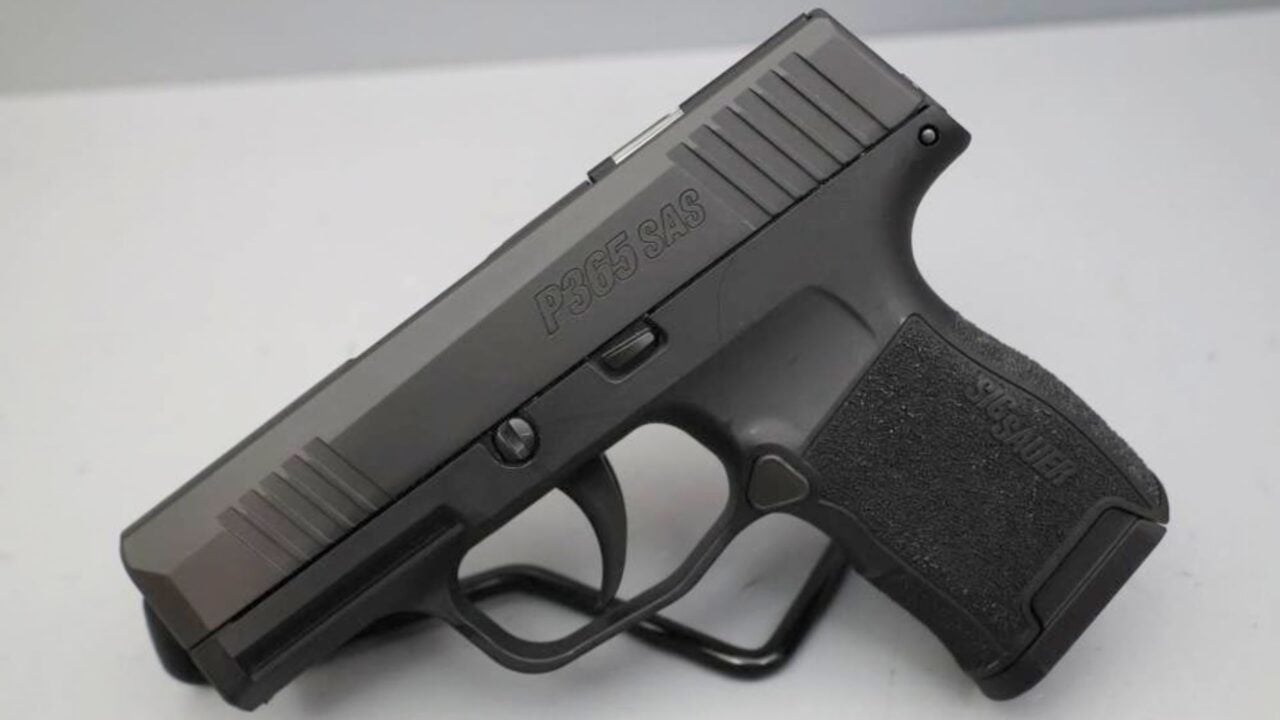
The SAS concept is slick: snag-free, low-profile, and designed to be carried a lot. In practice, that sight system is love-it-or-hate-it, especially once you try to confirm precise hits at speed or in mixed lighting.
Plenty of folks switch to a standard P365 slide or an optic-ready version after the honeymoon. The SAS often becomes the gun you meant to carry more, but didn’t.
13. Glock 43 (not the 43X)
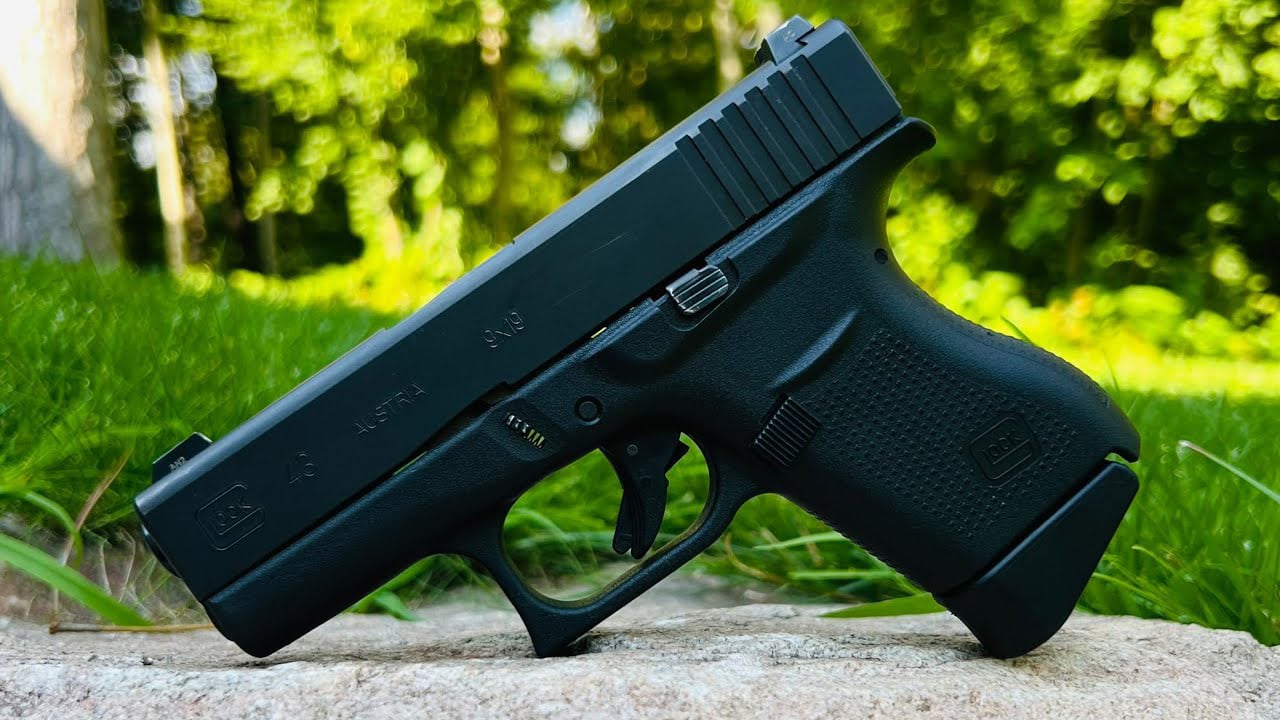
The Glock 43 is a legit carry pistol, but it sits in a weird spot now. For many hands, it is just a little too small to be comfortable for long practice sessions, and capacity feels dated next to modern micro 9mms.
A lot of owners keep it as a backup or “minimal clothing” gun, but it stops being the main daily piece once they try something that shoots softer with more rounds on board.
14. Ruger EC9s
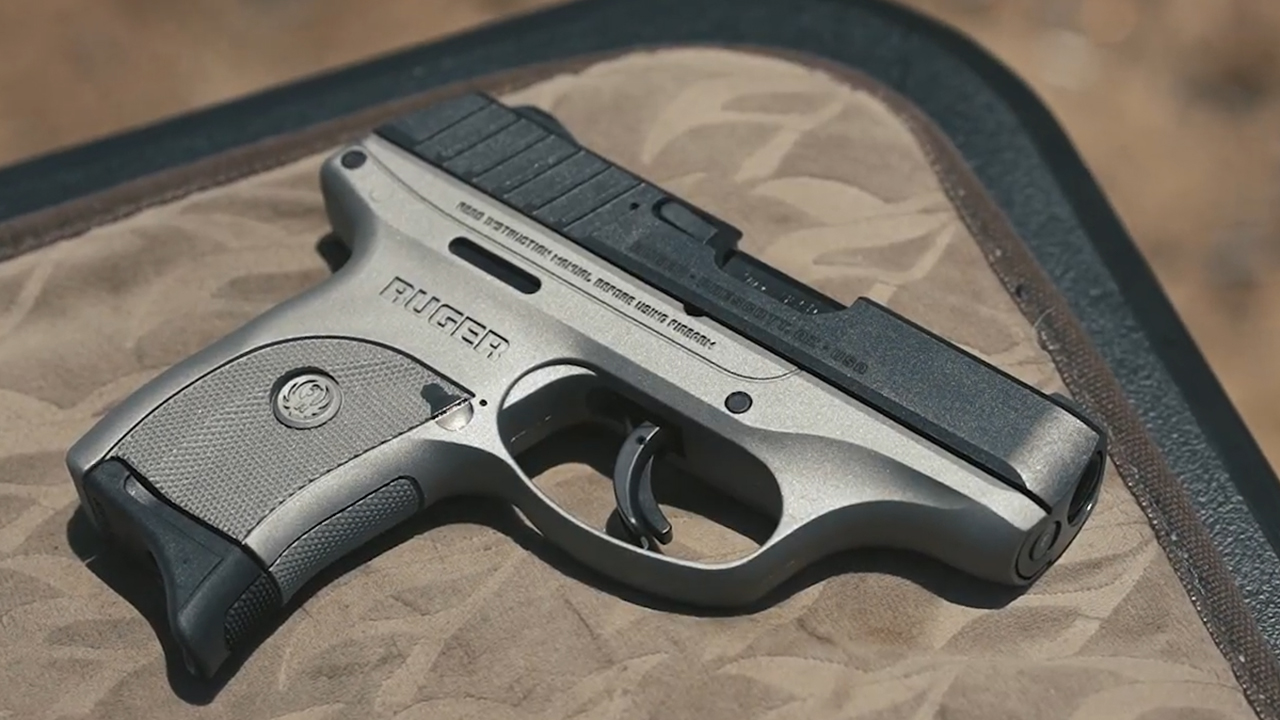
Ruger’s budget single-stack 9 sells because it is priced right and it is thin. The sights and trigger are serviceable, but “serviceable” does not inspire range time, and range time is what builds confidence.
If a pistol feels like a compromise from day one, it tends to become a glovebox gun or a drawer gun. Not ideal, and also not rare.
15. Smith & Wesson M&P Shield .40
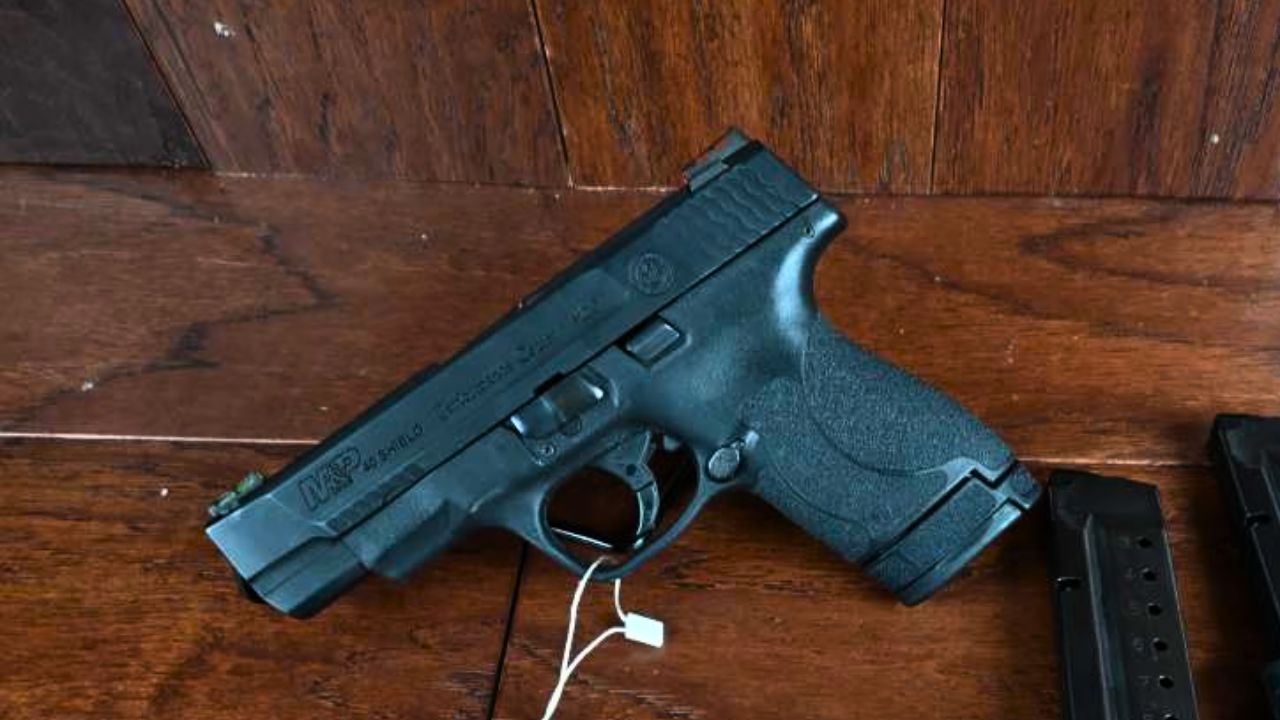
The .40 Shield has had a lot of owners. It made sense when ammo shelves and trends were different, and it is still a dependable pistol.
But in a small, light gun, .40 can be a sharp experience. Many shooters find they carry it less because they practice less, and they practice less because it is not pleasant. Ask me how I know.
16. Glock 26
The Glock 26 is a great pistol that carries worse than people expect for its size. It is short in the grip, but it is thick, and thickness is what prints and pokes you all day.
Owners often end up choosing either thinner micro-compacts or just going up to a 19 because it carries almost the same but shoots better. The 26 is rarely anyone’s “forever” choice, even though it runs and runs.
17. CZ 75B

A CZ 75B feels like a real handgun in the hands—heavy, smooth, and accurate. It also feels like a real handgun on your belt after eight hours.
Some folks intend to carry it because they shoot it so well. Then they remember that daily carry is mostly about comfort and concealment, not how nice the gun feels on a calm range lane.
18. Walther PPK/S
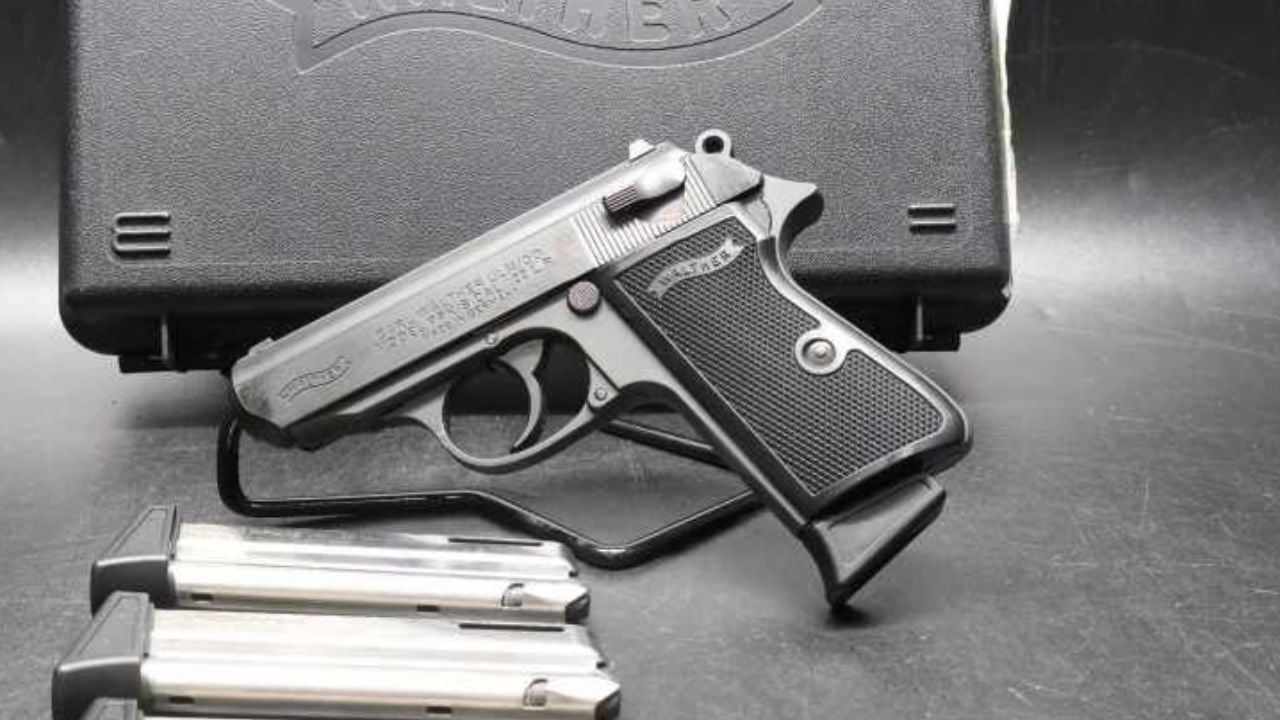
The PPK/S sells on history and style, and I do not blame anyone for wanting one. What catches people is the mix of blowback recoil, slide bite, and controls that can be fussy for newer shooters.
It becomes a “cool gun” more than a “carry gun.” Nothing wrong with owning cool guns. Just do not confuse that with a reliable, easy daily-carry routine.
19. FN FNX-45 Tactical

This is the classic “I want one pistol that does everything” purchase. Big .45, high capacity, optics-ready, suppressor-height sights—the whole package.
Then you try to conceal it. It is a large framed handgun, and it carries like one. Most owners end up using it for home defense, range time, or as a dedicated setup gun, not a daily concealed companion.
20. Desert Eagle Mark XIX
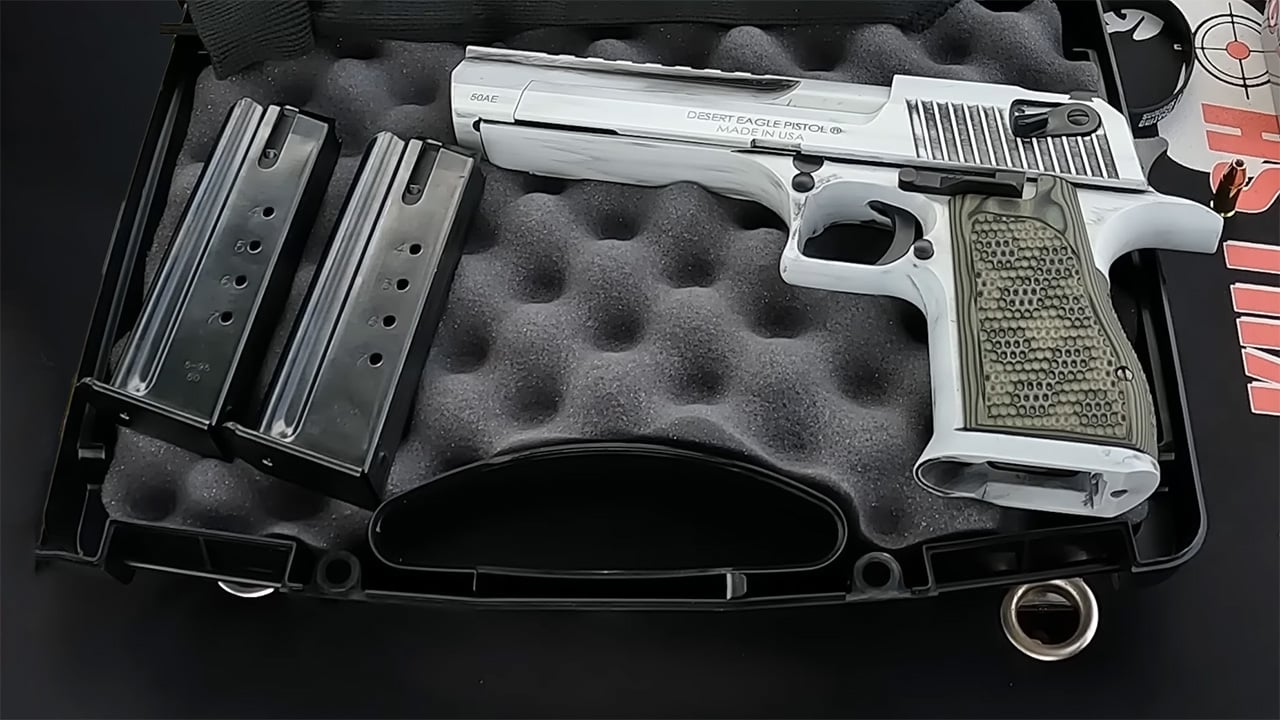
Yes, people really buy these with “defense” in mind. Usually it starts as a joke that becomes a purchase, and then reality sets in: it is huge, heavy, loud, expensive to feed, and not remotely practical to carry around town.
Still, it is hard not to smile when you see one. It just is not a serious everyday answer to a serious everyday problem.
The common thread here is not that these handguns are all bad. Most of them are good at something. The problem is that “good at something” is not the same as “easy to live with every single day.” If you want a gun that actually gets carried, pay more attention to comfort, holster support, magazine availability, and how often you will really practice than whatever sounded toughest in the gun shop.
Like The Avid Outdoorsman’s content? Subscribe to our newsletter so you never miss an article.
Here’s more from us: